
Spotting tiny red bugs crawling across your windowsills can be an unsettling experience, especially when you're unsure what they are. Often, these minuscule invaders are clover mites, a common nuisance pest that appears around homes, particularly during certain seasons. While their reddish color and small size might cause alarm, understanding clover mites—what they are, why they appear, and how to manage them—is key to keeping your home free from these unwelcome guests. This guide will help you identify these tiny arachnids, explain their behavior, and provide practical, effective strategies for their prevention and control.
Bottom line:
If you see tiny red bugs on your windowsills, they are likely clover mites. They are harmless plant-feeding arachnids, not insects, and do not bite people or pets. The best immediate action is to vacuum them up to avoid staining, then focus on outdoor prevention by creating a plant-free zone around your home's foundation.
What Are Clover Mites?
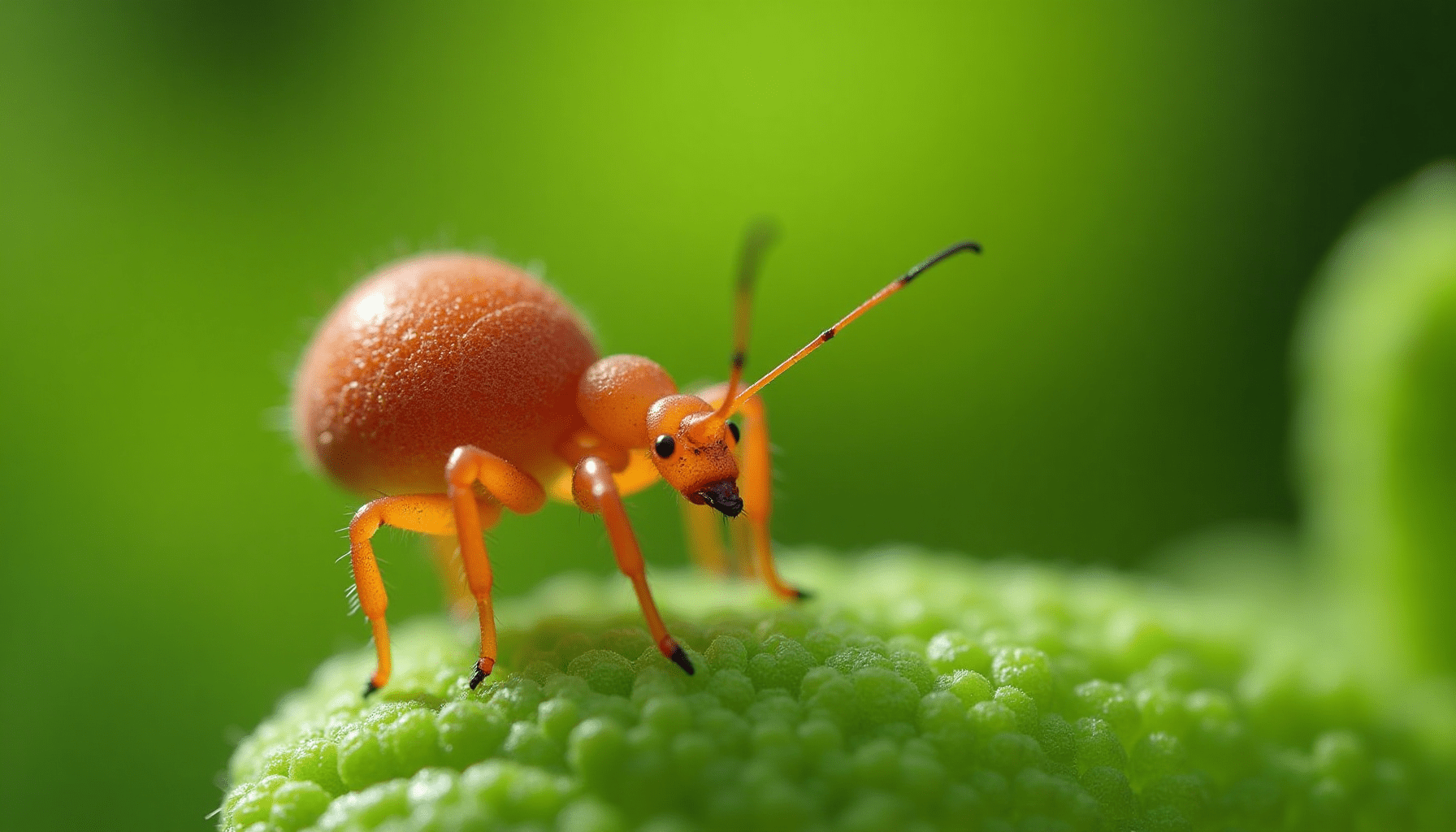
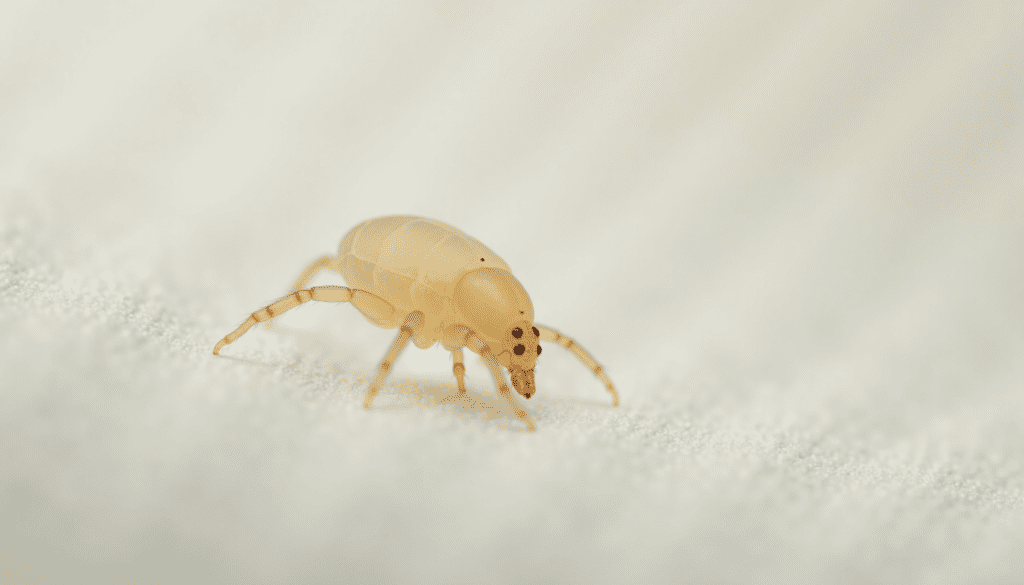
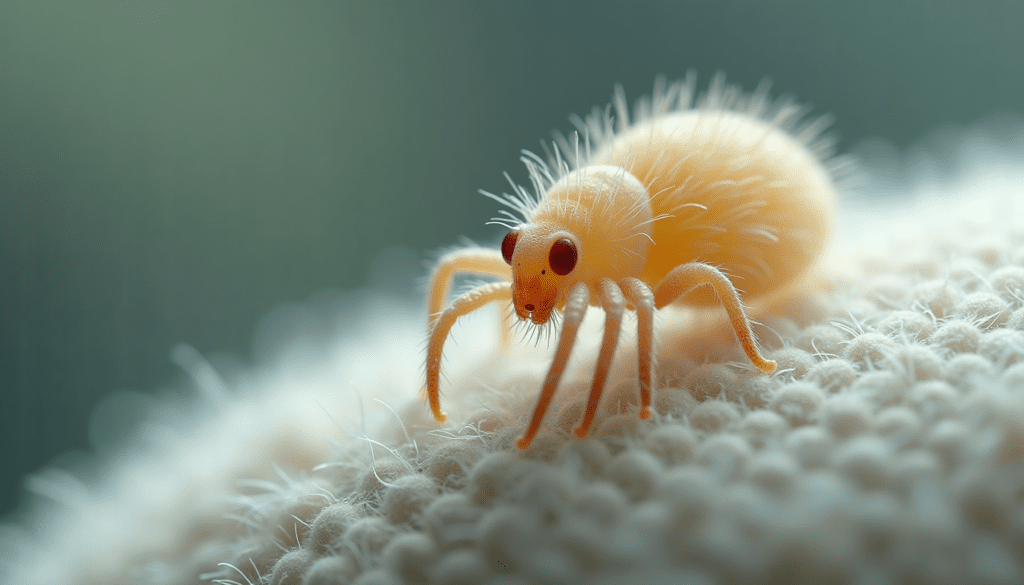
Clover mites, scientifically known as Bryobia praetiosa, are often mistaken for insects, but they are actually arachnids, more closely related to spiders and ticks. These plant-feeding mites are incredibly small, typically measuring about 1/30th of an inch, or roughly the size of a pinhead. Their reddish-brown bodies give them the appearance of "tiny red bugs," a common description from homeowners.
A distinctive feature that helps in identifying clover mites is their unusually long front pair of legs, which are often held forward and can be mistaken for antennae. Unlike many other mites, clover mites do not bite humans or animals, nor do they transmit diseases. Their primary diet consists of grasses, clovers, and other lush vegetation found in lawns and gardens, making them common outdoor inhabitants.
Clover mites reproduce through a process called parthenogenesis, meaning female mites can lay eggs that develop without fertilization. This allows their populations to grow rapidly under favorable conditions, leading to noticeable outbreaks around homes. Their life cycle, from egg to adult, typically takes about 30 days, passing through larval and nymph stages, as noted by Kansas State Research and Extension. While they thrive outdoors, their tendency to migrate indoors makes them a significant nuisance pest.
Why Are Clover Mites on My Windowsill?
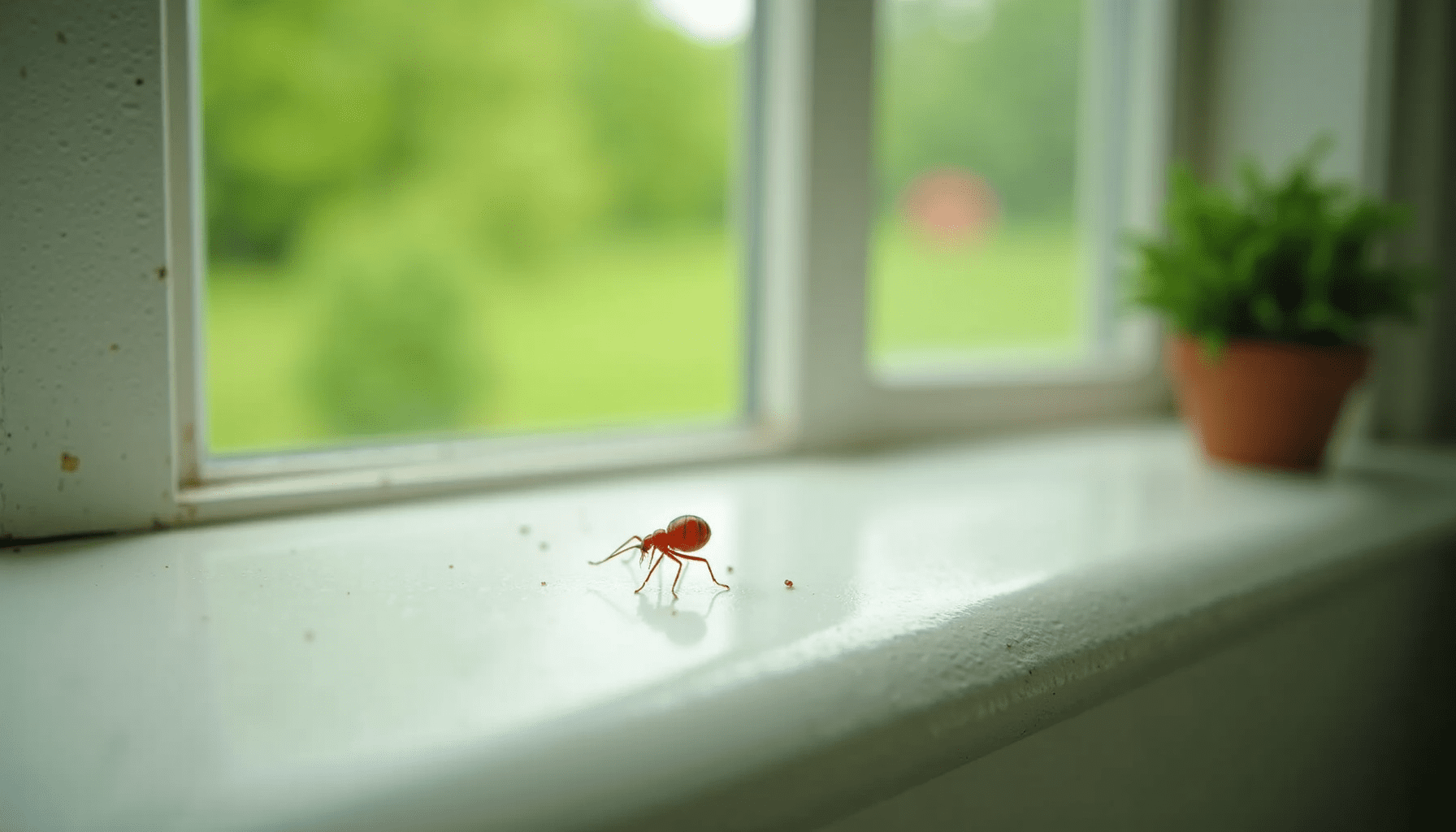
Clover mites are primarily outdoor creatures, and their appearance on your windowsill is almost always a sign of migration from the exterior environment. They are drawn to homes for several key reasons, often linked to changes in their outdoor habitat or the structure of your house itself.
One of the main triggers for indoor migration is the drying up or removal of their outdoor food sources. As temperatures change, especially during periods of drought or when lawns are heavily mowed, the lush vegetation that clover mites feed on becomes scarce. This scarcity prompts them to seek new food sources or shelter, and the warmth and protection of a home can seem like an ideal refuge.
Clover mites are particularly attracted to the sunniest sides of buildings, typically the south, southwest, and east-facing walls. These areas often have dense turf, groundcovers, or foundation plantings that provide ample food. When conditions become unfavorable outdoors, these mites will crawl up the sunny walls and exploit any small crack, gap, or opening to enter your home. This is why they are so frequently found on windowsills, particularly those that receive direct sunlight, as well as on walls and around basement windows.
Factors like lush, over-fertilized turf, dense foundation plantings, and dry, sun-exposed foundation zones increase the likelihood of an invasion. Even tiny cracks around windows and doors, or gaps in the foundation, can serve as entry points for these minuscule arachnids. Understanding this migratory behavior is crucial for effective prevention and control, as it highlights the importance of managing the outdoor environment around your home.
How to Identify Clover Mites
Accurate identification is the first step in managing any pest, and clover mites have several distinct characteristics that set them apart from other tiny red bugs. Confusing them with other pests like chiggers, spider mites, or even young ticks can lead to ineffective treatment, so knowing what to look for is essential.
Here’s how to identify clover mites:
- Size and Color: They are extremely small, about the size of a pinhead (1/30th of an inch), and appear reddish-brown or dark red. If crushed, they leave a noticeable reddish stain.
- Legs: A key distinguishing feature is their front pair of legs, which are significantly longer than the other six and extend forward, often mistaken for antennae.
- Movement: Clover mites move relatively slowly but purposefully, often appearing in clusters on surfaces.
- Location: Indoors, they are most commonly found on windowsills, walls, curtains, and furniture, especially on the sunniest sides of the house. Outdoors, look for them on exterior walls, especially those facing south, southwest, or east, and on lush lawn areas near the foundation.
- Staining: If you crush them, they leave a distinct red or reddish-brown stain. This is a tell-tale sign of clover mites and why vacuuming is preferred over squashing them.
It's important to differentiate clover mites from other common "tiny red bugs." For instance, spider mites are also plant feeders but are often lighter in color and produce webbing on plants. Chiggers, another type of mite, are known for their itchy bites, which clover mites do not inflict. While both are arachnids, clover mites are not blood-feeding parasites like ticks. Understanding these differences, as detailed by The Bug Man Iowa, ensures you're dealing with the correct pest.
Do Clover Mites Bite?
A common concern when encountering any unknown bug is whether it bites or poses a threat to health. When it comes to clover mites, you can rest easy: they do not bite people or pets. This is a crucial distinction that often alleviates much of the anxiety associated with finding these tiny red bugs in your home.
Clover mites are strictly plant feeders. Their mouthparts are designed for piercing plant cells and sucking out the juices, not for biting skin or drawing blood. They pose no direct health risk to humans or animals, nor are they known to transmit any diseases. The Illinois Department of Public Health confirms that clover mites are not considered biting household pests.
Their primary nuisance indoors stems from their sheer numbers and the potential for staining. When crushed, a clover mite can leave a reddish-brown mark on walls, curtains, carpets, or furniture. This staining is due to the mite's body fluids and pigments, not blood. Therefore, while they may be annoying to find in your living space, they are not dangerous.
The presence of clover mites indoors typically means they have wandered in from their outdoor plant habitats. They do not seek out humans or animals for food, nor do they establish breeding populations inside homes. If you find them, the concern is purely aesthetic and about nuisance, not about personal safety or an infestation in the traditional sense.
Why Clover Mites Appear in Spring and Fall
The appearance of clover mites is often seasonal, with peak activity in spring and fall. These periods align with environmental conditions that favor their reproduction and migration patterns, leading to increased sightings on windowsills and exterior walls.
In spring, as temperatures rise and vegetation begins to grow lush, clover mite populations can explode. They thrive in well-fertilized lawns and dense groundcovers. As the weather warms further and summer approaches, or if there are periods of drought, their outdoor food sources may begin to dry out. This scarcity, combined with increasing temperatures, can drive them to seek cooler, moister environments, including the shaded sides of homes or indoors.
Similarly, in fall, as outdoor temperatures begin to drop and plants start to die back, clover mites seek shelter and warmth. They may try to find overwintering sites, and the warmth radiating from a home's foundation or walls can be incredibly attractive. This migration can lead to another surge of indoor activity as they attempt to enter structures for protection from the approaching cold. The University of Florida IFAS Extension notes that their activity is often highest in cooler weather, specifically spring and fall.
These seasonal migrations are why homeowners often notice clover mites during these specific times of the year. They are not typically year-round indoor pests because they cannot reproduce or survive long in the dry, food-scarce indoor environment. Their presence is a temporary phenomenon, driven by external environmental factors. Understanding this seasonal pattern helps in timing prevention and control efforts effectively, particularly when considering fall pest-proofing your home.
How to Get Rid of Clover Mites Indoors
Finding clover mites inside your home can be frustrating, but effective indoor management focuses on physical removal and preventing further entry. Since these mites do not reproduce indoors and typically die within a few days from dehydration, aggressive chemical treatments inside are usually unnecessary and not recommended by experts like Penn State Extension.
Here’s what to do if you find clover mites indoors:
- Vacuum Them Up: The most effective and recommended method for removing indoor clover mites is to vacuum them. Use a hose attachment with a brush or crevice tool to carefully suction them from windowsills, walls, curtains, and other surfaces. This prevents crushing, which can lead to unsightly red stains.
- Dispose of Vacuum Contents Properly: After vacuuming, immediately remove the vacuum bag or empty the canister contents into a sealed plastic bag. Dispose of this bag outdoors in a trash bin to prevent any mites from escaping back into your home.
- Wipe Down Surfaces: After vacuuming, use a damp cloth with soapy water or a general household cleaner to wipe down windowsills, frames, and walls where mites were present. This can remove any residual mites or eggs and clean up potential staining.
- Seal Entry Points: Inspect windows, doors, and the foundation for any cracks, gaps, or openings. Use caulk, weatherstripping, or screen repair kits to seal these entry points. This is a crucial step to prevent future invasions, as it directly addresses how these tiny red bugs get inside.
- Avoid Crushing: Resist the urge to wipe or crush mites with your hand or a cloth, as this will almost certainly leave red stains on your surfaces. The staining can be difficult to remove, especially from porous materials.
Focusing on these non-chemical methods ensures a safe and effective way to manage clover mites that have already made their way inside. For broader strategies against other seasonal invaders, exploring winter pest control strategies can provide additional guidance.
How to Prevent Clover Mites Around Your Home
Preventing clover mites from entering your home is far more effective than trying to deal with them once they're inside. The best approach involves modifying the outdoor environment around your foundation and sealing potential entry points. This integrated pest management (IPM) strategy is widely recommended by university extension services.
Here are core prevention steps to implement around your home:
- Create a Vegetation-Free Strip: Establish an 18 to 24-inch wide plant-free zone immediately around your home's foundation. Remove all grass, weeds, ivy, and other dense vegetation in this area. This eliminates their primary food source and habitat right next to your house, making it less attractive for migration.
- Choose Inorganic Mulch: Fill the vegetation-free strip with inorganic materials like pea gravel, crushed stone, or coarse sand. These materials are unattractive to clover mites and help create a barrier. Avoid organic mulches like wood chips, which can retain moisture and provide shelter.
- Manage Your Lawn: Keep your lawn regularly mowed, but avoid over-fertilizing with nitrogen, which can lead to lush growth that clover mites favor. Ensure proper irrigation, avoiding excessive watering near the foundation.
- Select Less Attractive Plants: If you have foundation plantings, choose varieties that are less appealing to clover mites. Some examples include juniper, spruce, arborvitae, yew, barberry, geranium, marigold, petunia, chrysanthemum, salvia, or roses, as suggested by Ohio State University Extension.
- Seal All Entry Points: Regularly inspect your home's exterior for any cracks or gaps. Pay close attention to:
- Cracks in the foundation
- Gaps around window and door frames
- Utility line entry points
- Damaged screens
- Weatherstripping around doors and windows
Seal these openings with caulk, weatherstripping, or screen repair kits to physically block mite entry.
- Remove Debris: Keep the area around your foundation clear of leaf litter, wood piles, and other debris that can provide shelter for mites.
By implementing these preventative measures, you can significantly reduce the likelihood of clover mite invasions and keep your home a less inviting environment for these tiny red bugs.
When to Consider Professional Pest Control
While many clover mite issues can be managed with diligent home prevention and physical removal, there are situations where professional pest control becomes a valuable option. If you're experiencing persistent, large-scale invasions despite your best efforts, or if you prefer a more hands-off approach, a pest management professional can offer targeted solutions.
Professionals often recommend and apply perimeter treatments around the exterior of your home. These treatments create an insecticidal barrier that can deter mites from crawling up walls and entering the structure. The application typically covers the foundation walls, exterior walls up to the lower windows, and adjacent turf, often extending 10 to 20 feet out from the foundation. The timing of these treatments is crucial, usually applied in spring and fall when mite activity is highest, as advised by Kansas State Research and Extension.
A pest control expert can:
- Accurately Identify: Confirm that the pests are indeed clover mites and not other, potentially more problematic, species.
- Assess the Situation: Identify specific entry points and environmental factors contributing to the invasion.
- Apply Targeted Treatments: Use appropriate, EPA-approved insecticides specifically labeled for mites, ensuring correct application rates and locations. This is particularly important for outdoor applications, where products like bifenthrin or permethrin might be used.
- Provide Long-Term Solutions: Offer advice on ongoing prevention strategies and schedule follow-up treatments if necessary.
It's important to note that professionals generally do not recommend applying pesticides inside the home for clover mites, as indoor mites typically die quickly from dehydration. The focus remains on exterior barriers and habitat modification. For severe or recurring cases, consulting a pest management professional can provide peace of mind and more robust control.

Clover Mites vs. Other Tiny Red Bugs
Many small, reddish creatures can appear around homes, leading to confusion. Distinguishing clover mites from other "tiny red bugs" is crucial for effective management, as their biology and control methods differ significantly.
Here's a comparison to help you tell them apart:
-
Clover Mites:
- Appearance: Pinhead-sized (1/30 inch), reddish-brown, with very long front legs often mistaken for antennae.
- Behavior: Slow-moving, found on windowsills, walls, sunny exterior surfaces. Leave red stains if crushed.
- Impact: Plant feeders, do not bite humans or pets, nuisance pest only.
- Habitat: Outdoors on grasses and plants, migrate indoors seasonally.
-
Spider Mites:
- Appearance: Also tiny, often reddish or greenish, but typically produce fine silk webbing on plants.
- Behavior: Found on the undersides of leaves, cause stippling damage to plants.
- Impact: Serious plant pests, do not bite humans.
- Habitat: Primarily on garden and houseplants.
-
Chiggers (Harvest Mites):
- Appearance: Larvae are tiny, reddish-orange, difficult to see. Adults are larger, red.
- Behavior: Larvae attach to skin in grassy/wooded areas, causing intensely itchy red welts.
- Impact: Bite humans and animals, causing allergic reactions and severe itching.
- Habitat: Outdoors in tall grass, weeds, and wooded areas. Unlike clover mites, these are medically significant.
-
Ticks:
- Appearance: Larger than mites, typically 1/8 to 1/4 inch (unfed), with eight legs. Colors vary (brown, black, reddish).
- Behavior: Blood-feeding parasites, attach to hosts for meals.
- Impact: Bite humans and animals, can transmit serious diseases (e.g., Lyme disease).
- Habitat: Wooded areas, tall grass, leaf litter. For more on these, see our guide on types of ticks and mites.
-
Ladybugs (Lady Beetles):
- Appearance: Larger than mites, typically 1/4 inch, round or oval, usually red or orange with black spots.
- Behavior: Beneficial insects, predators of aphids. May overwinter indoors.
- Impact: Do not bite, but can emit a foul-smelling fluid if disturbed.
- Habitat: Gardens, fields. For more on these, check out identifying other red bugs like ladybugs.
Understanding these distinctions is crucial. While clover mites are a nuisance, pests like chiggers and ticks require different, more urgent management strategies due to their health implications. If you're unsure, it's always best to consult with a local extension office or a pest control professional.
Conclusion
Encountering clover mites, those tiny red bugs on your windowsills, is a common seasonal occurrence for many homeowners. While their presence can be startling, remember that these arachnids are harmless plant feeders that pose no threat to your health or home's structure beyond being a nuisance and potentially causing red stains if crushed.
Effective management of clover mites hinges on a few key strategies: accurate identification, gentle indoor removal via vacuuming, and most importantly, proactive outdoor prevention. By creating a vegetation-free zone around your foundation, sealing entry points, and managing your landscaping, you can significantly reduce the likelihood of these mites invading your living space.
If you face a persistent or overwhelming invasion, don't hesitate to consult with a pest management professional. They can provide targeted exterior treatments and expert advice to keep your home clear. By understanding the biology and behavior of clover mites, you can implement practical, long-term solutions for a more comfortable, pest-free home. For dealing with other common household invaders, explore our guide on getting rid of other household invaders like stink bugs.
Recommended Products
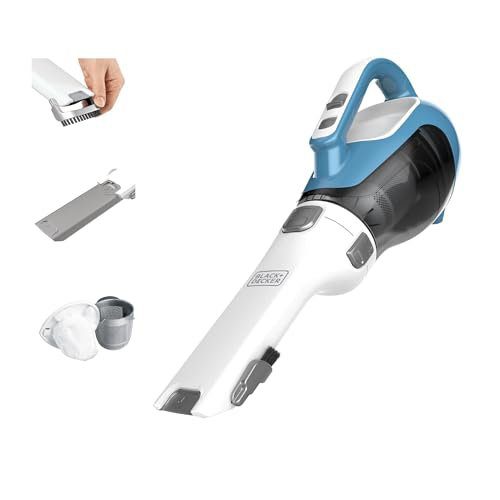
The article explicitly recommends vacuuming clover mites immediately to avoid staining. A cordless handheld vacuum is ideal for quick cleanup on windowsills and other surfaces.
- Strong suction and effective pickup for dust, dirt, crumbs, and pet hair
- Convenient cordless design with useful attachments like the crevice tool and rotating nozzle/brush for cars and tight spaces
- Easy to empty and clean thanks to the bagless, washable dust bowl and filter
- Battery runtime is limited and some reviewers want longer use between charges
- Can be noisy and the charging dock/base or charging process is sometimes criticized
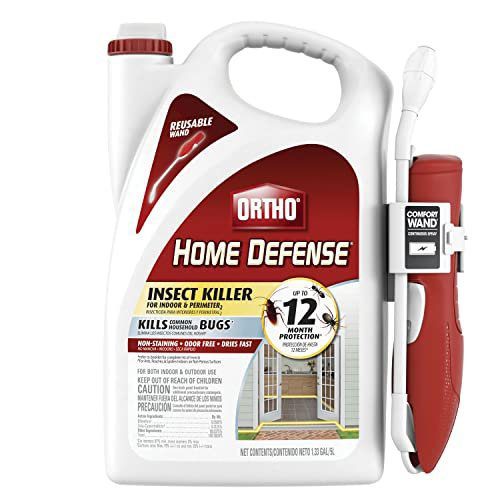
This product is designed for creating an outdoor barrier, directly supporting the article's emphasis on 'outdoor prevention' to stop mites from migrating indoors from the exterior environment.
- Very effective at killing and preventing ants, roaches, spiders, and other common household bugs
- Long‑lasting barrier protection (many users report weeks to months of reduced insect activity after a single application)
- Comfort Wand makes application easy, with consistent spray and no need for manual pumping
- Some users dislike the strong chemical nature of the product and worry about use around kids or pets despite label assurances
- Occasional complaints about leaking or malfunctioning wands/containers and the product not working as expected for severe infestations
As an Amazon Associate, I earn from qualifying purchases. Product recommendations are based on real reviews and independent research.

Pingback: Tiny Red Bugs in the House: What They Usually Are