If centipedes or millipedes keep turning up indoors, the honest first move is to dry out and seal the house, not to buy a killer. Both are moisture-driven invaders that wander in from the damp outside, so the real fix is a dehumidifier, fixed leaks, and caulk at every gap they use. Reach for a spray or granule only as a perimeter barrier at the entry points, never as an indoor fog. And know this before you reach for any can: the fast house centipede on your bathroom wall is a predator that eats roaches, silverfish, and other pests, so killing it removes free pest control. For our own basement we keep a small dehumidifier and a tube of caulk on hand long before any pesticide. Most roundups crown a “best centipede killer” spray; the section below shows why the dry house beats the can.
Dry out and seal the house first, because centipedes and millipedes are moisture-driven outdoor invaders; use a spray or granule only as a perimeter barrier at entry points, and remember that house centipedes are beneficial predators worth leaving alone.
- Do first (free): Run a dehumidifier, fix leaks, clear damp leaf litter off the foundation, and caulk gaps so fewer get in.
- Best for the common case: A labeled perimeter spray or granule applied as an exterior barrier band at the foundation and entry points.
- Leave alone / skip: Indoor fogging, and squashing every house centipede; they hunt roaches and silverfish for free.
Dry out before you spray
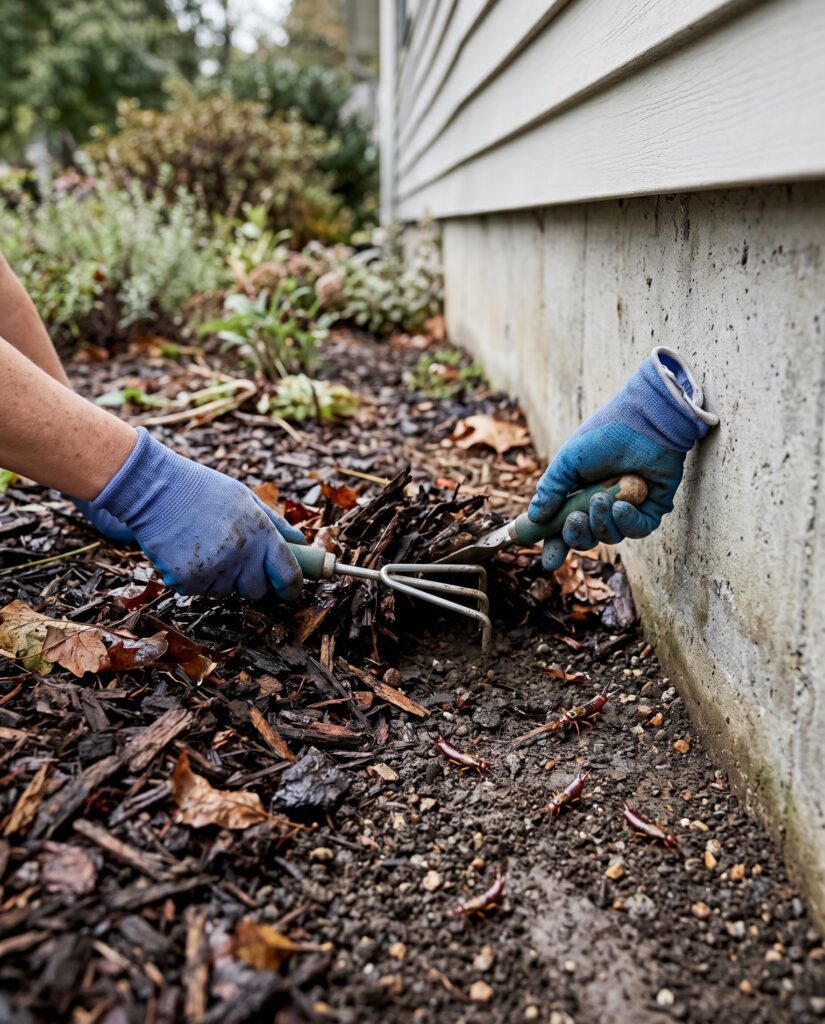
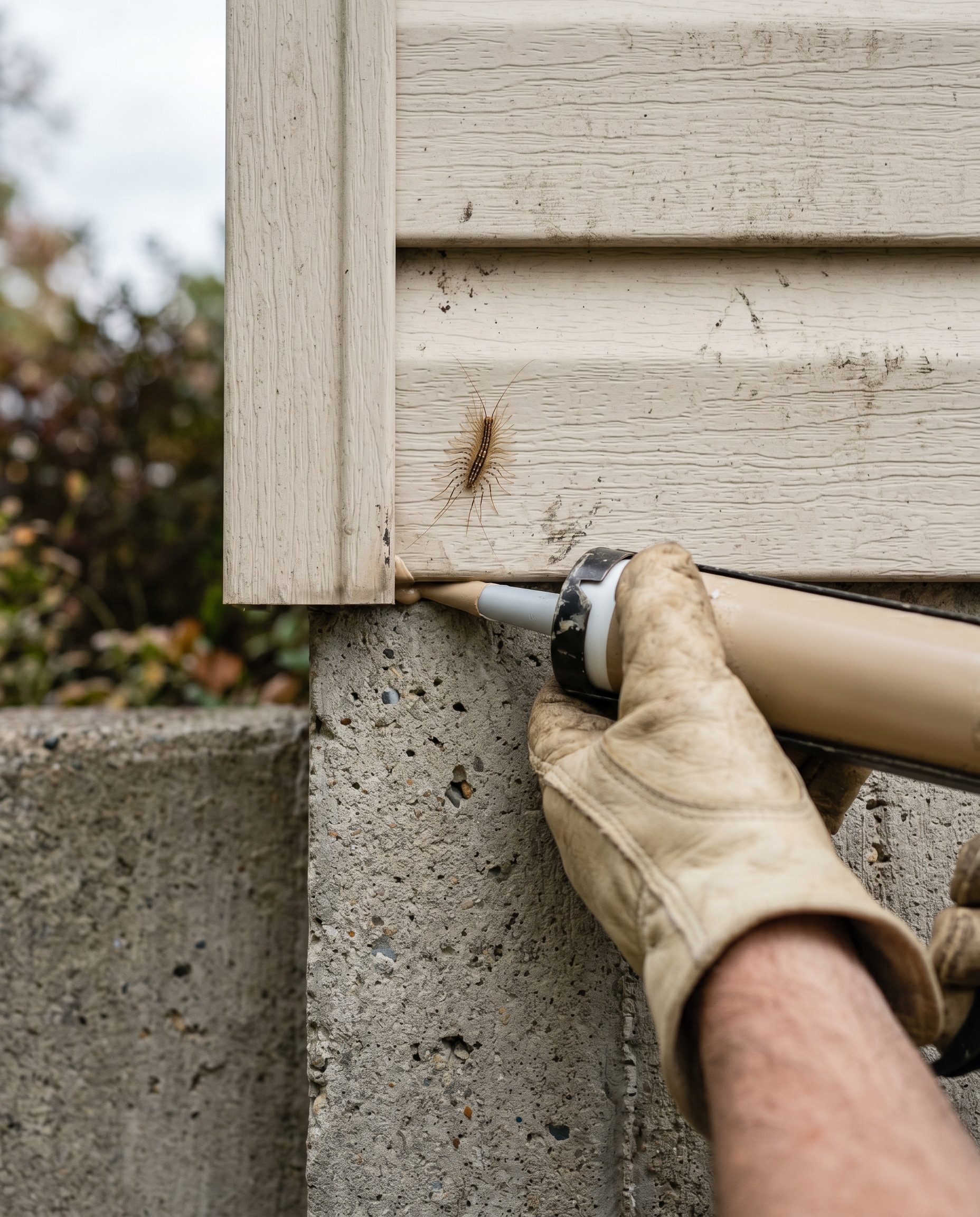
Before any product comes off the shelf, do the free part, because a centipede or millipede problem is really a moisture problem wearing legs. These animals breathe through their cuticle and dry out fast, so they only survive indoors where it stays damp: basements, crawlspaces, under sinks, behind the washer. Run a dehumidifier in the basement, fix the dripping trap under the sink, and pull mulch, leaf litter, and firewood back off the foundation so the damp band where they live moves away from your wall. The UC IPM Pest Notes on centipedes and millipedes makes the same call: these are occasional invaders driven inside by moisture, and habitat drying does more than any spray. Our walkthrough on getting rid of centipedes in the house lays out the drying-and-sealing order step by step.
Then close the door behind them. Centipedes and millipedes squeeze in through foundation cracks, gaps under exterior doors, and unscreened weep holes and vents. Caulk those gaps, add door sweeps, and screen the vents, which is the single most durable fix because a sealed-out bug never needs killing. A product is worth buying once the house is drier and the obvious gaps are closed, not as a substitute for either.
Why house centipedes are worth keeping
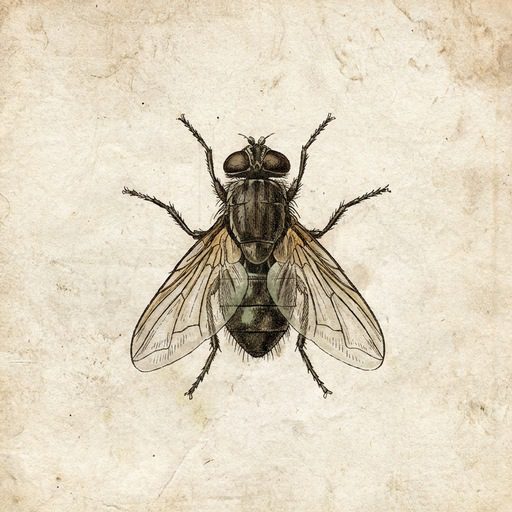
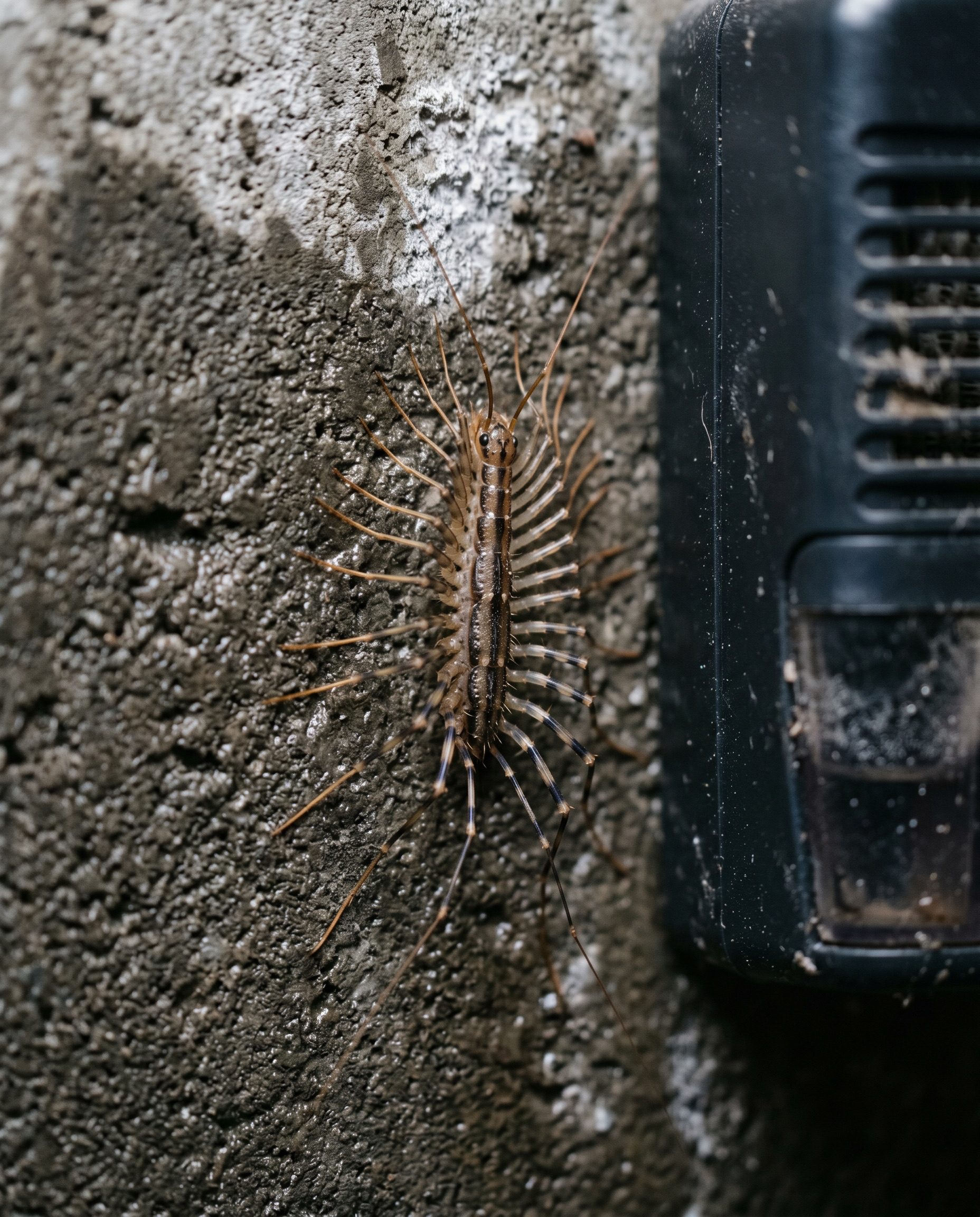
Here is the part most “top killer” lists leave out. The house centipede is a beneficial predator, not a pest to wipe out. Those unsettling fast movers with the long banded legs hunt cockroaches, silverfish, firebrats, and other soft-bodied insects inside your walls, doing free pest control while you sleep. The University of Kentucky’s entomology fact sheet on occasional invaders and UC IPM both note the house centipede preys on other household pests, which is why the responsible move is to escort the occasional one outside rather than fog the basement to kill them all.
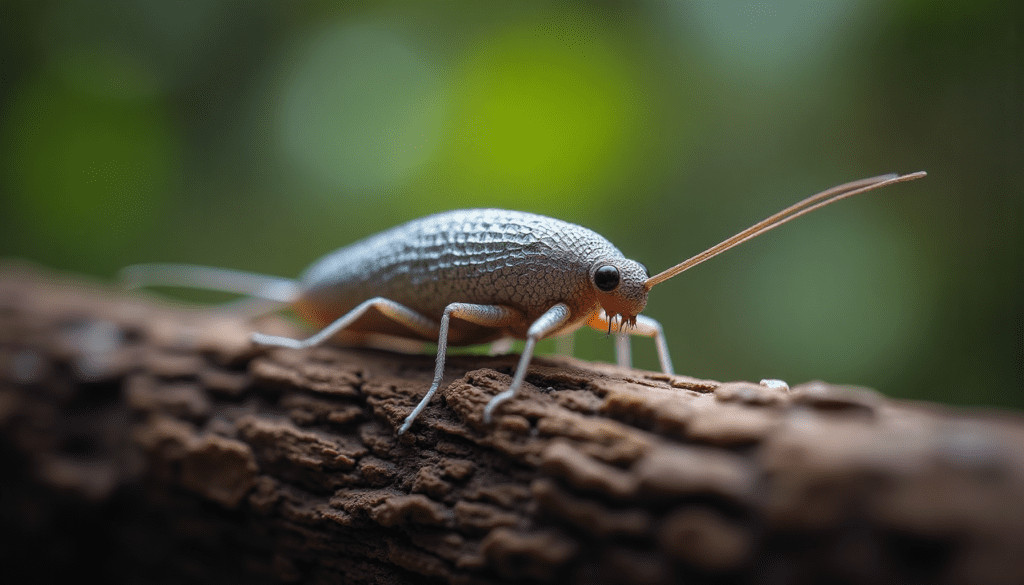
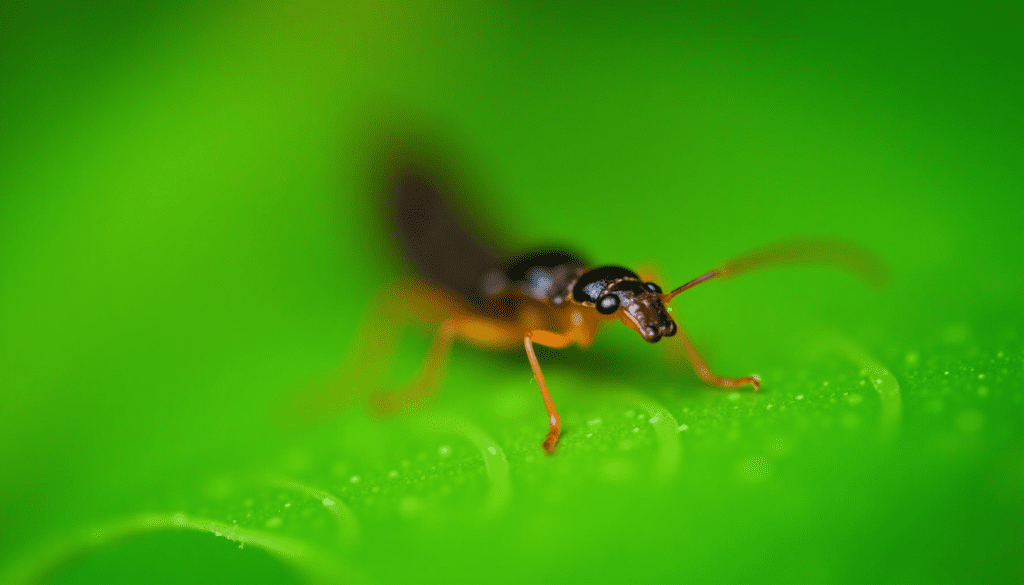
That changes the whole strategy. If you are seeing house centipedes regularly, the real message is that you have a food supply of other bugs and a moisture problem feeding both. Dry the space and knock down the silverfish and roaches they are eating, and the centipedes leave on their own because the buffet closes. Millipedes are a different case: they are harmless decomposers that eat decaying leaves and mulch, do not bite, and only invade in damp mass migrations, usually in fall or after heavy rain. Neither one breeds in volume inside a dry home, so you are managing an invasion at the door, not an infestation in the walls. If you want to be sure which one you have, our guide on house centipede identification covers the look and the harmless reality.
Spray, granule, or just seal
Once the house is drier, the product choice is short, and it is a barrier choice, not a fog. Decide by where the line of defense sits: the foundation soil band, the threshold of the door, or the gaps themselves. The point is to treat the perimeter they cross, not the rooms you live in.
| Approach | Best for | Watch-out |
|---|---|---|
| Perimeter liquid spray | A treated band at the foundation, thresholds, and entry points | Outdoor application; follow the label and keep kids and pets off until dry |
| Crack-and-crevice spray | The specific gaps and seams they actually use to get in | Precise, not a broadcast fog; you still have to find the gaps |
| Perimeter granules | A wider barrier band around the foundation and damp beds | Water in per the label; reapply after heavy rain |
Why not just fog the basement and be done? Because an indoor fog is the wrong tool: it coats open surfaces you touch while missing the cracks where the bugs actually travel, and it kills the house centipedes that were eating your silverfish. A barrier at the perimeter intercepts invaders before they reach living space, which is exactly where these wanderers are vulnerable. The EPA’s safe pest control guidance frames this same integrated approach: physical exclusion and habitat change first, targeted product second. A liquid is right for a clean foundation line, a crack-and-crevice product for finding the seams, and granules for a wider damp-soil band. If you are still unsure whether you are fighting a predator or a decomposer, the differences between centipedes and millipedes sorts out which barrier makes sense.
How to apply the barrier
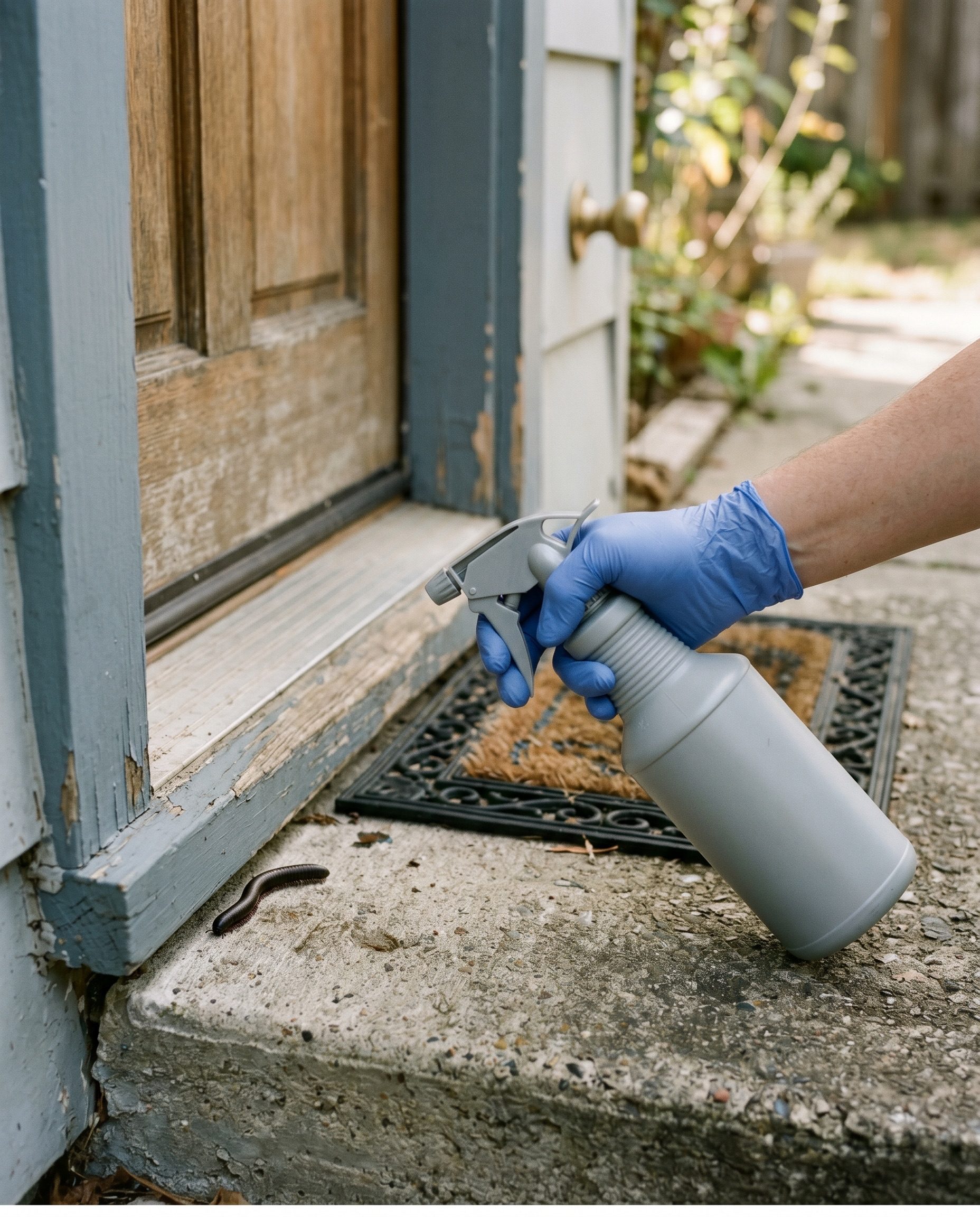
Spray the line, not the air. Run a perimeter product as a band along the outside foundation, the bottom of exterior doors, and the gaps where utilities enter, getting the nozzle right into the seam rather than misting the wall. Treating the entry points beats blanketing a room every time. For granules, spread them around the foundation and damp beds and water them in at the label rate, because under federal law the label is the law, and the UC IPM centipede and millipede notes are clear that exclusion and moisture control carry the load while the chemical is only a supporting barrier.
Treat these products as the pesticides they are. Keep children and pets off treated areas until everything is fully dry, do not apply an indoor product outdoors or the reverse, and do not spray surfaces that touch food; if someone is exposed, contact a doctor or your local poison control center. Reapply the exterior barrier after heavy rain, since the wet weather that washes off the treatment is the same weather that drives a fresh wave of millipedes toward your door, especially in the fall.
The picks
Cards come after the analysis on purpose, because the dry, sealed house does most of the work and these are the barrier products that back it up. All three are common, widely available perimeter options, not indoor foggers.
InsectoGuide is reader-supported. As an Amazon Associate we earn from qualifying purchases at no extra cost to you.
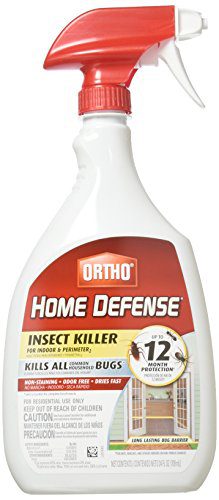
A non-staining barrier spray for entry points and the foundation perimeter.
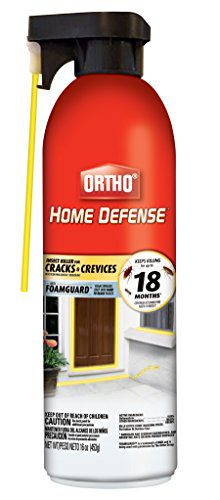
A precise spray for the seams and gaps invaders actually use.
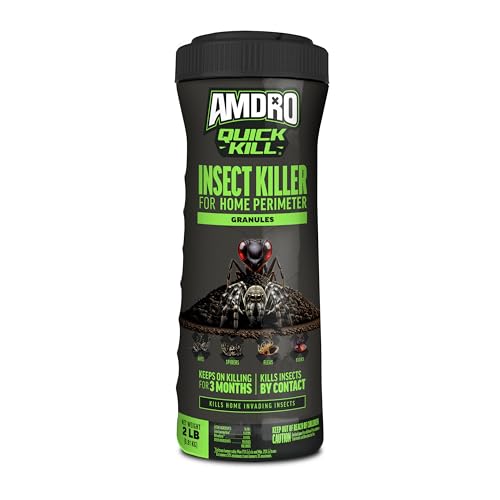
Granules that lay a wider treated band around the foundation and damp beds.
Common questions
What is the best centipede killer for indoors?
The honest answer is a dry house, not a can. Centipedes die fast in dry air, so a dehumidifier and sealed gaps clear them better than any indoor spray, and a perimeter barrier outside handles the ones still trying to get in. Save indoor product for crack-and-crevice spot treatment, not fogging.
Should I kill house centipedes?
Usually not. The house centipede eats roaches, silverfish, and other pests, so it is doing free pest control. Escort the occasional one outside, dry the space, and the rest leave when their food and moisture disappear. Killing them just removes the predator and leaves the prey.
Are centipede and millipede sprays safe around pets and kids?
Only when used as the label directs. Keep children and pets off treated surfaces until everything dries, never apply an indoor product outside or the reverse, and store it out of reach. For any exposure, contact a doctor or your local poison control center.
Why do millipedes keep invading after rain?
Millipedes are damp-soil decomposers, and a soaked yard pushes them to migrate, often in fall, climbing foundations and slipping under doors. They do not breed indoors and dry out quickly inside, so seal the thresholds and refresh the exterior barrier after heavy rain rather than treating room by room.
When should I call a pro?
If you have dried the space, sealed the gaps, run a perimeter barrier, and still see steady numbers, a licensed pest professional can find the moisture source or hidden entry you missed. Persistent waves usually mean an unresolved damp area, not a product that failed.
Final verdict
There is no magic best centipede killer, and any list that crowns a single spray is skipping the only fix that lasts: a dry, sealed house. Start free by running a dehumidifier, fixing leaks, pulling damp debris off the foundation, and caulking the gaps they use. Then add a perimeter barrier, a foundation spray, a crack-and-crevice product, or granules, applied as a band at the entry points rather than a fog indoors. Leave the house centipedes alone where you can, because they hunt the roaches and silverfish you would otherwise be fighting too. Treat both centipedes and millipedes as moisture-driven invaders at the door, manage the damp and the perimeter, and the killers become a small supporting act instead of the main event.