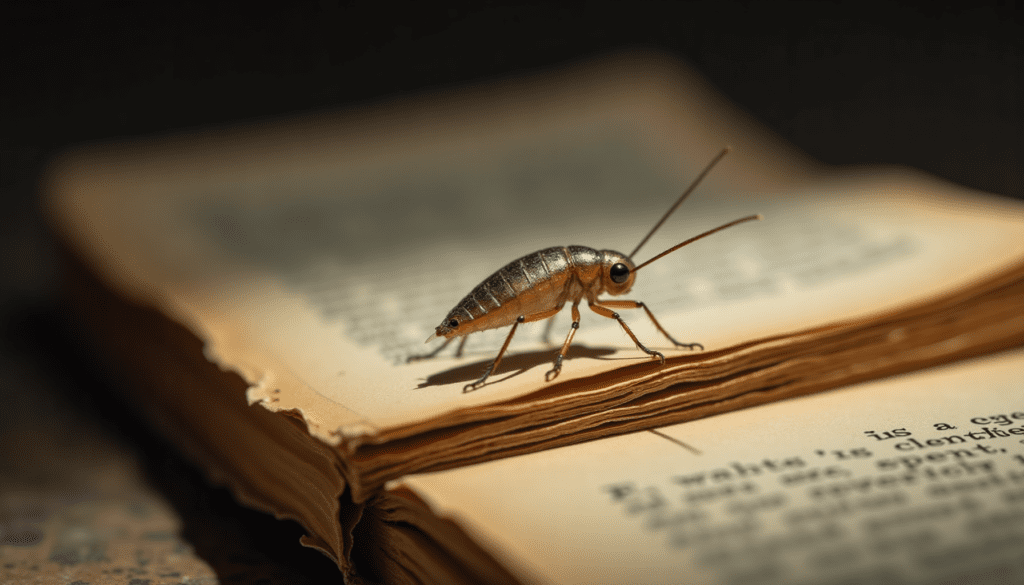
If you keep finding centipedes in the house, the fix is not a can of spray, it is drying the place out and taking away their food. Centipedes show up where it is damp and where there are other bugs to eat, so they are a symptom of a moisture problem and a prey problem more than a centipede problem. Run a dehumidifier in the basement and bathroom, seal the gaps they crawl in through, and knock down the silverfish and roaches they hunt, and the centipedes lose their reason to stay. It helps to know that house centipedes are actually beneficial predators that eat other pests, so unless they genuinely bother you, cutting the damp and the prey usually makes them leave on their own.
Centipedes are drawn to damp rooms and to the other bugs they eat, so the durable fix is to dry the space and remove their food, not to spray the centipedes; dehumidify the basement and bathroom, seal entry gaps, and control the silverfish and roaches they hunt, and they leave on their own.
- Do first (free): Cut the moisture in basements and bathrooms, fix drips, run a fan or dehumidifier, and remove cardboard and clutter on the floor.
- Best for the common case: Seal the gaps they enter through and control their prey, since fewer silverfish and roaches means fewer centipedes.
- Skip: Fogging the whole house; it does not reach where centipedes live and ignores the damp that drew them in.
Why spraying centipedes misses the point
Reaching for a spray feels like the obvious move, but it treats the bug you see and leaves the reason it is there untouched. Centipedes come indoors looking for two things: moisture and prey. They breathe through openings that dry out fast, so they hug the dampest spots in a house, the basement, the bathroom, under sinks, and behind the washer. Kill the one on the wall and another walks in from the same damp void tomorrow, because nothing about the conditions changed.
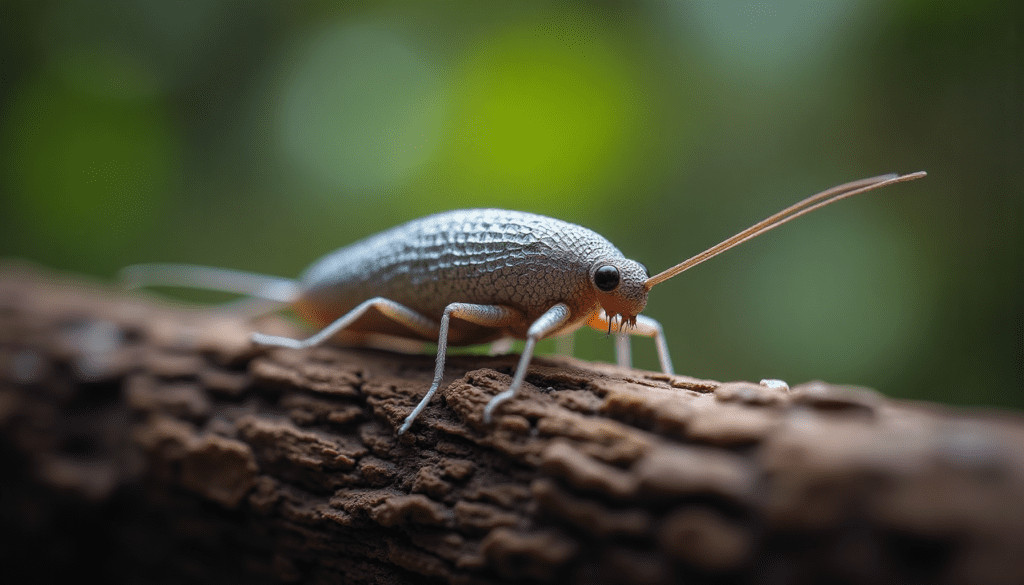
The other half is food. A centipede is a hunter, and a house with centipedes almost always has a steady supply of smaller bugs for them to eat. As UC IPM’s Pest Notes on house centipedes explain, the house centipede is a predator that feeds on silverfish, small roaches, spiders, and other indoor insects. That is the part most guides skip: a centipede problem is usually a prey problem wearing a costume. Take away the dampness and the prey and you remove the whole reason a centipede bothers to live in your home.
House centipedes are on your side
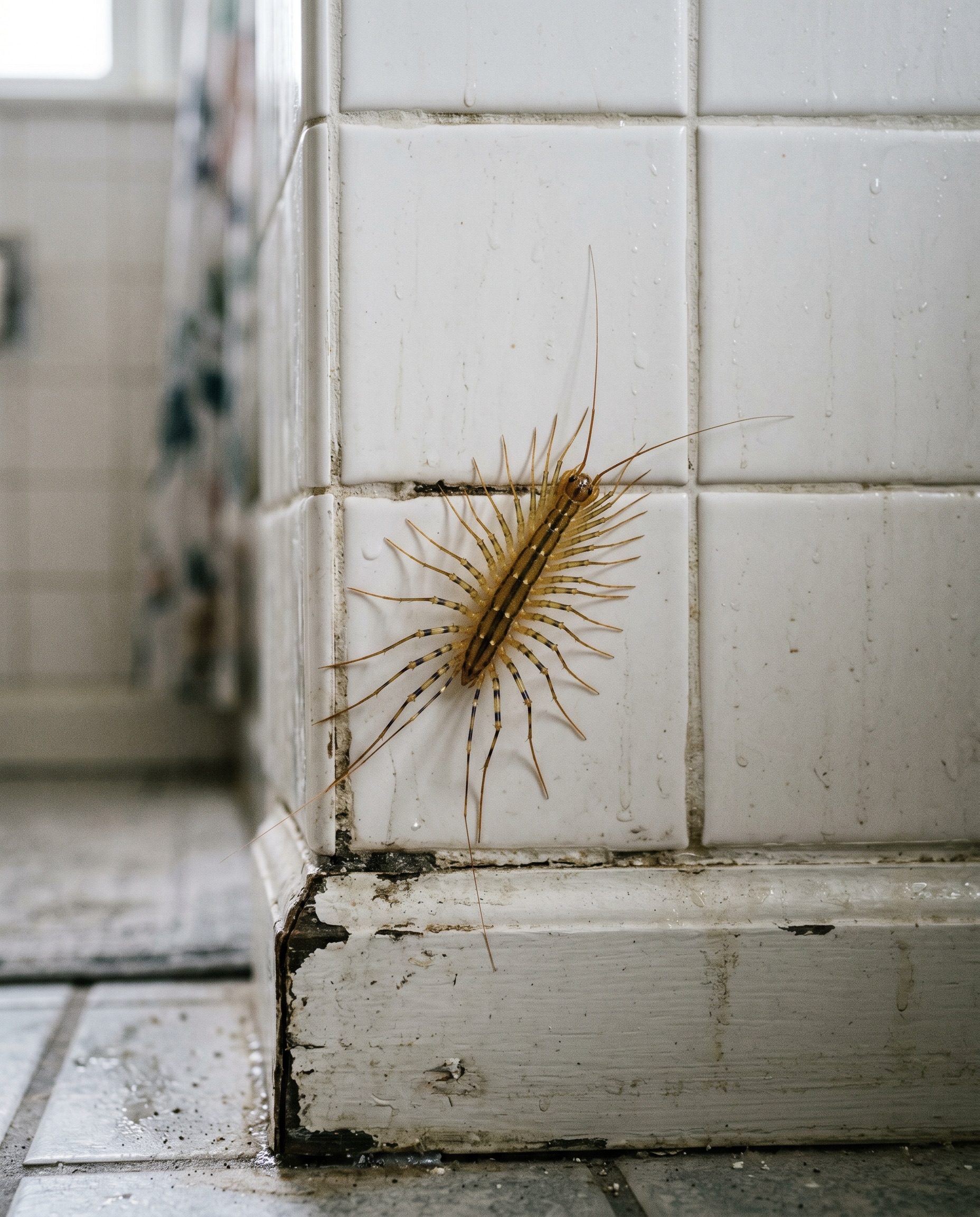
Before you wage war, it is worth knowing what you are actually dealing with, because the house centipede is one of the few household bugs that is genuinely working for you. It is the fast, gray, long-legged one that darts across the bathroom floor and vanishes, and while it looks unsettling, it spends its nights eating the pests you do not want. University of Kentucky’s entomology guidance on centipedes and millipedes notes that house centipedes prey on other small arthropods and are essentially harmless to people and the house itself.
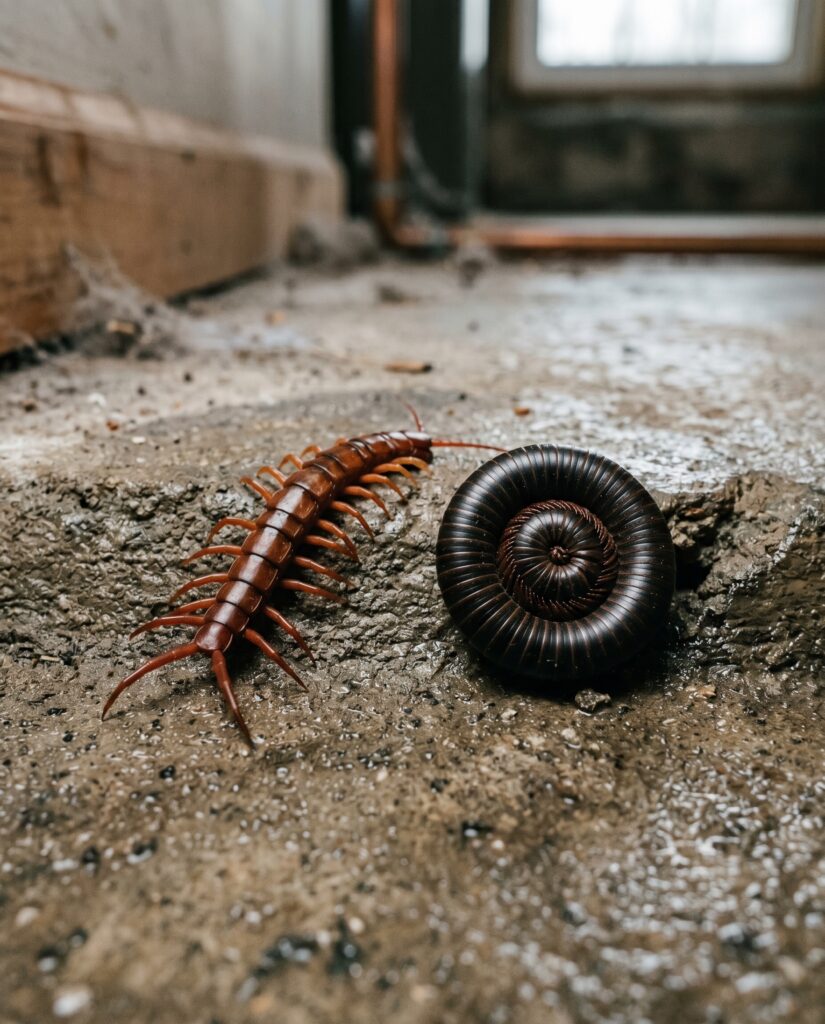
They can deliver a pinch if you grab one, but they are not aggressive, they do not damage food, wood, or fabric, and they do not spread disease. If you can tolerate the occasional sighting, the honest answer is to leave them be and let them thin out your silverfish. If you cannot, that is fine too, but aim for exclusion and drying out, not extermination. To be sure the bug you have is a house centipede and not something else, our house centipede identification guide shows the key features up close, and our centipedes versus millipedes comparison sorts out the two creatures people most often confuse.
Dry out the damp they need
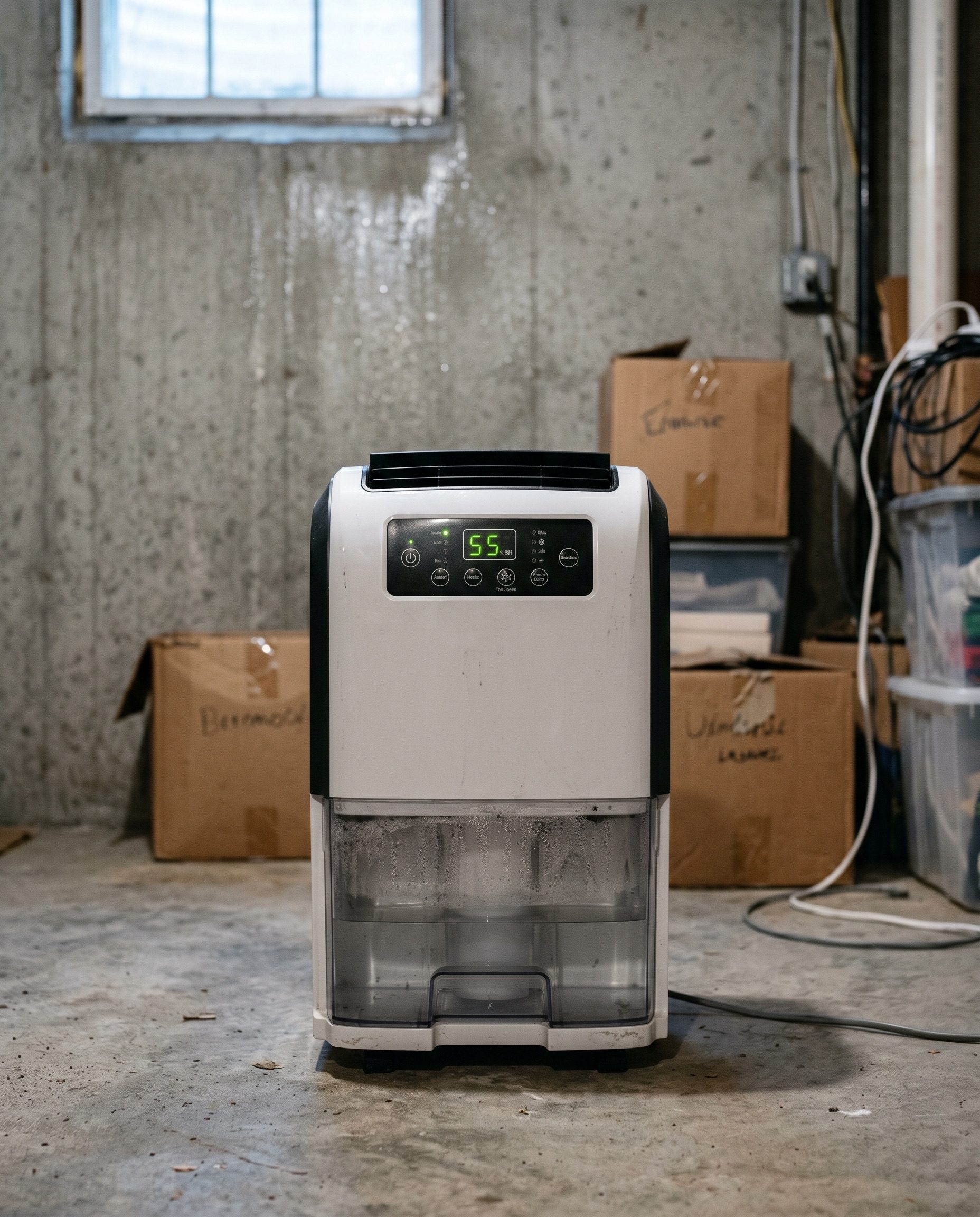
This is the step that does the heavy lifting, and it costs little to nothing. Centipedes cannot last long in a dry room, so making the house less humid is the single most effective thing you can do. Start in the basement and bathroom, the two rooms where they congregate, and bring the relative humidity down. A dehumidifier in a damp basement changes the whole equation, because it removes the standing humidity that lets centipedes and their prey survive.
Walk the house and shut off their water sources one by one. Fix the dripping pipe under the sink, run the bathroom exhaust fan during and after showers, vent the dryer outside, and clear the gutters so rain drains away from the foundation instead of pooling against it. Pull damp cardboard, newspaper stacks, and bins off basement and garage floors, since those hold moisture and double as harborage. The same conditions feed the silverfish that centipedes hunt, which is why UC IPM’s Pest Notes on silverfish put reducing humidity and clutter at the top of the list. Dry the rooms out and you starve both the predator and its prey in one move.
Seal the gaps and cut the prey
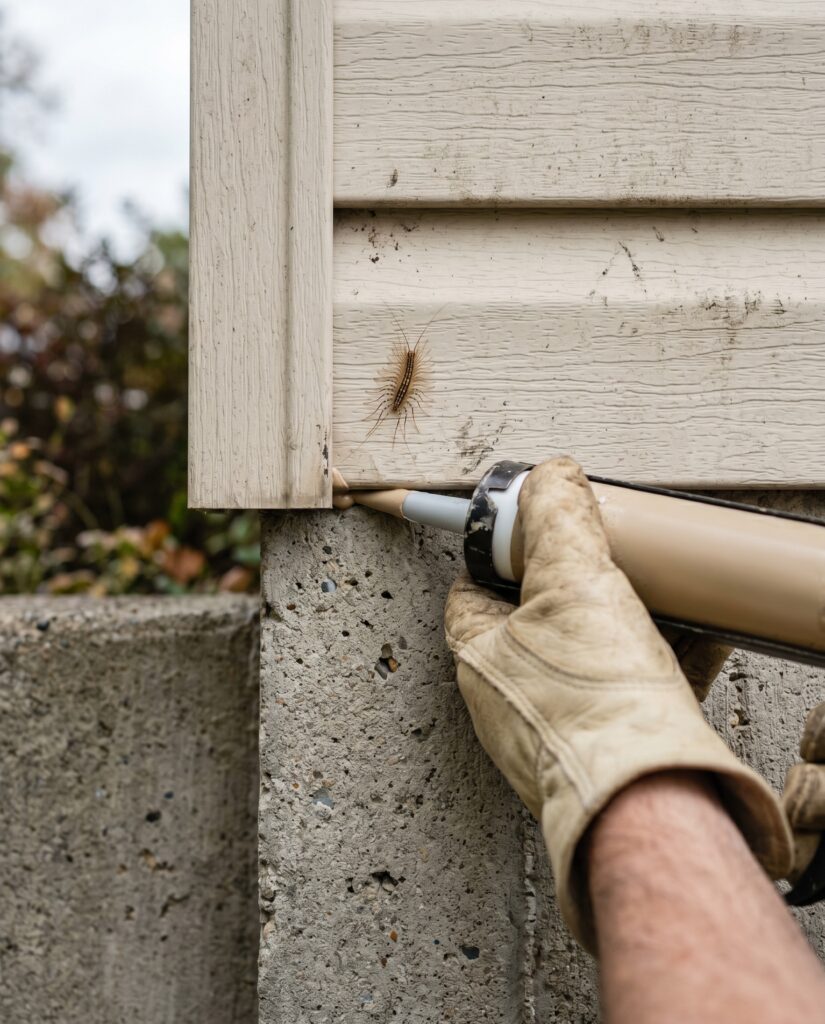
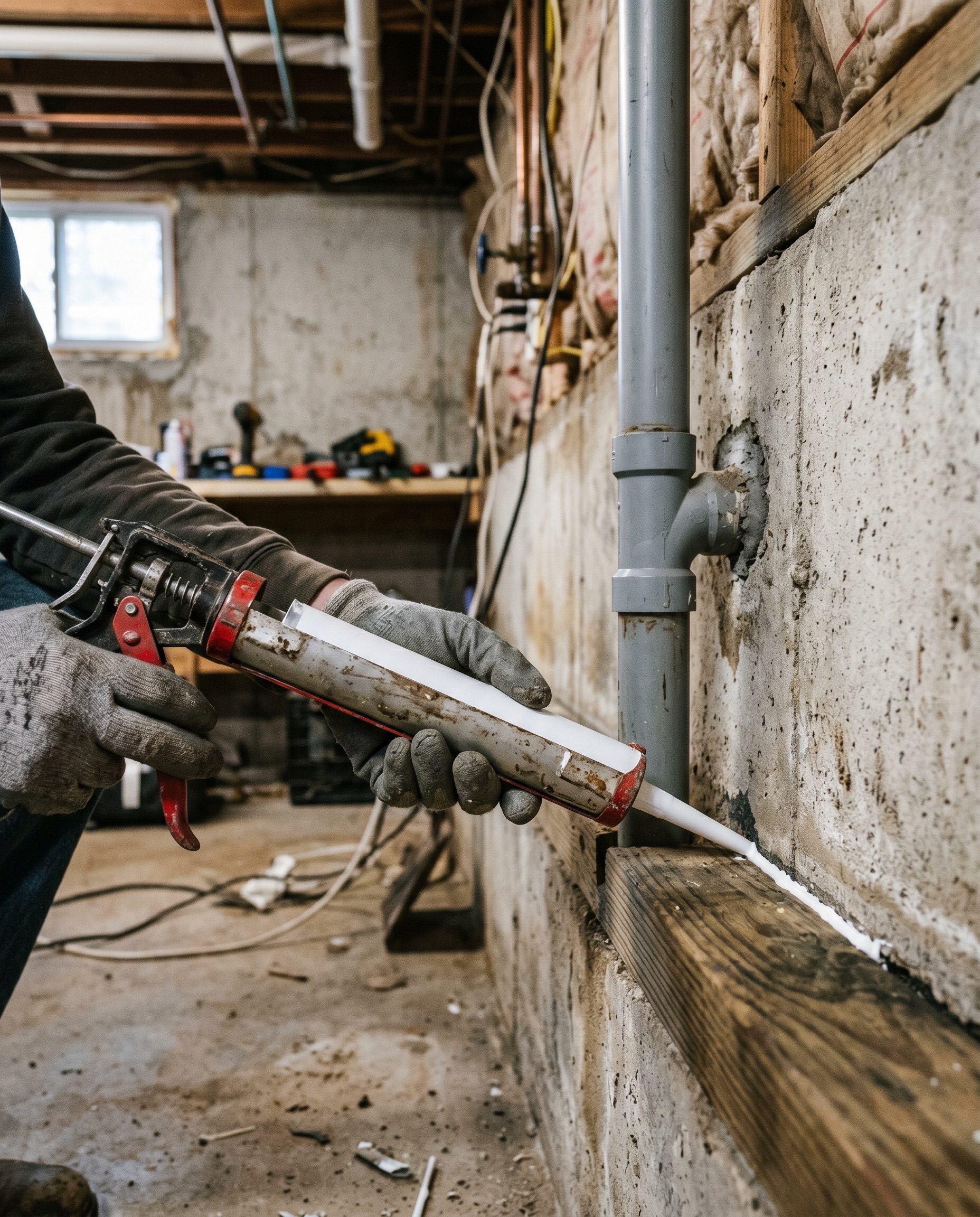
Once the damp is dropping, close the doors centipedes use and take away their dinner. Exclusion is the durable fix because it stops new ones from wandering in. Caulk the cracks where the foundation meets the sill, seal around pipe and wire penetrations, add weatherstripping and door sweeps on basement and exterior doors, and screen floor drains and crawlspace vents. These same gaps are how silverfish, roaches, and spiders get in, so sealing them shrinks the prey supply at the same time.
Then go after the food directly. Fewer bugs in the house means fewer centipedes, so vacuum regularly along baseboards and in corners, store food and paper in sealed containers, and set sticky monitor traps in damp corners to catch crawling prey and tell you where the activity is. The decision below maps the right move to where you are finding them.
| Where you find them | Best approach | Watch out for |
|---|---|---|
| Basement | Dehumidifier plus seal foundation and pipe gaps | Damp cardboard and clutter on the floor |
| Bathroom | Run the exhaust fan, fix drips, seal under sink | Standing water and humid air after showers |
| Whole-house or heavy numbers | Control the prey insects first, then a pro if needed | Spraying centipedes while ignoring the moisture |
If you do decide to use any pesticide as a backup, keep it targeted and let the label run the job. A perimeter or crack-and-crevice product labeled for centipedes belongs in the gaps and along the foundation, not misted across rooms, and you should follow the EPA’s principles of safe, integrated pest control, which put sanitation and exclusion ahead of chemicals. Under federal law the label is the law, so read it, use only products labeled for the site, and keep children and pets off treated areas until everything is dry. For exposure questions, contact a doctor or your local poison control center. Honestly, though, if the rooms are dry and sealed, you rarely need a spray at all, which is why our centipede and millipede sprays comparison treats chemicals as the last layer, not the first.
Common questions
What kills centipedes instantly?
Direct contact with a labeled aerosol or a quick stomp will kill the one in front of you, but that is the bug you can see, not the reason they are in the house. Centipedes keep coming as long as the room is damp and full of prey. The lasting fix is to dry the space and remove their food, not to chase individuals with a can.
Are house centipedes dangerous?
Not really. A house centipede can pinch if you trap it against your skin, and the spot may sting briefly like a mild bee sting, but they are not aggressive and do not spread disease or damage your home. They are predators that eat other indoor pests, so most people are better off leaving them alone or simply guiding them outside.
Why do I suddenly have centipedes?
A sudden appearance usually means the conditions shifted in their favor: a wet season, a new leak, a humid basement, or a rise in the small bugs they eat. They are following moisture and prey indoors. If you have more centipedes, you very likely have more silverfish or roaches feeding them, so check for a damp spot and a prey source.
Will centipedes go away on their own?
They often will once you remove what draws them. Dry out the damp rooms, seal the entry gaps, and reduce the silverfish and roaches they hunt, and the centipedes lose both their habitat and their food and move on. Without those changes they tend to stay, because the house is still offering exactly what they came for.
Final verdict
Getting rid of centipedes is about changing the conditions, not winning a fight with the bug on the wall. They come indoors for moisture and for the other insects they eat, so the durable fix is to dry the space and remove their food. Run a dehumidifier in the basement and bathroom, fix the drips, and clear the damp clutter off the floor, then seal the foundation and pipe gaps and cut down the silverfish and roaches they hunt. Skip fogging the whole house; it never reaches where they live and ignores the dampness that invited them. And remember that house centipedes are beneficial predators, so unless they truly bother you, the kindest and most effective move is to make your home dry and sealed and let them leave on their own.
Next steps:
– Confirm the bug before you act with our house centipede identification guide.
– Tell them apart from their look-alike in our centipedes versus millipedes comparison.
– If you want a targeted backup product, see the centipede and millipede sprays comparison for category logic.