Mice and rats spread illness mainly through their droppings, urine, and nesting material, and the most serious of those illnesses is hantavirus. Here is the one rule that matters most before you touch any mess: never sweep or vacuum dry droppings, because that flicks the virus into the air you breathe. Instead, open windows to air out the space, wet everything down with a disinfectant or a bleach solution, put on gloves, and bag it. Most rodent cleanups are safe when you do them wet, not dry, and the bigger picture is reassuring too, since serious infections are uncommon. This guide covers which diseases rodents actually carry, how to clean up without putting the germs into the air, the warning signs worth knowing, and how to keep the rodents out for good.
Rodents spread disease through droppings, urine, and nests, with hantavirus the most serious; never sweep or vacuum dry droppings, instead ventilate, wet everything down, glove up, and bag it.
- The cleanup rule: Air out the room, wet droppings and nests with disinfectant or bleach solution, wear gloves, then bag and seal. Never sweep or vacuum dry.
- See a doctor: Flu-like fever, deep muscle aches, and fatigue in the weeks after exposure to rodents or their droppings.
- Get emergency help: Trouble breathing, shortness of breath, or chest tightness, which can be a late, serious stage of hantavirus.
How rodents spread disease
The short answer is through what they leave behind. House mice (Mus musculus) and rats deposit droppings and urine wherever they travel, and they shed material as they build nests in attics, wall voids, and the back corners of cabinets. The germs ride in that waste, and you pick them up by breathing contaminated dust or touching a surface and then your face.
Hantavirus is the headline risk, and the route of infection is what makes the cleanup rule so important. The CDC explains that hantavirus spreads to people through rodent droppings, urine, and saliva, most often when those dry out, get stirred up, and become airborne in an enclosed space like a shed, cabin, garage, or rarely used closet. In the US, deer mice are the main carriers, but the safe-handling advice is the same for any rodent mess. The danger is the dust, not the animal itself.
Hantavirus is not the only concern. Rodents are also linked to leptospirosis, salmonella, rat-bite fever, and lymphocytic choriomeningitis, and their droppings can foul food and food-prep surfaces. The good news worth holding onto is that serious infection is uncommon, and the steps that protect you from the worst risk also protect you from the rest.
Spotting rodent contamination
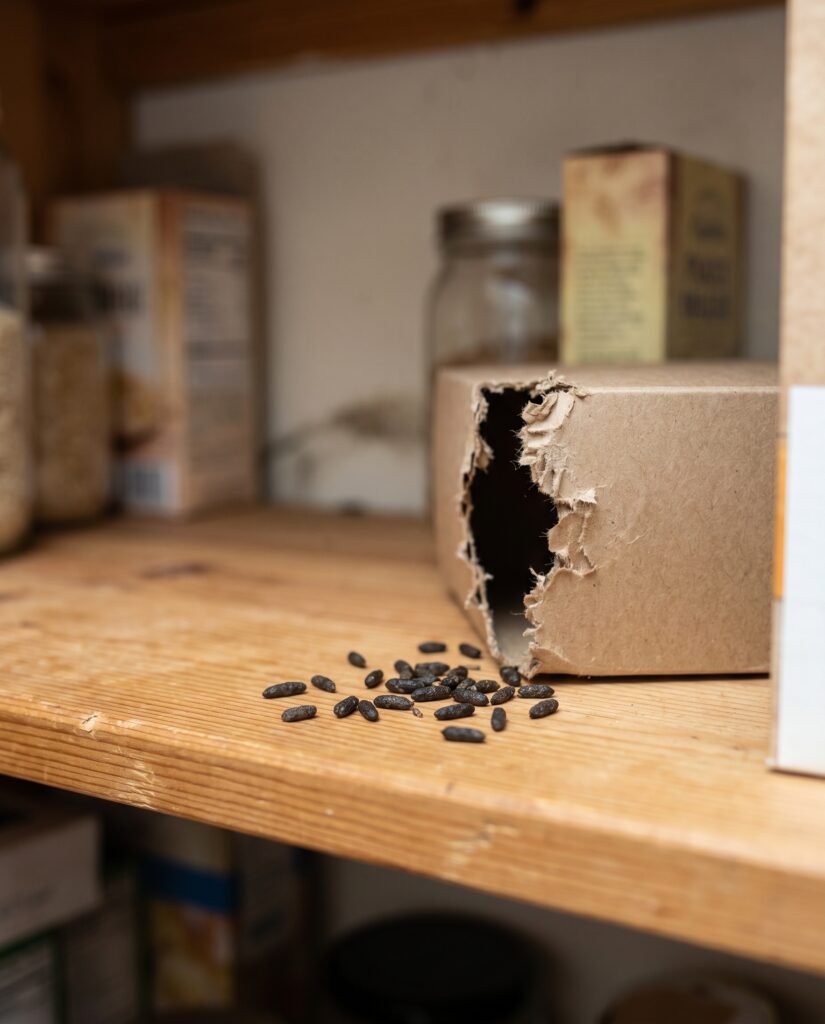
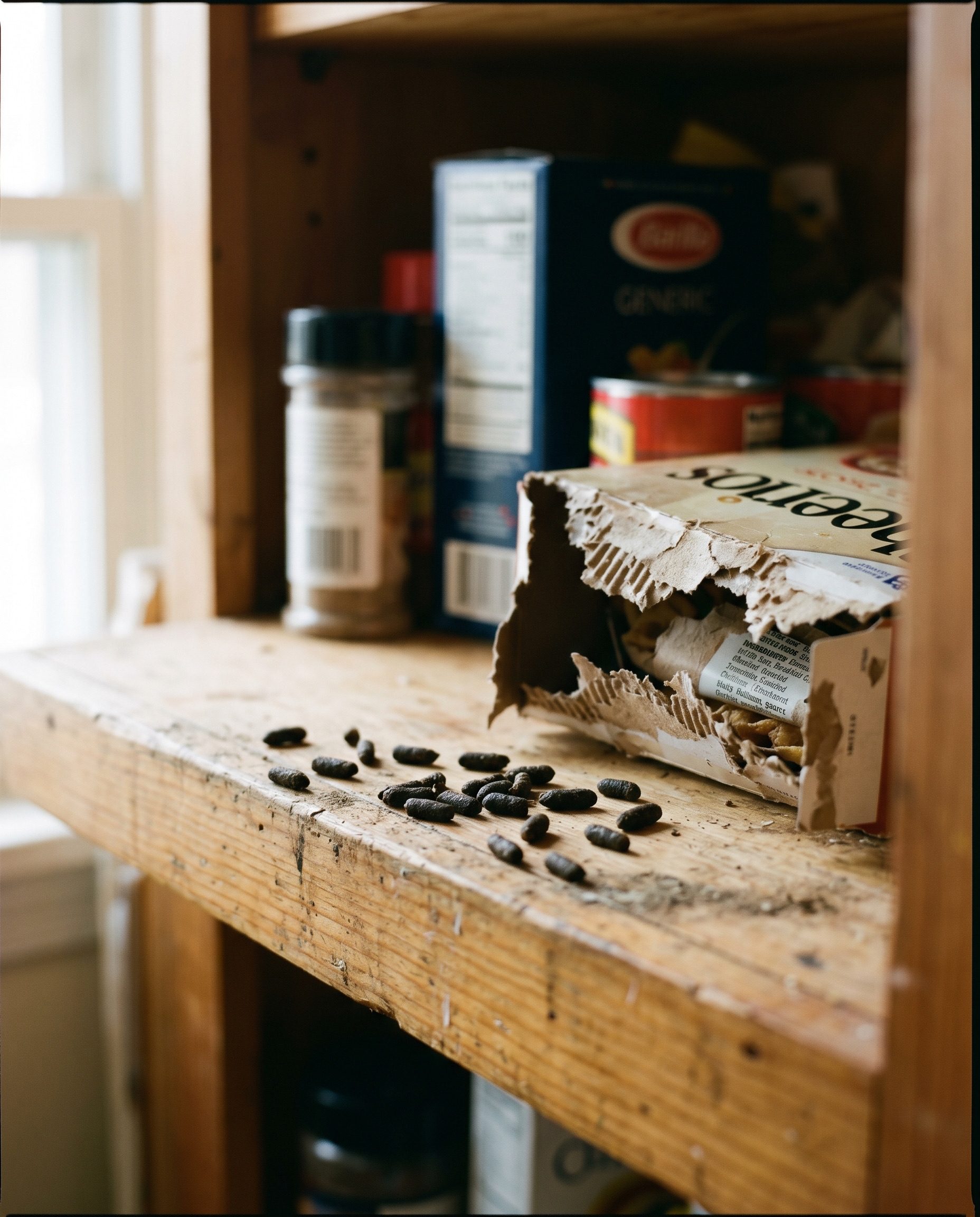
Before you clean, you need to find the mess, and droppings are the clearest sign. Mouse droppings are small and dark, roughly the size and shape of a grain of rice, and they tend to collect along baseboards, on shelf edges, inside drawers, and near food. Rat droppings are larger, closer to the size of a raisin. Fresh droppings look dark and moist; old ones turn gray and crumble. Treat any droppings you find as potentially infectious and do not handle them bare-handed.
Other clues point to where rodents have been living and traveling. Look for gnaw marks on boxes and packaging, shredded paper or insulation gathered into nests, a musky ammonia smell from urine, and greasy rub marks along walls where they squeeze through the same path night after night. If you want a full checklist of what to look for, our guide to the signs of mice in the house walks through each one.
The one cleanup rule: wet, don’t sweep
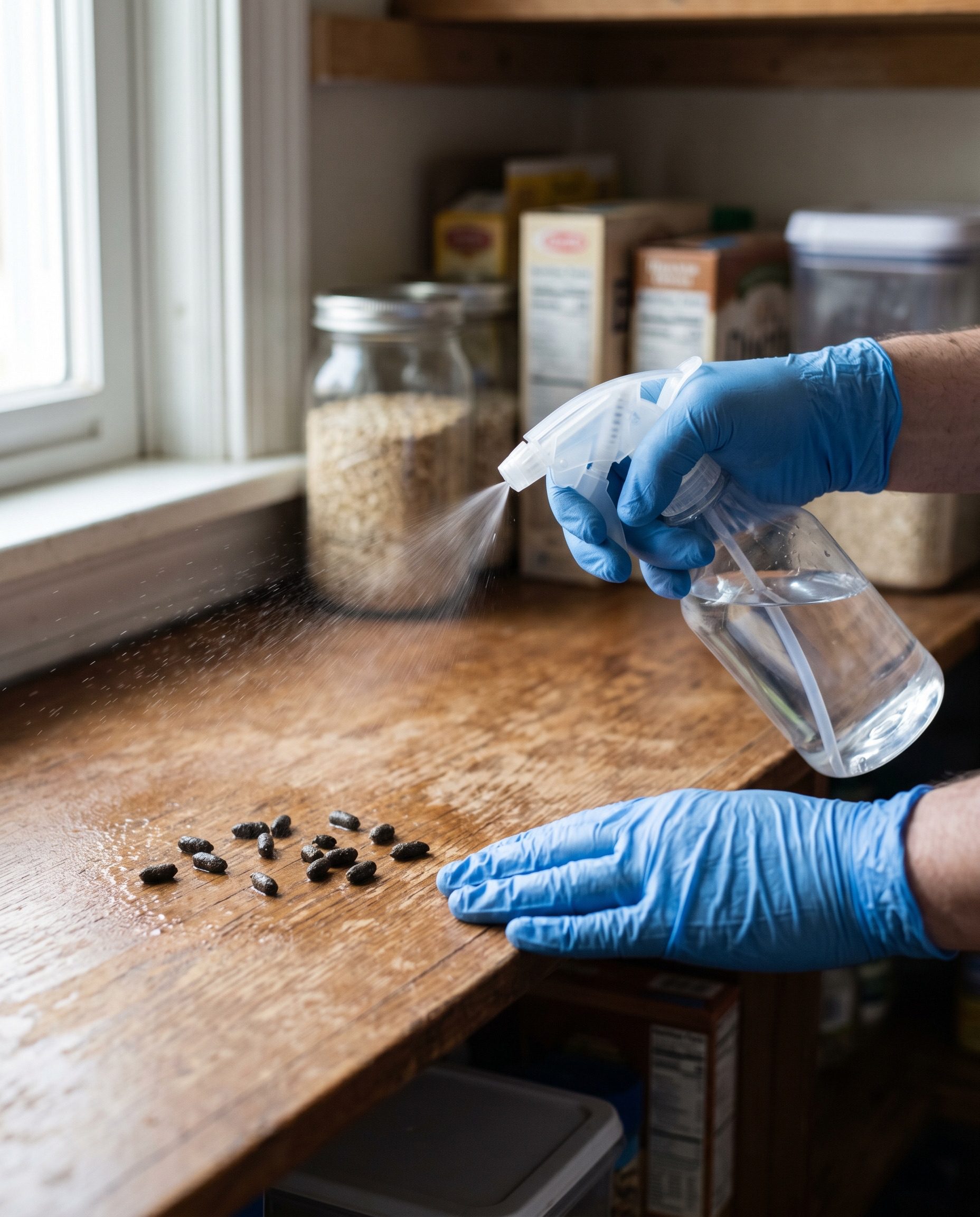
This is the load-bearing section, so it gets stated plainly: do not sweep and do not vacuum dry rodent droppings, urine, or nests. Both actions blow fine, contaminated particles into the air, which is exactly how hantavirus reaches your lungs. The CDC is explicit that you should do not sweep or vacuum droppings; ventilate, wet them down, and bag them. The wet-it-down method keeps the germs stuck to the surface instead of floating in the air.
Here is the safe sequence to follow in order:
| Step | What to do | Why it matters |
|---|---|---|
| 1. Ventilate | Open doors and windows for about 30 minutes before you start, then leave | Clears stale, dusty air before you disturb anything |
| 2. Protect yourself | Put on rubber or plastic gloves; a tight-fitting mask helps in heavy contamination | Keeps droppings off skin and reduces what you breathe |
| 3. Wet it down | Spray droppings, urine, and nests with a disinfectant or a bleach solution and let it soak | Stops particles from going airborne and inactivates germs |
| 4. Wipe and bag | Wipe up with paper towels, place everything in a sealed bag, then double-bag | Contains the waste without stirring it up |
A common household bleach solution for this is about one part bleach to ten parts water, but the disinfectant label is your guide for contact time and mixing. Never mix bleach with ammonia or other cleaners, since that produces dangerous fumes. After bagging the waste in sealed trash, mop or sponge hard floors and disinfect countertops, then wash your gloved hands before removing the gloves and wash bare hands afterward. For a heavy infestation, a long-vacant building, or signs of a large nest, treat it as a job for a licensed pest professional rather than a weekend cleanup.
Warning signs to watch for
Most people who clean up a small amount of droppings the right way never get sick. Knowing the warning signs is simply insurance, not a reason to worry. Hantavirus has a slow start: early symptoms usually appear one to several weeks after exposure and look like the flu. Fever, deep muscle aches in the large muscles, fatigue, headache, and sometimes stomach upset are the typical first signs, according to MedlinePlus, the NIH consumer health service, which describes early hantavirus symptoms and when to seek care.
The reason to take those flu-like signs seriously is what can come next. Hantavirus can progress to a severe lung stage with shortness of breath and difficulty breathing, which is a medical emergency. Get emergency medical help right away for trouble breathing, chest tightness, or shortness of breath, especially if you have handled rodents or their droppings in the past several weeks. If milder fever and muscle aches follow a known exposure, contact a healthcare provider and tell them about the rodent contact, because that history helps them connect the dots. The other rodent-linked illnesses, like leptospirosis and rat-bite fever, also tend to start with fever and aches, so the same advice applies: mention the exposure and let a clinician decide what to test for.
Lower your risk going forward
Cleaning up is only half the job. The lasting fix is making sure rodents cannot get in, because no amount of disinfecting helps if a new population moves in next week. Prevention here does far more than any after-the-fact cleanup. The UC IPM Pest Notes on rats and mice explain that sanitation and sealing entry points keep rodents from contaminating a home in the first place.
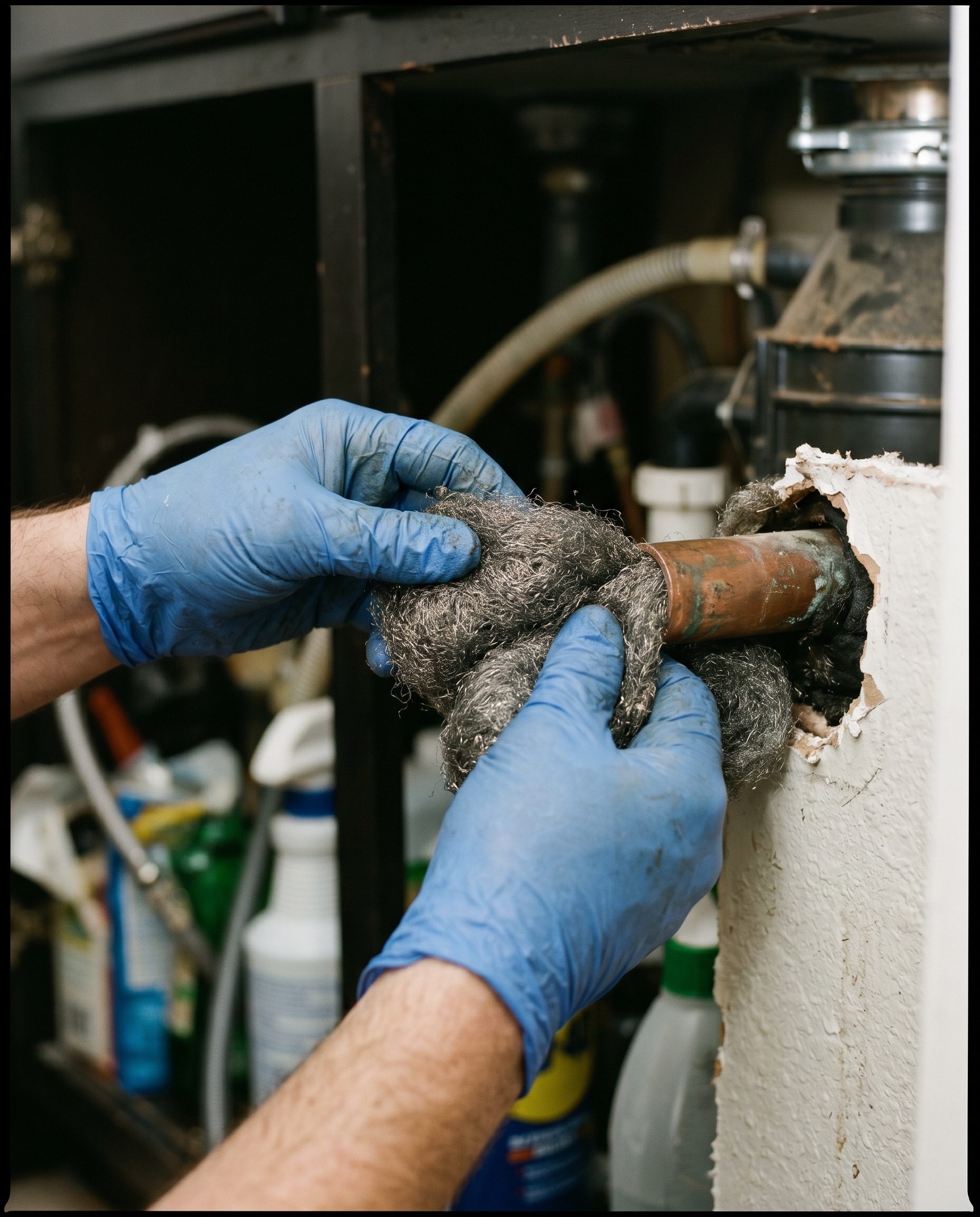
Start with the gaps. Mice can squeeze through an opening about the width of a pencil, so seal cracks around pipes, vents, and the foundation with coarse steel wool packed into the hole and then caulk or hardware cloth over it. Cut off the food and the shelter by storing pantry goods and pet food in sealed metal or thick plastic containers, clearing clutter where rodents nest, and keeping trash covered. Our detailed walkthrough on mouse-proofing your home covers the entry points people miss most.
When you do need to remove rodents already inside, reach for traps before poison. Snap traps and electronic traps are effective and quick, and they are far better than glue boards, which are inhumane and tend to perform poorly. Skip the ultrasonic plug-in repellents entirely; they are largely unproven and do not clear an infestation. For the full trapping playbook, see our guide on how to get rid of mice.
A careful word on poison bait
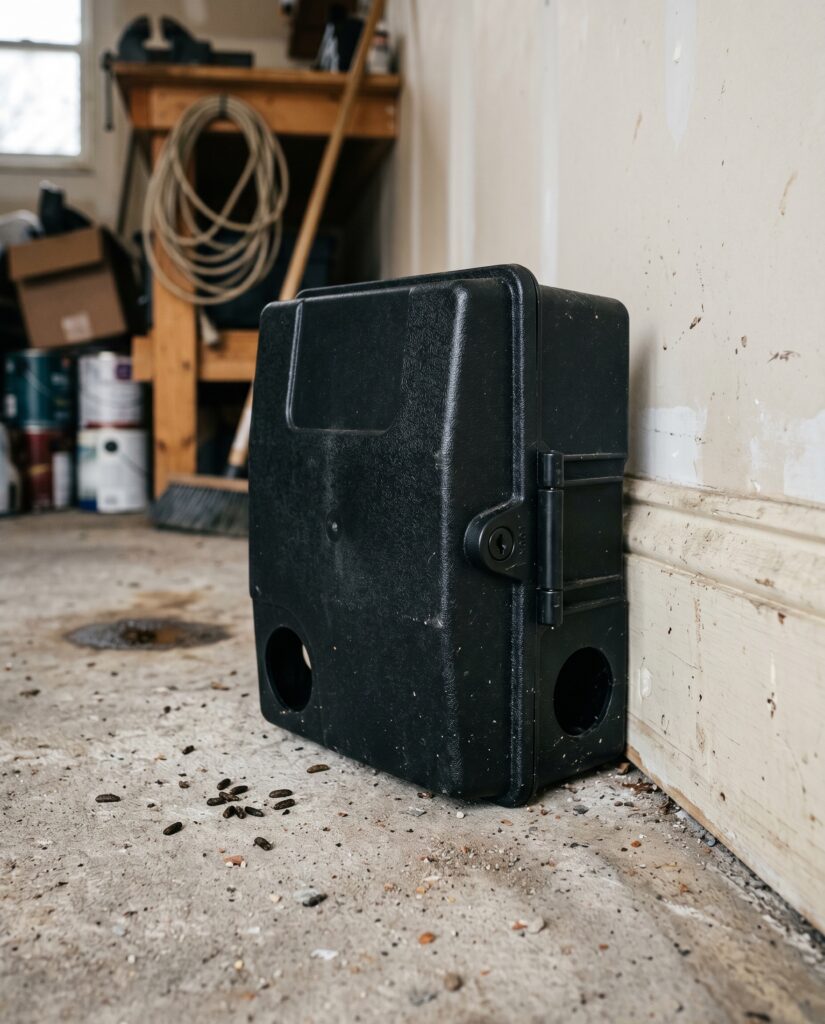
Rodenticide bait is a last resort, not a first move, and it carries real risks worth understanding before you buy any. Poisoned rodents can sicken or kill the pets, owls, hawks, and other wildlife that eat them, a problem called secondary poisoning. Loose pellets are also a direct hazard to children and pets in the home. If you use bait at all, use only locked, tamper-resistant bait stations, never scattered loose product. The EPA notes that EPA regulates rodenticides and restricts the most hazardous ones, and under federal law the product label is the law, so follow it exactly. For most households, trapping and sealing entry points solve the problem without poison, and if a possible poisoning happens to a person or pet, contact a doctor, your veterinarian, or your local poison control center right away.
Common questions
Can you get sick just from being in a room with mouse droppings?
The main risk comes from breathing dust when droppings are dry and get disturbed, which is why sweeping or vacuuming is the dangerous part. Simply being in a well-ventilated room is far lower risk, and wetting the droppings down before cleanup keeps the particles out of the air.
Is it safe to vacuum mouse droppings if I have a good vacuum?
No. The CDC advises against vacuuming or sweeping any rodent droppings because it can put hantavirus particles into the air, and a standard vacuum can blow them out the exhaust. Wet the droppings with disinfectant, wipe with paper towels, and bag them instead.
What does hantavirus feel like at first?
Early hantavirus usually feels like the flu, with fever, deep muscle aches, fatigue, and sometimes headache or stomach upset, often one to several weeks after exposure. If breathing trouble develops it is an emergency. If flu-like symptoms follow rodent contact, contact a healthcare provider and mention the exposure.
Do all mice carry hantavirus?
No. In the US, deer mice are the primary carriers, and not every individual mouse is infected. Because you cannot tell by looking, the safe approach is to handle all rodent droppings and nests as if they could be infectious.
Should I clean up a small amount of droppings myself or call someone?
A small, fresh mess in a ventilated space is usually a safe DIY job with gloves and the wet-down method. A large infestation, a long-closed building, or a heavy nest is better left to a licensed pest professional who has the right protective gear.
Final verdict
The diseases mice and rats carry travel in their droppings, urine, and nests, and hantavirus is the one to respect most. The single habit that protects you is simple: never sweep or vacuum dry droppings, because that is what puts the germs in the air. Ventilate the space, wet everything down with disinfectant or a bleach solution, wear gloves, and bag it. Then watch for flu-like symptoms in the weeks after, get emergency care for any breathing trouble, and seal the entry points so the rodents and their mess do not come back.
This guide is information, not medical advice. Use it to know when home care is fine and when it is not, and defer to your clinician for anything that worries you.
This article is for information only and is not medical advice.