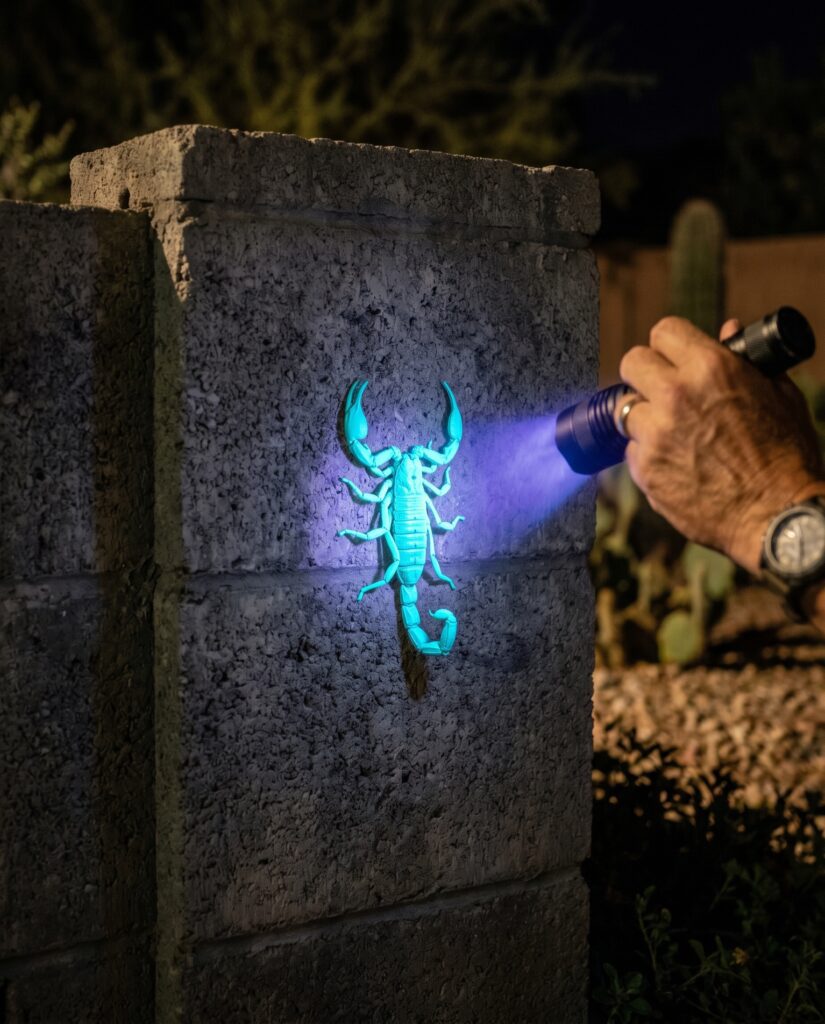
If you keep finding scorpions, the hard truth is that no single best scorpion killer ends the problem, because scorpions are unusually tough against pesticides and often walk straight through a fresh spray. The real fix is a long-residual barrier laid down at the places they enter, paired with cutting off the insect prey they hunt and sealing the gaps they slip through. Keep a contact spray for the scorpion you actually see tonight, but understand it is the durable perimeter residual, not the aerosol, that brings the count down over weeks. For our own place in scorpion country we keep one perimeter product, one contact can, and a UV flashlight, nothing more. Most lists crown a spray as the top killer; that is the part to read past, and the comparison below shows why.
Scorpions tolerate pesticides, so a quick spray rarely ends it; the tool that lowers the count is a long-residual perimeter barrier at entry points, plus removing their prey and sealing them out, with a contact spray kept only for the one you see.
- Do first (free): Clear harborage and seal entry gaps, then UV-hunt at night to find where they cross.
- Best for the common case: A long-residual perimeter barrier on the foundation line and entry points, refreshed on schedule.
- Skip: Relying on an aerosol spray alone; scorpions are tolerant enough to survive it and return.
What to do first
Before any product comes off the shelf, do the free part, because spraying a yard you have not cleaned up is wasted effort. Pull mulch, woodpiles, loose stone, and yard debris back from the foundation, and trim ground-hugging plants away from the wall, since scorpions shelter in the cool, damp clutter right against the house. The UC IPM Pest Notes on scorpions puts harborage removal and exclusion ahead of chemicals for exactly this reason: take away the hiding spots and you cut the population that ever reaches your door. Our full walkthrough on how to get rid of scorpions lays the cleanup out step by step.
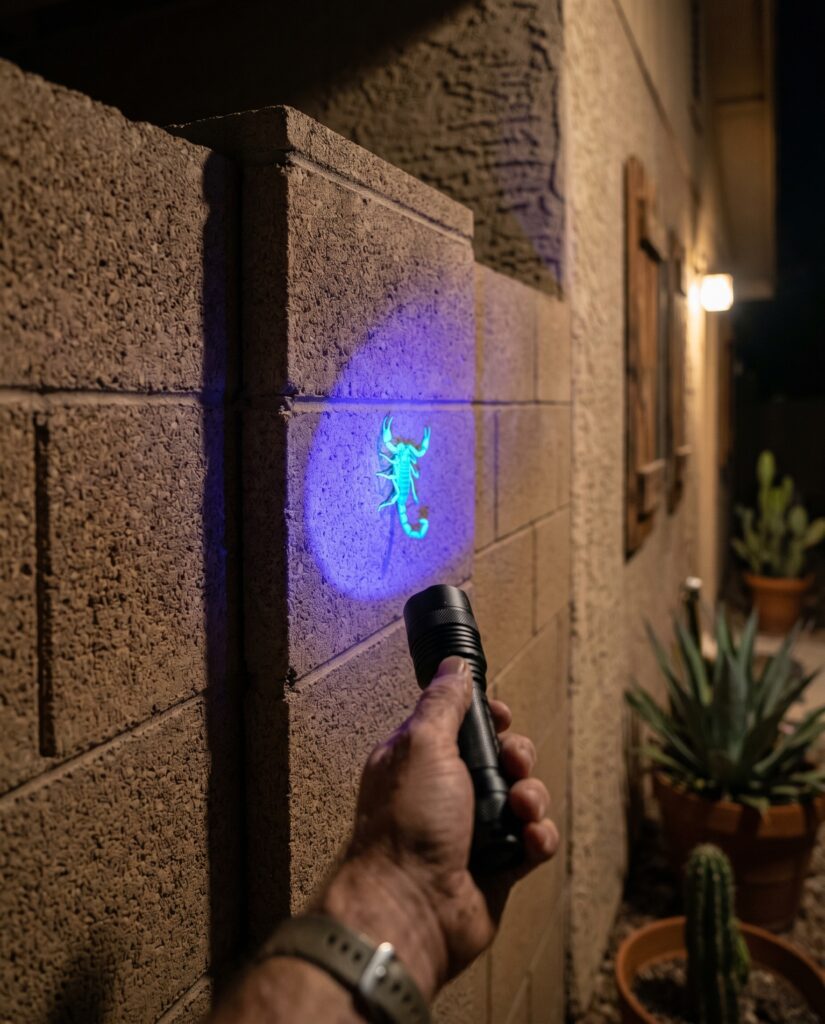
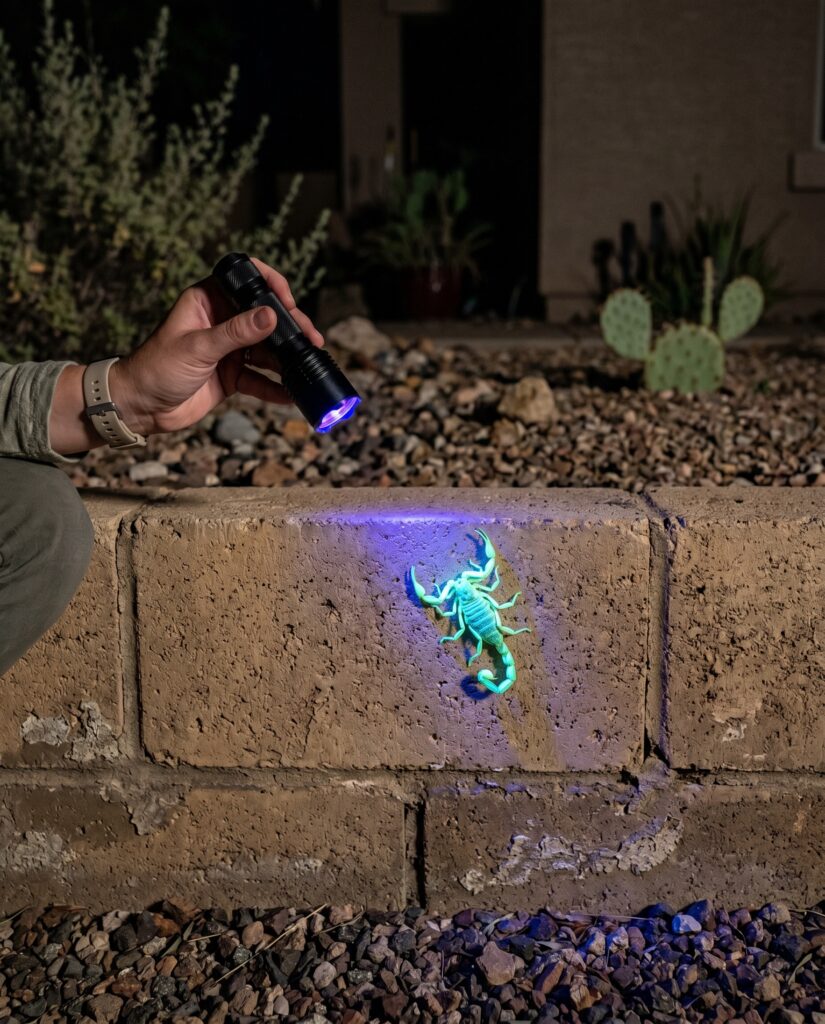
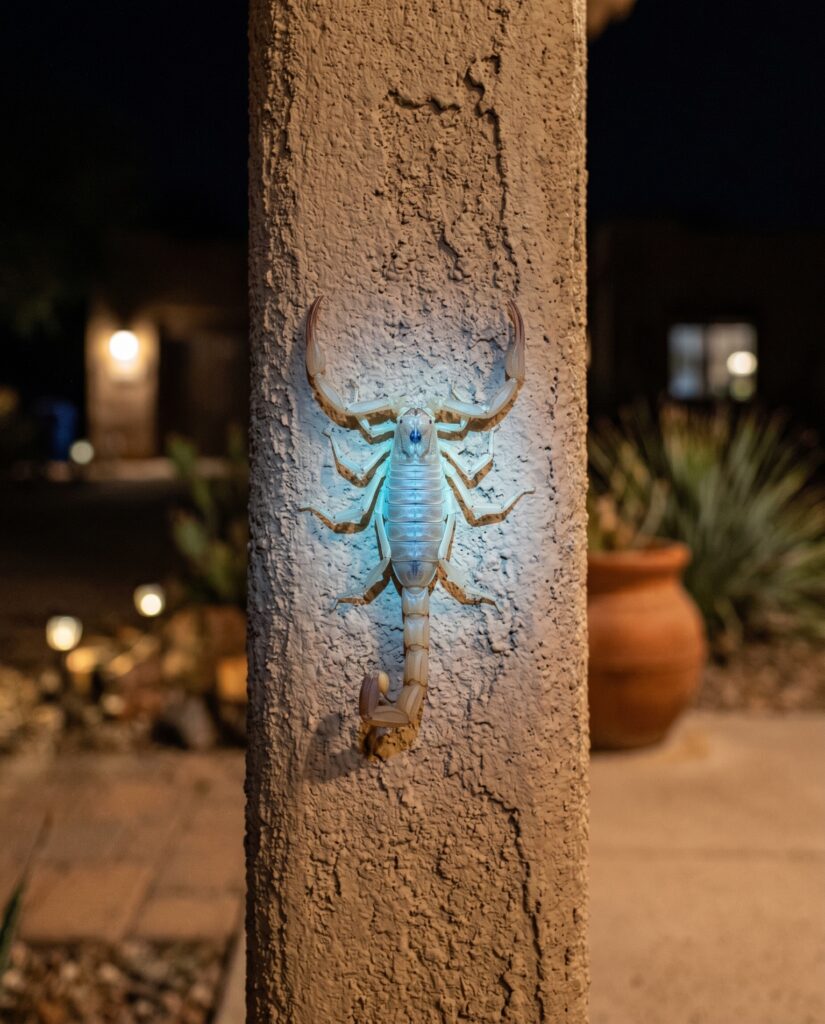
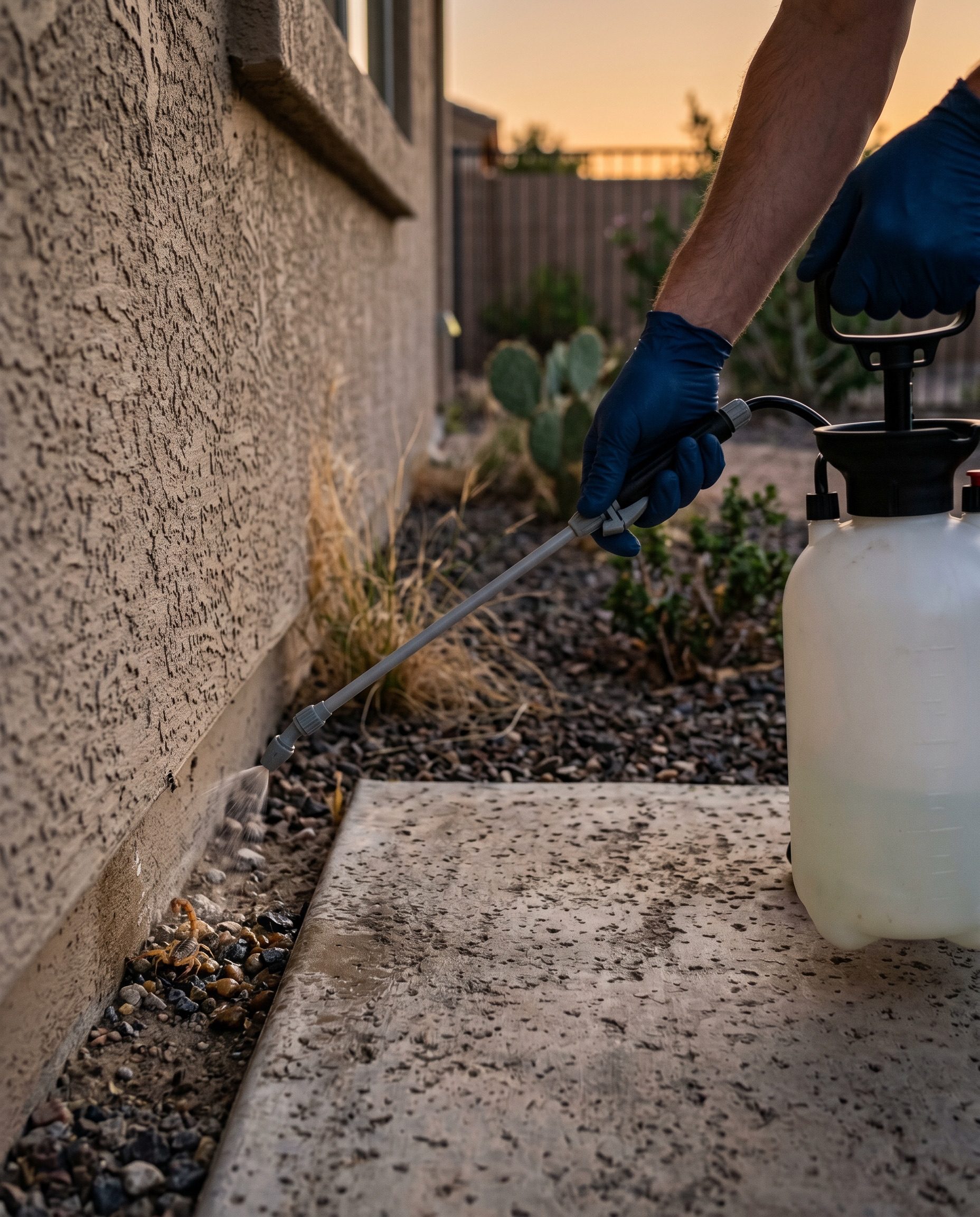
Then find out where they are actually crossing before you treat. Scorpions glow under ultraviolet light, which makes a UV flashlight the best detection tool you own. Walk the foundation, the base of block walls, and the door thresholds after dark and mark the spots where they show up, then concentrate your barrier there instead of spraying the whole yard at random. A pesticide is worth buying once the cleanup is done and you know the crossings, not as a substitute for either. One safety rule from the start: never grab a scorpion by hand, use long tongs, and wear closed shoes when you walk the yard at night.
Why a quick spray rarely ends it
Here is the part most “top killer” lists skip. A scorpion has a waxy outer cuticle and a slow metabolism, and it can ride out a light dose of insecticide that would drop a roach. The Texas A&M AgriLife guidance on scorpions is plain that they are difficult to control with sprays alone and that exclusion and habitat work carry most of the load. A scorpion that survives the spray simply moves back to its harborage and keeps hunting. That is why a can that kills the one on the patio tonight does nothing about the dozen still living in the block wall.
This is the case for matching the tool to the problem instead of grabbing the loudest can. For the standing problem, a long-residual barrier product laid on the foundation and entry points keeps working for weeks, so a scorpion crossing it later picks up a dose the aerosol never delivered. The barrier also thins out the insects scorpions eat, which matters because a yard full of crickets and roaches is a buffet that pulls scorpions in no matter how much you spray. A contact spray still earns a spot, but a narrow one: it is for the scorpion you can see right now, not for solving the infestation. Follow the EPA’s safe pest control principles, which put non-chemical control first and treat any pesticide as one part of an integrated plan, not the whole answer.
Contact spray vs barrier residual
Once you know the job, the choice is short. Decide by one question: are you killing a scorpion you can see, or lowering the number that show up over the next month. The point is to pick the form that fits the task, not the biggest claim on the label.
| Product type | Best for | Watch-out |
|---|---|---|
| Contact spray (ready-to-use) | The single scorpion you find indoors or on the patio | Scorpions are pesticide-tolerant; this is a spot tool, not a cure |
| Perimeter barrier residual | Lowering the count over weeks at entry points | Refresh on schedule; follow the label, keep kids and pets off until dry |
| Exclusion plus UV hunting | Every situation, before and alongside any spray | Labor and a flashlight, not a one-time fix |
Why not just buy the strongest can and be done? Because a contact spray, however strong, treats one animal and leaves the source untouched, and scorpions are tolerant enough that even a direct hit is not guaranteed fast. The durable barrier is what changes the math, because it keeps working after you walk away. A contact spray is right for the bark scorpion on the bathroom wall at 2 a.m.; a perimeter residual is right for the recurring problem. Pair either with the scorpion-proofing steps in our exclusion guide, because sealing the house is the one move that helps every single night.
Where to apply the barrier
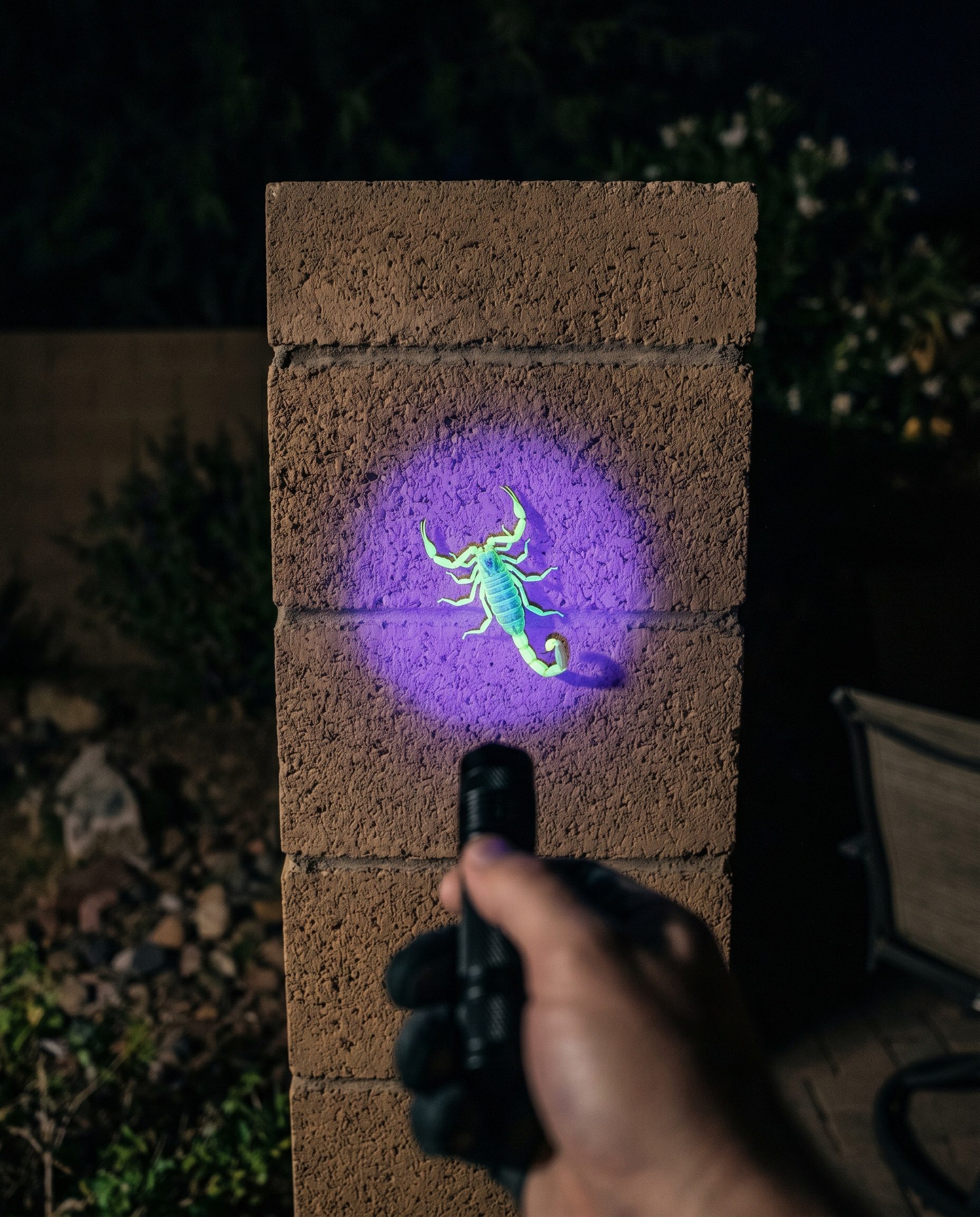
Treat the crossings, not the open yard. Lay the residual in a continuous band along the foundation where the wall meets the soil or slab, into weep holes and expansion joints, around door and garage thresholds, and at hose bibs and utility penetrations, the routes scorpions use to reach the structure. A band a few feet up the wall and a few feet out from it catches more than a wide, thin spray. Refresh on the schedule the label gives, because the residual fades and a lapsed barrier is no barrier at all. Under federal law the product label is the law, so read and follow it for sites, rates, and timing rather than guessing, and lean on the EPA’s safe pest control guidance when you do.
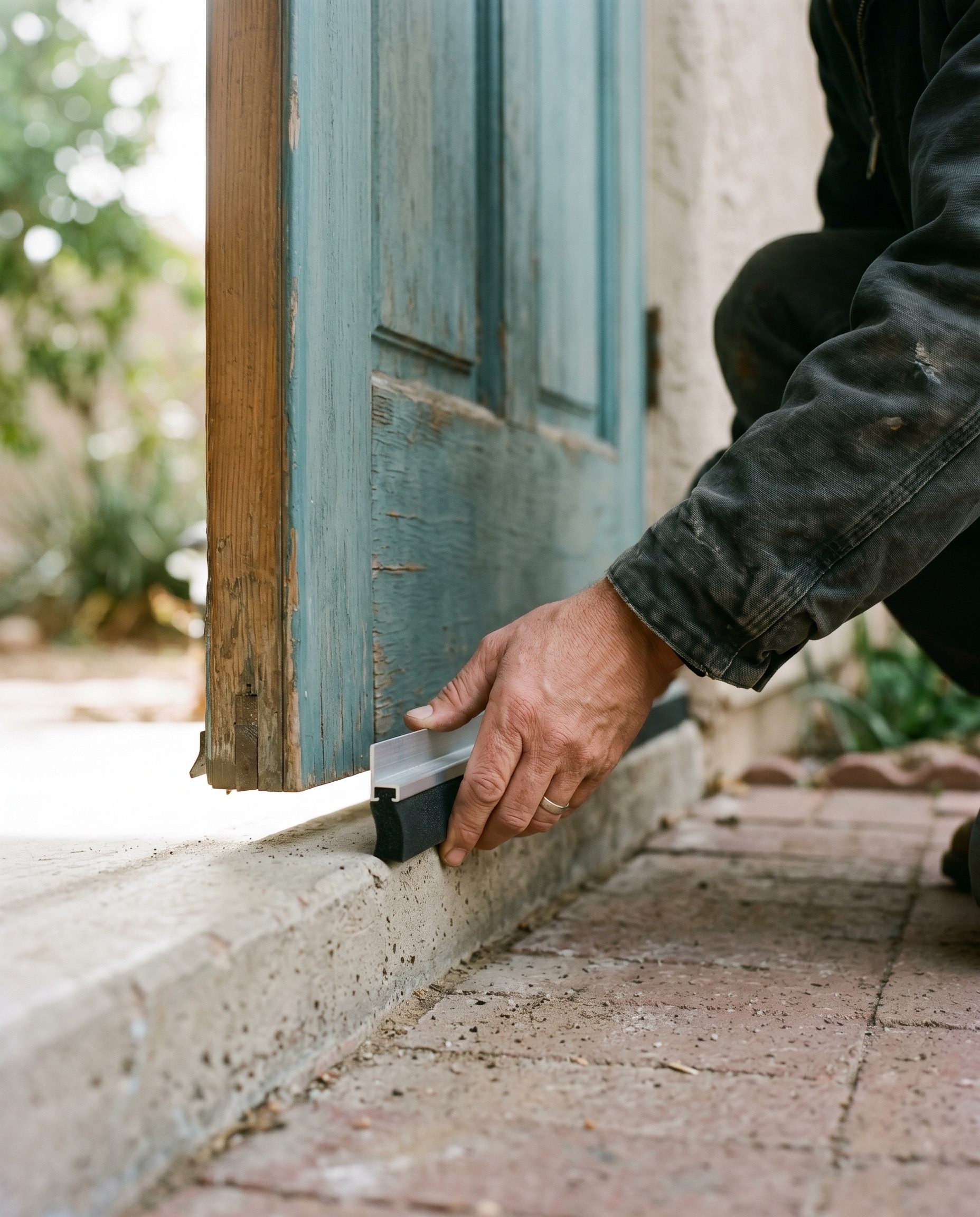
Treat these products as the pesticides they are. Keep children and pets off treated surfaces until everything is fully dry, do not apply an outdoor-only barrier inside the home, and do not spray near edible gardens or water features beyond what the label allows. The exclusion work does the rest: install tight door sweeps, screen weep holes and vents, and caulk the cracks where pipes and wires enter, since scorpions can flatten through a gap as thin as a credit card. Pair the barrier with the best scorpion UV flashlights and glue traps to keep monitoring where they cross, and set flat glue boards along baseboards and in the garage to catch the ones that slip past.
The picks
Cards come after the analysis on purpose, because the job decides which one you buy. These three cover the scorpion you see, the perimeter barrier that lowers the count, and a pro-grade residual for a stubborn yard, and all are common, widely available products.
InsectoGuide is reader-supported. As an Amazon Associate we earn from qualifying purchases at no extra cost to you.
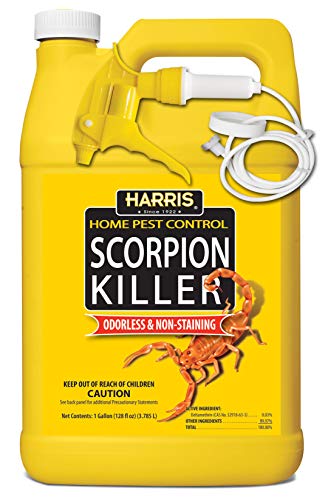
A ready-to-use spray for the scorpion you find right now.
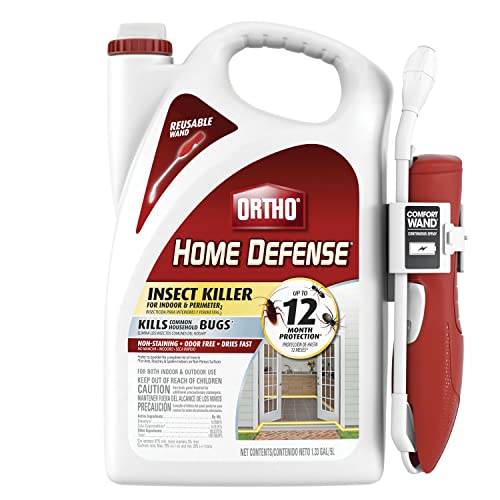
A perimeter barrier you lay on entry points to lower the count.
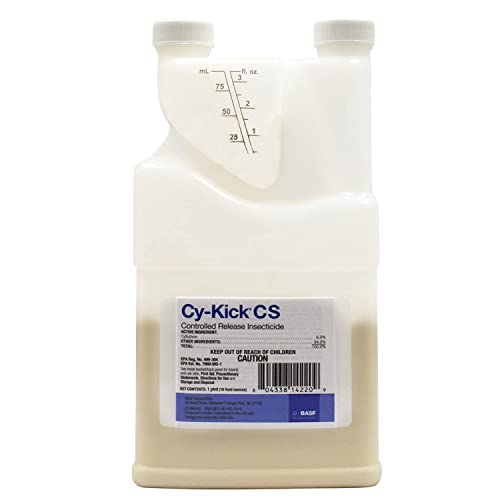
A pro-grade residual concentrate for a stubborn, recurring yard.
Common questions
Does any scorpion spray work on its own?
Not reliably. A spray kills the scorpion it touches, but their pesticide tolerance and hidden harborage mean a can alone leaves the source intact. The UC IPM scorpion guidance builds control around exclusion and habitat removal, with a residual barrier as support, not as the whole plan.
How do I find scorpions at night?
Use a UV flashlight, because scorpions fluoresce a bright greenish glow under it. Walk the foundation and walls after dark, keep closed shoes on, and never reach for one by hand, use long tongs. UV hunting tells you exactly where to focus the barrier instead of guessing.
Is a scorpion sting dangerous?
Most US scorpion stings feel like a bee sting: pain, swelling, and tingling that ease on their own. The Arizona bark scorpion is the exception and can be a medical emergency, especially in young children. Get emergency medical help right away for trouble breathing, throat or tongue swelling, drooling or difficulty swallowing, muscle twitching, or roving eye movements, and use a prescribed epinephrine auto-injector if a severe allergy is known. For any sting question you can also reach out to poison control by name. See MedlinePlus on scorpion sting first aid for what to watch for, and America’s Poison Centers for sting guidance.
Is the barrier safe around pets and kids?
When used per the label, yes. Keep children and pets off treated areas until everything is fully dry, do not apply an outdoor product indoors, and store it out of reach. If anyone is exposed, contact a doctor or your local poison control center; the label sets the legal and safe terms of use, so read and follow it.
When should I call a pro?
If you keep seeing scorpions after honest cleanup, sealing, and a refreshed barrier, or if you are dealing with bark scorpions and have small children at home, bring in a licensed professional. They can apply products and treat voids a homeowner cannot, and the Texas A&M AgriLife scorpion resources note how persistent these pests can be in the right habitat.
Final verdict
There is no single best scorpion killer, and any list that names one is skipping the only thing that matters: scorpions are too pesticide-tolerant for a spray to end the problem by itself. Start free by clearing harborage, sealing entry gaps, and UV-hunting to find where they cross, then lay a long-residual barrier on the foundation and entry points and refresh it on schedule. Keep a contact spray on hand for the scorpion you actually see, but treat it as a spot tool, not the cure. Skip the idea that an aerosol alone will fix this; it is the durable perimeter residual, the exclusion work, and thinning out their prey that lower the count over time. Pair whatever you buy with tongs, closed shoes, and a flashlight, because in scorpion country the safe routine matters as much as the product.