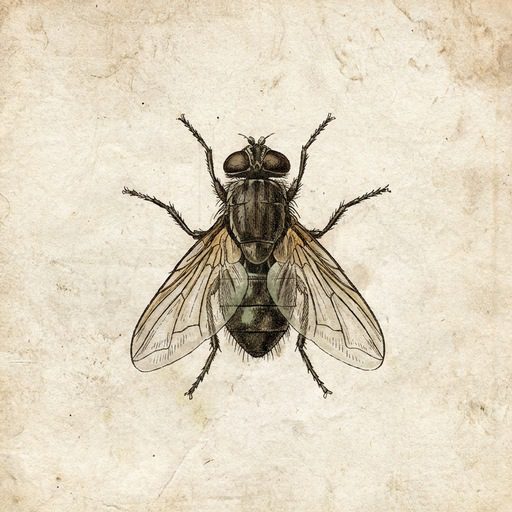
A fly spray drops the flies it hits on contact, and that is about all it does. It leaves no lasting barrier flies care about, and it does nothing about the maggots breeding in the trash, the drain, or the pet waste nearby. So the short answer is that a spray is for knocking down the flies in the room right now, not for solving the problem, and the real fix is sanitation: find and remove what they are breeding in, then seal them out with screens and a door sweep. For our own kitchen we keep one can for the odd cluster on the window and otherwise rely on a tied-off trash can and a clean drain. Most lists rank a fogger or a zapper at the top; both are the wrong starting point, and the comparison below shows why.
A fly spray only drops the flies it touches and leaves no barrier flies care about, so use it to clear a room while you fix the real cause; sanitation removes the breeding source, and a fogger is a last resort, never a routine.
- Do first (free): Find and remove what they are breeding in (trash, pet waste, drain gunk, compost), then add screens and a door sweep.
- Best for the common case: A contact aerosol to knock down the flies already inside, used sparingly and kept off food surfaces.
- Skip: Outdoor bug zappers; they kill mostly harmless insects and barely touch house flies.
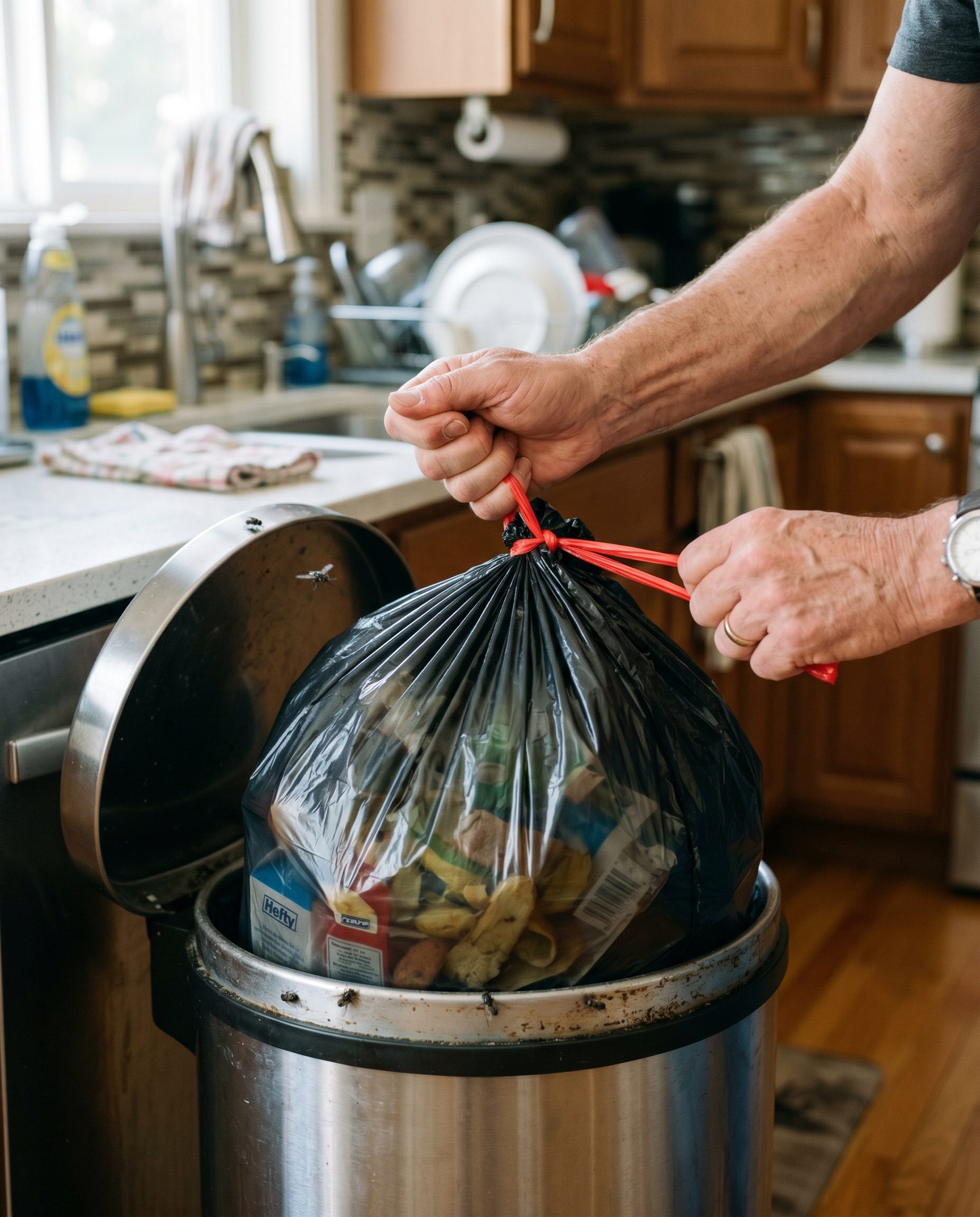
Where flies come from
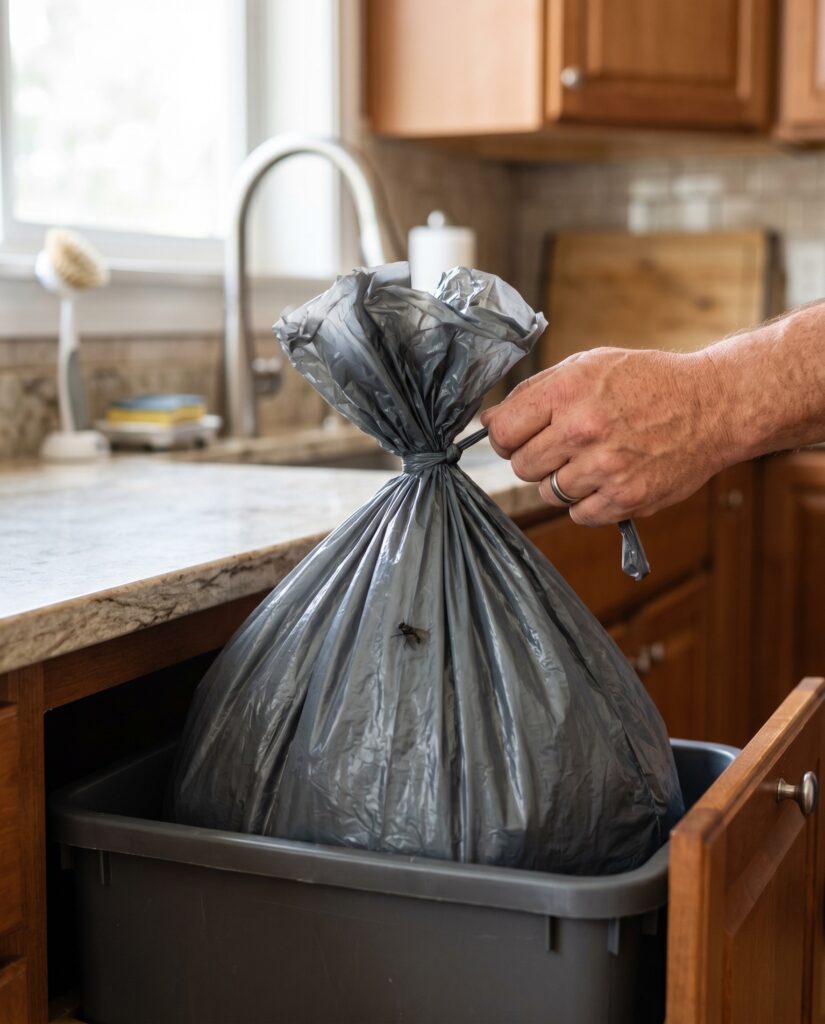
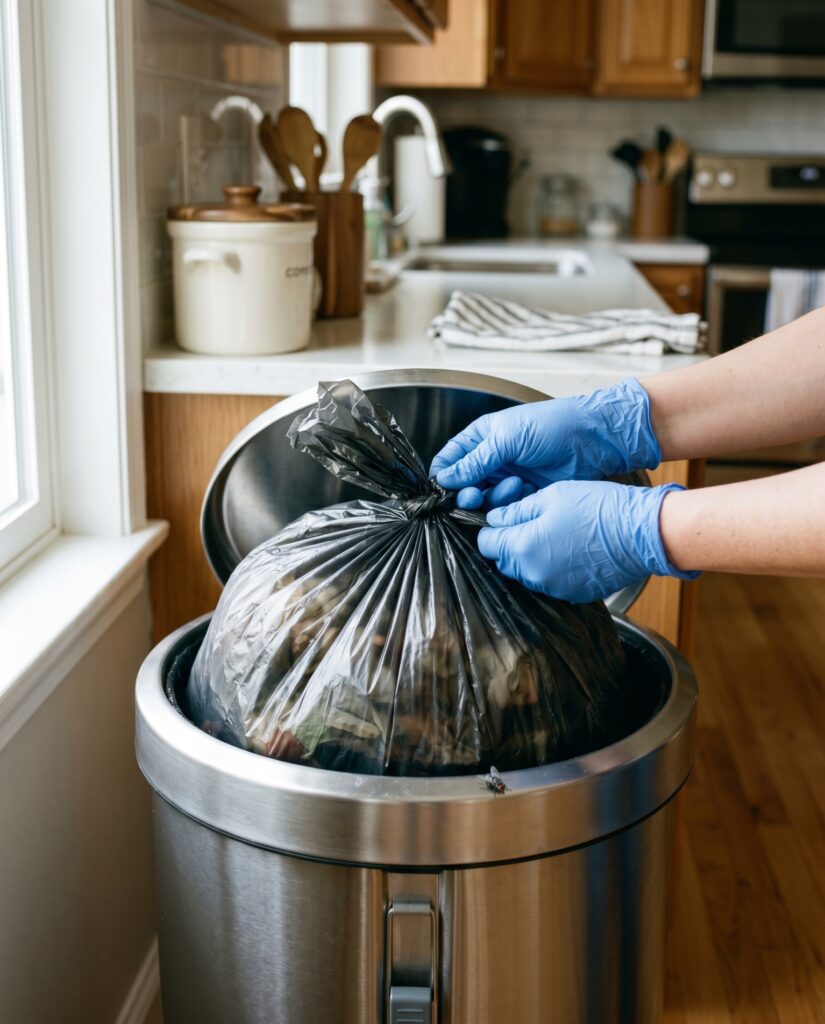
Before any can comes off the shelf, do the free part, because spraying without it is bailing a boat you have not plugged. House flies and the filth flies that look like them breed in moist, decaying organic matter: garbage, pet waste, compost, a forgotten drain, rotting produce, even carrion under a deck. The UC IPM Pest Notes on flies is blunt that the only durable control is finding and removing that breeding material, not killing the adults you can see. Take out the trash and seal the can, scoop the yard, rinse recyclables, and run a brush down a slow drain. Our walkthrough on getting rid of house flies lays out the source hunt step by step.
The math is why no spray keeps up. A single female lays hundreds of eggs, and the cycle from egg to adult runs about a week in warm weather, per Penn State Extension’s house fly page. Kill the adults in the room and the trash can quietly hatches a fresh batch behind you. The common house fly does not bite either; it has sponging mouthparts and spreads germs by tracking filth onto food, so a “fly” that actually bites is usually the stable fly, a different problem. Treat the source and the adults thin out on their own.
Why foggers and zappers waste money
Here is where most “best fly killer” lists go wrong. A total-release fogger fills a room with insecticide mist that drops the flies in the air at that moment and then settles out, leaving nothing the next hatch will care about, and you have to leave and air out the space first. A fogger is a last resort for a heavy indoor swarm, not a routine, and it never touches the maggots in the can that caused the swarm. The University of Kentucky’s guide to fly control makes the same point from the other direction: source reduction is the primary control and adult killing is strictly secondary.
The outdoor bug zapper is worse. Those glowing traps kill mostly moths, beetles, and other harmless or beneficial night insects while barely denting house flies, which are day-active and not drawn to the light the way the zapper’s marketing implies. Hanging a zapper on the patio is mostly killing the wrong bugs. If you want something working outdoors, a baited disposable fly bag pulls filth flies in, but it stinks by design, so hang it far from doors and seating, not by the back step. Skip the zapper as a fly solution, and do not let a fogger become the thing you reach for every summer.
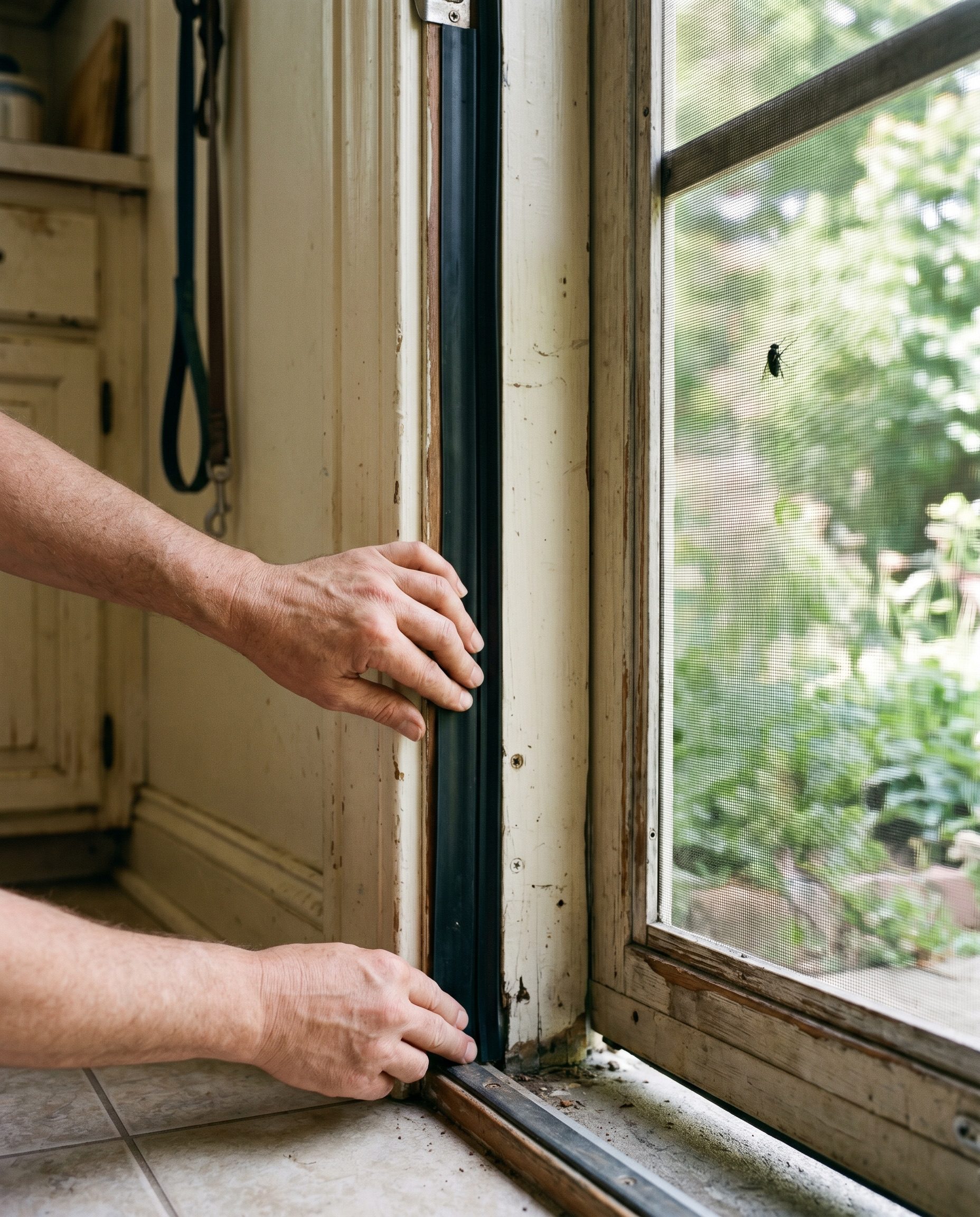
Contact spray vs fogger vs barrier
Once you accept that the source is the fix, the product choice is short. Decide by where the flies are and how many: a few on the window call for a contact aerosol, a sudden indoor cloud might justify a one-time fogger, and the outdoors calls for traps and exclusion, not spray.
| Tool | Best for | Watch-out |
|---|---|---|
| Contact aerosol spray | Knocking down the flies already in a room | Only kills adults it hits; you still must remove the breeding source |
| Total-release fogger | A heavy indoor swarm, as a one-time last resort | Leaves no useful residual; vacate and air out; never routine |
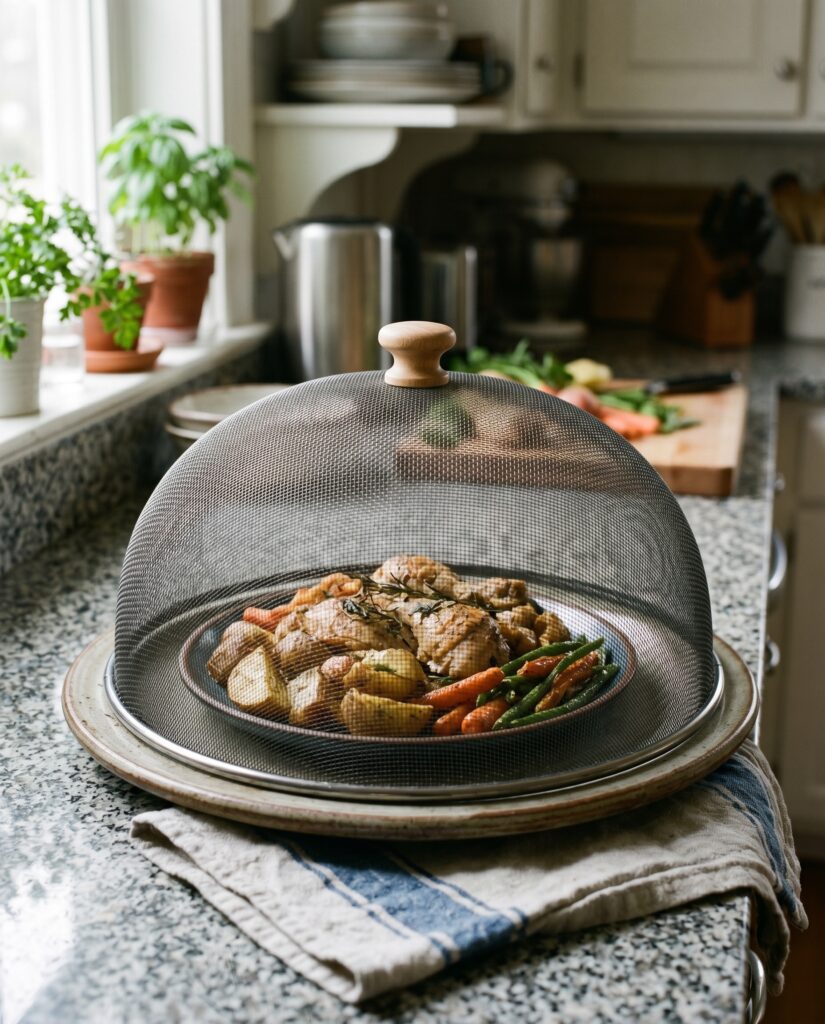
| Screens, door sweep, traps | Keeping flies out and monitoring, every situation | Labor up front, but this is the part that actually lasts |
Why not just buy the strongest spray and saturate the kitchen? Because the spray leaves no barrier flies respect, so by tomorrow the new arrivals walk in untouched, and the EPA’s safe pest control guidance puts sanitation and exclusion ahead of chemicals for exactly this reason. The spray treats symptoms; the screen and the sealed can treat the cause. Match the tool to the moment, then fit the long-term pieces, which our roundup of the best indoor and outdoor fly traps covers in full.
How to use a fly spray safely
Spray sparingly and keep it off anything food touches. Aim a short burst at the flies on the window or wall, not into the open air, and stay clear of counters, dishes, cutting boards, and pet bowls; if you do hit a food surface, wash it before use. Because these are registered pesticides, read and follow the product label, because under federal law the label is the law, and never use an indoor product outdoors or the reverse. Keep children and pets out until the treated room is aired and any sprayed surface is dry, and if someone is exposed, contact a doctor or your local poison control center.
For a fogger, treat it as the rare last resort it is: clear the room of people and pets, cover food and dishes, follow the label’s vacate-and-ventilate timing exactly, and never set one off near a pilot light or gas appliance. The lasting work happens between treatments. Seal the gaps flies use, fit a tight door sweep, and patch torn screens, then keep up the sanitation. Our guide on keeping flies away naturally covers the exclusion and habit changes that make the can almost unnecessary.
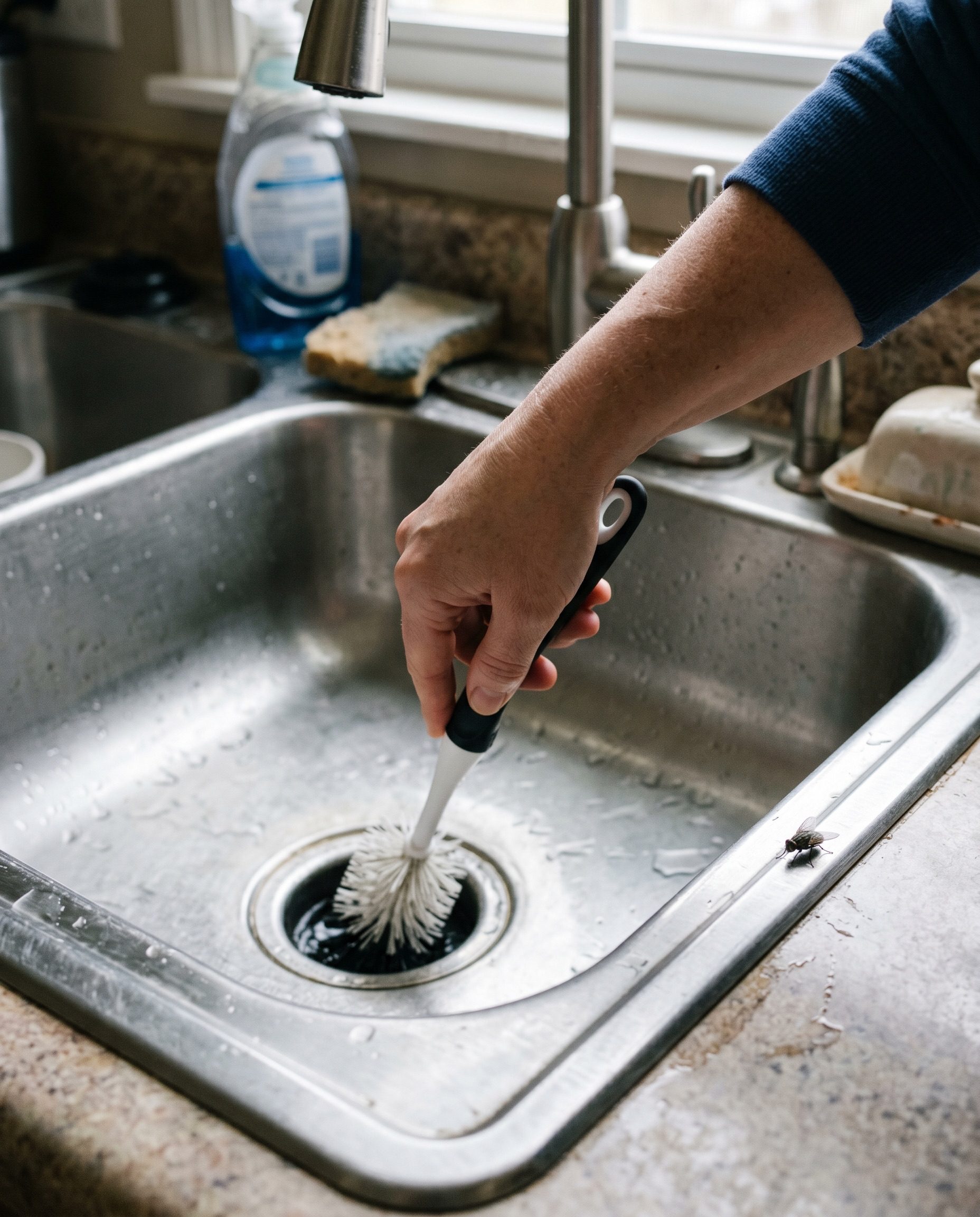
The picks
Cards come after the analysis on purpose, because the source work is what fixes the problem and the spray only buys you a quiet room. These three are common, widely available contact aerosols for knocking down the adults already inside.
InsectoGuide is reader-supported. As an Amazon Associate we earn from qualifying purchases at no extra cost to you.
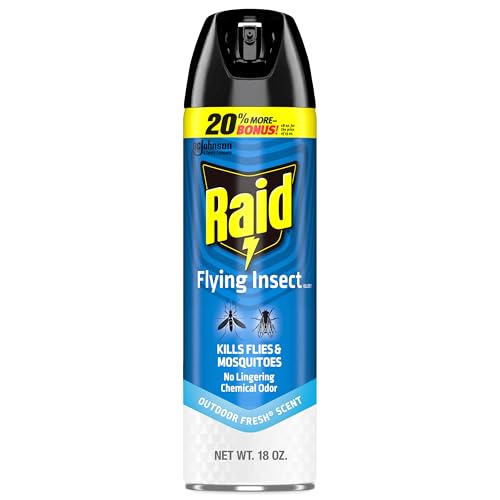
A common contact aerosol for knocking down the flies already in a room.
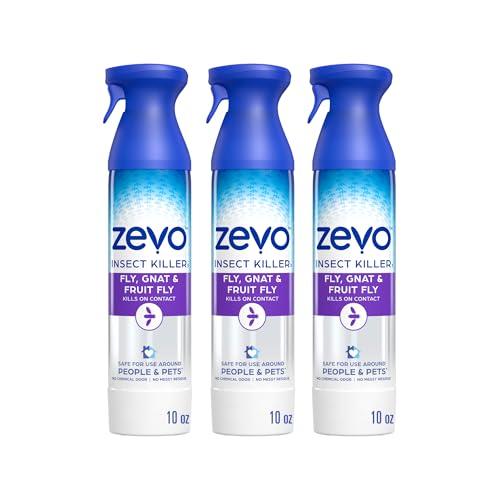
A plant-based option for homes that want rosemary and cornmint actives.
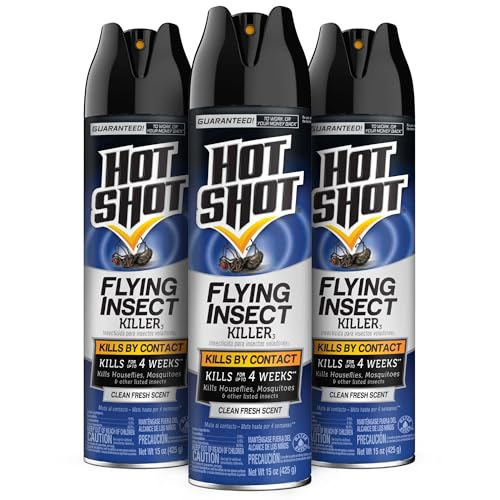
A cheap three-pack for households that keep a can in more than one room.
Common questions
Does fly spray actually get rid of flies?
It gets rid of the flies it hits and nothing more. A contact spray leaves no barrier the next flies care about and never touches the maggots breeding in the trash or drain. UC IPM is clear that removing the breeding source, not killing adults, is what ends a fly problem.
Are foggers a good way to handle flies indoors?
Only as a one-time last resort for a heavy indoor swarm. A fogger drops the flies in the air, leaves no useful residual, and ignores the source, so the swarm returns unless you fix what they are breeding in. Vacate and air out per the label, and never use one near a gas appliance.
Do outdoor bug zappers kill house flies?
Not meaningfully. Zappers kill mostly moths, beetles, and other harmless or beneficial insects and barely affect house flies, which are day-active. Spend the money on screens, a door sweep, and source removal instead.
Is fly spray safe to use in the kitchen?
Use it sparingly and keep it off any food surface, dishes, and pet bowls, washing anything you accidentally hit. Read and follow the label, keep kids and pets out until surfaces are dry and the room is aired, and prefer traps and sanitation in food-prep areas.
What about a baited fly bag outside?
A disposable bait bag does pull filth flies, but it stinks on purpose, so hang it at the far edge of the yard, away from doors and seating. It is a draw-them-away tool, not a substitute for cleaning up the breeding material.
Final verdict
A fly spray drops the flies it touches and does nothing else, so any list that crowns one “fly killer” is answering the wrong question. Start free by finding and removing what they are breeding in, the trash, the pet waste, the drain, the compost, then seal them out with screens and a door sweep. Use a contact aerosol sparingly to clear the flies already inside, keep it off food surfaces, and treat a fogger as a one-time last resort for a real indoor swarm rather than a summer routine. Skip the outdoor zapper; it kills the wrong bugs and barely touches flies. The can buys you a quiet room for an hour, but sanitation and exclusion are what keep the room quiet for good.