n
n
n
An electric fly swatter is genuinely handy for the one fly buzzing your kitchen, and an indoor light zapper earns a spot in a garage or porch, but neither one solves a fly problem. The short answer: kill the occasional fly with a swatter, keep any light zapper indoors and away from where you eat, and skip the outdoor bug zapper entirely, because research shows it kills mostly harmless and beneficial insects while barely touching the flies you actually hate. Flies breed in filth and replace themselves in about a week, so the real cure is sanitation and sealing them out. In our own kitchen we keep one swatter by the door, and the rest of the effort goes into the trash can and the screens. Most lists rank a glowing outdoor zapper first; that is the one to skip, and here is why.
nn
n
A swatter handles the occasional fly and an indoor light zapper helps in a garage or porch, but neither fixes a fly problem; outdoor bug zappers kill mostly beneficial insects and barely affect house flies, so clean up the breeding source and seal flies out first.
n
- n
- Do first (free): Find and remove the breeding source, take out the trash, and fit screens and a door sweep.
- Best for the common case: A handheld electric swatter for the stray fly, or an indoor light zapper for a garage or porch.
- Skip: The outdoor “bug zapper,” which kills beneficial insects and hardly dents house flies.
n
n
n
n
nn
nn
What to do first
nn
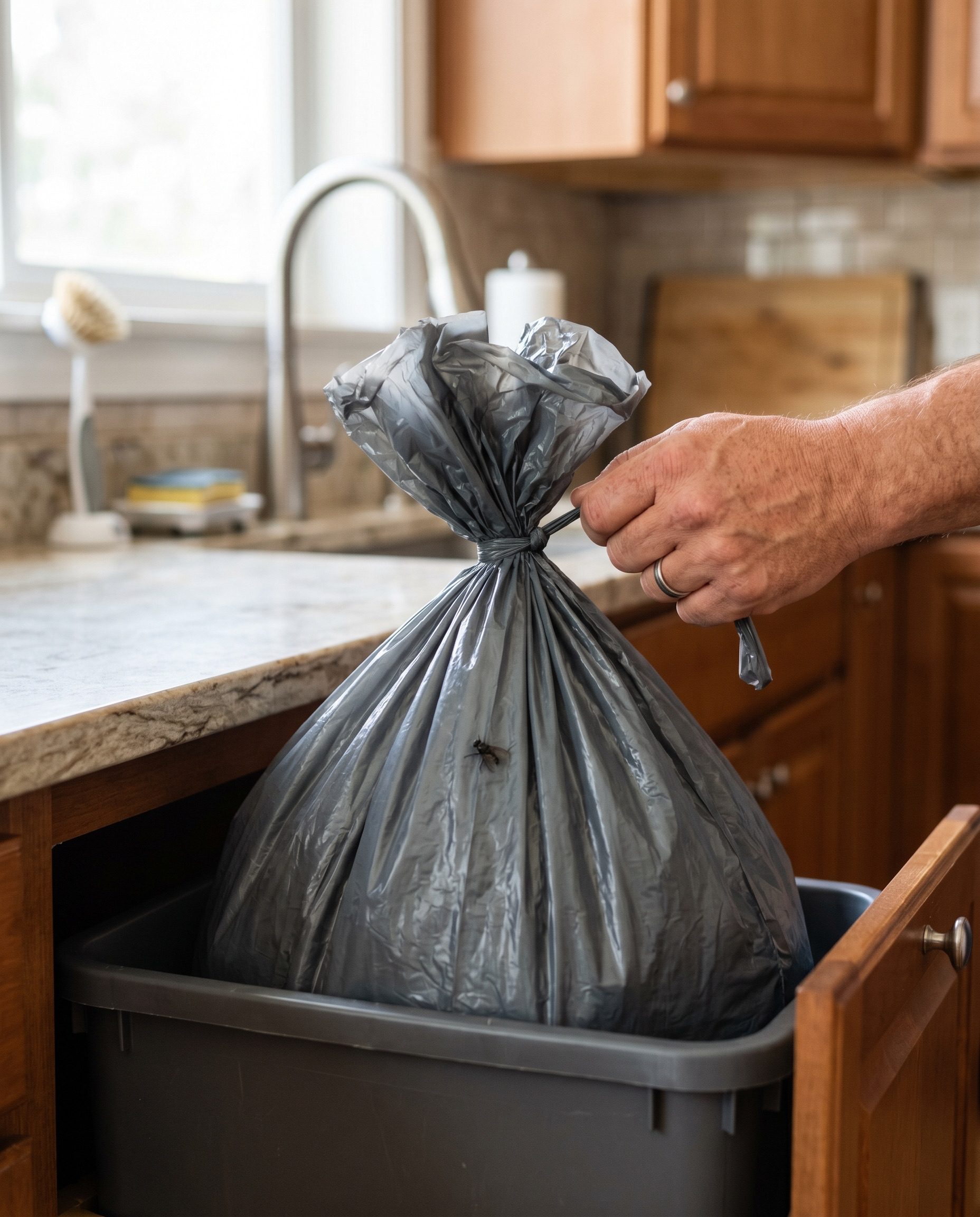
Before you buy any gadget, do the free part, because killing adult flies is a treadmill if the source is still pumping out more. House and filth flies breed in moist decaying organic matter: garbage, pet waste, compost, carrion, and dirty drains. The UC IPM Pest Notes on flies lays it out plainly, the most effective control is finding and removing what they are breeding in, not chasing the adults. So take out the kitchen trash and rinse the can, bag pet waste daily, turn or cover the compost, and scrub any drain that smells. A female house fly lays hundreds of eggs and the cycle from egg to adult runs about a week, which is why no amount of swatting or zapping ever keeps up. The Penn State Extension page on house flies confirms that fast filth-breeding life cycle, and it is the whole reason sanitation beats any device.
nn
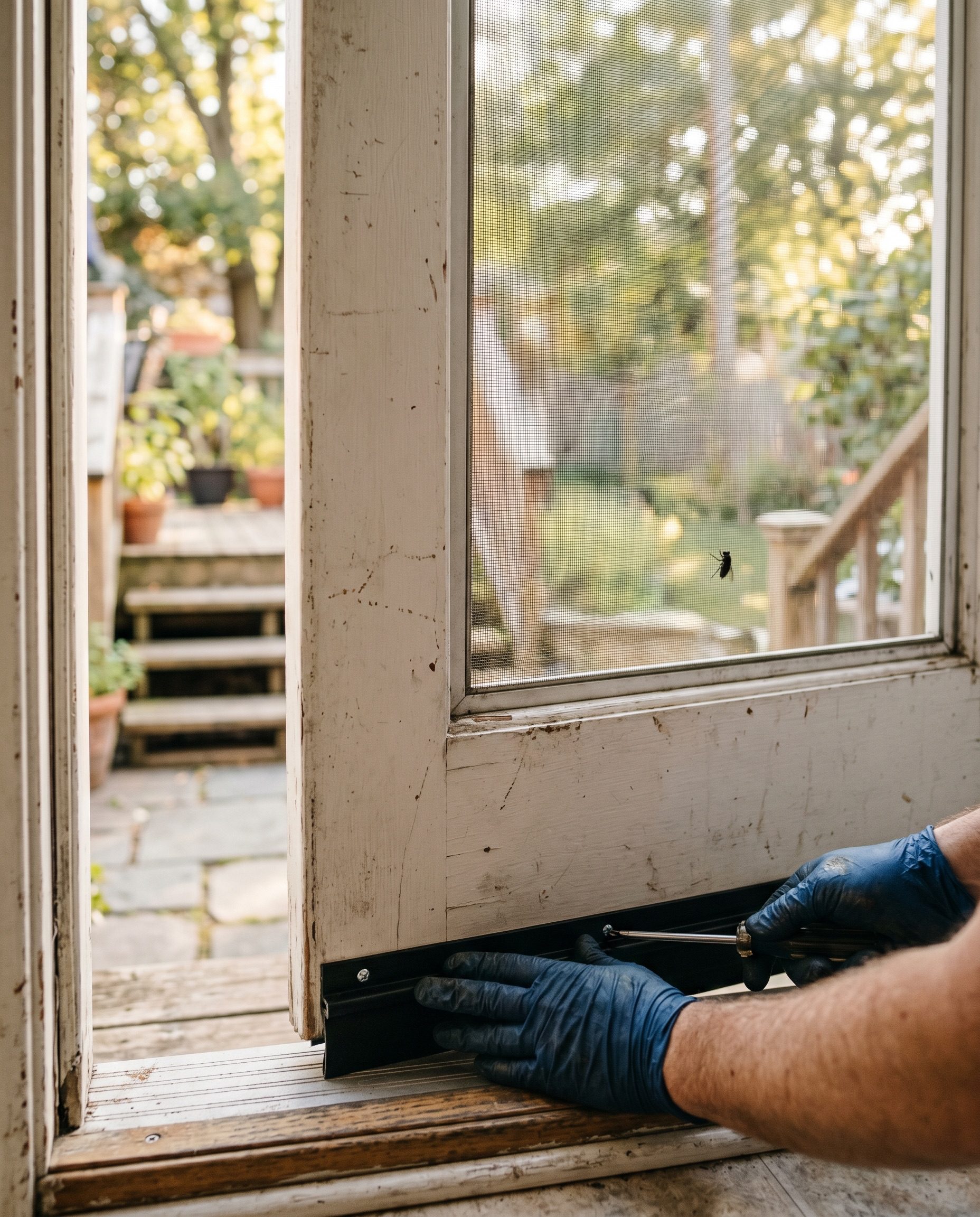
Then seal them out. Exclusion is the cheap step most people skip. Fit tight window screens, add a sweep under the door, and close gaps where flies drift in from the porch. Our walkthrough on how to get rid of house flies puts the sanitation and exclusion steps in order. A device is worth buying once the source is handled and the room is sealed, not as a substitute for either.
nn
Why outdoor bug zappers fail
nn
Here is the part most “best zapper” lists bury. The glowing purple outdoor unit hanging from the patio looks like it is doing serious work, but the bugs it electrocutes are mostly the wrong ones. The light that draws insects to the grid pulls in moths, beetles, midges, and a long list of harmless and beneficial insects, while house flies barely respond to it. House flies are not strongly attracted to that ultraviolet light the way night-flying insects are, so the unit racks up a satisfying body count of bugs you had no quarrel with and leaves your actual fly problem running.
Why insects gather at a light goes further into why colour temperature beats brightness.
nn
The University of Kentucky’s guidance on fly control makes the same point from the other direction: source reduction and sanitation are the primary control, and adult-killing devices are a distant secondary measure at best. An outdoor zapper is the gadget to skip, not because it does nothing, but because what it does is kill the wrong insects and dent your pollinator count, not your fly count. If you want a device that pulls flies, an indoor light trap that uses a glue board instead of a high-voltage grid catches the bug without spraying its bits around, and our roundup of the best indoor and outdoor fly traps covers those.
nn
nn
Swatter vs zapper, by job
nn
Once the source is handled, the device choice is short. Decide by where the fly is and how many you are dealing with. The point is to match the tool to the situation, not to buy the biggest glowing box on the shelf.
nn
| Device | Best for | Watch-out |
|---|---|---|
| Electric handheld swatter | The one or two flies buzzing a room | Kills only the fly you hit; does nothing about the breeding source |
| Indoor light zapper or trap | A garage, porch, or shed, away from food | Adult control only; keep it away from where you eat |
| Outdoor bug zapper | Honestly, not much | Kills beneficial insects and barely affects house flies |
nn
Why not just hang the biggest zapper and forget it? Because none of these devices reach the eggs and maggots in the trash, the drain, or the compost where the next wave is already growing. A swatter is a fly-by-fly tool, nothing more, and even a good indoor light zapper only mops up adults that have already gotten in. The EPA’s safe pest control guidance frames the whole thing as integrated pest management: sanitation and exclusion first, least-toxic tools second. The device is the second, smaller half of that, and only after the first half is done. Worth noting too, the common house fly does not bite, it has sponging mouthparts and spreads germs by carrying filth onto your food, so a biting “fly” is usually a stable fly; our explainer on whether flies bite and the disease risk sorts that out.
nn
How to place and use them
nn
Use a handheld swatter the obvious way, but charge it fully and let the grid build a moment before you swing, because a half-charged unit just annoys the fly. Keep it out of reach of children, because the grid carries a real jolt, and never use it near a gas stove or anything flammable.
nn
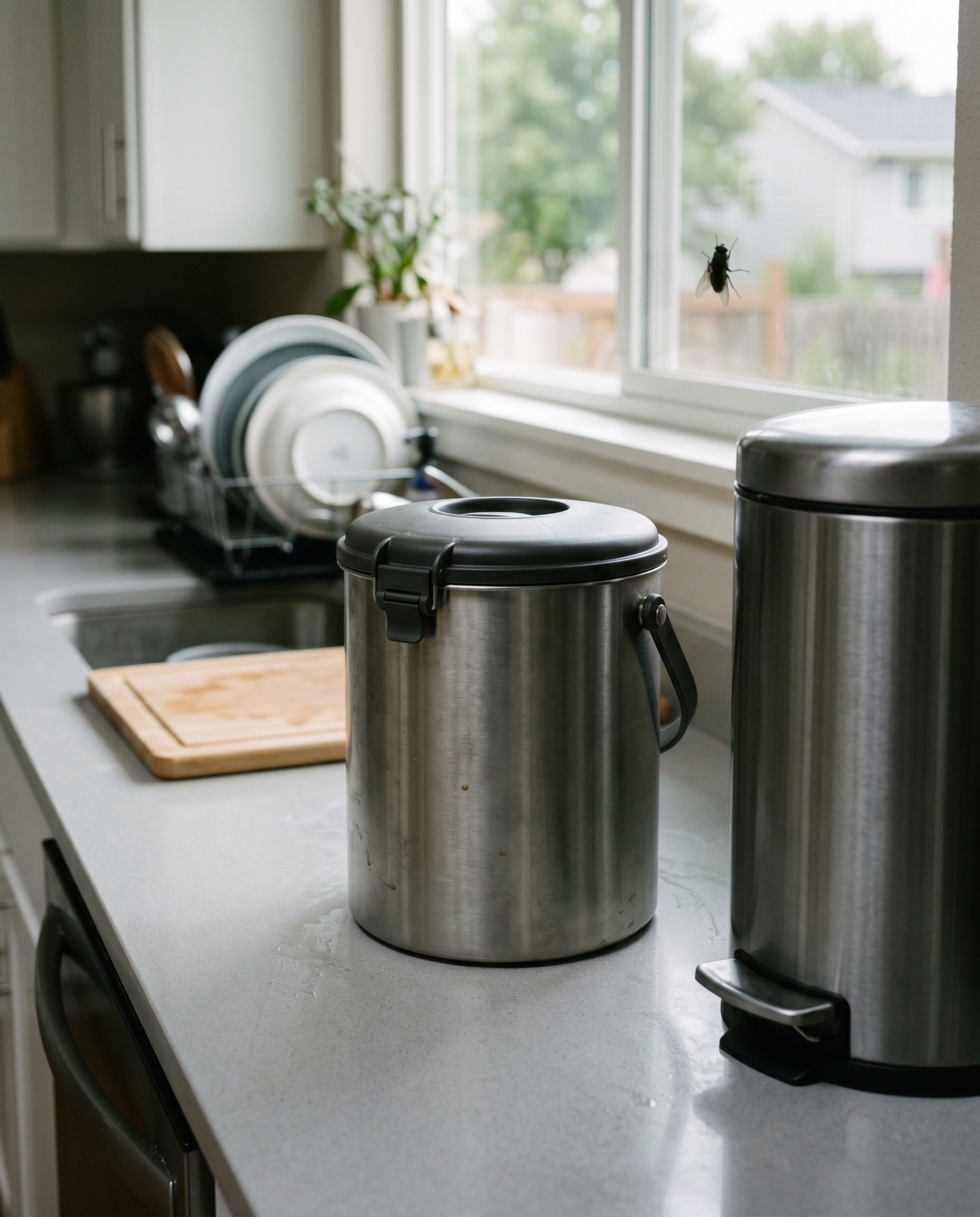
For an indoor light zapper or trap, placement is everything. Set it four to six feet off the ground and away from competing light, since the unit has to be the brightest thing in the room to draw bugs to it, and keep it well away from any food-prep surface so you are not flinging insect debris near where you cook. A garage, an enclosed porch, or a shed is the right home for one; a kitchen counter next to the cutting board is not. If you do hang a baited disposable fly bag outdoors, hang it far from doors and seating, because those bags stink badly once they get working, and you do not want that smell drifting back to where people sit.
nn
Whatever you run, treat it as the small finishing tool. The flies you see indoors got in from somewhere and grew up in something, so keep emptying the trash, keep the drains clean, and keep the screens tight. The device never replaces the cleanup, it just handles the strays that slip through after you have done the real work.
nn
nn
The picks
nn
Cards come after the analysis on purpose, because the cleanup decides whether any of this matters. These three cover the everyday stray fly and the garage or porch case, and all are common, widely available devices.
nn
InsectoGuide is reader-supported. As an Amazon Associate we earn from qualifying purchases at no extra cost to you.
nn
n 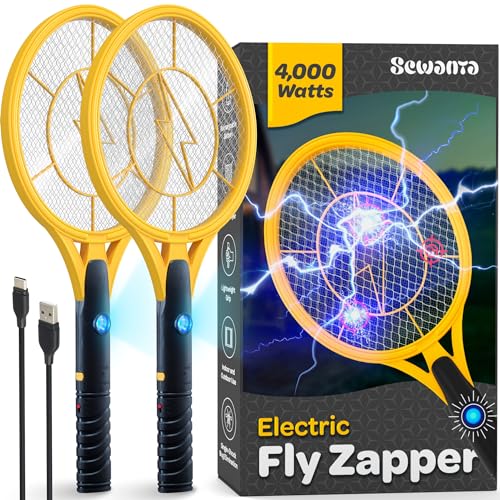 n
n
n
n
A two-pack of rechargeable swatters for the stray fly in any room.
n
n
nn
n 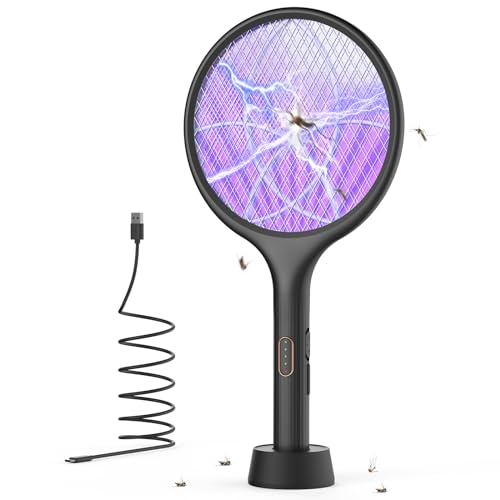 n
n
n
n
A rechargeable racket with a manual swat mode and a light-attract mode.
n
n
nn
n 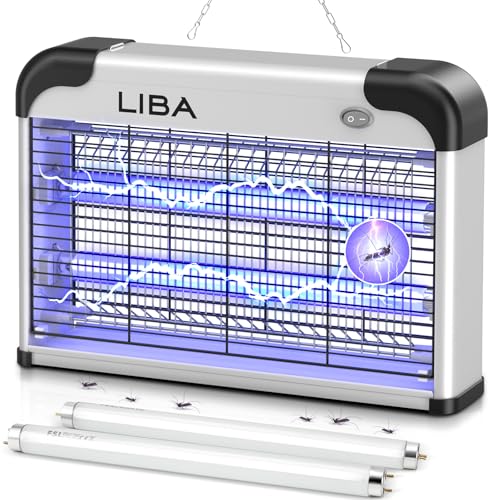 n
n
n
n
An indoor light zapper for a garage or enclosed porch, not by food.
n
n
nn
Common questions
nnDoes an electric fly swatter actually work?n
Yes, for what it is, which is killing the one fly in front of you. The grid drops a fly on contact, so it is handy for the odd stray. It does nothing about the eggs and maggots breeding in the trash or a drain, so it is a finishing tool, not a fix.
nnDo outdoor bug zappers get rid of flies?n
Not really. The ultraviolet light pulls in moths, beetles, and beneficial insects, but house flies are not strongly drawn to it. As the UC IPM fly guidance stresses, removing the breeding source is what actually controls flies, so a yard zapper mostly kills the wrong bugs.
nnIs an indoor light zapper safe in the kitchen?n
Keep it out of the kitchen. A light zapper or trap belongs in a garage, porch, or shed, away from food-prep surfaces, so insect debris never lands near where you cook. Set it four to six feet up and away from competing light so it can do its job.
nnWhy do I still have flies after using a zapper?n
Because the device only kills adults that are already inside, and a single female lays hundreds of eggs that hatch into more flies in about a week. The Penn State house fly page explains that fast cycle. Find the breeding source and seal the gaps, and the device finally has a chance to keep up.
nnDo house flies bite?n
The common house fly does not bite, it has sponging mouthparts and spreads germs by carrying filth onto food. A biting “fly” indoors is usually a stable fly. Our explainer on whether flies bite and the disease risk walks through the difference.
nn
Final verdict
nn
There is no device that solves a fly problem, and any list that ranks a glowing outdoor zapper first is skipping the only thing that matters: where the flies are breeding. Start free by finding and removing the source, taking out the trash, and fitting screens and a door sweep, because flies replace themselves in about a week and no gadget keeps up with that. An electric swatter is the right buy for the occasional fly, and an indoor light zapper earns its place in a garage or porch, kept away from food. Skip the outdoor bug zapper, which kills beneficial insects and barely touches house flies. Match the device to the stray fly that slips through, and put your real effort into the cleanup and the screens.
nn