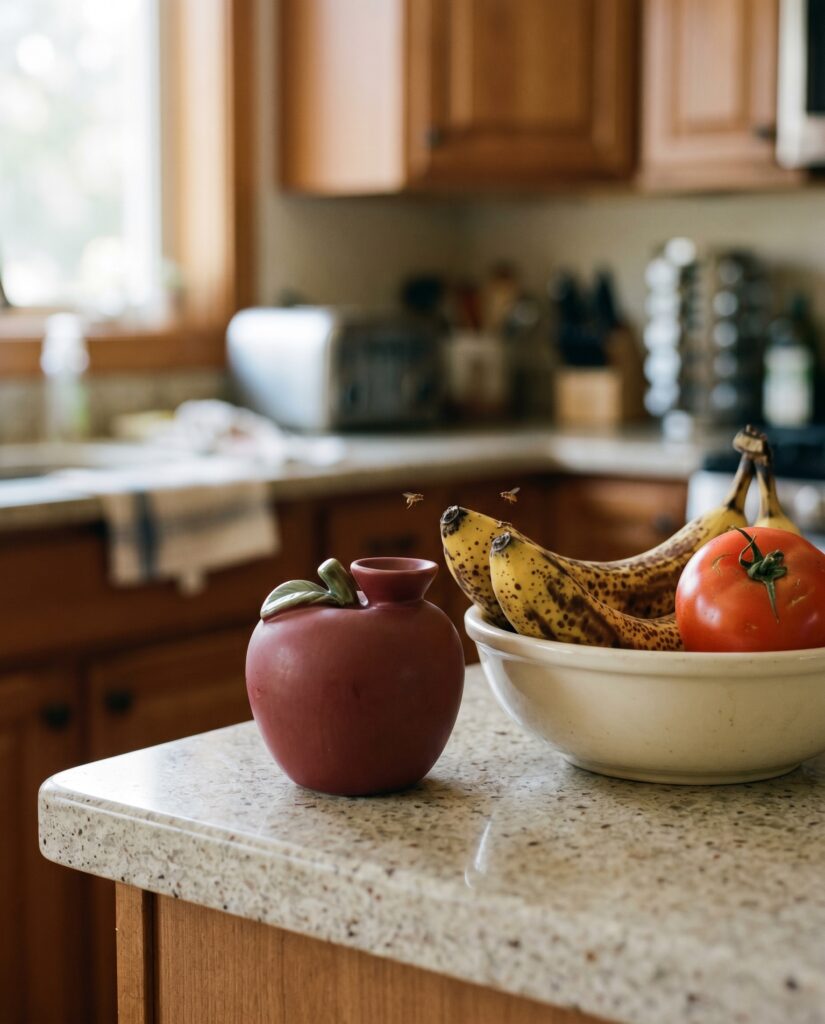
You swatted a fly off your sandwich and now you are wondering whether it bit you. Here is the honest answer: the common house fly (Musca domestica) does not bite, because it has soft sponging mouthparts and can only sip liquids, not pierce skin. So a “fly bite” on your ankle is almost always a different insect, usually the look-alike stable fly. What the house fly actually does is worse in a quiet way: it feeds on filth and feces, then lands on your food and transfers the bacteria it picked up. Treat a fly on your plate as a contamination problem, not a biting one.
The common house fly cannot bite; it has a soft sponging mouth and only sips liquids. A “fly bite” is almost always the stable fly, a near-twin that does bite ankles. The real house fly risk is germs carried from filth onto your food, so the fix is sanitation, not bite care.
- The confirming feature: A soft, padded sponging mouth that cannot pierce skin, so the house fly only sips, never bites.
- Most-confused look-alike: The stable fly, which looks almost identical but has a stiff piercing beak and does bite ankles and calves.
- What it means: The house fly’s risk is mechanical food contamination, so cover food, clean up promptly, and see how to get rid of house flies.
Quick answer
No, the house fly does not bite. Common name first, then the Latin: the house fly is Musca domestica, and its mouth is the tell. Where a biting insect has a hard, needle-like beak, the house fly has a soft, fleshy pad called a labellum that works like a sponge. It cannot break skin. If something is biting your ankles indoors and looks like a house fly, you are almost certainly dealing with the stable fly, a near-perfect look-alike that does bite. The practical takeaway is that nothing about the house fly calls for bite treatment, but plenty about it calls for keeping it off your food.
The one feature that confirms it
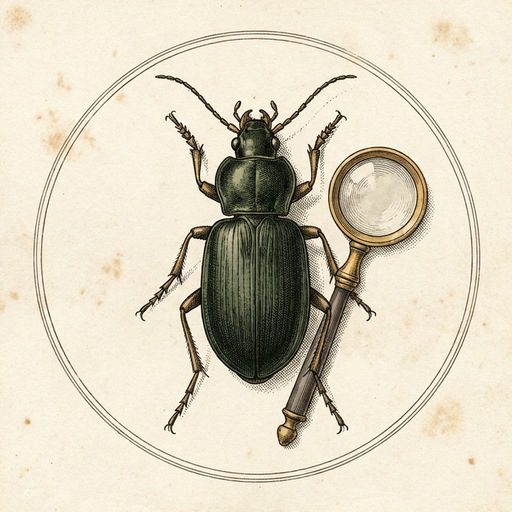
The single feature that settles the whole question is the mouthpart, and you can check it with a phone macro lens or a cheap loupe. A house fly’s mouth ends in that soft, two-lobed sponging pad. According to UC IPM, house flies feed only on liquids through sponging mouthparts, dabbing the pad onto a surface, spitting out saliva to dissolve solid food, then sucking the liquid back up. A mouth built to sponge cannot be a mouth built to pierce. That one fact is why a house fly is physically incapable of biting you.
Compare that to a stable fly, which carries a stiff, dark proboscis that juts forward from the head like a tiny bayonet. If you look at a fly that is biting and you can see a hard beak sticking out in front, you are looking at a biter, not a house fly. The mouth is the diagnostic, not the body color or the size, because those two species overlap almost completely on both.
Full description
The house fly runs about 6 to 7 millimeters long, roughly the size of a grain of rice with wings. It is dull gray, with four dark lengthwise stripes on the top of the thorax and a faintly yellowish underside to the abdomen. The eyes are large and reddish, set wide on the head. Six legs, two wings: that leg and wing count keeps it firmly in the true flies and rules out anything with eight legs or four wings.
The trait that matters for this article is behavioral, not anatomical. House flies are drawn to decay. They breed in manure, garbage, compost, and rotting organic matter, and the adults feed at those same sites before moving indoors. A fly on your counter very likely fed on filth an hour ago. That is the whole reason it is a contamination concern: not because of what it does to your skin, but because of where its feet and mouth have been.
Look-alikes that actually bite
People are not imagining the bites. They are just blaming the wrong fly. Two look-alikes account for most “house fly bit me” reports, and the separating feature is always the mouth or the setting.
| Fly | Does it bite? | How to tell it apart |
|---|---|---|
| House fly | No, sponging mouth only | Soft pad mouth, indoors on food and counters |
| Stable fly | Yes, bites ankles and legs | Stiff beak jutting forward, near barns and patios |
| Horse / deer fly | Yes, painful bite | Much larger, bright eyes, outdoors near water |
The stable fly is the one that fools everyone, because at a glance it is the same gray striped fly. The giveaway is the forward-pointing beak and a habit of biting low on the legs. Horse and deer flies are obvious once you see them, since they are far bigger and stay outdoors. So if you got bitten outside near livestock, water, or a patio, suspect a stable or horse fly. If a gray fly is walking on your toast indoors, that is the house fly, and it did not bite you.
The real risk: germs, not bites
Here is where the house fly earns its bad reputation. Because it feeds on feces and decay and then lands on your food, it acts as a mechanical carrier, moving germs from filth to your plate on its feet, body, and mouthparts. The University of Kentucky notes that house flies carry pathogens from filth to the food they land on, which is why a fly on your sandwich is a food-safety issue. It also vomits and defecates as it feeds, leaving the small dark specks you sometimes see on windowsills.
I want to be precise rather than alarmist about this. A single fly touching your meal is not a medical emergency, and you do not need to throw out a whole kitchen because one landed. The risk is cumulative and food-borne, not a one-touch poisoning. The sensible response is ordinary food hygiene: keep flies off food, cover dishes, and discard anything a fly has been crawling on for a while, especially uncooked or already-spoiling food. If you ever feel genuinely ill after eating, that is a question for a clinician, not for a pest article, and a healthcare provider can sort out the cause.
What to do about it
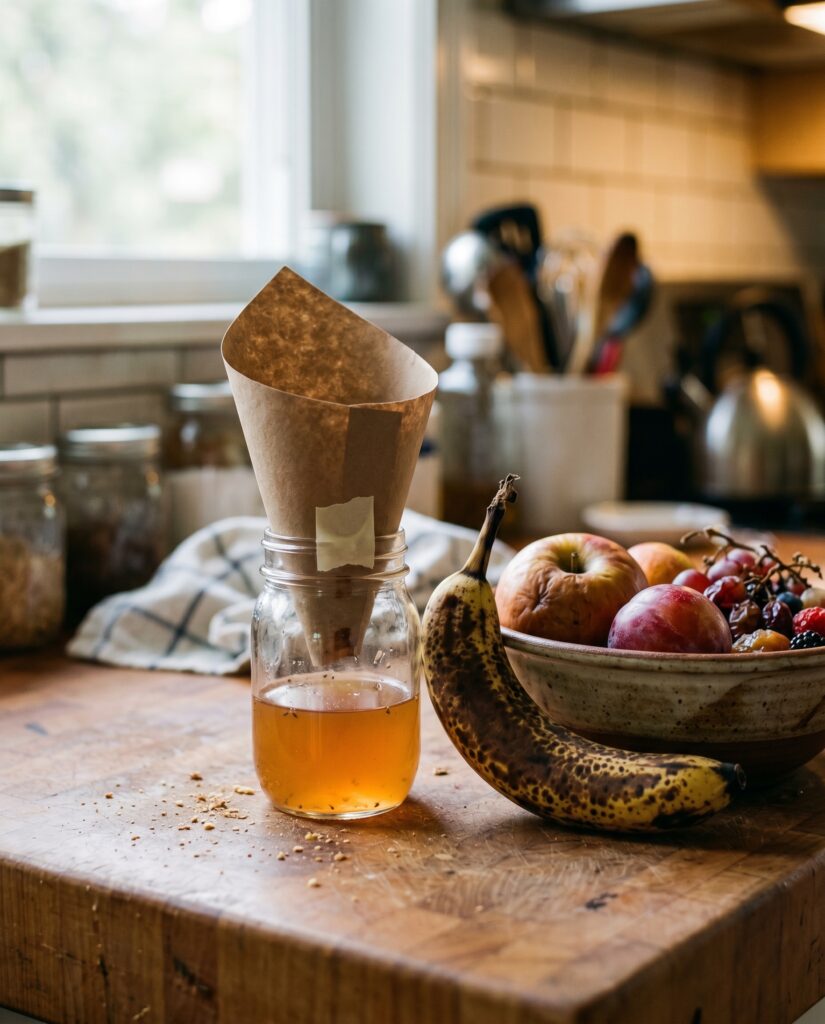
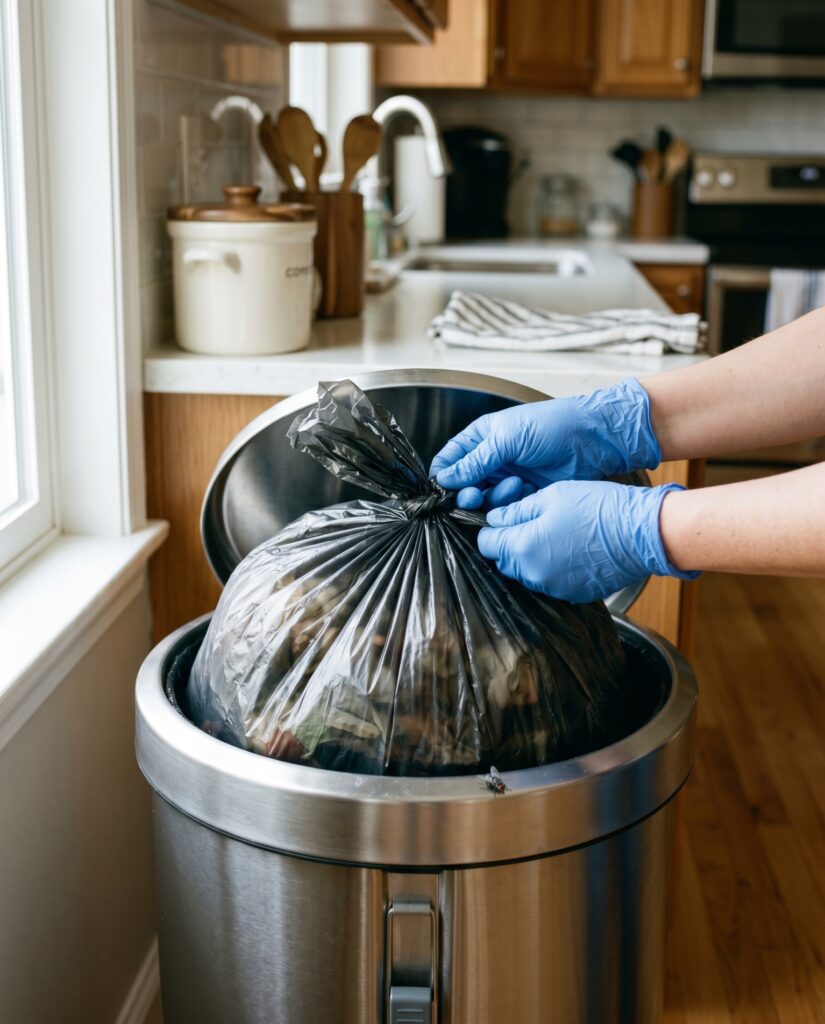
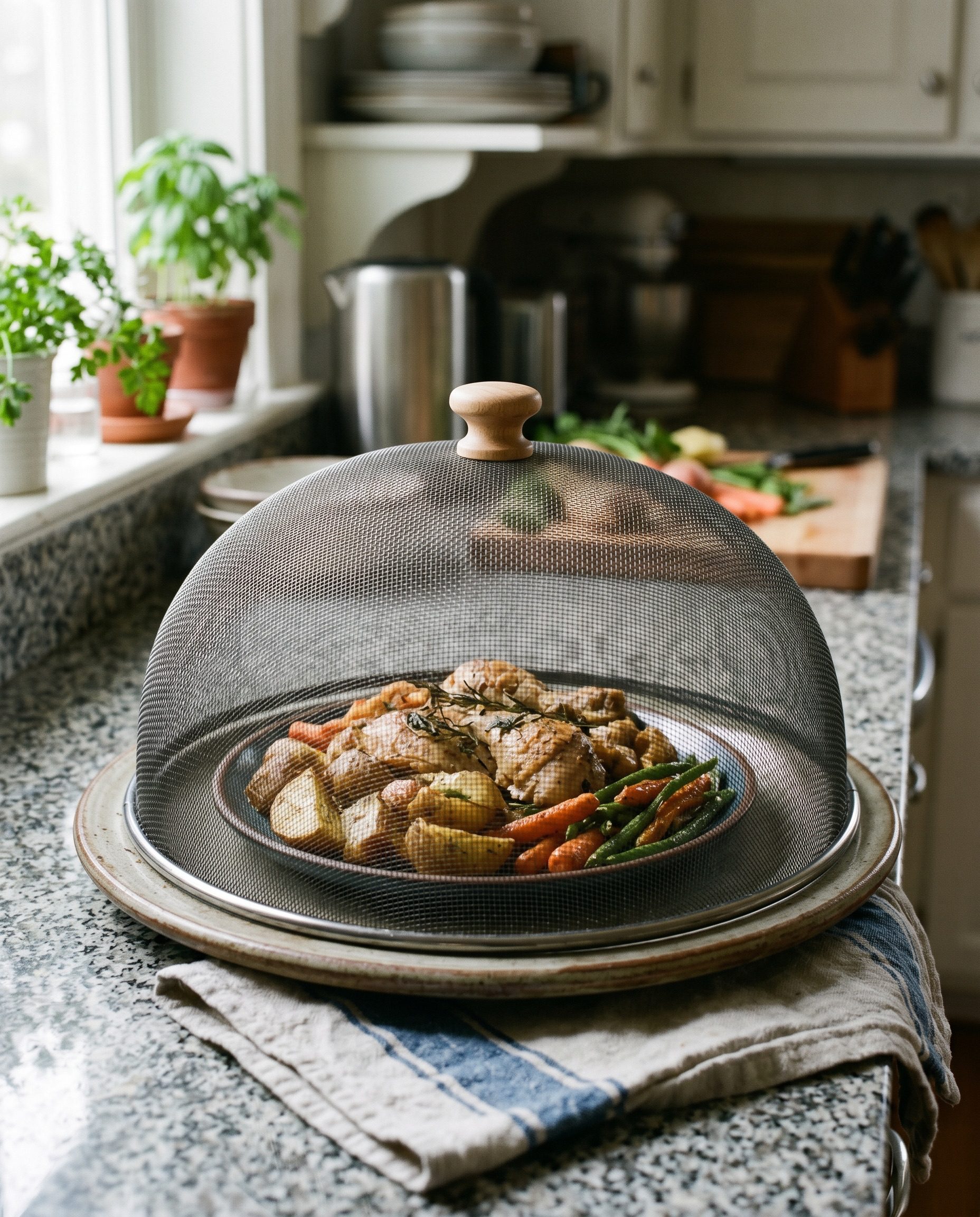
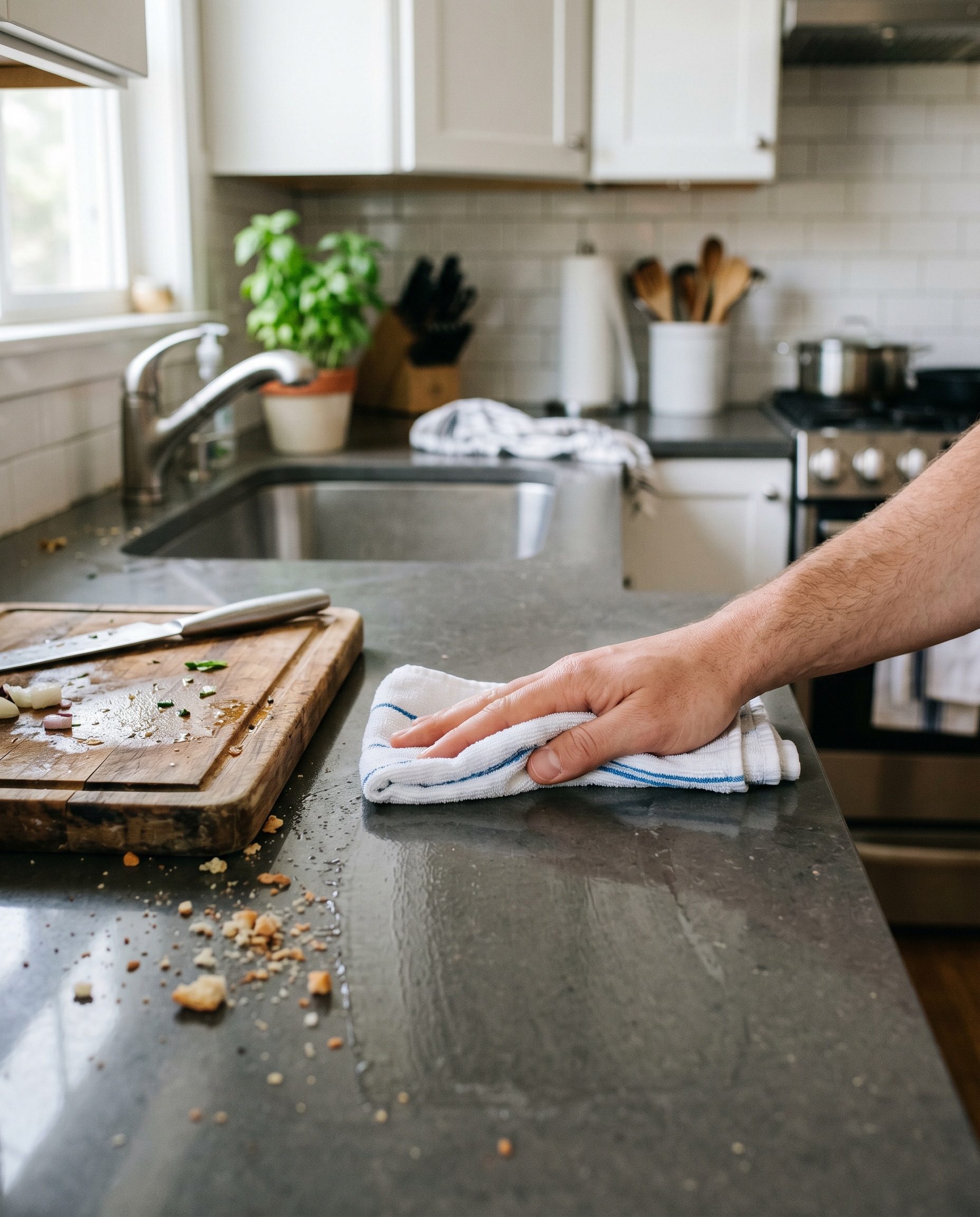
Since the house fly is a sanitation problem, the answer is sanitation, not bug spray. Penn State Extension is blunt that sanitation and removing breeding material are the first line of control: take out the trash before it ripens, rinse recycling, clean up pet waste, and keep the compost bin away from the door. Indoors, the fixes are physical. Cover food with a dome or a cloth, wipe counters and crumbs promptly, run a fan over an eating area since flies dislike moving air, and screen the windows and doors they slip through.
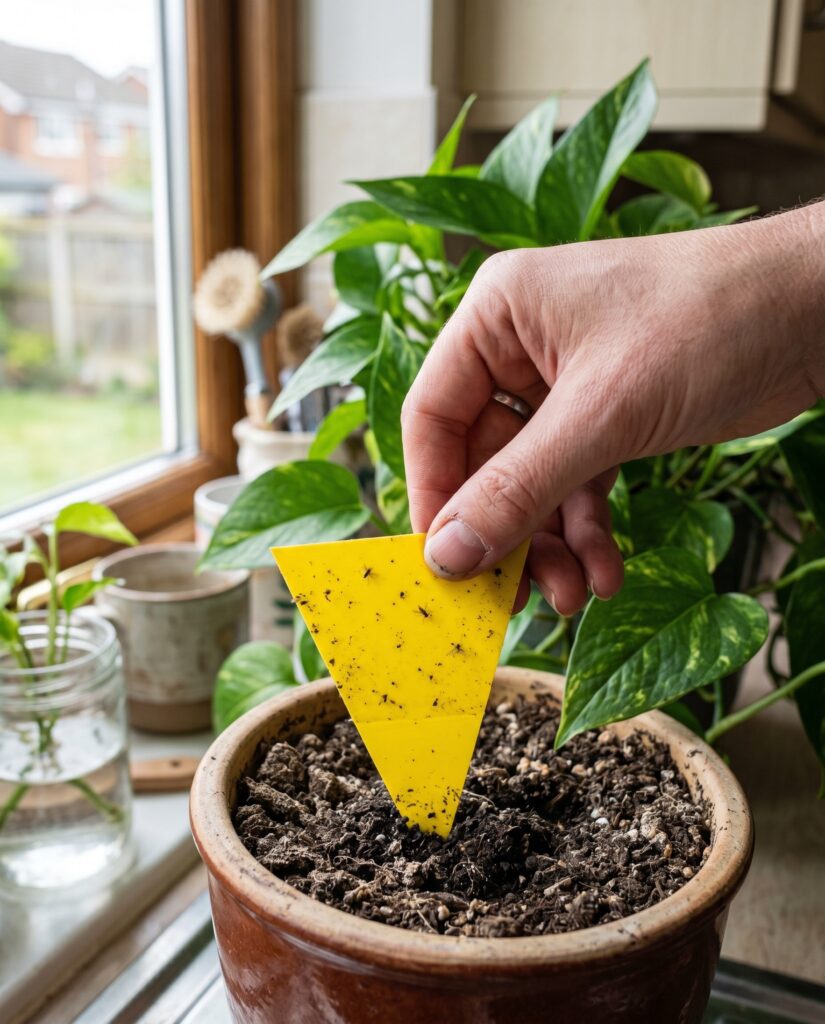
This sanitation-first order is also the official line. The EPA’s least-toxic, sanitation-first approach to pests puts cleanup and exclusion ahead of any chemical. If flies are already inside in numbers, a swatter or a trap clears the ones in the room without spraying near food, and our roundup of the best electric fly zappers and swatters compares the indoor options. For a full plan that stops the next generation at the source, see how to get rid of house flies.
Common questions
Do house flies bite humans?
No. The house fly has a soft sponging mouth and cannot pierce skin, so it physically cannot bite. If you are being bitten by something that looks like a house fly, it is almost certainly the stable fly, a near-identical look-alike with a stiff piercing beak that does bite ankles and legs.
Why does it feel like a fly bit me?
You were likely bitten by a stable fly, horse fly, or deer fly, not a house fly. Stable flies in particular look almost exactly like house flies but jab the lower legs, often near barns, patios, or water. Check whether the fly has a hard beak pointing forward, which marks a biter.
Are house flies dangerous if they land on my food?
The risk is germs, not a bite. House flies feed on filth and feces and can transfer bacteria to food they land on, so treat it as a food-safety issue. One brief landing is not an emergency, but cover food, clean up promptly, and toss anything a fly has been working over.
Can a fly on my food make me sick?
It can contribute to food-borne illness because flies move bacteria mechanically from filth to food, though a single quick landing is low risk. The sensible move is prevention: keep food covered and surfaces clean. If you do feel ill after eating, contact a clinician rather than self-diagnosing from a bug bite.
What is the difference between a house fly and a stable fly?
The mouth. A house fly has a soft sponging pad and only sips liquids, while a stable fly has a stiff, forward-pointing beak built to pierce skin and feed on blood. They look nearly identical otherwise, so the beak and the biting behavior are the reliable tells.
Final verdict
If a gray striped fly is walking across your toast, it did not bite you. The common house fly has a soft sponging mouth, sips liquids, and is physically unable to break skin, so the confirming feature is the mouthpart you can check with a loupe. A genuine “fly bite” points to the stable fly, the house fly’s near-twin, which carries a stiff piercing beak and goes for the ankles. The reason to care about house flies is not your skin, it is your food: they shuttle germs from filth to whatever they land on, which makes them a contamination problem solved by ordinary sanitation, not bite cream.
Next steps:
– Confirm which gray fly you actually have with our house fly vs cluster fly vs blow fly identification guide.
– Stop the next generation at the source with how to get rid of house flies.
– Clear the ones already in the room with the best electric fly zappers and swatters.