n
n
n
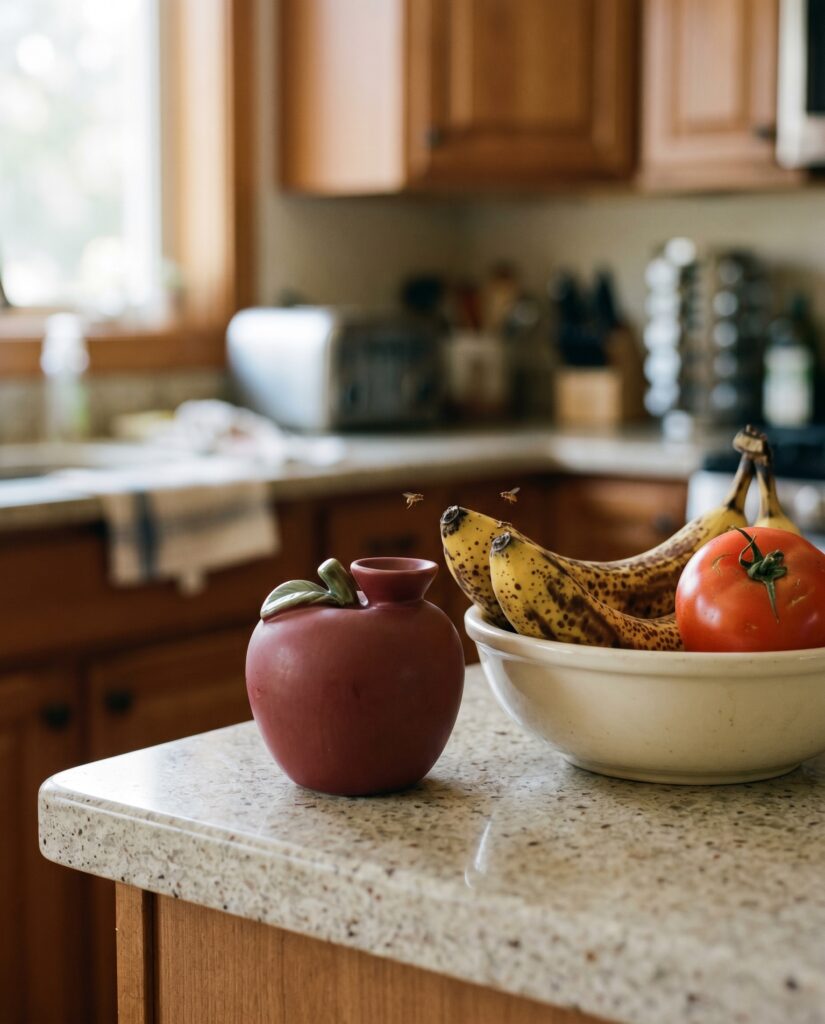
You found flies in the house and they all look roughly the same at a glance, but they are not telling you the same thing. The dull gray fly that buzzes the kitchen is the common house fly, and a lot of them means a filth source nearby. The shiny metallic green or blue one is a blow fly, and a sudden indoor cluster of those can mean a dead animal in a wall, attic, or chimney. The big, slow, dark one bumping a sunny window in fall or spring is a cluster fly that overwintered inside your walls, with no filth involved at all. Get the ID right and it points you straight at the cause.
nn
n
The three flies look alike but mean different things: dull gray and fast is a house fly (a filth source is nearby), shiny metallic is a blow fly (something may have died in a wall or attic), and big, dark, and sluggish at a sunny window is a cluster fly that overwintered in your walls.
n
- n
- House fly: Dull gray, four dark back stripes, fast and active; many of them means a sanitation source close by.
- Blow fly: Shiny metallic green, blue, or bronze; a sudden indoor batch can signal a dead animal you cannot see.
- Cluster fly: Larger, darker, slow, golden hairs on the chest; appears at warm windows in fall and spring, not over your food.
n
n
n
n
nn
nn
Quick answer
nn
There are really three flies behind almost every “what is this fly in my house” question, and color plus speed separates them before you ever look closely. The common house fly (Musca domestica) is dull gray, about a quarter inch, and restlessly fast around food and counters. The blow fly, or bottle fly (family Calliphoridae), is the same size but a hard metallic green, blue, or bronze that catches the light. The cluster fly (Pollenia species) is noticeably bigger, darker, and slow, and you will find it dozing on a warm window rather than circling the trash. Where you find each one is half the identification, because each breeds somewhere completely different.
nn
The one feature that tells them apart
nn
If you remember a single thing, make it the metallic sheen. A shiny green, blue, or coppery body means a blow fly, and a flat dull gray body never does. House flies and cluster flies are both non-metallic; blow flies shine like a drop of oil. That one look settles the most useful split, because a blow fly indoors is the only one of the three that can mean something died nearby. The UC IPM Pest Notes on flies describe these as the common filth and household flies, and the metallic Calliphoridae are the carrion specialists in that group.
Our guide to shiny and metallic bugs indoors goes further into what a glossy shell rules out.
nn
Once you have ruled the shiny one in or out, behavior separates the two dull flies. The house fly is fast, alert, and lives near your food; it darts off the moment your hand moves. The cluster fly is slow and clumsy, easy to swat, and you will catch it crawling a sunny pane or tucked in a curtain fold. If a gray fly is sluggish and showing up at windows in cool weather, it is almost certainly a cluster fly, not a house fly, and the difference matters because they come from opposite places.
nn
How to read each fly
nn
A clean ID runs down a short list: size, sheen, markings, and speed. Here is what each one looks like in hand.
nn
The house fly is gray, roughly a quarter inch, with four lengthwise dark stripes on the top of the thorax and a faintly orange belly. It is the busy one over fruit, dishes, and pet bowls. Worth knowing up front: the house fly does not bite. It has sponging mouthparts, so a “fly” that actually bit you is almost always the stable fly, a near-identical look-alike with a stiff piercing beak. What the house fly does instead is spread germs by mechanical contamination, tracking filth onto food, which is the real reason you want it out.
nn
The blow fly is the metallic one, the same size as a house fly but unmistakable when light hits it. A handful at a window is normal in summer; a sudden indoor swarm with no open trash is the signal worth acting on, because blow flies breed in carrion and that cluster often traces back to a dead rodent or bird in a wall, attic, or chimney. Find and remove the carcass and the flies stop.
nn
The cluster fly is the biggest of the three, dark gray with a patch of crinkly golden-olive hairs across the thorax and wings that overlap like scissors when at rest. It moves slowly and clusters at warm, sunny windows. It does not breed in your home at all; the larvae are parasites of earthworms outdoors, and the adults simply slip into wall voids and attics in fall to overwinter, then wake at the first warm spell.
nn
nn
What each one says about your home
nn
This is where identification earns its keep. The same three flies point to three different problems, and the fix follows the fly.
nn
| Fly | How to tell it | What it means |
|---|---|---|
| House fly | Dull gray, four stripes, fast, around food | A filth or garbage source is breeding them nearby |
| Blow fly | Shiny metallic green, blue, or bronze | Possibly a dead animal in a wall, attic, or chimney |
| Cluster fly | Large, dark, slow, golden chest hairs, at windows | Overwintering adults from outdoors, no filth involved |
nn
A house fly problem is a sanitation problem, full stop. Filth flies breed in moist, decaying organic matter like garbage, pet waste, compost, and drains, and they go from egg to adult in about a week. Because a single female can lay several hundred eggs, killing the adults you see never keeps up with the ones being born. That is why sanitation and source reduction are the primary fly control: find and remove what they are breeding in, then keep them out. If your kitchen is suddenly full of them, our guide to why there are so many flies in your house walks the usual indoor sources in order.
nn
A blow fly cluster is a detective problem. Trace it to the carcass, remove it, and the flies leave with it. A cluster fly problem is a sealing problem; you cannot remove a breeding source because there isn’t one indoors, so the answer is exclusion and a little patience until the season passes.
nn
Catching and keeping them out
nn
The control logic is the same for both filth flies once you have the ID: sanitation first, exclusion second, and adult control a distant third. No spray, swatter, sticky strip, or zapper keeps up with a hidden breeding source, because the population is replaced faster than you can knock it down. The EPA’s integrated pest management approach puts source removal and exclusion ahead of any pesticide, and any product you do reach for, you use strictly per its label.
nn
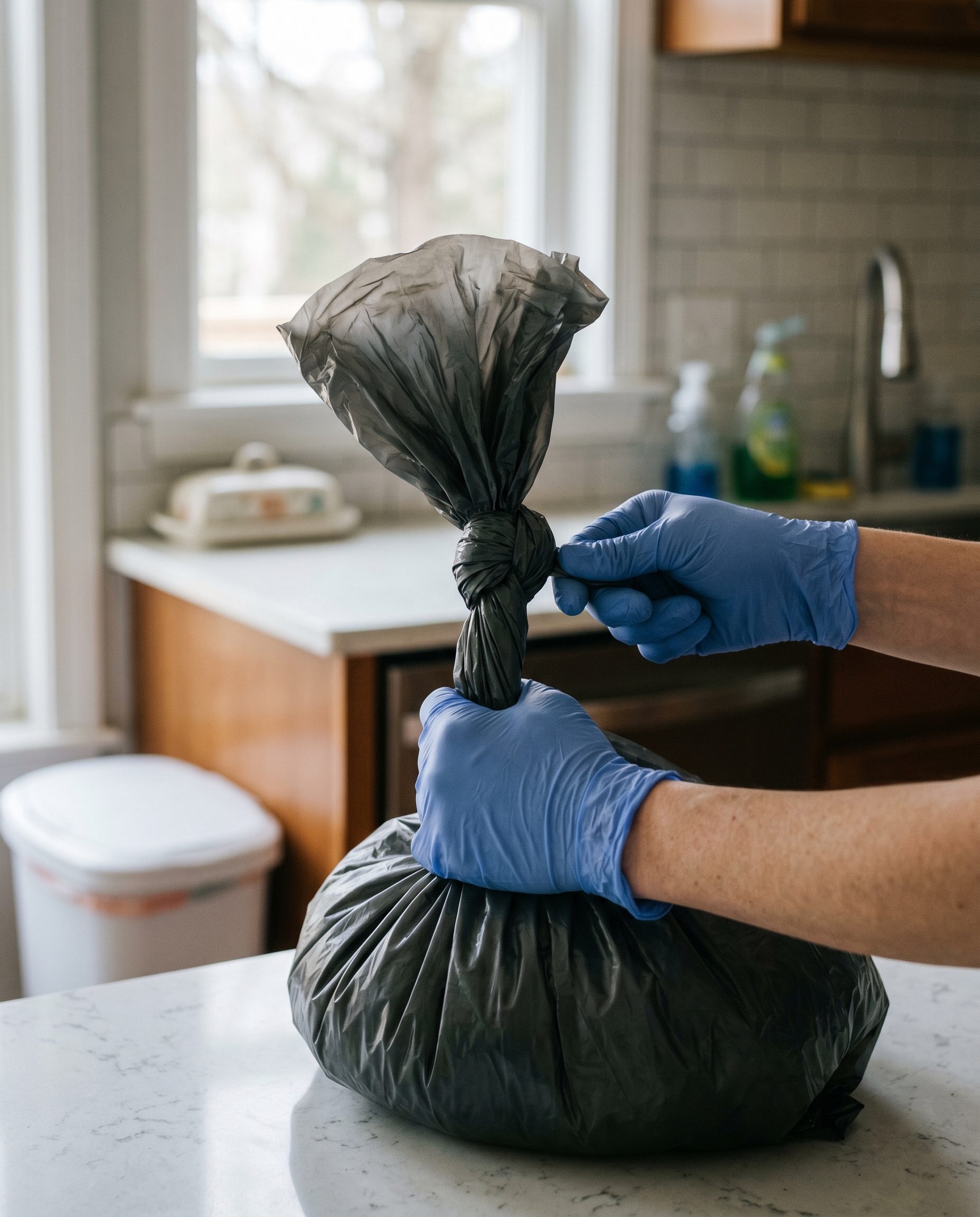
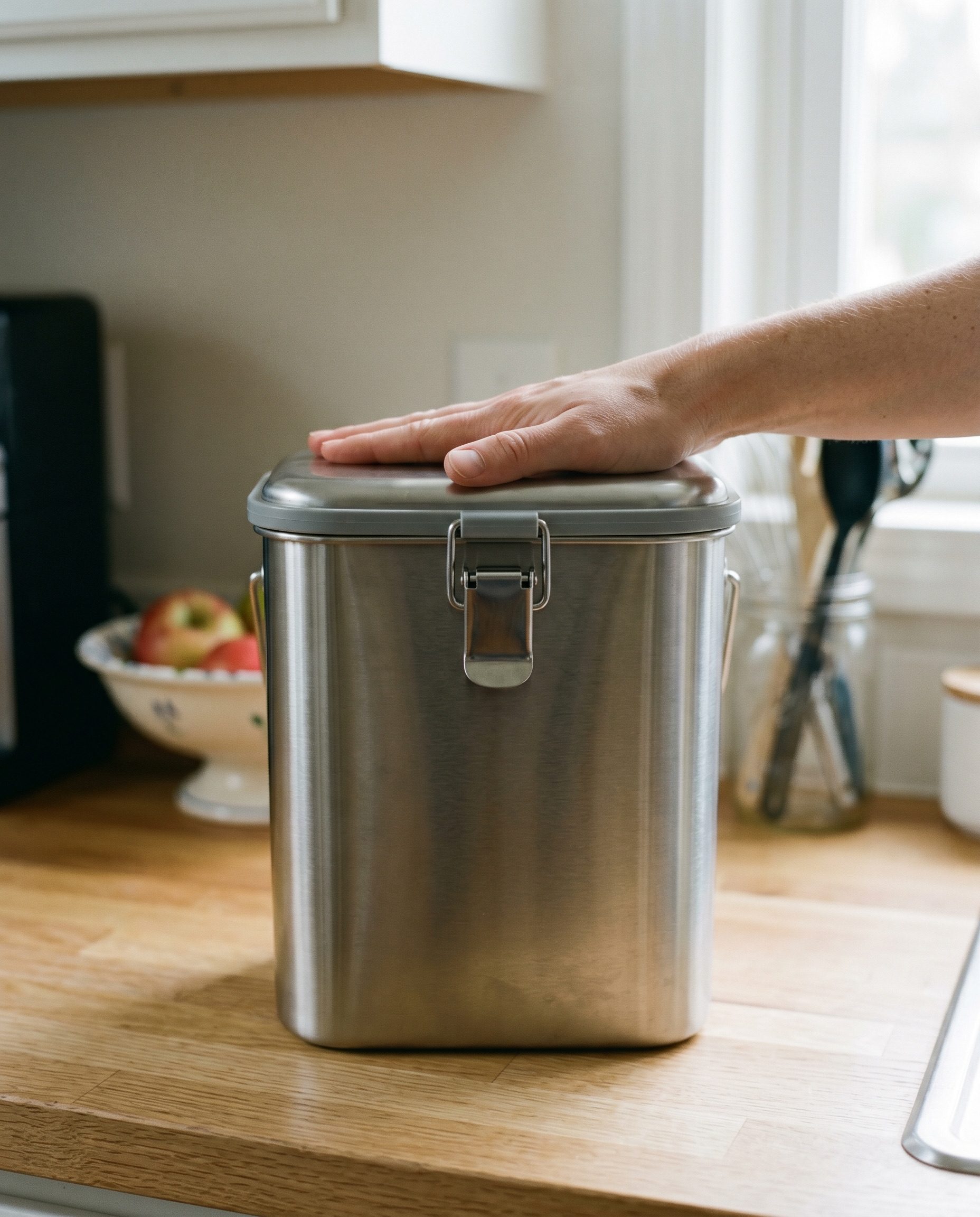
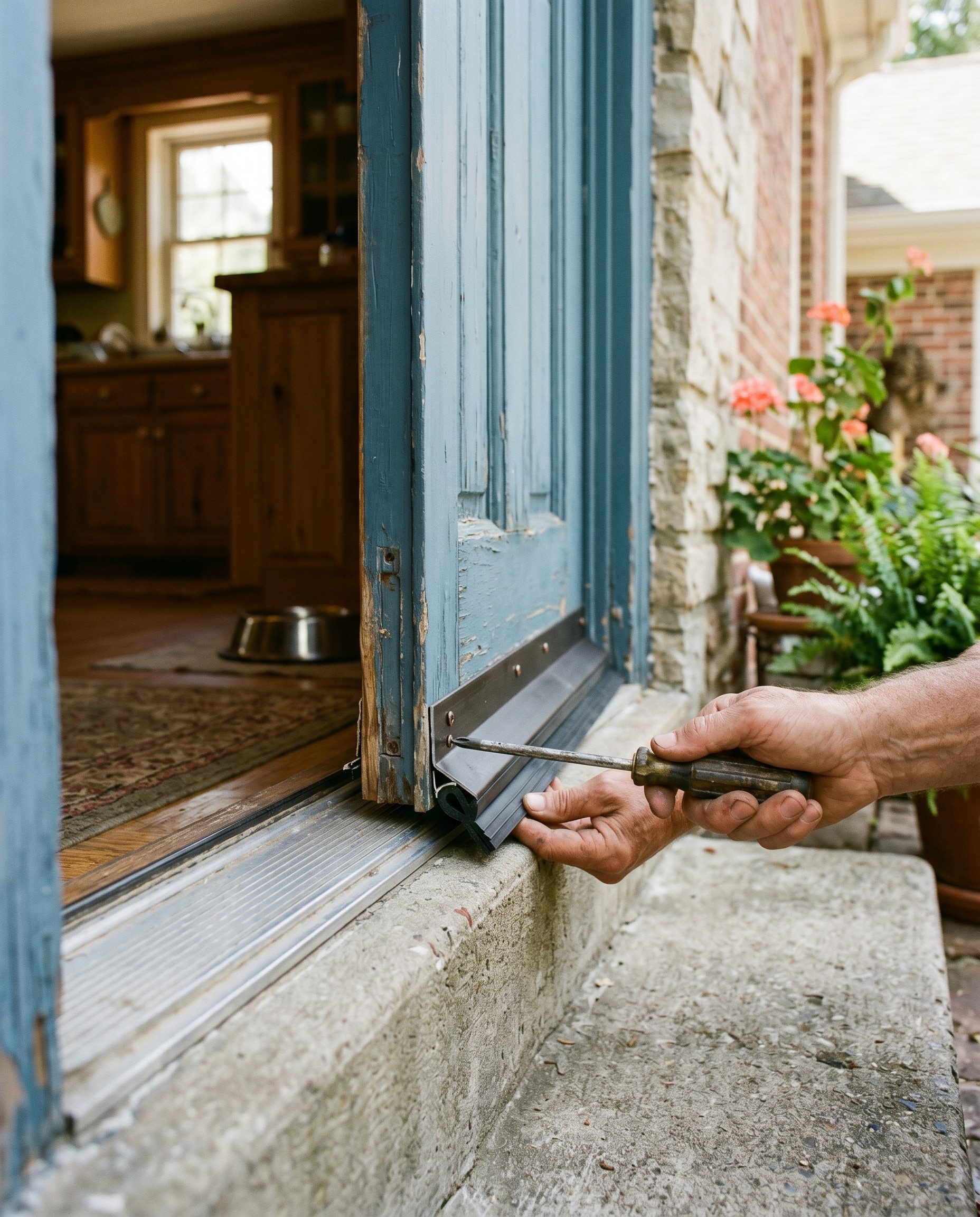
Two specific cautions are worth flagging because people waste money on both. Outdoor bug zappers kill mostly harmless and beneficial insects and barely touch house flies, so a zapper is not a fly solution. Baited disposable fly bags work but they stink as they fill, so hang them at the far edge of the yard, well away from doors and seating, never near where people gather. The real work is unglamorous: lidded bins, tied-off trash, cleaned drains, picked-up pet waste, plus screens and door sweeps so the adults outside stay outside. Our walkthrough on how to get rid of house flies lays out that sanitation-and-exclusion sequence step by step.
nn
nn
Common questions
nnDo house flies bite?n
No. The common house fly has sponging mouthparts and cannot pierce skin; it feeds on liquids and films. If something that looks like a house fly bit you, it was almost certainly the stable fly, a close look-alike with a rigid piercing beak that does bite. The house fly’s actual risk is contamination, not biting.
nnAre the shiny green flies in my house dangerous?n
Not directly, but they are a clue. A few metallic blow flies at a window in summer are routine. A sudden batch indoors with no open garbage often means an animal died in a wall, attic, or chimney, since blow flies breed in carrion. The smart move is to find and remove the source, not to spray the flies.
nnWhy do big slow flies show up at my windows every fall and spring?n
Those are cluster flies. They overwinter as adults inside wall voids and attics, then crawl toward warmth and light when temperatures swing, which lands them at sunny windows. They do not breed indoors and they are not a sign of filth, so the fix is sealing gaps, not cleaning.
nnAre these the same as the tiny flies near my fruit and drains?n
No, those are smaller and a different problem entirely. Fruit flies and fungus gnats are a few millimeters long and hover around produce, sink drains, and houseplant soil rather than buzzing the room. If yours are tiny, see our fruit fly vs gnat comparison instead.
nnWill sprays or a zapper fix a fly problem?n
Not on their own. Sprays only knock down the adults they hit and leave no barrier flies respect, and zappers mostly kill non-pest insects. Since the source keeps producing more, the lasting fix is removing what they breed in and sealing them out, with sprays or traps as cleanup at most.
nn
Final verdict
nn
Three indoor flies, three different stories. Dull gray and fast around your food is the common house fly, and many of them means a filth source close by that you need to find and remove. Hard metallic green or blue is a blow fly, and a sudden indoor cluster can mean something died where you cannot see it. Big, dark, and sluggish at a sunny window in fall or spring is a cluster fly that overwintered in your walls, with no filth involved. The ID is not trivia; it tells you whether to clean, to search for a carcass, or to seal a gap. And for the two filth flies, the cure is always the same order: sanitation first, exclusion second, and sprays or traps a distant last, because nothing you spray outpaces a breeding source you have not removed.
nn
Next steps:
nn
– If the kitchen is overrun, start with why there are so many flies in your house to find the source.
n
– Work the sanitation-and-exclusion sequence in how to get rid of house flies.
n
– If yours are tiny and near fruit or drains, check the fruit fly vs gnat difference instead.
nn