\
\
\
You walk into the kitchen and there are suddenly six flies on the window when there were none yesterday, and the first question is always the same: where did they all come from. The short version is that a sudden swarm indoors almost always means one of two things, and which one depends on the fly itself. If they are ordinary house flies, something nearby is breeding them faster than you can swat. If they are big, slow flies piling up at a sunny window, they are overwintering cluster flies waking up or blow flies pointing at a dead animal in the structure. Get the name right and you have found the cause.
\
\
\
A sudden indoor fly swarm comes down to which fly it is: small active house flies mean a breeding source close by, while big sluggish flies at sunny windows are overwintering cluster flies or blow flies signaling a dead animal. Identify the fly, find the source.
\
- \
- Small, fast, at food and trash: House flies (Musca domestica) breeding in garbage, pet waste, compost, or a drain nearby.
- Big, slow, clustering at warm windows: Cluster flies that overwintered in wall voids, or blow flies that mean a dead mouse or bird.
- What it means: The cure is sanitation plus exclusion, not spraying. See how to get rid of house flies.
\
\
\
\
\
\

\
\
For the neighbouring question, see Types of Flies: Identification Guide.
Tell the fly apart first
\
\
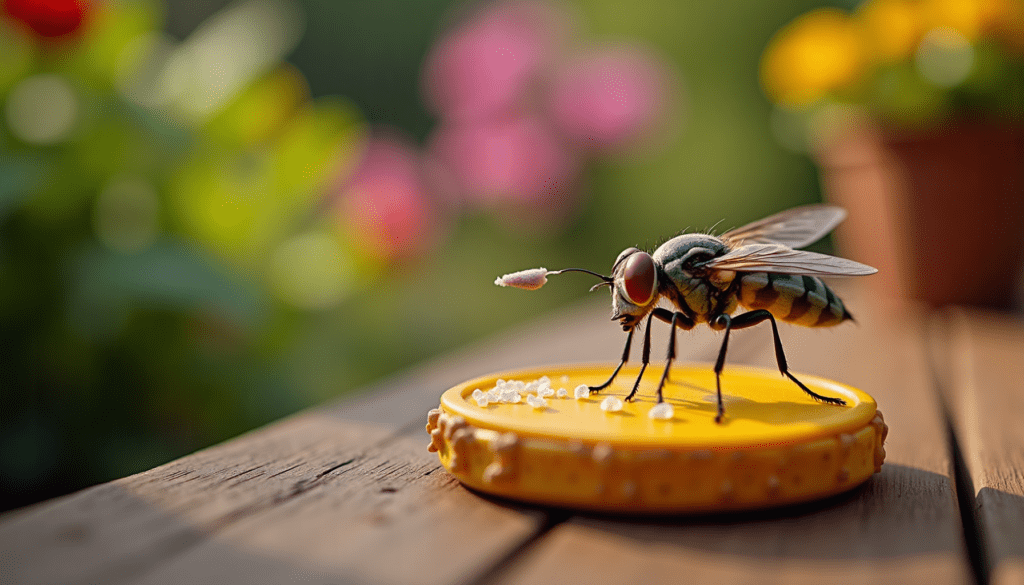
Before you do anything, watch the flies for ten seconds, because the behavior names the species. The common house fly (Musca domestica) is small, gray, and restless, about a quarter inch long, and it bounces between the trash, the fruit bowl, and the windowsill without ever settling for long. If that is what you have, the problem is a breeding source inside or just outside the house.
\
\
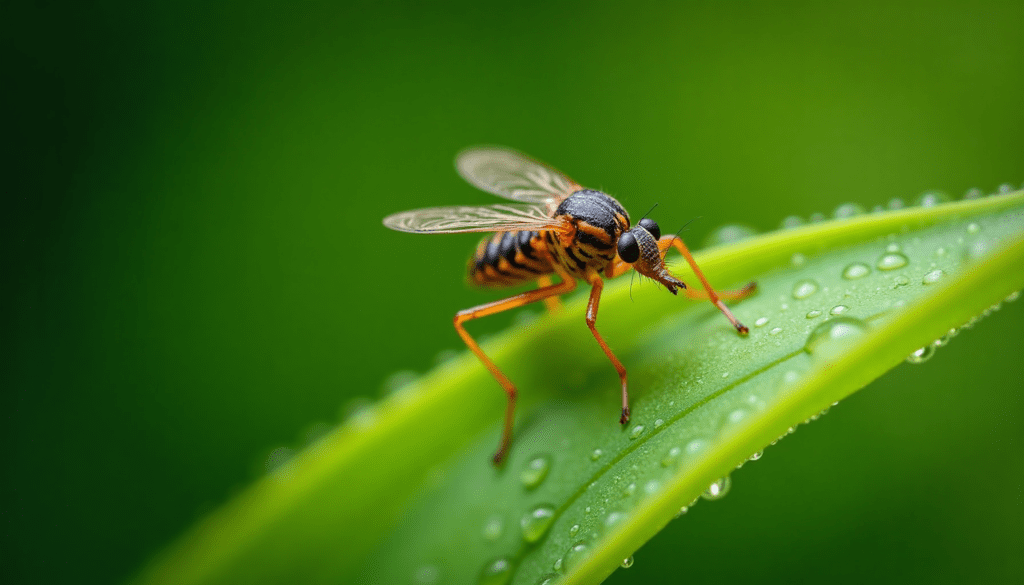
The other group looks and acts completely different. Cluster flies are larger, darker, and noticeably sluggish, with golden hairs on the thorax, and they crawl on warm windows and ceilings in slow numbers rather than zipping around food. Blow flies are the metallic green or blue ones, shiny like a bead. Both of these tell a very different story, and our house fly vs cluster fly vs blow fly identification guide walks the side-by-side features if you want to confirm.
\
\
Why house flies show up out of nowhere
\
\
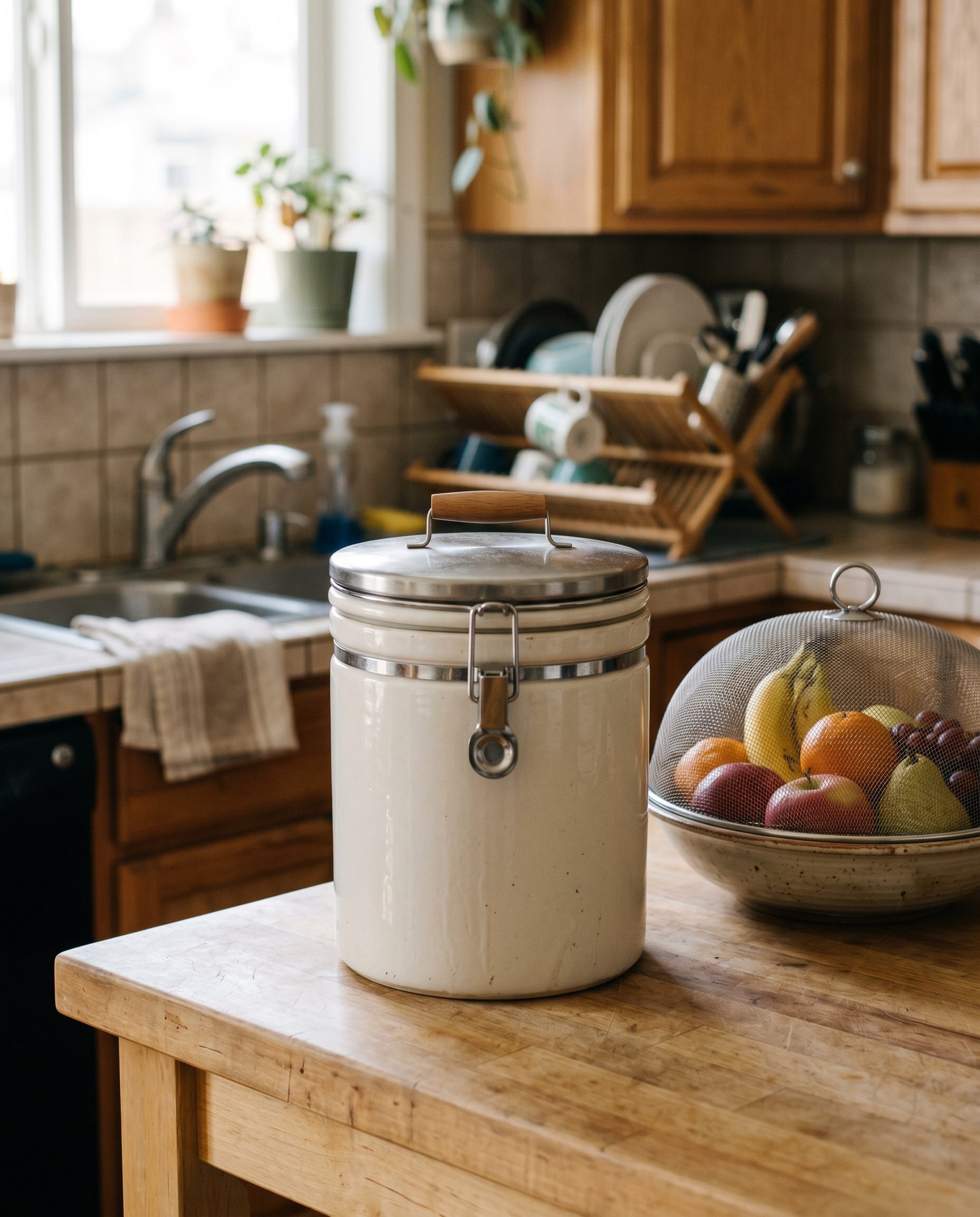
Here is the part that surprises people: house flies do not really come from outside, they come from a source. A female lays hundreds of eggs at a time, and the UC IPM’s Pest Notes on flies describe how they breed in moist, decaying organic matter — a forgotten trash bag, the bottom of the bin, pet waste in the yard, a compost pile, or the gunk lining a kitchen or floor drain. One overlooked source can run a swarm for weeks.
\
\
What makes it feel sudden is the speed. House flies go from egg to adult in about a week in warm weather, so a source that was quietly producing maggots a few days ago erupts into adults all at once. That is why the swarm appears overnight even though nothing visible changed. The flies you see are the second generation of a source you have not found yet, which is the whole reason killing the adults never ends it.
\
\
\
\
Why swatting and sprays never keep up
\
\
I get the instinct to grab a can or a swatter, but the math is against you. A single female can lay hundreds of eggs in moist decaying matter, and with a week-long life cycle, the source replaces every adult you kill many times over. You are bailing a boat without plugging the hole. Contact sprays knock down the flies they hit and then evaporate, leaving no barrier a fly cares about, and foggers are a last resort that do nothing about the breeding site.
\
\
This is where most advice goes wrong, so let me be blunt about the gadgets. Outdoor bug zappers are not a fly solution — they kill mostly harmless and beneficial night-flying insects and barely touch day-active house flies, which are not drawn to the light. Baited disposable fly bags do catch flies, but they stink as they work, so they belong at the far edge of the yard, never by a door or a patio table where the smell pulls flies toward you. The University of Kentucky guidance confirms that sanitation and source reduction do the real work, and that adult control is always secondary.
\
\
Cluster flies and blow flies: the other story
\
\
If your flies are the big, slow kind at sunny windows, the cause is structural, not your housekeeping. Cluster flies overwinter inside your walls. In fall they squeeze into attics, soffits, and wall voids to wait out the cold, and a warm winter day or the first spring heat tricks a batch into waking up. They head for light, which is why they pile up on the inside of upstairs windows. They are not breeding indoors and they are not a sanitation problem — they are last autumn’s guests trying to get back out.
\
\
Blow flies, the shiny metallic ones, send a more urgent message. A sudden cluster of blow flies indoors usually means something died — a mouse in the wall, a bird in the chimney, or a squirrel in the attic. The flies breed on the carcass, and the adults emerge looking for a way out. If you are seeing greenbottles and smelling something faintly off, the fix is finding and removing the dead animal, after which the flies stop on their own.
\
\
\
\
Match the fly to the cause
\
\
The fastest way to act is to match what you are seeing to where it is coming from. Here is the quick map for the three flies people mix up most.
\
\
| What you see | Likely fly | What it points to |
|---|---|---|
| Small, fast, gray, at food and trash | House fly | A breeding source: trash, pet waste, compost, or a drain |
| Big, slow, dark, at sunny windows | Cluster fly | Overwintered in wall voids, now waking up |
| Shiny metallic green or blue | Blow fly | A dead animal somewhere in the structure |
\
\
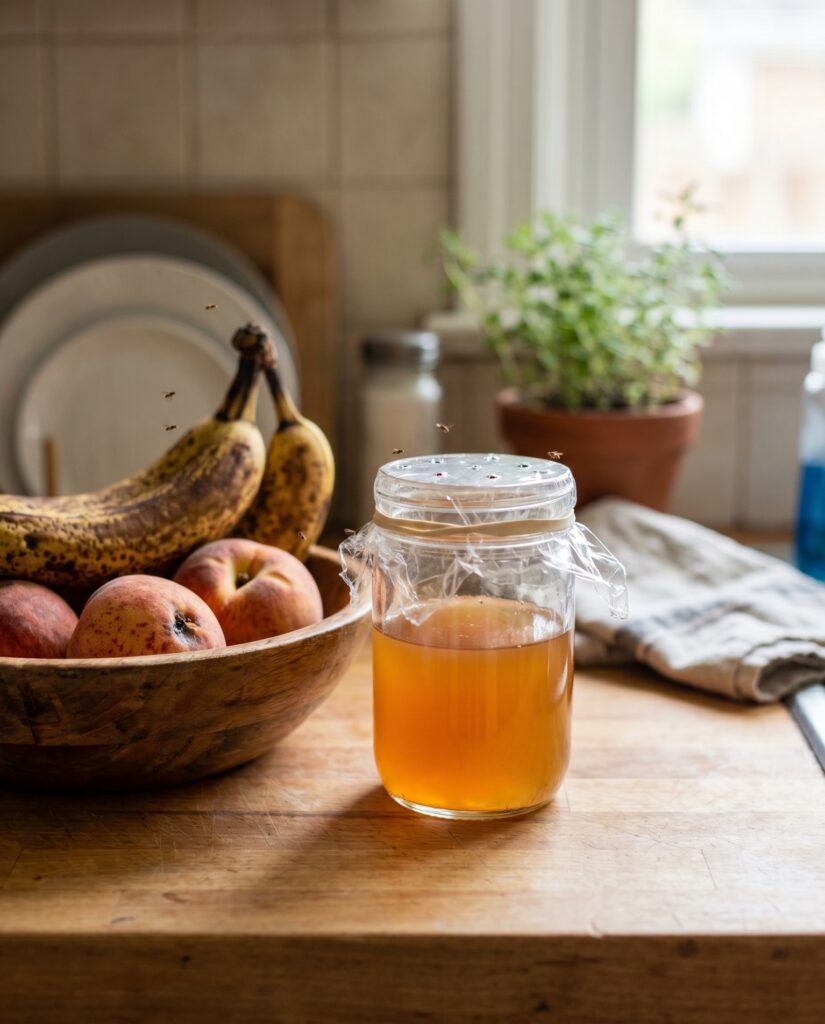
Tiny gnat-sized flies hovering only at the fruit bowl or the sink are a fourth thing entirely — fruit flies, with their own short-cycle breeding in overripe produce and drains. If that matches better, our guide to getting rid of fruit flies covers the vinegar-trap-and-clean-the-drain routine that actually clears them.
\
\
Find the source, then shut the door
\
\
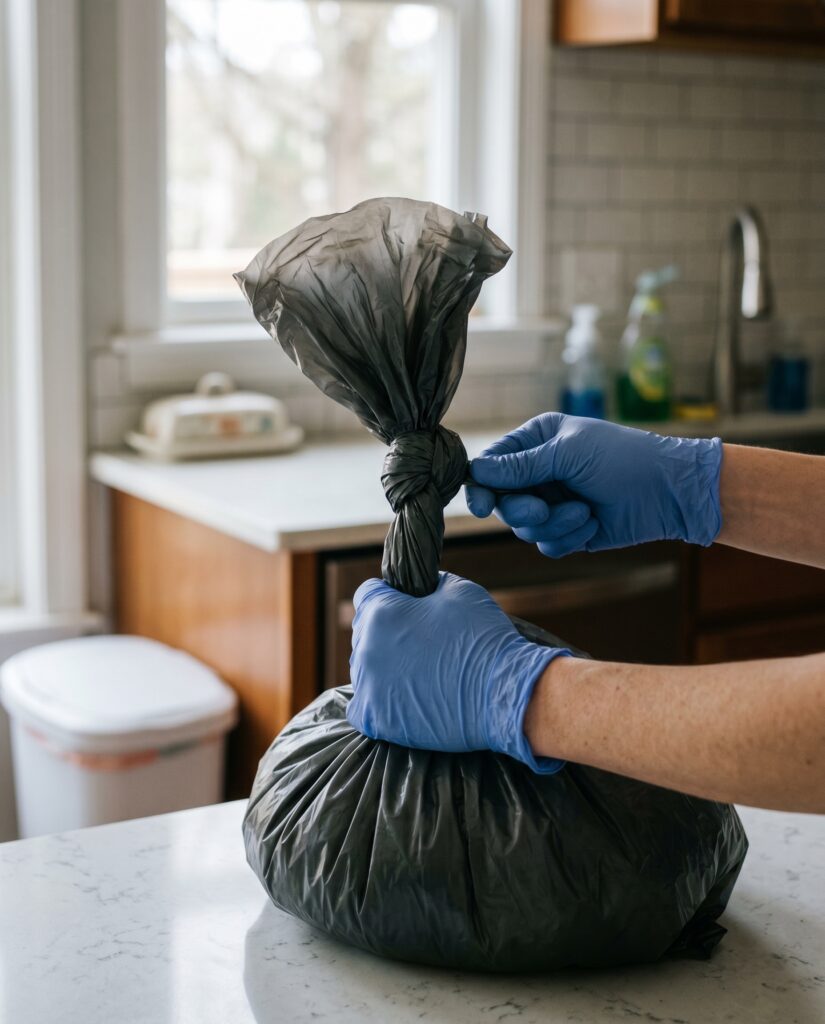
The cure is two moves: sanitation first, then exclusion. Sanitation means hunting down the breeding source — empty and rinse the trash can, not just the liner, check under it for spillage, clear pet waste from the yard daily, turn or cover the compost, and scrub the slimy film inside any drain that smells. For cluster or blow flies, the equivalent is finding the carcass or sealing the attic gaps they crawl through. This source reduction is the part that ends the swarm, and the EPA’s integrated pest management approach puts it first for exactly that reason.
\
\
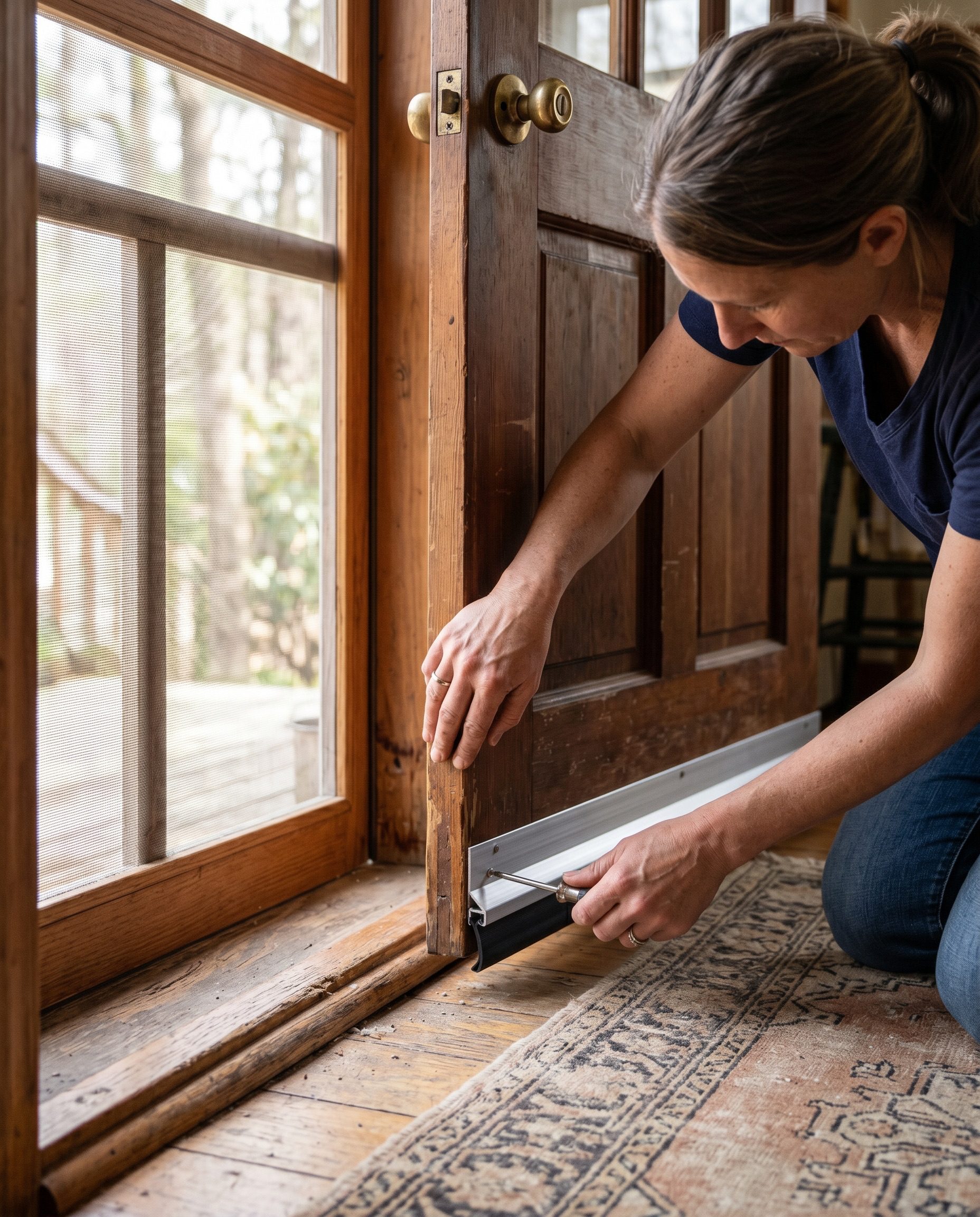
Exclusion is how you keep the next batch out. Fit door sweeps and intact window screens, because most house flies walk or fly straight in through a gap under a door or a torn screen. One quick note on health: the common house fly does not bite — it has sponging mouthparts and feeds by dabbing — so a fly that actually bites your ankles is usually the stable fly, a different species. House flies matter because they spread germs by mechanical contamination, tracking filth onto food, which is the real reason you do not want them on the counter. For the full removal routine, see how to get rid of house flies.
\
\
Common questions
\
\
Why did flies suddenly appear in my house?\
Because a breeding source matured all at once. House flies go egg-to-adult in about a week, so a hidden source like a trash can, pet waste, or a drain releases a whole generation of adults on the same day, which is why it feels like they came from nowhere.
\
\
Do house flies come from inside or outside?\
Mostly from a source, which can be either. They breed in moist decaying matter, so the source might be your kitchen bin or a compost pile right outside the back door. Finding and removing that source matters far more than where the flies technically crossed the threshold.
\
\
Why are big slow flies stuck at my windows in winter or early spring?\
Those are almost certainly cluster flies. They spent the cold months hidden in your wall voids and attic, and a warm spell woke them up. They head for light trying to get out, so they collect on sunny windows. They are not breeding indoors.
\
\
Will a bug zapper get rid of house flies?\
No. Zappers attract and kill mostly beneficial and non-pest night-flying insects and have little effect on day-active house flies. Spend the effort on sanitation and screens instead, which is what actually reduces the population.
\
\
Do these flies bite?\
The common house fly does not bite; it has sponging mouthparts. If something is biting you, it is likely the stable fly, a look-alike with a piercing mouthpart. House flies are a contamination problem, not a biting one.
\
\
Final verdict
\
\
A sudden swarm of flies indoors is not random, and the fly tells you the cause. Small, fast, restless house flies mean a breeding source nearby — trash, pet waste, compost, or a drain — pumping out a new generation every week, and no amount of swatting, spraying, or zapping keeps up with that. Big, slow flies at sunny windows are cluster flies that overwintered in your walls, and shiny metallic blow flies point to a dead animal in the structure. Identify the fly, find and remove the source, then fit screens and door sweeps so the next batch stays out. Sanitation plus exclusion is the whole answer; the adults you see are a symptom, not the problem.
\
\
Next steps:
\
\
– Confirm which fly you have with our house fly vs cluster fly vs blow fly identification guide.
\
– Clear an active house fly source with how to get rid of house flies.
\
– If the flies are tiny and stay at the fruit bowl or sink, work the fruit fly routine instead.
\
\