
You came home to a few flies and by the weekend there were dozens, and the question is fair: how do they breed that fast? The short version is that it is arithmetic. A female house fly (Musca domestica) lays around five hundred eggs across her short life, those eggs hatch into maggots within about a day, and in warm weather the whole egg-to-adult cycle finishes in roughly a week. That is why two flies become a swarm in days, and why swatting and spraying the adults never keeps up: you are fighting one visible generation while several invisible ones are growing up in the breeding material.
Flies explode because of the life cycle math: one female lays about 500 eggs, the eggs hatch into maggots within a day, and egg to adult takes about a week in warm weather, so killing adults can never catch up. Find and remove the moist rotting material the maggots feed in and the population collapses.
- The driver: ~500 eggs per female and an ~1-week egg-to-adult cycle in warm weather.
- Why adults are a distraction: for every fly you see, more maggots are maturing in the breeding source out of sight.
- What actually works: sanitation first (remove the breeding material) plus exclusion (screens, door sweeps), not sprays or zappers.
The cycle in days, not weeks
A house fly goes through four stages: egg, larva (the maggot), pupa, then adult. What makes this insect a problem is the speed of that run. In warm summer conditions the egg-to-adult in roughly a week in warm weather timeline is normal, and it can stretch to a couple of weeks when it is cooler. The single feature that explains a sudden swarm is that the clock is measured in days, not the weeks people assume an insect needs.
Stack that against how many eggs are in play. Each female lays in batches, and the a single female lays hundreds of eggs in her short life figure sits around five hundred total. Short cycle multiplied by a big egg count is the whole story. The flies on your window are the slow, visible part of a process that is mostly happening where you cannot see it.
Where the eggs go and what the maggots eat
Adult flies are not laying eggs on your windowsill. They lay in moist, decaying organic matter, and the larvae feed there until they are ready to pupate. The classic sites are garbage, pet waste, compost, spilled food, grass clippings left to rot, carrion, and the gunk inside a neglected drain. The reason this matters for control is that moist decaying organic matter is where the maggots feed, so that material is the actual engine of the infestation.
A female finds these spots by smell and lays into them within hours of the conditions being right. The maggots are pale, legless, and tapered, and they burrow into the material rather than crawl around in the open, which is exactly why most people never see them. By the time the adults are bothering you, the next generation is already feeding somewhere nearby.
Why killing adults never keeps up
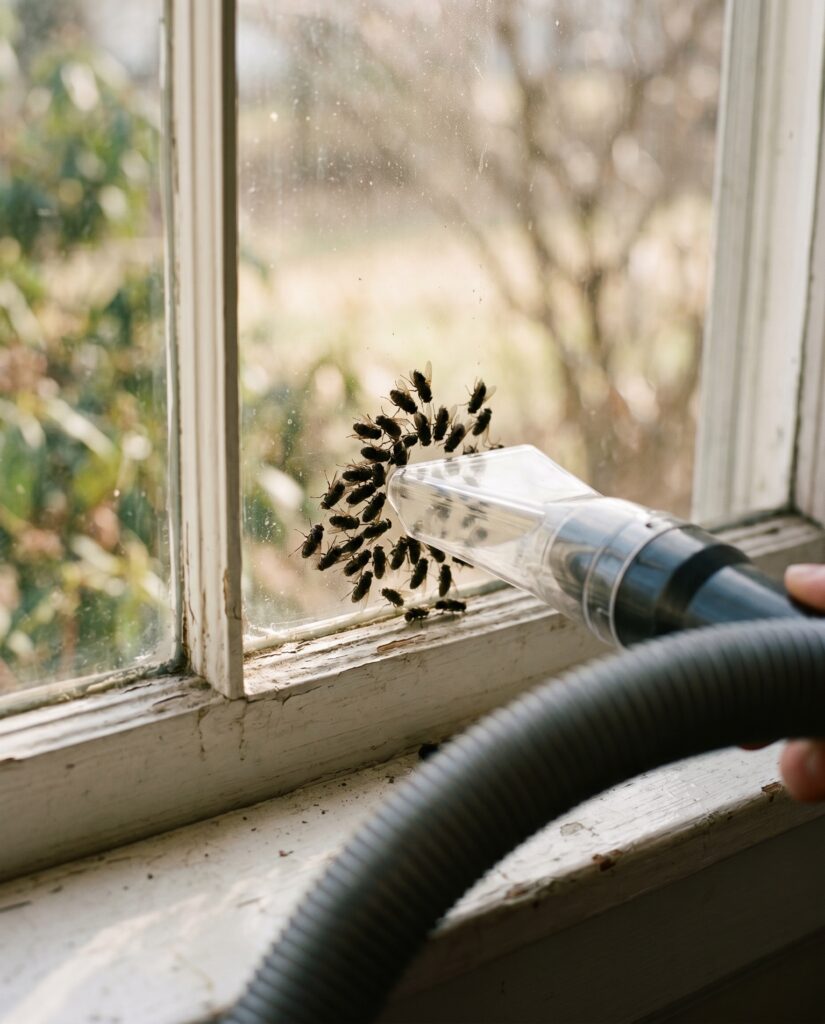
Here is the part that frustrates everyone with a swatter. When you kill the flies you can see, you remove a fraction of one generation while two or three more are maturing in the breeding source. The math beats you. A spray knocks down adults on contact and then leaves no barrier that a fly cares about, a swatter clears a room for an hour, and a sticky strip catches a handful. None of it touches the eggs and maggots that are the real population.
This is why every land-grant program lands on the same conclusion: sanitation and source reduction are the primary control, and adult control is secondary at best. It is also why outdoor bug zappers are a poor fly answer. They kill mostly harmless and beneficial night-flying insects and barely dent house flies, which are day-active and tracking odor, not light. A zapper is theater, not control. If you have ever wondered why-are-there-so-many-flies-in-my-house, the answer is almost always an active breeding source within a short flight of your door.
Break the cycle: sanitation first
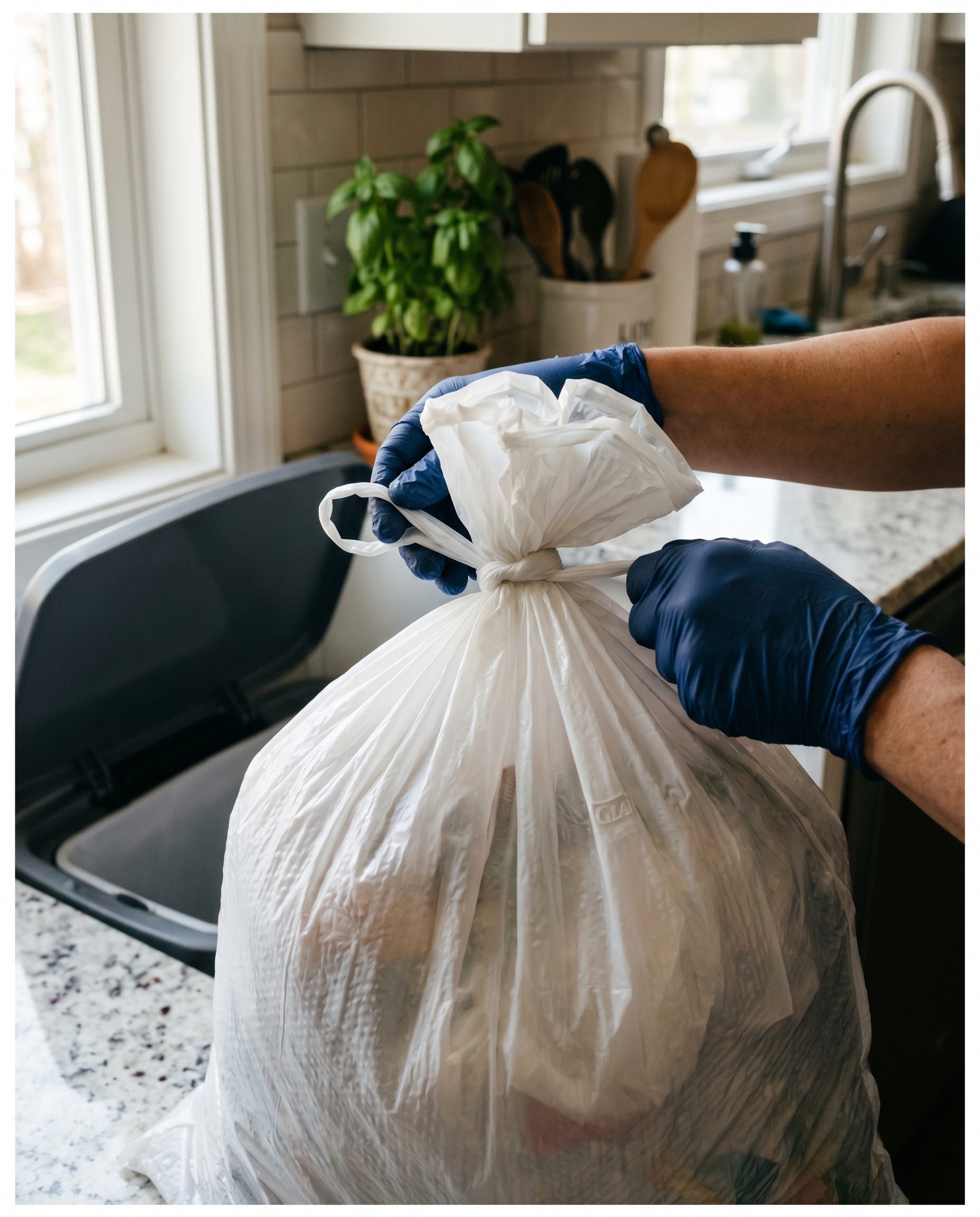
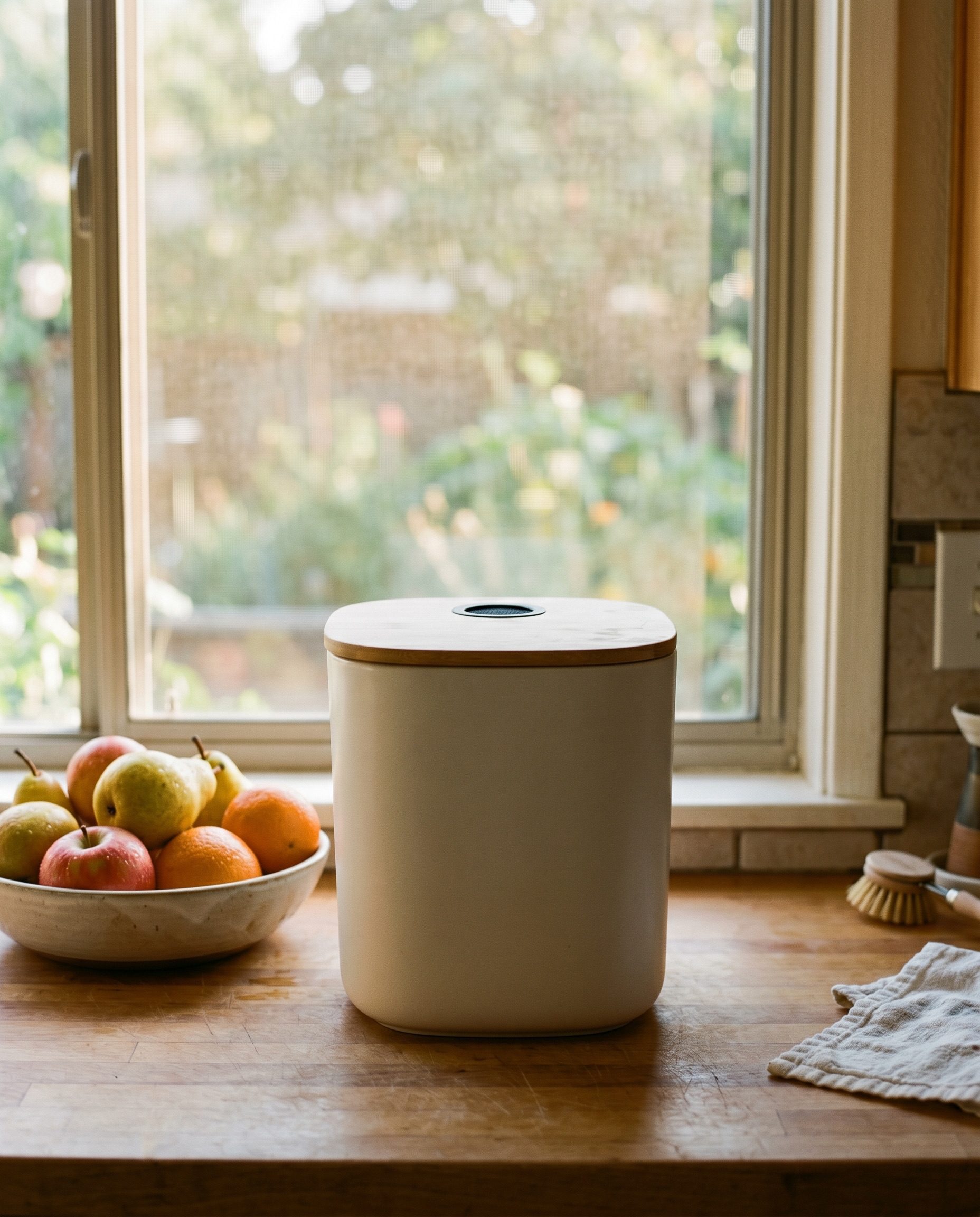
Cutting the breeding material is the move that collapses the population, because no breeding site means no next generation. Take the kitchen trash out before it sits and ferments, keep bins lidded and rinse them when they get fouled, pick up pet waste daily, turn or cover compost, and clear rotting fruit and food spills fast. A slow floor drain that smells is a breeding site too, so scrub the film out of it. This mechanical, source-first order is exactly the least-toxic, sanitation-first approach the EPA recommends for household pests, and it is the only approach that works with the biology instead of against it.
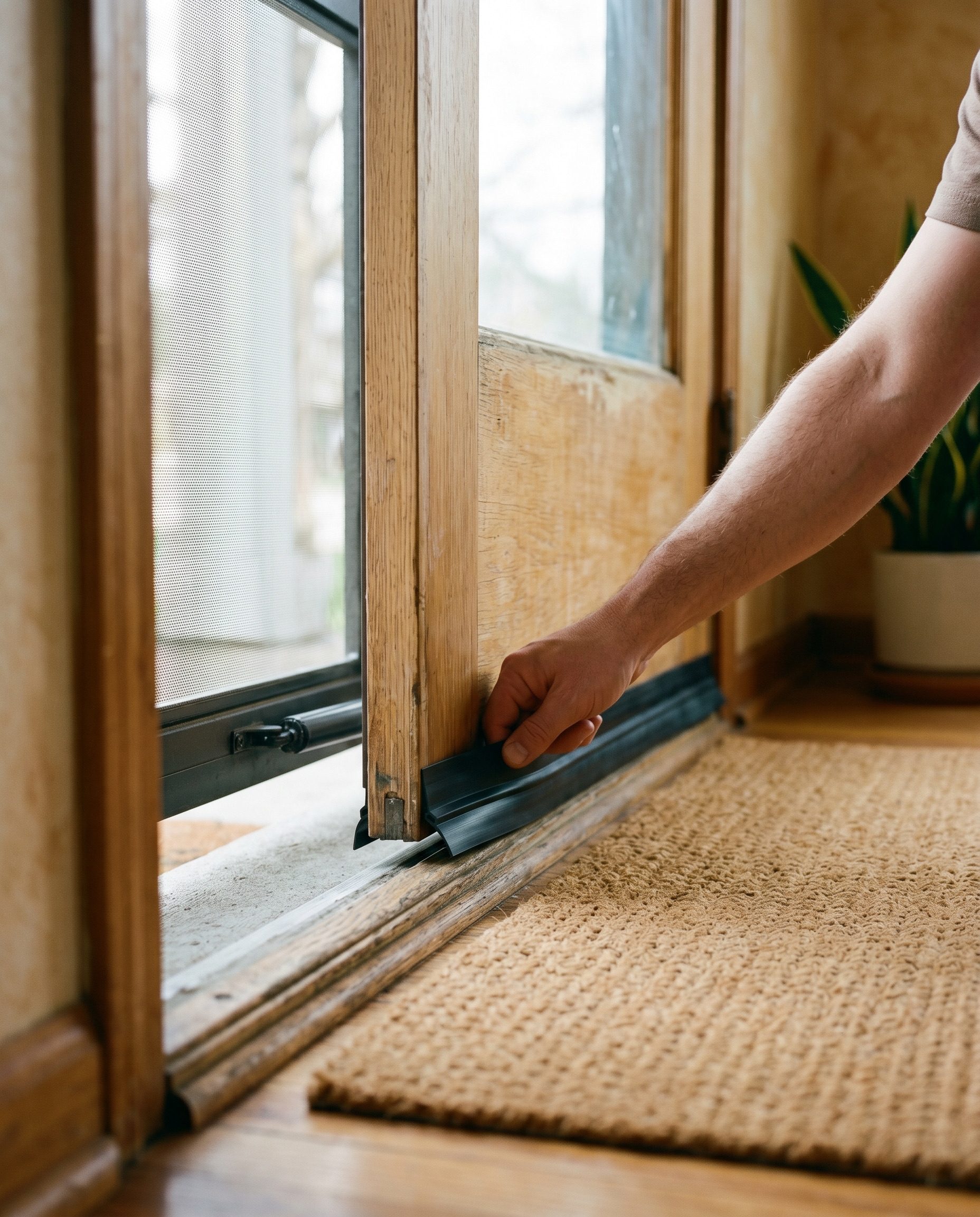
Then keep the next wave outside. Fit tight window screens, add a door sweep on the gap under exterior doors, and patch torn screening. A box fan on a patio table buys real relief because flies are weak fliers and avoid the moving air. If you do hang a baited disposable fly bag, the bait stinks on purpose, so place it at the far edge of the yard well away from doors and seating, never by the patio table you are trying to protect. For the full step list, our guide on how-to-get-rid-of-house-flies walks the sanitation and exclusion sequence in order.
How fast it adds up
The reason a fly problem feels exponential is that it is. The table below shows the compounding logic in round numbers under warm conditions. Treat it as illustrative of the pattern, not a field count, because real survival is far lower than the theoretical maximum.
| Stage | Timing (warm weather) | What you can see |
|---|---|---|
| Eggs laid | Within hours of finding a site | Nothing, hidden in the material |
| Maggots feeding | Hatch in about a day | Rarely, they burrow in |
| Pupae | A few days in | Brown capsules near the site |
| New adults | About a week from the egg | The flies you finally notice |
By the time you are seeing adults, the source has likely been producing for a week or more, and a female maturing now can start her own five-hundred-egg run within days. That is the snowball. The good news is that it runs in reverse: remove the source and the production line simply stops.
Common questions
How many eggs does a house fly lay?
A female house fly lays around five hundred eggs over her life, in batches of roughly seventy-five to a hundred and fifty at a time. She places them in moist decaying material so the maggots have something to feed on as soon as they hatch. That high egg count, paired with the short cycle, is why numbers climb so quickly.
How long does the house fly life cycle take?
In warm summer weather it can run from egg to adult in about a week, and it slows to two weeks or more when temperatures drop. Heat speeds every stage, which is why fly pressure peaks in summer and around warm breeding sites like compost and garbage.
Do house flies bite?
No. The common house fly has sponging mouthparts and cannot bite; it feeds on liquids and softened food. A “fly” that actually bites is usually the stable fly, a look-alike. House flies spread germs by mechanical contamination, tracking filth onto food rather than biting.
Where are the maggots if I only see adult flies?
In the breeding source, not out in the open. Look for moist rotting organic matter within a short flight of the room: an overfull trash can, pet waste, compost, a spill under an appliance, or a foul drain. Finding and removing that material is what ends the cycle.
Will sprays or a bug zapper fix it?
Not on their own. Sprays only knock down the adults they hit and leave no lasting barrier, and zappers kill mostly non-pest insects while barely affecting house flies. Both ignore the eggs and maggots, which are the actual population, so sanitation has to come first.
Final verdict
A fly problem explodes because of the arithmetic of the life cycle: about five hundred eggs per female, maggots hatching within a day, and egg to adult in roughly a week when it is warm. Every fly you swat is one slow member of a generation that is mostly invisible and already being replaced, which is why killing adults never keeps up. The cure is to work upstream of the adults. Find the moist decaying material the maggots feed in, remove it, then keep the next wave out with screens and door sweeps. Do that and the production line stops, because no breeding site means no next generation.
Next steps:
– Run the full sanitation and exclusion sequence in our how to get rid of house flies guide.
– Track down the active source with why are there so many flies in my house.
– Make sure it is a house fly and not a look-alike with our house fly vs cluster fly vs blow fly identification guide.



Pingback: How to Get Rid of House Flies