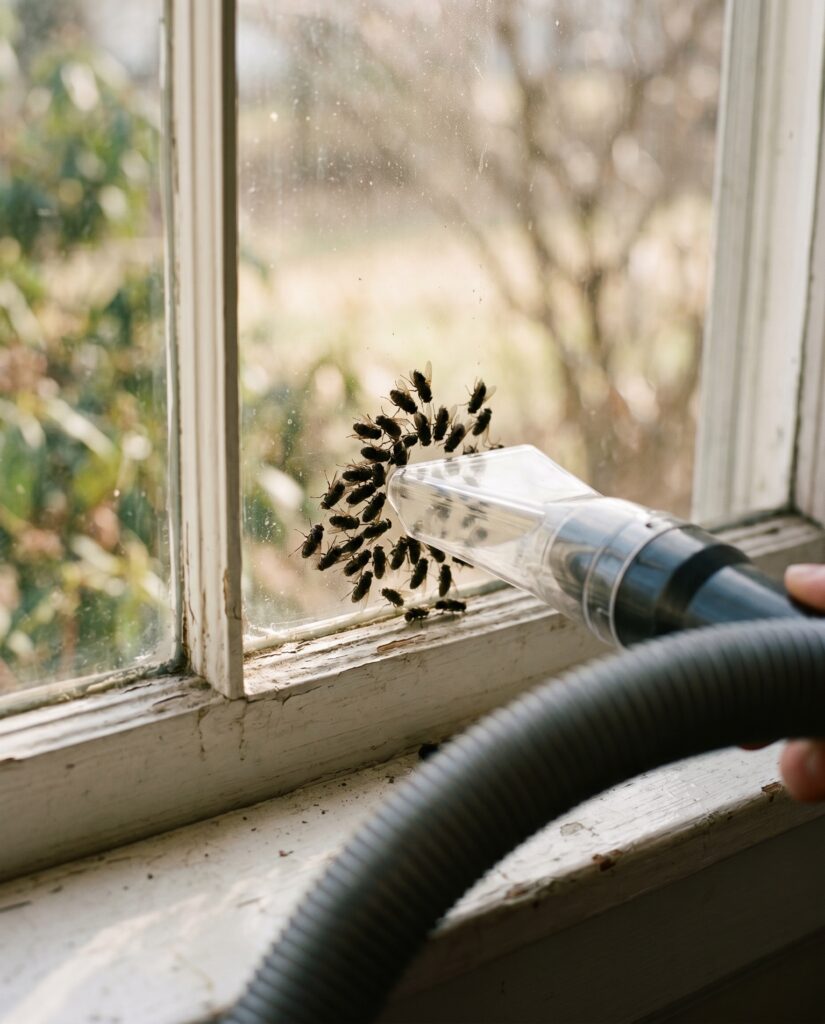
If you want to keep flies away without reaching for a spray, the trick is to stop giving them a reason to be there. The methods that actually work are the unglamorous ones: take away their food and breeding sites, keep them out with screens and a fan, and lean on a few herbs only as a light extra. Sealed trash, picked-up pet waste, and no food left sitting out do most of the work, because flies breed in that mess and reproduce faster than you can swat. The famous water-filled bag with a penny in it does nothing, so do not bother hanging one.
The natural fixes that keep flies away are the ones that remove their reasons to be there: sanitation does the heavy lifting, screens and a fan keep them out, and basil, mint, or eucalyptus give a mild repellent edge at best. The penny-in-a-bag trick does nothing.
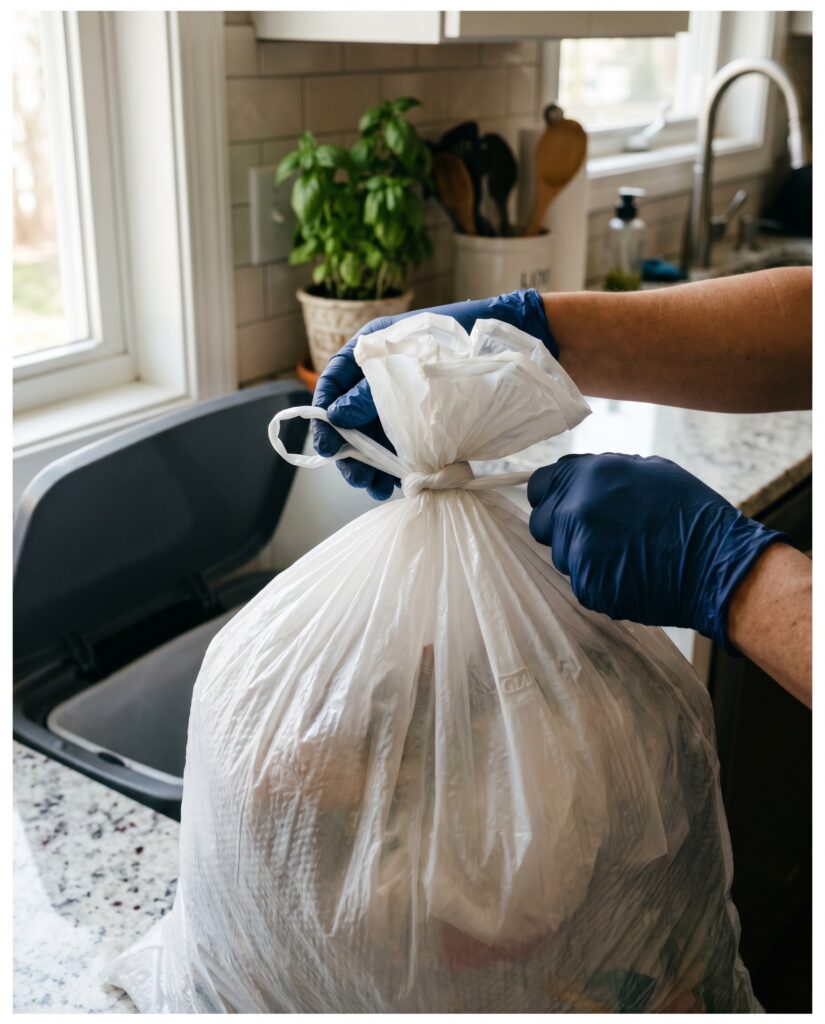
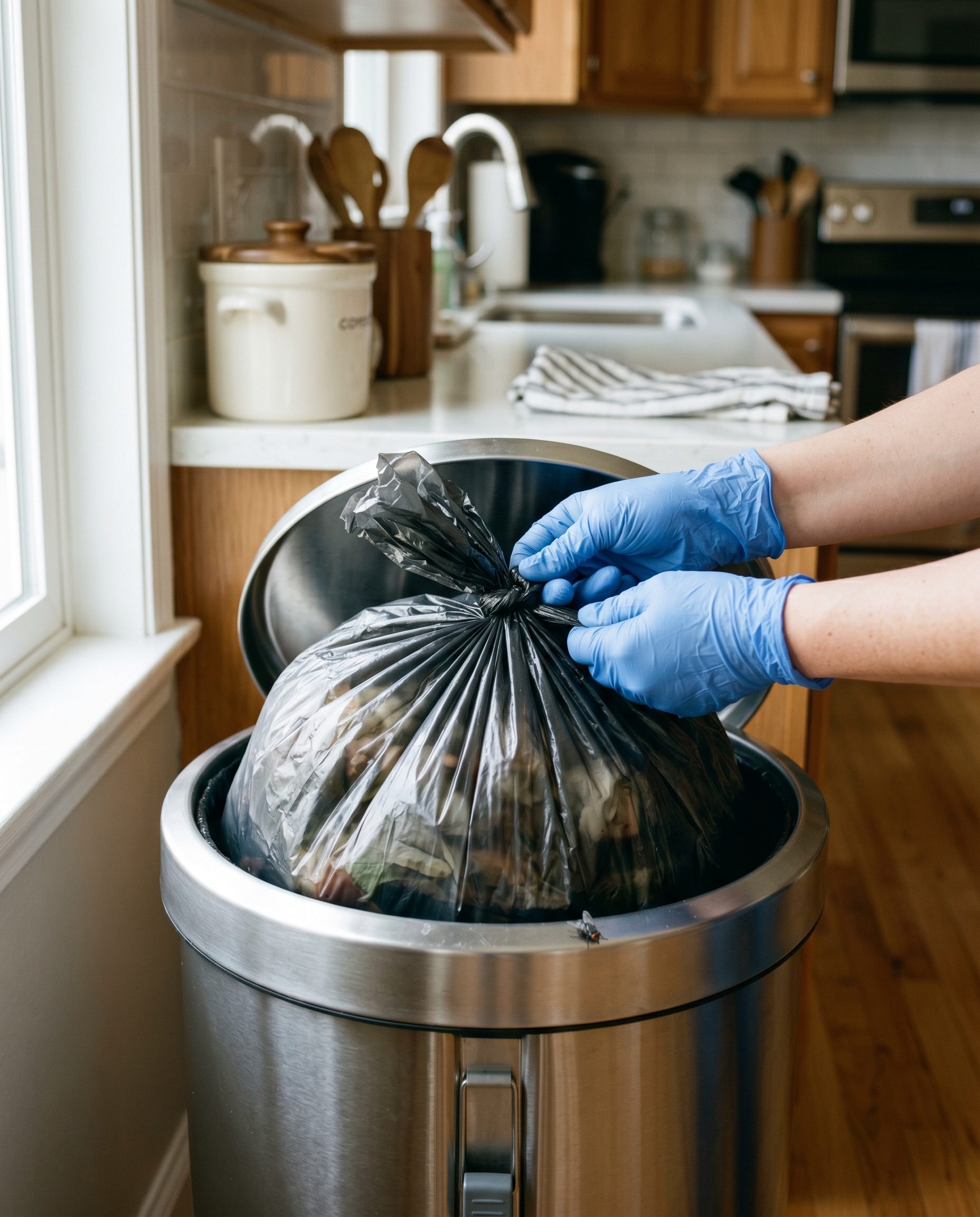
- Do first (free): Seal the trash, clean up pet waste daily, cover food, and wipe up spills so there is nothing to feed or breed on.
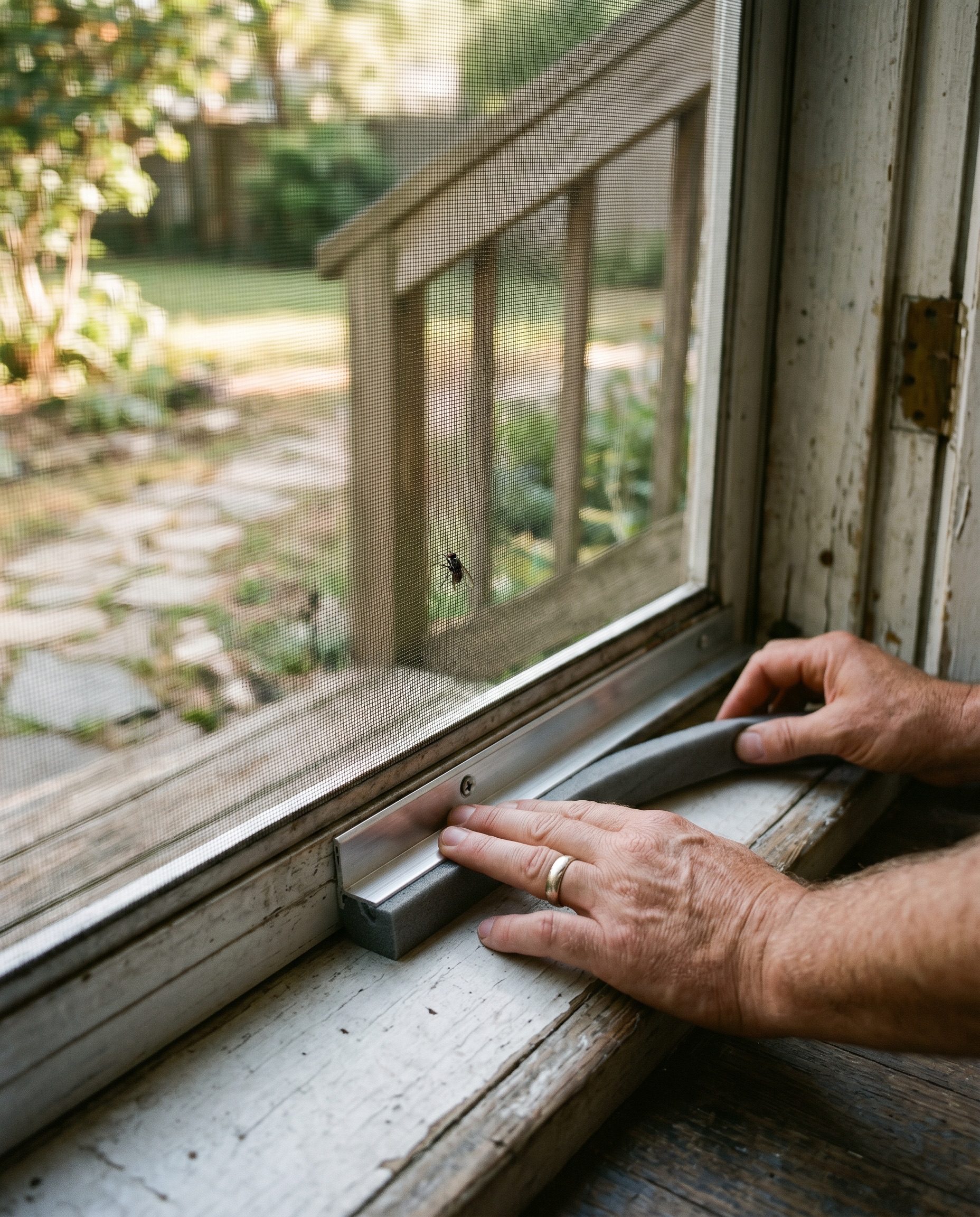
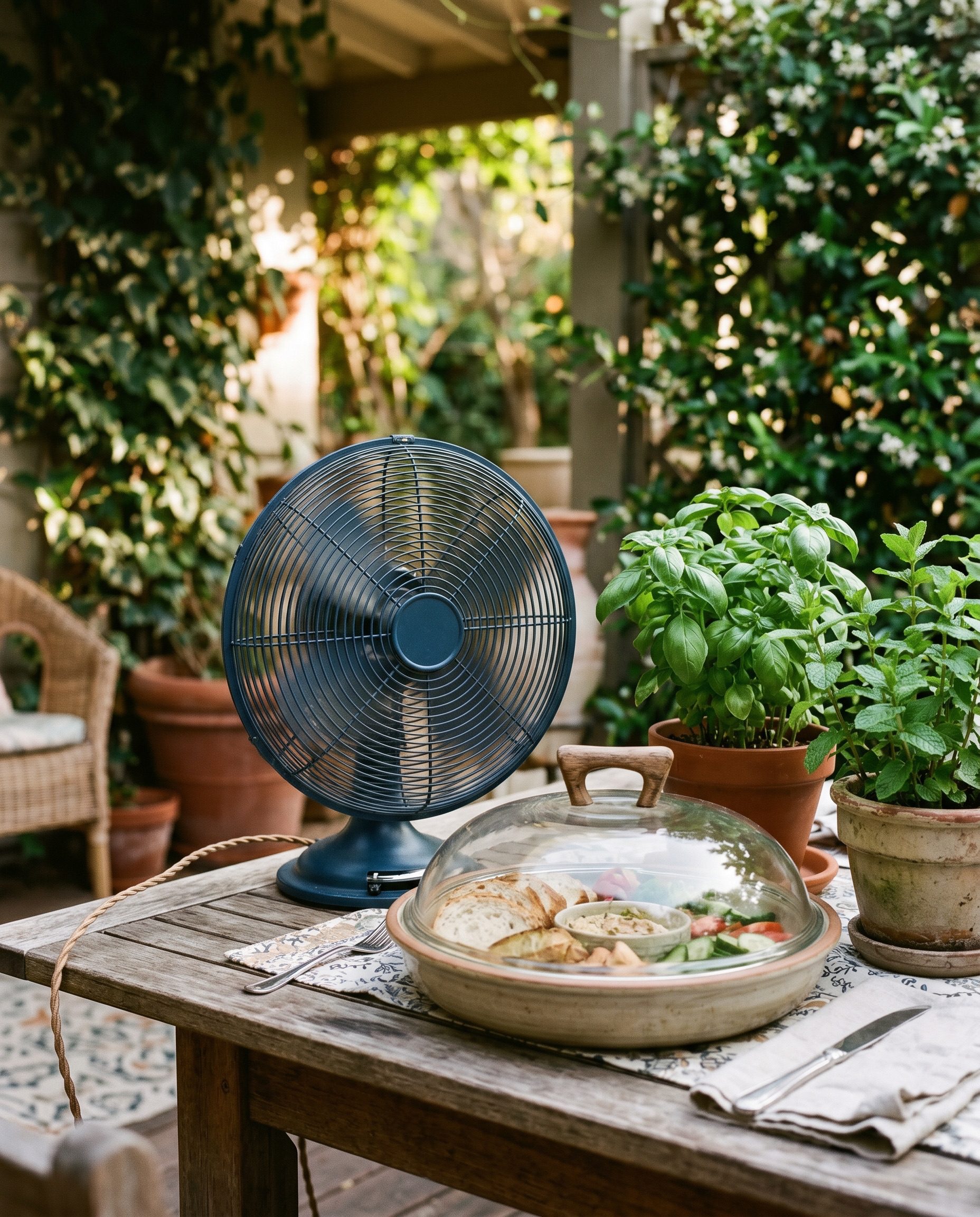
- Best for the common case: Fit screens and a door sweep, and run a fan over a patio table or doorway so flies cannot settle.
- Skip: The water bag with a penny and outdoor zappers; neither keeps house flies away.
Quick answer
Keeping flies away naturally is mostly about removing what draws them and blocking the way in. Start with sanitation, because that is the only move that touches the real problem, which is where flies breed. Get the trash sealed, pick up after pets, rinse recyclables, and stop leaving food and dirty dishes out. Then make the place hard to enter: good screens, a sweep under the door, and a fan moving air where people eat. Herbs like basil and mint, or a dab of eucalyptus or peppermint oil, can nudge flies away from a small area, but they are a finishing touch, not the plan. Two things to drop entirely are the water-filled bag with a penny and the outdoor bug zapper, which do nothing useful against house flies.
Why flies keep showing up
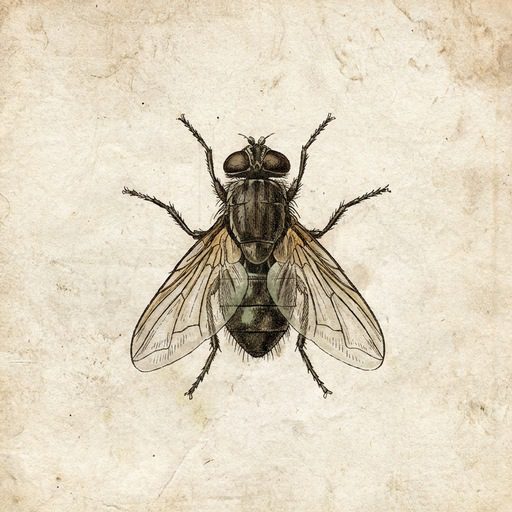
Flies are not random visitors. They are following a smell to food and to a place to lay eggs, and your job is to figure out what that is. House flies and the other filth flies breed in moist decaying organic matter, which in a normal home means garbage, pet waste, overripe produce, compost, and gunk down a drain. According to Penn State Extension, house flies breed in moist decaying organic matter and go egg-to-adult in about a week, and that fast turnaround is the whole reason swatting never gets ahead of them.
The numbers make it worse. A single female can lay several hundred eggs over her life, so a little neglected mess becomes a steady stream of new adults within days. That is why University of Kentucky entomologists stress that finding and removing the breeding source is the primary control, not killing adults. The good news in all of it: the common house fly does not bite, since it has sponging mouthparts. If something is actually biting you, it is usually a stable fly, which is a different animal. House flies spread germs the other way, by walking filth onto your food, so keeping them off counters matters for more than annoyance. For sorting out exactly what is in your kitchen, our guide to getting rid of house flies walks the common culprits.
Sanitation does the real work
This is the part that actually keeps flies away, and it costs nothing but ten minutes a day. The principle from UC IPM is simple: sanitation first, then exclusion and traps. Find the source and the flies leave on their own, because there is nothing left to feed or breed on.
Work through the usual breeding sites in order. Keep kitchen trash in a lidded can and take it out before it ripens, and rinse the can itself now and then, since the residue at the bottom is a breeding bed. Outdoors, scoop pet waste daily rather than letting it sit, because dog waste is a prime fly nursery in summer. Turn or cover compost so the surface is not a wet open invitation. Rinse cans and bottles before they go in the recycling, fix a slow drain and pour a little hot water through the floor drains people forget about, and never leave fruit going soft on the counter. Wipe up spills and crumbs the same day. None of this is exciting, but it is the difference between a fly problem and a fly-free room, and it is the foundation the EPA points to with its least-toxic, sanitation-first integrated pest management approach.
Screens, sweeps, and a fan
Once the breeding sites are gone, the next layer is keeping the stragglers out. Flies are weak fliers and they hate moving air, so physical barriers punch above their weight. A box fan or oscillating fan aimed across a doorway or patio table will clear flies out of that zone better than any spray, and it is the single best trick for an outdoor meal.
Inside, check that window and door screens have no tears and actually seal at the edges. Fit a door sweep on the gap under exterior doors, since that thin slot is a highway for flies and other insects. Keep doors closed during the warm hours when fly pressure is highest, and if you prop a back door open, put the fan there. UC IPM is clear that traps and exclusion are secondary to source reduction, so treat barriers as your second line, not a replacement for cleaning up. For an outdoor space specifically, our patio fly control guide covers seating layout and shade in more detail.
What each natural method is actually worth
Not every “natural” tip carries equal weight, and it helps to see them ranked by what they really do. Here is the honest scorecard.
| Method | What it does | Worth it? |
|---|---|---|
| Seal trash, scoop pet waste, cover food | Removes the breeding source and food | Yes, the core fix |
| Screens, door sweep, fan | Keeps flies out and unable to settle | Yes, strong second layer |
| Basil, mint, eucalyptus or peppermint oil | Mild repellent edge in a small area | Minor, finishing touch |
| Water bag with a penny | Nothing measurable | No, skip it |
| Outdoor bug zapper | Kills mostly harmless and beneficial insects | No, barely affects house flies |
A few herbs really do help at the margins. A pot of basil or mint by the door, or a cotton ball with peppermint or eucalyptus oil near a fruit bowl, can make a small spot less appealing. Just keep expectations low, because the smell fades and it never overrides an open trash can. Two things genuinely waste your time: the water-filled bag with a penny, which has no real mechanism behind it, and the outdoor zapper. Zappers kill mostly moths, beetles, and beneficial insects while barely touching house flies, so they create a body count without solving anything.
When a trap earns its place
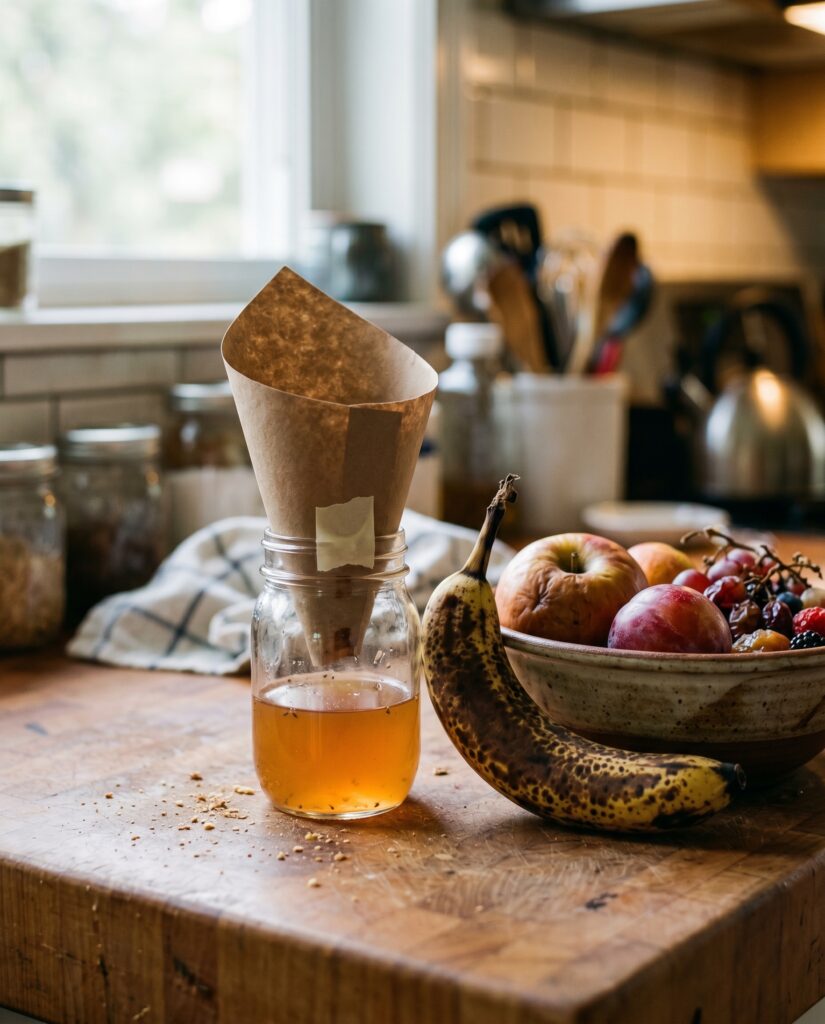
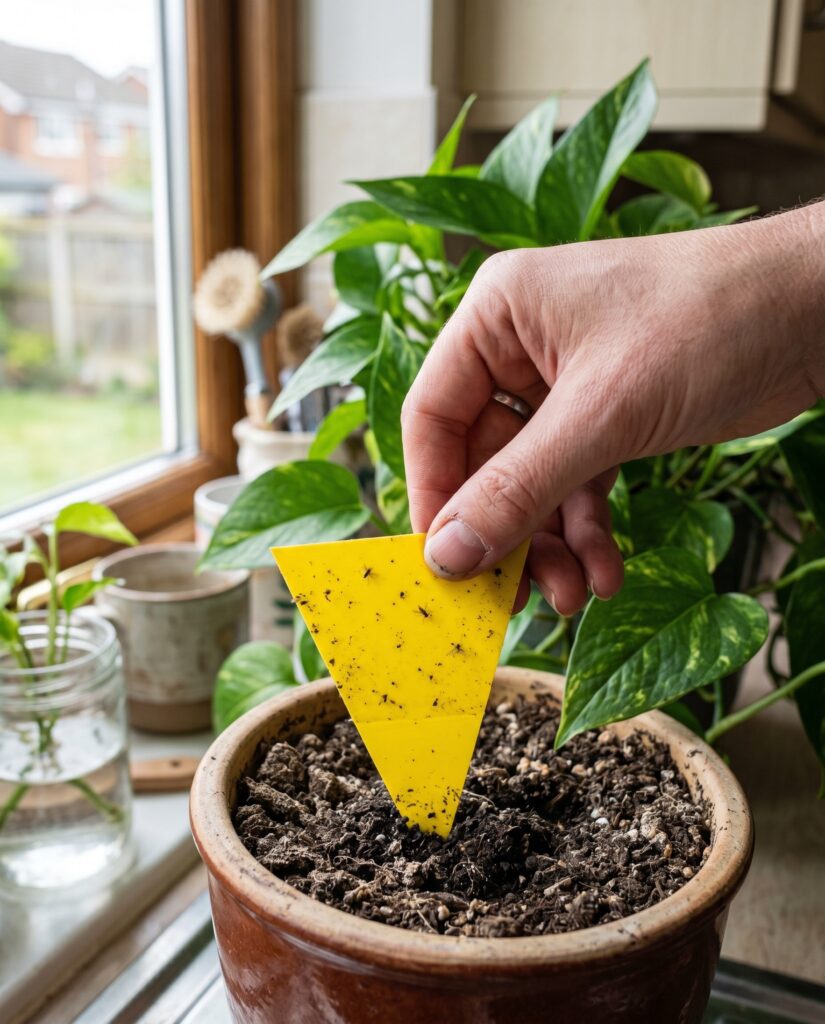
Traps are a mop, not a cure, but they have a role once the cleanup is done. If you still have a few flies indoors, a window sticky strip or a plug-in light trap quietly thins the survivors without spray near food. Outdoors, a baited disposable fly bag pulls flies in from a distance, but the bait stinks on purpose, so hang it at the far edge of the yard, away from doors and seating, or you will draw flies toward the people instead of away. Skip the fogger; it knocks down adults for an hour and leaves no barrier the next batch cares about. If you want to compare the indoor and outdoor options, our roundup of the best fly traps for indoor and outdoor use sorts them by where they belong. And if flies keep coming back after a real cleanup, that usually means a breeding source you have not found yet, like a dead animal in a wall void or a neglected drain, which is worth a licensed pest professional’s eyes.
Common questions
What smell do flies hate the most?
Flies tend to avoid strong aromatic plant oils, with peppermint and eucalyptus the most reliable, and basil, mint, lavender, and clove also helping a little. The effect is real but mild and short-lived, so use scent as a finishing touch near a door or table, not as your main defense. Sanitation is what actually keeps them away.
Does the water bag with a penny keep flies away?
No. The hanging bag of water with a coin in it is folklore with no real mechanism behind it, and it will not reduce the flies around your door. Your time is far better spent sealing the trash and fitting a door sweep, which address why the flies are there in the first place.
Do bug zappers get rid of house flies?
Not really. Outdoor zappers kill mostly non-pest and beneficial insects like moths and beetles, and they barely dent house fly numbers, which are most active during the day. They give you a satisfying zap and a pile of dead bugs without solving the problem, so leave the zapper off the list.
Why do I suddenly have so many flies inside?
A sudden surge almost always means a breeding source went unnoticed: an overlooked trash bag, pet waste, an overripe fruit bowl, a dirty drain, or sometimes a dead animal in a wall or attic. Walk the room and follow your nose. Removing that one source usually drops the numbers within a day or two, far faster than spraying.
Will keeping the house clean really stop flies?
Mostly, yes. Because flies breed in decaying organic matter and reproduce in about a week, cutting off that material starves the cycle at the root. Pair daily sanitation with good screens and a fan and you keep the vast majority of flies out without a single chemical.
Final verdict
Keeping flies away naturally comes down to making your space boring and hard to reach. Do the free work first: seal the trash, scoop pet waste daily, cover food, fix the wet spots and drains, and wipe up spills, because that removes the breeding source the flies are actually after. Then keep them out with intact screens, a door sweep, and a fan over the doorway or table. Treat basil, mint, and a dab of eucalyptus oil as a mild bonus, and treat the water-bag trick and the outdoor zapper as things to skip entirely. Stay consistent with the cleanup, because flies come right back the moment the mess does.
Next steps:
– Pin down exactly what is breeding in your kitchen with our house fly removal guide.
– Set up an outdoor eating area flies leave alone with the patio fly control guide.
– If you want a trap to mop up survivors, compare the right kind in our best fly traps for indoor and outdoor use.