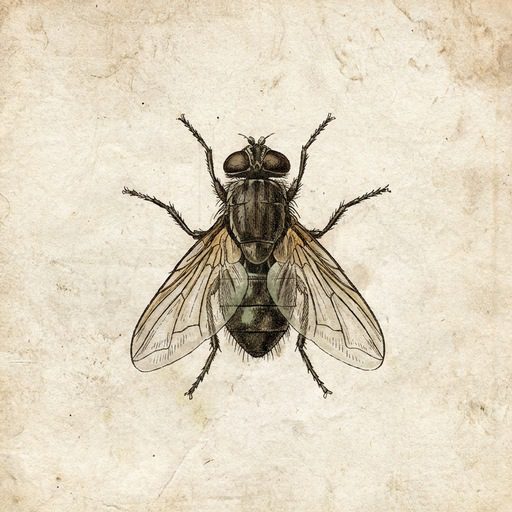
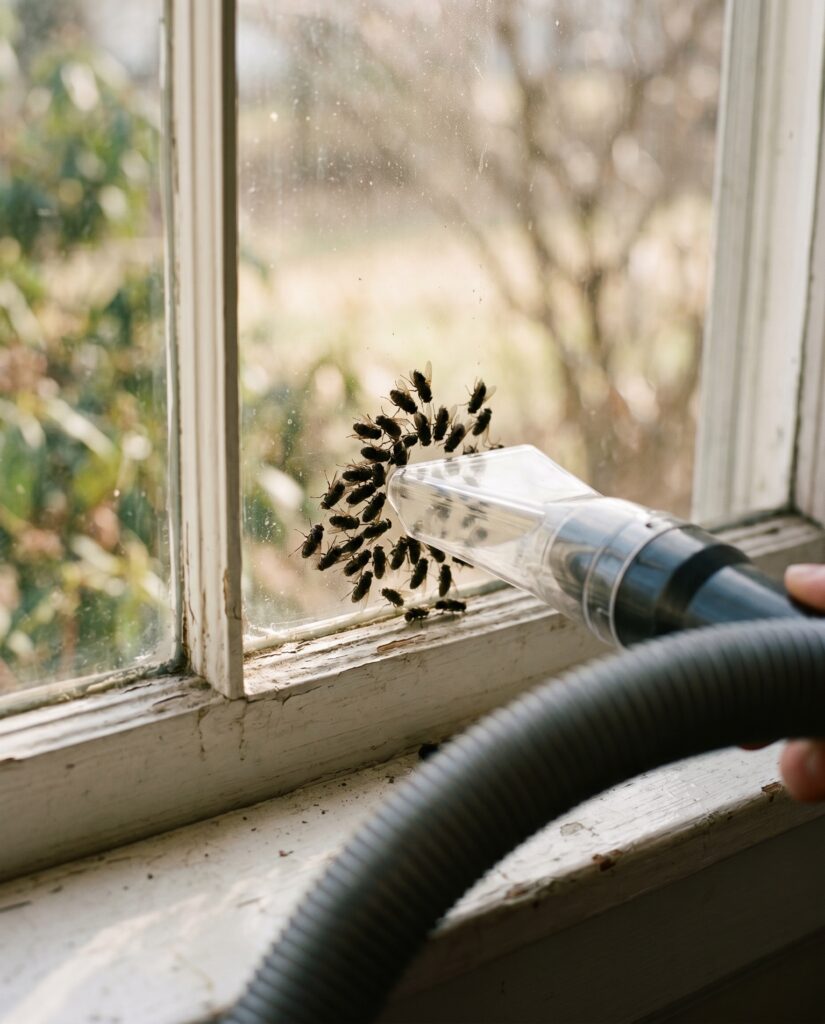
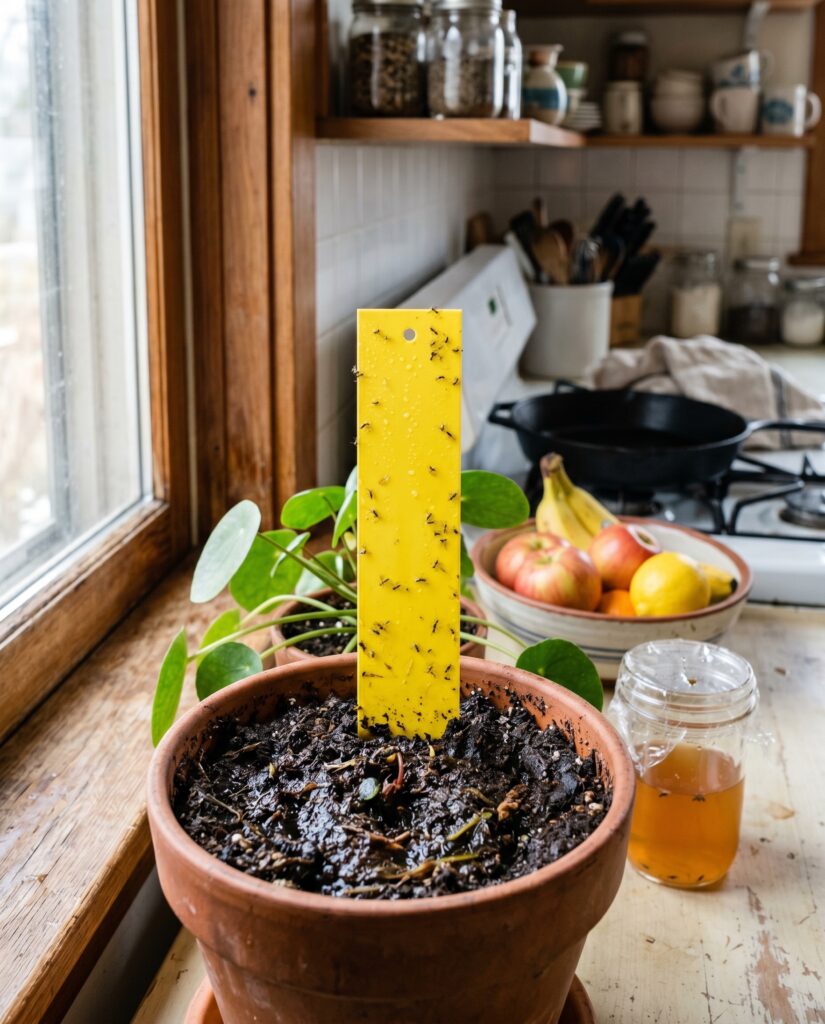
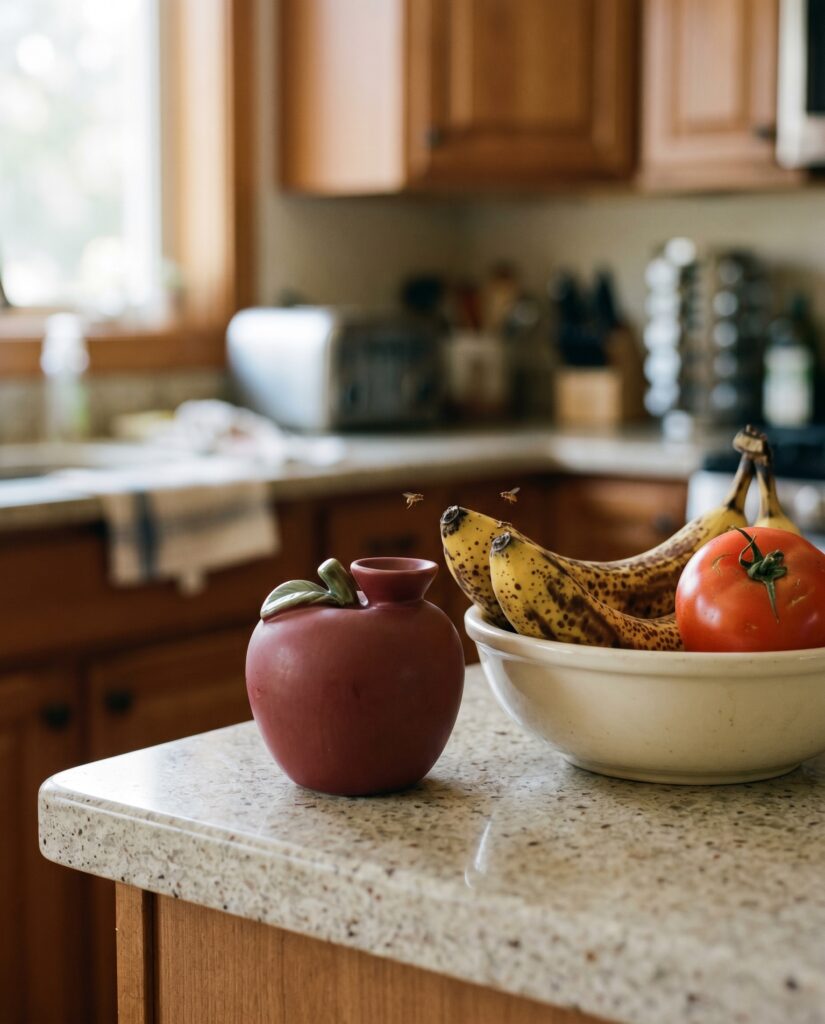
If flies have taken over your patio, the fix is not a can of spray, it is detective work close to home. Flies on the patio are almost always breeding within a few hundred feet of where you sit, in the trash cans, the dog run, a compost pile, or the neighbor’s setup, so the real win is cleaning up and moving those smelly sources away from your seating. Baited disposable fly bags do pull flies, but they pull them in with a powerful stink, so hang them at the far edge of the yard and never near the table. And the simplest honest trick is a patio fan, because flies are weak fliers and steer clear of moving air.
Find and clean up the breeding source within a few hundred feet, then move the smelly stuff away from where you sit; bait bags work but stink, so hang them far from the table, and run a fan because flies avoid moving air.
- Do first (free): Hunt down the source, then empty and wash the trash cans, pick up pet waste daily, and relocate the bins downwind of the patio.
- Best for the common case: A patio fan over your seating plus disposable bait bags hung at the far edge of the yard.
- Skip: Spraying insecticide into open air over the patio; it does nothing to the source and the flies keep coming.
Why spraying the air fails
Reaching for a fogger or an aerosol feels like doing something, but it is the move that wastes the most money outdoors. The flies you knock down over the table are replaced within hours, because the population is not living on your patio, it is being produced somewhere nearby and drifting over to the food and the people. Outdoor air is an open system, so any mist you put up blows away in minutes and never touches the place the flies actually come from.
That place is wet, rotting, and organic. Flies develop in moist decaying organic matter like garbage, manure, and rotting plant waste, and a single overlooked source can feed a swarm all summer. The honest order of operations is to find and remove the source first, then make the patio itself unfriendly. Spray-first thinking is exactly why the same people fight the same flies every weekend. If they are also getting indoors, our guide to getting rid of house flies covers the screening and entry-point side of the same problem.
Find the breeding source first
Walk the property like you are looking for a smell, because you basically are. The usual suspects sit within a short flight of the patio: the trash and recycling cans, the dog run or any spot pets use, a compost pile, a forgotten bag of grass clippings, fallen fruit under a tree, a pet food bowl left out, or standing water in a clogged gutter or a tarp fold. Flies do not travel far when there is food at hand, so the source is almost always closer than people think.
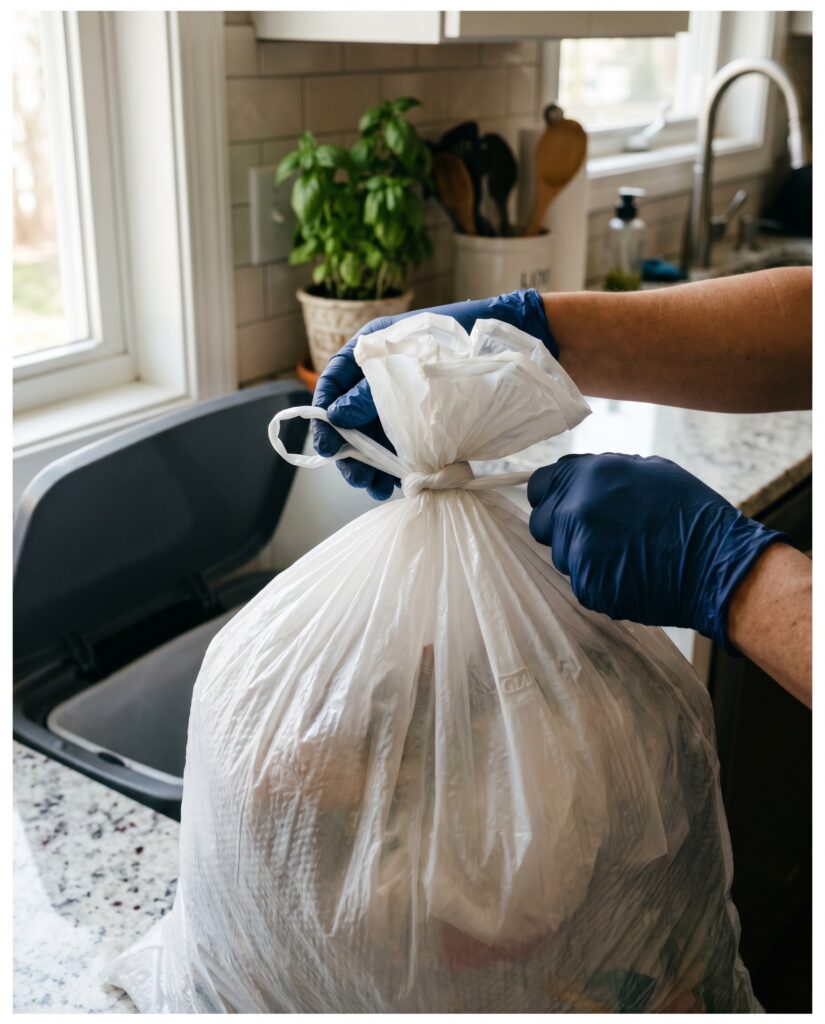
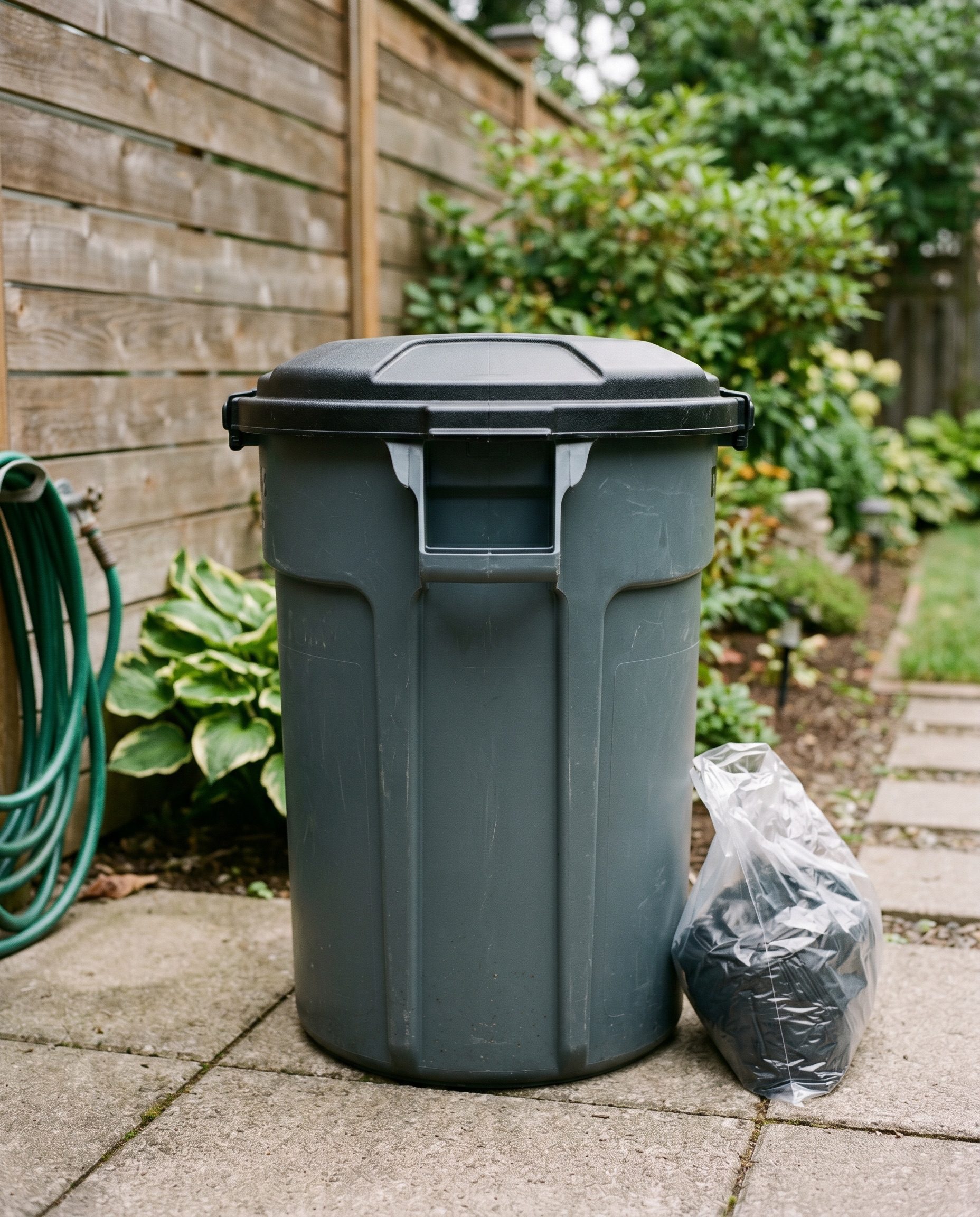
What to do first costs nothing: track the source down, then deal with it. Empty and scrub the trash cans, because the film of liquid in the bottom is prime fly food, and keep the lids latched. Pick up pet waste every single day. Turn or cover the compost and bury fresh scraps under browns. Sanitation that removes the breeding material is the foundation of any fly program, and on most patios this one step does the heavy lifting before you buy a thing. If a neighbor’s bin or coop is the source, that is a polite conversation, not a spray bottle.
Move the smelly stuff away
You cannot always eliminate every source, so the next lever is distance and direction. Flies find food by scent, so anything that smells, the cans, the compost, the grill drippings, belongs as far from the seating as the yard allows, and ideally downwind so the breeze carries the odor away from you rather than toward you. Moving the trash corral from beside the back door to the far side of the garage can change a patio more than any gadget.
Keep the table itself boring to a fly. Cover food until you serve it, wipe up spills and sugary drink rings right away, rinse the grill grate after cooking, and take dirty plates inside instead of stacking them. A clean table with the smelly sources pushed to the property line removes most of the reason flies were crowding your meal in the first place.
Bait bags and fans done right
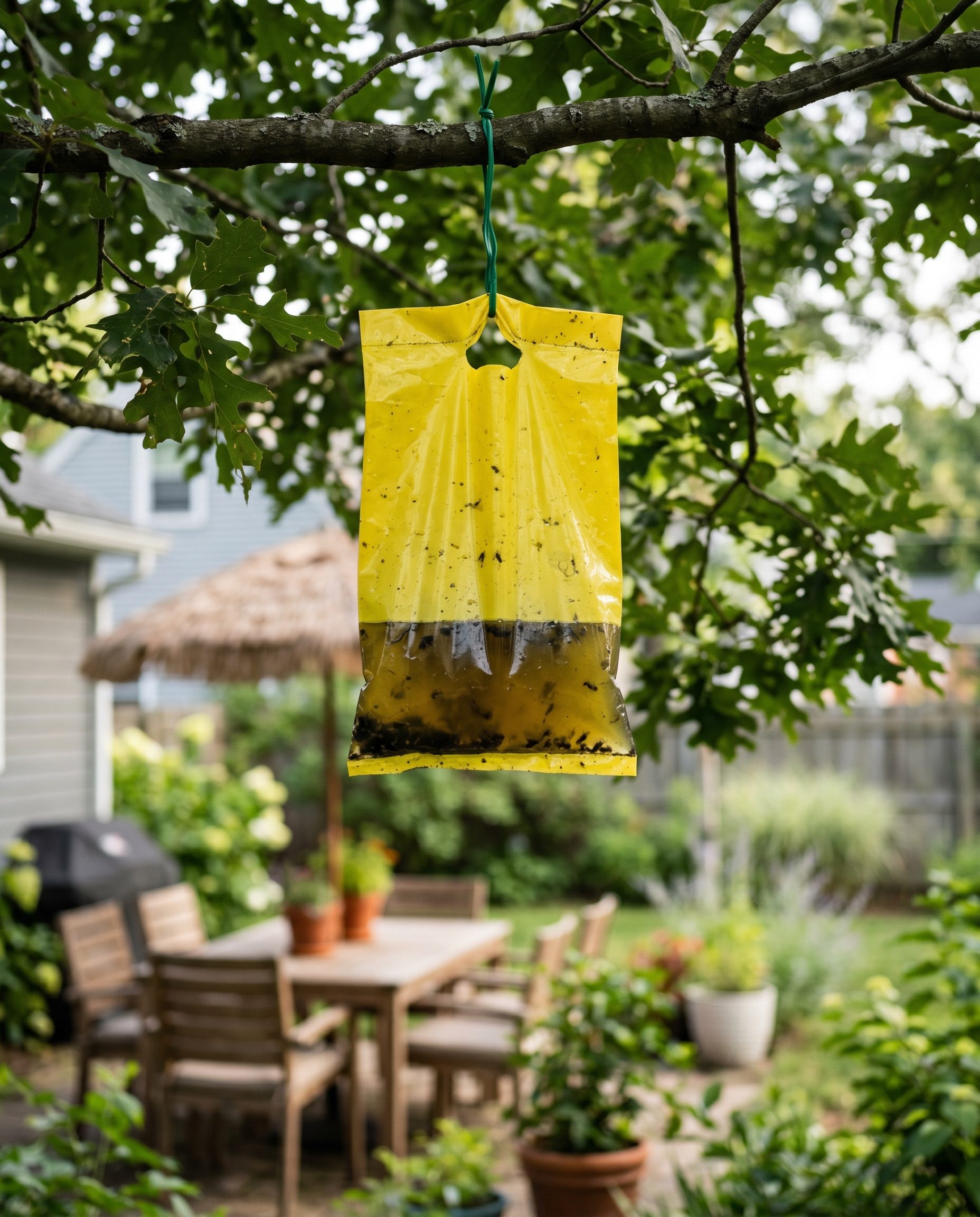
This is where people sabotage themselves. Disposable bait bags work, but they are designed to be irresistible, which means they reek, and a bag hung near the patio becomes a magnet that draws flies straight to your table. Hang the bag at the far edge of the yard, well downwind, at least thirty to fifty feet from where you sit, and treat it as a lure that pulls flies toward the property line and away from you. Hang it early in the season, replace it once it fills, and keep it away from doors so you are not funneling flies indoors.
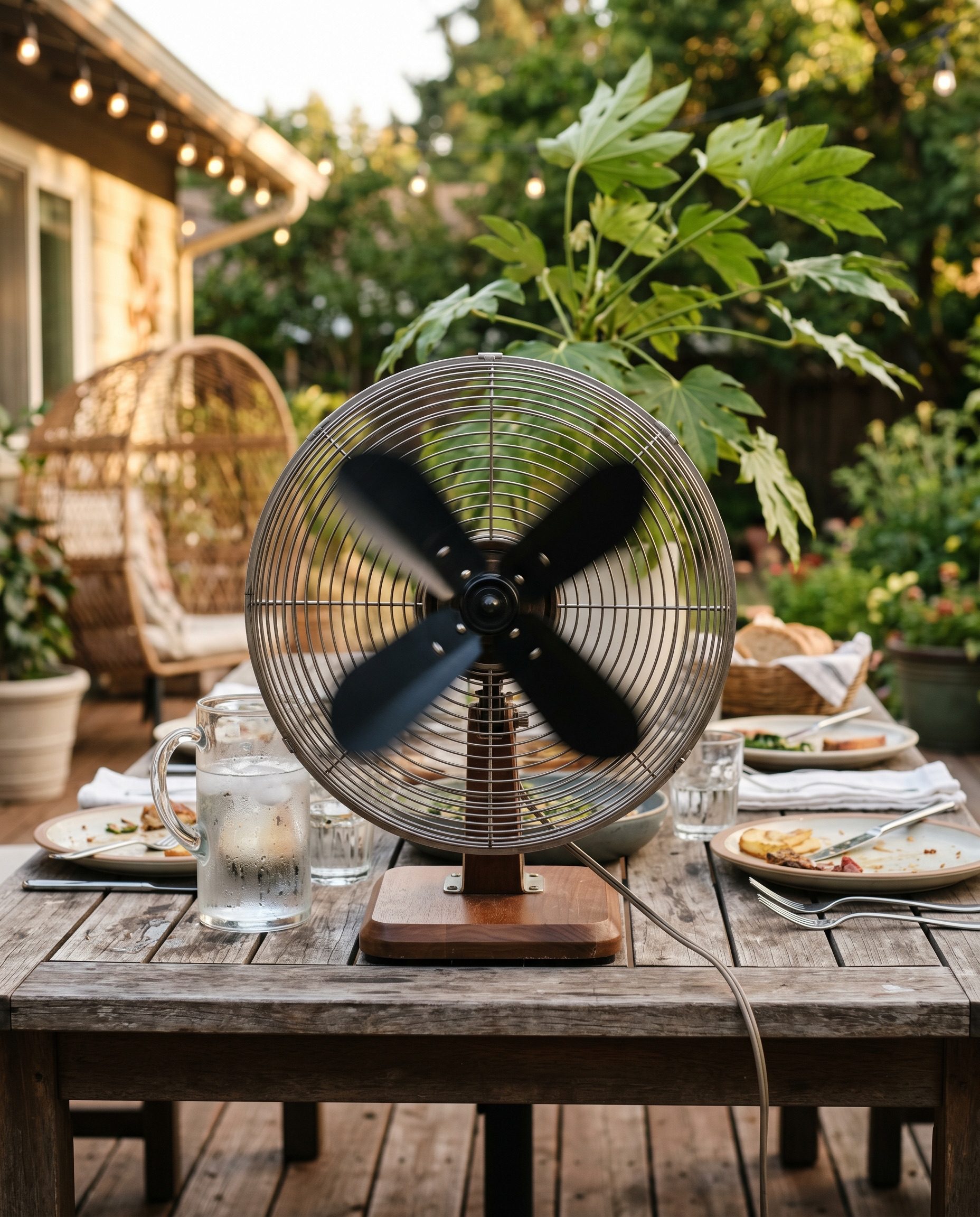
The simplest honest trick needs no bait at all. Flies are weak fliers, so a fan running across your seating area creates a current they will not fight, and it keeps the table clear without a drop of chemical. Point an outdoor-rated oscillating fan low across the table; the moving air both deters the flies and disperses the food scent that drew them. For the trap categories worth your money and the ones that are theater, our rundown of indoor and outdoor fly traps sorts them out.
If you do want a chemical layer outdoors, keep it targeted and lawful. A fly bait scatter or a labeled residual on a surface flies rest on, like a fence or a trash-corral wall, is far more useful than misting open air, and you should read and follow the product label, because under federal law the label is the law. Do not treat open blooms or anywhere bees forage, do not spray where food is served, and keep children and pets off treated surfaces until they dry. For an exposure question, contact a doctor or your local poison control center.
What works where
Different fly hotspots call for different moves. Here is the quick map for a typical backyard.
| Spot | Best move | Watch out for |
|---|---|---|
| Trash and recycling cans | Empty, scrub, latch lids, move downwind | Liquid film in the bottom feeds flies |
| Dog run or pet area | Pick up waste daily, rinse the spot | One missed day reseeds the swarm |
| Compost pile | Cover, turn, bury scraps under browns | Exposed food scraps are a fly nursery |
| The patio table itself | Run a fan, cover food, wipe spills | Bait bags belong far away, not here |
Notice the table never gets the bait bag and never gets the spray. The patio is for the fan and clean habits; the lures and any chemistry stay at the edges, working on the source.
Help the good bugs
Your yard already has unpaid help. The predators and parasitic wasps that already work your yard for free attack fly larvae in manure and decaying matter, and they get wiped out fast by broadcast spraying, which is one more reason to skip the air fog. Tiny parasitic wasps are harmless to people and pets and quietly knock down the next generation of flies if you let them.
The way to keep that help is to lean on sanitation and spot-treatment rather than blanket chemicals, and to let dry, well-managed compost and soil host its own balance. Mosquito-style misters and broad yard sprays kill the beneficials along with the flies, so you trade a short knockdown for a yard that bounces back worse. For a low-chemical routine that protects those allies, see our notes on keeping flies away naturally.
Common questions
What gets rid of flies on the patio fast?
The fastest honest result is a fan over your seating plus an immediate cleanup of the nearest smelly source. The fan clears the table in minutes because flies avoid moving air, while emptying and washing the trash cans cuts off what was feeding them. Nothing sprayed into open air gives a lasting result outdoors.
Do fly bags actually work?
Yes, but only if you place them right. Bait bags lure flies with a strong smell, so a bag near the table makes the problem worse by drawing flies toward you. Hung at the far edge of the yard and downwind, the same bag pulls flies away from your seating and toward the property line.
Why are there suddenly so many flies outside?
A sudden surge almost always means a new breeding source nearby: a full trash can, fresh pet waste, fallen fruit, a turned compost pile, or warm weather speeding up the life cycle. Walk the yard and find what started smelling, because that is usually the whole answer.
Does spraying my patio with insecticide help?
Spraying open air does almost nothing, since the spray drifts off and the flies are produced elsewhere. A labeled residual on a surface flies rest on can help at the edges, but only after sanitation. Follow the label, keep it off food areas and blooms, and never fog where people eat.
Will they keep coming back?
They come back as long as a breeding source stays available within flight range. Keep the cans clean and latched, pick up pet waste daily, manage the compost, and the patio stays quiet. Prevention is just sanitation you keep doing, not a product you buy once.
Final verdict
Getting flies off the patio is source control, not air control. Walk the yard and find what is wet, rotting, and smelly within a few hundred feet, then clean it up and move it downwind of where you sit, because that single step clears most cases before you spend a dollar. Make the table itself boring with covered food and wiped spills, run a fan across your seating since flies cannot fight moving air, and hang any bait bag at the far edge of the yard, never near the table. Skip the open-air spray; it wastes money and kills the beneficial bugs already working for you. Stay consistent with the cleanup, because that is what actually keeps the patio clear all season.
Next steps:
– If they are also getting inside, close the entry points with our guide to getting rid of house flies.
– Pick the right lure or trap from our indoor and outdoor fly traps rundown.
– Build a low-chemical routine with our notes on keeping flies away naturally.