The honest answer to natural versus chemical pest control is that you are asking the wrong question. The fight that actually matters is the right method against the wrong method, and the method that works, integrated pest management, quietly uses both. It starts with the boring, free foundation, which is sanitation, sealing pests out, and drying up the moisture and food that drew them in, then reaches for a targeted, least-toxic product only at the spot that still has a problem. Natural products like diatomaceous earth and botanical oils earn a place in that plan, but they are not magic, and a homeowner who broadcasts chemicals over the whole yard mostly wastes money and breeds resistant survivors.
It is not natural versus chemical. The method that works is integrated pest management: lead with prevention, then use a targeted, least-toxic product only where the pest still is. Match the tool to the pest, and never broadcast-spray the whole house or yard.
- Do first (free): Sanitation, exclusion and moisture control. Most home pest problems shrink once you cut off food, entry, and water.
- Then, if needed: A targeted product at the source, a bait or a crack-and-crevice treatment, chosen for that pest and used per the label.
- Skip: Ultrasonic repellers and whole-yard broadcast spraying. Neither solves the problem, and one of them is not even supported.
Why the natural-vs-chemical fight is a trap
Both camps sell you the same fantasy, which is that one category of product is the answer. It is not. A pest in your kitchen is responding to crumbs, a leaky pipe, and a gap under the door, and no spray on the planet fixes the gap under the door. The professionals settled this argument decades ago with the EPA’s principles of integrated pest management, which puts identification and prevention first and treats any pesticide, natural or synthetic, as the last and most targeted step.
Think of it the way I think about a garden. Before you spray, the first question is not “what do I reach for,” it is “what is feeding this problem and what is already eating it for me.” The same logic runs indoors. Cut the food, water, and entry, and the population usually collapses on its own, which is why University of California’s framing of combining prevention, monitoring, and targeted control ranks a product dead last, not first. Natural or chemical is a label argument. The real question is whether you are treating the cause or just the symptom on the floor.
What prevention actually means at home
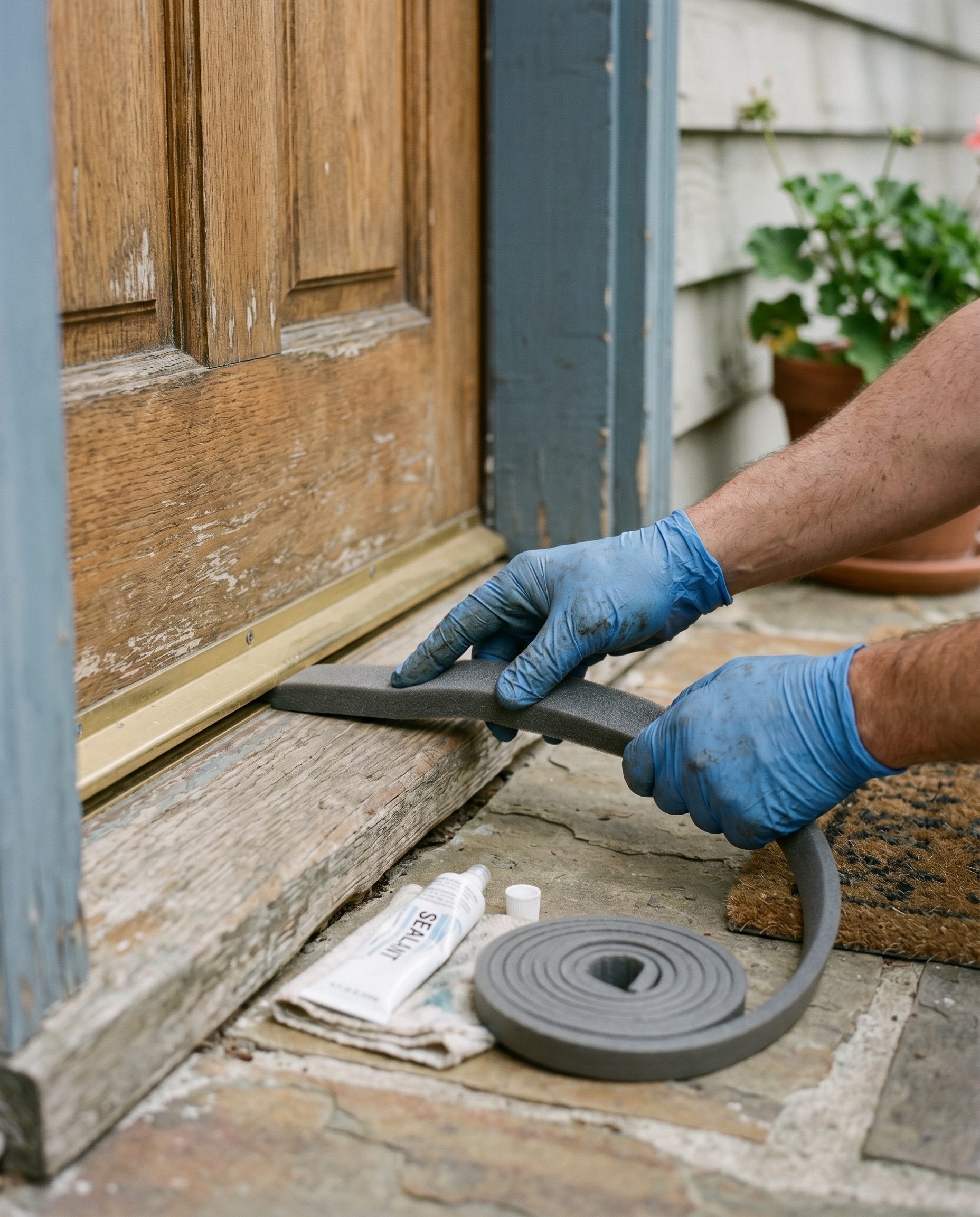
Prevention is unglamorous, and that is exactly why people skip it and then blame the spray for not working. It comes down to three habits. Sanitation removes the food, so wipe counters, seal the pantry in hard containers, take out trash, and pick up pet bowls overnight. Exclusion removes the door, so seal gaps around pipes and utility lines, fit door sweeps, and patch torn screens, because a mouse uses a dime-sized hole and an ant needs far less.
The third habit is the one people forget. Moisture control quietly starves a huge share of household pests, from roaches to silverfish to the gnats around a houseplant, so fix the drip under the sink, run a fan in a damp bathroom, and let the topsoil of your plants dry between waterings. The EPA’s homeowner guidance on sanitation and proven control methods over gadgets keeps returning to this point, because a dry, sealed, crumb-free home is the cheapest pest control you will ever do, and it makes any product you do use work far better.
Where natural products help, and where they oversell
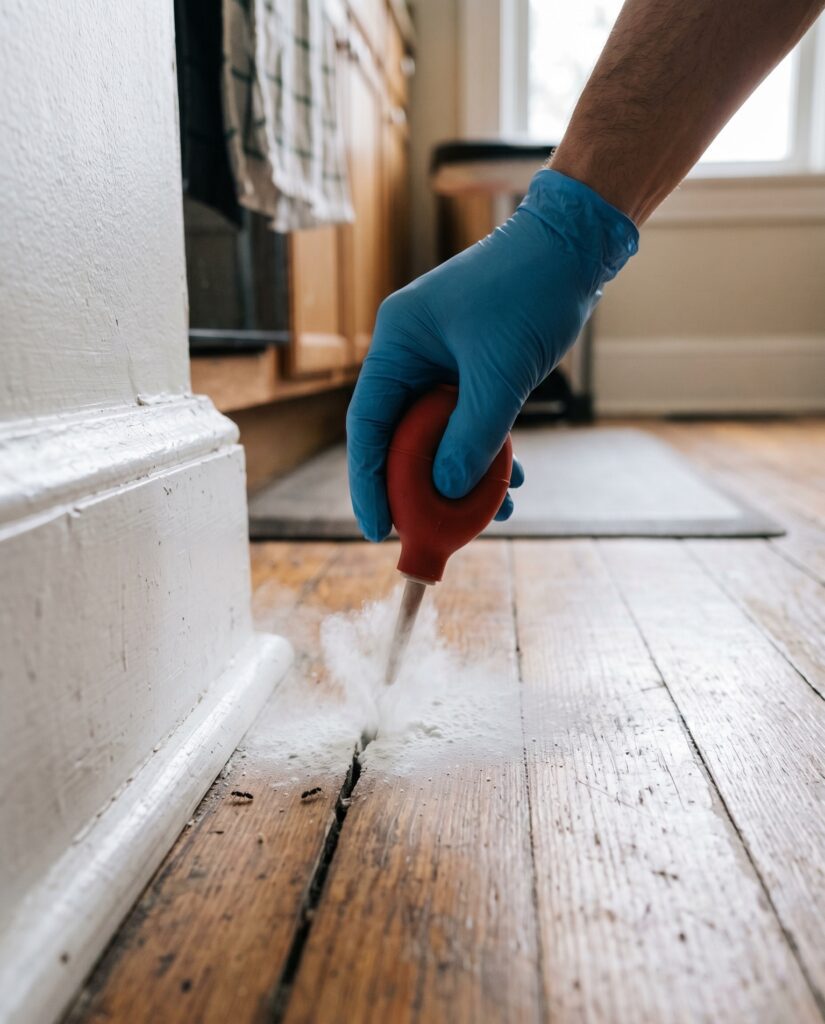
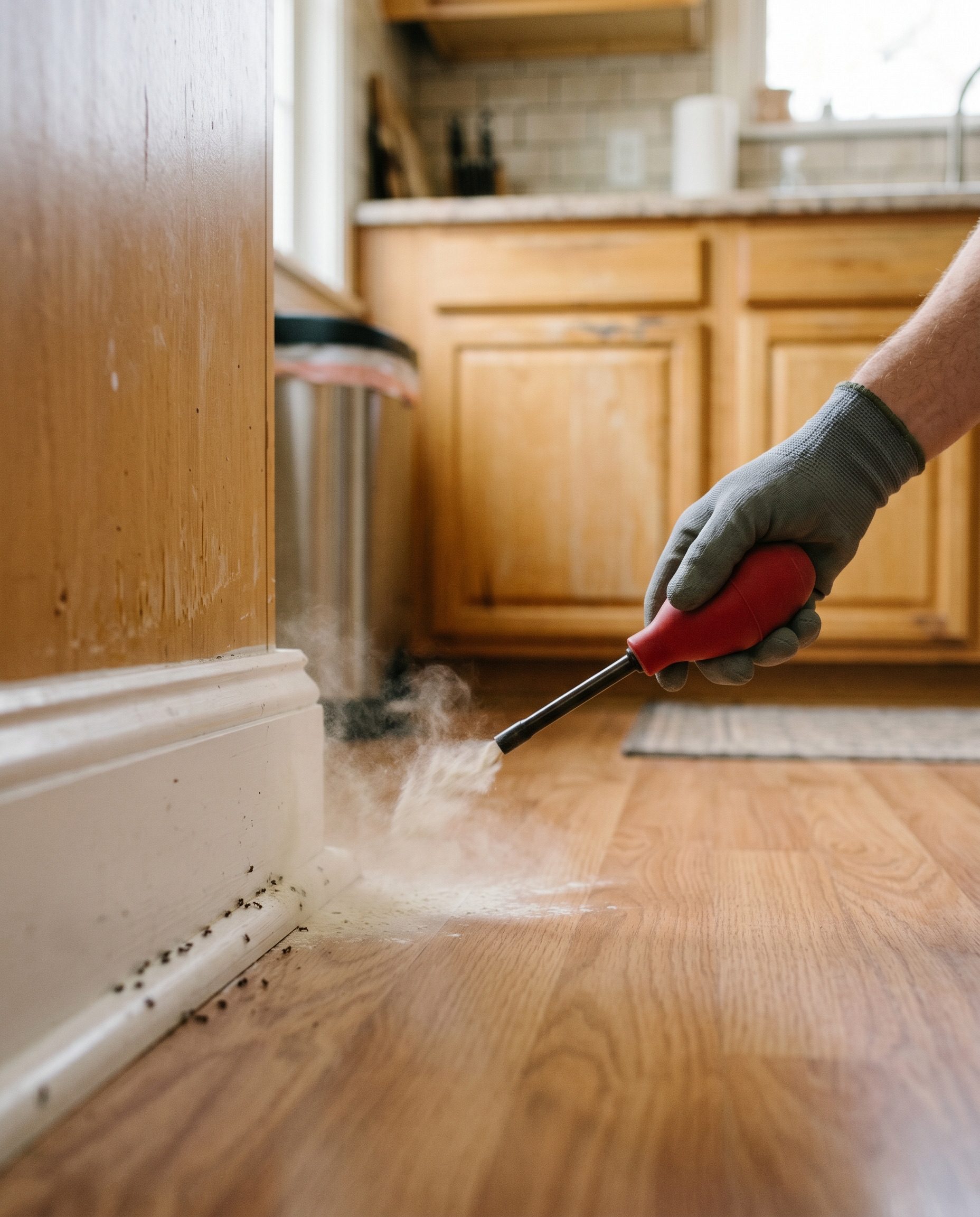
Natural does not mean harmless or automatically effective, it just means the active comes from a mineral or a plant. Some of these tools are genuinely good when matched to the job. Diatomaceous earth shreds the waxy cuticle of crawling insects, but only when it stays dry, only the food-grade kind rather than the pool-filter grade, and only as a light, barely-visible layer in cracks, not a thick white pile that bugs simply walk around. It also needs reapplying once it gets damp, and our guide to choosing diatomaceous earth for pests covers that distinction in detail.
Botanical oils such as peppermint, clove, and cedar can repel or knock down insects on contact, which is useful for a quick spot treatment, but the effect is short-lived and they do not leave the lasting residual a labeled product does. The thing I want you to retire entirely is the ultrasonic plug-in repeller, because independent testing and extension and public-health guidance do not support the claim that those devices drive pests out of a home. Spend that money on a door sweep and a tube of sealant instead, which actually keep pests out.
When a targeted chemical earns its place
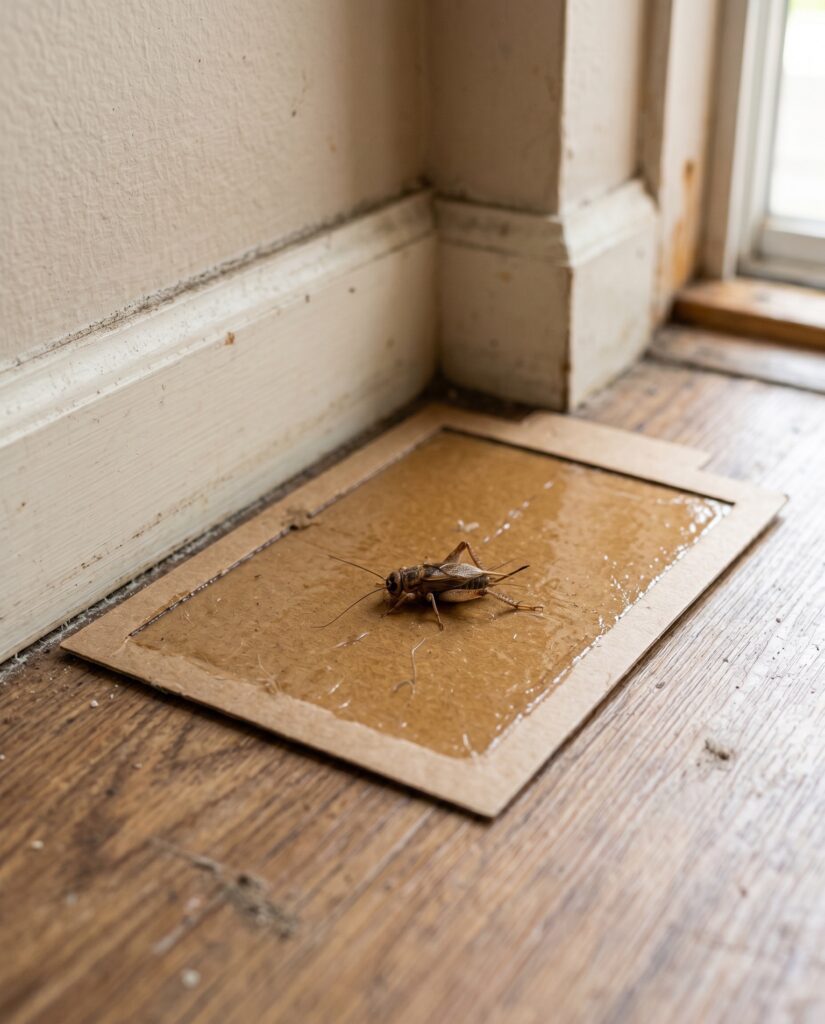
Sometimes prevention plus a natural step is not enough, and a registered product is the responsible call. The key word is targeted. A bait beats a spray for ants and roaches because the foragers carry the active back to the nest, killing the colony you cannot see, while a visible spray only kills the few workers on the counter and scatters the rest. For the spots that do call for a liquid, a thin crack-and-crevice application where pests travel does far more than misting open surfaces, and our roundup of the better options for an indoor bug spray leans hard on that targeted approach.
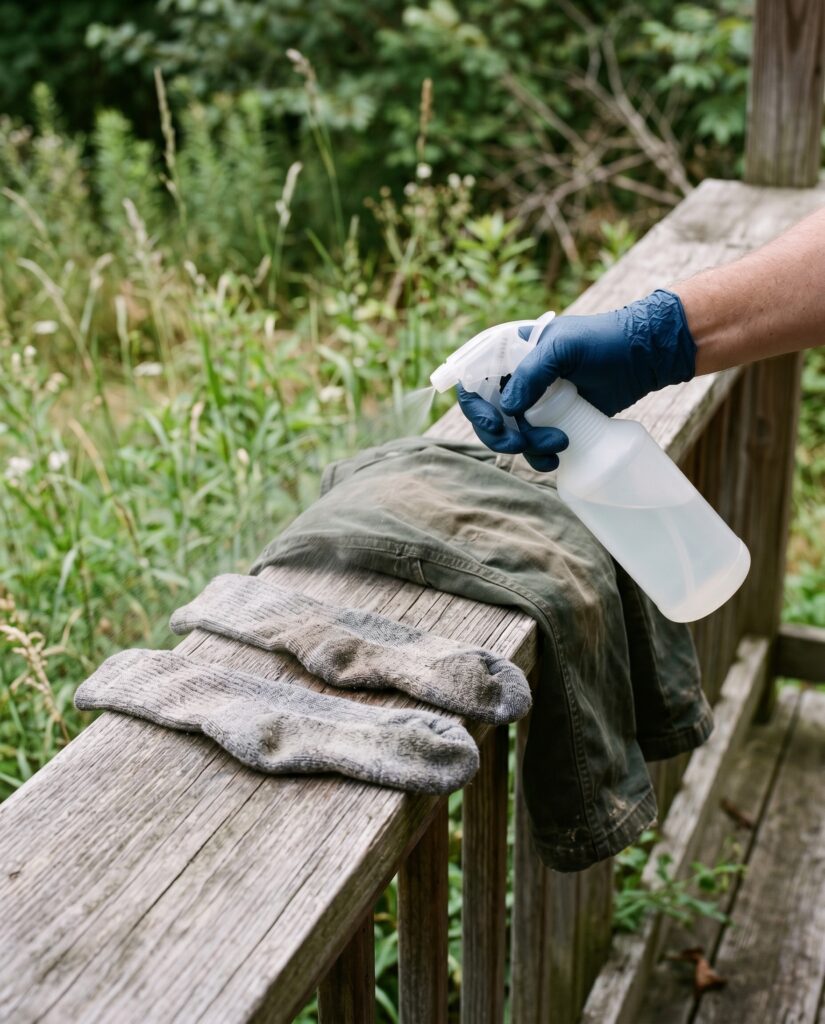
This is also where the natural-versus-synthetic line blurs in a good way, because the choice that matters is least-toxic and well-placed, not the marketing on the front of the bottle. UC IPM’s homeowner note on reading the label and choosing the least-toxic option is blunt about it: pick the most specific product for the pest, place it where the pest is, and follow the label, because under federal law the label is the law. Whenever you treat indoors, keep children and pets off treated areas until everything is dry, never apply near food-prep surfaces or pet bowls, and for any exposure question contact a doctor, your vet, or your local poison control center.
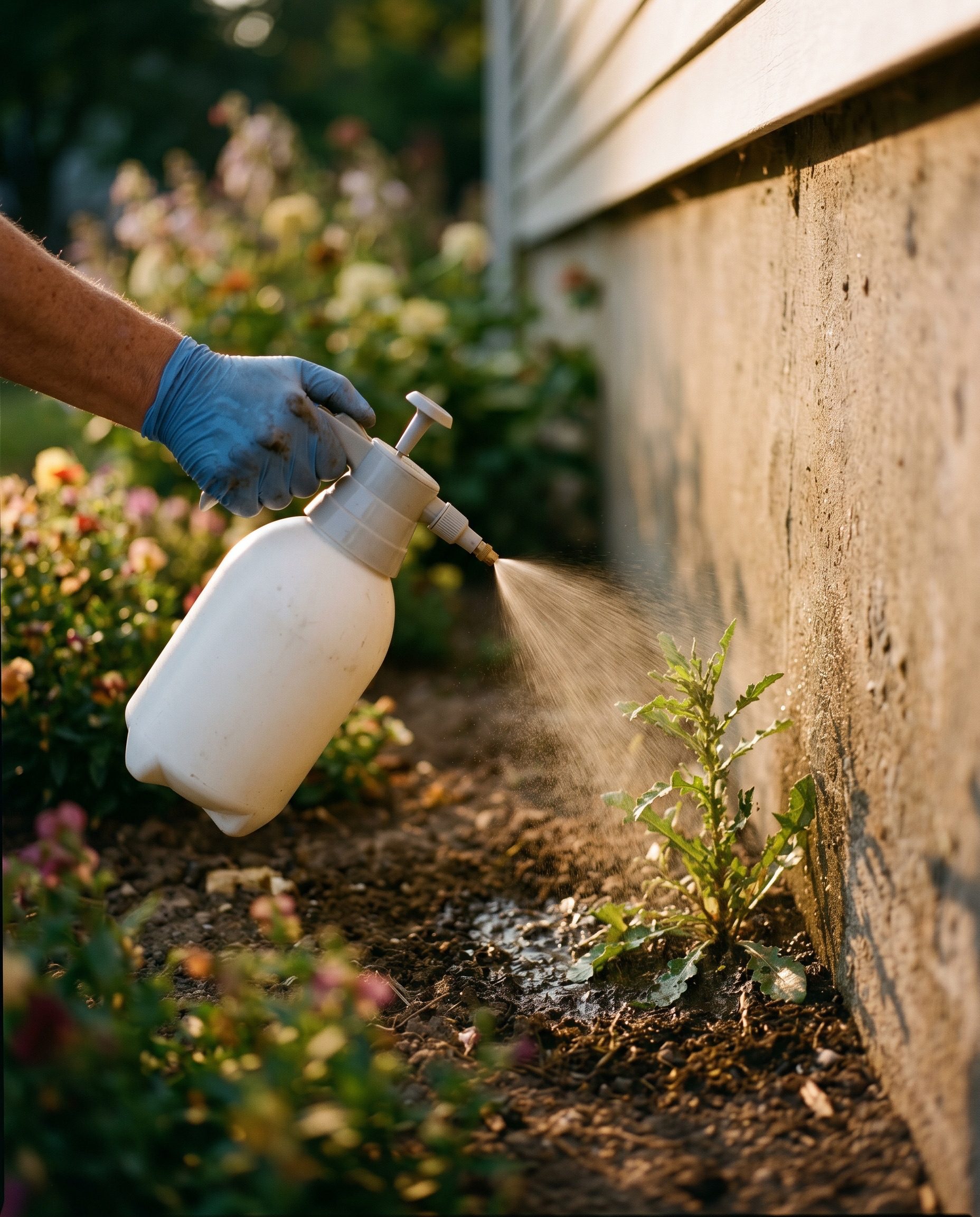
If you garden, the same restraint protects the insects working for you. Spot-treat in the evening when pollinators have left, aim at the single problem plant rather than broadcasting across blooms, and remember the ladybugs and lacewings already patrolling your beds are doing free pest control you do not want to wipe out. Friend-versus-foe identification first, spray second, and only the spot that needs it.
The gadgets that waste your money
A whole shelf at the hardware store exists to sell you a shortcut that does not work. Here is the honest scorecard on the popular ones, so you can stop buying them.
| Gadget | What it really does | Better move |
|---|---|---|
| Ultrasonic plug-in repeller | Not supported by independent testing or extension and public-health guidance; pests ignore it | Seal entry points and remove food and water |
| Bug zapper | Kills mostly harmless and beneficial insects; does not control mosquitoes, which track CO2, heat, and scent, not UV light | For mosquitoes, remove standing water and use a registered skin repellent |
| Foggers and bug bombs | Largely ineffective; the mist misses the cracks and voids where pests hide, coats the home in pesticide, and the propellants carry a fire and explosion risk when overused | Targeted crack-and-crevice treatment and baits |
The bug zapper is the saddest one, because it glows on the patio looking productive while it electrocutes moths and beneficial insects and leaves the mosquitoes biting you, since mosquitoes home in on your breath and body heat, not a purple light. Foggers feel decisive and are anything but, which is why we break down their poor real-world record in our look at whether bug foggers and bombs are worth it. Skip the theater and put the money toward sealing, baiting, and a single targeted product.
Common questions
Is natural pest control safer than chemical?
Not automatically. Natural products can still irritate, harm beneficial insects, or be useless if misapplied, and a well-placed registered product used per the label can be both effective and low-risk. Safety comes from matching the right tool to the pest and following directions, not from the word natural.
Does diatomaceous earth really work?
Yes, within limits. It kills crawling insects that walk through it, but only when it stays dry, only the food-grade type, and only as a thin layer in cracks. It does nothing once damp or piled thick, so reapply after it gets wet.
Do natural repellents keep mosquitoes away?
Some botanical oils help briefly, but for reliable protection an EPA-registered active such as picaridin, DEET, or oil of lemon eucalyptus lasts longer, and for ticks and chiggers you pair that with permethrin-treated clothing. The most durable mosquito control is dumping standing water around your home.
What about ultrasonic repellers, do any of them work?
No. Independent testing and extension and public-health guidance do not support the claim that ultrasonic plug-ins drive pests out. Treat them as decoration and put the money toward exclusion and sanitation, which actually work.
When should I just call a professional?
When the problem is structural or persistent, such as termites, a heavy roach or bed bug spread, a wasp nest in a wall, or anything that survives a correct DIY effort. A licensed pest professional has tools and access a homeowner does not.
Final verdict
Stop shopping for a side in the natural-versus-chemical war, because the winner is neither. The method that works is integrated pest management: identify the pest, lead with the free foundation of sanitation, exclusion, and moisture control, and only then reach for a targeted, least-toxic product placed exactly where the pest is. Natural tools like diatomaceous earth and botanical oils have a real role inside that plan, and a well-aimed registered product has one too, but a broadcast spray over the whole yard and a drawer full of gadgets do not. Skip the ultrasonic repeller and the bug zapper, treat foggers as a last resort you will rarely need, and remember that the cheapest, most reliable pest control is making your home a place pests cannot get into or eat.