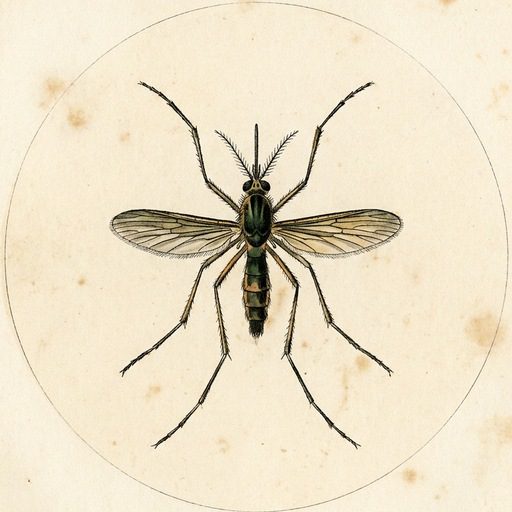
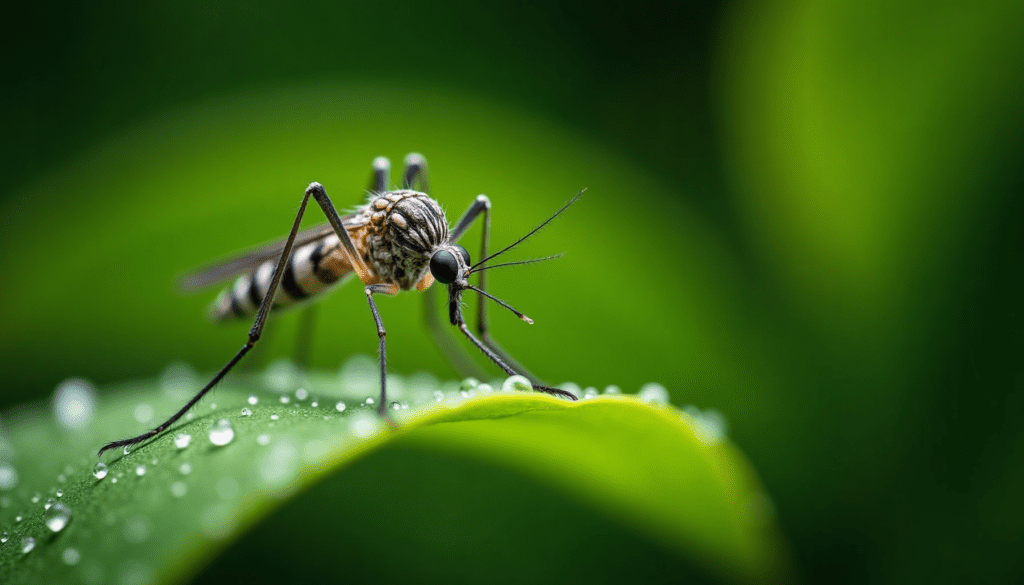
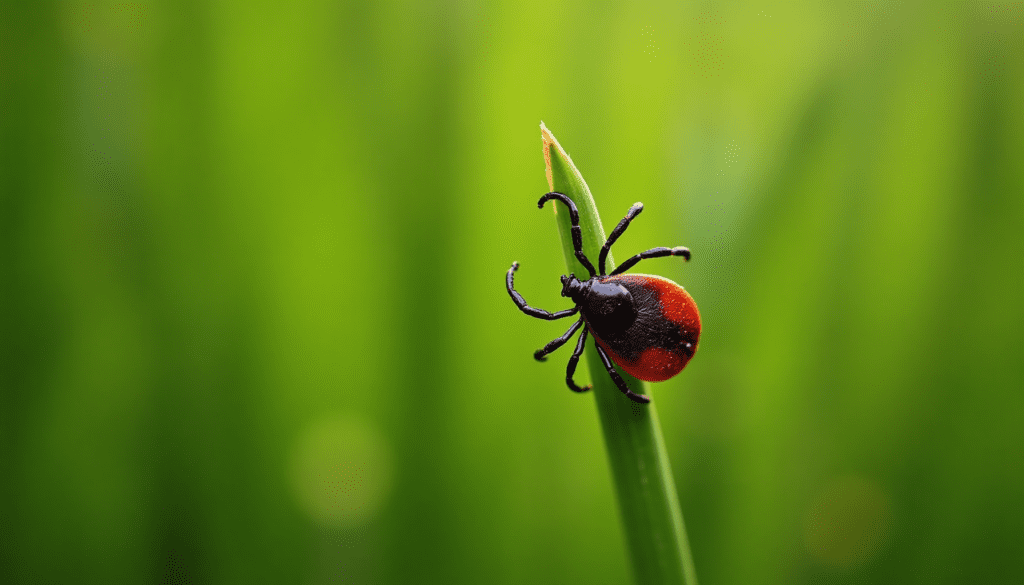
Most gardening bites trace back to a short list: chiggers if the welts cluster at your sock line and waistband, fire ants if it stung immediately and turned into small pustules, and thrips or minute pirate bugs if you felt sharp pinpricks with little to show afterward. Spiders hiding in mulch or stored gloves are uncommon, and many “bites” after yard work are plant reactions, not bites at all.
- Read the pattern: Where the marks sit and when the itch started tell you more than the bump itself.
- The red flag: Spreading redness, warmth, pus, or fever after any bite means it is time to see a clinician.
- Honest limit: No one can reliably name the culprit from the bite alone, so treat the reaction and watch how it behaves.

You spent the afternoon weeding, and by evening your ankles, waist, or forearms are dotted with itchy red bumps you never felt happening. The garden puts your skin in contact with more small creatures per hour than almost anywhere else, so “what bit me” is a fair question with a short suspect list. The honest starting point, backed by the University of Kentucky’s guide to mystery bites and their insect and non-insect causes, is that identifying a biter from the bite alone is unreliable, even for physicians. What you can do is read the context: where the marks sit, whether you felt anything, and how fast the itch arrived.
Why the pattern beats the bump
Two bites from very different creatures can look nearly identical on skin, which is why clinical references describe most bite reactions in the same broad terms. The StatPearls review of insect bites notes that red papules and raised wheals are the most common presentation across many species. The bump is generic, the context is specific, so a useful gardening post-mortem asks three questions.
First, location. Marks under snug clothing bands point one way, marks on exposed forearms another. Second, timing. A sting you felt instantly narrows the list to insects that defend themselves, while an itch that arrived hours later points to something that fed quietly and left. Third, grouping. Tight clusters along a clothing line differ from one isolated bump near a woodpile reach. For a side-by-side visual reference, our insect bite identification chart lays the common patterns out in one place.
Chiggers: the sock line and waistband signature
If your welts sit in bands where clothing pressed against skin, chiggers move to the top of the list. These are the larval stage of a mite, far too small to notice, and they wait in exactly the vegetation gardeners wade through. The University of Florida’s chigger publication describes their preferred habitat as low, damp areas with heavy vegetation, and notes that they attach where clothing fits snugly, at the ankles, waistline, and knees.
The feeding is the part most people get wrong. A chigger does not burrow or suck blood. It injects saliva that dissolves a few skin cells, drinks the result through a hardened tube, and drops off. The itch is your reaction to that tube, and it typically arrives hours after exposure, which is why the garden connection gets missed. The UF publication puts the onset at roughly four to eight hours after contact, and recommends a hot, soapy shower soon after coming inside to dislodge any larvae still wandering. If clustered hard welts under snug clothing match your case, our guide on how to treat chigger bites covers the itch-control routine.
Fire ants: the sting you feel immediately
Fire ants remove all mystery about timing. Disturb a mound while weeding or kneel on a foraging trail and you feel a sharp burn right away, usually several stings at once because the ants swarm before stinging together. What happens next is distinctive enough to be genuinely useful, which is rare in this topic: the clinical literature describes a ring of red papules that develop into sterile pustules within six to twenty-four hours of the sting.
Those little white-headed pustules are not infected, and the standing advice is to leave them alone, because opening them is what invites bacteria in. Fire ants favor sunny, open ground and disturbed garden soil, so check for low sandy mounds before you kneel. If you took many stings at once, or have reacted strongly before, watch yourself closely in the first hour; the severe allergic reaction signs listed later apply here in full.

Spiders in mulch and gloves: rare but worth knowing
Spiders sit at the top of most people’s suspicion list and near the bottom of the realistic one. They do not seek people out, and MedlinePlus is direct that most spider bites are harmless, producing a reaction similar to a bee sting with local redness, pain, and swelling. A garden bite usually happens when a spider sheltering in mulch, under a pot, or inside a glove that sat in the shed gets pressed against skin.
The precaution is mechanical, not chemical: shake out stored gloves and boots, and wear gloves when reaching blind into dense mulch or stacked wood. Only the black widow and the brown recluse carry medically significant venom in North America, and both prefer undisturbed hiding spots. A single bump with unusual, worsening pain deserves more attention than a field of itchy welts; our guide to spider bite identification and when to worry walks through the warning signs.
Thrips and minute pirate bugs: pinpricks with little to show
Here is the culprit almost nobody names. On warm days, especially around flowering plants, grasses, and ripening produce, tiny plant-feeding thrips and predatory minute pirate bugs land on exposed skin and probe it. The University of Kentucky’s mystery bite guidance lists thrips among the small biters that go unnoticed during the exposure itself. Gardeners who feel sudden sharp pinpricks on bare forearms with nothing visible afterward are very often describing exactly this.
These are nuisance bites in the truest sense. The insects are not feeding on you, cannot live on you, and do not infest homes. The mark, when one appears at all, is a small red dot that fades within a day or two. Long sleeves and a rinse when you come inside are the entire management plan.
What it is probably not
Before you settle on any insect, run the lookalikes, because the garden produces plenty of bite-shaped marks with no bite behind them. Brushing against stinging nettle raises an immediate burning, prickling rash along the line of contact. Sap from plants like euphorbia irritates skin directly. Sweat trapped under waistbands can inflame hair follicles into itchy red bumps that mimic bite clusters. The UKY mystery bite publication devotes serious space to non-bite causes, from fibers and irritants to dry skin and underlying medical conditions, precisely because these cases so often get blamed on invisible insects.
Two suspects deserve a specific ruling out. Bed bug welts appear on skin exposed during sleep, not skin covered while gardening, so marks that track your gardening clothes argue against them; the pattern differences are in our bed bug bites versus flea and mosquito bites comparison. Fleas are plausible only if pets or wildlife frequent the yard, and their bites scatter around the lower legs and ankles rather than forming clothing-line bands.
| Suspect | Where it shows up | What you felt | Telltale |
|---|---|---|---|
| Chiggers | Sock line, waistband, behind knees | Nothing at the time; itch hours later | Clustered hard welts under snug clothing |
| Fire ants | Feet, ankles, hands near a mound | Immediate burning sting, often several | Pustules forming within a day |
| Spiders | One spot, often hand or forearm | Sometimes a pinprick, often nothing | Single bump, not a cluster |
| Thrips, pirate bugs | Exposed forearms, neck | Sharp pinprick in the moment | Little or nothing visible afterward |
| Plant reactions | Line of contact with the plant | Burning or itching right away | Rash follows the brush line, not random dots |
Calming the bites without making them worse
Whatever the culprit, the home care is nearly identical, which is convenient because you rarely get a confirmed identification. Wash with soap and water, then work through the sequence MedlinePlus outlines for insect bites and stings: a cool compress for swelling, an over-the-counter anti-itch product such as hydrocortisone cream or calamine, and an oral antihistamine if itching interferes with sleep. Follow the label on every product and do not exceed the doses printed there.
The genuine risk here is usually not venom or disease, it is your own fingernails. Scratching breaks the skin, and broken skin is how ordinary bites become infected. Keep nails short, cover maddening welts with a bandage if that stops the picking, and give the reaction one to two weeks to settle. Our insect bite and sting first aid guide covers the full sequence.
To be plain about the limits: this article describes patterns and likelihoods, not diagnoses. Bites cannot be reliably identified from their appearance alone, and nothing on this page replaces an examination by someone who can see your skin in person.
See a clinician if
Most gardening bites resolve on their own. Get medical care promptly for any of the following:
– Redness that keeps spreading beyond the bite after the first day or two
– Increasing warmth, swelling, or pain instead of gradual improvement
– Pus, an open sore, or red streaks tracking away from the site
– Fever or chills following a bite
– Heavy blistering or a dark center; our guide to infected insect bite warning signs shows what early infection looks like
Treat it as an emergency and seek emergency care immediately if bites or stings are followed by trouble breathing, wheezing, swelling of the face, lips, or throat, widespread hives, dizziness, or vomiting. These are signs of a severe allergic reaction; anyone prescribed epinephrine for sting allergies should use it right away and still get emergency help.
Dressing and spraying so it does not happen again
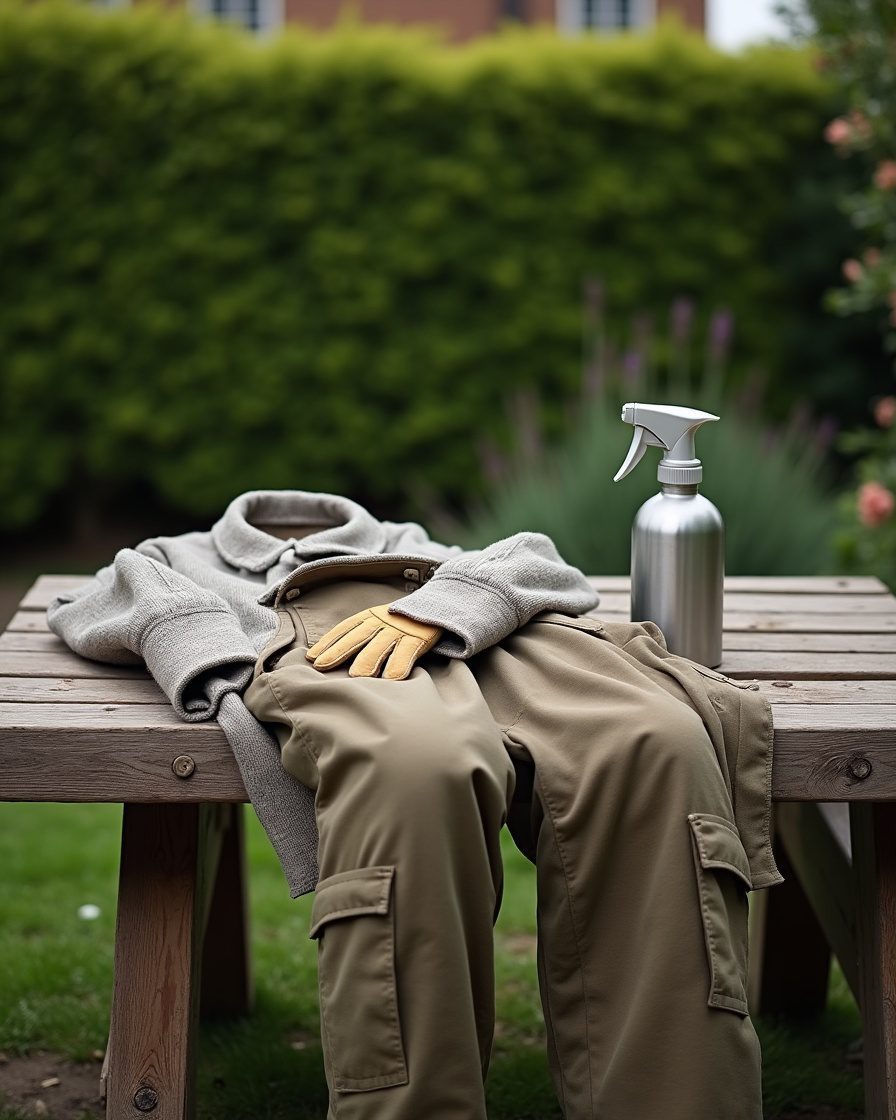
Prevention in the garden is two layers, worn together. The first is clothing: long sleeves, trousers tucked into socks, and gloves whenever your hands go somewhere you cannot see. That habit blocks the chigger climb, the mulch spider press, and most of the thrips landing zone.
The second layer is repellent. Choose a product from the EPA’s roster of registered skin-applied repellents, which covers active ingredients such as DEET, picaridin, and oil of lemon eucalyptus, and apply it exactly as the label directs, with attention to ankles and lower legs where chiggers board. Permethrin-treated garments add a strong layer against chiggers and ticks, with one firm rule: permethrin is for fabric and gear only, never skin, and treated items must dry completely before wearing, kept away from cats while wet. Finish with habitat pressure, since the UF chigger guidance ties heavy populations to damp, overgrown vegetation: mow, clear leaf litter, and keep the wild edge of the yard away from the beds you kneel in.
Common questions
Why do gardening bites show up hours later?
Because the most common garden biters feed without being felt. Chiggers attach painlessly, and the itch is a delayed immune reaction that typically begins four to eight hours after exposure, long after you have come inside.
Can I tell what bit me by looking at the bump?
Not reliably, and neither can anyone else. Extension entomologists are blunt that bite lesions look alike across many species. Body location, timing of the itch, and what you were doing are the useful evidence.
Are bites from thrips or pirate bugs dangerous?
No. They are probing skin, not feeding on blood, carry no known disease risk in this setting, and cannot infest your home. The marks fade within a day or two with basic anti-itch care.
Should I pop fire ant pustules?
No. The pustules are sterile when they form, and opening them creates an infection route. Wash gently, leave them intact, and let them resolve over about a week.
When is a garden bite an emergency?
When it is followed by trouble breathing, throat or facial swelling, widespread hives, dizziness, or collapse. Those are signs of a severe allergic reaction, so use prescribed epinephrine if available and get emergency medical help right away.
Final verdict
The garden bite mystery usually solves itself once you stop staring at the bump and start reading the pattern. Clustered welts under sock lines and waistbands that started itching hours later point to chiggers. An instant burn near disturbed soil that grew pustules points to fire ants. Sharp pinpricks on bare forearms with nothing to show point to thrips or minute pirate bugs, and a rash along a line of contact points to a plant, not an animal. Spiders are the rare exception, mostly a hazard of stored gloves and blind reaches. Whatever the culprit: wash, calm the itch with over-the-counter products used per their labels, keep your nails off the welts, and watch for spreading redness or fever. Next time, tuck your trousers, treat your socks, and put an EPA-registered repellent on your ankles before kneeling in the grass.
This article is for information only and is not medical advice.