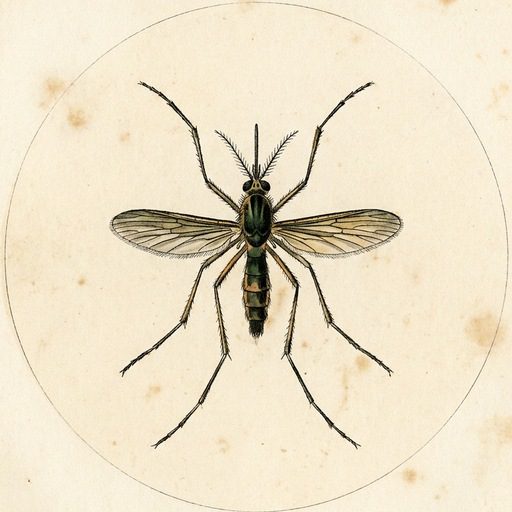
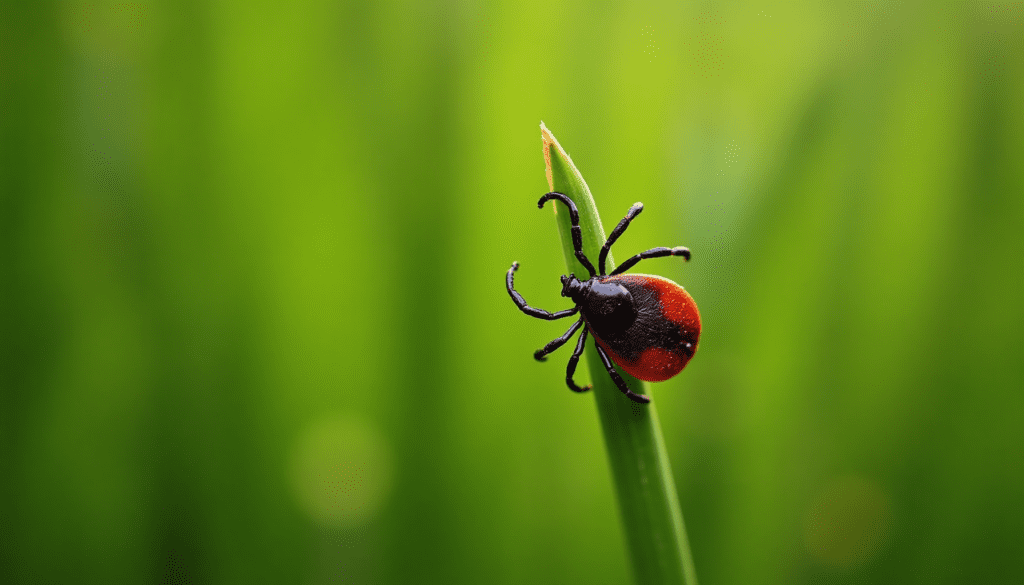
Most sores blamed on spiders are not spider bites at all, and a wound that keeps getting worse is more likely a bacterial skin infection. Confirmed spider bites are uncommon, usually mild, and start improving within a few days. A lesion that grows more painful, warm, and pus-filled over several days is behaving like an infection, whatever caused the first break in the skin.
- Points toward a bite: Itchy more than painful, appears fast, peaks in a day or two, then steadily fades.
- Points toward infection: Pain and redness that expand day after day, warmth, pus, or fever.
- Emergency: Trouble breathing, swelling of the face or throat, or fainting means seek emergency care right away.

Why “spider bite” is usually a guess
Here is the uncomfortable truth behind this whole comparison: almost nobody who says “a spider bit me” actually saw a spider do it. The wound appears, it looks angry, and the spider gets blamed as the most dramatic suspect available. The University of Kentucky’s review of mystery bites is unusually blunt about this: bug bites are difficult to diagnose even for physicians, and a spider bite diagnosis without the spider in hand should be regarded as little more than a guess. That is not a criticism of doctors. Skin simply has a limited repertoire of responses, and red, swollen, itchy, and sore describes a spider bite, a staph infection, a flea bite, and a detergent reaction equally well.
I want to say this plainly: you cannot reliably identify what bit you from the mark alone, and neither can I. What you can do is read the behavior of the lesion over time, because bites and infections follow different scripts. For the broader field guide to bite patterns, our insect bite identification chart covers the common culprits side by side.
What a true spider bite tends to look like
Spiders are reluctant biters, striking defensively when pressed against skin inside a shoe, a glove, or bed sheets, not because they hunt us. When a bite does happen, MedlinePlus notes that most spider bites are harmless and produce a reaction similar to a bee sting: localized redness, pain, and swelling that shows up quickly and then settles. The typical genuine spider bite is a single lesion in a covered location, appears within hours of a plausible encounter, is more sore or itchy than throbbing, and improves steadily over a few days to a week.
Now for the famous “two fang marks.” Spiders do have paired fangs, and textbook diagrams love the twin punctures, but in real life the marks are usually too small and too close together to see, and swelling hides them within hours. Two visible puncta is a rare finding, not the standard one, and a pair of dots is weak evidence in either direction.
Two North American spiders deserve their reputations, and they present differently from an infection. A black widow bite often feels like a pinprick followed within hours by cramping muscle pain spreading from the site, sometimes with sweating and nausea, a whole-body pattern no local skin infection produces. A brown recluse bite can blister and darken at the center over days. Both warrant a clinician promptly. For dangerous species, ranges, and what genuinely warrants worry, our hub on spider bite identification and when to worry goes deeper than this comparison can.
What a skin infection looks like instead
The single most common “spider bite” in clinics is a bacterial skin infection, very often a staph abscess. Community strains of Staphylococcus aureus, including the resistant type known as MRSA, cause round, red, swollen, painful lumps that come to a white or yellow pus head, blamed on spiders so routinely that clinicians treat “spider bite” on an intake form as a hint to think staph. The resemblance is close on day one. The difference is the trajectory.
An infection builds. Clinical references on bite complications describe secondary infection, typically from Staphylococcus aureus or Streptococcus pyogenes, announcing itself with increasing pain, warmth, pus, and sometimes red streaking. Note the word increasing. A bite reaction is loudest at the start and quiets down; an infection starts quiet and gets louder. By day three or four the two have usually walked in opposite directions, and that divergence is your most trustworthy clue.
There is also a hybrid case worth naming: a real bite that gets infected afterward. Scratching opens the skin, everyday bacteria move in, and a fading itchy bump reverses course and becomes hot, swollen, and tender. The original biter no longer matters at that point; the infection does. Our guide to the signs of an infected insect bite covers that turn in detail.
The day-by-day test
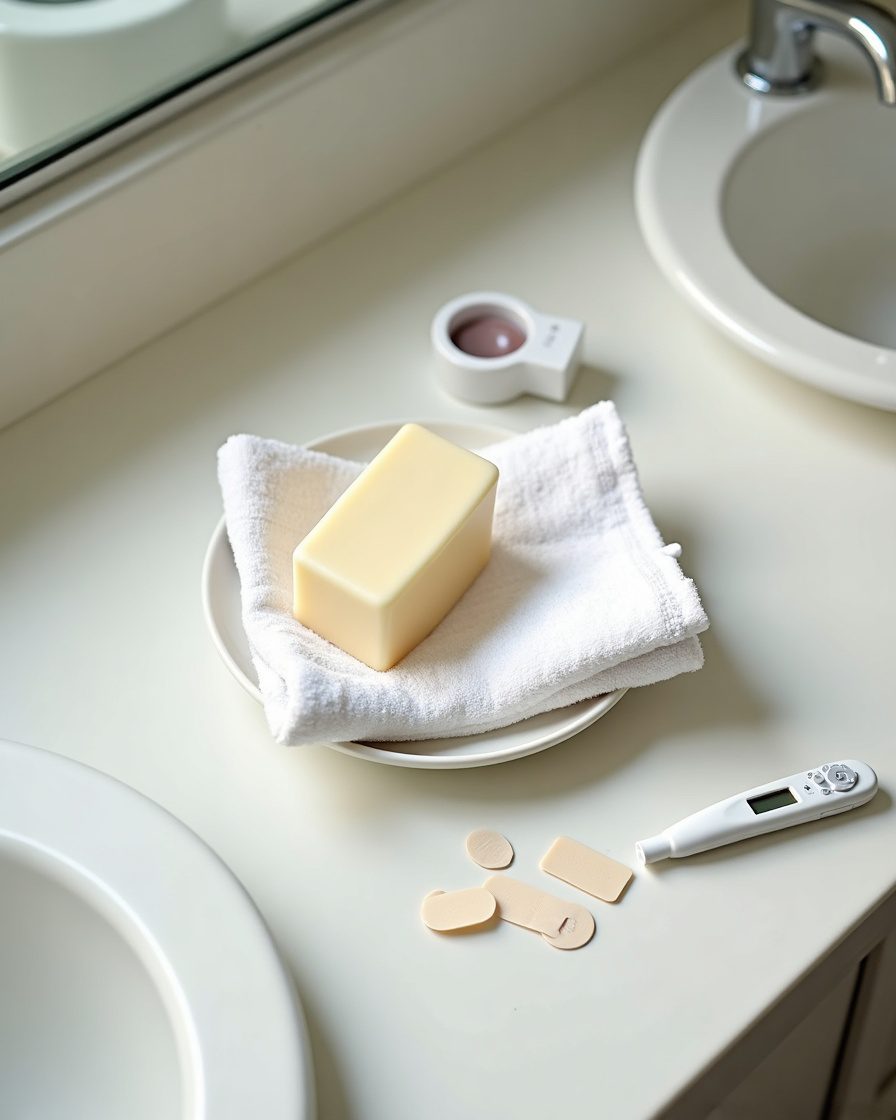
Compare the lesion’s behavior against this table. No single row is proof, and I am describing likelihoods rather than making a diagnosis, but several rows pointing the same way is a meaningful signal.
| Feature | Points toward a bite | Points toward infection |
|---|---|---|
| Onset | Appears within hours, often overnight or after outdoor time | Emerges and escalates gradually over one to several days |
| Main sensation | Itch first, soreness second | Deep, throbbing, growing pain |
| Trend by day three | Peaked and fading | Larger, redder, more painful than day one |
| Discharge | Usually none; maybe a small clear blister | Thick pus, a whitehead-like center, or oozing |
| Warmth | Mildly warm at first, cooling as it settles | Noticeably hot to the touch and staying hot |
| Whole body | You feel normal | Fever, chills, or feeling generally unwell |
| Borders | Redness stable or shrinking | Redness expanding, sometimes with red streaks |
A practical trick that costs nothing: photograph the lesion once a day in the same light, or gently trace the edge of the redness with a washable marker. Spread past the line within a day is exactly the kind of objective worsening a clinician wants to know about.
The necrosis myth
The internet is full of stories in which a spider bite “rots the flesh,” and this myth does real harm because it teaches people that any darkening, ulcerating wound must be a spider. In reality, brown recluse spiders occupy a limited range centered on the central and southern United States, and even where they are common, verified bites are infrequent and most heal without dramatic tissue damage. Meanwhile, plenty of conditions with nothing to do with spiders can produce open or dying tissue, untreated bacterial infections and circulation problems among them. A necrotic wound is a reason to see a clinician, never a reason to conclude “recluse” on your own, and blaming the spider can delay treatment for the infection actually doing the damage.
What else it might be
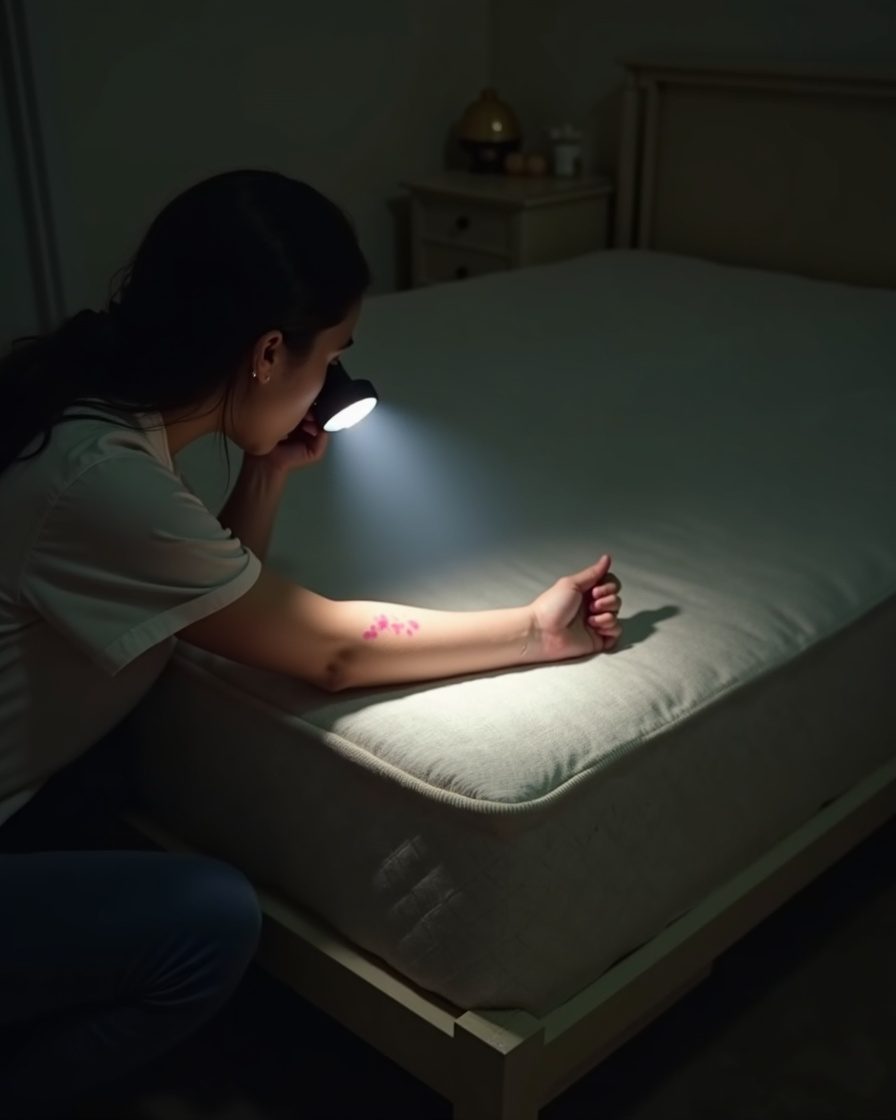
Because bite-source identification from the lesion alone is unreliable, an honest shortlist matters more than a confident wrong answer. If you have several bumps rather than one, the culprits are probably not spiders at all. Bed bug welts appear on skin exposed during sleep, and the University of Kentucky’s bed bug guidance is explicit that welts alone prove nothing and that confirmation requires finding the bugs or their signs along mattress seams and bed frames. Flea bites cluster around the ankles and lower legs. Mosquito bites are the classic random, scattered, intensely itchy singles. Our comparison of bed bug, flea, and mosquito bites sorts those three in detail.
Then there is the stranger territory the Kentucky review documents: bite-like irritation with no bite at all. Fiberglass and fabric fragments, static-charged particles settling on skin, new soaps, detergents, or cosmetics, and underlying conditions such as thyroid, liver, or kidney disorders and diabetes can all produce itching and red bumps that feel exactly like being bitten. If “bites” keep appearing with no insect ever found, widening the suspect list beyond arthropods is the correct next step, and one a clinician can help with.
Self-care while you watch and wait
Whether the lesion turns out to be a bite or an early infection, the first days of home care look the same. MedlinePlus recommends you wash the area well with soap and water and apply a cool compress or cloth-wrapped ice in short sessions to ease swelling. For itch, an over-the-counter hydrocortisone cream, calamine, or an oral antihistamine can help; for soreness, an over-the-counter pain reliever. In every case, follow the product label, and check with a pharmacist or clinician if you take other medications or are treating a child.
Two things not to do. Do not squeeze or lance a pus-filled lump yourself; pushing on an abscess can drive bacteria deeper. And resist scratching, since broken skin from fingernails is the most common way a harmless bite converts into the infection you were worried about. Short nails and a plain adhesive bandage are unglamorous and effective. For the complete step-by-step, our insect bite and sting first aid guide covers cleaning, compresses, and itch control in order.
When a culture matters
If a sore is draining pus, a clinician can do something no amount of home inspection can: swab the drainage and culture the bacteria. A culture identifies which organism is growing and which antibiotics it responds to, which matters because some community staph strains shrug off older antibiotics. It is also the honest answer to the identification problem this article opened with. You cannot culture a story about a spider, but you can culture a wound, and for a stubborn or recurring infection that test replaces guesswork with an answer. If you get abscesses repeatedly, mention that history, since it changes what a clinician looks for.
See a clinician if
This is information, not a diagnosis, and the safest reading of an ambiguous lesion is the cautious one. Book a prompt visit if you notice any of the following:
- Redness that is spreading day over day, or red streaks running from the wound
- Fever, chills, or feeling generally unwell alongside the skin problem
- Pus, cloudy drainage, or a growing pus-filled head
- Pain that is worsening after the second or third day instead of easing
- A hard, hot, swollen lump, or a wound that blisters, darkens, or opens
- Any suspected bite followed by muscle cramping, sweating, or nausea
- A wound near the eye, on the face, or over a joint
- Diabetes, a weakened immune system, or poor circulation, which raise infection risk
- No improvement at all after several days of home care
And one emergency rule: trouble breathing, tightness in the throat, swelling of the lips, tongue, or face, widespread hives, or fainting means seek emergency care immediately. Those are signs of a severe allergic reaction, and they do not wait for an appointment.
Common questions
Do spider bites always leave two puncture marks?
No. The paired fangs of most spiders are so small and close together that the punctures are rarely visible, and swelling hides them quickly. Missing puncta do not rule a spider out, and two dots prove nothing. Judge the lesion by its behavior over several days instead.
Can I tell MRSA from a spider bite at home?
Not reliably. Early staph abscesses and inflamed bites look alike. The useful signals are trajectory and discharge: an abscess grows more painful and comes to a pus head, while a bite peaks early and fades. Any pus-producing, worsening lump deserves a clinician, who can culture the drainage and know for certain.
I have a row of bumps. Is that a spider that bit me several times?
Almost certainly not. Spiders bite defensively, usually once. Several welts in a line or cluster point instead to bed bugs, fleas, or another repeat feeder, so inspect the bed and note where on your body the bumps sit before blaming a spider.
How does an ordinary bite become infected?
Usually through scratching. Fingernails break the skin and carry everyday bacteria into the opening, and a fading itchy bump then reverses course, becoming warmer, more painful, and swollen. That reversal is the classic signature of a secondary infection and a good reason to get the wound looked at.
Will an infected bite heal on its own?
A mildly irritated bite often settles with washing and basic care, but a true bacterial infection tends to advance without treatment, and an abscess generally needs professional drainage. Expanding redness, fever, or pus means the window for watch-and-wait has closed.
The bottom line
“Spider bite versus infected bite” is usually the wrong contest, because most lesions carrying the spider label were never spider bites. What you can actually observe is the script the wound follows. A bite arrives fast, itches more than it hurts, peaks within a day or two, and fades. An infection builds, deepens, warms, and spreads, often producing pus and sometimes fever. Wash the area, use over-the-counter relief per the label, keep your fingernails off it, and photograph it daily. If the picture is worse on day three than on day one, stop debating spiders and get the wound in front of a clinician, who can culture what is actually there. The mark cannot tell you its origin story, but its behavior will tell you what to do next.
This article is for information only and is not medical advice.