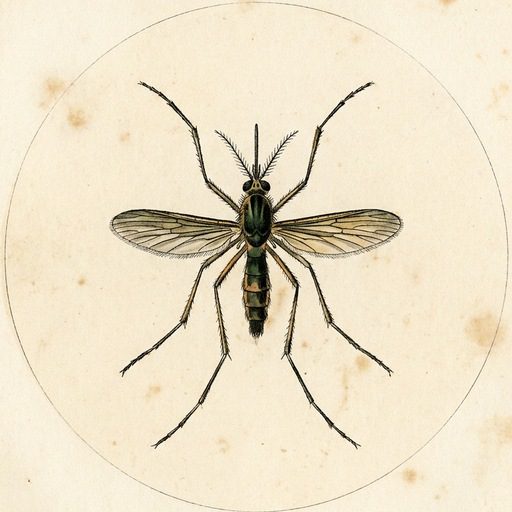
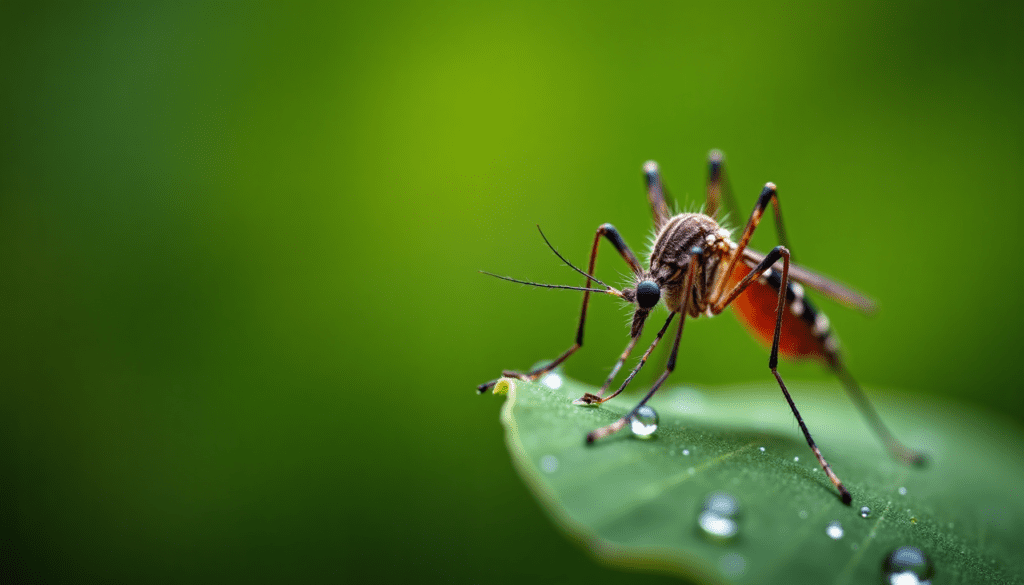
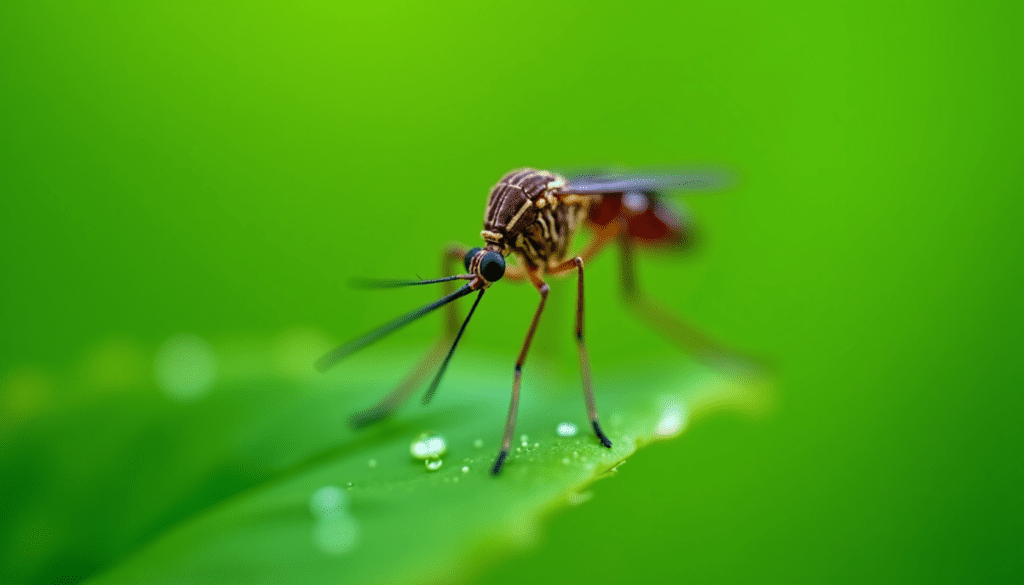
Heat rash is a crowd of tiny, uniform, pinpoint bumps packed into the places where sweat gets trapped, like the neck, chest, back, and skin folds. Bug bites are fewer, larger, randomly scattered welts that favor skin that was exposed, and each one often has a tiny central puncture point. Read the pattern, not the individual bump.
- Points to heat rash: Dozens of same-sized pinpoint bumps in a sweaty, covered zone, appearing after heat and easing within days once you cool off.
- Points to bites: A handful of mismatched itchy welts on ankles, arms, or other exposed skin, sometimes with a visible center dot.
- The red flag either way: Spreading redness, warmth, pus, or fever means see a clinician rather than keep guessing.
Why the pattern matters more than the bump
Here is the honest starting point, and it comes straight from the entomologists who investigate these cases for a living. The University of Kentucky’s mystery-bites guidance is blunt that bug bites are difficult to diagnose from appearance alone, even for physicians. A single red bump on your arm carries almost no information. What carries information is the arrangement, timing, and location of the whole outbreak, and that is exactly where heat rash and bug bites part ways.
Heat rash, which clinicians call miliaria and grandparents call prickly heat, happens when sweat ducts get blocked and sweat leaks into the surrounding skin instead of reaching the surface. Because the cause is your own trapped sweat, the rash shows up where sweat gets trapped: the neck, upper chest and back, skin folds, and anywhere snug clothing holds moisture against skin. Bug bites follow the opposite logic. Something had to reach your skin and feed, so bites favor skin that was available, usually exposed ankles, shins, forearms, neck, and face. Hold those two logics in mind and most cases sort themselves in about a minute.
What heat rash looks like up close
The signature of heat rash is uniformity. You are looking at many tiny bumps of the same size, often pinhead-small, packed close together across a patch of skin. In the mildest form they look like little clear beads of trapped sweat; more commonly they are small red bumps that sting or prickle rather than itch deeply, which is where the name prickly heat comes from. There is no puncture mark in the center of any of them, because nothing punctured you.
Timing is the second tell. Heat rash follows heat. It blooms during or shortly after a hot day, a workout, or a night of sweating under heavy bedding, and it starts to settle within hours to a few days once the skin is cool and dry. It also respects clothing in the opposite way bites do: the rash concentrates under the shirt, the waistband, and the other covered, occluded zones. If your bumps live where your clothes are and arrived with the heat, you are very likely looking at miliaria rather than anything that bit you.
What bug bites look like up close
Bites are the disorderly cousin. A clinical review of arthropod bites describes the typical picture as itchy red papules and wheals that may be solitary, grouped, or scattered depending on the culprit, and notes that bites concentrate on exposed skin or where clothing presses against the body. In practice that means a bite outbreak is usually a handful of welts, not a carpet of them, and the welts are mismatched: one big, one small, one already scabbed from scratching.
Two more details separate bites from a sweat rash. First, many bites show a tiny central punctum, the puncture point where mouthparts went in, visible as a pinpoint dot or tiny scab at the center of the welt. Heat rash never has one. Second, bites itch in a way heat rash usually does not. MedlinePlus notes that mosquito and flea bites usually itch while stings tend to hurt; heat rash tends to prickle or sting faintly instead of producing that deep, maddening itch. If you woke up with three welts on your ankle that you cannot stop scratching, think bite. If your chest prickles under your shirt after a humid afternoon, think sweat.
The one-minute side-by-side check
| Clue | Heat rash (miliaria) | Bug bites |
|---|---|---|
| Bump size | Uniform, pinpoint, dozens alike | Mixed sizes, usually fewer |
| Arrangement | Dense patch in one sweaty zone | Random scatter, lines, or small clusters |
| Location | Covered skin: neck, chest, back, folds, under waistbands | Exposed skin: ankles, shins, arms, face, or sock and waist lines |
| Center dot | Never | Often a tiny punctum or scab |
| Sensation | Prickling, mild stinging | True itching, sometimes intense |
| Timing | During or right after heat and sweating | Any time; often noticed on waking or after time outdoors |
| Course | Fades in hours to days once cool and dry | Each welt lasts days; new ones appear if exposure continues |
No single row of that table is proof on its own. Stack three or four rows pointing the same way and you have as much certainty as skin inspection honestly allows.
If it is bites, the realistic shortlist
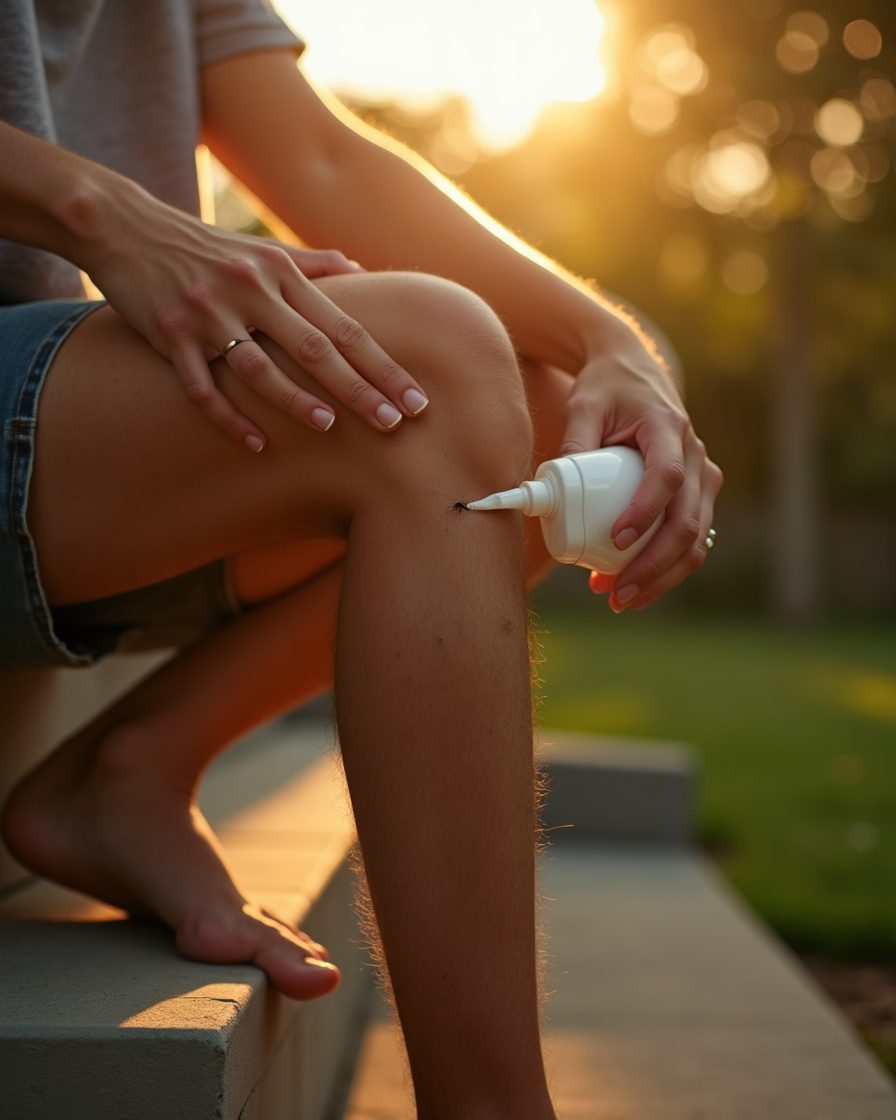
Once the pattern says bites, the next question is which bug, and the candidates in and around a home are a short list. Mosquitoes leave puffy, randomly placed welts on skin that was exposed outdoors, classically in the evening; our guide to mosquito bite treatment and relief covers calming them down. Fleas favor the lower legs and ankles, often in small clusters of two or three, and usually mean a pet or an infested floor is in the picture. Bed bugs tend to bite skin exposed during sleep, sometimes in a loose row, and the giveaway is finding the bugs or their spotting in the bed rather than the bites themselves. If you are weighing those three against each other, our side-by-side on bed bug bites vs flea bites vs mosquito bites walks through the differences in detail.
Chiggers are the summer special: intensely itchy welts banded around the sock line, ankles, and waistband a few hours after time in tall grass, because the larval mites climb until snug clothing stops them. As for the culprit everyone reaches for first, MedlinePlus points out that most spider bites cause only minor local reactions, so a mystery welt is rarely one. Without catching the animal in the act, naming a specific biter from the lesion is little more than a guess. For a broader visual walkthrough, start with our insect bite identification chart.
What it is probably not, and the lookalikes worth knowing
The mystery-bites literature exists because so many bite-like outbreaks turn out to involve no bug at all. Beyond heat rash, the Kentucky guidance lists a long roster of non-insect causes that produce bite-like bumps and prickling: tiny fibers from paper, insulation, or new fabric clinging to skin; dry winter air; reactions to detergents, soaps, and cosmetics; and health factors ranging from medications to thyroid conditions. Contact dermatitis from a new laundry product can scatter itchy bumps under clothing in a way that mimics both conditions at once.
A few other lookalikes are worth a glance. Folliculitis, irritation of hair follicles after sweating or hot tubs, makes red bumps centered on hairs, sometimes with a tiny white head, and can pass for either condition. Hives come and go within hours and migrate around the body, which neither bites nor miliaria do. And some bites blister rather than welt; our piece on insect bites that blister covers when a fluid-filled bump fits a bite story. The working rule stays the same: describe the pattern honestly, hold the conclusion loosely, and let a few days of simple care confirm or overturn your guess.
Babies and small children: a special case
Both conditions are more common and harder to read in babies, so this section stays deliberately cautious. Infants get heat rash easily because their sweat ducts are immature, and it typically shows in the neck folds, upper chest, and diaper-adjacent creases, especially after being bundled, riding in a car seat, or sleeping warm. Small children also react to bites more dramatically than adults, sometimes raising large welts from ordinary mosquito bites, which makes size alone an unreliable clue at that age.
The practical advice here is short. For suspected heat rash in an infant, cooling is the whole treatment: lighter layers, a cooler room, and dry skin, with no creams or powders unless a clinician recommends them. For anything on a baby that you cannot confidently explain, that is spreading, that blisters, or that comes with fever, fussiness, or poor feeding, call your pediatrician rather than self-diagnosing from articles, this one included. Infant skin conditions overlap heavily, and a clinician who can see and touch the rash will sort in seconds what a parent with a search engine cannot.
Self-care that helps either way
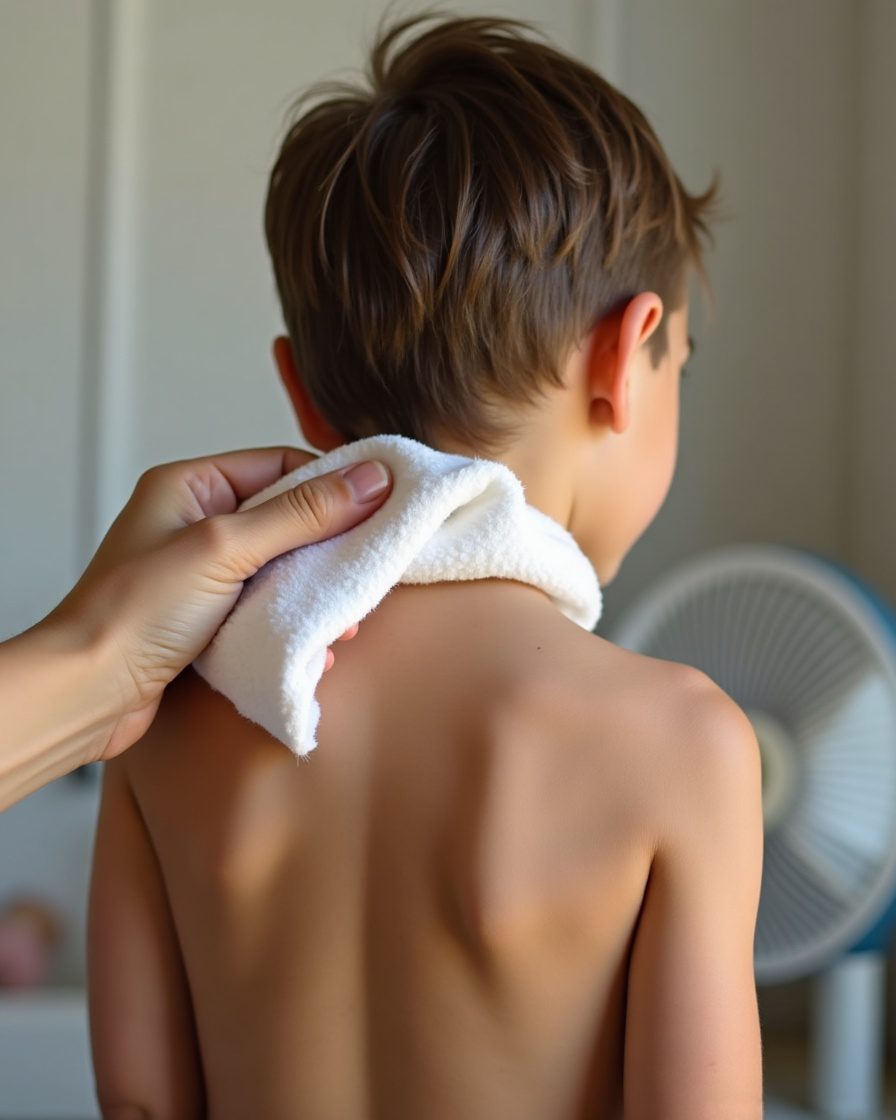
The comfortable news is that mild cases of both conditions respond to simple, low-risk care, so you do not need a perfect diagnosis to start. For heat rash, the treatment is cool and dry: get out of the heat, loosen or shed the occluding clothing, let the skin air, and use a cool compress on the prickly patch. Most miliaria settles on its own once sweat stops feeding it. Skip heavy ointments on a fresh heat rash, since sealing the skin can keep the ducts blocked.
For bites, the first-aid playbook is equally plain. MedlinePlus advises to wash the area with soap and water, apply ice, and use an antihistamine or anti-itch cream for symptoms. An over-the-counter hydrocortisone cream or calamine lotion calms individual welts, and an oral antihistamine helps when itching disturbs sleep; in every case follow the product label for dosing and age limits rather than any figure you read online. The real job is to avoid scratching welts open, because broken skin is how a nuisance bite becomes an infected one. Our guide to infected bite signs covers what that looks like. And if bites keep arriving, prevention beats treatment: an EPA-registered insect repellent chosen and applied per its label protects the exposed skin that biters target, which is a step heat rash will never require.
See a clinician if
This article describes patterns and likelihoods; it does not diagnose, and neither should you when any of the following shows up:
– Redness that spreads outward from a bump over hours to days, or a warm, hard, swollen area around it
– Pus, oozing, honey-colored crusting, or red streaks moving away from the site
– Fever or chills alongside any skin outbreak
– A rash on an infant that you cannot explain, that blisters, or that comes with fever or unusual drowsiness, which is a call to your pediatrician
– Bumps that persist beyond one to two weeks of sensible care, keep multiplying without an obvious source, or blister widely
– Any trouble breathing, swelling of the lips, tongue, or throat, dizziness, or widespread hives after a bite or sting: treat that as an emergency, use prescribed epinephrine if it has been prescribed, and get emergency medical help immediately
None of those signs is a verdict on which condition you had. They are the point where pattern-reading at home stops being the right tool.
Common questions
Can heat rash itch like bug bites?
It can itch mildly, but the character differs. Heat rash tends to prickle or sting faintly across a whole patch, while bites produce a focused, insistent itch at each welt. If one or two spots dominate and demand scratching, bites are the better bet.
Why do I only get bumps at night in summer?
Both explanations are plausible, so use the location test. Sweating under warm bedding produces heat rash on covered skin like the chest and back, while bed bugs and night-active mosquitoes hit exposed arms, face, and lower legs. Where the bumps sit usually answers it.
How fast does heat rash go away?
Usually within a few days once the skin stays cool and dry, and the mildest forms can clear within hours. Bumps that persist for a week or more despite cooling deserve a rethink, and possibly a clinician’s eyes.
Do I need to identify the exact bug before treating bites?
No. Basic care of washing, cold compresses, and label-directed anti-itch products is the same for nearly all common bites. Exact identification matters mainly for prevention, and the bite alone often cannot give it to you anyway.
The bottom line
Heat rash and bug bites are pattern problems, not bump problems. A dense field of uniform pinpoint bumps in a sweaty, covered zone that arrived with the heat is miliaria, and it wants nothing more than cool, dry skin. A scatter of mismatched, genuinely itchy welts on exposed skin, each perhaps with a tiny central dot, is bites, and it wants simple label-directed relief plus a look at what has been biting. Hold your conclusion loosely, give simple care a few days to confirm it, and hand the case to a clinician the moment infection signs, fever, an unexplained infant rash, or any breathing trouble enters the picture.
This article is for information only and is not medical advice.