
nn
n
Most oversized bug bites are large local reactions, which means your immune system is overreacting to proteins in an insect’s saliva or venom, not that the bite itself was dangerous. A reaction like this can spread several inches, feel hot and tight, and still settle on its own over several days.
n
- n
- Usually fine: A big, itchy, warm swelling that shows up within hours of the bite and then slowly improves.
- See a clinician: Redness that keeps expanding after the first day or two, fever, pus, or growing pain.
- Emergency, right now: Trouble breathing, throat tightness, widespread hives, or swelling of the face or mouth. Get emergency medical help immediately.
n
n
n
n
nn nn
nn
What a normal bite looks like, and what counts as large
nnA typical insect bite is small and boring. Mosquitoes, fleas, and mites usually leave an itchy bump or wheal roughly the size of a pea to a dime that flares, itches for a day or a few days, and fades. The National Library of Medicine’s overview of insect bite and sting symptoms lists the familiar set: redness, swelling, itching, sometimes pain or burning, and notes that most bites can be handled at home. That baseline is what makes a big reaction look so alarming.nnA large local reaction is different in scale but usually not in kind. Instead of a small bump, a zone of contiguous swelling grows outward from the bite over the first day or two, sometimes spanning much of a forearm, hand, or shin. The skin feels warm, tight, and often shiny, and the area may ache as much as it itches. What defines it as a local reaction is exactly that: it stays connected to the bite site. It does not jump to other parts of the body, and once it peaks, it recedes over roughly three to ten days.nn
Why your immune system inflates one bite and shrugs off another
nnThe swelling is not the insect’s doing in any direct sense. A feeding mosquito, flea, or biting fly injects saliva loaded with proteins that keep your blood flowing; a stinging insect injects venom instead. Your immune system treats those foreign proteins as invaders and responds with histamine and other inflammatory chemicals, which produces the redness, fluid, warmth, and itch. A clinical review of arthropod bites notes that allergic responses to arthropod saliva are a core mechanism behind both the everyday welt and the exaggerated one. In a sensitized person the same tiny dose triggers a much bigger release, so the size of the reaction mostly reflects your immune system, not the menace of the bug.nnTwo useful consequences follow. First, the same species can bite two people side by side and leave a barely visible dot on one and a hot, hand-sized swelling on the other. Second, reactions can be delayed: University of Kentucky entomologists note delayed reactions are common with mosquitoes, ticks, and chiggers, which is why people fail to connect a dramatic welt with yesterday’s time outdoors. A bite that “appeared out of nowhere” overnight is a normal pattern, not a red flag by itself.nn
The realistic culprit shortlist for big swelling
nnSome biters and stingers are simply more likely to produce a large reaction. Stinging insects such as bees, wasps, hornets, and yellow jackets lead the list: venom causes immediate pain and swelling, and in some people the sting site keeps expanding for a day. Horse flies and deer flies are close behind; their bites cut the skin rather than piercing it neatly, and the clinical literature describes them producing pronounced inflammation with large urticarial wheals. Fire ants are their own case: a burning sting that becomes a distinctive sterile pustule within about a day, often in clusters.nnMosquitoes belong on the list because sensitivity to them varies so widely, which the next section covers. The modest swellers are worth knowing for contrast. Flea bites cluster low, around ankles and lower legs, as small hardened itchy welts. Bed bug bites appear on skin exposed during sleep, sometimes in rows, usually as small papules. Chigger welts are hard, intensely itchy, and concentrated where clothing presses tight, at sock lines and waistbands. To match a welt pattern to a likely biter, our insect bite identification chart lines these patterns up side by side.nnSpiders deserve a calming word, since they are blamed for swollen mystery welts constantly, and mostly wrongly. The National Library of Medicine is plain that most spider bites are harmless and produce a reaction similar to a bee sting. If a spider is genuinely on your suspect list, our guide to spider bites and when to worry walks through the few cases that matter.nnOne honest caveat sits over this whole list. The University of Kentucky’s extension entomologists, who investigate unexplained bite complaints professionally, state that bug bites are difficult to diagnose, even by physicians, and that identification really rests on catching the arthropod, not on reading the welt. Treat any bite-to-bug match, including ours, as a probability, not a verdict.nn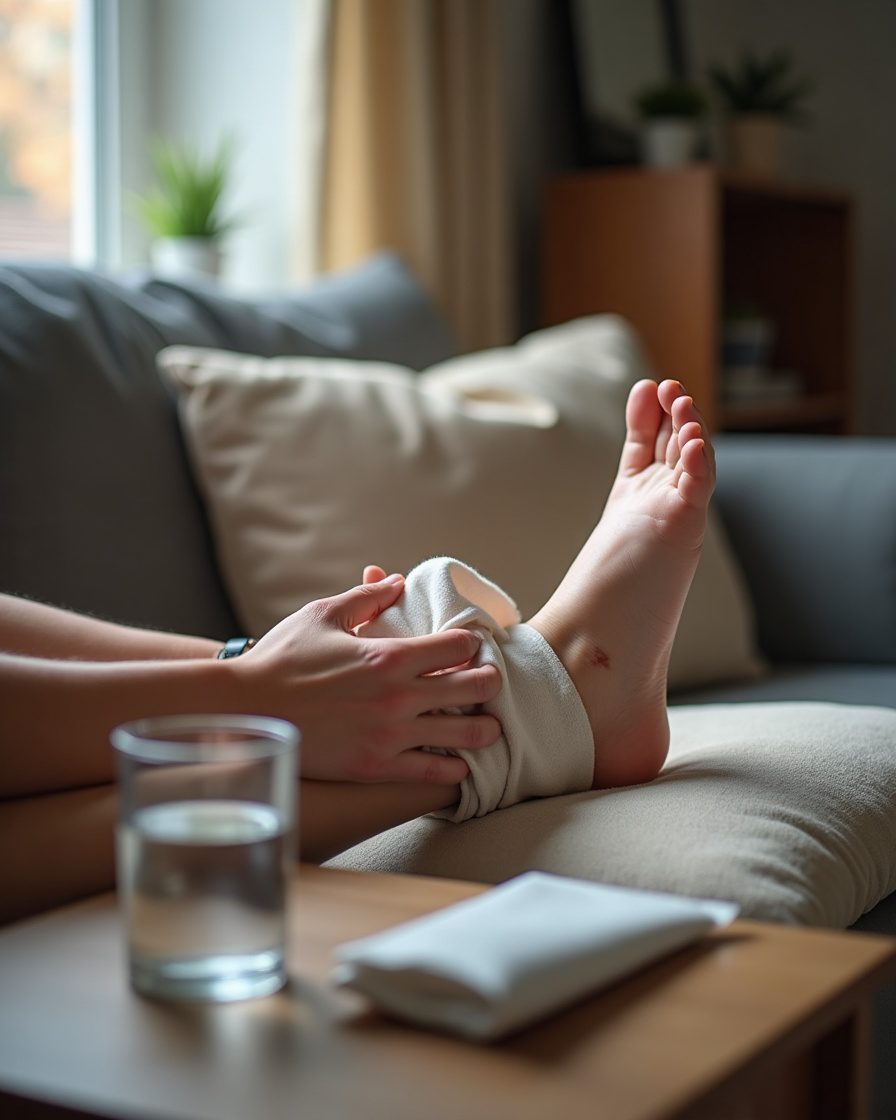 nn
nn
Skeeter syndrome and other oversized mosquito reactions
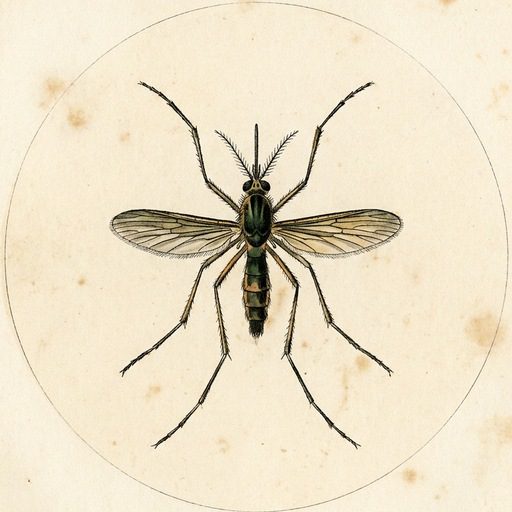
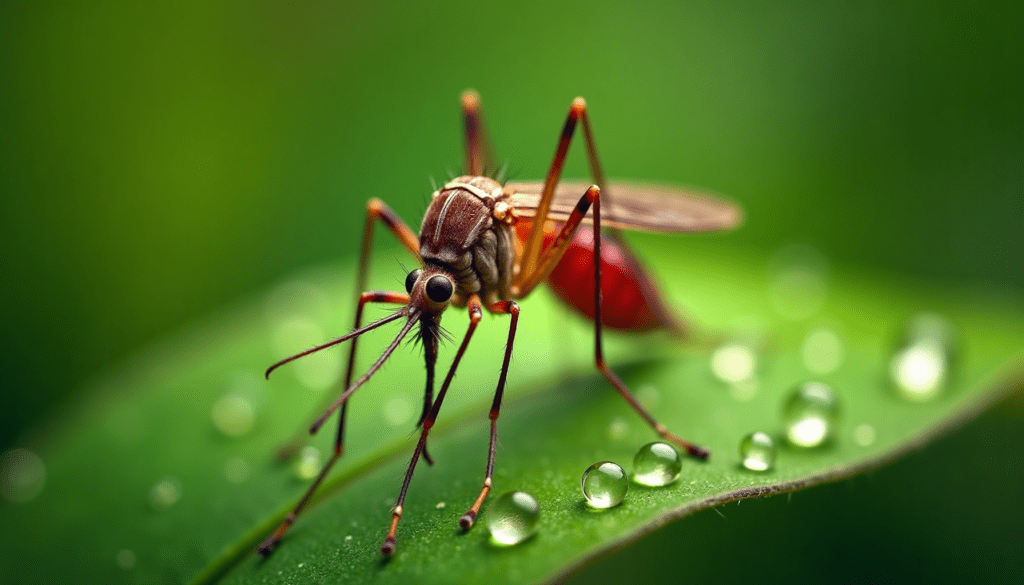
nnMosquito bites are the most common trigger for the “why is this so huge” question, especially in children. Clinicians sometimes describe unusually large mosquito-bite reactions as skeeter syndrome: an exaggerated allergic response to proteins in mosquito saliva that turns a routine bite into a hot, swollen area within hours. It looks dramatic, and because the skin is red and warm it is regularly mistaken for infection.nnTiming is the most useful separator. An allergic swelling like this arrives fast, usually within hours of the bite, and then starts improving; an infection almost never blooms that quickly from a fresh bite. Children often repeat these reactions each mosquito season, and they frequently become less dramatic as the immune system gets used to local mosquito species. Cool compresses and an oral antihistamine used per the label do most of the work; our mosquito bite treatment and relief guide covers the routine. A severe first episode, or any large reaction in an infant, is a fair reason to check in with a clinician rather than self-manage.nn
Swelling, infection, or emergency: reading the timeline
nnThree different things can make a bite area look angry, and they run on different clocks. A large local reaction is early and improving: it grows over a day or two, peaks, then recedes. Cellulitis, a bacterial skin infection that usually starts when scratching breaks the skin, emerges later and worsens: redness keeps advancing after day two, pain deepens, the area gets hotter, and fever or red streaks can join in. The National Library of Medicine’s home-care advice ends with exactly this instruction, to watch the site over the following days for increasing redness, swelling, or pain. An allergic emergency is the opposite of local: symptoms appear away from the bite, across the whole body, and fast.nn
| Reaction | Typical timing | What you notice | What to do |
|---|---|---|---|
| Normal bite bump | Minutes to hours, fades within days | Small itchy wheal at the bite | Cool compress, anti-itch cream per label |
| Large local reaction | Grows over 1 to 2 days, improves over 3 to 10 | One warm, tight swelling attached to the bite site | Cold compress, elevation, antihistamine per label; clinician if severe |
| Cellulitis (infection) | Appears or worsens after day 1 to 2 | Advancing redness, deepening pain, heat, pus, fever, red streaks | See a clinician promptly |
| Allergic emergency | Minutes to about an hour | Trouble breathing, throat tightness, face swelling, widespread hives, faintness | Emergency medical help immediately; prescribed epinephrine if available |
nnThe pattern to internalize is simple: early and improving points to allergy, later and worsening points to infection, and anything involving breathing, the face, or the whole body is an emergency. If the infection column sounds like what you are seeing, our guide to the signs of an infected insect bite covers what a clinician will look for and do.nn
When a swollen “bite” is not a bite at all
nnBite-like swellings have an impressive list of impostors, and it is worth ruling them out before blaming an insect nobody saw. The University of Kentucky’s mystery-bite investigators find that itching and welts often trace to non-insect causes such as household products, airborne fibers, and skin-irritating environmental factors: detergents, cosmetics, insulation or paper fibers on exposed skin, and plain winter-dry skin. Medical conditions and medications produce bite-like itching too, and hives from food or drug reactions are regularly mistaken for a sudden swarm of bites.nnA few practical separators help. Real bites are usually discrete, with an identifiable center, and favor exposed or clothing-edge skin; irritant reactions run more diffuse and follow exposure patterns, such as forearms that handled dusty material. Blistering is its own branch of the tree, and our overview of insect bites that blister sorts those causes apart. When welts keep appearing and no pest is ever seen or caught, a dermatologist is the right next stop, and that is the advice professional entomologists themselves give.nn
Calming a big swollen bite at home
nnHome care for a large local reaction is unglamorous and effective. Start with soap and water, then cold: the standard first-aid rhythm is a wrapped ice pack about ten minutes on and ten minutes off, repeated as needed. If the bite is on a limb, elevating it for the first day helps the fluid drain. An oral antihistamine takes the edge off the allergic response itself; a hydrocortisone or calamine product calms the surface itch; acetaminophen or ibuprofen can handle the ache. Follow the label on every product, and do not layer multiple antihistamines together.nnThe single most valuable behavior is not scratching, because broken skin is the doorway to the infection outcomes above. Keep nails short, cover the site loosely if needed, and let the reaction run its course. Our insect bite and sting first aid guide walks the full sequence, including stinger removal. And since people who react big once tend to react big again, prevention pays unusually well: an EPA-registered repellent chosen through the agency’s search tool, applied per label before yard work and evening hours, is the cheapest way to skip the whole cycle.nn nn
nn
See a clinician if
nn
- n
- The redness or swelling keeps expanding after the first 48 hours instead of holding steady or shrinking.
- You develop a fever, chills, or a general unwell feeling alongside the bite.
- The site becomes increasingly painful, hot, or hard, or begins draining pus.
- Red streaks extend from the bite toward the body.
- The swelling sits somewhere unforgiving, such as around an eye, the lips, or over a joint, and interferes with function.
- The reaction has not clearly improved after about a week of home care.
n
n
n
n
n
n
nnTreat the following as an emergency, not a wait-and-see: trouble breathing or wheezing, tightness in the throat or difficulty swallowing, swelling of the face, mouth, or tongue, widespread hives far from the bite, or feeling faint. Get emergency medical help right away, and if the person carries prescribed epinephrine, use it as directed while help is on the way. To be plain about our role here: this article describes patterns and likelihoods so you can decide what kind of help you need. It is not a diagnosis, and no article can be.nn
Common questions
nnHow long should a large bite reaction take to go down?n
Most large local reactions peak within the first two days and then improve steadily over three to ten days. Mild residual firmness or discoloration can linger a little longer. The direction of travel matters more than the calendar: improving is reassuring, worsening after day two is what earns a clinician visit.
nnWhy do my bites swell hugely now when they never used to?n
Sensitivity to insect saliva and venom shifts over a lifetime. Reactions to unfamiliar local species, for example after a move, often run larger for a season or two, and repeated exposure can push sensitivity in either direction.
nnCan anyone tell what bit me from the swelling alone?n
Not reliably. Extension entomologists who handle these cases professionally note that even physicians struggle to name a culprit from the lesion alone. Location, pattern, timing, and where you have been narrow the list; only catching the arthropod confirms it.
If you are still not sure what you are looking at, our What bit me? wizard works through it in four questions.
nn
Final verdict
nnA bug bite that swells far beyond its neighbors is usually a large local reaction: your immune system overplaying its hand against a drop of insect saliva or venom, most often from a stinging insect, a horse or deer fly, or a mosquito in a sensitized person. It looks worse than it is, stays attached to the bite site, and fades over days with cold compresses, elevation, and label-dose antihistamines. Two situations change the plan: a site that keeps worsening after the first day or two points toward infection, and any whole-body symptoms such as trouble breathing or face swelling are an emergency in the first minutes, not a watch-and-wait. Read the timeline, keep your nails off the itch, and let the boring home care do its quiet work.nnThis article is for information only and is not medical advice.n
Pingback: Insect Bites That Blister: Causes and Treatment
Pingback: Bug Bites That Look Like Pimples: How to Tell
Pingback: Bug Bites on Ankles Only? The Usual Suspects
Pingback: Insect Bite Identification Chart