\
\
\
A bite usually shows a tiny dark central point where the insect fed, itches from day one, and sits on exposed skin or where clothing meets skin. A pimple builds a white or yellow pus head over a few days, sits on a hair follicle, and favors the face, chest, back, and thighs. No one, including a clinician, can reliably name the insect from the bump alone, so read the location and the timeline, not just the bump.
\
- \
- Points to a bite: A pinpoint dark center, early itching, bumps on ankles or skin left uncovered overnight, new bumps appearing in crops.
- Points to a pimple or folliculitis: A pus head, a hair in the middle of the bump, clusters where clothing rubs or after shaving, hot tubs, or sweaty workouts.
- The red flag either way: Spreading redness, warmth, pus, or fever means see a clinician; trouble breathing or face swelling means get emergency care right away.
\
\
\
\
\
\
 \
\
\
If that is the question you actually arrived with, start with Why Some Bug Bites Swell So Large (and When to Worry).
Why bites and pimples are so easy to confuse
\
\
Both start from the same raw material: a small, red, raised, inflamed bump. Clinical references describe insect bites as red papules that can be solitary, grouped, or scattered across the body, and early acne or an inflamed follicle produces almost exactly the same silhouette. At arm’s length, on day one, they can be genuinely indistinguishable.\
\
Even trained eyes struggle here. The University of Kentucky’s entomology department, in its guide to unexplained bite-like reactions, is blunt that identifying a culprit from the lesion alone is little more than a guess, even for physicians. The bump by itself is weak evidence. What actually separates a bite from a pimple is everything around the bump: where it sits, when it appeared, how it changed over the next three days, and what else was going on in the room, the yard, or your routine.\
\
What follows describes patterns and likelihoods, not diagnoses; the goal is to read those surrounding clues well enough to act sensibly, and to know when the sensible act is handing the question to a clinician.\
\
The center of the bump is the best single clue
\
\
If you only check one thing, check the middle of the bump in good light.\
\
A feeding insect pierces the skin at a single point, and that point often remains visible as a tiny dark red or purplish pinpoint at the center of the bump, sometimes called a punctum. Flea bites are the classic example: clinical descriptions note their central hemorrhagic point inside a small red papule. That dark center is dried blood at the puncture site; it never comes to a head.\
\
A pimple works from the opposite direction. It starts as a blocked hair follicle, and over two to four days the trapped material pushes up into a white or yellow pus head. Look closely and you will often see a hair emerging from the center, or blackheads and whiteheads on the same patch of skin. A bump that develops a squeezable head is a follicle problem, not a bite.\
\
Two cautions: a scratched-open bite can crust over and mimic a head, so judge bumps you have not picked at, and some bites, bed bug welts especially, never show a visible punctum at all. When the center clue is absent, lean on location and timeline instead.\
\
The realistic culprit shortlist
\
\
When pimple-like bumps really are bites, three culprits account for most cases. Our full insect bite identification chart covers the wider field, but these are the ones worth checking first.\
\
Flea bites
\
\
Flea bites are the most pimple-like of the common bites: small, firm, red papules, often with the dark central point, and intensely itchy. Fleas live low, jumping from floors, carpets, pet bedding, and grass, so bites cluster on the ankles, lower legs, and feet, sometimes around the waistband where clothing gives them a boundary. The usual source is a dog or cat, since adult fleas spend most of their time on the animal, and the University of Kentucky’s flea guidance describes dark pepper-like droppings in a pet’s fur and the white-sock walk test as ways to confirm an infestation. If you have pets and ankle-level bumps, start there; our guide to flea bites on humans covers treatment.\
\
Bed bug bites
\
\
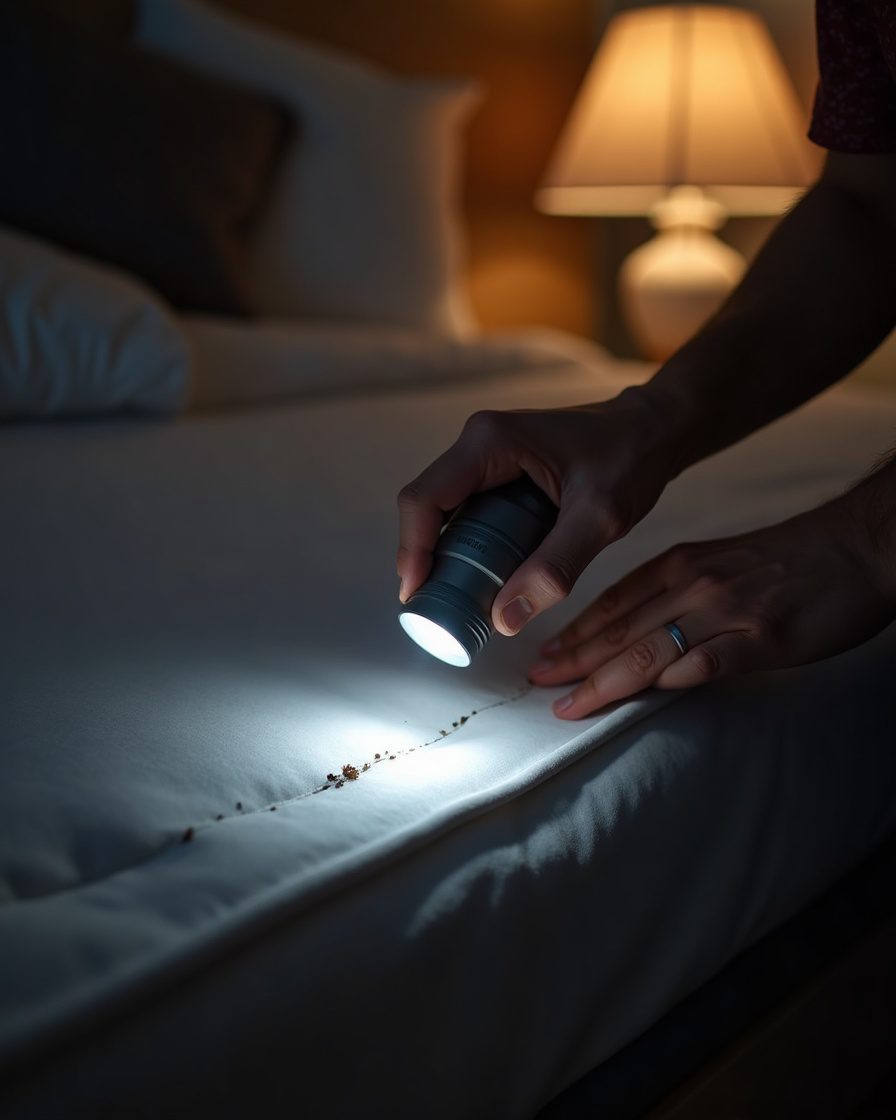
Bed bug reactions are itchy red welts that typically appear within a day or so of the bite, on skin that was exposed while you slept: face, neck, shoulders, arms, hands, lower legs. They often line up in rows of two or three along the path the bug walked. Two facts keep people honest here. About 30 percent of people do not react to bed bug bites at all, with even less reactivity among older adults, so two people sharing a bed can have wildly different skin. And bites alone can never confirm bed bugs; confirmation means finding the bugs or their signs in mattress seams, bed frames, and nearby crevices. If morning crops of bumps keep appearing, inspect the bed before you blame it, and read our full guide to bed bug bite symptoms and treatment.\
\
Mosquito bites
\
\
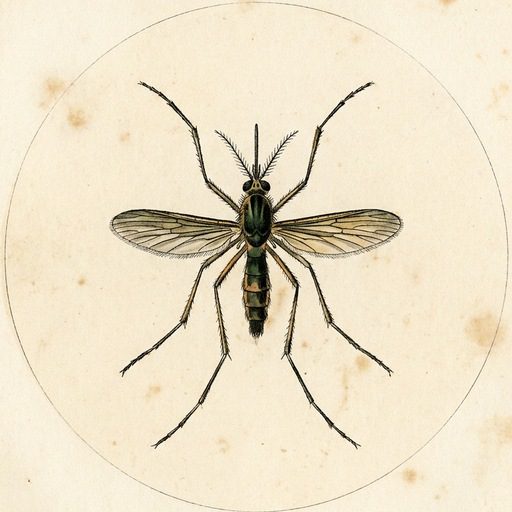
Mosquito bites usually start as a puffy pale wheal within minutes of the bite, then settle into a firmer, itchy red bump over the following day. They land on whatever skin was exposed outdoors, arrive in ones and twos rather than tight clusters, and the timing is usually obvious. Of the three, they look least like pimples in the first hour and most like them a day later. Our mosquito bite relief guide covers calming them down.\
\
| Bump | Center | Favorite locations | Timeline |
|---|---|---|---|
| Flea bite | Tiny dark red point | Ankles, lower legs, waistband | Itches immediately, fades over days |
| Bed bug bite | Usually smooth, no head | Skin exposed during sleep, often in rows | Welt within a day of the bite, new crops after nights at home |
| Mosquito bite | Puffy wheal, occasionally a pinpoint | Any exposed skin outdoors | Instant wheal, itchy bump next day, gone in about a week |
| Pimple / folliculitis | White or yellow pus head, hair at center | Face, chest, back, buttocks, thighs | Builds a head over 2 to 4 days, little itch, more soreness |
\
\
 \
\
\
When it is not a bite at all
\
\
This is where the pimple confusion usually lives.\
\
Folliculitis is the big one: inflamed hair follicles that produce red bumps and small pustules across the buttocks, thighs, back, chest, and beard area. It flares after shaving, hot tubs, and sweaty workouts, all of which irritate or infect follicles. The giveaway is geography. Folliculitis sits on hair-bearing skin that clothing covers and rubs, exactly the territory most biting insects never reach, and each bump centers on a follicle. Clinical sources list folliculitis alongside contact dermatitis, eczema, and impetigo as conditions regularly mistaken for bites.\
\
Heat rash produces clusters of tiny red bumps where sweat gets trapped: skin folds, the chest and back under snug clothing, the neck in hot weather. It arrives with heat and humidity and settles as skin cools, a rhythm no insect follows.\
\
Then there is the longer list from the University of Kentucky’s mystery-bites work. Bite-like welts and prickling sensations are routinely traced to things that never had legs: airborne fragments of paper, insulation, and fabric fiber that stick to skin, reactions to soaps, detergents, and cosmetics, and medical conditions including diabetes and thyroid disorders. Its practical warning: spraying pesticides at a presumed pest without evidence one exists solves nothing, and the irritation continues until the real cause is found. If the bumps started when the season, the office, or a product changed, that change is a suspect too.\
\
Location logic and timeline: reading the map
\
\
Put together, the clues sort most cases.\
\
Follicle territory versus access territory. Pimples and folliculitis live where hair follicles are dense and clothing creates friction and sweat: face, chest, back, buttocks, thighs. Bites live where insects can reach: exposed skin, ankle height, or the borders where snug clothing stops a crawling insect. Bumps on your buttocks and thighs after a week of new gym leggings tell a different story than bumps ringing your sock line after an evening in tall grass.\
\
The overnight test. New bumps that appear in crops after nights at home, on skin left outside the covers, argue for something in the bedroom. New bumps that track your time outdoors argue for mosquitoes or fleas. Bumps that grind on regardless of where you sleep or what you wear argue for a skin condition. Our breakdown of bed bug bites versus flea and mosquito bites goes deeper on the pattern differences.\
\
The three-day watch. Time is the cheapest diagnostic you have. A bite typically itches hardest in the first day or two, then fades over a week or two. A pimple does the reverse: quiet at first, building to a head by day three or four, with soreness beating itch. Photograph the bumps daily in the same light; three days of photos usually reveal which script the bump is following.\
\
Self-care that works for either answer
\
\
While you sort out what the bumps are, sensible care is nearly identical either way.\
\
Wash the area with plain soap and water. For itching, MedlinePlus’s first-aid guidance for bites supports a cold compress in ten-minute intervals, plus over-the-counter antihistamines or anti-itch creams such as hydrocortisone or calamine, used exactly as the label directs. If the pattern points at pimples or folliculitis, warm compresses and letting the bumps resolve untouched serve better than squeezing.\
\
Do not squeeze, whether you think it is a bite or a pimple; squeezing drives inflammation deeper and invites infection. And do not scratch, since broken skin is how an ordinary itchy bump becomes an infected one. Keep nails short.\
\
If the evidence points outdoors, prevention beats treatment: an EPA-registered insect repellent applied according to its label covers mosquitoes and most biting pests. If the evidence points at pets, treating the animal is the first move, since that is where the fleas actually live.\
\
 \
\
\
See a clinician if
\
\
Most pimple-like bumps, whatever their cause, fade without help. See a clinician promptly if any of the following shows up:\
\
– Spreading redness or warmth around a bump, or red streaks tracking away from it\
– Pus, crusting that keeps growing, or a bump that gets worse after 48 hours instead of better\
– Fever or chills alongside the skin symptoms\
– Bumps that keep multiplying for more than two weeks with no identifiable source\
– Any bump with severe pain out of proportion to its size\
\
Get emergency medical care right away for trouble breathing, wheezing, swelling of the face, lips, or throat, dizziness, or widespread hives after any bite or sting; these are signs of a severe allergic reaction, and people with known severe reactions should carry their prescribed epinephrine. For the infection warning signs in more detail, see our guide to infected insect bite signs and treatment.\
\
Common questions
\
\
Do bed bug bites look like pimples?\
They can, especially a day in, when the welt firms into a red bump. The differences: bed bug bumps rarely develop a pus head, they sit on skin exposed during sleep, and they often line up in short rows. Many people do not react to bed bug bites at all, so an unbitten bed partner proves nothing either way.\
\
Why do I only get pimple-like bumps on my lower legs?\
Ankle and lower-leg clustering is the classic flea signature, because fleas approach from floor level; check pets for dark pepper-like specks in the fur. With no animals and no yard exposure, shaving irritation and folliculitis become the likelier explanations.\
\
Can a doctor tell which bug bit me by looking at the bump?\
Usually not with certainty. Extension entomologists put it plainly: naming a culprit from the lesion alone is close to guessing. What a clinician can do well is distinguish bite-type reactions from skin conditions, spot infection, and treat symptoms, which is usually what matters.\
\
How long should a bite-like bump last?\
Most bites itch hardest for a day or two and fade within one to two weeks. A pimple typically peaks with a head around day three or four and clears within a week. Bumps that persist or worsen beyond two weeks deserve a clinician’s eyes.\
\
Final verdict
\
\
Bug bites that look like pimples separate on three axes, none of which is the bump itself. Check the center: a dark pinpoint says bite, a white head on a hair says follicle. Check the map: exposed skin and sock lines say bite, covered friction zones say folliculitis or acne. Check the clock: itch-first-then-fade says bite, quiet-then-head says pimple. Hold all of it loosely, because bite-source identification from the skin alone is unreliable even for professionals, and non-insect causes explain a large share of mystery bumps. Treat gently with washing, cool compresses, and label-dose OTC relief, never squeeze, and let spreading redness, pus, fever, or breathing trouble move you from self-care to a clinician or emergency care.\
\
This article is for information only and is not medical advice.\