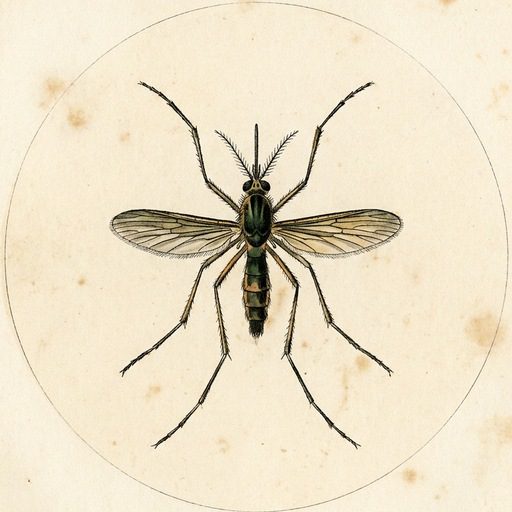
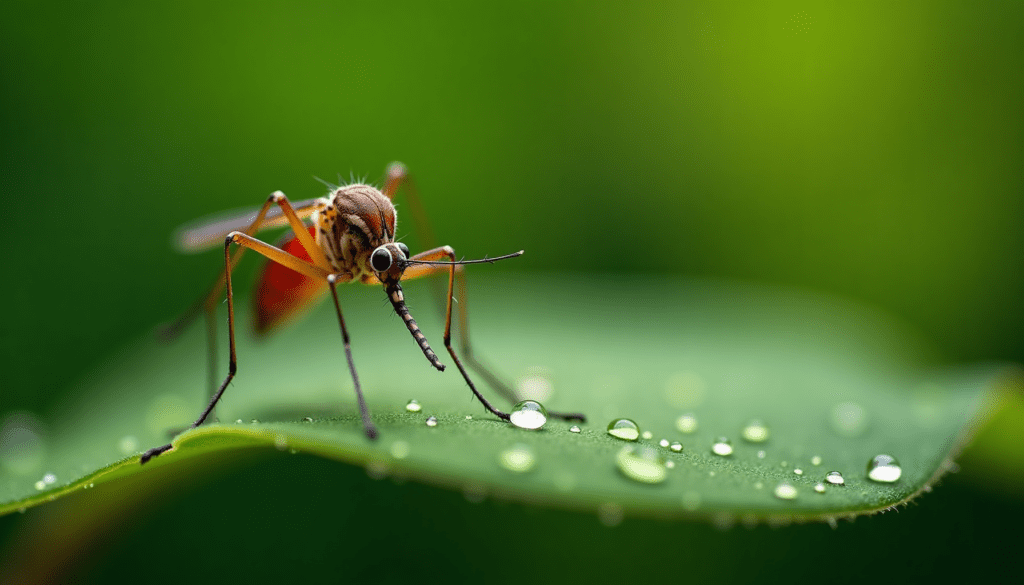
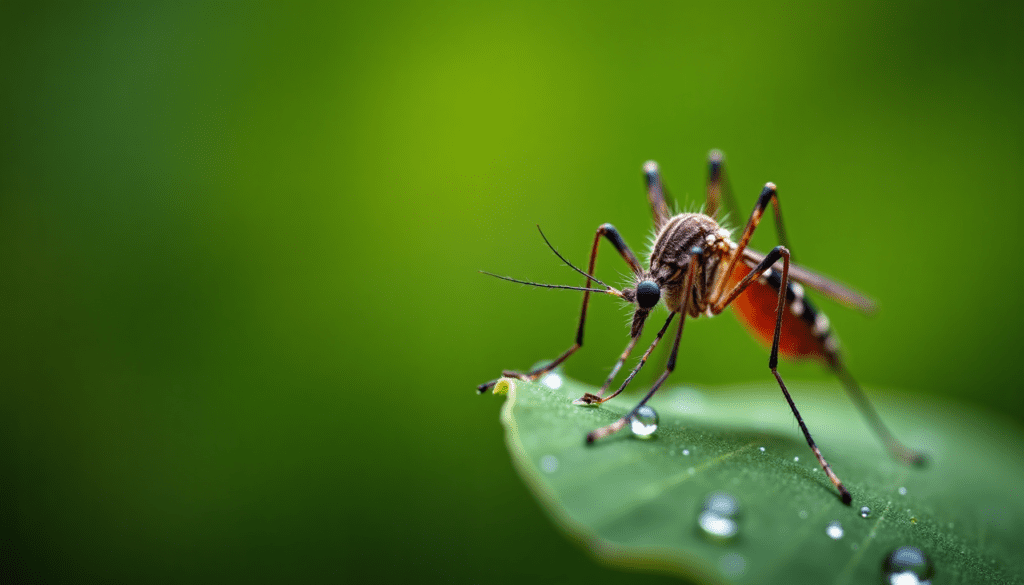
The trail shortlist is short: mosquitoes leave scattered puffy welts on exposed skin, black flies bite hard at the hairline and neck, no-see-ums pepper bare arms with tiny burning dots, chiggers cluster where clothing presses and itch hours later, and a tick leaves one painless bump and may still be attached. Nobody can reliably name the bug from the welt alone, so read the pattern, location, and timing together.
- Best clue: Where the bites sit tells you more than what any single welt looks like.
- First move: A full-body check and a soapy shower soon after the hike.
- The follow-up: A tick bite earns weeks of watching the site. A spreading rash or fever means a clinician visit.
Why the welt alone will not tell you
Start with the honest part. A bite welt is your immune system’s work, not the insect’s signature, and two people bitten by the same mosquito can raise completely different bumps. The University of Kentucky’s standard reference on unexplained bites is blunt that it is extremely difficult to identify a biter from the skin lesion alone, and that even experienced clinicians get it wrong. Anyone who claims certainty from a welt is guessing.
What you can do is read three things together: the pattern and placement of the marks, the habitat you walked through, and the delay before the itching started. On a trail, that combination narrows the field fast, because only a handful of biters realistically reach you out there. If your marks appeared at home rather than after time outdoors, start instead with our insect bite identification chart, which covers the indoor suspects as well.
The trail shortlist: five realistic culprits
Mosquitoes: scattered welts on exposed skin
Mosquito bites are the baseline. They raise soft, puffy welts that itch almost immediately, scattered across whatever skin was exposed, with no tight clustering along clothing lines. The MedlinePlus overview of bites and stings notes that mosquito and flea bites usually itch rather than hurt, a useful sorting rule on its own. If welts rose within minutes of a creek crossing or a marshy stretch of trail, mosquitoes are the boring, likely answer.
Black flies: painful bites at the hairline and neck
Black flies are daytime biters tied to running water, which is why they ambush hikers along rivers and streams in spring and early summer. They work the edges: hairline, ears, neck, and skin right where a collar or cuff ends. The bite often hurts, may bleed a little, and can produce outsized local swelling; in rare sensitized people it can trigger serious allergic reactions, as described in the StatPearls clinical review of insect bites. A row of sore, swollen bites tracing your hat brim after a river hike is a classic black fly picture.
No-see-ums: tiny burning dots you never saw coming
No-see-ums, the biting midges, are the ones you feel but cannot find. The bite is a sharp pinprick burn wildly out of proportion to the insect, and they leave clusters of small red dots on exposed forearms, ankles, and the back of the neck, favoring calm, humid conditions at dawn and dusk near water. The dots are small but can itch stubbornly for days, and because the insect is nearly invisible, this is the culprit people most often misattribute to something more dramatic.
Chiggers: fierce itching hours later, along clothing lines
Chiggers change the rules because you never feel the bite happen. The larval mites climb aboard from tall grass and brush, then settle where clothing presses against skin: the sock line, the waistband, the backs of the knees, the armpits. The University of Florida’s chigger publication notes that the itching is usually noticed four to eight hours after the mites attach, and the welts can linger for up to two weeks. Tight clusters of intensely itchy welts along the elastic lines, discovered the evening after tall grass, are chiggers until proven otherwise. Our guide on how to treat chigger bites covers the calm-it-down routine, and no, they do not burrow into your skin.
Ticks: one quiet bump, sometimes with the tick still in it
A tick is the one trail biter you can often catch red-handed, because it stays put. An attached tick looks like a new dark or gray-brown speck or a tiny mole that was not there yesterday, usually in a warm, hidden spot: behind the knees, at the waistband, in the groin, at the hairline, behind the ears. It feels like a small firm tag on the skin. A tick bite mark after the tick has dropped or been removed is different: a single painless red bump, sometimes with a firm center, that you find rather than feel. That silence is why the post-hike body check below exists.
| Culprit | Where the marks sit | Timing and feel |
|---|---|---|
| Mosquito | Scattered on exposed skin | Puffy welt, itches within minutes |
| Black fly | Hairline, ears, neck, clothing edges | Painful bite, may bleed and swell |
| No-see-um | Clusters of tiny dots on exposed arms and ankles | Sharp burning pinprick, days of itch |
| Chigger | Sock line, waistband, tight-clothing bands | Nothing felt at the time, fierce itch hours later |
| Tick | One bump in a warm, hidden spot | Painless, tick may still be attached |
What it probably is not
Trail bites get blamed for marks that came from somewhere else. Bed bugs and fleas are mostly home and pet problems, so if new welts keep appearing on days you never hiked, look indoors first. Our comparison of bed bug bites versus flea bites and mosquito bites sorts those patterns out.
Spider bites are another over-claimed diagnosis. Genuine spider bites on hikers are uncommon, and the same Kentucky reference notes a spider bite cannot be reliably diagnosed from the lesion either. More surprising is the list of non-insect causes of bite-like bumps: irritation from fibers and insulation, reactions to soaps, detergents, and cosmetics, plant contact, heat and sweat rashes, and several medical conditions that show up as itchy papules. So confirm a culprit, or at least a convincing pattern, before you treat, spray, or panic. If your bumps sit outside every pattern here, a clinician is a better next stop than more guessing.
The post-hike body check ritual
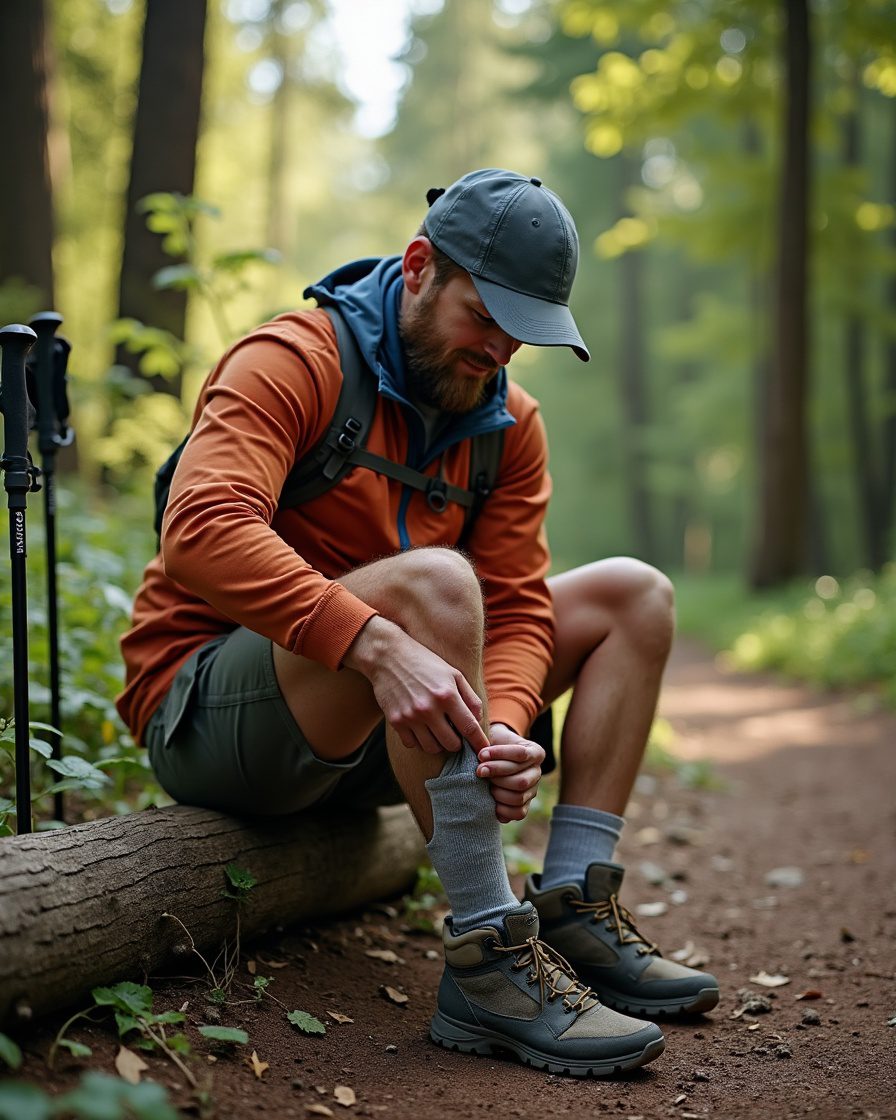
The best identification tool is a routine you run while the evidence is still on you, the same way every time, within an hour or two of leaving the trail.
First, strip down completely and put the clothes straight into a bag or the wash. Shower with soap and warm water, and scan and feel your skin in a fixed order: scalp and hairline, behind the ears, neck, armpits, waistband, groin, backs of the knees, ankles, between the toes. A mirror or a partner covers your back. You are feeling for the small firm bump of an attached tick and looking for early marks along clothing lines. The soapy wash does double duty, since washing with soap and water is the first step of standard first aid for insect bites and stings, and it can dislodge chigger mites that have not yet settled in.
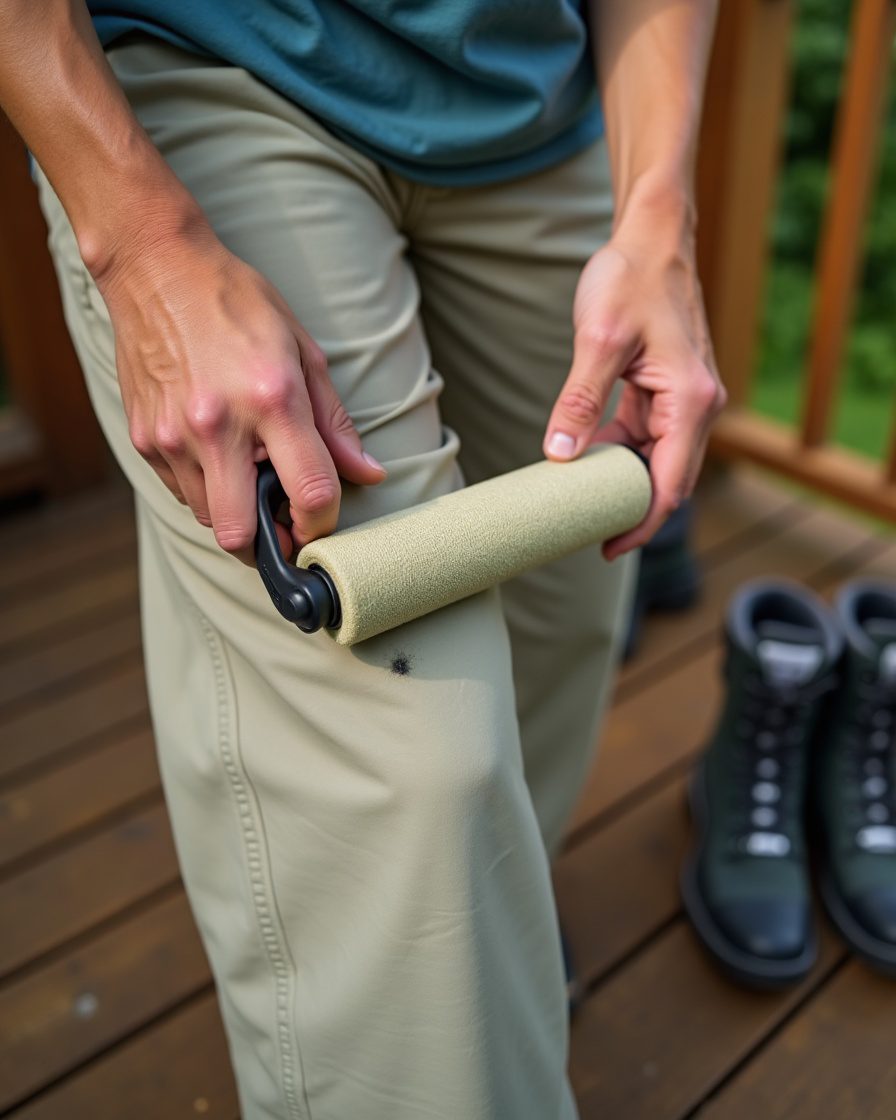
Second, deal with the clothes. Shake them out outside, run a lint roller over trousers and socks, and use a hot dryer cycle, which public health guidance widely recommends to kill ticks riding on fabric. Ticks survive a cold wash far better than they survive heat.
The tick-bite follow-up window
If the check turns up an attached tick, remove it promptly. The standard method is fine-tipped tweezers gripping the tick as close to the skin as possible, then a slow, steady, straight pull without twisting or crushing. Clean the spot with soap and water. Skip petroleum jelly, heat, and nail polish, which only give the tick more attached time, and attached time is the thing you are trying to cut.
Then open your phone and note the date. Most tick bites come to nothing beyond a small itchy bump, but tick-borne illnesses can surface days to weeks later, so the site and your general health earn a few weeks of casual watching. An expanding red rash around the bite, or fever, chills, aches, unusual fatigue, or headache in the weeks after a bite, are the signals to see a clinician and mention the tick and the date. Our guide to tick bite symptoms and when to see a doctor walks through that window in detail.
Calming the bites at home
Whatever the culprit, home care is nearly identical. Wash the area with soap and water. Cool it with ice wrapped in a cloth, about ten minutes on and ten minutes off. For itch, an over-the-counter hydrocortisone cream or calamine lotion, or an oral antihistamine, used exactly as the label directs, covers the common case. Do not exceed label doses, and check with a pharmacist or clinician for children, pregnancy, or anyone on other medications.
The real enemy is your own fingernails. The most common complication of ordinary bites is a skin infection from scratching, signaled by increasing pain, warmth, pus, or a red streak spreading from the bite. Keep nails short and hands off, and let the reaction burn out over days to two weeks. Our insect bite and sting first aid guide collects the full routine.
See a clinician if
This article describes patterns and likelihoods, not diagnoses. Use home care for the ordinary itchy bump, and get professional eyes on anything on this list.
- Signs of infection: Spreading redness or warmth, pus, a red streak leading away from the bite, or pain that worsens after the first couple of days. Our rundown of infected insect bite signs shows what that progression looks like.
- Fever or flu-like illness in the days to weeks after a hike, with or without a known tick bite.
- An expanding rash around any bite site, especially one growing over several days.
- A bite that is not improving after about two weeks, or marks that keep multiplying with no new exposure.
- Emergency, right now: Trouble breathing, swelling of the face, lips, or throat, widespread hives, dizziness, or faintness after a bite or sting. Treat this as anaphylaxis: use prescribed epinephrine if it is available and seek emergency medical care immediately.
Repellent on skin, permethrin on clothing
Prevention comes in two layers, and hikers who use both rarely need the rest of this article. The first layer is a repellent on exposed skin. The EPA’s repellent hub lists the registered skin-applied active ingredients, DEET, picaridin, IR3535, and oil of lemon eucalyptus. Pick one, follow its label, and pay attention to the lower legs and ankles where chiggers and ticks board.
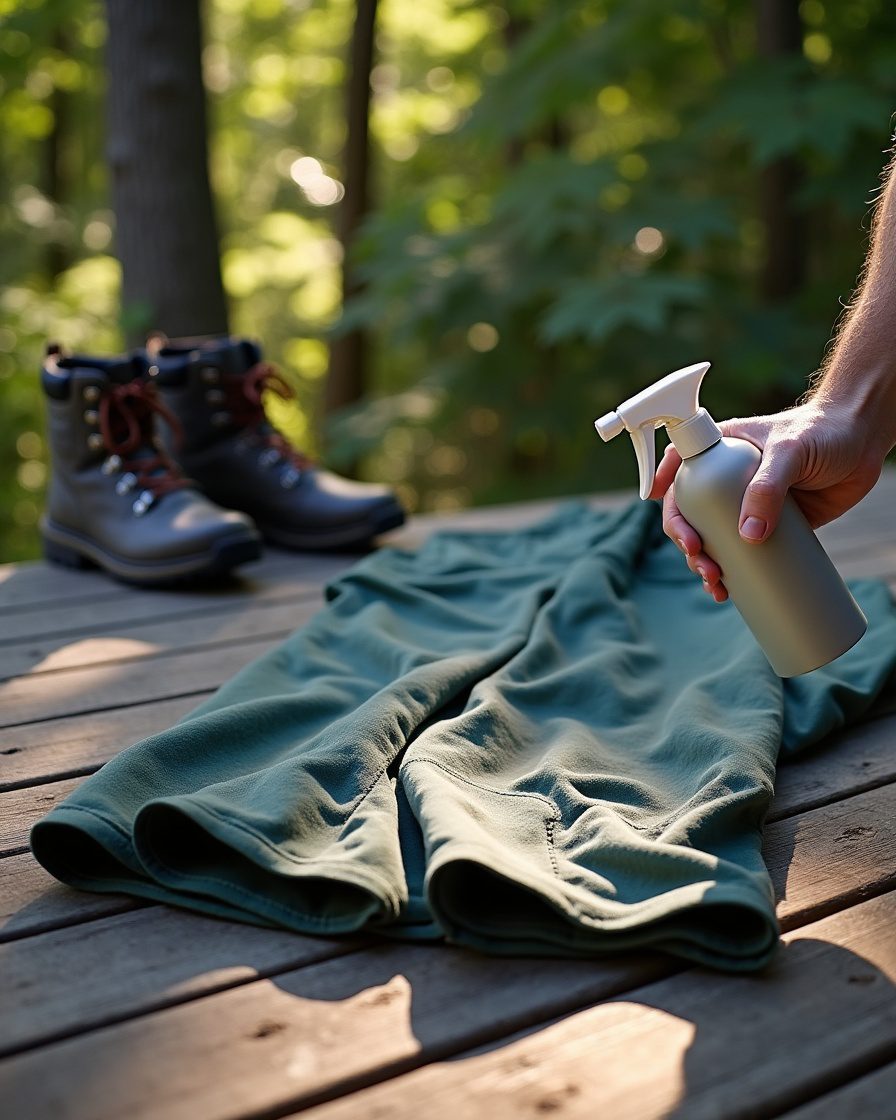
The second layer is the one most hikers skip. Permethrin is a clothing and gear treatment only, never a skin product. Treat boots, socks, gaiters, and trousers, spraying outdoors and letting everything dry completely before wearing, and keep wet product away from cats, to whom it is toxic until dry. Treated socks and cuffs intercept exactly the biters that climb up from grass level, chiggers and ticks first among them. Tucking trousers into treated socks looks terrible and works well. Repeat the treatment per the product label, since it survives a limited number of washes.
Common questions
Can I tell a tick bite from other bites once the tick is gone?
Not reliably. A single painless bump in a hidden spot after time in brush is suggestive, but that is a likelihood, not an identification. Either way, note the date and watch the site and your health for a few weeks.
Why did my bites only show up the day after the hike?
Delayed reactions are normal. Chigger itching typically starts hours after attachment, and some immune responses build for a day or two before the welt peaks. A morning-after crop of welts along your sock line points backward to yesterday’s grass, not to your bed.
Do no-see-um bites spread if I scratch them?
No, but scratching inflames them, keeps the itch cycle going, and opens the skin to infection. Cool compresses and an anti-itch cream used per the label are the way through.
Why did I get covered in bites while my hiking partner got none?
Attractiveness to biting insects genuinely varies from person to person, and so does reaction intensity. One hiker can welt dramatically while another, bitten just as often, shows almost nothing, so a companion with clear skin proves little.
Final verdict
You will probably never get a courtroom identification of what bit you on the trail, and the honest sources say the welt alone cannot provide one. What you get is a strong probability read: scattered immediate welts point to mosquitoes, painful swollen bites at the hairline to black flies, burning dots on exposed arms to no-see-ums, fierce delayed itching along the sock line to chiggers, and a single quiet bump found on inspection to a tick. Run the post-hike body check while the evidence is fresh, log any tick bite and watch the window, treat the itch gently, and put permethrin on your hiking clothes so next season’s shortlist has nothing on it.
This article is for information only and is not medical advice.