Finding head lice on your child can be a stressful experience for any parent, leading many to seek effective ways to prevent these tiny invaders. Among the most popular options are lice prevention sprays, marketed to keep your children lice-free, especially during school outbreaks. While these sprays offer a sense of security, it's essential to understand their true efficacy and how they fit into a comprehensive prevention strategy. This guide will explore what current research says about these products and offer proven, practical steps to safeguard your family from head lice.
Bottom line: Lice prevention sprays may help as part of a routine, but they do not guarantee protection. The strongest prevention is avoiding shared hair items, keeping long hair tied back, and checking early after school or camp exposure.
What to do first:
While lice prevention sprays are widely available, expert consensus suggests they are not a guaranteed solution. The most effective strategies to prevent head lice focus on behavior and regular checks:
- Avoid Head-to-Head Contact: This is the primary mode of transmission.
- Do Not Share Personal Items: Hats, combs, and hair accessories can transfer lice, though this is less common than direct contact.
- Perform Regular Head Checks: Especially if there's an outbreak at school or daycare.
- Consider Sprays as Supplementary: If used, view them as an optional addition, not a primary defense.
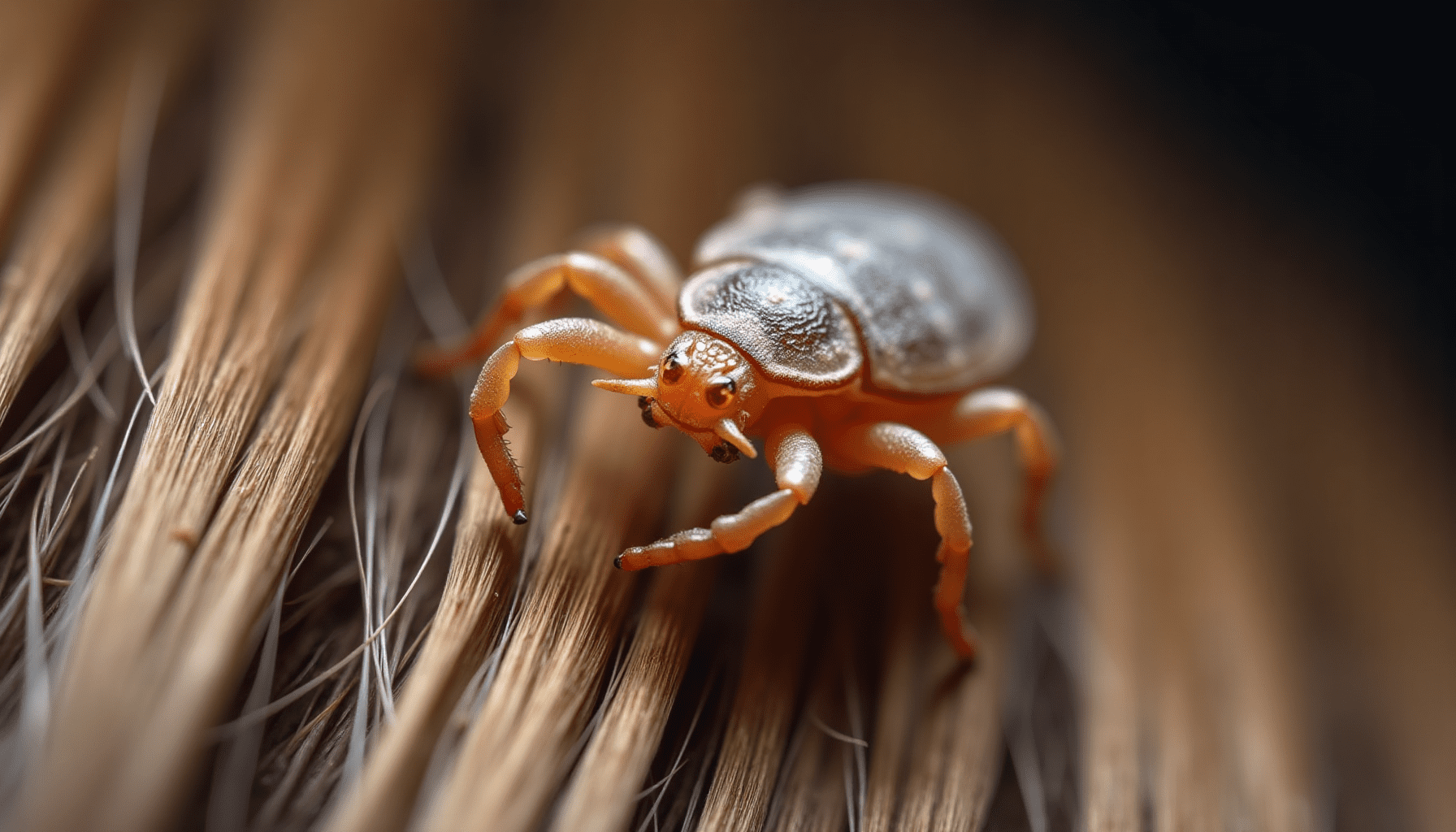
Prevention sprays
Many parents reach for lice prevention sprays hoping for a simple solution to a persistent problem. These products often contain essential oils like tea tree, peppermint, rosemary, lavender, or eucalyptus, which are believed to have insect-repelling properties. However, it's crucial to look at what the science and medical experts say about their effectiveness.
According to Johns Hopkins Medicine, there is "no proven head lice deterrent" that reliably prevents a child from getting lice. Similarly, a review by Healthline notes that while essential oils are common ingredients, there is very little evidence to suggest they actually prevent infestations in real-world scenarios. This doesn't mean these ingredients are entirely without merit; some essential oils may show insecticidal or repellent effects in laboratory settings, but translating that to consistent, reliable prevention on a child's head is another matter.
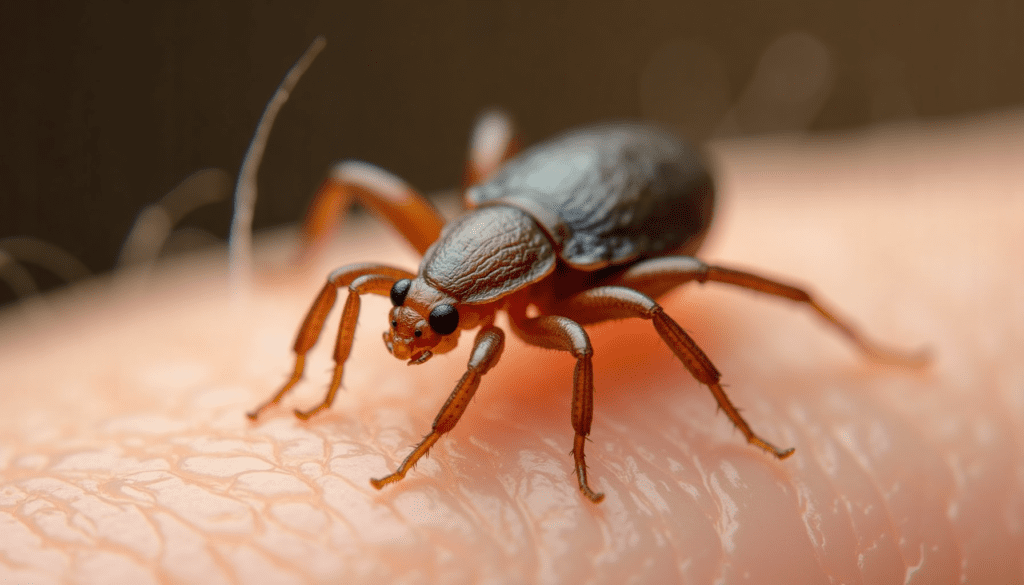
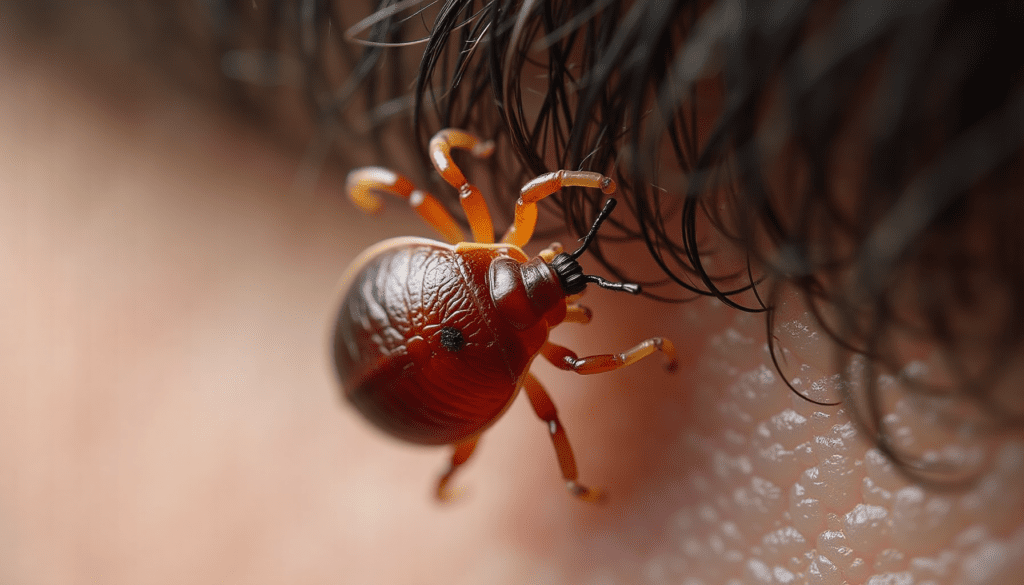
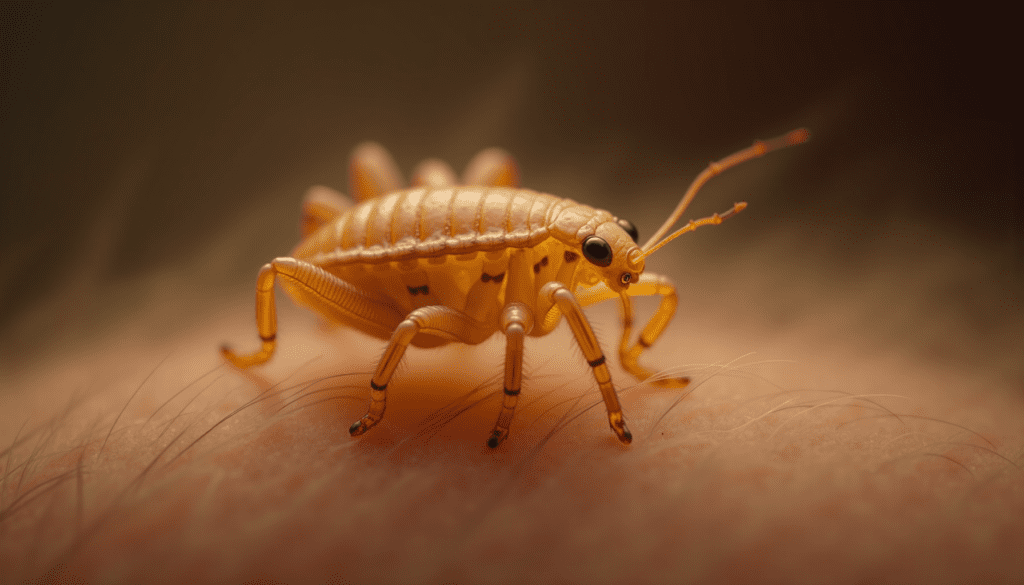
Head lice (scientific name: Pediculus humanus capitis) are primarily spread through direct head-to-head contact. They do not jump or fly, and they require human blood meals every 12 to 24 hours. Lice generally cannot survive off the human head for more than a day. This biological reality means that preventing direct contact is far more impactful than trying to create an invisible barrier with a spray. While some products may claim to be the best lice spray for kids, their role is often more about offering peace of mind than providing guaranteed protection.
The concept of "natural lice prevention" is also worth examining. Products marketed this way often rely on botanical extracts. While "natural" sounds appealing, it doesn't automatically equate to proven efficacy or absolute safety. Some essential oils can still cause skin irritation or allergic reactions, especially in children with sensitive skin or asthma. Always perform a patch test if you have concerns, and avoid applying any spray near eyes or broken skin. The focus should always be on what is scientifically effective and safe for children.
Common essential oils found in prevention sprays include:
- Tea Tree Oil
- Lavender Oil
- Rosemary Oil
- Peppermint Oil
- Eucalyptus Oil
Better prevention
Given the limited evidence for lice prevention sprays, focusing on behavioral strategies is the most effective way to prevent head lice. These methods are endorsed by leading health organizations and entomologists because they directly address how lice spread.
The most common way lice are transmitted is through direct head-to-head contact. This often happens during play, sleepovers, sports activities, or when children take "selfies" together. Encouraging children to maintain a little personal space, especially during close-contact activities, can significantly reduce the risk. This doesn't mean isolating your child, but rather teaching them mindful habits.
Beyond direct contact, shared items can sometimes play a role, though this is less common than direct head contact. Lice need a human host to survive, so they don't live long on inanimate objects. However, it's still a good practice to discourage sharing:
- Hats, scarves, and hoodies
- Hairbrushes, combs, and hair accessories
- Pillows, sleeping bags, and bedding during an active case
For children with long hair, tying it back in a ponytail, braid, or bun can help minimize the opportunity for hair-to-hair contact, especially in busy environments like school or camp. This simple step can make a difference in reducing exposure. When lice are known to be circulating in your child's school or daycare, routine head checks are your best defense. Part your child's hair and carefully inspect the scalp, particularly behind the ears and at the nape of the neck, for live bugs or tiny nits (lice eggs) attached to hair shafts. Consistent checks allow for early detection and treatment, preventing wider spread.
While this article focuses on lice, understanding the broader context of insect repellents can be helpful. For instance, knowing about [Best Mosquito Repellents](https://insectoguide.com/mosquito-repellent-guide/) or [safe insect repellents for children](https://insectoguide.com/best-mosquito-repellent-babies-kids-safe/) highlights that different insects require different prevention strategies. Head lice are not like mosquitoes; they don't actively seek out hosts from a distance, making traditional repellents less relevant.
Effective Lice Prevention Habits:
- Avoid Head-to-Head Contact: Teach children to be mindful during play.
- Discourage Sharing: Keep personal items like hats and brushes separate.
- Tie Back Long Hair: Reduce hair-to-hair contact in school or camp.
- Perform Regular Head Checks: Especially during known outbreaks.
- Educate Children: Teach them why these habits are important.
Choose a spray
If, after understanding the limitations, you still wish to use a lice repellent for children as an additional measure, there are specific factors to consider to make an informed choice. Remember, these sprays should be seen as supplementary tools, not primary prevention methods.
First, prioritize child-safe formulations. Always check the age recommendations on the product label. Many essential oils, while "natural," can be too potent for very young children or those with sensitive skin. Avoid products with harsh irritants or strong chemical odors. If your child has sensitive skin or asthma, consider performing a small patch test on an inconspicuous area of skin (like the inner arm) 24 hours before full application to check for any adverse reactions.
Next, look for products with clear directions for use. A prevention spray is typically applied to the hair, not just clothing, to create a temporary repellent effect on the scalp and hair strands. Ensure you understand how often to reapply the product and follow these instructions precisely. Over-application doesn't necessarily increase effectiveness and could lead to skin irritation. A good product will also emphasize its use alongside behavioral prevention, not as a standalone solution.
Ingredient transparency is another key factor. Opt for products that clearly list all botanical or essential-oil ingredients. Be cautious of vague "proprietary blend" language, which can obscure potentially irritating components. Understand whether the product is primarily a repellent, a treatment, or simply a hair conditioner with a scent. For those interested in natural lice prevention, ensure the product aligns with your preferences while still being realistic about its scientific backing. For example, some [natural insect repellents](https://insectoguide.com/natural-mosquito-repellents-that-work/) for other pests have strong evidence, but this is not always the case for lice.
Finally, maintain realistic expectations and be wary of products that promise "guaranteed" prevention. No spray can fully eliminate the risk of head lice, especially if behavioral prevention methods are not also followed. The goal is to reduce risk, not eliminate it entirely. Think of it as an extra layer of defense, not an impenetrable shield.
What to Look for in a Prevention Spray:
- Age-Appropriate: Check label for suitable age ranges.
- Gentle Formulation: Avoid harsh chemicals or strong irritants.
- Clear Instructions: Understand application frequency and method.
- Ingredient List: Look for transparency in botanical components.
- Realistic Claims: Understand it's a supplementary measure, not a guarantee.
Common myths
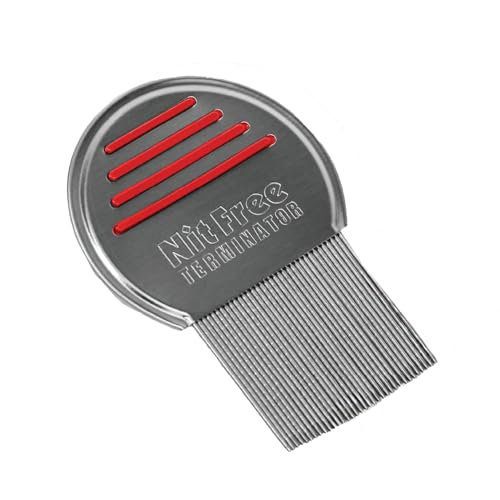
The article emphasizes ‘Perform Regular Head Checks’ as a primary prevention strategy. This comb is highly effective for detecting lice and nits during these checks, and for removal if an infestation occurs, making it an essential tool for parents.
- Exceptionally effective at removing both live lice and tiny nits thanks to its tightly spaced, micro‑grooved stainless steel teeth
- Durable, high‑quality metal construction that holds up well over repeated uses and professional/clinic settings
- Works well for thorough head checks and can be used on multiple family members as a reusable, non-chemical solution
- Can be uncomfortable or pull hair, especially if hair is not well detangled or conditioned beforehand
- Some users find it time‑consuming and labor‑intensive to comb through long or very thick hair thoroughly
Misinformation about head lice is widespread, often leading to unnecessary panic or ineffective prevention methods. It's important to separate fact from fiction to manage and prevent head lice effectively.
One pervasive myth is that "lice means poor hygiene." This is absolutely false. Head lice have nothing to do with personal cleanliness; they affect clean and dirty hair alike. Lice are attracted to human blood, not dirt or grime, and good hygiene practices do not deter them, as confirmed by Johns Hopkins Medicine.
Another common misconception is that "lice jump or fly." This is incorrect. Head lice do not possess wings or strong jumping legs. They spread almost exclusively through direct head-to-head contact, crawling from one person's hair to another. The CDC emphasizes that transmission from inanimate objects is rare because lice cannot survive long off a human host.
Many parents also believe that "a lice repellent spray will keep my child lice-free." As discussed, experts largely agree there is no proven deterrent that reliably prevents lice. While a best lice spray for kids might offer a slight deterrent effect or psychological comfort, it should not be relied upon as a primary prevention method.
The idea that "if a product is natural, it’s automatically effective and safe" is also a significant misconception. Natural ingredients, especially essential oils, can still cause irritation or allergic reactions. Their efficacy for lice prevention is often not well-supported by scientific evidence. Just as you'd research the effectiveness of [DEET vs Picaridin vs Oil of Lemon Eucalyptus](https://insectoguide.com/deet-vs-picaridin-vs-lemon-eucalyptus-mosquito-repellent/) for mosquitoes, it's vital to critically evaluate claims for lice products.
Finally, the belief that "you need to disinfect the whole house" after a lice infestation is generally false. Since lice rarely survive off the head for more than a day, intensive home disinfection, such as bagging toys for weeks or widespread spraying, is usually unnecessary. Focus your efforts on treating the infested individual and washing items that have been in direct contact with their head in hot water.
Lice Myths vs. Facts:
- Myth: Lice are a sign of poor hygiene. Fact: Lice affect all hair types, regardless of cleanliness.
- Myth: Lice can jump or fly. Fact: Lice crawl and spread via head-to-head contact.
- Myth: Prevention sprays guarantee protection. Fact: No spray offers guaranteed prevention; behavioral methods are key.
- Myth: Natural products are always effective and safe. Fact: Natural doesn't always mean proven or without risk.
- Myth: You must disinfect your entire home. Fact: Intensive home cleaning is rarely needed, as lice don't survive long off the head.
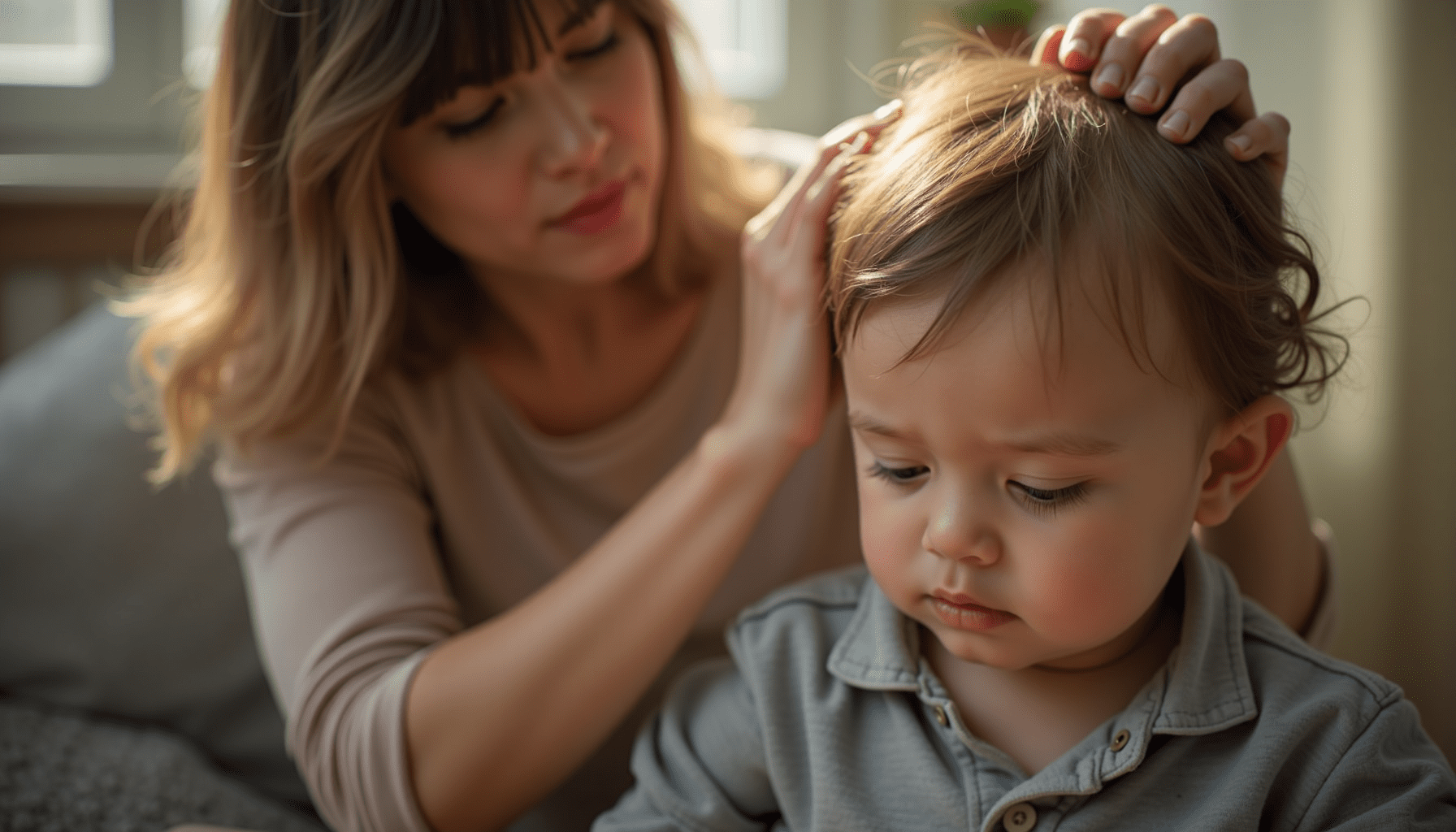
If lice appear
Despite your best prevention efforts, head lice can sometimes find their way onto your child's head. If you discover an active infestation, timely and correct treatment is crucial to stop the spread and eliminate the pests.
The first step is to confirm the diagnosis. Look for live, crawling lice or nits (lice eggs) firmly attached to the hair shaft, usually within a quarter-inch of the scalp. If you're unsure, consult your pediatrician or a school nurse. Once confirmed, use a proven lice treatment product as directed. Over-the-counter (OTC) options often contain permethrin or pyrethrin, while prescription treatments are available for resistant cases. Always follow the instructions on the package precisely, including re-treatment schedules, as many products do not kill all nits and a second application is needed to kill newly hatched lice.
Manual nit removal using a fine-toothed lice comb is also a critical step, whether used alone or in conjunction with a chemical treatment. This process, though time-consuming, helps ensure all nits are removed, preventing re-infestation from eggs that may have survived treatment. The CDC provides comprehensive guidance on proper treatment and nit removal techniques.
After treating your child, it's important to treat close contacts if advised by a clinician. This includes other family members who may have been exposed. Recheck everyone's heads regularly for several weeks to catch any missed lice or new infestations early. For household items, wash bedding, towels, and recently worn clothing in hot water (at least 130°F or 54°C) and dry on high heat. Items that cannot be washed can be sealed in a plastic bag for two weeks or dry-cleaned. Remember, extensive environmental spraying or cleaning is generally not necessary, as lice cannot survive long off the head.
When using any hair product on children, including treatments, always be mindful of safety considerations. Some children may have fragrance sensitivities or develop scalp irritation. Always check age limits for products and be aware of potential allergy risks, especially with essential oil-based treatments. If an OTC treatment fails, or if you have concerns about the product's safety or your child's reaction, contact a pediatrician for further advice.
Steps for Active Lice Infestation:
- Confirm Lice: Look for live bugs or nits close to the scalp.
- Apply Treatment: Use an OTC or prescription product as directed.
- Remove Nits: Comb through hair thoroughly with a fine-toothed comb.
- Treat Contacts: Check and treat other family members if necessary.
- Wash Items: Hot wash bedding and clothing that touched the head.
- Follow Up: Recheck heads and retreat as recommended.
Final picks
While lice prevention sprays are a popular option for parents seeking peace of mind, current expert consensus indicates that their effectiveness in reliably preventing head lice is limited. Many of these products rely on essential oils, which lack strong scientific backing for real-world prevention compared to other insect repellents. The most effective strategies to prevent head lice are behavioral: avoiding head-to-head contact, not sharing personal items, tying back long hair, and conducting regular head checks, particularly during school outbreaks.
If you choose to use a best lice spray for kids, consider it a supplementary measure. Look for child-safe formulations with clear instructions and ingredient transparency, and maintain realistic expectations about their protective capabilities. By understanding how lice spread and focusing on proven prevention habits, you can significantly reduce your child's risk of infestation.
For more detailed information on insect control and identification, explore these related guides:
As an Amazon Associate, I earn from qualifying purchases. Product recommendations are based on real reviews and independent research.