Finding head lice can be a frustrating and often unsettling experience for any parent or caregiver. In the quest for effective and perhaps less chemical-intensive solutions, many turn their attention to innovative tools like electric lice combs. These devices promise to zap or vacuum away unwanted guests, offering a seemingly modern approach to an age-old problem. But do these high-tech combs truly deliver on their promises, or are traditional methods still the gold standard for successful lice removal? This article will delve into the science, expert opinions, and practical considerations surrounding electric lice combs, helping you understand their role in a comprehensive head lice treatment plan.
Bottom line: While electric lice combs can kill or remove some lice through zapping or suction, there is limited peer-reviewed clinical evidence to support their superiority over traditional fine-toothed metal combs. Experts generally recommend them as an optional adjunct rather than a primary, standalone solution for effective head lice removal, especially for nits.
Do they work?
The core question for anyone considering these devices is straightforward: are electric lice combs an effective solution for head lice infestations? The answer, according to current scientific understanding and expert consensus, is nuanced. While these combs can certainly kill individual lice, their overall efficacy in completely eradicating an infestation is not as well-established as traditional methods.
Research indicates that head lice infestations are a common issue, affecting an estimated 6–12 million children aged 3–11 years annually in the U.S., primarily through head-to-head contact in schools and daycares, as reported by the Centers for Disease Control and Prevention (CDC). While not disease-spreading, lice cause significant discomfort and anxiety. Traditional treatment often involves medicated shampoos, but lice resistance to these insecticides, such as permethrin and pyrethrins, is widespread globally, as detailed in studies published in the Journal of Medical Entomology. This resistance makes mechanical removal, or combing, a critical component of any successful treatment strategy, as emphasized by the American Academy of Pediatrics (AAP) guidelines via Pediatrics.
When it comes to electric lice combs specifically, a key challenge is the lack of robust, independent clinical trials. WebMD notes that there isn't a single peer-reviewed study verifying the claims made by sellers regarding their effectiveness. This absence of rigorous data means that mainstream medical guidance from organizations like the CDC and AAP does not single out electric combs as a recommended first-line or superior option. While a small electric charge can, in principle, kill lice on contact in a controlled environment, real-world success depends on the comb's ability to efficiently navigate hair, contact every louse and nymph, and effectively remove or neutralize nits. The effectiveness of electric zapping does not guarantee comprehensive coverage of the entire scalp and hair shaft.
Experts acknowledge that electric combs might serve as an adjunct or a detection aid, but they are generally not considered a primary or standalone solution. For comparison, a systematic review by the Cochrane Database of Systematic Reviews supports wet combing with a fine-toothed comb as an effective method, though it requires repeated sessions and careful technique. High-quality metal combs, with very close tooth spacing (around 0.09 inches or 0.23 mm), are particularly effective at physically stripping both lice and nits from hair. This mechanical action is crucial, especially for nits, which are tightly glued to hair shafts and often missed by combs with wider spacing.
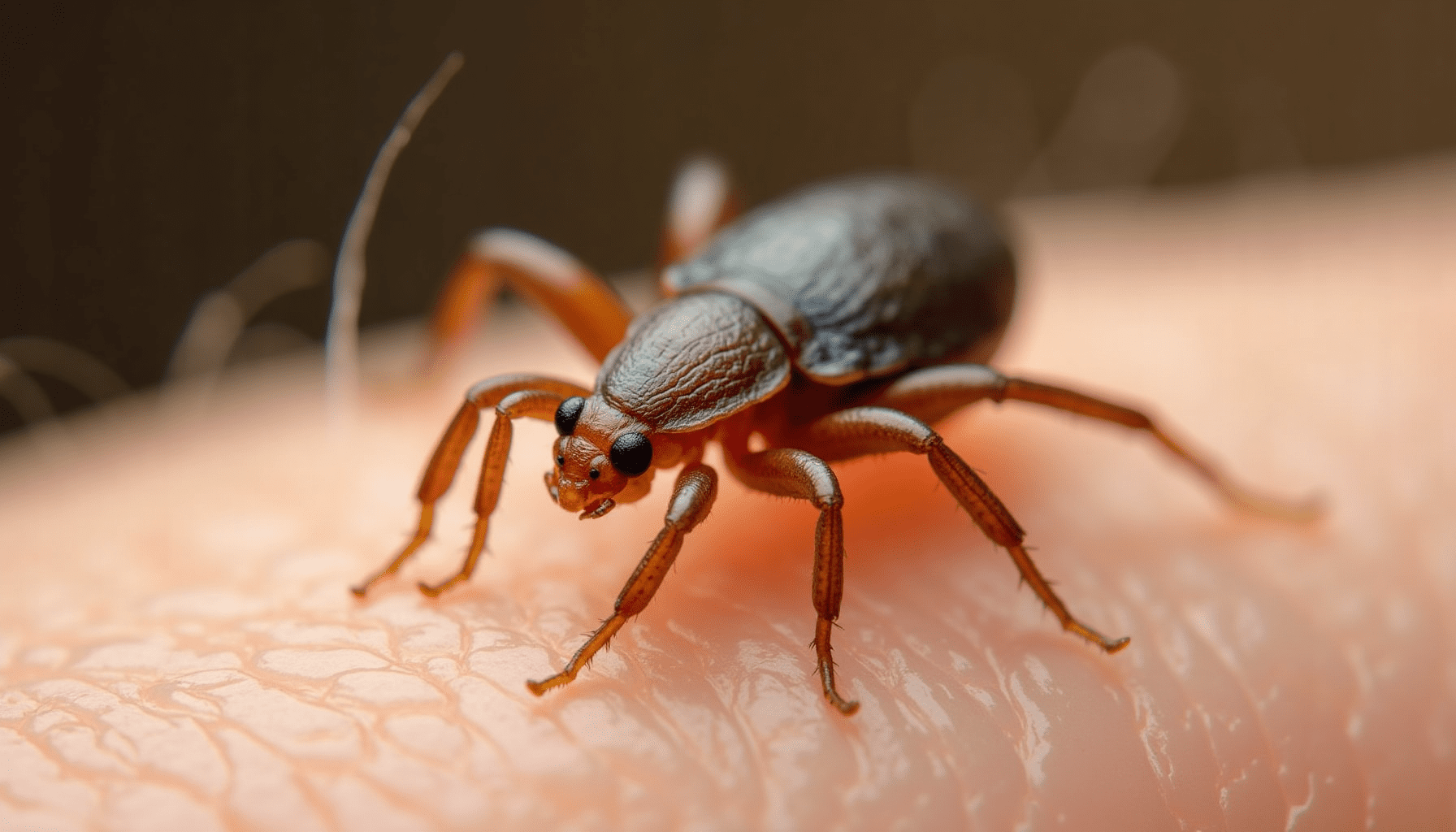
How they work
The term "electric lice comb" can refer to a couple of different device types, each employing a distinct mechanism to tackle head lice. Understanding these differences is key to evaluating their potential role in your lice removal strategy.
The first, and most common, type is the electric zapping comb. Brands like Nix Electronic Lice Comb and Veridian Healthcare Electronic Lice Comb fall into this category. These devices feature fine metal teeth that are energized with a low-voltage electrical current, typically powered by batteries. As you slowly pass the comb through dry hair, if a louse or nymph bridges the gap between two of the energized teeth, a small electrical charge passes through the insect, effectively killing or immobilizing it. Many of these combs include an LED light or an audible signal to indicate when a louse has been detected and zapped. A crucial aspect of using these devices is the need to frequently clean the comb teeth, as dead lice and debris can accumulate and hinder effectiveness.
The second category, sometimes grouped under "electric lice combs" by consumers, includes vacuum-assisted or powered devices like the V-Comb. These tools combine a comb-like tip with a suction mechanism. Instead of zapping lice, they rely on a miniature vacuum to pull lice and nits into a capture filter as the comb moves through the hair. These devices focus on mechanical extraction rather than electrical elimination. While they offer a pesticide-free approach, independent evidence for their efficacy largely consists of anecdotal reports and company-led demonstrations, rather than robust clinical trials. For example, consumer reviews and product descriptions on sites like MyLiceAdvice often highlight their convenience for collecting lice and nits.
Both types aim to provide a chemical-free alternative or supplement to traditional treatments. However, the effectiveness of any lice comb, electric or otherwise, hinges on thoroughness. The comb must make contact with every louse and nit to be successful. For zapping combs, this means ensuring the lice are positioned correctly between the teeth for the electrical current to work. For vacuum devices, it means ensuring sufficient suction and proper hair sectioning to capture all pests. Neither type automatically guarantees that every single louse or nit will be removed in a single session, reinforcing the need for meticulous, repeated efforts.
Use safely
Using any lice comb, including an electric one, requires careful technique and persistence to achieve the best results. While specific instructions may vary by product, here are general steps for effective use, keeping in mind that electric zapping combs typically require dry hair.
- Preparation is Key: Start with clean, dry hair. This is a critical safety requirement for electric zapping combs, as electricity and water can pose a risk. Thoroughly detangle the hair with a regular brush or wide-toothed comb to ensure the electric comb can pass through smoothly without snagging. Seat the person being treated under a bright light, or utilize the device's built-in spotlight if it has one, to enhance visibility.
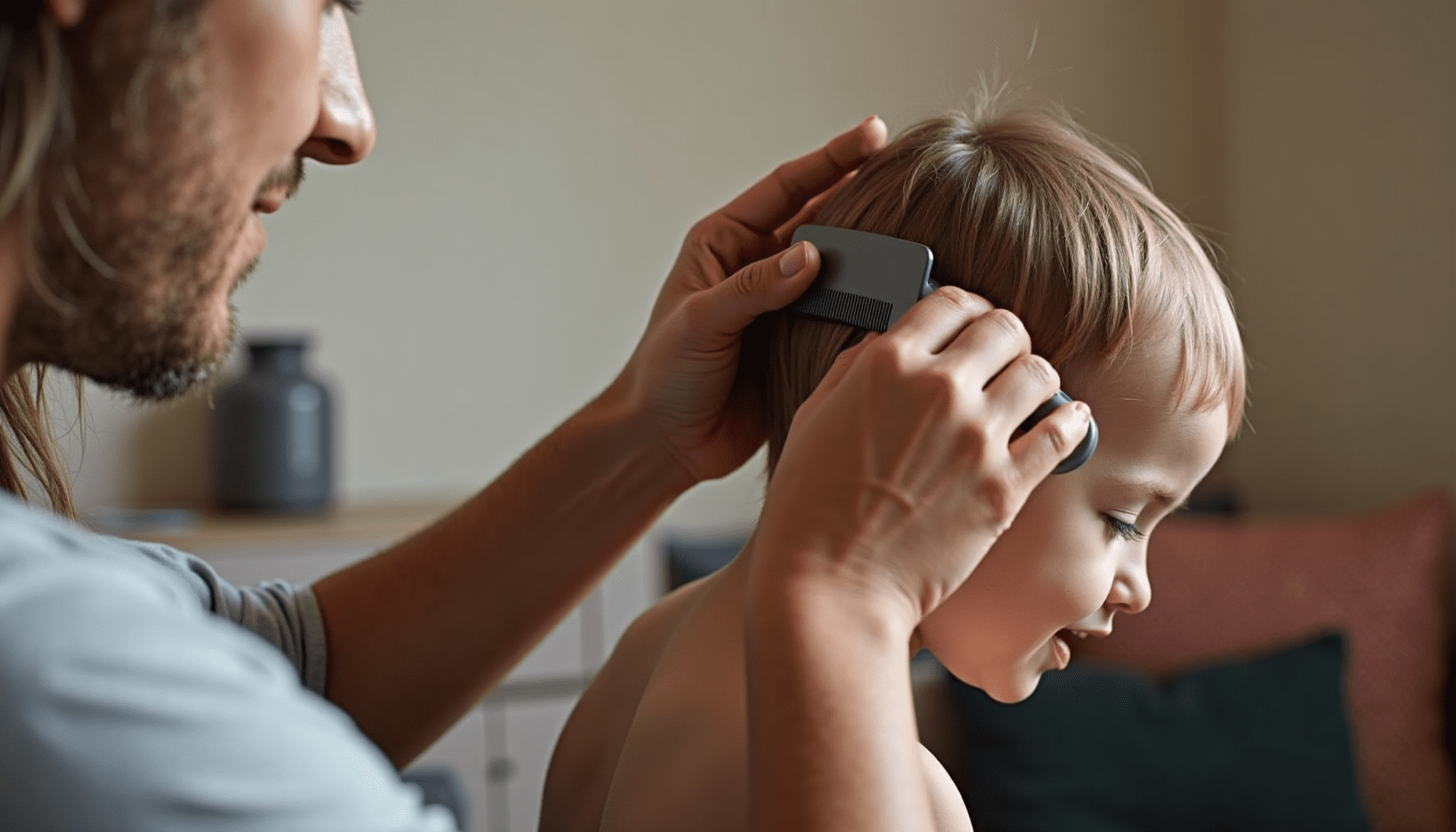
- Section the Hair Systematically: Divide the hair into small, manageable sections using clips or hair ties. Working systematically is crucial to ensure no areas are missed. Start from one side of the head and work your way across, moving from the top of the head down to the nape of the neck.
- Comb Slowly from Scalp to Tip: Place the teeth of the electric comb firmly against the scalp and slowly draw it outward to the hair ends. The movement should be deliberate and unhurried to give lice time to contact the teeth and for the device to register their presence. Pay extra attention to areas where lice and nits commonly congregate: behind the ears, at the nape of the neck, and within the first 1-2 inches of hair closest to the scalp, as noted by WebMD.
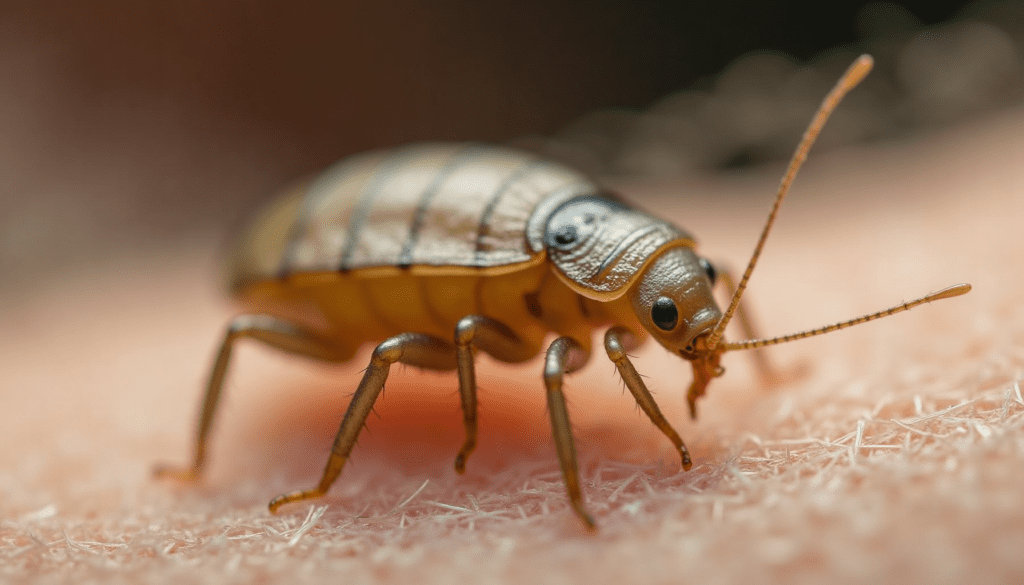
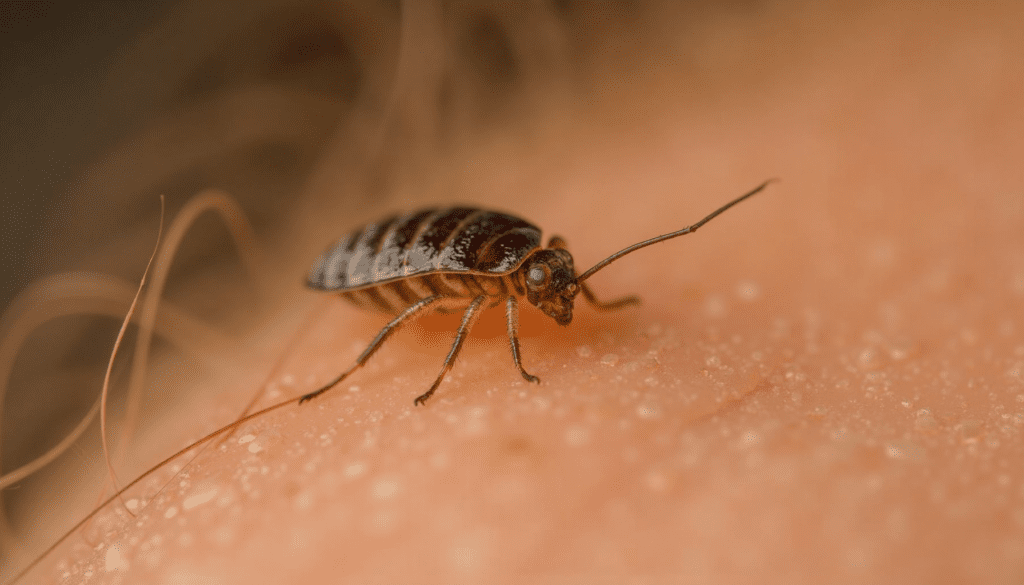
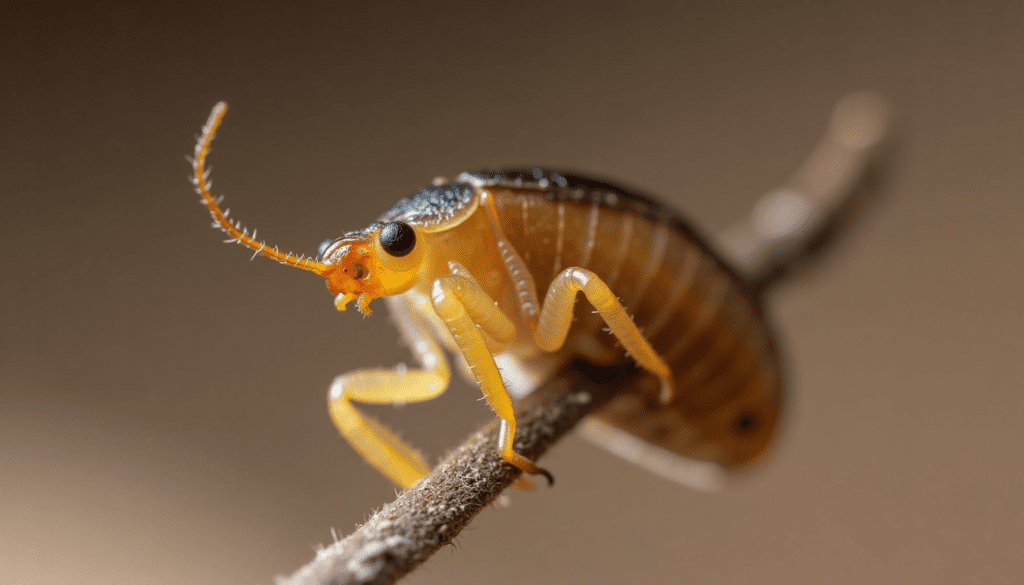
- Clean and Inspect the Comb Frequently: After each pass, or every few passes, turn the device off and carefully wipe the comb teeth with a tissue or a clean cloth. Inspect the comb for any adult lice (small, tan-to-brown, moving insects), nymphs (smaller, lighter, still moving), and nits (tiny, oval-shaped eggs firmly glued to hair shafts, typically near the scalp). This step is vital for preventing re-infestation of the hair and ensuring the comb remains effective.
- Repeat Regularly: Head lice treatment is rarely a one-time event because nits hatch over several days. Experts, including the AAP guidelines via Pediatrics and WebMD, recommend combing once daily while live lice are present, and then every 3-4 days for at least two weeks after the last live louse is seen. This consistent schedule helps break the lice life cycle.
- Combine with Other Treatments: For optimal results, electric combs are often best used in conjunction with other methods. This might include a high-quality, fine-toothed metal comb for thorough nit removal, or a pediatrician-approved topical treatment if recommended. While electric combs can be part of a pesticide-free approach, they rarely eliminate the need for meticulous, repeated combing with a good nit comb to ensure all eggs are removed. For more general approaches to insect control, you might find our guide on how to get rid of fleas helpful, as the principle of thoroughness and repetition applies to many pest issues.
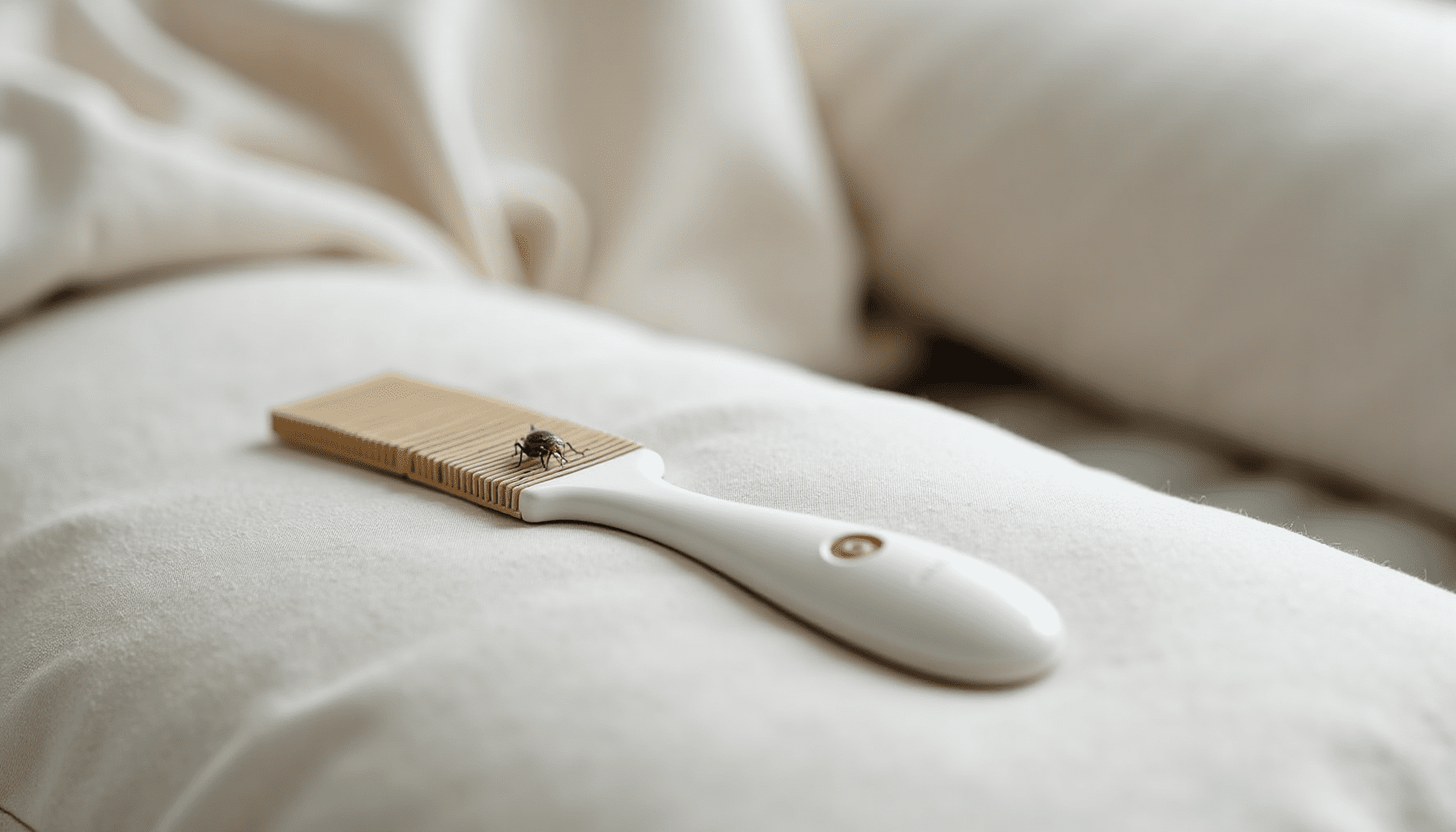
Drawbacks
When considering any new device for personal health, safety is paramount. Electric lice combs are designed with user safety in mind, but it's important to understand their limitations and potential drawbacks.
Manufacturers of electric zapping combs, such as Nix and Veridian Healthcare, emphasize that their devices use a low-voltage electrical current that is specifically designed to be safe for humans. This charge is typically imperceptible to the user and is intended only to affect the small insects. However, due to the nature of electrical devices, there are specific safety guidelines that must be followed strictly. Most notably, electric zapping combs are generally approved only for use on dry hair, as using them on wet hair could pose an electrical hazard. Additionally, some manufacturers advise against their use for individuals with certain medical devices, such as pacemakers, or those with specific skin conditions. Always consult the product's instructions for use (IFU) for comprehensive safety information before beginning treatment. While serious adverse events have not been widely reported, there are no large-scale post-marketing safety studies publicly available to provide extensive data.
Beyond electrical safety, there are practical drawbacks that can impact the effectiveness and user experience of electric lice combs compared to traditional methods.
- Loss of Wet Combing Benefit: The requirement for dry hair means you lose the advantage of "wet combing." When hair is wet and conditioned, lice are slowed down and less able to scurry away, making them easier to spot and comb out. This benefit is absent with electric zapping combs.
- Interrupted Combing Process: Many electric combs require you to stop and clean the comb after each detection or every few passes. This interruption can slow down the overall combing process, making it less efficient than the continuous combing possible with a traditional metal nit comb.
- Nit Removal Limitations: While electric combs are designed to kill live lice, their effectiveness at removing nits (lice eggs) is often limited. Nit removal depends heavily on the comb's tooth spacing and the physical action of scraping the eggs off the hair shaft. Many electric models have wider tooth spacing than the best fine-toothed metal combs, making them less optimal for reliably detaching firmly glued nits. This means you might still need a traditional nit comb for thorough nit removal.
- Lack of Clinical Superiority: As previously mentioned, the primary drawback from an efficacy standpoint is the lack of robust, peer-reviewed clinical data demonstrating that electric lice combs are superior to, or even consistently equivalent to, traditional fine-toothed metal combs. This absence of evidence means that while they might offer some benefits, they shouldn't be relied upon as a definitive standalone solution.
Common myths
The world of head lice treatment is often surrounded by misinformation and old wives' tales. Electric lice combs, as a newer technology, are no exception, and several misconceptions have emerged regarding their capabilities and necessity. Dispelling these myths is crucial for making informed decisions about lice treatment.
- "Electric lice combs are proven to cure lice faster than regular combs." This is a widespread misconception. As discussed, there are no well-designed clinical trials that definitively support this claim. Expert sources, including WebMD, specifically note the absence of peer-reviewed evidence and do not recommend electric combs over traditional fine-toothed combs for superior speed or efficacy. While they may kill individual lice on contact, the thoroughness required for complete eradication means the process is still time-consuming.
- "If I use an electric lice comb once, the lice problem is solved." Unfortunately, head lice treatment is rarely a one-and-done scenario. Lice eggs (nits) hatch over several days, meaning a single combing session, electric or otherwise, is unlikely to remove every nit and nymph. The AAP guidelines via Pediatrics and WebMD consistently advise multiple sessions over at least two weeks to effectively break the lice life cycle and ensure all newly hatched lice are removed before they can lay new eggs.
- "Electric combs remove all nits just as well as metal nit combs." Nit removal is primarily a mechanical process dependent on the comb's tooth spacing and the technique used, not on electricity. Many electric models have tooth spacing that is less optimal for reliably scraping off firmly attached nits compared to high-quality fine-toothed metal combs. Nits are tiny and glued tightly to the hair shaft, requiring very close-set, rigid teeth for effective removal.
- "Electric lice combs are dangerous because of the electricity." When used strictly according to manufacturer instructions on dry hair, the low-voltage current in these devices is designed to be safe and imperceptible to humans. The primary concern with electric combs is generally their potential ineffectiveness as a standalone treatment, rather than acute harm from the electrical charge, provided safety guidelines are followed.
- "You must sanitize or fumigate your whole house if someone has lice." This is a common overreaction. Head lice are obligate human parasites; they primarily live on the scalp and typically die within 1-2 days off a human host, as stated by the CDC. Extensive environmental cleaning or chemical fumigation is usually unnecessary. Basic cleaning, such as washing recently used bedding, hats, and towels in hot water and drying on high heat, is sufficient. Combs and brushes can be soaked in hot water (at least 130°F or 54°C) for 5-10 minutes. This approach is similar to how one might handle environmental concerns for other pests, such as understanding flea bites on humans and the limited need for extreme measures.
- "Shaving the head is the only sure cure." While shaving the head does guarantee removal, it is rarely necessary and often causes significant emotional distress. Proper combing techniques, combined with recommended treatments, are usually sufficient to eradicate an infestation without resorting to such drastic measures.
What to buy
If you've decided to incorporate an electric lice comb into your head lice management plan, understanding what features to prioritize can help you make a more informed choice. Given the lack of extensive clinical trials, your selection will often rely on product design, user reviews, and practical considerations.
When evaluating the "best electric lice comb" for your needs, consider the following factors:
- Type of Device: First, decide if you prefer an electric zapping comb (like Nix or Veridian), which aims to kill lice on contact, or a vacuum-assisted device (like V-Comb), which relies on suction for mechanical collection. Your primary goal—killing versus collecting—will guide this choice.
- Tooth Design and Material: Regardless of the electrical component, the physical design of the comb's teeth is crucial for effective removal. Look for models with narrow, sturdy metal teeth that are spaced very closely together. Combs with wider gaps are less effective at removing nits, which are tiny and firmly attached to the hair shaft. A device that doubles as a genuine fine-toothed comb will be more versatile. For comparison, when choosing flea combs, tooth spacing is also a critical factor for effectiveness.
- Power and Usability: Consider the power source—does it use standard AA/AAA batteries, or is it rechargeable? Evaluate the device's noise level, especially if you'll be using it on young children. Its weight and ergonomic design are also important for ease of maneuverability, particularly during long combing sessions. Check how easy it is to clean the comb and if replacement tips or filters are readily available.
- Age and Health Considerations: Always review the manufacturer's guidance for the minimum age for use. Additionally, if the user has a pacemaker or other electronic medical device, or certain skin conditions, verify that the electric comb is safe for them according to the product's instructions for use.
- Evidence and User Reviews: Since comprehensive clinical trials are limited, pay attention to independent user reviews and feedback. While consumer satisfaction does not equate to clinical proof, it can offer insights into the device's usability, durability, and perceived effectiveness in real-world scenarios. Look for consistent themes in reviews regarding ease of use, comfort, and actual results. Be wary of overly enthusiastic claims without supporting evidence.
It's important to remember that electric lice combs typically cost more than basic manual combs. As WebMD and the Children's Hospital of Wisconsin caution, these products may offer poor value compared to high-quality metal combs, especially given the lack of clinical evidence supporting their superiority. A durable, fine-toothed metal lice comb is often a more cost-effective, reusable, and evidence-backed tool for lice and nit removal.
Final verdict
Navigating a head lice infestation can be a challenging experience, and the allure of a quick, high-tech solution like electric lice combs is understandable. While these devices offer a chemical-free approach and can effectively kill individual lice on contact or through vacuum suction, it's crucial to approach them with realistic expectations. Current expert consensus and the limited peer-reviewed clinical evidence suggest that electric lice combs are best viewed as an adjunct tool rather than a standalone, superior solution for comprehensive head lice eradication.
The gold standard for mechanical removal remains the meticulous, repeated use of a high-quality, fine-toothed metal comb, especially for effectively stripping nits from the hair shaft. Electric combs can certainly play a role in a multi-pronged approach, perhaps as a screening tool, or for those committed to avoiding chemical treatments. However, they do not eliminate the need for thorough technique, consistent re-treatment, and careful inspection.
Ultimately, successful head lice treatment requires patience, persistence, and a combination of methods. Always consult with a pediatrician or healthcare professional for personalized advice, especially if infestations are persistent or severe. For more information on identifying and managing various insect encounters, explore our resources on differentiating various insect bites and other pest control guides on InsectoGuide.com.
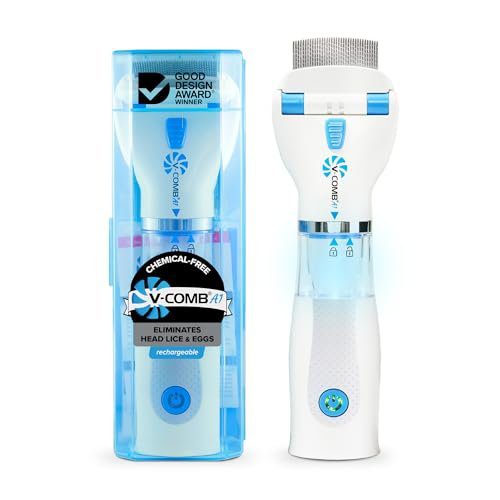
The article’s primary focus is on electric lice combs, discussing their functionality and efficacy. This product directly addresses the main topic, offering a popular example of such a device for readers interested in exploring this treatment option.
- Effectively removes both lice and eggs while providing immediate visible results in the capture filter
- Chemical‑free, allergen‑free, and safe for children and adults with all hair types, including sensitive skin
- Reusable rechargeable device with hygienic, no‑touch disposable filters that make cleanup easy and mess‑free
- Requires slow, thorough combing sessions and repeated uses, which some users find time‑consuming compared with quick chemical treatments
- Effectiveness depends heavily on correct technique and fully charged suction power, so results can be inconsistent if used improperly
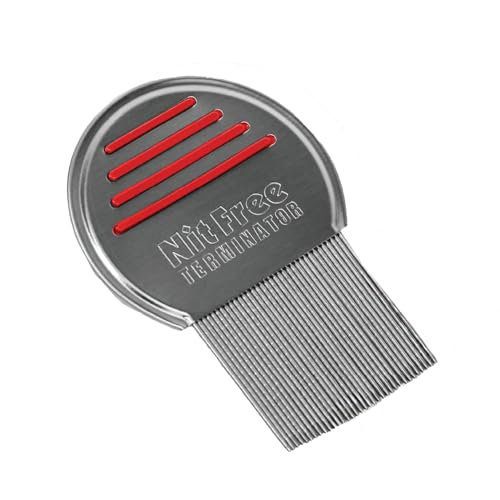
The article explicitly states that traditional fine-toothed metal combs are often considered superior or a ‘critical component’ for effective lice removal, especially for nits, due to widespread resistance to medicated shampoos. This product is a highly-rated example of such a comb.
- Extremely effective at removing both live lice and tiny nits compared with regular or plastic combs
- Sturdy stainless steel construction with long, tightly spaced micro‑grooved teeth that work well even on thick or curly hair
- Reusable and easy to sanitize (can be boiled), making it a cost‑effective tool for repeated head checks and treatments
- Some users find it uncomfortable or slightly scratchy on the scalp, especially on very sensitive skin or if used aggressively
- A few reviewers report that it can snag or pull hair if sections are too large or not well detangled and conditioned first
As an Amazon Associate, I earn from qualifying purchases. Product recommendations are based on real reviews and independent research.