
\
\
\
You found a cricket in the basement or heard one chirping behind the dryer, and the question is whether it can bite and whether you should worry. The honest answer is that crickets are about as harmless as a house pest gets. They can technically bite, but their jaws rarely break human skin, they are not aggressive, they do not feed on blood, and they carry no disease that threatens people. What a cricket actually costs you is sleep from the chirping and the occasional chewed paper, fabric, or stored item once a population builds up. So a cricket indoors is an annoyance to evict, not a health threat to fear.
\
\
\
Crickets can bite but almost never break skin, are not aggressive, do not feed on blood, and carry no disease that threatens people. The real damage is noise and chewing on paper and fabric, so this is a comfort problem, not a safety one.
\
- \
- Can they bite: Yes, in theory, but their jaws rarely puncture human skin and they only do it if trapped against you.
- The real nuisance: Chirping at night and chewed paper, fabric, and stored goods when numbers climb.
- What to do: Dry out the space, seal entry points, and trap with glue boards. See our guide to getting rid of crickets in the house.
\
\
\
\
\
\
\
\
Two neighbouring questions come up here: How to Raise Crickets at Home and Why Do Crickets Chirp?.
Quick answer on cricket bites
\
\
A cricket can open its jaws and pinch, but you are unlikely to ever feel it. The mouthparts of a house cricket (Acheta domesticus) are built to chew plant matter and soft organic material, not to pierce skin, so a bite from one rarely breaks the surface and is not venomous. Crickets do not seek people out, and the rare nip happens only when one is cupped in a hand or pressed against bare skin and reacts by biting back. Compared with a mosquito or a bed bug, which are built to feed on you, a cricket has no reason to.
\
\
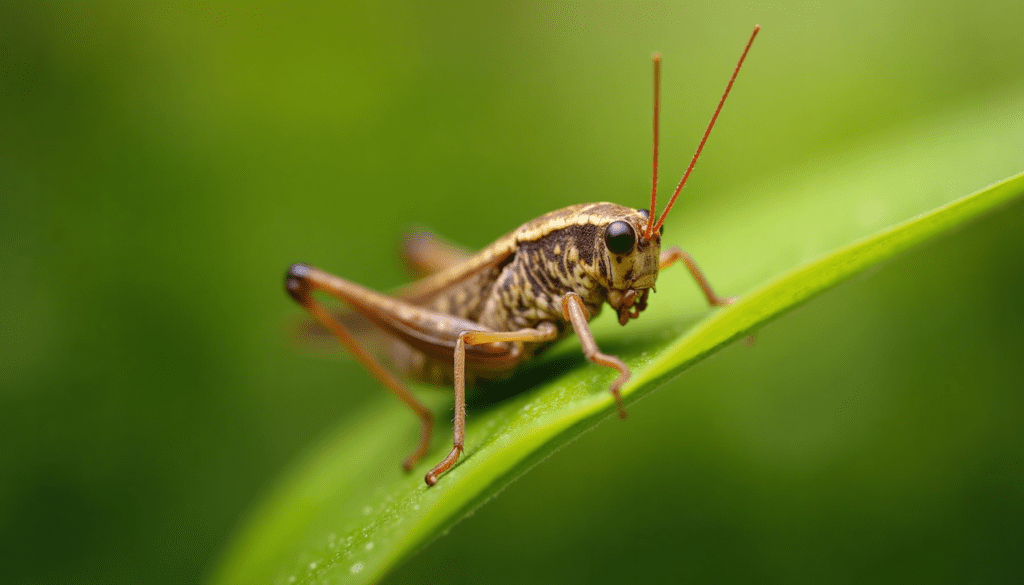
The bigger crickets people find indoors are field crickets and the humpbacked camel cricket, and the picture is the same for all of them. None of them feed on blood, none transmit disease to humans, and none pose a real health threat. If you want to sort out which one you are looking at, our types of crickets identification guide walks through the three you are most likely to meet.
\
\
Why a cricket bite barely registers
\
\
The reason a cricket bite is a non-event comes down to anatomy. A cricket has chewing mandibles that move side to side to grind leaves, seeds, and decaying material. Those jaws are strong for the insect’s size, but they are short and blunt rather than sharp and piercing, so on human skin they usually feel like a faint pinch and leave no mark. The Missouri Department of Conservation’s house cricket profile describes a scavenger that eats plant material and dead insects, not a biter that targets animals.
\
\
There is also no chemistry behind a cricket bite. A cricket has no venom and no anticoagulant saliva, which is what makes mosquito and flea bites itch and swell. A cricket nip does not inject anything, so even on the rare occasion one connects, there is nothing to react to beyond the brief mechanical pinch. The University of Minnesota Extension overview of crickets treats them squarely as nuisance insects rather than a health concern, which is the right frame for almost every cricket you will ever find indoors.
\
\
What crickets actually damage
\
\
The real cost of crickets is rarely about you and almost always about your stuff and your sleep. When a population builds up indoors, crickets chew. They feed on paper, cardboard, book bindings, and natural fibers like cotton, wool, silk, and linen, and they are drawn to fabric that carries food stains or sweat. A few crickets in a basement do little, but a larger group left alone over a season can leave ragged holes in stored clothes, boxes, and papers.
\
\
The other cost is noise, and only one source makes it. Only male crickets chirp, rubbing their wings together to call for a mate, and a single male behind an appliance can keep a household awake. They stop the moment they are disturbed and slow down when the room is cold, which is why a chirp goes quiet the second you walk toward it. The camel cricket, by contrast, is wingless and silent, so a cricket you can hear is a field or house cricket, not a camel.
\
\
\
\
Telling the cricket apart from its look-alikes
\
\
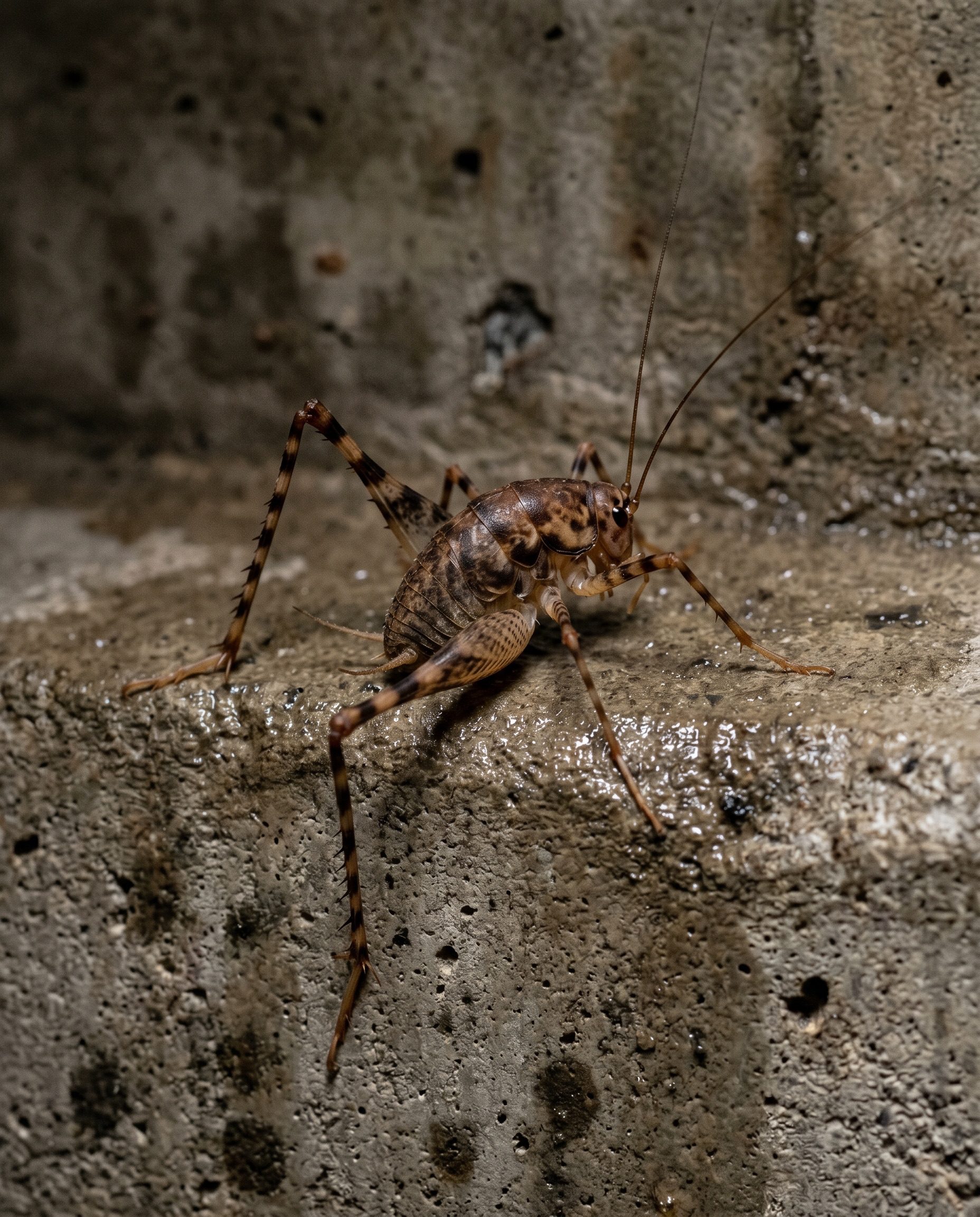
Most cricket confusion comes down to three groups that behave very differently indoors, and one separate pest that is not an indoor cricket at all. The single feature that sorts them fastest is the wings and whether the insect chirps: house and field crickets have wings and males chirp, while the camel cricket is wingless, humpbacked, and completely silent. The third common indoor finder, often called a spider cricket, is the camel cricket under another name.
\
\
People also lump in mole crickets, but those are a separate burrowing lawn pest that tunnels through turf and almost never comes indoors, so a cricket on your basement wall is not a mole cricket. The Iowa State field cricket guide notes that field crickets wander in from the yard and are drawn to lights, while the Iowa State camel cricket guide ties camel crickets to damp basements and crawlspaces. For a closer head-to-head, see our camel cricket vs house cricket identification breakdown.
\
\
| Cricket | Key feature | Where found |
|---|---|---|
| House cricket | Winged, light brown, male chirps | Warm indoor spots near heat and food |
| Field cricket | Winged, black, loud chirp, drawn to lights | Wanders in from the yard, near doors and lights |
| Camel (spider) cricket | Wingless, humpbacked, silent, long hind legs | Damp basements, crawlspaces, garages |
\
\
Where you find them and what it means
\
\
Where a cricket turns up is itself a clue, because crickets come in from outside and are driven by moisture, harborage, and light. A damp basement or crawlspace points to camel crickets, which thrive on humidity and dampness, so finding them is a signal the space is too wet. Field crickets, on the other hand, drift in from tall grass and mulch around the foundation and are pulled toward bright outdoor lights at night, which is how they end up by your doors in late summer and fall.
\
\
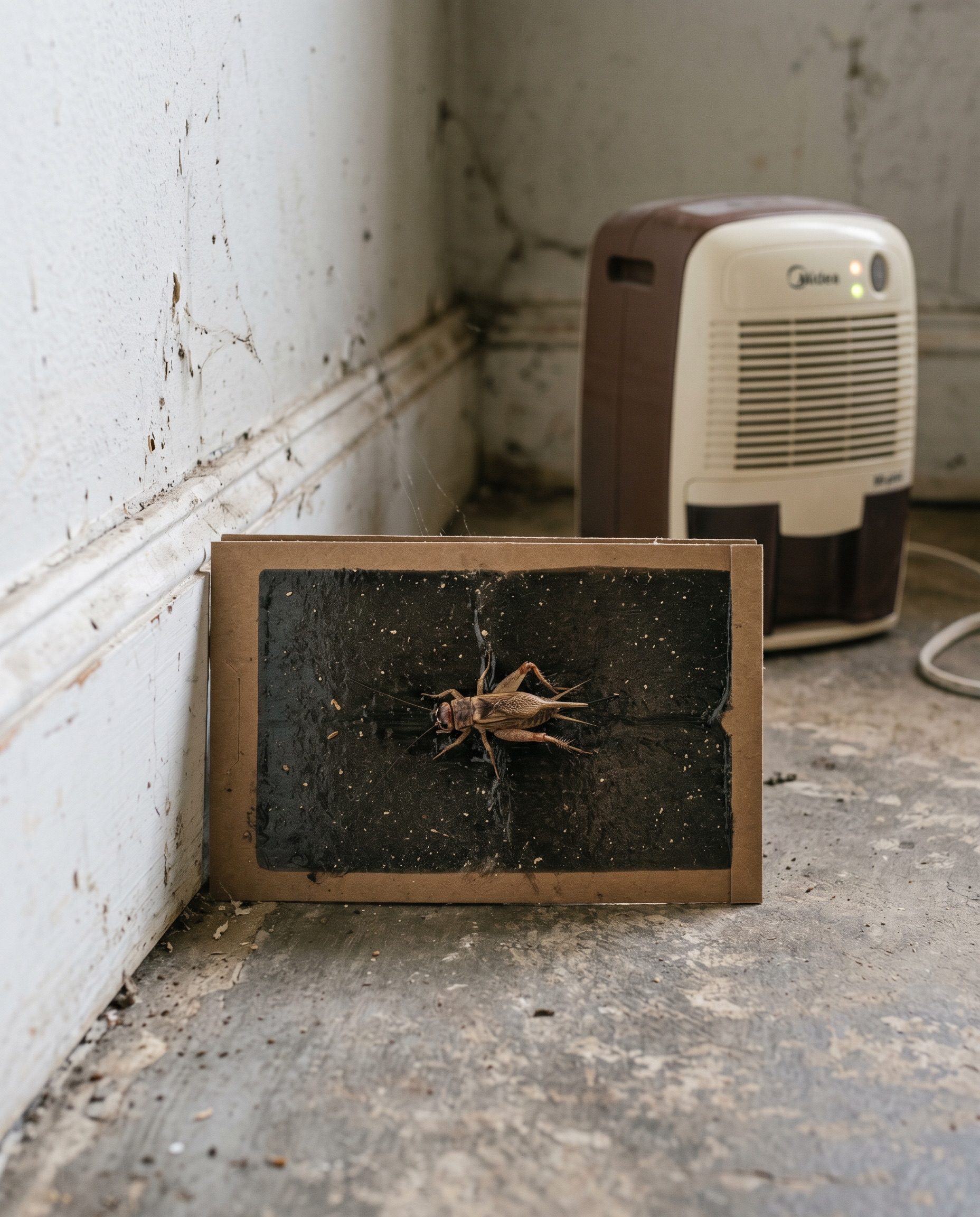
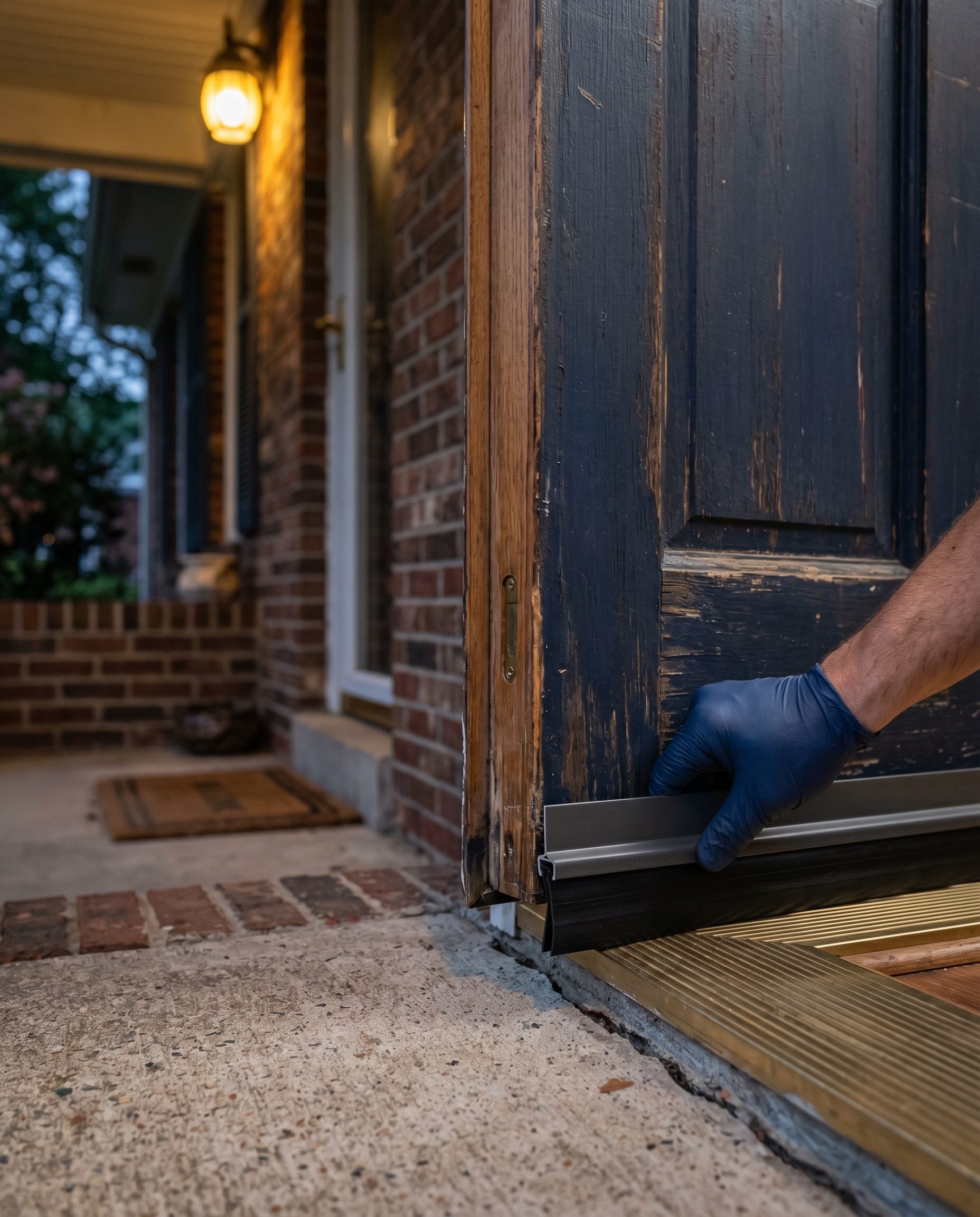
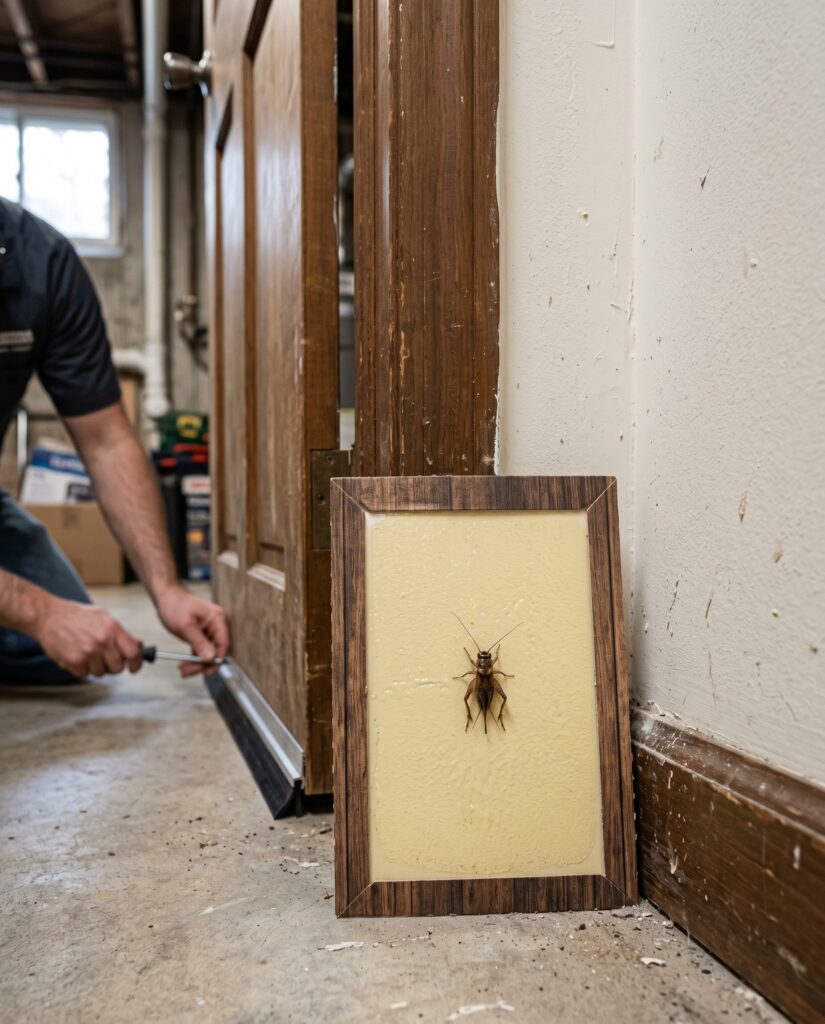
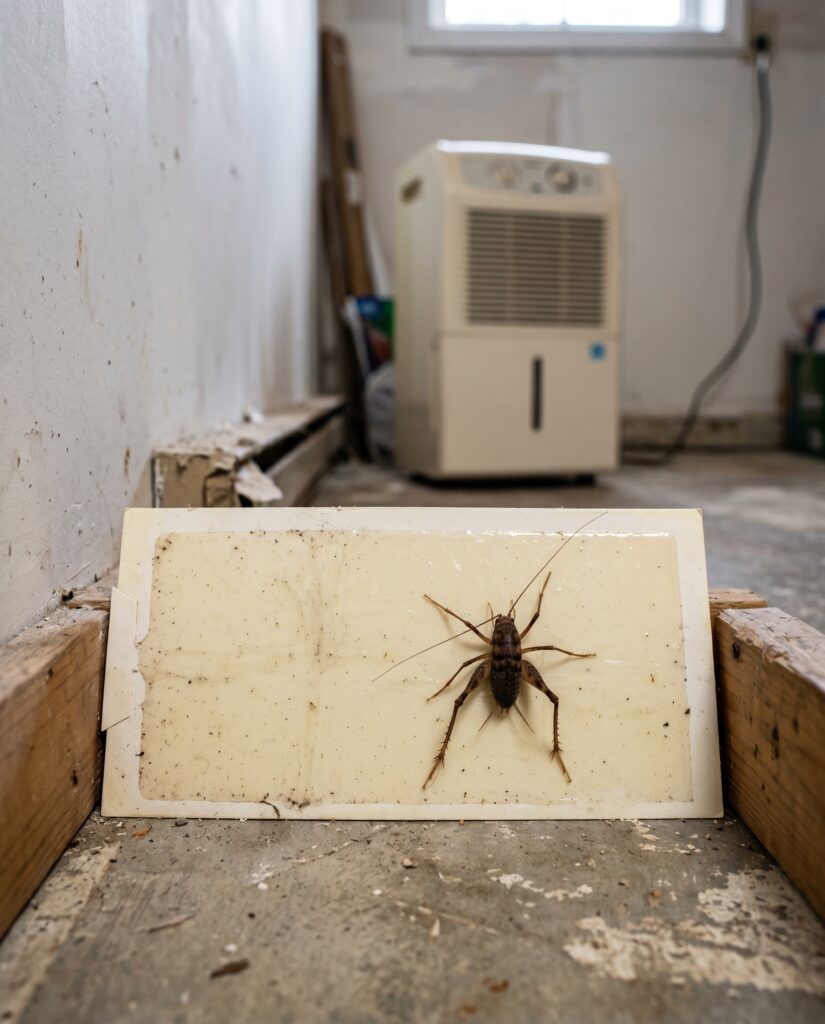
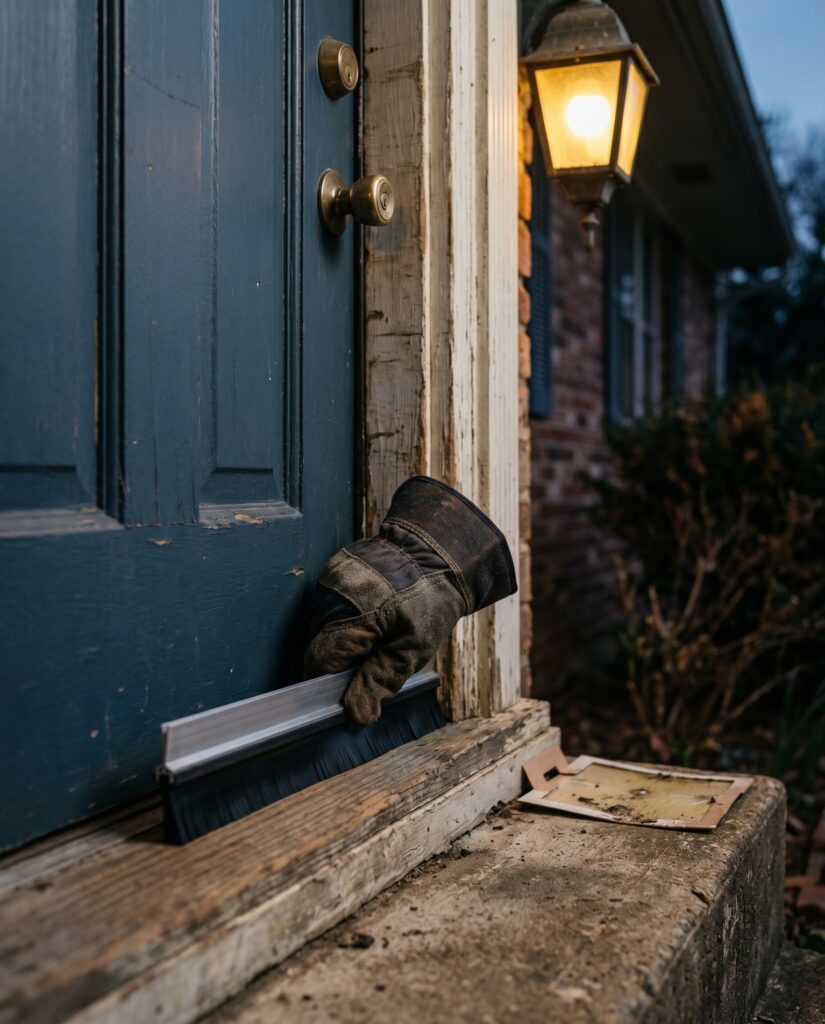
Because they originate outside, killing the crickets already indoors never keeps up with the supply unless you change the conditions that invite them. The lasting fix is environmental, and it follows the least-toxic, prevention-first logic in the EPA’s integrated pest management approach: run a dehumidifier in a damp basement or crawlspace, seal foundation cracks and pipe gaps and fit door sweeps, cut tall grass back from the house, and switch outdoor fixtures to yellow bulbs that draw fewer insects. Glue boards along the baseboards mop up the strays indoors while the conditions change.
\
\
\
\
Common questions
\
\
Do crickets bite humans?\
They can, but it almost never happens and almost never breaks skin. A cricket bites only if it is trapped against bare skin, and its blunt chewing jaws are not built to pierce. There is no venom and nothing injected, so even a rare nip is a brief pinch with no lasting effect.
\
\
Are crickets dangerous or do they carry disease?\
No. Crickets do not feed on blood and are not known to transmit any disease that threatens people. They are classified as nuisance insects, so the concern is comfort and property, not health.
\
\
Why do crickets chirp at night and how do I make it stop?\
Only male crickets chirp, rubbing their wings to attract a mate, and they call most at night. They go quiet when disturbed and slow when cold, so the practical fix is to locate and trap the male with a glue board rather than chase the sound.
\
\
Are camel crickets harmful?\
No. Camel crickets, also called spider crickets, are wingless, silent, and harmless, and they do not bite in any meaningful way. Their presence mainly tells you a space is damp, so a dehumidifier is the real answer.
\
\
Do crickets damage clothes or furniture?\
They can. In larger numbers crickets chew paper, cardboard, and natural fibers like cotton and wool, and they favor fabric with food or sweat stains. A few crickets do little, but an established group can leave holes in stored items.
\
\
Final verdict
\
\
Crickets are about as harmless as a house pest gets. They can technically bite, but the jaws rarely break skin, they are not aggressive, they do not feed on blood, and they carry no disease that threatens people. The real nuisances are the chirping that costs you sleep and the chewing on paper and fabric once a population grows, so treating crickets is about comfort and protecting your belongings, not about safety. Because they come in from outside on moisture, harborage, and light, the work that actually pays off is drying out damp spaces, sealing entry points, cutting back grass, and switching to yellow outdoor bulbs, with glue boards catching the strays.
\
\
Next steps:
\
\
– Sort out which cricket you have with our types of crickets identification guide.
\
– When you are ready to evict them, follow our how to get rid of crickets in the house walkthrough.
\
– If it is a humpbacked one in a damp basement, compare it directly in our camel cricket vs house cricket identification guide.
\
\
Pingback: Types of Crickets: Identification Guide