
\
\
\
You found a cricket in the basement or heard one chirping behind the baseboard, and the first question is simple: what kind is it, and is this a house problem or a yard one. The fastest tell is the body shape and the wings. House and field crickets are the familiar brown-to-black crickets that chirp and wander indoors, camel crickets are wingless, humpbacked, and silent, and mole crickets are a separate burrowing lawn pest you almost never see inside. Identify the shape, check for wings, and note whether it chirps, and you know which type you have and where to aim your effort. Crickets are a nuisance, not a health threat.
\
\
\
Most indoor cricket trouble is house, field, or camel crickets. If it chirps and has long wings folded flat, it is a house or field cricket; if it is humpbacked, wingless, and silent, it is a camel (spider) cricket; mole crickets are a separate lawn pest you rarely see indoors.
\
- \
- The confirming feature: Wings and chirp. Long flat wings plus chirping means house or field cricket; no wings and no chirp means camel cricket.
- Most-confused pair: Camel cricket vs. house cricket, separated by the camel cricket’s humped, wingless body.
- What it means: A nuisance, not a danger. Where you find it tells you whether to seal a damp basement or look at the yard.
\
\
\
\
\
\
\
\
For the questions either side of this one, see How to Raise Crickets at Home and Why Do Crickets Chirp?.
Quick answer: the four types
\
\
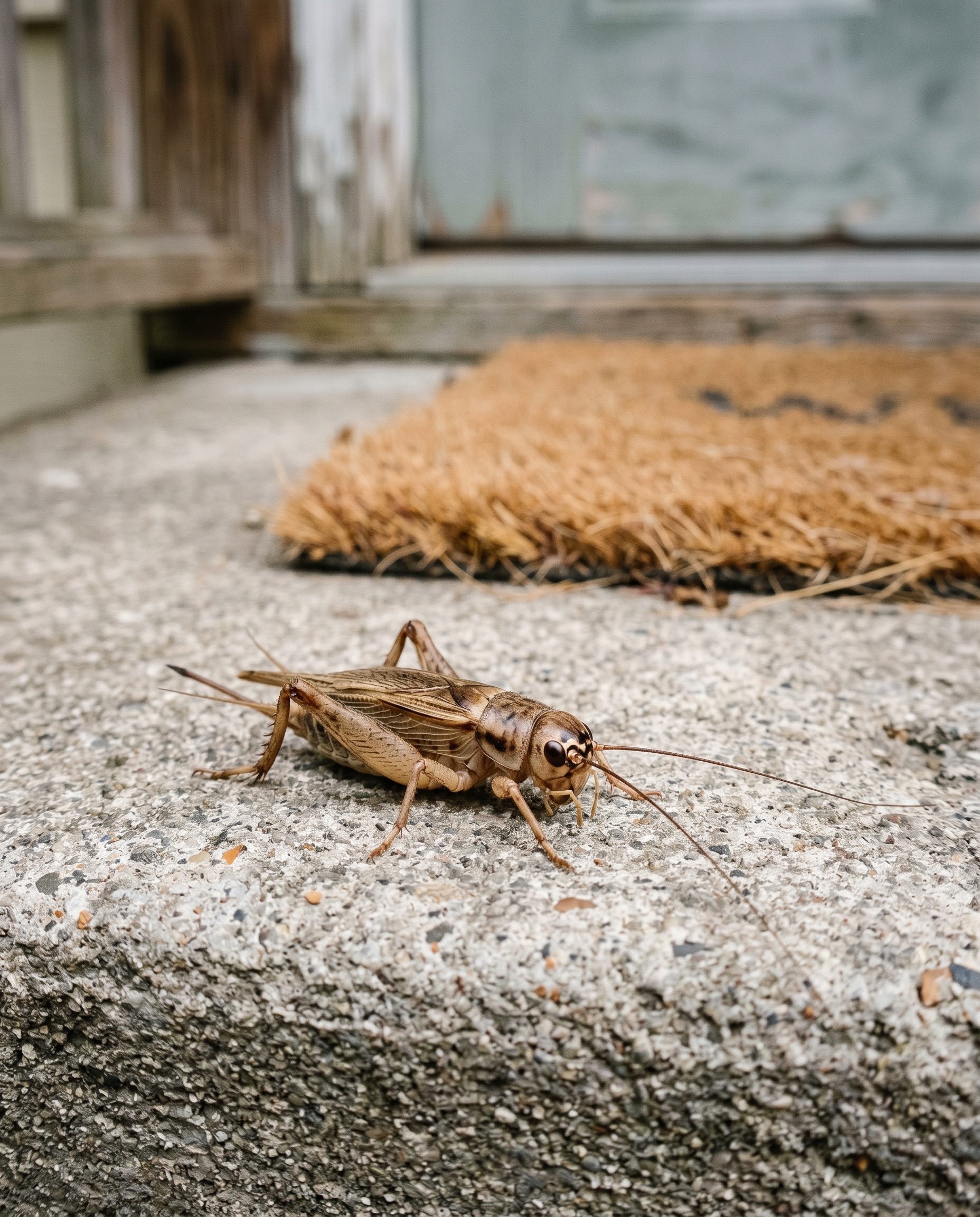
Four cricket groups cover almost everything a US homeowner runs into. The house cricket (Acheta domesticus) is light yellowish-brown with dark bands on the head and chirps from indoors all year in heated buildings. The field cricket (Gryllus species) is the bigger, darker, shiny black-to-brown cricket of late summer that wanders in from the yard. The camel cricket, sometimes called a spider cricket or cave cricket (family Rhaphidophoridae), is wingless, hump-backed, and completely silent. The mole cricket (Neoscapteriscus and Gryllotalpa species) is a stout, brown, burrowing insect with shovel-like front legs that lives in lawn soil and almost never comes indoors. The split that matters: the first three are the indoor and doorstep crickets, while the mole cricket is a turf pest.
\
\
The one feature that confirms it
\
\
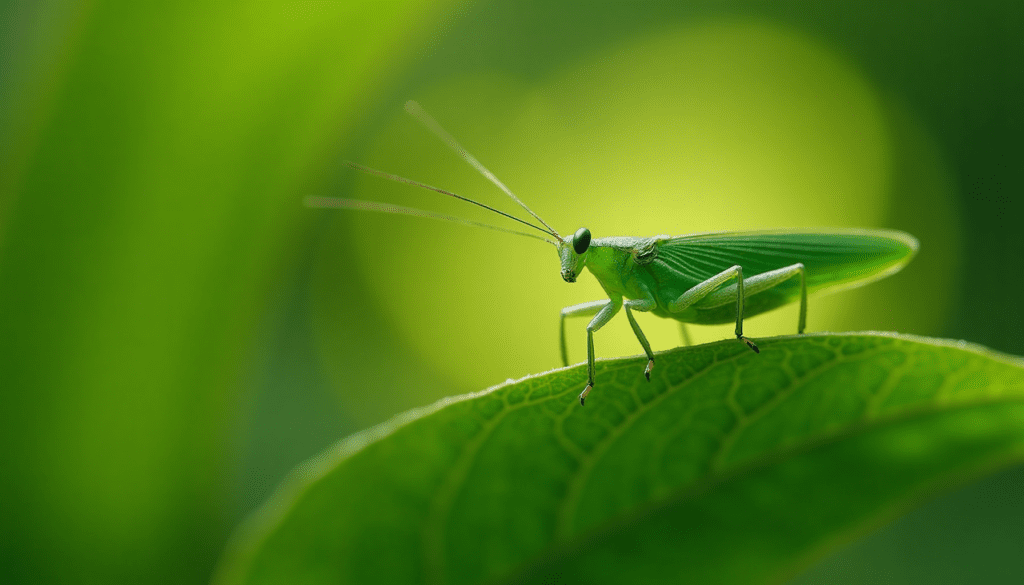
If you check one thing, check the wings and whether it chirps. House and field crickets are adults with long wings folded flat down the back, and the chirp you hear is a male rubbing those wings together. A chirping cricket has wings, full stop. Camel crickets never have wings at any life stage, so they cannot chirp and they cannot fly; their tall humped back and very long hind legs make them look almost spider-like, which is where the “spider cricket” name comes from. According to the University of Minnesota Extension overview of house, field, and camel crickets, this presence or absence of wings is the cleanest line between the noisy doorstep crickets and the silent basement one.
\
\
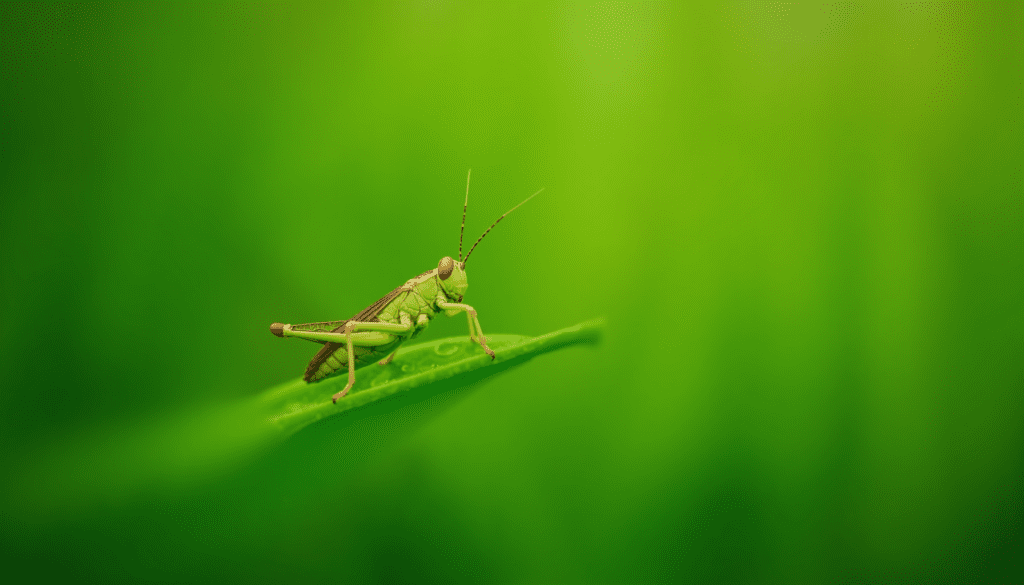
The limit of the wing test is life stage. A young house or field cricket nymph has not grown its wings yet, so it will not chirp and its wings look short. Use body shape as your backup: a flat-backed brown cricket with a short wing pad is a nymph, while a tall, arched, humpbacked body means camel cricket no matter the age. Mole crickets are the easy one to rule out: if the front legs look like a mole’s digging paws, you are not holding any of the others.
\
\
Full description by type
\
\
Run down the body, and each type sorts itself out. Start with overall shape, then size, color, wings, and where it turns up.
\
\
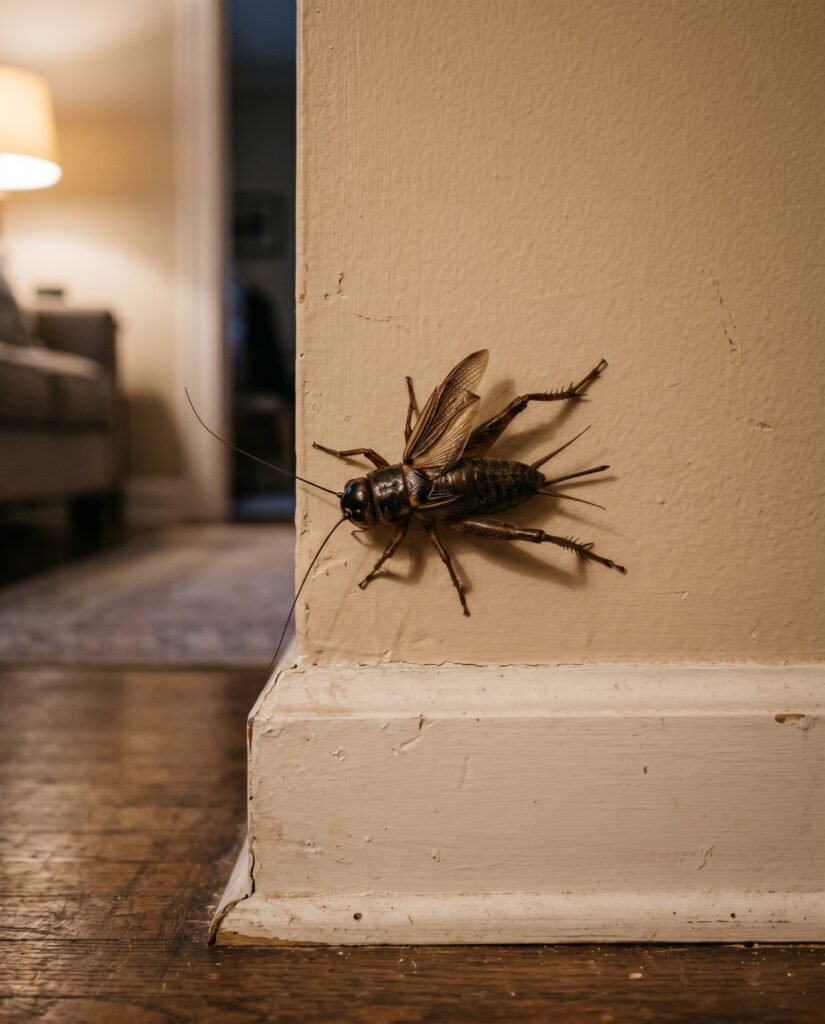
The house cricket is about three-quarters of an inch long, slender, and yellowish-brown with three darker bands across the head. It holds its wings flat over a fairly level back. You hear it before you see it, often a steady chirp from a warm utility room. The Missouri Department of Conservation’s house cricket field guide notes it is the cricket most adapted to living indoors year-round, which is why a single chirper can keep going long into winter.
\
\
The field cricket is larger and bulkier, up to about an inch, and shiny black or very dark brown with long wings and long antennae. It is an outdoor cricket that pushes indoors in big numbers in late summer and fall when nights cool off. Field crickets are strong jumpers and the loudest of the bunch. Iowa State’s profile of the field cricket confirms the late-season indoor surge is normal behavior, not an infestation in the structural sense.
\
\
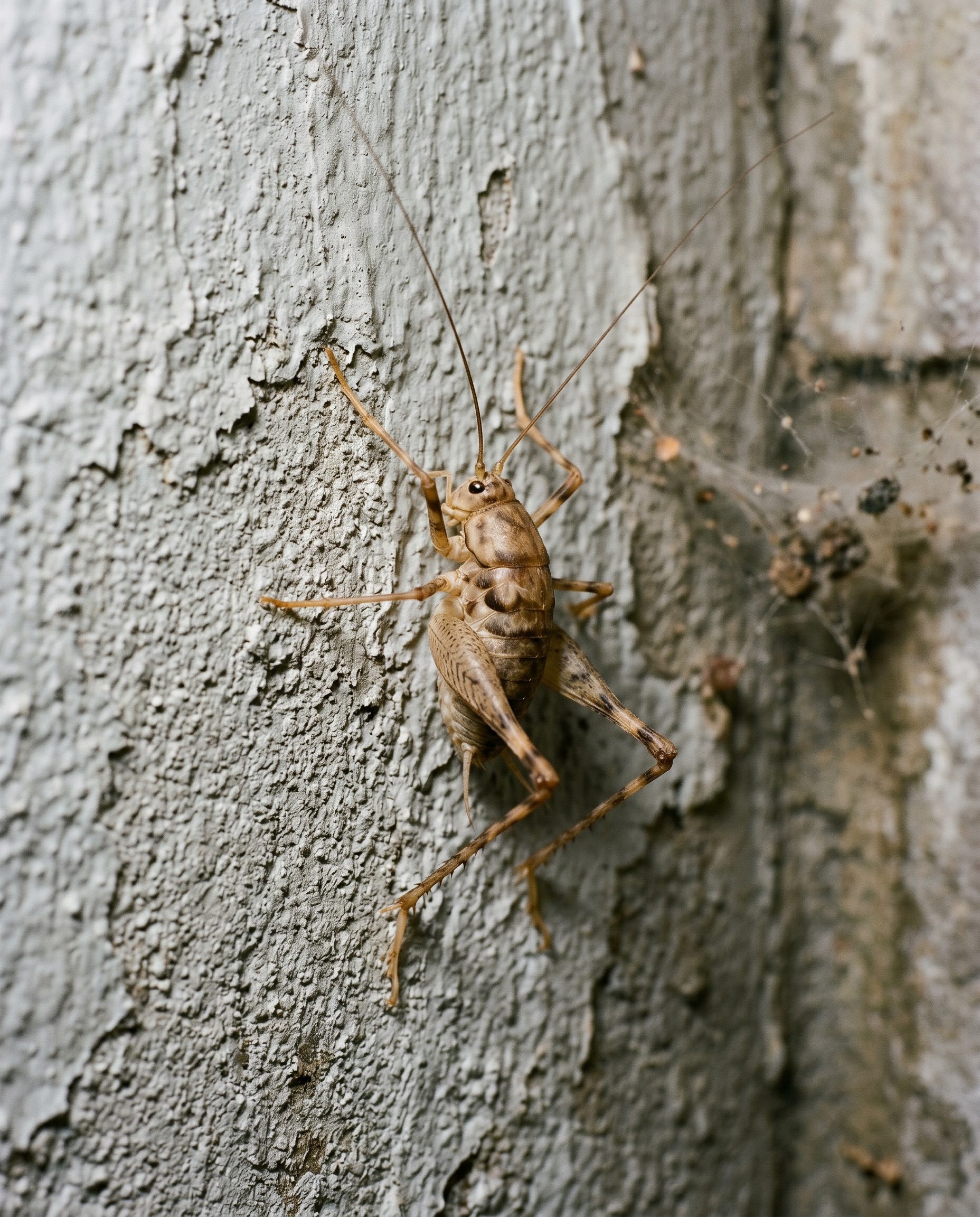
The camel cricket is the odd one. Its high arched back, lack of any wings, and very long bent hind legs are unmistakable. It is tan to mottled brown, moves in sudden jumps when startled, and lives in damp dark places. The presence of a few in a basement is really a moisture signal more than a pest signal.
\
\
\
\
Look-alikes and how to separate them
\
\
The confusion is almost always camel cricket versus house cricket, and people also mix up a field cricket with a roach in dim light. The separators are quick once you know them. A camel cricket has no wings and a humped back; a house cricket has flat wings and a level back and actually chirps. As camel crickets are wingless, humpbacked, and silent, any chirp at all rules the camel cricket out. A field cricket versus a cockroach comes down to the hind legs: crickets have big jumping back legs and long antennae, roaches do not jump. For a closer side-by-side on the trickiest pair, our camel cricket vs. house cricket identification guide walks the features one at a time.
\
\
| Type | Key features | Where found |
|---|---|---|
| House cricket | Tan, banded head, flat wings, chirps year-round | Indoors, warm rooms |
| Field cricket | Larger, shiny black-brown, long wings, loud chirp | Yard, indoors in fall |
| Camel (spider) cricket | Humpbacked, wingless, silent, long hind legs | Damp basements, crawlspaces |
| Mole cricket | Stout brown body, shovel-like front legs | Lawn soil, rarely indoors |
\
\
Where each type turns up
\
\
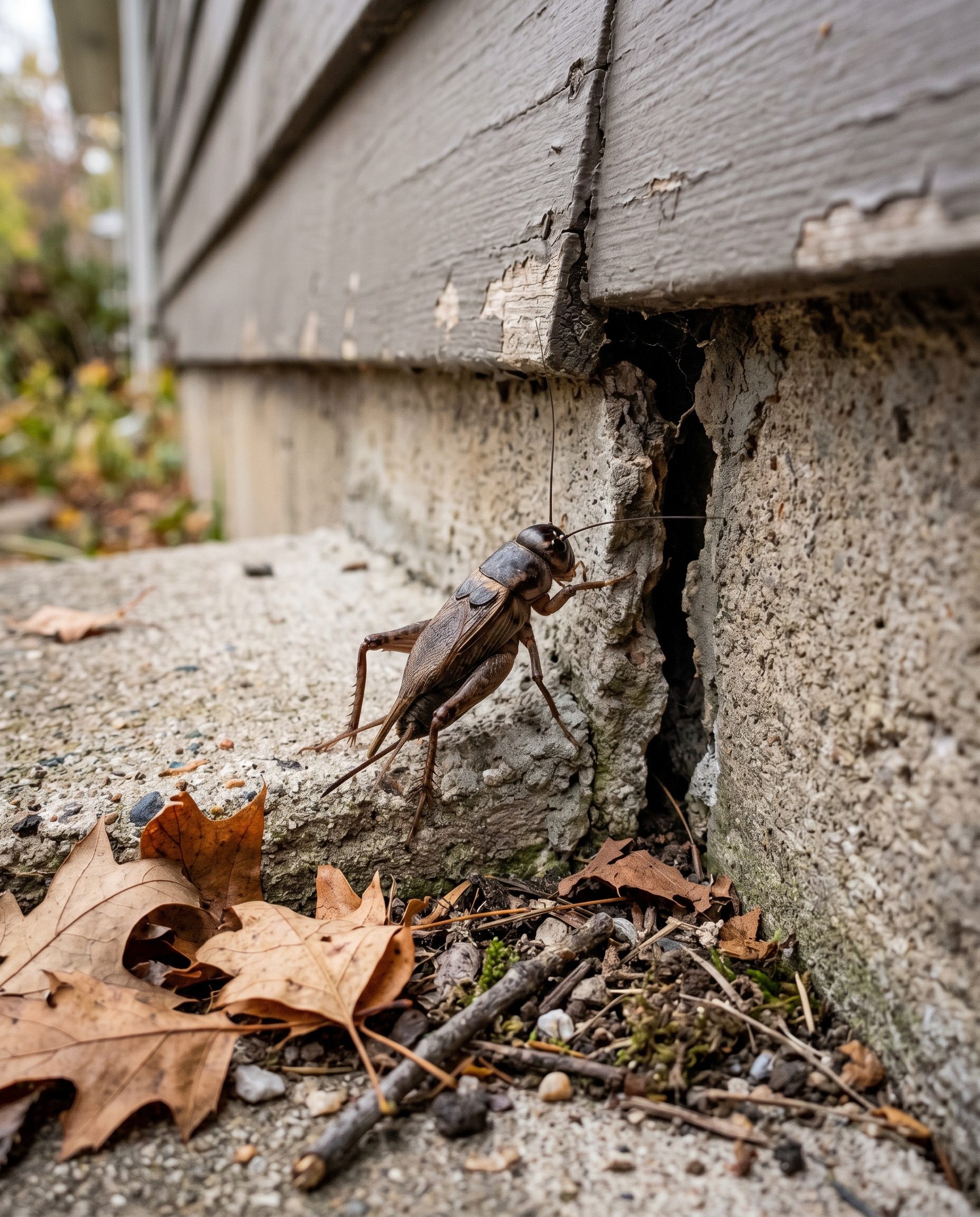
Where you find a cricket is itself an ID clue. House crickets favor warm, sheltered indoor spots like furnace rooms, garages, and the gaps behind appliances, which is how they keep chirping through a cold month. Field crickets live outdoors under mulch, stones, and debris through summer, then crowd toward foundations and doorways as the season turns, slipping in through gaps around doors and vents. That late-summer push is the most common reason a homeowner suddenly meets several at once, and Extension entomologists describe the same seasonal movement toward buildings.
\
\
Camel crickets read like a humidity gauge: they collect in basements, crawlspaces, under decks, and in window wells, anywhere dark and damp. Finding them usually points at a moisture issue worth fixing on its own. Mole crickets stay in the soil of lawns and sports fields across the warmer southern states, raising spongy tunnels in the turf, and you are far more likely to see their damage than the insect. Because these ranges and seasons differ, the spot where you found yours narrows the list fast before you even look closely.\
\
\
\
Are crickets dangerous?
\
\
No. Crickets are a nuisance, not a health threat: they do not transmit disease to people, and they are not aggressive. A large field cricket can deliver a weak pinch if you grab one, but they do not seek to bite and their jaws rarely break skin. For the full picture on the biting question, see our guide on whether crickets bite and whether they are harmful.
\
\
The real complaints are noise and the occasional chewed fabric or paper when crickets are numerous indoors. If you want fewer of them, the proportionate response is exclusion and drying things out rather than heavy spraying, which lines up with the EPA’s principles of integrated pest management: seal entry gaps, reduce outdoor lighting that draws them to the door, and address basement dampness for camel crickets. That fixes the cause instead of chasing individuals.
\
\
Common questions
\
\
What is the difference between a house cricket and a camel cricket?\
A house cricket has wings, chirps, and has a level back; a camel cricket has no wings, makes no sound, and has a tall humped back with very long hind legs. The chirp alone settles it, because only winged crickets can produce sound.
\
\
Why do crickets chirp and which types do it?\
Only crickets with wings chirp, which means house and field crickets, not camel crickets. The males rub their wings together to call, and the rate rises with temperature. We cover the mechanics in our explainer on why crickets chirp.
\
\
Do camel crickets mean my house has a problem?\
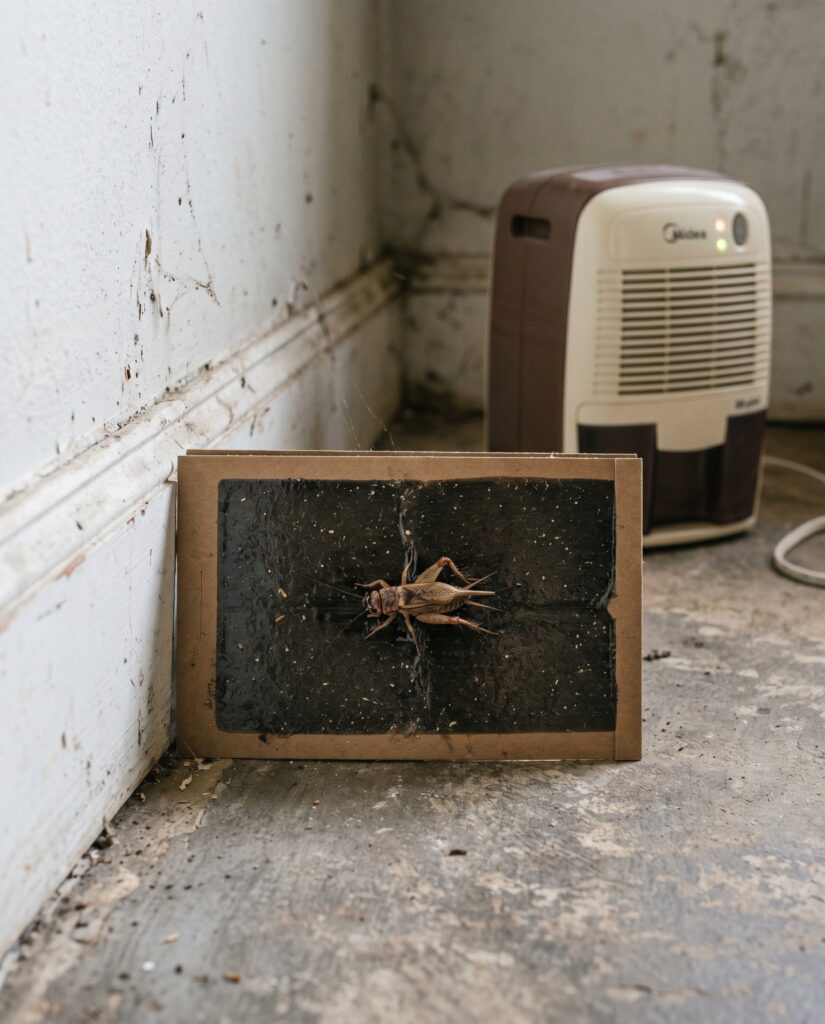
They usually mean a moisture problem more than a pest one. Camel crickets gather where it is dark and damp, so a cluster in a basement or crawlspace is a cue to improve ventilation, fix leaks, and run a dehumidifier.
\
\
Are mole crickets the same as the crickets in my house?\
No. Mole crickets are a separate burrowing lawn pest with shovel-like front legs and they live in soil, so an indoor cricket is almost never a mole cricket. If you see turf damage in a southern lawn, that points to mole crickets, not the chirpers indoors.
\
\
Will crickets damage my home?\
Rarely, and only when numbers are high. Crickets can nibble fabric, paper, and stored items indoors, but they do not bore into wood or structure the way true wood pests do. They are an annoyance, not a structural risk.
\
\
Final verdict
\
\
Sorting crickets comes down to three quick checks: the body shape, the wings, and the chirp. A flat-backed brown or black cricket with long wings that chirps is a house or field cricket that wandered in from the yard. A tall, humpbacked, wingless, silent cricket is a camel cricket, and finding it is really a sign of dampness to fix. A stout brown cricket with mole-like digging legs is a mole cricket, a lawn pest you will almost never meet indoors. Once you have the type, you know whether the next move is sealing the house, drying the basement, or looking at the turf, and you also know there is no rush, because crickets are a nuisance rather than a danger.
\
\
Next steps:
\
\
– Settle the trickiest pair with our camel cricket vs. house cricket identification guide.
\
– Check the safety question in do crickets bite and are they harmful.
\
– Learn the sound itself in why crickets chirp.
\
\
Pingback: Camel Cricket vs House Cricket: How to Tell Them Apart