n
n
n
You found a scorpion on the patio wall and the first question is whether it is the dangerous one. The short version is that it almost never is. Most US scorpions are stout-clawed, ground-dwelling species whose sting lands about like a bee, and you can sort them by size, claw shape, and region. The one that genuinely matters medically is the slender, pale Arizona bark scorpion, so the identification that counts is telling that small, thin-pincered climber apart from the big, harmless desert hairy and striped-bark types. Thin pincers and a slim body on a small scorpion are the tell that you should slow down and pay attention.
nn
n
If the scorpion is small, pale, and has thin, slender pincers, it is likely an Arizona bark scorpion, the one US species whose sting can be a medical concern; thick crab-like claws on a bulky body mean a harmless desert species.
n
- n
- The confirming feature: thin, slender pincers on a small straw-colored body point to the bark scorpion; thick, heavy claws do not.
- Most-confused look-alike: the big desert hairy scorpion and the striped-bark type, separated by claw thickness and body bulk.
- What it means: most US stings are mild and bee-like, but a bark scorpion sting in a young child needs prompt care. See are scorpions dangerous.
n
n
n
n
nn
nn
Quick answer on which one it is
nn
Two numbers settle most cases: claw thickness and body size. The Arizona bark scorpion (Centruroides sculpturatus) is small, roughly two to three inches including the tail, straw to light tan, with noticeably thin, almost dainty pincers and a slender tail. The harmless heavyweights look nothing like that up close. The desert hairy scorpion is large, often four to six inches, with thick, crab-like claws and a stout brown body. If the pincers are chunky and the animal is bulky, you can relax. Common name first matters here, because the scientific name only earns its place when it stops you confusing two species that share a nickname.
nn
The one feature that confirms it
nn
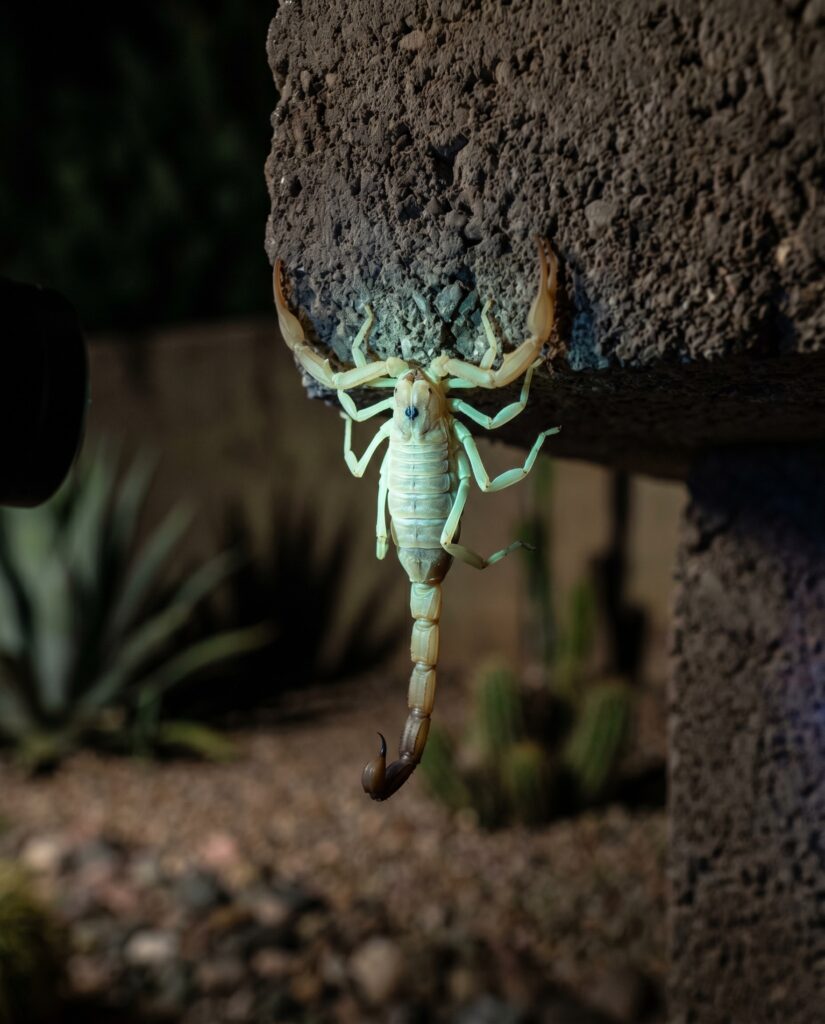
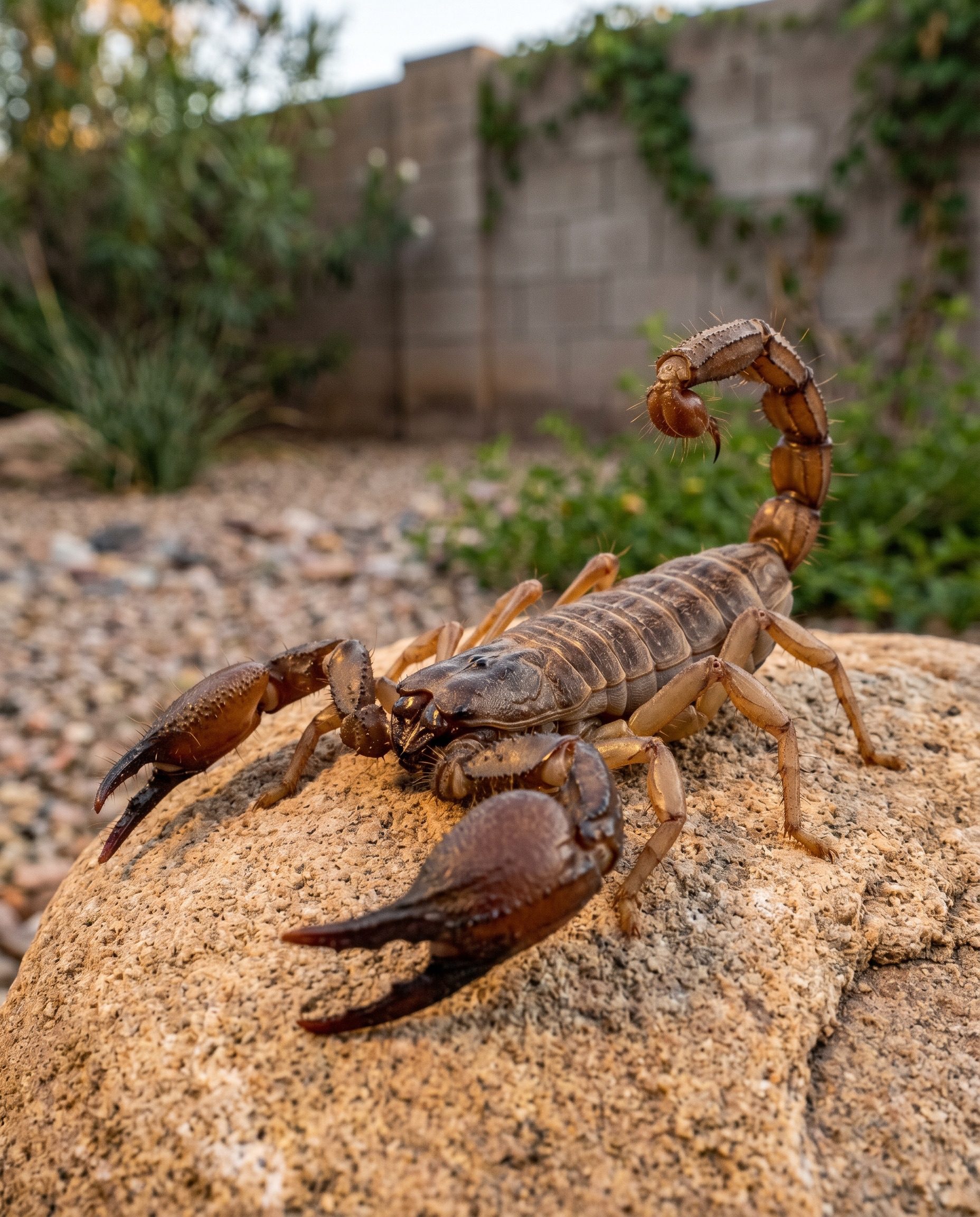
If you check a single thing, check the pincers. On the bark scorpion they are long, thin, and pencil-like, the kind of claw built for grabbing rather than crushing. On nearly every harmless US species the claws are thick and robust, more like a crab’s. This thin-versus-thick claw split is the fastest, most reliable field tell, and it holds even when color and size are ambiguous in poor light. Texas A&M AgriLife on the bark scorpion and its slender pincers describes the same slim-pincered build as the diagnostic shape to look for.
nn
There is a rough rule entomologists repeat for a reason: across scorpions worldwide, slim pincers paired with a thin tail tend to signal more potent venom, while thick claws tend to go with milder stings. It is a tendency, not a law, so do not bet a bare hand on it. Back the claw check with size and color, and where you can, with a UV light. A small pale scorpion with thread-thin claws is the combination that warrants caution.
nn
Full description to run down
nn
Work through a scorpion the way you would a checklist, and the ID falls out fast. Start with size: the bark scorpion is small, two to three inches tip to tail, while the desert hairy is a giant by comparison at four to six. Color next: bark scorpions run pale yellow to light tan and can look almost translucent, where the desert hairy is darker brown with a blackish back, and the striped-bark scorpion carries two lengthwise dark stripes down its back.
nn
Then the pincers and tail, which carry the most ID weight. Slender claws and a thin tail on a small body is the bark scorpion profile; heavy claws and a thick body is a harmless species. Count the legs while you are at it, because eight legs plus a pair of pincers and a segmented tail confirms you are looking at an arachnid, not an insect, which is why scorpions behave more like spiders than like the six-legged bugs people lump them with. Eight walking legs plus grasping pincers means arachnid, and that frames everything about how they hunt and hide.
The detail on eight legs is not enough on its own sits in our guide to bugs that look like spiders.
nn
nn
Look-alikes and how they differ
nn
People mix these up because in a dim garage every scorpion looks alarming, and the bark scorpion’s habit of climbing walls and hanging upside down makes it the one you actually meet at eye level. The separations are simple once you know what carries weight. The table below ranks the three you are most likely to encounter in the US Southwest by the feature that tells them apart.
nn
| Species | Key feature | Where found |
|---|---|---|
| Arizona bark scorpion | Small, pale, thin slender pincers, climbs walls | AZ, NM, parts of CA, UT, NV |
| Desert hairy scorpion | Very large, thick claws, dark stout body, hairy | Southwest deserts, burrows in soil |
| Striped-bark scorpion | Two dark back stripes, medium thick claws | TX and central US, under rocks and bark |
nn
The desert hairy scorpion looks the scariest and is the most harmless, since its size and thick claws go with a mild sting. The striped-bark scorpion of Texas is the one most often confused with the Arizona bark scorpion by name alone, but its stripes and stouter claws give it away. For a side-by-side walkthrough of these confusion pairs, our bark scorpion vs other scorpions identification guide lines up the features in detail.
nn
Range, habitat, and when you see them
nn
Region does a lot of the ID work for you. The Arizona bark scorpion is concentrated in Arizona and into New Mexico, with pockets in southern California, Utah, and Nevada, so a small pale climbing scorpion in Phoenix is a very different bet than one in the Southeast. The desert hairy is a Southwest desert species that burrows in soil and stays low. The striped-bark scorpion ranges across Texas and much of the central US, which is why it, not the Arizona bark scorpion, is the one most Texans actually find.
nn
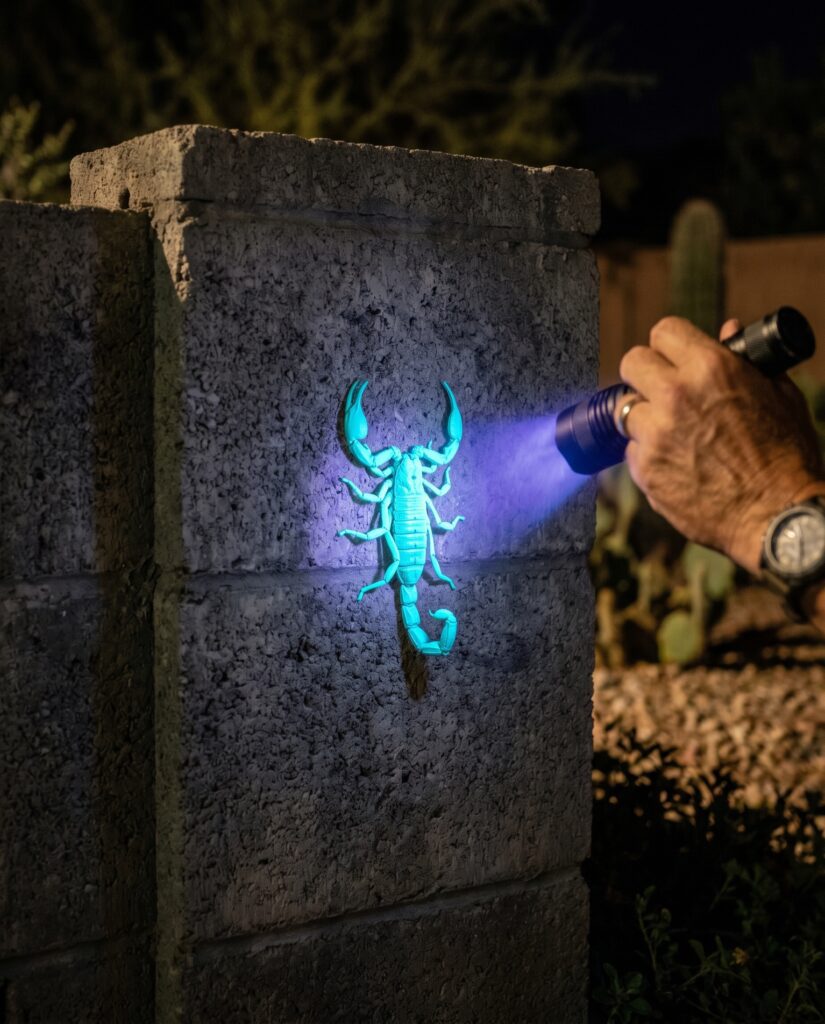
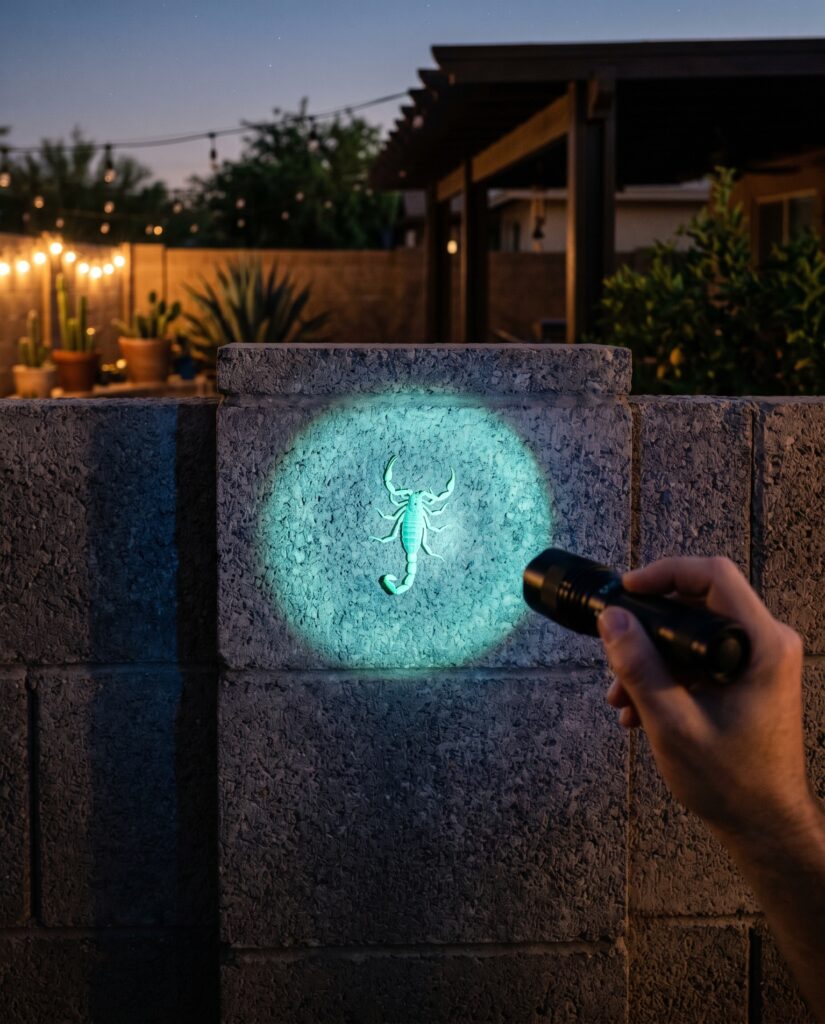
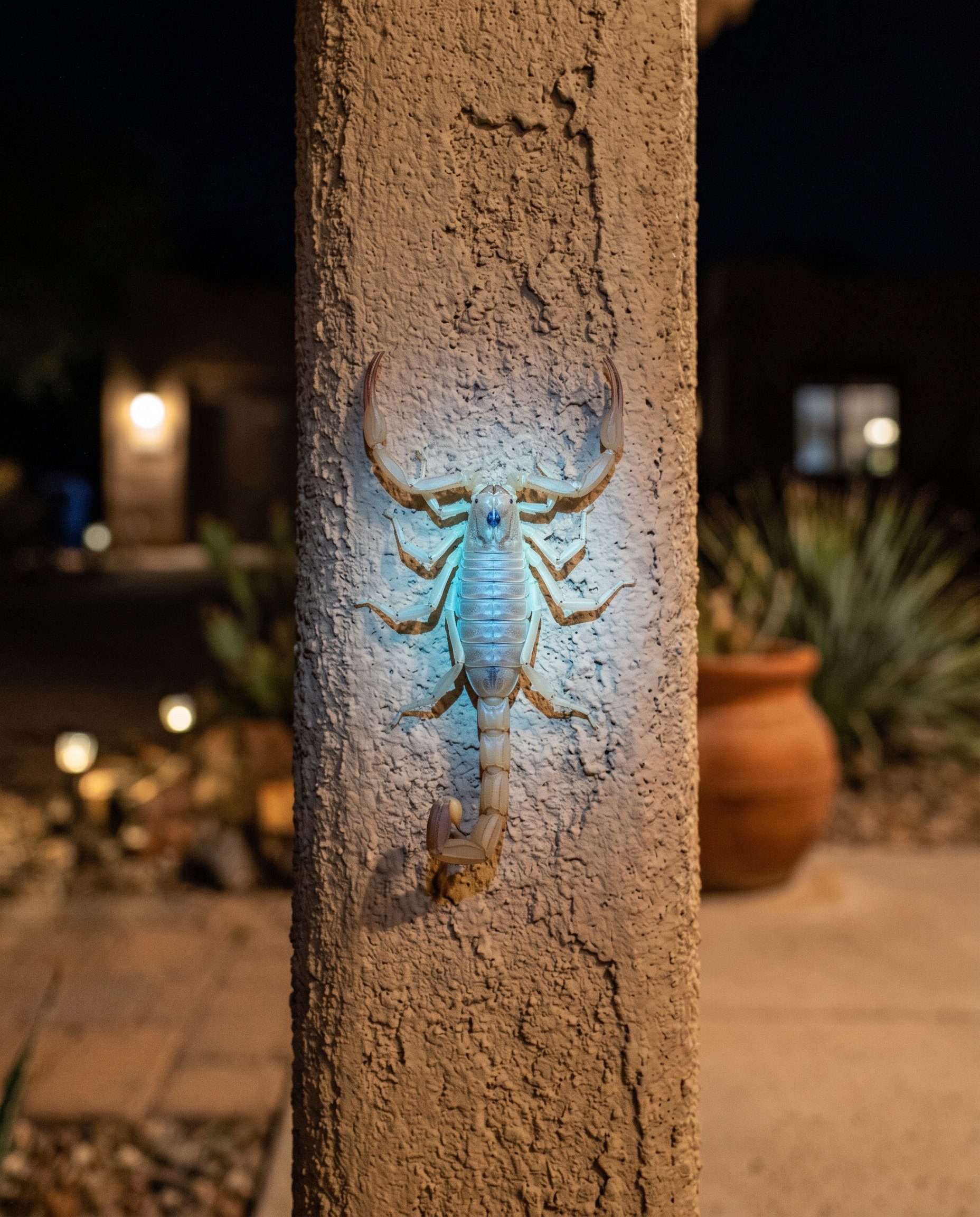
Scorpions are nocturnal and most active in the warm months, hiding by day under rocks, bark, woodpiles, and in wall voids, then hunting at night. Bark scorpions are the climbers, which is how they end up on ceilings, in shoes, and on stucco walls. The UC IPM Pest Notes on scorpions note that an ultraviolet flashlight is the single best way to find them, because scorpion cuticle glows blue-green under UV. A UV sweep of the yard at night reveals them when daylight hides them. When you hunt, never grab a scorpion by hand. Use long tongs, and wear closed shoes after dark in scorpion country.
nn
nn
Is it dangerous
nn
Get emergency medical help right away for signs of a severe reaction after any sting, including trouble breathing, swelling of the throat or tongue, dizziness or fainting, or hives spreading quickly, and use an epinephrine auto-injector if one has been prescribed. For an Arizona bark scorpion sting, watch young children especially closely, because their reactions can be serious. Red flags in a child include drooling, slurred speech, roving eye movements, muscle twitching, and trouble breathing, and those warrant emergency care without delay. The red-flag symptoms that mean a scorpion sting needs care are worth reading before sting season.
nn
For the overwhelming majority of US scorpions, the sting is mild, comparable to a bee, with local pain, swelling, and numbness that fades. I identify; I do not diagnose or prescribe, so if a sting worries you, your regional poison center can give sting guidance by phone and a doctor can confirm what you are dealing with. For the venom side in plain language, see our guide to whether scorpions are dangerous.
nn
Common questions
nnHow do I tell a bark scorpion from a harmless one fast?n
Look at the pincers. The Arizona bark scorpion has thin, slender, pencil-like claws on a small pale body. Harmless US species like the desert hairy have thick, crab-like claws on a bulkier body. Thin claws plus small pale size is the combination to treat with caution.
nnDo scorpions glow under UV light?n
Yes. Scorpion cuticle fluoresces blue-green under ultraviolet light, which makes a handheld UV flashlight the most effective way to spot them at night. Sweep walls, baseboards, and the yard, and always keep your hands clear and use long tongs if you need to move one.
nnAre most US scorpion stings dangerous?n
No. Most US scorpion stings are mild and feel about like a bee sting, with local pain and swelling that passes. The Arizona bark scorpion is the exception that can cause a more serious reaction, especially in young children, which is why getting the ID right matters.
nnWhich states have the dangerous one?n
The Arizona bark scorpion is centered in Arizona and New Mexico, with pockets in southern California, Utah, and Nevada. Texas and the central US have the striped-bark scorpion, which is similar in name but stouter and far milder. Region is a strong first clue.
nnAre scorpions insects?n
No, they are arachnids, like spiders. They have eight walking legs plus a pair of grasping pincers and a segmented tail, while insects have six legs and three body sections. Counting the legs is the quickest way to place any creepy-crawly in the right group.
nn
Final verdict
nn
Scorpion identification comes down to one honest split: the small, pale, thin-pincered Arizona bark scorpion is the one that matters, and almost everything else with thick crab-like claws and a bulky body is a harmless nuisance that stings about like a bee. Check the claws first, back it up with size, color, and region, and let a nighttime UV sweep do the finding for you. Handle none of them by hand, wear closed shoes after dark, and keep the emergency red flags in mind for young children. Get the name right and the right response follows.
nn
Next steps:
nn
– Compare the confusion pairs feature by feature in our bark scorpion vs other scorpions identification guide.
n
– Understand the venom and sting risk in our guide to whether scorpions are dangerous.
n
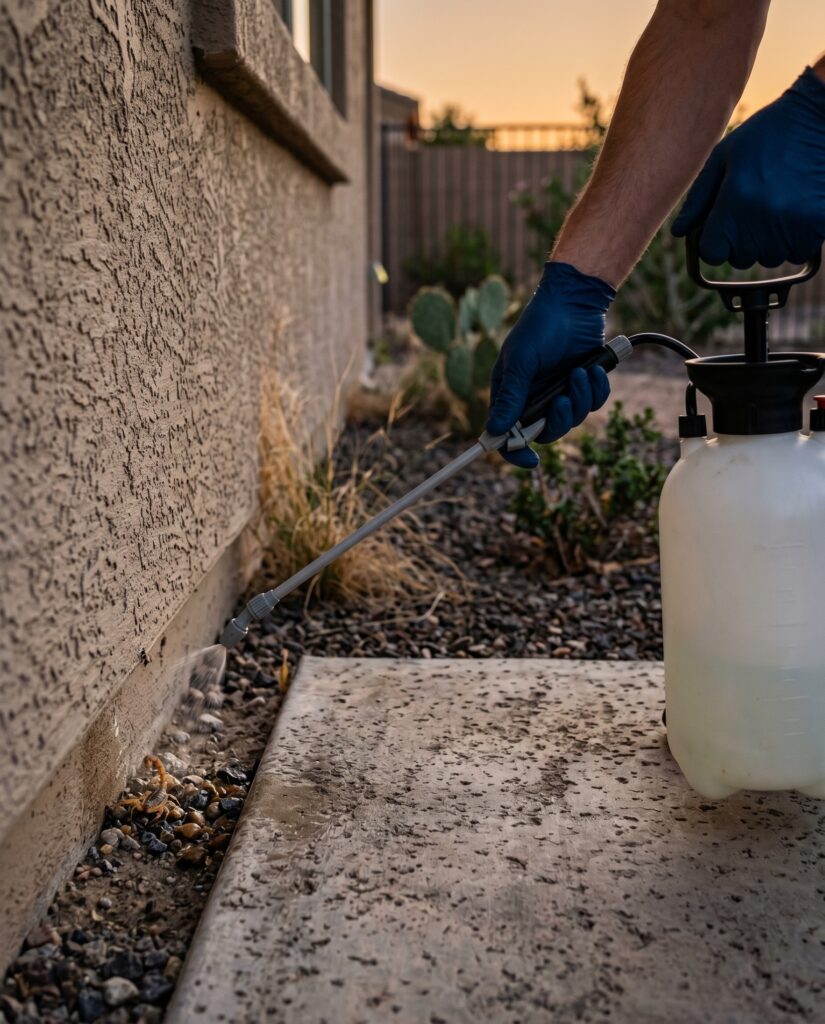
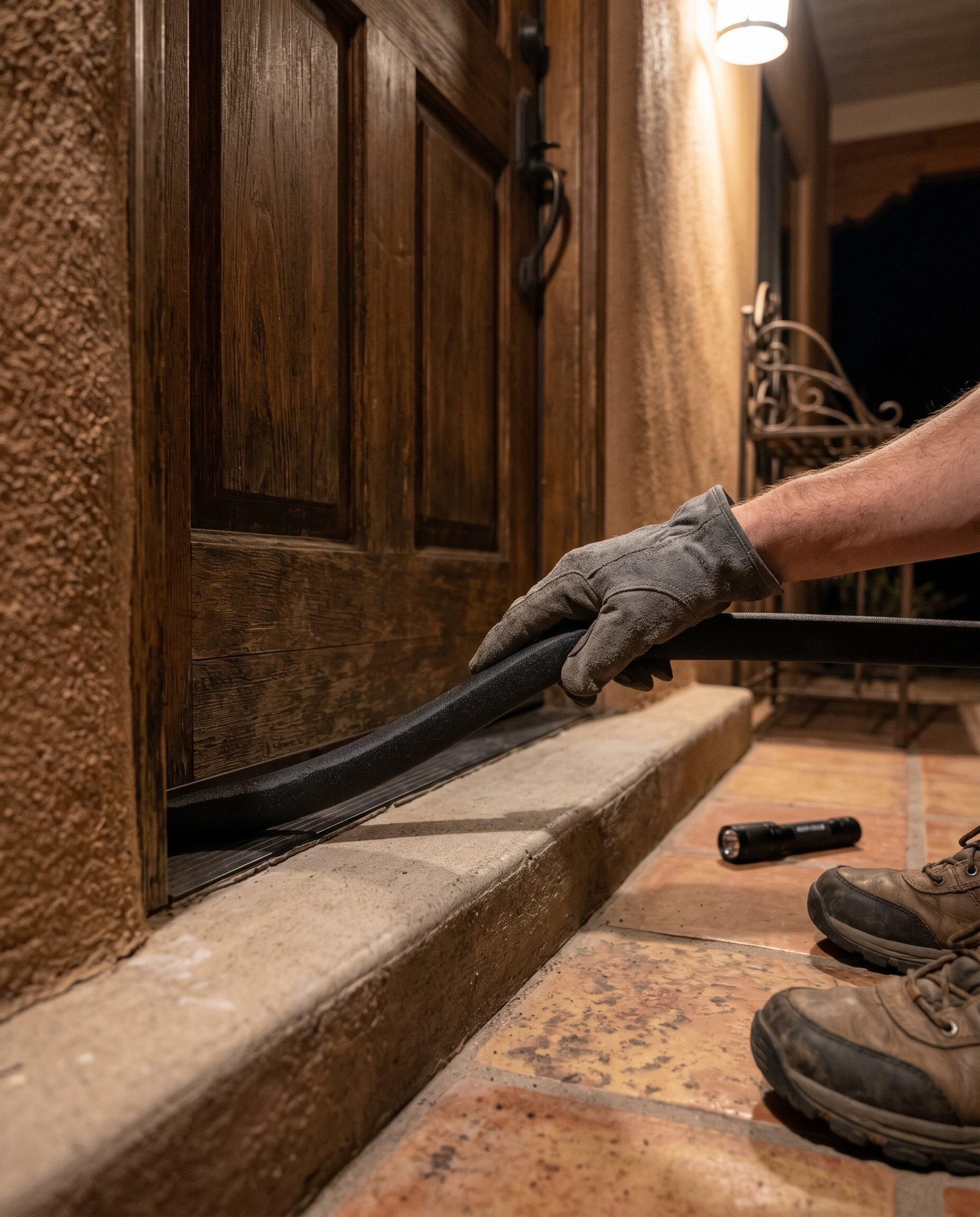
– If you want them out of the house, our walkthrough on how to get rid of scorpions covers exclusion and harborage cleanup, in line with sealing entry points instead of spraying first.
nn