
\
\
A scorpion sting sounds frightening, but for the great majority of stings in the United States the treatment is simple: wash it, ice it, and manage the pain like a bad bee sting that fades within a day. The sharp burn and local swelling are the whole event for most people, and they settle on their own. The exception worth knowing is the Arizona bark scorpion, whose venom can cause severe symptoms, especially in young children. The signs that change the plan are trouble breathing, muscle twitching or jerking, roving eye movements, drooling, or trouble swallowing, and any of those is a medical emergency. This guide shows you the mild path, the red flags, and how to keep your home from being a scorpion’s hiding spot.
\
\
\
Most US scorpion stings only need wash, ice, and pain relief like a bad bee sting that fades within a day; the Arizona bark scorpion is the exception, and severe symptoms, especially in young children, are a medical emergency.
\
- \
- Normal: Sharp burning pain, redness, mild swelling, and tingling right at the sting site that eases over a day with home care.
- See a doctor: Pain or numbness spreading up the limb, symptoms that worsen instead of fading, or any sting in a young child or older adult.
- Get emergency help: Trouble breathing or swallowing, muscle twitching or jerking, roving or jerking eye movements, drooling, or slurred speech.
\
\
\
\
\
\

\
\
Two neighbouring questions come up here: Sweat Bees: Why They Land on You and How to Effectively Repel Them and Ground Bees: How to Identify and Effectively Manage Them.
Is a scorpion sting dangerous
\
\
For most people in the US, the honest answer is no, not seriously. A sting hurts a lot at first, the way a wasp sting does, and then it calms down. The fear around scorpions runs well ahead of the actual risk, because one notorious species shapes the whole reputation. Sorting the common, harmless sting from the rare dangerous one is the entire job here.
\
\
The split comes down to species. Texas A&M’s extension entomologists note that most US scorpion stings cause only mild local symptoms that resemble a bee or wasp sting, with the dangerous reactions confined to a single species. If you want the fuller picture of how scorpion venom actually works and which scorpions carry the punch, our explainer on whether scorpions are dangerous walks through it.
\
\
What a normal sting feels like
\
\
A typical scorpion sting is a local event. You feel an immediate sharp, burning pain at the spot, sometimes with mild swelling, redness, and a pins-and-needles tingling or numbness right around the sting. The pain peaks early and then fades, usually easing within a few hours and largely gone within a day. Many people compare it to a bad bee sting, which is a fair benchmark for the common species.
\
\
MedlinePlus, the NIH consumer health service, describes what a scorpion sting commonly feels like and the first aid for it: pain, numbness, and tingling at the site, with cold compresses and over-the-counter pain relief for an uncomplicated sting. For a healthy adult stung by a common US scorpion, that is the whole story. There is nothing to chase and nothing to cure beyond easing the discomfort while it settles.
\
\
\
\
The Arizona bark scorpion exception
\
\
This is the part that earns the “when to worry” in the title. The Arizona bark scorpion is the one species of real medical concern in the US, according to UC IPM, found mainly across Arizona and into neighboring desert areas. Its venom can do more than sting locally, and young children are the most vulnerable because a small body absorbs a larger relative dose.
\
\
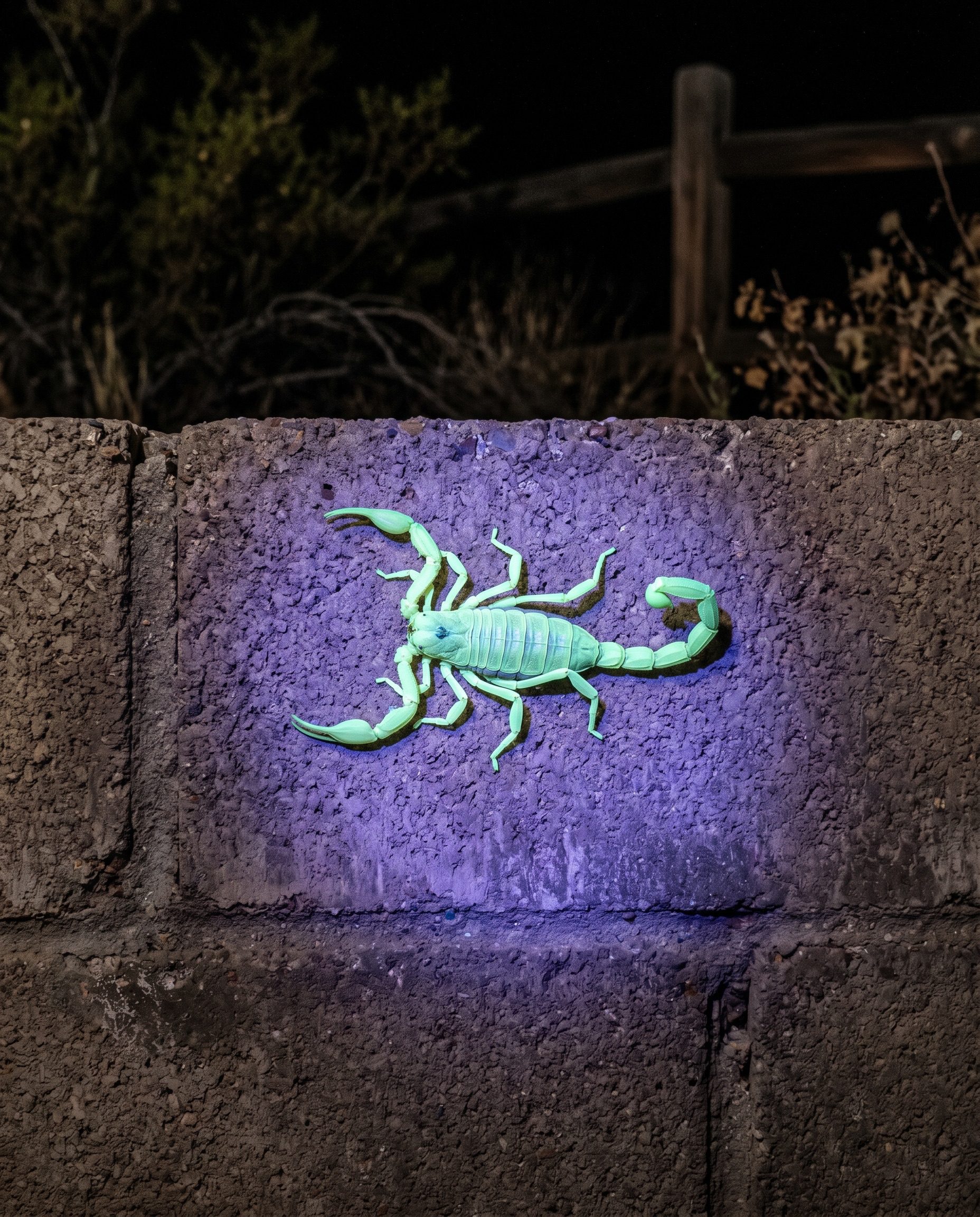
The bark scorpion (Centruroides sculpturatus) is small, slender, and light tan, and it can climb walls and hang upside down, which is part of why it ends up indoors. Telling it apart from the harmless desert scorpions in your area matters, and our bark scorpion identification guide shows the features to look for. A sting from this species in an adult is often still just very painful, but a sting in an infant or toddler is the scenario that needs fast attention, even before dramatic symptoms appear.
\
\
What makes a bark scorpion sting different is the way the symptoms can move beyond the sting site into the nervous system. That shift is exactly what the next section is about.
\
\
Emergency signs to act on
\
\
Some scorpion stings, mostly from the bark scorpion and mostly in children, can cause body-wide symptoms that need emergency care. Get emergency medical help right away for any of these signs: trouble breathing or swallowing, muscle twitching, jerking, or stiffening, roving or jerking eye movements, drooling, slurred speech, restlessness or thrashing that you cannot calm, or a fast or irregular heartbeat. Treat these as call-for-help signs, not wait-and-see signs.
\
\
A severe allergic reaction is also possible, though uncommon, and it is its own emergency: trouble breathing, swelling of the throat, tongue, or lips, tightness in the chest or throat, dizziness or fainting, or hives spreading quickly over the body. If the person has a known severe insect allergy and an epinephrine auto-injector such as an EpiPen has been prescribed, use it as directed and still get emergency care, because symptoms can return.
\
\
When you are unsure how serious a sting is, your local poison control center is the right first call. America’s Poison Centers explains when to reach a poison control center for a sting, and they can guide you on whether a sting needs the emergency room. For any sting in a young child or an older adult, or any sting where symptoms spread or worsen, do not wait it out at home.
\
\
First aid for a mild sting
\
\
For an ordinary sting from a common scorpion, home care is straightforward, and the main goals are to clean the area and take the edge off the pain. Wash the sting site with soap and water. Apply a cool, cloth-wrapped compress or ice pack for 10 minutes at a time to ease swelling and pain, and keep the stung limb still and, if it helps, slightly elevated. Stay calm and keep the person calm, since agitation makes pain feel worse.
\
\
For the pain itself, an over-the-counter pain reliever can help some people; follow the product label, and ask your pharmacist if you are unsure or if the sting is on a child. Do not cut the wound, do not try to suck out venom, and do not apply a tight tourniquet, none of which help. Watch the person for the next few hours, and if symptoms start to spread beyond the site or any emergency sign appears, switch from home care to medical care.
\
\
\
\
Keep scorpions out of the house
\
\
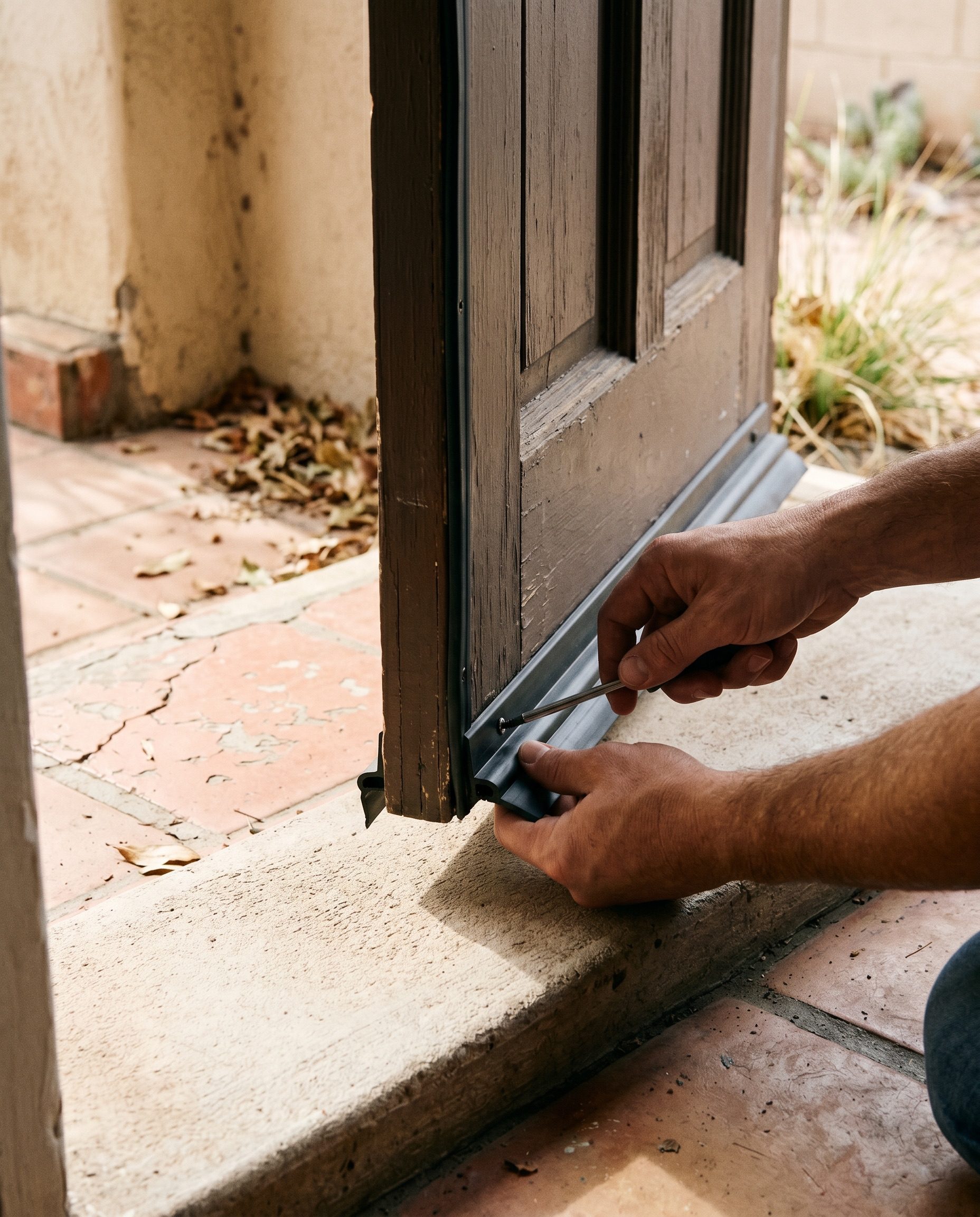
Prevention does more here than any after-the-fact remedy, and it is mostly about sealing and decluttering rather than spraying. Scorpions slip in through small gaps, so the highest-value steps are physical: fit door sweeps on exterior doors, seal cracks around the foundation, windows, and where pipes enter, and repair torn screens. Closing entry points beats chasing scorpions once they are inside.
\
\
Outside, move woodpiles, rocks, and debris away from the walls, since these are daytime hiding spots, and keep landscaping from creating a moist harbor against the house. A UV black-light flashlight is the safest way to scout at night, because scorpions glow under it, so you can spot them at a distance instead of by surprise. If you are seeing them regularly, our guide on how to get rid of scorpions covers the full exclusion and control plan.
\
\
One safety rule matters above all: never pick up a scorpion by hand. Use long tongs if you must move one, wear closed shoes outdoors at night in scorpion country, and shake out shoes, towels, and bedding that have been on the floor. The goal is to never give a scorpion a reason to sting in the first place.
\
\
When it’s not a scorpion sting
\
\
Not every sudden, sharp pain on the skin is a scorpion. A wasp or bee sting, a spider bite, a fire ant sting, or even a splinter or a static-like nerve zap can feel similar, especially if you did not see what got you. Scorpion stings usually come with that lingering tingling or numbness right around the site, and often happen when reaching into a shoe, a glove, or a dark corner.
\
\
Be clear that this is not a diagnosis. If you did not see a scorpion and the symptoms are mild, treat it like any minor sting and watch it. If symptoms spread, a child is involved, or you are simply unsure what stung you, a healthcare provider or poison control can help you sort it out, which is always safer than guessing.
\
\
Common questions
\
\
How long does a scorpion sting last?\
For a common US scorpion, the worst pain is in the first few hours and the sting is largely gone within a day, with any lingering tingling fading after that. A sting that worsens or spreads after the first hours instead of settling is a reason to seek care rather than wait.
\
\
Is a scorpion sting an emergency?\
Usually not. Most are mild and handled at home. It becomes an emergency with signs like trouble breathing or swallowing, muscle twitching, roving eye movements, or drooling, which are most common with bark scorpion stings and in young children.
\
\
Are scorpion stings worse for children?\
Yes. A young child’s smaller body means a relatively larger venom dose, so a bark scorpion sting in an infant or toddler is the scenario that most often turns serious. Any sting in a young child deserves prompt medical attention even before symptoms develop.
\
\
Should I use ice or heat on a scorpion sting?\
Use a cool, cloth-wrapped compress, not heat, for a mild sting; cold helps with pain and swelling. Do not cut the wound or try to suck out venom, and contact poison control if you are unsure how serious the sting is.
\
\
How do I know if it was a bark scorpion?\
The bark scorpion is small, slender, and light tan and tends to come indoors and climb walls, but you often cannot be sure from the sting alone. If symptoms move beyond the site, especially in a child, treat it as serious regardless of which scorpion you think it was.
\
\
Final verdict
\
\
For most people stung by a common US scorpion, the plan is reassuringly dull: wash it, ice it, manage the pain, and let it fade within a day, no different from a bad bee sting. The one line worth memorizing is the bark scorpion exception. When a sting brings trouble breathing, muscle twitching, roving eye movements, or drooling, or when a young child is stung, that is no longer home-care territory and you get emergency help fast. Know that line, prevent the next sting by sealing the house and shaking out your shoes, and you have the whole picture.
\
\
This guide is information, not medical advice. Use it to know when home care is fine and when it is not, and defer to your clinician for anything that worries you.
\
\
This article is for information only and is not medical advice.




Pingback: Bark Scorpion vs Other Scorpions: How to Tell the Dangerous One