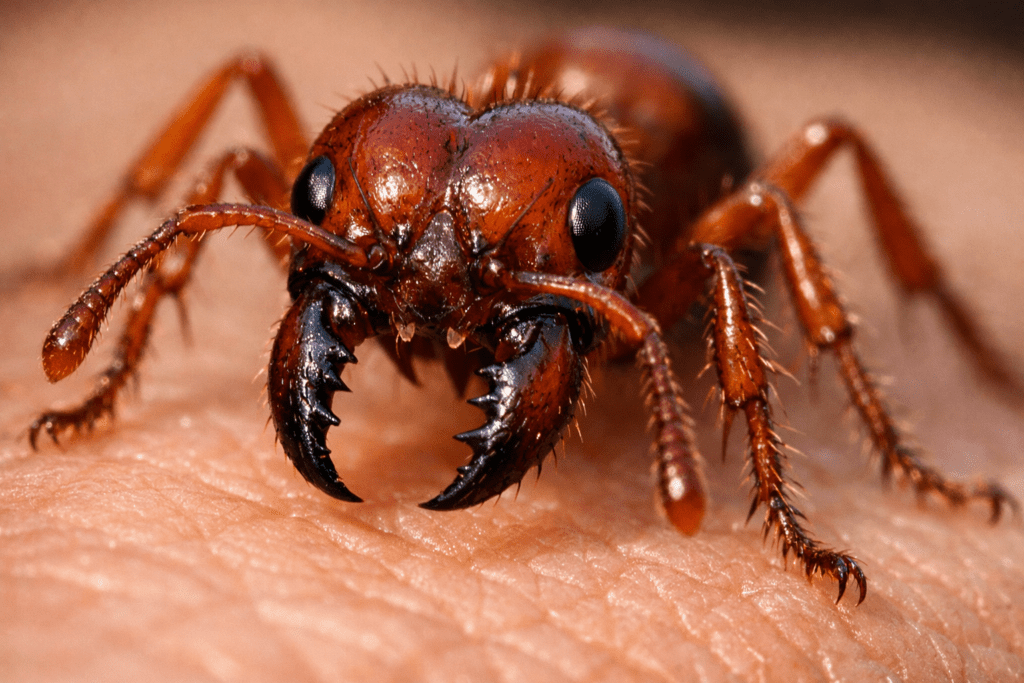
To prevent ants entering home, you need to remove what scouts are searching for (food, water, shelter) and block the tiny routes they use to report back to the colony. Ant problems often start with just a few “test” foragers in the kitchen or bathroom, then suddenly turn into a steady trail along a baseboard. This guide walks through the same integrated approach entomologists recommend: clean in ways that erase ant trails, seal the right gaps (not just the obvious ones), and use baits strategically so the nest stops sending reinforcements.
Quick Answer: The fastest way to prevent ants from coming inside
If you want a simple, reliable plan to prevent ants entering home, do these in order:
- Erase trails daily for 7-10 days: wipe counters and baseboards with soapy water or a 1:1 vinegar-water mix where you see ants.
- Lock down food and crumbs: airtight containers, rinse recyclables, and feed pets on a mat you can wash.
- Remove moisture: fix leaks, dry sink areas nightly, and run a dehumidifier if basements stay damp.
- Seal entry points: caulk cracks around window trim, baseboards, pipe penetrations, and foundation edges.
- Use baits, not sprays: place ant bait along trails so workers carry it back to the colony.
“Do I need to kill the ants I see?”
Not necessarily. The ants you see are usually foragers. The goal is to stop the colony from recruiting more by removing attractants, breaking pheromone trails, and letting baits do the colony-level work.
Why ants keep coming back (and what they’re really doing)
Seeing the same line of ants day after day can feel like they’re “spawning” inside your walls. What’s actually happening is more organized – and that’s good news, because organized behavior is easier to disrupt.
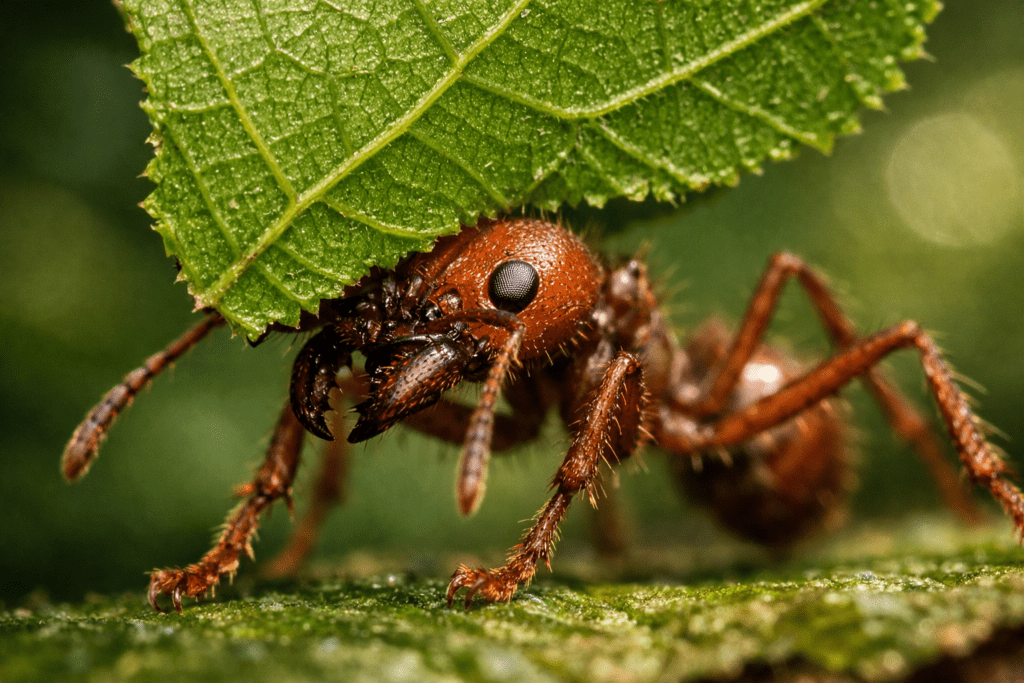
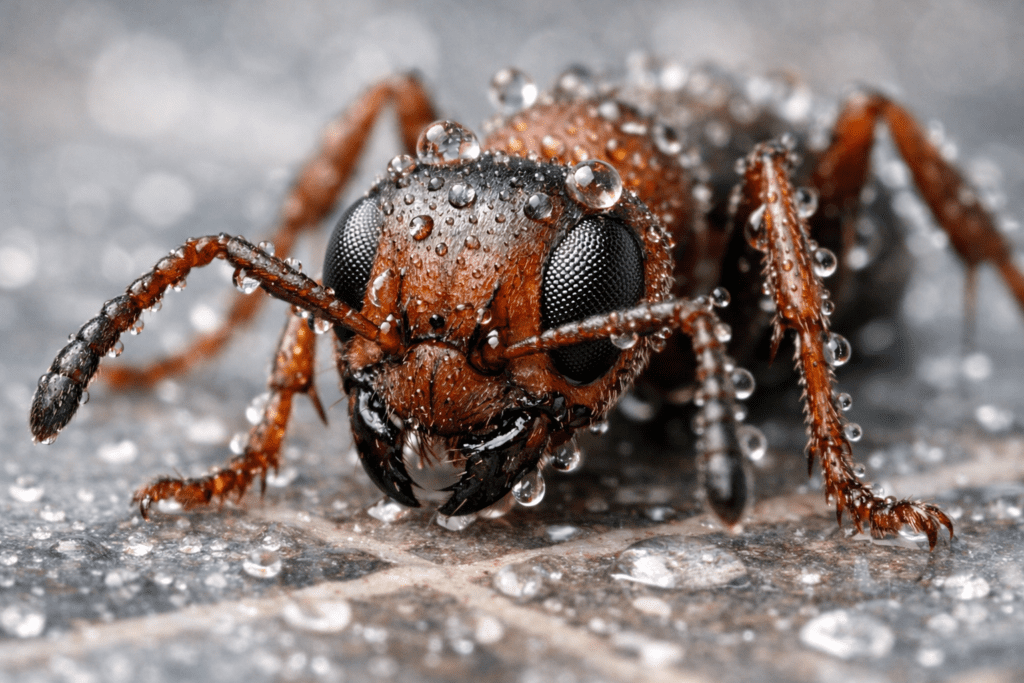
Ant colonies send out scout ants like tiny grocery shoppers. Once a scout finds something worthwhile (a sticky spill, pet kibble dust, condensation under a sink), it lays a pheromone trail on the way back. That chemical trail works like a glowing path only ants can see, guiding more workers straight to the prize. Consumer testing and pest control guidance consistently note that cleaning and sealing are the foundation because they remove both the “reward” and the route.
What attracts ants indoors most often
In real homes, the biggest magnets are surprisingly small:
| Attractant | Common spot | Why it works so well for ants | Quick fix |
|---|---|---|---|
| Sugar residue | coffee station, kids’ cups | ants can smell trace carbohydrates | wipe nightly, rinse cups immediately |
| Grease film | stove sides, toaster area | fats feed many species | degrease weekly, pull appliances monthly |
| Pet food dust | around bowls, storage bins | steady protein source | store in sealed bin, vacuum daily |
| Water | under sinks, plant trays | colonies need moisture | fix drips, empty trays, dry sink edges |
| Warm shelter | wall voids, behind cabinets | stable temperature | seal gaps, reduce moisture, bait strategically |
The mistake that makes trails “stick”
Many people wipe up ants with a dry paper towel and call it done. That removes bodies, but often leaves behind the pheromone trail. A damp wipe with soap or vinegar is more effective because it lifts the residue the next wave would follow.
For deeper prevention and long-term colony control, it helps to understand that different species prefer different foods. Some switch between sweets and proteins depending on season and brood needs. If your bait fails, it may be the wrong “menu,” not a sign that baits do not work. In that case, comparing products in our guide to the best ant killers and baits can save a lot of trial and error.
Prevent ants entering home by removing food and water “signals”
Terro T300B Liquid Ant Bait Ant Killer, 12 Bait Stations
This product is a highly effective ant bait that attracts and kills ants, helping to stop the colony from sending more foragers into the home.
If ants had a motto, it would be “follow the paycheck.” Most indoor invasions are not random – they’re a response to consistent rewards. The good news is that small routine changes usually cut ant traffic dramatically within a week.
Step-by-step: a 10-minute daily reset
Use this checklist for 7-10 days to break the cycle:
- Wipe high-traffic surfaces (counters, table edges, stove sides) with warm soapy water.
- Hit the trail zones – baseboards, window sills, and the cabinet toe-kick where trails often run.
- Sweep or vacuum under the table and around pet bowls.
- Rinse recyclables (especially soda cans, juice bottles, and jars) before they go in the bin.
- Dry the sink and sponge area before bed – moisture is an overnight draw.
Kitchen storage that actually blocks ants
Cardboard and thin plastic bags are speed bumps, not barriers. Ants can exploit tiny openings and will happily forage inside a cereal box.
Use:
- Airtight containers for flour, sugar, cereal, and snacks
- A sealed bin for pet food
- Zip-top bags inside containers for double protection on high-value items like treats
Moisture control: the overlooked “ant buffet”
Many common house ants thrive when there’s reliable water. Carpenter ants are especially associated with damp, softened wood, not because they eat it, but because it’s easier to excavate for nesting. If you suspect carpenter ants (large workers, often 6-13 mm, with activity near damp window frames or bathrooms), see our targeted carpenter ant treatments guide.
Here’s a quick moisture audit:
| Moisture source | What to look for | Fix |
|---|---|---|
| Under-sink plumbing | slow drips, swollen cabinet base | tighten fittings, replace supply line |
| Dishwasher area | damp insulation, musty odor | check hose clamp, dry and ventilate |
| Bathroom | peeling caulk, condensation | recaulk, run fan 20 minutes after showers |
| Basement/crawlspace | damp corners, efflorescence | dehumidifier, improve drainage outside |
For broader, science-based prevention practices, the EPA’s integrated pest management guidance supports prioritizing sanitation and moisture reduction before chemicals. That order matters because it removes the reasons ants are there in the first place.
Seal entry points the right way (most ant “doors” are hidden)
Raid Ant and Roach Killer, 17.5 oz
This spray is useful for immediate ant control and can help eliminate visible ants while you work on longer-term prevention strategies.
EcoSMART Organic Insect Killer for Gardens, 24 oz
EcoSMART Organic Insect Killer offers a natural, plant-based solution using peppermint and rosemary oils to kill common garden pests like aphids and mites on contact, safe for edibles, children, and pets when used as directed; available at retailers like Chewy and Walmart, though no Amazon ASIN was located in current search data—effective for organic gardening but limited to specific pests and homeowner use.
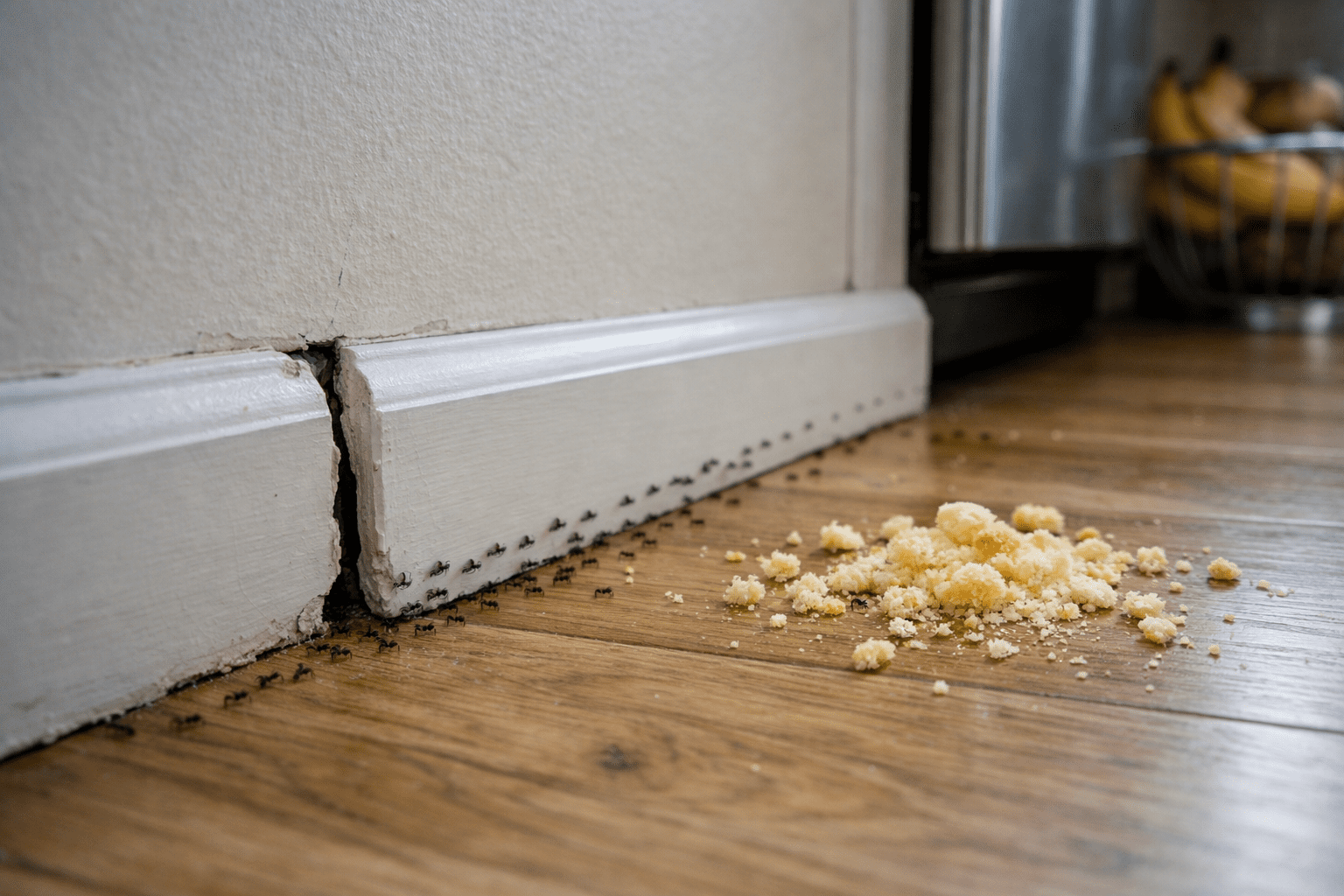
If you only caulk the crack you can see, you may miss the gap the ants actually use. Ants commonly enter where materials meet: trim to drywall, siding to foundation, pipe to wall. Think of your home like a ship hull. One obvious hole is easy to patch, but tiny seams add up to a lot of access.
Where to inspect (and what to use)
Do a slow walk around the inside and outside of your home with a flashlight. Focus on these spots:
Indoors
- Under-sink pipe penetrations (hot/cold lines, drain)
- Gaps behind the stove and refrigerator
- Baseboards near exterior walls
- Window corners and sliding door tracks
Outdoors
- Foundation line where siding meets masonry
- Utility entry points (cable, AC line set, irrigation)
- Door thresholds and garage door edges
Sealing materials that work
Use the right material for the job:
| Problem area | Best fix | Why it helps |
|---|---|---|
| Small cracks (under 1/4 inch) | silicone or silicone-latex caulk | flexible, durable seal |
| Larger gaps | backer rod + caulk | fills depth so caulk does not fail |
| Door gaps | door sweep + weatherstripping | blocks a major highway |
| Window screen tears | patch or replace screen | stops easy access on warm nights |
Landscaping “bridges” that funnel ants inside
Ants often reach your siding without ever touching the ground near the foundation. Shrubs, vines, and mulch can act like ramps.
A simple perimeter tune-up:
- Trim vegetation back 12-18 inches from the house
- Keep mulch a few inches away from the foundation where possible
- Store firewood off the ground and away from exterior walls
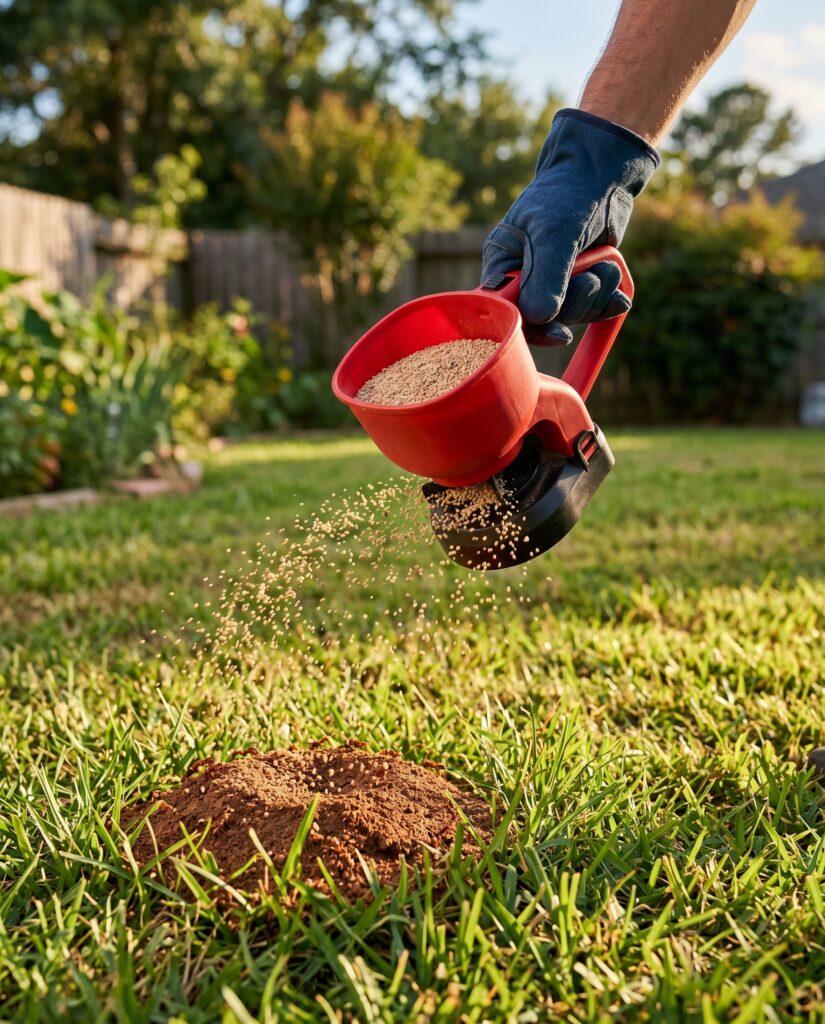
If you regularly see ants on patios, walkways, or garden edges, pairing exclusion with yard-level strategies is ideal. Our guide to outdoor ant control covers baits and perimeter approaches that reduce the pressure on your home in the first place.
Quick “find the entry” trick
Place a small dab of honey or a drop of tuna water near the area you see ants, then watch from a distance for 5-10 minutes. Trails often reveal the exact crack or seam they are using. Once you confirm it, seal it after cleaning the trail line.
Repellents vs. baits: what works, what doesn’t, and why
Many people reach for a spray because it feels immediate. The problem is that instant kill rarely equals long-term control. Sprays may eliminate visible foragers, but they often do not reach the colony. In some cases, heavy repellent use can cause ants to reroute, split activity, or form satellite nesting sites in more protected areas.
The role of repellents (good for short-term trail disruption)
Natural options can help when used correctly, especially for steering ants away while you fix sanitation and seal gaps. Health and home guidance commonly mentions vinegar and essential oils for trail disruption, and lab research has shown certain essential oils can interfere with ant behavior in some species.
Try these targeted uses:
- Vinegar-water (1:1): wipe trails on counters and baseboards to reduce pheromone guidance.
- Peppermint oil spray: 10-20 drops in about 2 cups of water, mist entry zones lightly (test surfaces first).
- Cinnamon: a light line near an entry point can deter crossing in some situations.
For more options and safety notes, see our roundup of natural ant repellents, especially if you have kids, cats, or curious dogs.
Baits (the colony-level solution)
Baits work because ants do the delivery for you. Workers carry bait back and share it through food exchange, reaching the nest and the queen. This is why baits are the backbone of modern ant control advice, including recommendations featured in consumer pest control testing.
How to bait correctly
- Place bait along the trail, not in the middle of the room.
- Use multiple small placements rather than one big blob.
- Do not spray near bait – repellents can stop ants from feeding.
- Be patient. You may see more ants for 1-3 days as recruitment increases.
Choosing the right bait type
Different ants prefer different foods at different times. If ants ignore one bait, switch food base:
| Ant feeding preference | Bait type to try | Common indoor locations |
|---|---|---|
| Sweet-seeking | sugar-based gel or liquid bait | kitchens, pantries |
| Protein/grease-seeking | protein-based bait | near trash, pet bowls |
| Mixed/variable | place both types | follow activity patterns |
If you want a deeper product comparison and placement tips, the best ant killers and baits guide breaks down what to use and when.
Safety note on DIY borax mixes
DIY borax-sugar baits are popular, but they need careful placement away from children and pets. If you use them, keep them in secure bait stations and clean up spills immediately.
Seasonal patterns and when to call a professional

Ant activity is not constant year-round. Many homeowners notice sudden “invasions” in spring and early summer. That’s when colonies ramp up foraging and new workers are active. Heavy rain, drought, and heat waves can also push ants indoors as they search for stable moisture and temperature.
What to expect by season
Use this quick calendar to time prevention:
| Season | What ants are doing | Best homeowner move |
|---|---|---|
| Spring | scouting and trail-building increases | deep clean, seal cracks, start baiting early |
| Summer | peak foraging, outdoor colonies expand | manage outdoor nests, reduce moisture |
| Fall | seeking stable shelter and food | perimeter inspection, repair weatherstripping |
| Winter | reduced activity, occasional indoor nesting | address moisture and hidden food sources |
Signs you may have a nesting issue (not just foraging)
Call a pro or step up to a more structured plan if you notice:
- Ants appearing in multiple rooms with no clear trail
- Consistent activity in winter (possible indoor nesting)
- Carpenter ant signs: large ants, rustling in walls, frass (sawdust-like debris) near trim
- Trails returning within days even after cleaning and sealing
Professional help is especially wise for carpenter ants because moisture-damaged wood and hidden galleries can be involved. A trained technician can locate satellite nests, apply targeted baits, and advise on repairs.
A simple “IPM ladder” for deciding what to do next
- Sanitation and moisture control (daily for a week)
- Exclusion (seal gaps, door sweeps, screens)
- Baits (correct type, correct placement)
- Outdoor pressure reduction (treat nests and perimeter thoughtfully)
- Professional inspection if activity persists or wood damage is suspected
This stepwise approach matches the integrated pest management logic recommended by public agencies and avoids overusing sprays that do not solve the colony problem.
Key takeaways (and a simple 7-day plan)
Preventing ants is less about “stronger chemicals” and more about removing the rewards and closing the routes. Once you do that, colonies stop investing workers in your home.
7-day action plan
- Days 1-2: wipe trails with soapy water or vinegar-water, store all food airtight, dry sinks nightly.
- Days 3-4: seal the most active entry points (windows, pipes, baseboards), add door sweeps if needed.
- Days 5-7: place baits along trails, avoid sprays near bait, monitor and adjust bait type if ignored.
If you want to tighten your plan further, compare options in our natural ant repellents guide and use our outdoor ant control strategies to reduce reinfestation pressure from the yard.
Ants are persistent, but they’re also predictable. Once you interrupt their trails, remove food and moisture cues, and block access points, most homes become far less interesting to the next scout that comes searching.
As an Amazon Associate, I earn from qualifying purchases. Product recommendations are based on real reviews and independent research.