Finding a tick on your sock after a hike is a fast way to start researching tick repellents. The good news is that several plant-based options really can reduce tick bites, especially when you use them the right way. The not-so-good news is that “natural” does not automatically mean “long-lasting” or “safe undiluted.” This guide explains which essential oils have the best evidence, how to apply them for real-world protection, and when to choose longer-lasting options like permethrin-treated clothing.
Quick answer: Do essential oils work as tick repellents?
Yes – some essential oils can work as tick repellents, but performance varies widely by oil, tick species, and whether you apply it to skin or clothing. In studies, a few oils (especially clove, thyme types, oregano/spearmint, and cedarwood) show strong short-term repellency or even tick-killing effects.
Most reliable essential-oil choices (based on published research):
- Clove oil: consistently high repellency and tick mortality in lab tests.
- Thyme oils (creeping thyme, red thyme): strong repellency, especially in blends.
- Oregano + spearmint (on clothing): in one study, a 5% blend performed similarly to 20% DEET for about 24 hours.
- Cedarwood oil: strong activity against black-legged tick nymphs in some tests.
What to expect in practice
- Works best as a short-duration option and when paired with clothing barriers and tick checks.
- Needs proper dilution (typically 3-5%) to reduce irritation risk.
- Reapplication is usually necessary, especially with sweat, heat, and brushy terrain.
Tick repellents compared: what science says (and what it means outdoors)
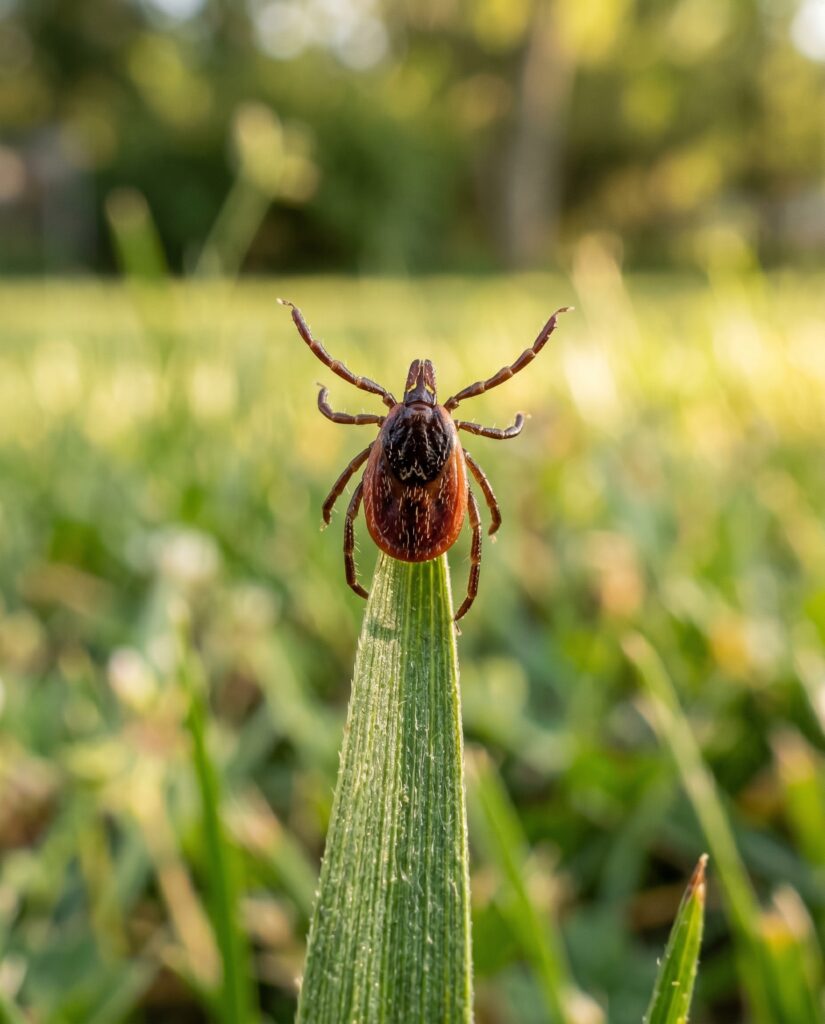
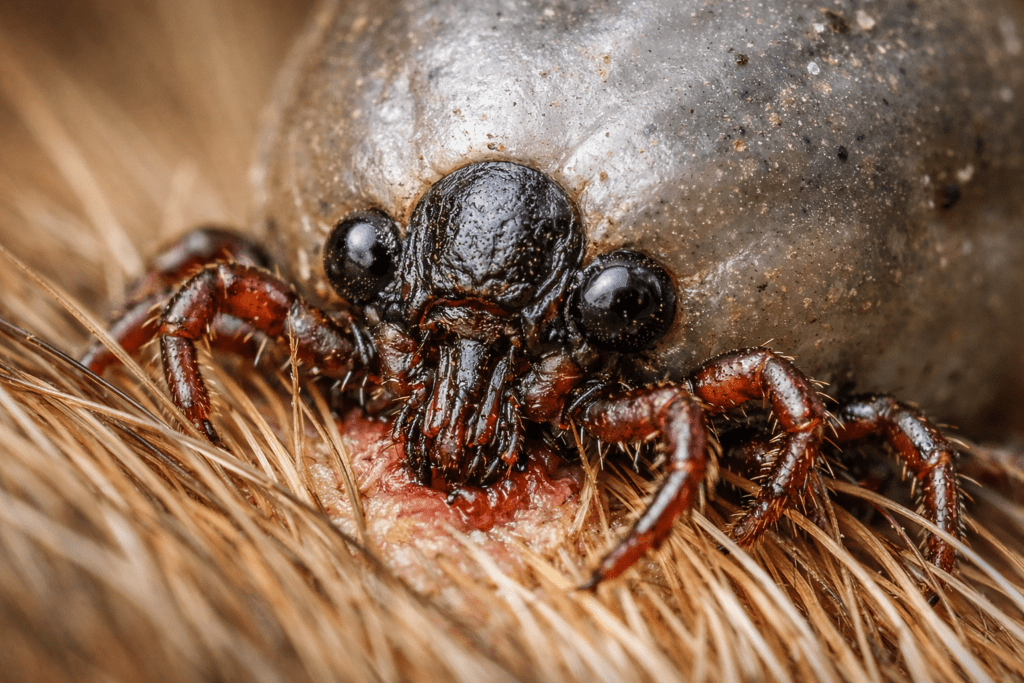
If you have ever wondered why one “natural tick spray” seems great in the backyard but fails on a humid trail, the answer is simple: ticks do not just “smell” you. They detect carbon dioxide, heat, and skin odors, then latch on and crawl until they find a good feeding spot. A repellent has to interrupt that process long enough for you to leave the tick zone.
Research reviews and lab studies show that certain essential oils can repel ticks, disrupt their behavior, and sometimes kill them outright. A detailed review in the peer-reviewed journal article hosted by the National Library of Medicine (PMC) summarizes how plant compounds can affect tick nervous systems, feeding, and development. Another review on botanical tick control, also available through the National Library of Medicine (PMC), notes a recurring theme: results are promising, but variable, and field performance often drops compared to lab conditions.
The essential-oil “top tier” in studies
Across multiple tick species and life stages, these oils show up repeatedly as stronger performers:
- Clove oil: In controlled testing, clove oil often ranks among the highest for repellency and tick mortality. A paper indexed by the National Institutes of Health (PubMed) reports strong repellency at low dilutions and high mortality in nymphs and adults under lab conditions.
- Thyme oils (creeping thyme, red thyme): often strong alone and even better in blends (for example, with citronella).
- Oregano and spearmint (especially on clothing): some evidence suggests a 5% blend can rival DEET on fabric for a limited time window, which is where essential oils often perform best.
Why “duration” is the deal-breaker
DEET and picaridin are engineered to last. Many essential oils evaporate quickly, especially in heat and wind. Think of them like a scented candle outdoors – noticeable at first, then gone.
Practical takeaway: if you want natural options, plan on reapplication and treat them as one layer of protection. For a full comparison of longer-lasting options, see our guide to the best tick repellents (including DEET, picaridin, and permethrin-treated clothing).
Quick comparison chart (real-world expectations)
| Option type | Typical strength | Typical duration | Best for |
|---|---|---|---|
| Clove or thyme-based essential oil spray (diluted) | High (short-term) | 1-2 hours (often less with sweat) | Yard work, short hikes |
| Oregano/spearmint blend on clothing | Moderate to high | Up to a day in some tests | Pants, socks, gaiters |
| Oil of lemon eucalyptus (OLE/PMD products) | High | Several hours | Skin protection with longer wear |
| Permethrin-treated clothing | Very high | Weeks to washes | High-risk areas, frequent hiking |
How to use essential oils safely (and actually get protection)
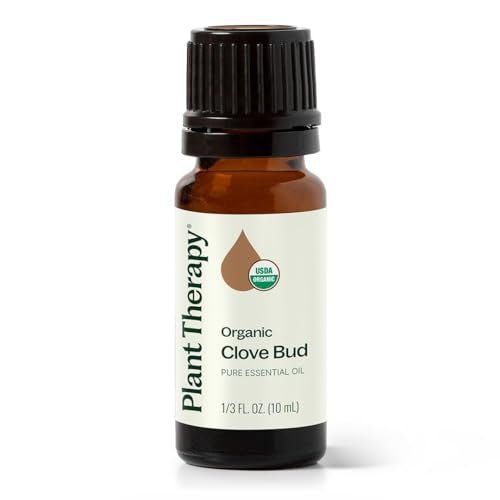
Plant Therapy Organic Clove Bud Essential Oil, 10 mL (1/3 oz), 100% Pure and Undiluted, USDA Certified Organic, Fresh and Spicy Scent, Great for Aromatherapy
Clove oil is highlighted in the article as having strong repellency and tick mortality, making this essential oil a relevant product for natural tick prevention.
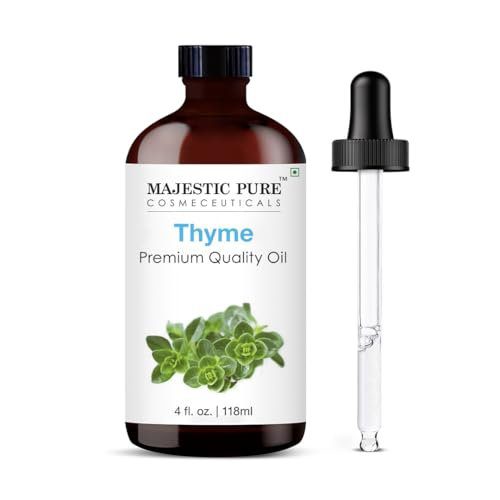
Majestic Pure Essential Oil with Glass Dropper – 100% Pure and Natural – Essential Oils for Diffuser, Aromatherapy, Soap and Candle Making, Thyme Essential Oil, Thyme Oil, 4 Fl Oz
Thyme oils are mentioned as strong repellents, especially in blends, making this product suitable for readers looking for natural tick repellents.
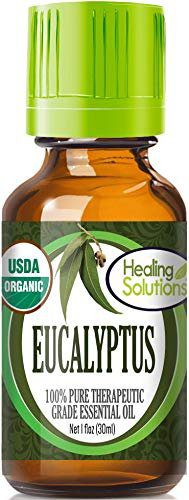
Healing Solutions Eucalyptus Essential Oil 1 oz (30ml), Pure & Organic, Undiluted Eucalyptus Essential Oil for Hair, Diffuser, Skin, & Aromatherapy – Therapeutic Grade
Eucalyptus oil is often used in natural repellents and can complement the essential oils discussed in the article for tick prevention.
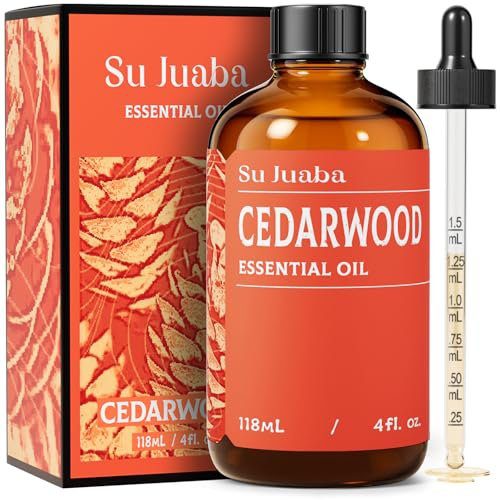
SU JUABA Cedarwood Essential Oil 4 Oz, 100% Pure Natural Aromatherapy Oil for Hair, Massage, Relaxation & Skin Care – 118ML
Cedarwood oil is mentioned as effective against ticks, making this product a relevant option for readers interested in natural tick repellents.
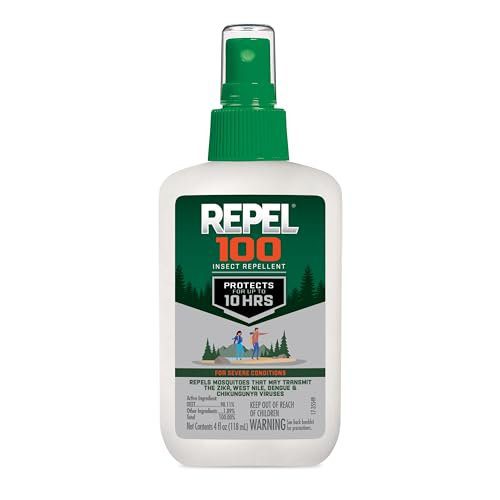
Repel 100 Insect Repellent, 4 Ounces, With DEET, 10-Hour Protection Long-Lasting Insect Repellent Pump Spray Repels Mosquitoes, Ticks, Gnats, Biting Flies, Chiggers And Fleas
Although not an essential oil, this product contains a high concentration of DEET, providing a longer-lasting option for tick prevention, which is discussed in the article.
A common mistake with natural tick sprays is treating them like perfume: a few drops on the wrist and you are done. For ticks, placement and dilution matter more than scent strength. Undiluted essential oils can irritate skin, trigger allergic reactions, and cause chemical burns in sensitive people. More is not always better.
Safe dilution guidelines (skin and clothing)
Most at-home recipes aim for 3-5% dilution for skin use. That means essential oil is only a small fraction of the final mix.
Simple 3% dilution (skin-safe for many adults)
- 1 oz (30 mL) carrier oil or lotion
- ~18 drops essential oil total (varies by drop size)
- Mix well and label the container
Spray approach (needs an emulsifier)
Oil and water separate. If you spray a bottle without an emulsifier, you risk getting a “hot spot” of concentrated oil on skin.
A practical approach is:
- Water + a solubilizer/emulsifier (often sold for DIY body sprays)
- Then add essential oils at the intended percentage
- Shake before each use
Consumer health guidance often emphasizes patch testing and proper dilution. For a plain-language safety overview, see the essential oil precautions discussed by Healthline’s medical review team. For families with children, pregnant people, asthma, or sensitive skin, it is smart to speak with a clinician before routine use.
Where to apply for tick prevention
Ticks usually start low and crawl upward. So your “tick barrier” should focus on the lower body.
Best application zones
- Socks, cuffs, shoe tops, and pant legs
- Behind knees and around ankles (avoid broken skin)
- Waistband area (ticks often crawl under clothing edges)
Avoid
- Eyes, lips, nostrils, and any mucous membranes
- Hands (unless you will not touch your face)
- Large areas of damaged or sunburned skin
Make essential oils work harder: combine methods
Essential oils can be a helpful layer, but they perform best when you also:
- Wear light-colored clothing (ticks are easier to spot)
- Tuck pants into socks on brushy trails
- Shower within 2 hours after outdoor time
- Do a full-body tick check (especially scalp, behind ears, armpits, groin)
If you are building a complete plan, it helps to understand the health side too. Our overview of tick-borne diseases explains what ticks can transmit in North America and why early detection matters.
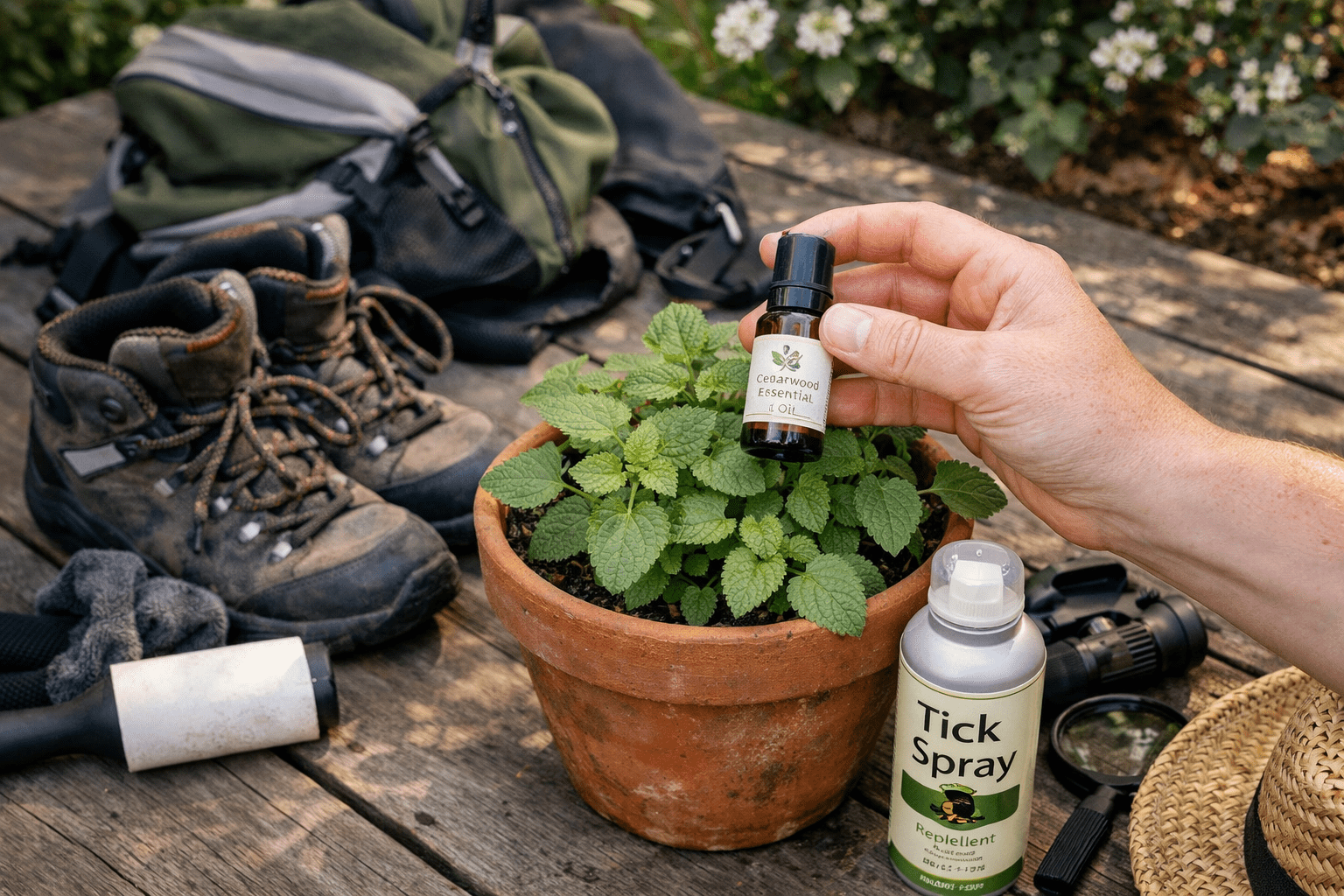
Best essential oils for tick repellents (ranked by evidence)
Standing in the store aisle, it is tempting to grab lavender because it smells pleasant. But tick repellency is not about what humans like. It is about which plant chemicals disrupt tick host-seeking and attachment.
Below is a practical, evidence-weighted list based on published research summaries and lab testing. Keep in mind: lab results can overestimate real-world performance, especially in windy, hot, or wet conditions.
1) Clove oil (Syzygium aromaticum)
Clove oil repeatedly appears as a top performer in repellency and tick mortality tests. In controlled experiments, it has shown high repellency at relatively low dilutions and strong effects against both adults and nymphs. The study indexed by the National Institutes of Health (PubMed) is one example frequently cited in reviews.
Best use
- Short outdoor sessions: gardening, dog walks, quick hikes
- Focus on socks, ankles, and pant cuffs
Actionable tip: clove oil is potent and more likely to irritate skin if overused. Start at the low end of dilution (around 3%), patch test, and avoid sensitive areas.
2) Thyme oils (creeping thyme and red thyme)
Thyme oils often show strong repellency, and blends can perform even better. Some mixtures (such as thyme plus citronella) look especially promising in lab testing.
Best use
- As part of a blend for clothing edges and lower legs
- For people who find clove too irritating or strong-smelling
Actionable tip: thyme oil can also irritate. Use the same dilution discipline as clove.
3) Oregano + spearmint (especially for clothing)
Oregano oil can be highly toxic to ticks at high doses in lab settings, and blends with spearmint have shown strong clothing-based performance in at least one report. Clothing is where essential oils can shine because fabric holds oils longer than skin.
A clinician-focused summary discussing comparisons to DEET appears at Daniel Cameron, MD’s tick education site, which references research on fabric performance.
Best use
- Pants, socks, gaiters, and blankets
- Situations where you want a “natural-ish” clothing treatment for a day trip
Actionable tip: do not assume “kills ticks” equals “safe on skin.” Oregano oil is a common skin irritant. Keep it mainly for clothing applications unless you have experience and tolerance.
4) Cedarwood oil
Cedarwood oil is frequently mentioned for tick control, including strong effects against nymphs in some testing. It is also commonly marketed for use around pets, though “natural” still does not mean “risk-free.”
For a consumer-friendly overview of commonly used oils, see the discussion from WebMD’s medical editorial team. (Always cross-check pet use with a veterinarian.)
Best use
- Clothing and outdoor gear
- Spot use on dogs only with veterinary guidance and pet-safe formulations
Actionable tip: if you have cats, be cautious with essential oils in general. Many oils can be harmful to cats due to how they metabolize certain compounds.
5) “Middle tier” oils: eucalyptus, lemongrass, geranium, neem, lavender
These oils may offer moderate repellency or reduced attachment in some studies, but they are less consistent or shorter-lived than the top tier. Lavender, in particular, is often weaker than people expect.
Best use
- Supplemental layer in low to moderate tick pressure areas
- When combined with clothing barriers and frequent checks
Actionable tip: if you are relying on lavender alone in peak tick season (spring through early summer in many regions), you are likely under-protected.
Natural tick prevention beyond sprays (what reduces bites the most)
If you want fewer tick encounters, the biggest wins often come from changing the “tick meeting place,” not just adding more repellent. Ticks spend much of their time questing on vegetation, waiting for a host to brush by. Your goal is to reduce contact with that vegetation and make it harder for ticks to attach.
A practical, layered tick-control plan
Use this as a quick checklist before hikes, camping, yard work, or field days:
-
Dress for ticks
- Long pants, tall socks, closed shoes
- Tuck pants into socks in tall grass or leaf litter
- Choose smooth fabrics when possible (ticks cling less than on fuzzy knits)
-
Use a proven clothing strategy
- Consider permethrin-treated clothing for high-risk areas or frequent exposure.
- Reserve essential oils mainly for exposed skin and clothing edges.
-
Create a “tick check routine”
- Check at the trailhead (quick scan)
- Check again at home (full-body, including scalp and behind ears)
- Toss clothes in a hot dryer cycle if possible (heat helps kill ticks)
-
Manage yard habitat
- Keep grass short and remove leaf litter
- Create a dry barrier (mulch or gravel) between woods and lawn
- Keep play areas and seating away from brush edges
What about combining tick and mosquito protection?
Many people want one product that covers everything. Some essential oils overlap, but mosquitoes and ticks respond differently to odors and cues. If your main problem is mosquitoes, see our guide to natural mosquito repellents and consider using separate strategies for each pest when needed.
Visual: “best use” map for common protection tools
| Tool | Most useful location | Why it works |
|---|---|---|
| Essential oil spray (3-5% diluted) | Ankles, cuffs, exposed skin | Short-term odor barrier |
| Oregano/spearmint on clothing | Socks, pant legs | Longer hold on fabric |
| Permethrin-treated clothing | Pants, socks, shoes | Kills/knocks down ticks on contact |
| Tick checks | Whole body | Catches ticks before they bite long enough to transmit pathogens |
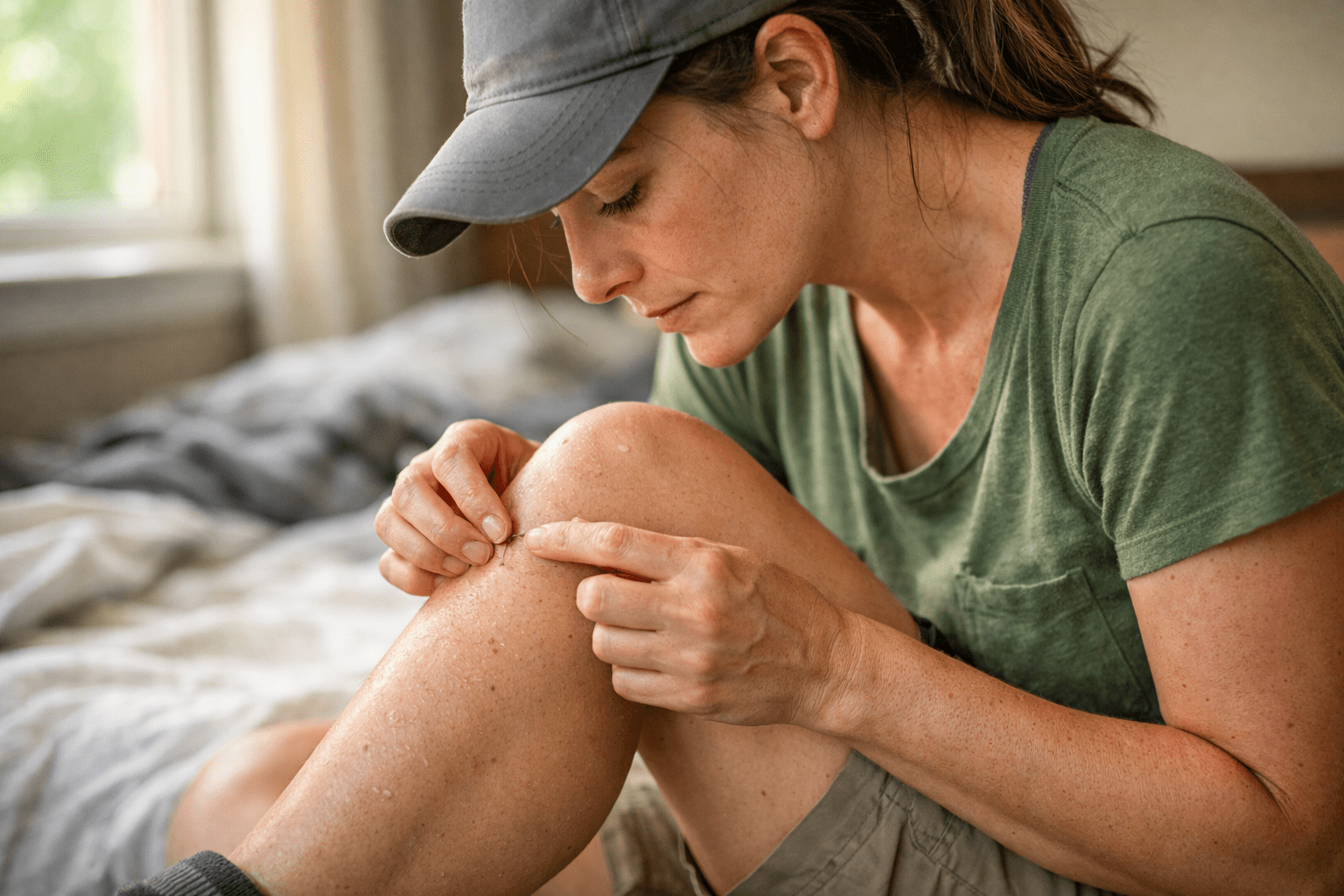
When to skip DIY and choose stronger tick repellents (and what to do after a bite)
There is a time and place for natural options. There is also a time to choose what has the best odds of preventing a bite in the first place.
Consider stronger protection if:
- You hike or work in dense brush, tall grass, or leaf litter
- You live in areas with high black-legged tick activity (common in the Northeast and Upper Midwest)
- You are in peak season (often spring through early summer, with a second pulse in fall)
- You are protecting kids who cannot reliably avoid touching treated skin
- You have repeated tick finds despite using essential oils
In those cases, a longer-lasting approach (picaridin, DEET, OLE/PMD products, and permethrin-treated clothing) is often the safer bet because it reduces the chance of a missed reapplication. Our roundup of the best tick repellents breaks down which active ingredients tend to last longest and how to use them correctly.
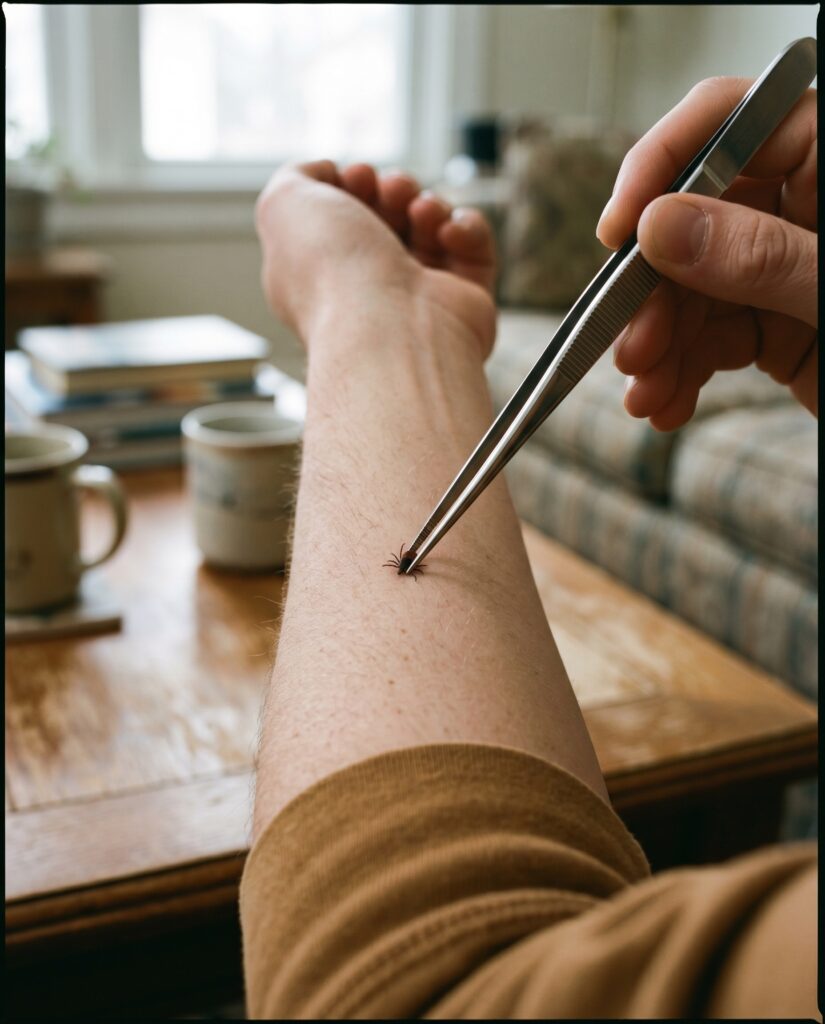
If you find a tick attached
Do not panic, and do not use folklore methods like burning, petroleum jelly, or twisting tools that crush the tick. Prompt, proper removal lowers risk.
Follow our step-by-step guide on how to remove a tick safely and then:
- Clean the bite area with soap and water
- Note the date and where on the body it was attached
- Watch for symptoms over the next few weeks (rash, fever, aches)
If you want to understand the “why” behind monitoring, our overview of tick-borne diseases explains typical timelines and common illness patterns without getting alarmist.
Common myths to ignore
- Myth: All essential oils work like DEET. Reality: only a few approach DEET-like performance, and usually for a shorter time.
- Myth: Undiluted oils are safer and stronger. Reality: undiluted oils raise the risk of irritation and do not guarantee better field protection.
- Myth: Natural sprays alone are enough in heavy tick habitat. Reality: they work best as one layer, not the whole plan.
Conclusion
Essential oils can be effective tick repellents when you choose evidence-backed oils (especially clove, thyme types, oregano/spearmint on clothing, and cedarwood), dilute them correctly, and reapply as needed. The most consistent bite reduction comes from layering: smart clothing, habitat awareness, and thorough tick checks.
Next step: if you spend time in high-risk tick habitat, compare your options in our guide to the best tick repellents, and keep a removal plan handy with our walkthrough on how to remove a tick safely.
As an Amazon Associate, I earn from qualifying purchases. Product recommendations are based on real reviews and independent research.