Finding a tick bite dog situation can feel urgent, but it is usually manageable if you act quickly and calmly. The safest move is to remove the tick correctly, clean the skin, and then watch your dog for signs of irritation or illness over the next couple of weeks. This guide walks you through what a tick bite looks like, how long ticks need to stay attached to spread disease, the best removal method, and when a vet visit is the smart call.
Quick identification / quick answer: what to do after a tick bite on a dog
If you’ve found a tick or a fresh bite, here’s the fastest, safest plan.
Tick bite dog quick steps (save this):
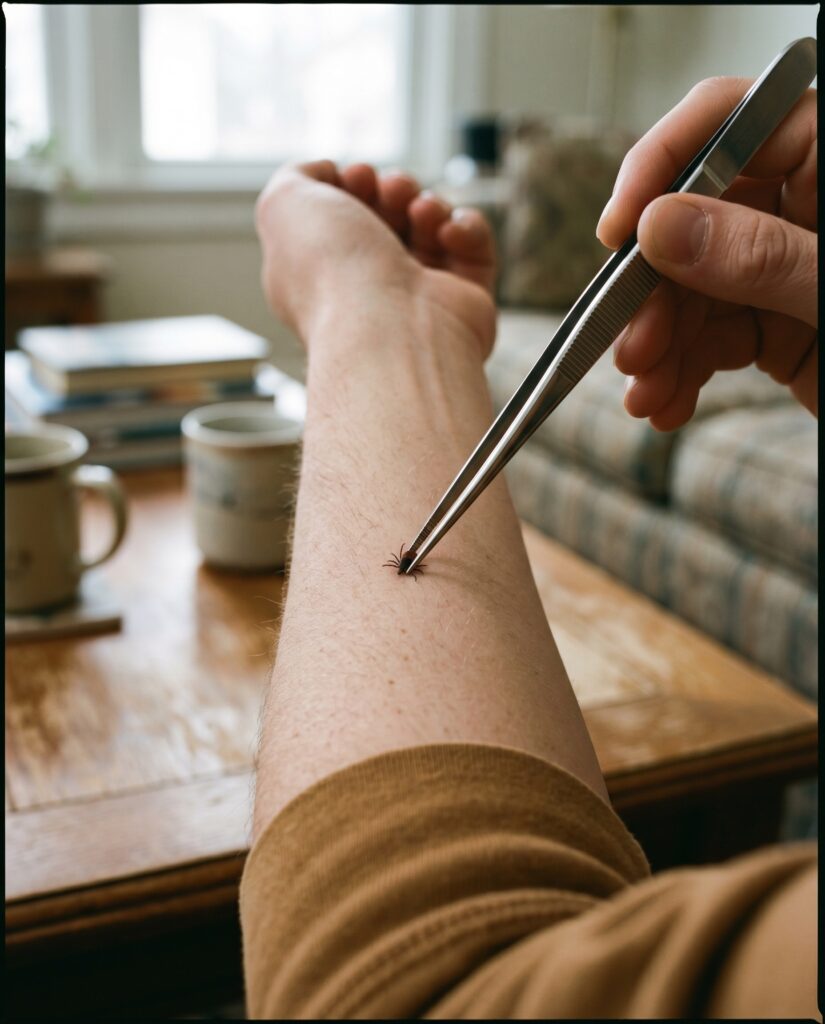
- Remove the tick ASAP with fine-tipped tweezers or a tick tool, pulling straight up with steady pressure.
- Clean the site with soap and water or rubbing alcohol.
- Save the tick (sealed container or alcohol) if you may need ID later.
- Watch for 14 days for fever, tiredness, limping, poor appetite, or a swelling bite site.
- Call your vet if the bite becomes red, painful, oozing, forms a growing lump, or if your dog acts “off.”
What’s normal vs not (at a glance):
| After removal | Often normal | Needs vet advice soon |
|---|---|---|
| Skin reaction | Small red bump or scab | Spreading redness, heat, pus, bad odor |
| Lump | Pea-sized firm bump for days | Lump enlarges or lasts beyond 2-3 weeks |
| Dog’s behavior | Normal energy/appetite | Lethargy, fever, limping, pain |
For tool recommendations, see our guide to Best Tick Removal Tools.
What does a tick bite look like on a dog (and where to check)?
Ticks are sneaky. Many dogs never react while the tick is attached, so owners often discover the problem during petting or after a walk in tall grass. The first clue might be a tiny moving “seed” in the fur, a new scab, or a firm bump that seems to appear overnight.
Common signs at the bite site
A tick bite on a dog most often shows up as:
- A small red bump (2-5 mm) that feels like a mosquito bite
- A scab or crust where the tick was attached
- Mild swelling or a firm lump under the skin
- Local irritation from licking or scratching
Veterinary guidance notes that small lumps and scabs are common after removal and often settle down on their own, but the site should gradually improve, not worsen. If you’re dealing with a persistent lump, swelling, or discharge, it is worth checking guidance from veterinary clinics such as Triangle Animal Clinic’s tick-bite scab advice and discussing it with your vet.
Where ticks like to attach (do a “high-probability” scan)
Ticks don’t pick random spots. They tend to crawl until they find warm, protected skin. Focus your checks here:
- Around the ears (inside the flap and along the edges)
- Under the collar and along the neck
- Armpits and inside front legs
- Groin and between the back legs
- Between toes and around paw pads
- Along the tail base and under the tail
Quick tick-check routine (60 seconds)
Think of this like checking for burs after a hike – same idea, different hitchhiker.
- Run your fingertips against the direction of fur growth.
- Pause on any “grain of rice” bumps.
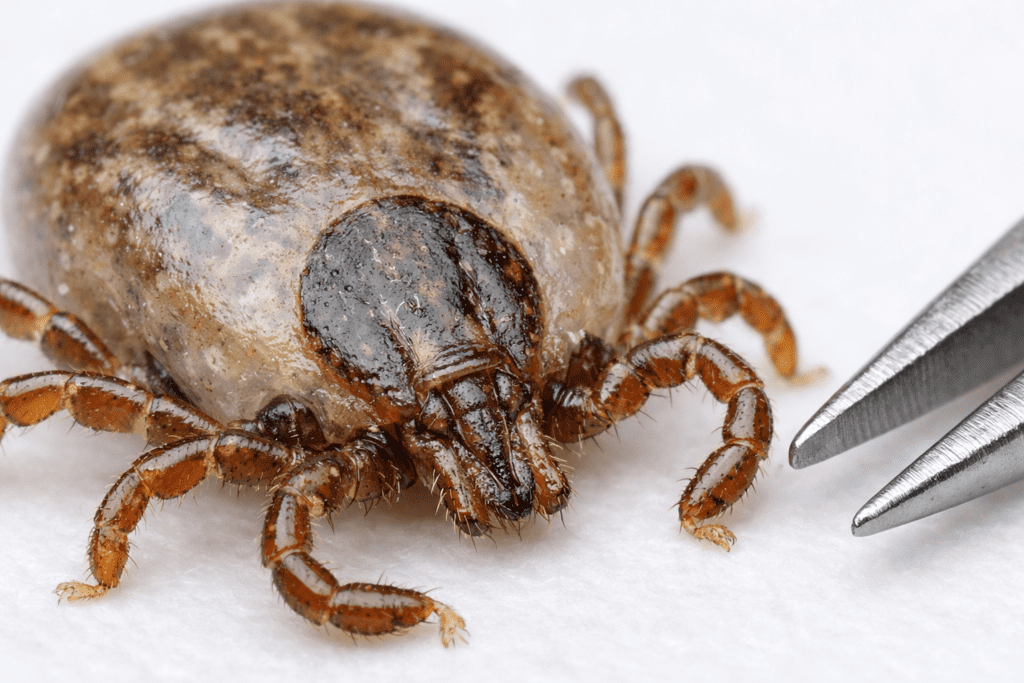
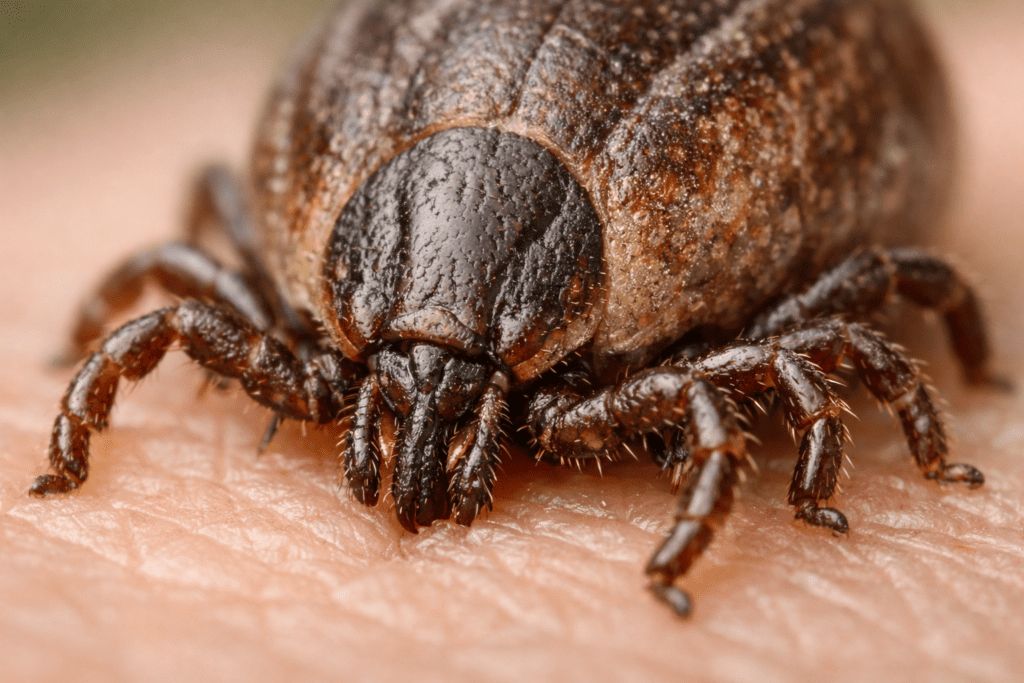
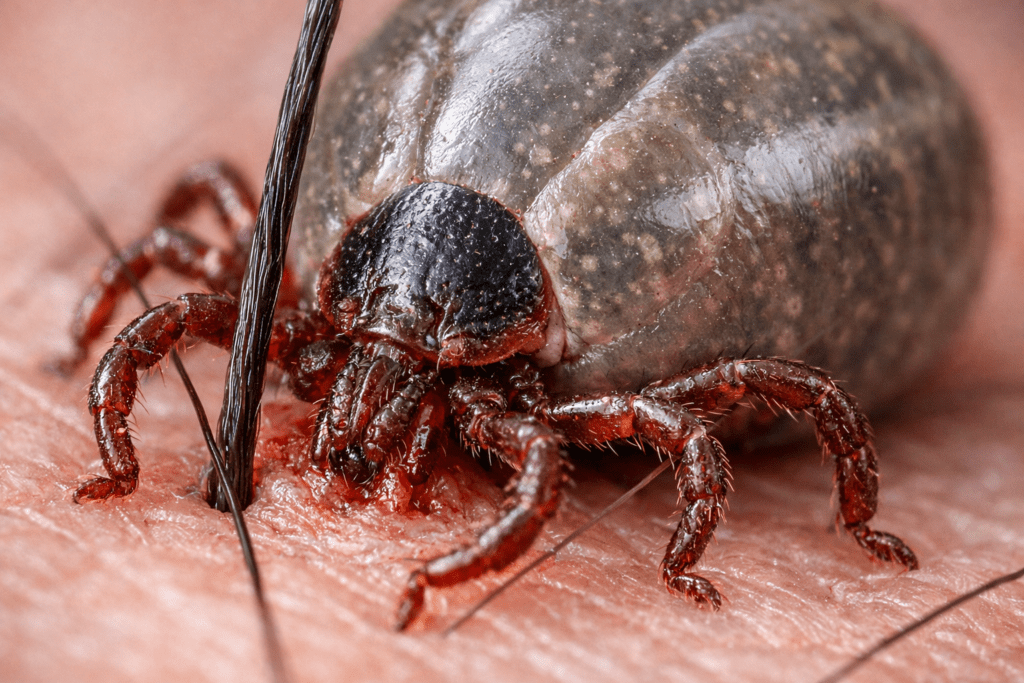
- Part the hair and look for a dark, attached body with the head down in the skin.
- If you only see a small scab and no tick, treat it like a bite site and monitor.
Visual element: bite vs tick vs scab (mini guide)
| What you see | What it likely is | What to do |
|---|---|---|
| Oval gray/brown body attached, doesn’t brush off | Tick feeding | Remove with tweezers/tick tool |
| Small red bump, no tick present | Recent bite | Clean, monitor 14 days |
| Scab with mild flaking | Healing bite | Prevent licking, monitor |
| Red, wet, oozing area | Secondary infection/hot spot | Vet call recommended |
If you’re unsure whether you’re seeing a tick bite or another bug reaction, compare patterns in tick bites compared to other insect bites.
Tick removal step-by-step (safe, fast, and low-stress)
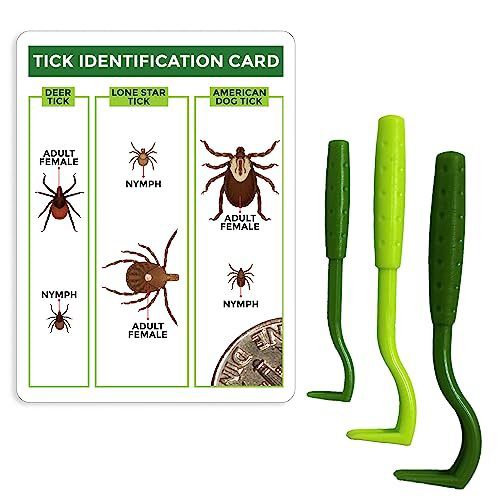
TickCheck Tick Remover Value 3 Pack – Tick Remover Tools + Tick Identification Card – for Humans, Dogs & Cats (1 Set)
This tool is specifically designed for safe and effective tick removal, making it highly relevant for dog owners dealing with tick bites.
Most tick problems get worse because of one mistake: trying a “shortcut” removal method. The goal is simple – remove the tick’s mouthparts intact and avoid squeezing its body.
The removal method recommended across public health and veterinary guidance is steady, straight traction with tweezers or a tick tool. The CDC tick bite guidance and pet first-aid resources like the American Red Cross pet tick removal guide align on this approach.
What you need (grab these first)
- Fine-tipped tweezers or a tick remover
- Gloves (optional but helpful)
- Rubbing alcohol or soap and water
- Small container or zip bag (to save the tick)
- Treats (seriously – they help)
If you want a deeper walkthrough with photos and extra troubleshooting, follow our full guide on how to remove a tick safely.
Step-by-step tick removal on a dog
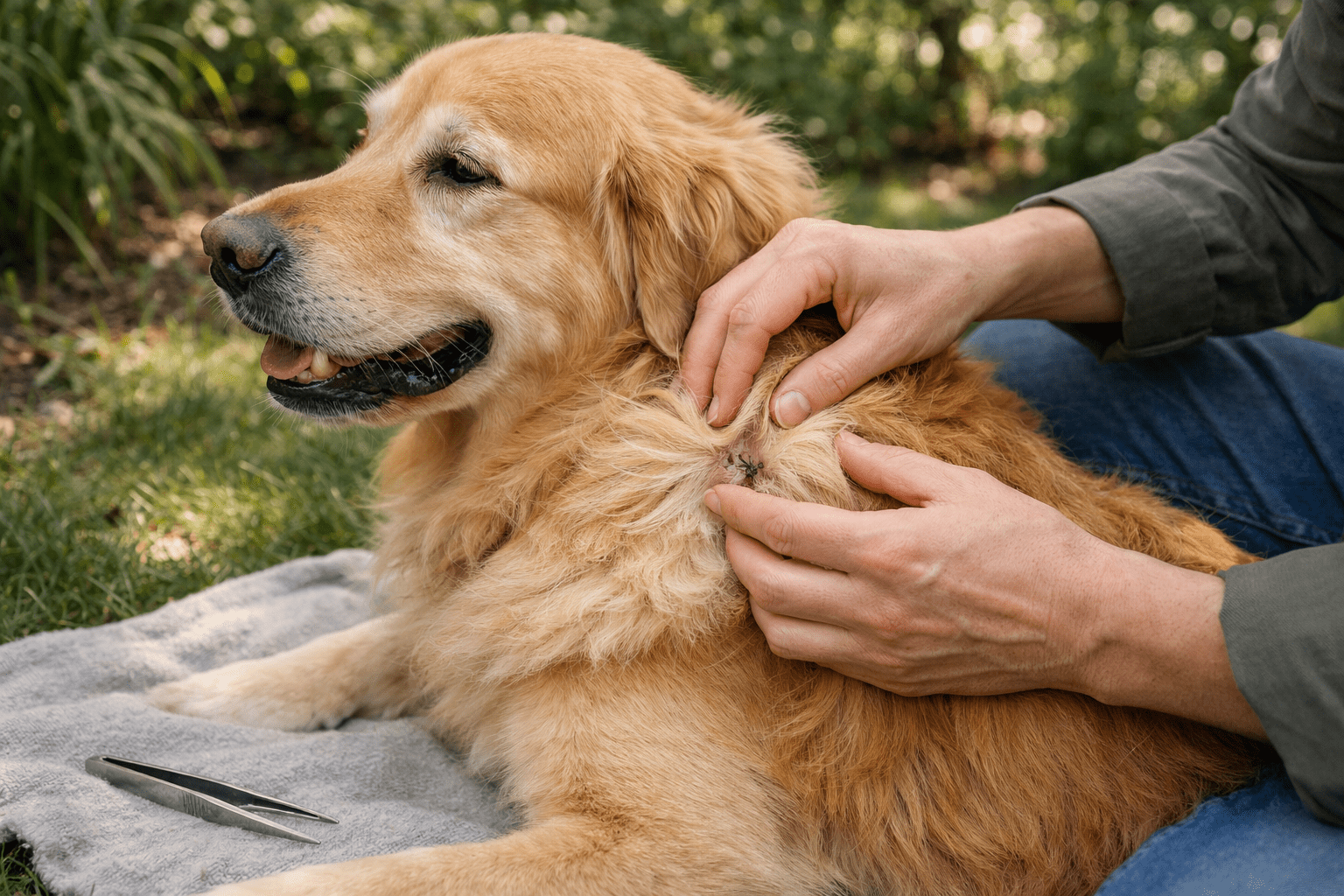
- Calm and position your dog. Use a helper if your dog squirms.
- Part the fur until you clearly see where the tick meets the skin.
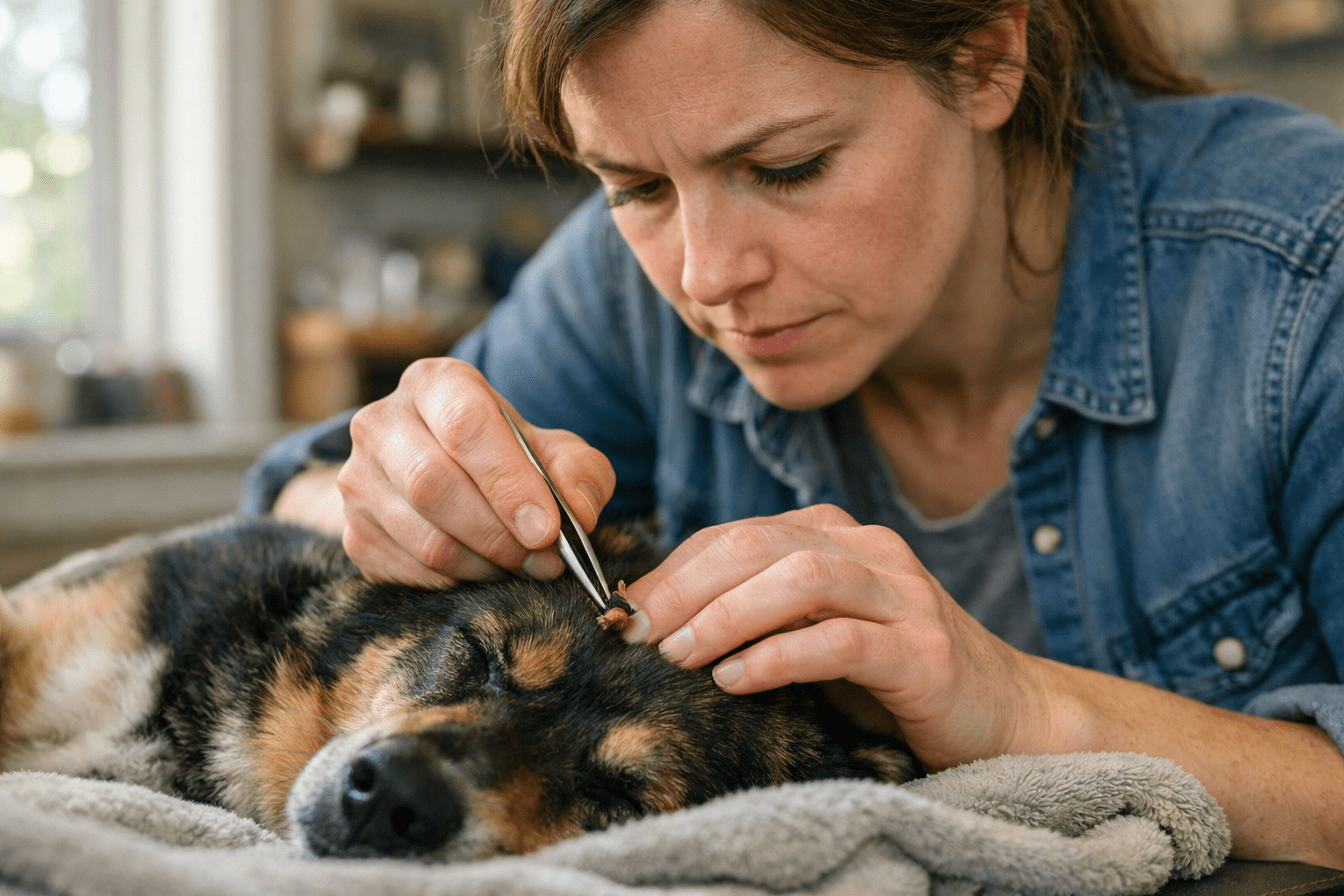
- Grip close to the skin. Place tweezers around the tick’s mouthparts, not the swollen body.
- Pull straight up with steady, even pressure. Do not twist, jerk, or yank.
- Check the skin. If a tiny dark speck remains, it may be mouthparts or a scab.
- Clean the area with soap and water or rubbing alcohol.
- Dispose or save the tick in alcohol or a sealed container for possible identification.
- Reward your dog and keep them from licking the spot for a bit.
What not to do (common myths that backfire)
These methods can prolong attachment or increase irritation:
- Petroleum jelly, nail polish, essential oils, or “smothering” the tick
- Burning with a match
- Twisting the tick out
- Squeezing the body (can push fluids into the bite)
If the tick’s mouthparts break off
This is common enough that it should not cause panic. Sometimes the remaining piece works its way out like a splinter. But if you see increasing redness, swelling, pain, or drainage, call your vet.
Visual element: removal checklist (printable-style)
- Tool ready (tweezers/tick remover)
- Grip at skin level
- Pull straight up, steady pressure
- Clean skin and hands
- Save tick if concerned
- Monitor 14 days
How long does a tick need to be attached to make a dog sick?
This is the question that keeps most owners up at night, and the answer is reassuring: risk rises with time. Ticks generally need to be attached and feeding long enough for pathogens to move from tick to host.
According to the Johns Hopkins Lyme Disease Research Center tick bite guidance, transmission risk increases the longer a tick is attached, with many infections requiring a substantial feeding window. In plain terms, removing a tick quickly is one of the best risk-reducers you control.
Why time matters (what’s happening biologically)
A tick is not like a mosquito that feeds quickly and leaves. It anchors in, then feeds slowly. Many tick-borne microbes live in the tick’s gut and must migrate during feeding before they can be transmitted. That migration takes time, which is why prompt removal matters.
“Crawling tick” vs “attached tick”
- Crawling tick: Low risk for disease transmission because it has not bitten yet.
- Attached tick: Risk increases as feeding continues, especially after a day or two.
Common tick-borne diseases in dogs (what owners should recognize)
Dogs can be exposed to multiple diseases depending on region and tick species. The AKC Canine Health Foundation’s overview of canine tick-borne disease summarizes major concerns such as:
- Lyme disease (often lameness, joint pain, fever)
- Ehrlichiosis (fever, lethargy, bruising in some cases)
- Anaplasmosis (fever, joint pain, low platelets)
- Rocky Mountain spotted fever (fever, neurologic signs in severe cases)
For a plain-language breakdown of symptoms, regions, and what to ask your vet about, read our guide to tick-borne diseases.
Visual element: symptom watchlist (14-day monitor)
| Time after bite | What to watch for | What to do |
|---|---|---|
| 0-48 hours | Local redness, small bump | Clean, prevent licking |
| 3-7 days | Worsening swelling, oozing | Vet call if worsening |
| 7-14 days | Fever, lethargy, limping, poor appetite | Vet visit and testing |
Dog tick treatment after removal: home care, vet care, and prevention
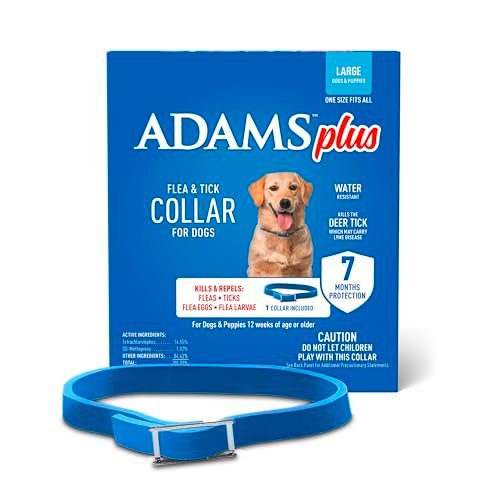
ADAMS Plus Flea & Tick Collar for Large Dogs, Flea Collar for 7-Month Prevention, Adjustable Collar Fits Large Dogs & Puppies, Kills Fleas & Ticks, 1 Count
This collar offers long-lasting protection against ticks, which is essential for preventing future bites after a tick has been removed.
After tick removal, “treatment” usually means two things: caring for the bite site and reducing the chance of future bites. Most dogs do fine with simple home care, but you should know the red flags that justify a vet exam or testing.
Home care for the bite site (simple and effective)
For an uncomplicated bite:
- Clean once or twice daily for the first day with soap and water.
- Keep it dry and avoid heavy ointments unless your vet recommends them.
- Prevent licking if your dog is fixated on the spot. A cone can help.
- Expect mild irritation for a few days. It should slowly improve.
If you notice a firm lump, it may be local inflammation or a small granuloma-like reaction. Some veterinary clinics note that these can happen and often resolve, but changes in size or drainage matter. See examples of what vets flag as concerning in resources like Arrowhead Veterinary Hospital’s tick-bite lump guidance and discuss specifics with your clinic.
When to see the vet (don’t wait on these)
Call your veterinarian promptly if:
- Your dog has fever, marked lethargy, or seems painful
- There is limping, shifting leg lameness, or stiffness
- The bite site becomes hot, swollen, oozing, or foul-smelling
- You suspect mouthparts are embedded and the area is inflamed
- Your dog had many ticks or frequent exposure in a high-risk region
What the vet may do
Depending on symptoms and timing, your vet may recommend:
- A physical exam of the bite site and skin
- Blood tests for tick-borne disease exposure
- Antibiotics if disease is suspected or confirmed (often doxycycline for several tick-borne infections)
- Supportive care if your dog is dehydrated or not eating
Veterinary sources emphasize that early diagnosis and treatment improve outcomes. For practical expectations around treatment and follow-up, resources like Pewaukee Veterinary Service’s tick-bite guidance can help you know what questions to ask.
Prevention: the part that saves the most worry
Tick prevention is not one-size-fits-all. Your best option depends on your dog’s age, health, lifestyle, and local tick pressure. Common veterinarian-approved categories include:
- Monthly topical treatments
- Oral prescription preventives
- Tick collars designed for multi-month protection
- Yard and habitat management (short grass, leaf litter cleanup)
If you want product-type comparisons and what to consider for hikers, hunting dogs, and backyard pets, start with our guide to tick prevention products for dogs.
Visual element: home vs vet care decision table
| Situation | Best next step |
|---|---|
| Tick removed cleanly, small bump only | Clean and monitor 14 days |
| Bite site worsening after 48-72 hours | Vet call for skin infection check |
| Fever, lethargy, limping any time in 14 days | Vet visit and possible testing |
| Multiple ticks found | Ask vet about testing and prevention upgrade |
Conclusion
A tick bite on a dog is usually a solvable problem: remove the tick correctly, clean the skin, and monitor for about two weeks. Most bite sites heal as a small scab or bump, but spreading redness, drainage, fever, lethargy, or limping are signs to involve your vet.
Next step: review your removal kit and prevention plan before the next walk. For quick help, keep our guides bookmarked on how to remove a tick safely and the most common tick-borne diseases so you know what to watch for.
As an Amazon Associate, I earn from qualifying purchases. Product recommendations are based on real reviews and independent research.