Finding fleas indoors can make you want the fastest “nuke it from orbit” option. Flea foggers (often called flea bombs) promise room-wide coverage with a single can, but the real-world results are mixed. Used correctly, they can knock down exposed adult fleas. Used alone, they often leave the hidden life stages untouched, which is why many homes see fleas again days later. This guide explains what foggers can and can’t do, how to use them safely, and what to combine them with for lasting flea control.
Quick answer: Do flea foggers work?
Yes, flea foggers can kill exposed adult fleas, but they rarely solve an infestation by themselves because they don’t reach where most immature fleas develop and they don’t reliably affect protected pupae.
Here’s the practical takeaway:
- Best use case: a small, contained room as a supporting treatment
- What they do well: knock down adult fleas on open floors and surfaces
- What they do poorly: penetrate deep carpet fibers, under furniture, closets, and cracks
- What they miss most often: pupae in cocoons, which can survive and emerge later
- What works better: an IPM-style plan (pet treatment + vacuuming + targeted IGR spray)
If you need bite-ID help first: see Bed Bug Bites vs Flea Bites vs Mosquito Bites to confirm you’re fighting the right pest.
Why flea foggers often fail: the flea life cycle problem
A common frustration goes like this: you set off a fogger, air out the house, and things seem quiet. Then a week later, the bites are back. That “comeback” is usually not a mystery reinfestation. It’s the flea life cycle catching up.
Fleas develop in four stages: egg, larva, pupa, and adult. The stage that breaks most DIY plans is the pupa. Pupae sit inside a sticky cocoon that can be tucked into carpet backing, floor cracks, pet bedding seams, or under furniture edges. Many insecticides struggle to affect this stage, and fogger droplets often never reach it.
Pest control companies commonly caution that total-release foggers are not reliable stand-alone flea control. For example, guidance from Orkin’s flea treatment overview emphasizes that home treatments work best when combined with targeted applications and ongoing sanitation, not just a one-time room fog.
What’s actually happening when you fog a room
Foggers release a pesticide mist that drifts and settles mostly on horizontal, exposed surfaces. Think of it like dusting flour across a kitchen. It lands on counters and floors easily, but it won’t pack itself deep into couch cushions or under the refrigerator.
Where fogger particles tend to land (higher impact):
- Open floors
- Bare baseboards
- Table tops and window sills (not where fleas usually are)
Where fogger particles often don’t reach (where fleas actually are):
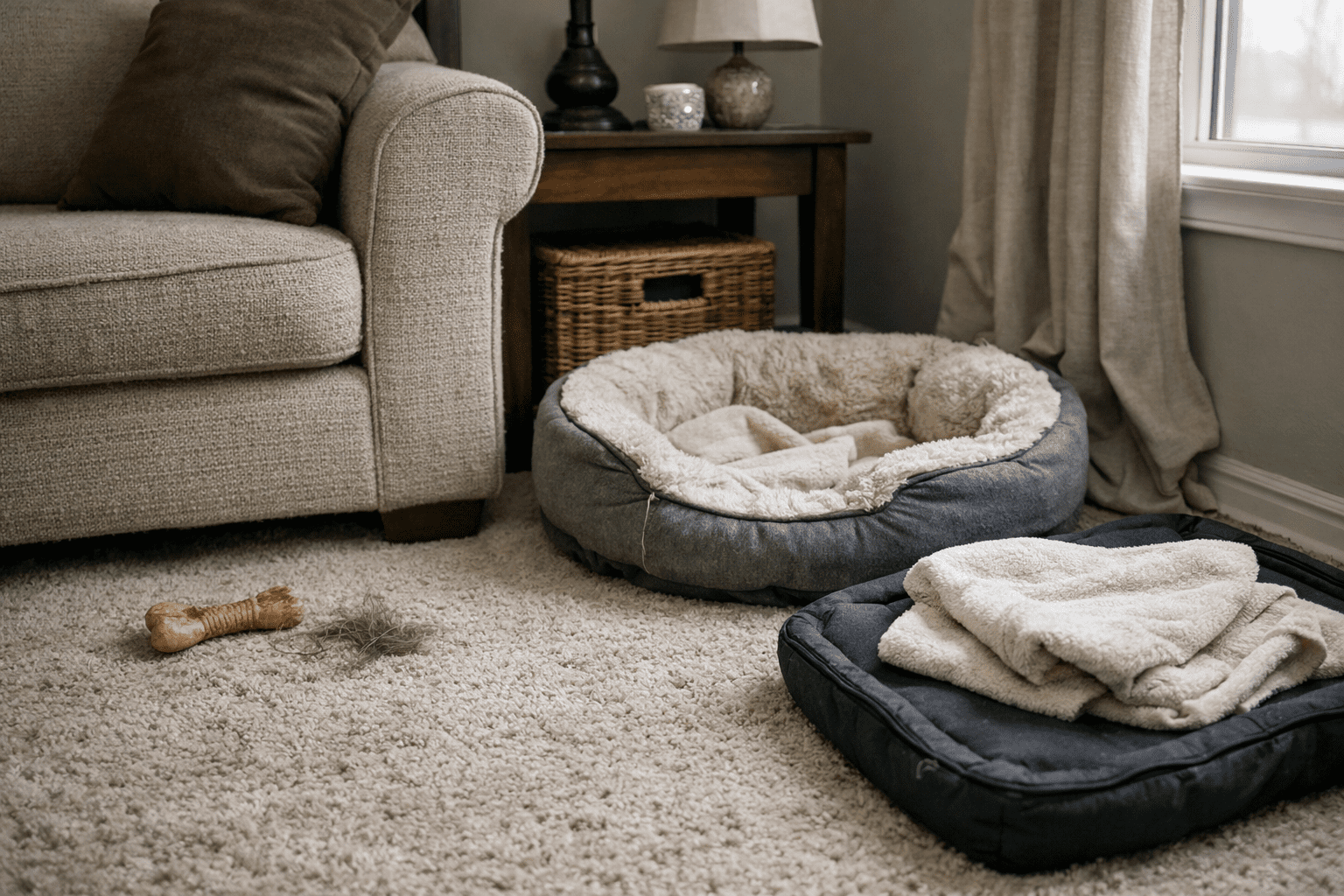
- Deep carpet and rug fibers
- Under beds, couches, and dressers
- Closet corners and clutter piles
- Pet bedding seams and cracks between floorboards
Quick visual: fogger reach vs flea hiding spots
| Location | Fogger reach | Flea risk |
|---|---|---|
| Open tile or hardwood | High | Medium |
| Carpet surface | Medium | High |
| Deep carpet backing | Low | Very high |
| Under furniture | Low | Very high |
| Pet bedding seams | Low | Very high |
Actionable takeaway: If you can’t vacuum and treat the pet, a fogger is unlikely to change the outcome. For a targeted approach that reaches hiding spots, compare options in Best Flea Sprays for Home: Indoor & Outdoor Solutions.
Flea foggers vs sprays: what to use (and when)
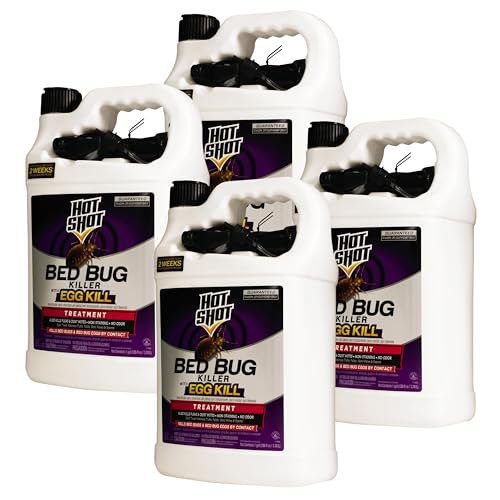
Hot Shot Bed Bug Killer With Egg Kill Ready-to-Use, 1 gallon, 4 Pack
This product is relevant as it can be used in conjunction with flea foggers to target hidden life stages of fleas, particularly in carpets and pet bedding.
If you’re deciding between a fogger and a spray, the key difference is control. Foggers treat the air and whatever the mist settles on. Sprays treat the exact places fleas develop: carpet edges, pet resting areas, cracks, and under furniture.
Many fogger labels also highlight an “IGR” (insect growth regulator). IGRs can help by stopping eggs and larvae from developing into biting adults. That’s a real advantage, but only if the product actually reaches the flea nursery zones.
A good way to think about it:
- Fogger: broad coverage, low precision
- Spray: high precision, better penetration into target zones
Comparison chart: fogger, spray, vacuuming, and pet treatment
| Method | Kills adults | Stops immature stages | Reaches hiding spots | Most important for success |
|---|---|---|---|---|
| Fogger | Yes (exposed) | Sometimes (if IGR + contact) | Often no | Low to medium |
| Targeted IGR spray | Yes | Yes | Yes | High |
| Vacuuming | Removes adults + larvae | Helps trigger pupae to emerge | Yes (edges/under furniture) | High |
| Pet treatment | Yes (on pet) | Prevents new egg laying | N/A | Very high |
When a fogger makes sense
Flea foggers can be reasonable when:
- The infestation is light and mostly confined to one room
- You’ve already started vet-approved pet treatment
- You plan to vacuum daily and use a targeted IGR spray afterward
They are sometimes used in garages, attics, or enclosed spaces where you can remove items and ventilate well. Product coverage varies widely. Some consumer foggers treat about a single room’s volume, while certain professional-style cans claim larger cubic-foot coverage. Always calculate your room volume (length x width x ceiling height) and follow the label exactly.
When to skip the fogger
Avoid foggers when:
- You have asthma, chemical sensitivities, or very young children at home
- You can’t remove or protect food, dishes, and food-contact surfaces
- The home has lots of clutter, closets, or carpeted rooms (too many protected zones)
- You’re hoping for a one-and-done fix
For a broader view of fogging limitations, the same logic shows up in other pests too. See Mosquito Fogger vs Spray vs Trap: What Works Best? for how “air treatments” compare to targeted methods.
Actionable takeaway: If you want the highest success rate, spend your effort on pet treatment + vacuuming + targeted IGR spray first, then consider a fogger as an optional add-on.
How to use flea foggers safely (step-by-step checklist)
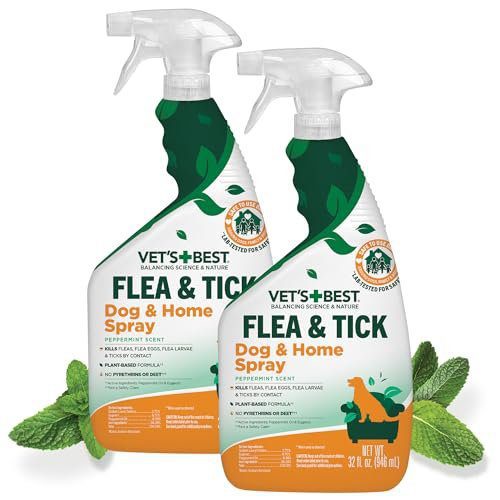
Vet’s Best Flea and Tick Home Spray – Plant-Based Flea and Tick Treatment for Dogs and Indoor Use – Natural Spray with Essential Oils for Flea Control in Home – 32 oz Bottles, 2 Pack
This spray is effective for treating areas that foggers may miss, providing a comprehensive approach to flea control.
Foggers are pesticides, and safety is not just “leave the house for a few hours.” The bigger issues are residue on surfaces and accidental exposure from poor prep. Some pyrethroid ingredients used in foggers can irritate skin and airways, especially in sensitive individuals. Practical safety guidance aligns with recommendations commonly found in public health and pesticide education resources like the EPA’s pesticide safety information and label-based best practices.
Before you start, read the label twice. Then plan your prep like you would for painting a room: cover what matters, clear the edges, and ventilate afterward.
Step-by-step: safer fogger use
-
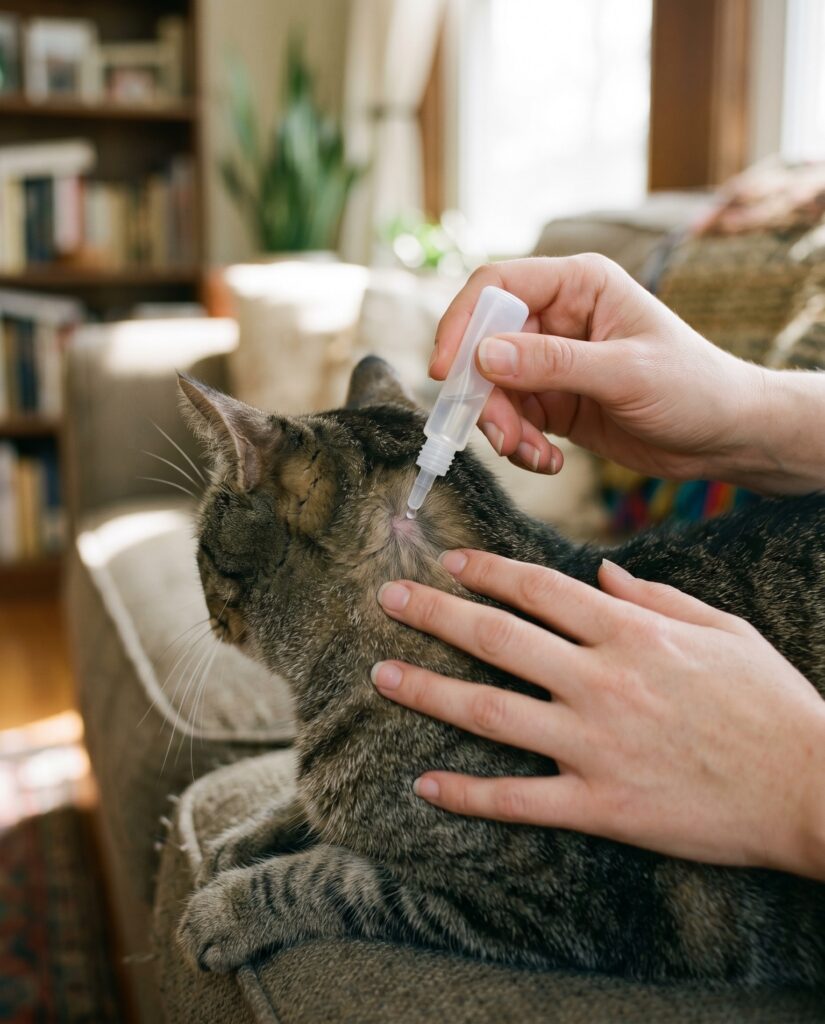
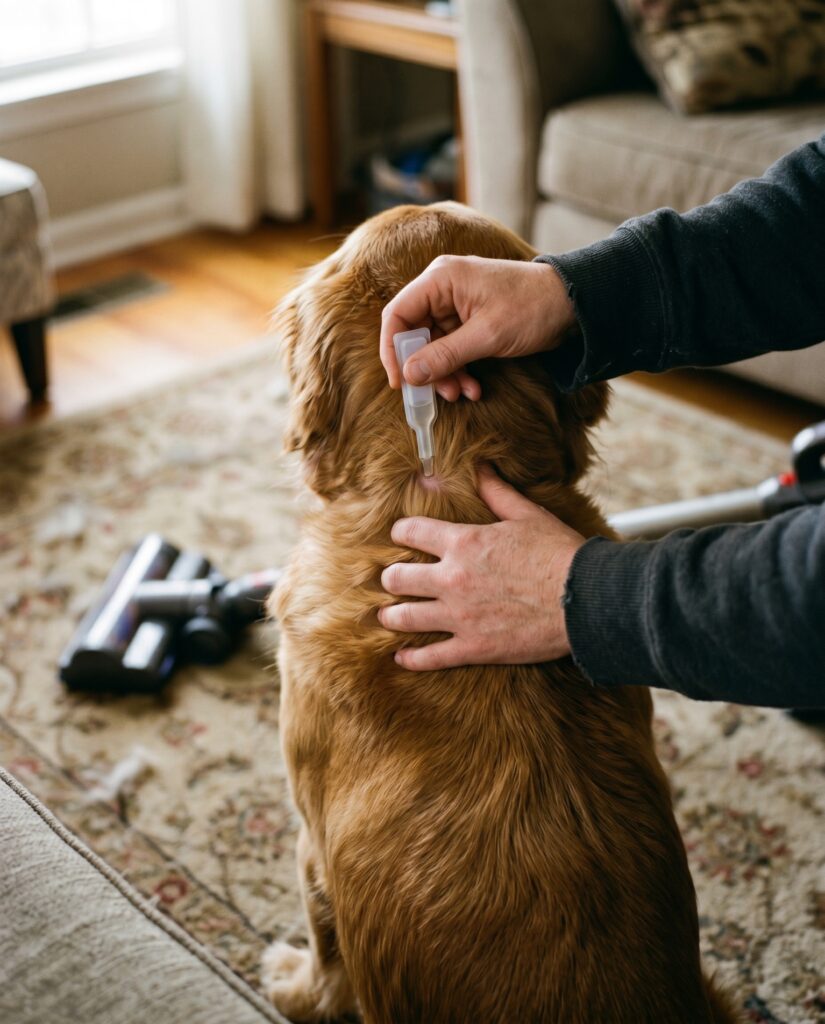
Treat pets first (same day). If your pet is still feeding fleas, the home will be re-seeded. Use vet-approved products and follow dosing.
- For options and pros/cons, use Best Flea Treatments for Dogs: Drops, Collars & Oral.
-
Vacuum thoroughly before fogging.
Focus on:- Carpet edges and baseboards
- Under furniture
- Pet bedding areas
Immediately empty the vacuum outdoors (or seal the bag) to prevent escape.
-
Remove or protect food and dishes.
- Put all food away in sealed cabinets
- Cover or remove small appliances, utensils, pet bowls, and toothbrushes
- Foggers are a poor fit for kitchens unless you can fully protect food-contact surfaces
-
Clear the “flea highway.”
Fleas concentrate where pets rest and travel. Pull furniture slightly away from walls so air can circulate, but don’t assume circulation equals deep penetration. -
Shut off flames and pilot lights.
Some foggers are flammable. Follow label instructions precisely. -
Place foggers correctly.
- Use a stable, elevated surface protected by newspaper or cardboard
- Do not place under shelves or inside cabinets unless the label specifically says so
-
Activate and leave for the full time.
Most products require 2 to 6 hours (sometimes longer). Do not re-enter early. -
Ventilate aggressively.
Open windows, run fans, and air out for at least 30 to 60 minutes, or longer if the label requires it. -
Clean residues on high-touch surfaces.
Wipe:- counters, tables, doorknobs, light switches
- children’s play surfaces
Wash pet bedding after treatment.
Quick prep checklist (print-friendly)
- Pets and people out of the home
- Aquariums removed or sealed with air pump off (label-dependent)
- Food, dishes, pet bowls protected
- Vacuuming done and bag emptied
- Pilot lights off if required
- Re-entry time and ventilation planned
Actionable takeaway: The safest fogger is the one used in a well-prepped space with a clear re-entry and cleanup plan. If that’s not realistic, choose a targeted spray approach instead.
A better plan: flea control that actually lasts (IPM approach)
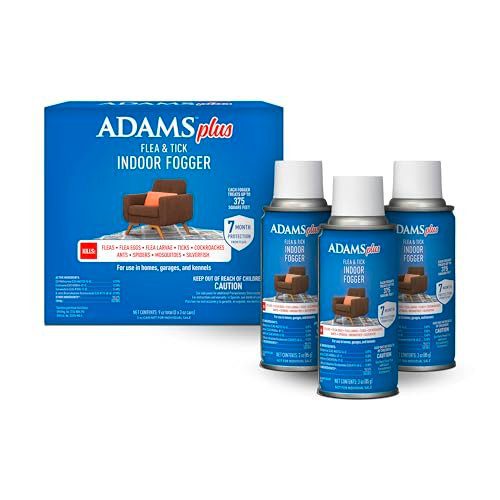
ADAMS Plus Flea & Tick Indoor Fogger, 3 x 3 oz Cans, Kills Fleas, Flea Eggs, Ants, House Flies, Cockroaches, Mosquitoes, and Many Other Pests, Indoor House Treatment, Each Fogger Treats 375 sq ft
This product is a specific type of flea fogger that can help in the initial knockdown of adult fleas, making it a direct match for the article’s focus.
If fleas had a “superpower,” it would be persistence. Not because adults are hard to kill, but because the home can hold a hidden reservoir of eggs, larvae, and pupae waiting for the right moment. The fix is not one product. It’s a short campaign that breaks the cycle.
Entomologists and pest professionals generally recommend an integrated pest management (IPM) approach: combine sanitation, pet treatment, and targeted insecticides only where needed. This aligns with the broader principles in the EPA’s integrated pest management guidance, which emphasizes prevention, monitoring, and targeted control.
The 14-day “break the cycle” routine
Most homes see noticeable improvement within 1 to 2 weeks if they stay consistent.
Days 1-3: Knock down and disrupt
- Treat pets with a vet-approved flea product (and treat all pets, not just the itchy one).
- Wash pet bedding and throw blankets in hot water and dry on high heat.
- Vacuum daily, focusing on edges and under furniture.
Days 4-10: Target the nursery zones
- Apply a targeted indoor flea spray with an IGR to:
- baseboards and carpet edges
- under furniture
- pet resting areas
- Keep vacuuming. Vibration and activity can encourage pupae to emerge, which helps expose them to treatments.
Days 11-14: Re-check and spot-treat
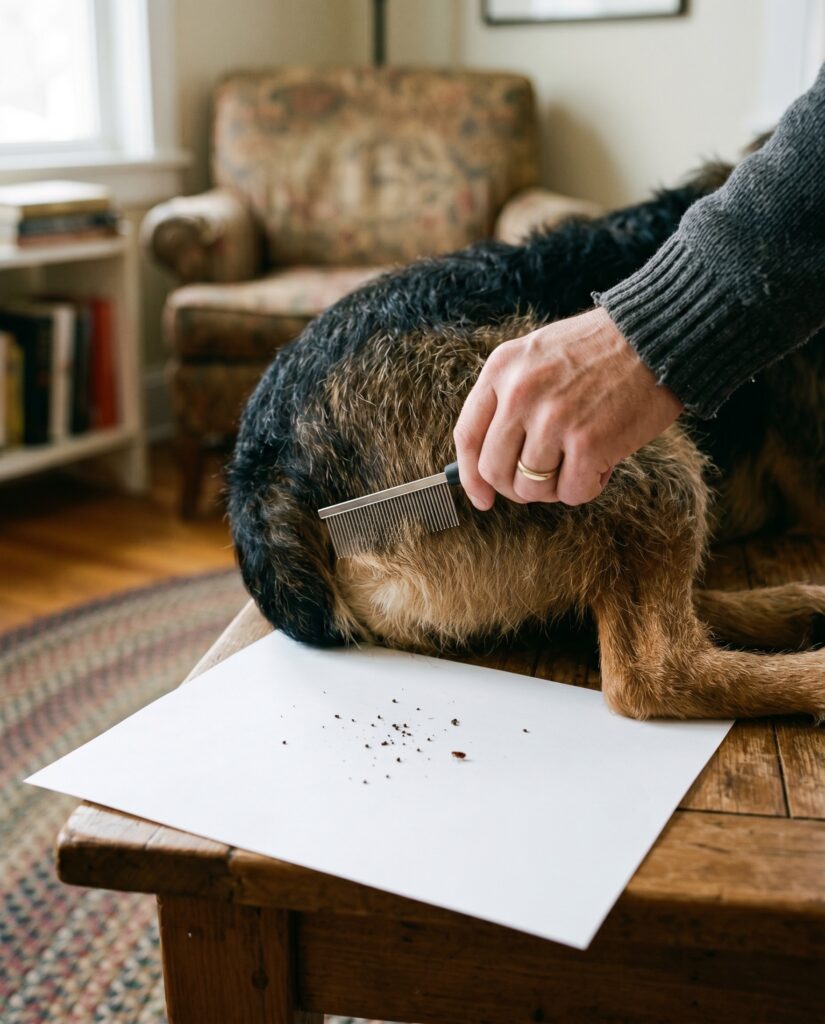
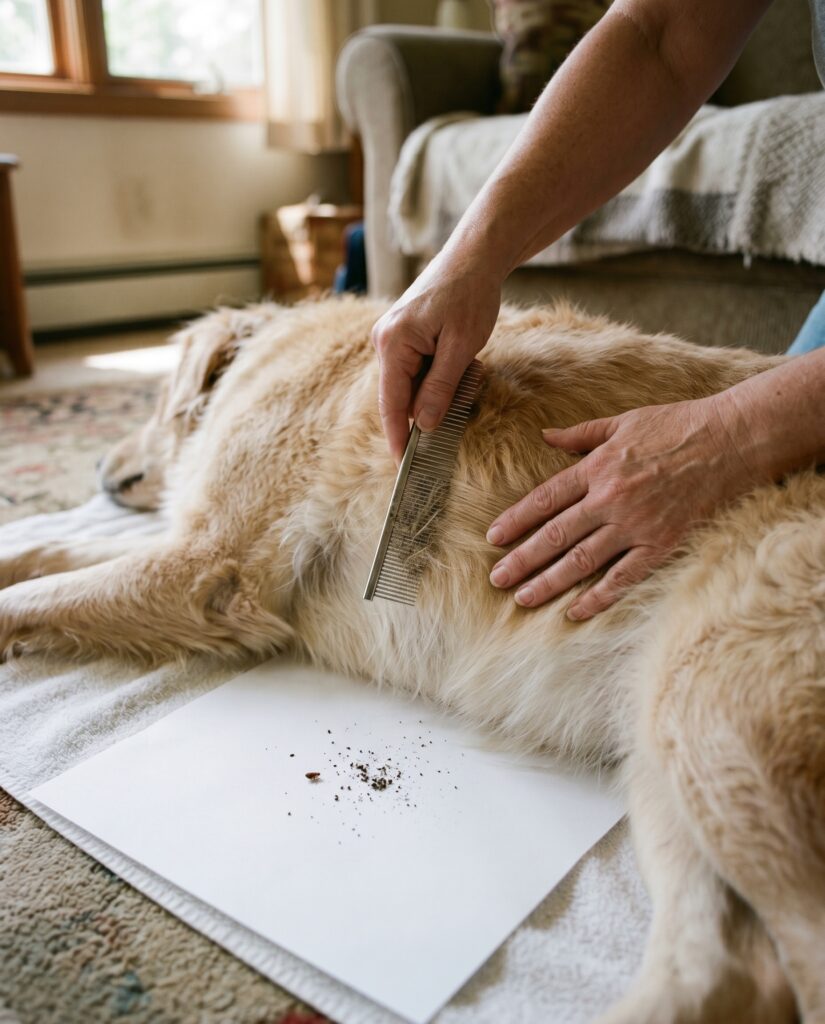
- Use sticky socks test: wear white socks and walk carpeted areas. Adult fleas show up quickly if they’re still active.
- Spot-treat hot spots rather than re-fogging the entire home.
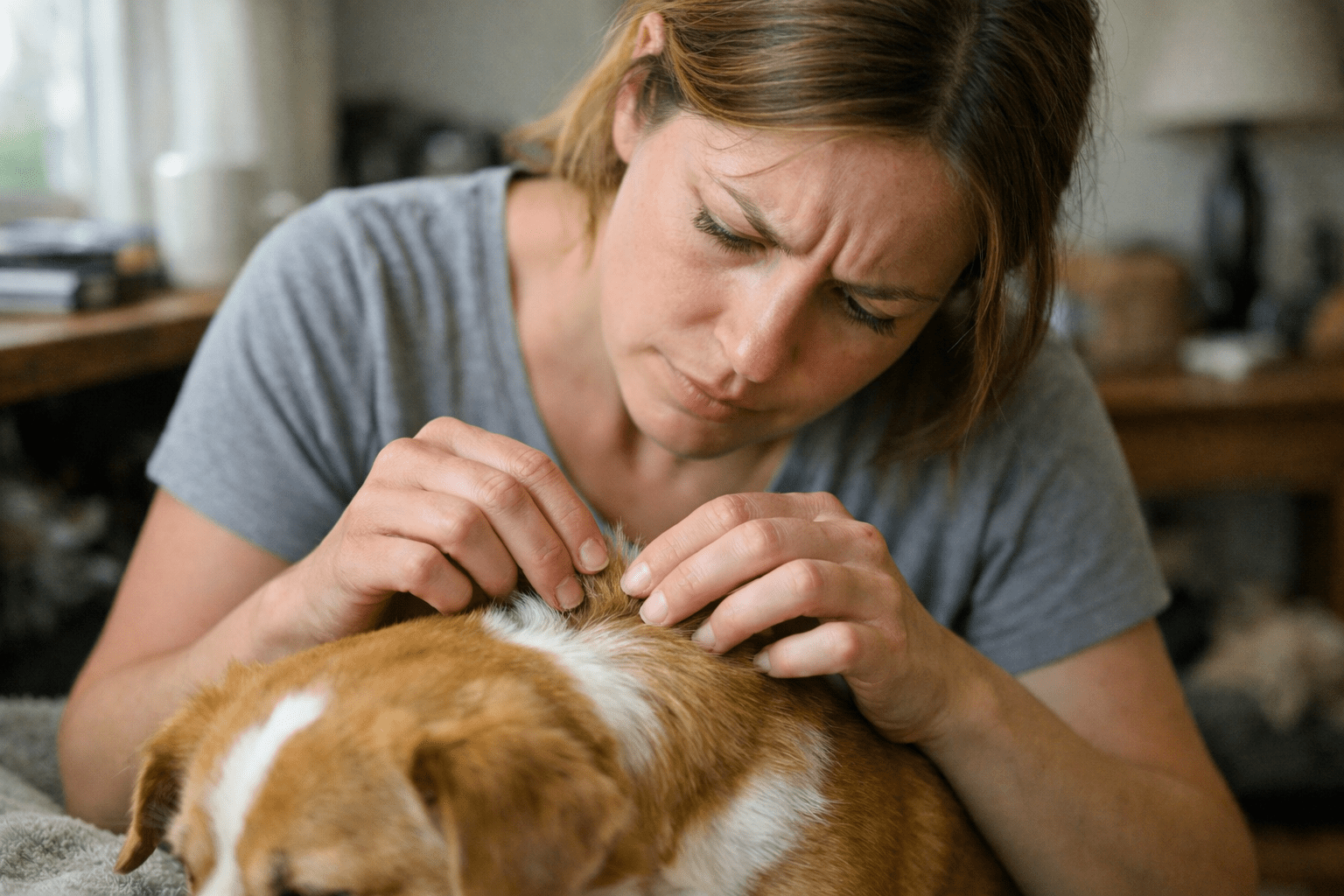
Where foggers fit in this plan (if you insist on using one)
If you choose to use flea foggers, place them here:
- Day 1 or Day 2, after vacuuming and pet treatment
- Only in rooms where pets spend time
- Follow with targeted spray in edges and under-furniture zones
Foggers can reduce the number of exposed adults, which can make the home feel better fast. But the “lasting” part comes from IGRs placed where larvae develop and from stopping fleas on the pet.
When to call a professional
Consider professional help when:
- You still see fleas after 2 to 3 weeks of consistent IPM
- Multiple rooms are affected and the home is heavily carpeted
- There are feral animals in crawlspaces, attics, or under decks
- Someone in the home has respiratory issues that make DIY pesticide use risky
Professionals can use commercial equipment and residual products more precisely than consumer foggers, and they can identify the source (pets, wildlife, or outdoor hotspots).
Actionable takeaway: For most households, the winning combo is: treat the pet, vacuum daily, wash fabrics, and apply a targeted IGR spray. Foggers are optional, not the foundation.
Conclusion
Flea foggers can help reduce exposed adult fleas, but they’re rarely the complete answer because they don’t reliably reach deep hiding spots and they don’t solve the pupa “time capsule” stage. If you want results that last, focus on breaking the life cycle: treat pets, vacuum aggressively, wash pet fabrics, and use a targeted IGR-based spray where fleas develop.
Next step: if you’re choosing products, start with Best Flea Sprays for Home: Indoor & Outdoor Solutions and pair it with Best Flea Treatments for Dogs: Drops, Collars & Oral. That combination solves the root problem, not just the symptoms.
As an Amazon Associate, I earn from qualifying purchases. Product recommendations are based on real reviews and independent research.