Finding cluster flies in winter is frustrating, but the fix is usually straightforward: remove the flies you can see (vacuuming works best), reduce what draws them to windows, and then focus on sealing entry points so next winter is quieter. These slow, sleepy “winter flies” often show up on sunny days in late winter because they have been hiding in wall voids and attics since fall. This guide walks you through fast indoor relief, smart prevention, and when it’s worth calling a pro.
Bottom line: Cluster flies found indoors in winter usually came in during fall and are hiding in wall voids, attics, or window gaps. Remove visible adults now, then seal entry points before next fall.
- Vacuum adults instead of crushing them on walls or windows.
- Use sticky traps near sunny windows and attic access points.
- Focus prevention on exterior gaps before cool weather returns.
Quick answer
To get rid of cluster flies in winter, focus on removal and containment. You usually cannot eliminate the hidden flies in walls until they naturally die off, but you can stop the daily annoyance.
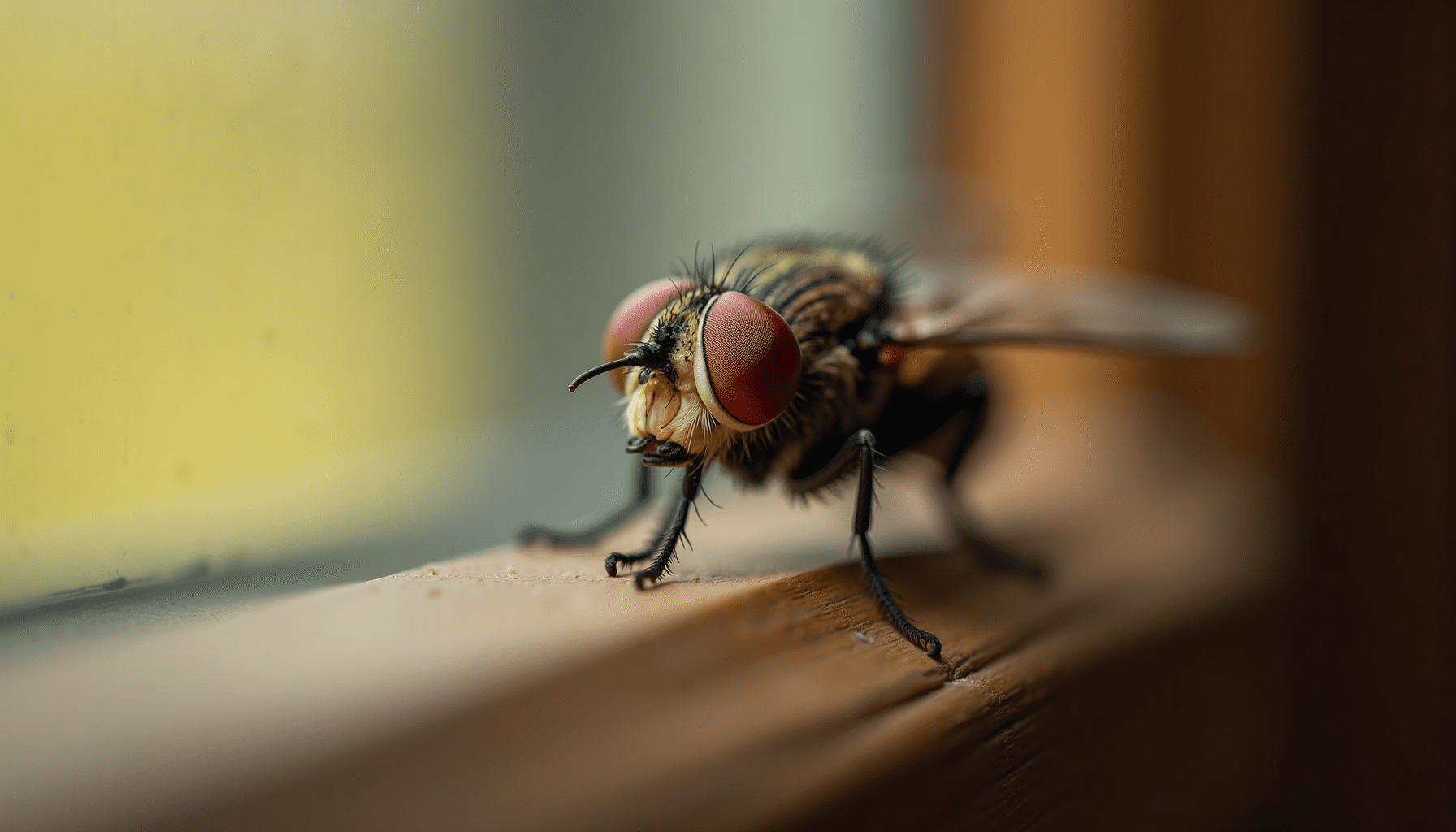
- Confirm the ID: sluggish flies at windows on warm winter days, often with a slightly fuzzy, yellowish thorax.
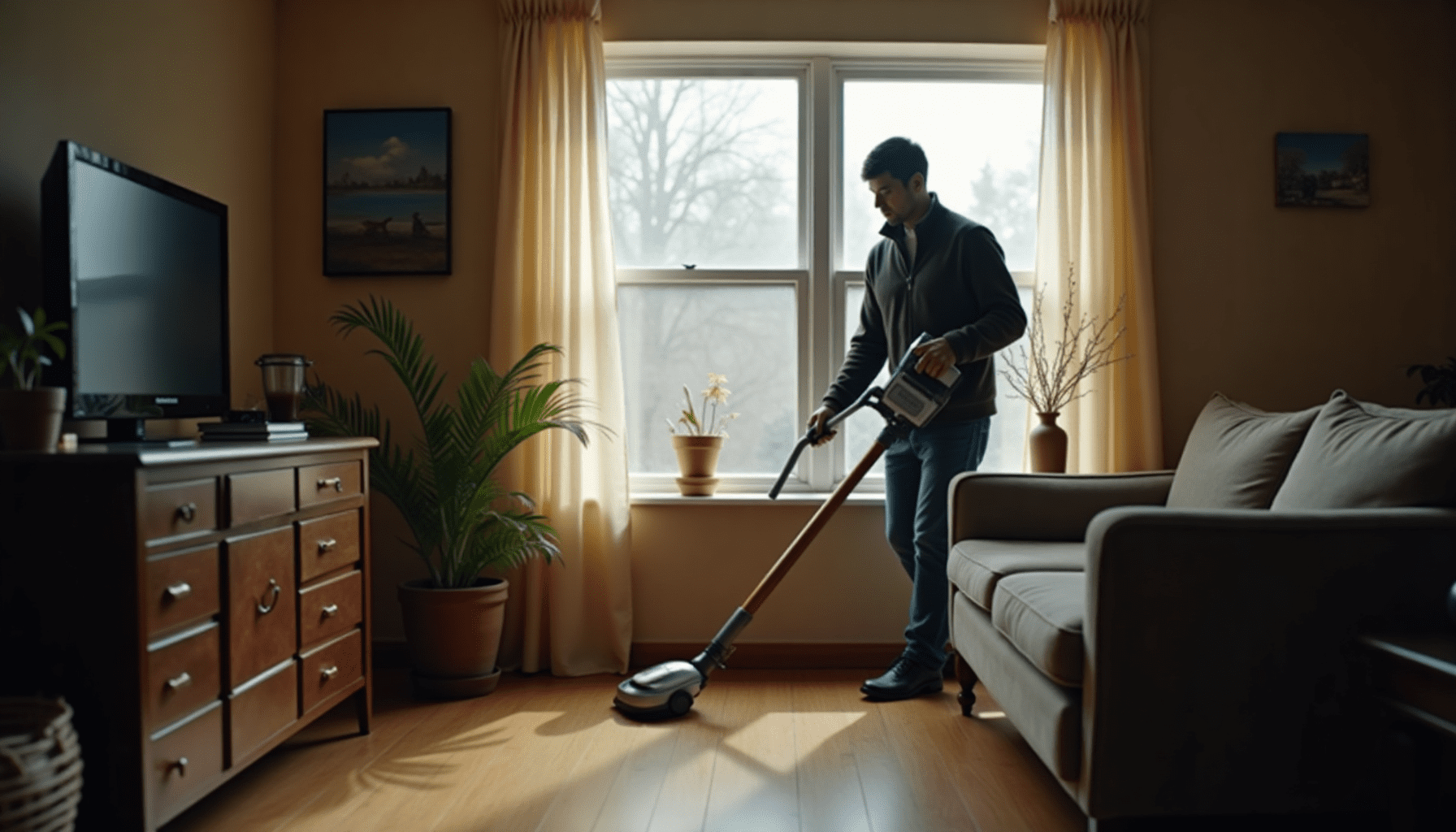
- Do this today: vacuum flies from windows, ceilings, and light fixtures; empty the vacuum outdoors.
- Add traps: sticky strips or window traps near the sunniest windows and attic access.
- Avoid bug bombs: they don’t reach wall voids and add pesticide to your living space.
- Prevent next year: seal gaps and screen vents by late summer; consider a targeted exterior residual treatment before fall entry.
Bottom line: winter control is mostly mechanical removal now and exclusion later.
Identification
Cluster flies (most commonly Pollenia rudis) are often mistaken for house flies, which leads to the wrong control plan. The key difference is that cluster flies are seasonal invaders that overwinter indoors, not filth-breeding flies reproducing in your trash.
According to the Colorado State University Extension cluster fly guide, adults enter buildings in late summer and early fall to overwinter. The Michigan State University cluster fly resource adds an important point homeowners love to hear: they are not known to bite and are not known to transmit diseases.
Fast ID checklist (most useful traits)
- Size: about 8 mm long (often slightly larger than a house fly).
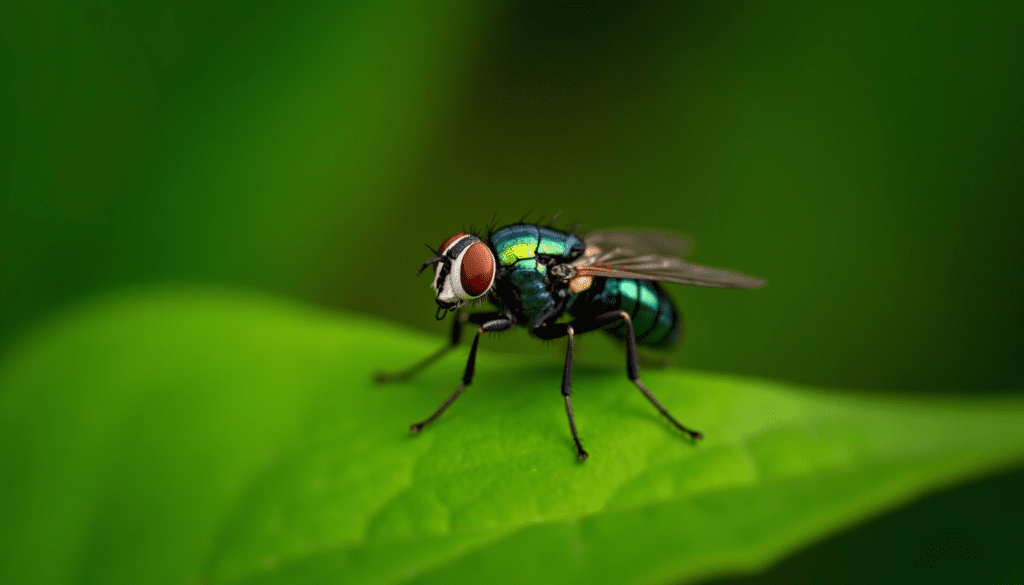
- Color: dark gray, with golden-yellow hairs on the thorax that can look “fuzzy.”
- Movement: noticeably slow and sluggish in cool rooms.
- Timing: most obvious in late fall, winter, and early spring, especially on warm sunny days.
- Where you see them: clustered in attics, wall voids, then at windows and light fixtures as they wake up.
Cluster fly vs common lookalikes (quick cards)
-
Cluster fly
- Look: gray, faintly fuzzy, not metallic
- Behavior: sluggish, clusters in buildings
- Season: winter and early spring indoors
-
House fly
- Look: gray with distinct dark stripes on the thorax
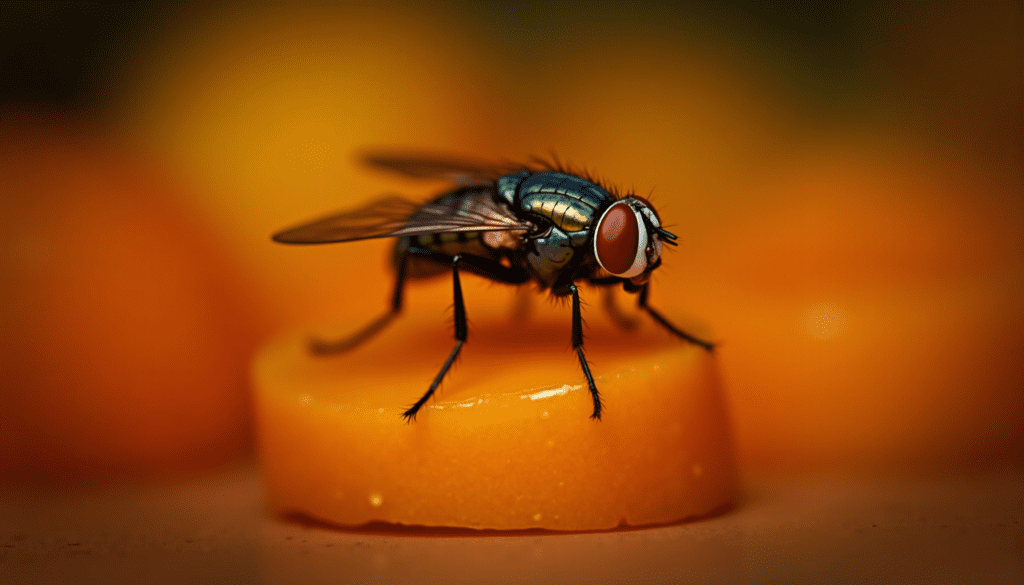
- Behavior: active, fast, tied to food and waste sources
- Season: often worse in warm months indoors
-
Blow fly (blue/green bottle fly)
- Look: shiny metallic blue/green
- Behavior: strong flier, often linked to dead animals or garbage
- Season: can appear any time, often tied to a specific odor source
Actionable takeaway
If your “mystery flies” are sleepy, slow, and showing up at sunny windows in February or March, odds are high you’re dealing with cluster flies, not an indoor breeding problem.
Why winter happens
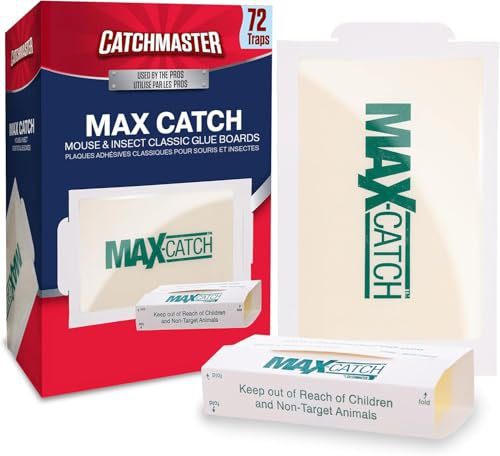
These yellow sticky traps are perfect for trapping adult fungus gnats, which is a recommended strategy in the article.
- Very sticky, effective glue that reliably captures mice and a wide range of crawling insects without additional bait
- Boards are versatile and easy to use (can be laid flat or folded into tunnels) and fit well along walls, under appliances, and in tight spaces
- Long‑lasting, pesticide‑free design that continues working for months and is considered safe for indoor use around people and pets when placed correctly
- Some users find the traps inhumane or upsetting because animals can suffer if not discovered and dispatched quickly
- Occasional complaints about pests escaping or dragging the board away, as well as accidental sticking to pets, shoes, or household items if placed poorly
Cluster flies feel like a winter infestation, but the story usually starts months earlier. Think of your home like a warm, protected cave. In late summer and early fall, adult cluster flies gather on sun-warmed siding – especially south and west walls – and slip into tiny gaps around trim, soffits, and utility penetrations.
Once inside, they tuck into wall voids, attics, and other sheltered spaces and enter a dormant state. Entomologists consistently note that they do not reproduce indoors during winter. Both Colorado State University Extension and Michigan State University Extension emphasize that the flies you see at windows in late winter are typically overwintering adults waking up and moving toward light.
So why do they “randomly” appear on a sunny day?
- A warm spell raises temperatures inside wall cavities.
- Flies become active and crawl toward light.
- They emerge around window trim, ceiling fixtures, and attic access points.
What they’re doing outdoors (and why it matters)
Cluster fly larvae develop in soil as parasites of earthworms, not in garbage or drains. That outdoor biology explains two helpful points:
- Your kitchen sanitation is not the root cause.
- Treating indoor surfaces rarely fixes the source, because the source is seasonal entry and overwintering shelter.
Winter nuisance, not a high-risk pest
Cluster flies are mainly a nuisance. They can be unpleasant in large numbers, and crushed flies can leave stains or an odor. But they don’t chew wood, ruin fabrics, or infest pantry goods the way true stored-product pests do.
Visual: “Why now?” timeline
- Late Aug to Sept: adults enter buildings to overwinter
- Winter: dormant clusters in attics and walls
- Late winter to early spring: warm sunny days trigger movement to windows
- Spring: survivors exit to outdoors, cycle repeats
Actionable takeaway
In winter, your goal is to manage the visible flies and block their path into living spaces. The long-term win comes from stopping fall entry.
Get rid of them now
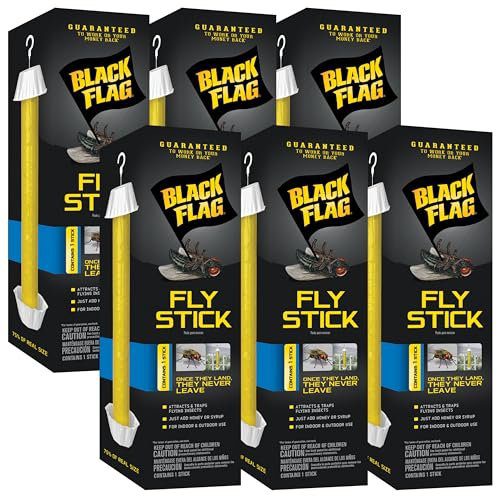
These fly sticks can be used to trap cluster flies indoors, aligning with the article’s recommendation to add traps.
- Very effective at catching large numbers of flies and other flying insects when baited with honey, syrup, or food scraps
- Simple to set up and hang, with a built‑in hook and large sticky surface area
- Useful for both indoor and outdoor areas like patios, barns, porches, and near trash bins
- Extremely sticky adhesive can make handling and disposal messy if accidentally touched
- Some users report a strong visual nuisance or find it unattractive to look at once covered in insects
When cluster flies are already inside, the most practical approach is simple: remove what you can reach, trap what you can’t, and avoid tactics that spread chemicals without reaching the hiding places.
University extension guidance repeatedly points to vacuuming and physical removal as the most effective immediate indoor method. The Government of Canada’s guidance on clustering flies also highlights trapping options suited to indoor use.
Step-by-step winter plan (15 minutes to start)
-
Vacuum the hotspots
- Hit window sills, curtains, ceiling corners, and around light fixtures.
- Use a hose and crevice tool to reduce crushing and staining.
- Empty the canister or bag outdoors immediately.
-
Place traps where they travel
- Put sticky traps near the sunniest windows and near attic access.
- If you prefer cleaner setups, use window traps designed for flies.
- For trap ideas and placement tips, see our guide to Best Fly Traps for Indoor and Outdoor Use.
-
Reduce light draw on warm days
- Close blinds on the brightest windows during peak activity.
- If they collect at ceiling fixtures, clean and tighten covers.
-
Keep attic access sealed
- Close attic hatches and utility room doors.
- Weatherstrip the attic access if it’s leaky.
Should you spray indoors?
Indoor sprays can kill exposed flies, but they rarely touch the hidden cluster in wall voids. If you choose to use an aerosol labeled for flying insects, keep it targeted and follow the label exactly.
What to skip:
- Foggers and bug bombs: widely considered a poor fit for this pest because they don’t penetrate wall voids where most flies are hiding. They mainly add pesticide to the air in your living space.
“Do this, not that” visual
- Do: vacuum + traps + light management
- Not that: bug bombs, broad indoor spraying, chasing “breeding sites” indoors
Actionable takeaway
If you do only one thing this week, vacuum daily for a few days and set traps at the brightest windows. You’ll cut the visible numbers fast without turning your home into a spray zone.
Prevent next year
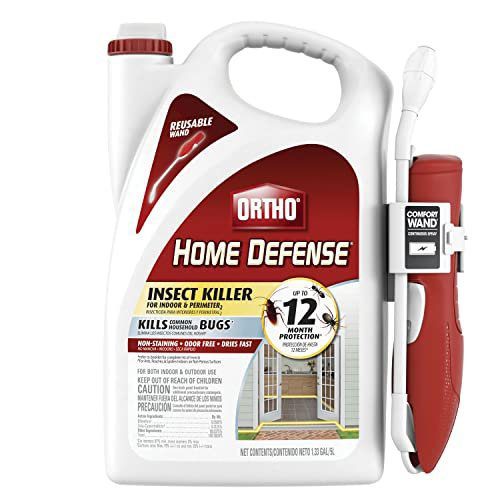
This insect killer can be used for a targeted exterior treatment before fall entry, as mentioned in the prevention section of the article.
- Effective at killing ants, cockroaches, spiders, fleas, ticks, and other listed insects
- Easy to use continuous-spray Comfort Wand reduces hand fatigue and makes application simple
- Long-lasting barrier protection, with up to 12 months of indoor protection on non-porous surfaces for listed pests
- Some reviewers report the product is not as effective as expected or pests return sooner than advertised
- A noticeable number of complaints about price/value compared with similar pest-control sprays
The real secret to fewer cluster flies in winter is prevention in late summer and early fall. Once they’re tucked into walls, you’re mostly managing symptoms. Exclusion is the foundation, and timed exterior treatments are optional support.
Both Colorado State University Extension and Michigan State University Extension emphasize sealing entry points. The goal is not perfection. It’s reducing the number of “easy doors” on the sunniest sides of the house.
Exclusion checklist (best ROI)
Focus on south and west exposures first.
-
Seal gaps and cracks
- Around window and door trim
- Siding seams and corner boards
- Fascia and soffit edges
- Utility penetrations (cable, HVAC, plumbing, dryer vent area)
-
Screen and repair vents
- Add fine mesh to attic and soffit vents (without blocking airflow)
- Repair torn screens and improve door sweeps
-
Stop indoor emergence points
- Seal around baseboards and window casings where feasible
- Use foam gaskets behind outlet and switch plates on exterior walls
Optional: exterior residual barrier (timing matters)
If you get heavy invasions every year, a targeted exterior residual treatment in late summer can reduce incoming numbers. The key is timing it before they enter, and focusing on likely entry areas rather than spraying everything.
- Treat around windows, eaves, soffits, and sunny wall faces.
- Use only products labeled for exterior fly or perimeter use.
- Follow local rules and label directions.
If you’re already dealing with flies indoors in January, exterior spraying usually won’t solve the current issue. It’s a “next season” tool.
What not to do outdoors
- Don’t treat your yard to kill earthworms. MSU specifically notes this has not been shown to reduce home invasions, and it harms beneficial soil life.
Visual: seasonal prevention calendar
- July to early Aug: inspect screens, buy caulk, plan repairs
- Mid Aug to Sept: seal gaps, screen vents, optional exterior residual application
- Oct: final check before cold snaps
- Winter: vacuum and trap as needed
Actionable takeaway
Pick one weekend in August to do a “sunny-side seal-up.” Even partial sealing often makes the next winter noticeably calmer.
When to call a pro
Some cluster fly problems are DIY-friendly. Others keep returning because the house has many entry points, complex rooflines, or inaccessible voids where flies aggregate. A professional inspection can be worth it when you want long-term reduction without trial and error.
Consider calling a licensed pest management professional if:
- You see dozens to hundreds of flies repeatedly each winter.
- Flies are concentrated in hard-to-reach spots (cathedral ceilings, finished attics).
- You suspect large clusters in wall voids (you find many dead flies near baseboards or light fixtures).
- You want exterior treatment timed correctly, without guesswork.
What a pro may do (and why it helps)
- Entry-point audit: finding the tiny gaps you’d never notice from a ladder.
- Targeted exterior treatment: applied at the right time and in the right locations.
- Void and attic treatments (select cases): some professionals use carefully applied dusts or residuals in voids. This can help, but it must be done safely to avoid contaminating living areas.
DIY safety note
If you’re tempted to climb onto roofs or pull apart soffits, pause. Falls cause far more harm than flies. If access requires steep ladders, roof work, or electrical fixture removal, it’s reasonable to outsource.
Visual: decision guide
- Light, occasional flies: vacuum + traps
- Moderate, recurring: exclusion + traps + consider late-summer exterior treatment
- Heavy, every year: pro inspection + exclusion plan + targeted treatment
Actionable takeaway
If your winter fly problem repeats annually, the best money is often spent on finding and sealing entry points, not on repeated indoor spraying.
Common questions
Are cluster flies breeding in my house?
Almost always, no. Research-based extension guidance describes them as overwintering adults that enter in fall and remain dormant. Seeing them “reappear” on sunny days is a wake-up and wander-to-light behavior, not a new generation.
Are they dangerous to people or pets?
They’re considered low risk. They do not bite, and they are not known to transmit diseases like true filth flies, according to Michigan State University Extension. The main issue is nuisance, odor when crushed, and occasional staining.
Why do I mostly see them at windows?
Light is the magnet. When overwintering flies wake up, they move toward the brightest areas, which are usually windows and ceiling fixtures.
Will outdoor fly traps help?
Outdoor traps can reduce some adult flies outside, but they won’t remove the ones already in your walls. If you want outdoor trapping for general fly pressure around patios and sunny walls, our guide to Best Outdoor Fly Traps for Patios and BBQs can help you choose the right style and placement.
If that is where this is heading, our guide to insects gathering on an outside wall covers the autumn gathering and the gaps behind it.
Could these be drain flies instead?
Drain flies look moth-like and fuzzy, and they rest with wings held roof-like. If you’re seeing tiny fuzzy flies around sinks or tubs, you may be dealing with a different pest. Compare options in Top Drain Fly Treatments and Gel Cleaners.
What if I’m also getting mosquitoes indoors?
That’s a separate issue with different entry points and breeding sources. For a focused plan, see How to Get Rid of Mosquitoes Inside Your House.

Conclusion
To get rid of cluster flies in winter, rely on vacuuming and trapping for immediate relief, and skip tactics like bug bombs that don’t reach wall voids. The lasting solution is exclusion: seal gaps and screen vents by late summer so fewer flies enter to overwinter.
Next step: set two sticky traps at your brightest windows today, then schedule an August “seal-up” weekend. If you want to refine your setup, start with Best Fly Traps for Indoor and Outdoor Use and consider outdoor support with Best Outdoor Fly Traps for Patios and BBQs.
As an Amazon Associate, I earn from qualifying purchases. Product recommendations are based on real reviews and independent research.