Horse flies can make a yard, pool day, or barn work session miserable, and the fastest way to get rid of horse flies is to combine three tactics: pull activity away from people with well-placed traps, block bites with clothing and repellents, and reduce the wet, sunny “fly-friendly” conditions around your immediate space. The catch is that you usually cannot eliminate them across the whole neighborhood because they breed in widespread wet soils near water. This guide shows what actually works, what’s wishful thinking, and how to get real relief.
Bottom line: Horse fly control is about bite prevention and habitat reduction, not one magic yard spray. Protect people and animals first, then reduce wet breeding areas and use repellents correctly.
- Use DEET or picaridin on people according to label directions.
- Use horse-labeled fly sprays on horses and livestock only.
- Remove standing water, wet bedding, manure, and muddy edges where flies develop.
Quick answer
To get rid of horse flies around your home or animals, focus on local bite reduction – not total eradication.
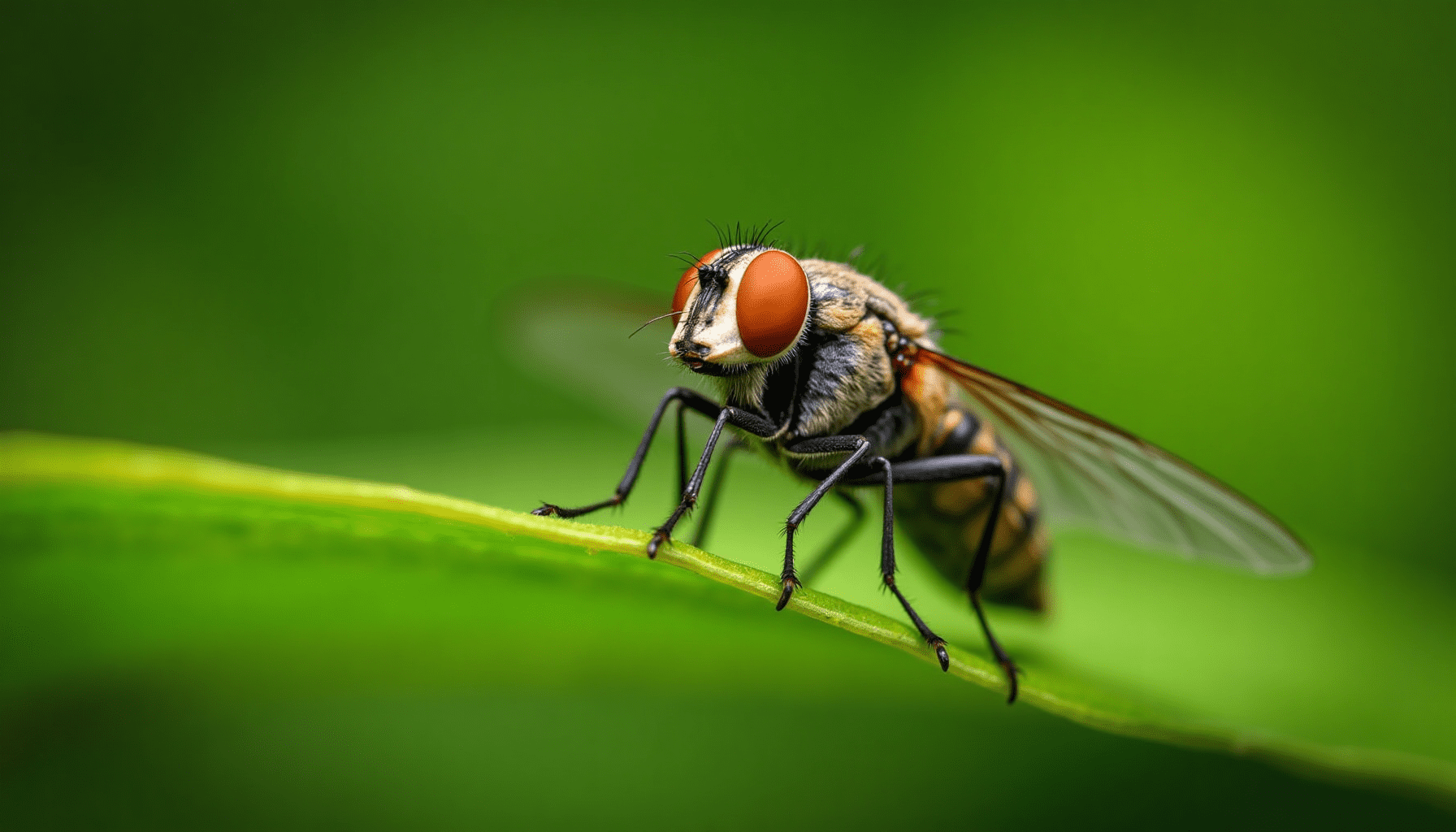
- Confirm it’s a horse fly: stout body, 10-30 mm (3/8-1 1/8 in), large bright eyes; females bite.
- Time your outdoor use: worst on hot, sunny, low-wind afternoons near water.
- Use traps strategically: place traps in sunny open areas away from patios, doors, and animals.
- Block bites: light-colored long sleeves and pants + a labeled repellent (DEET or picaridin).
- Create refuge: deep shade, screened areas, and stalls during peak hours.
- Use targeted sprays carefully: only where labeled and where flies rest, not across blooming plants.
Best “first move” today: put up a horse fly trap 30-60 ft from where you sit, then add repellent + long sleeves.
Identification
Horse flies (family Tabanidae, often Tabanus species) get blamed for almost any painful outdoor bite. Correct ID matters because many “fly problems” are actually stable flies, deer flies, or mosquitoes – and the fixes differ.
Here’s a quick, field-friendly way to tell if you’re dealing with horse flies.
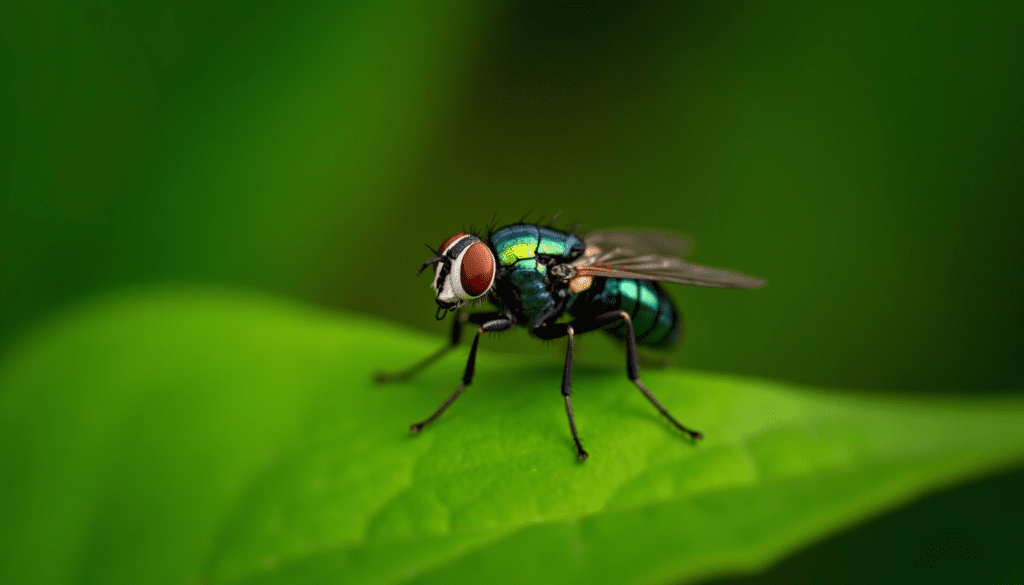
Horse fly ID checklist (fast):
- Size: typically 10-30 mm (3/8-1 1/8 in), noticeably larger than house flies.
- Body: stout, strong fliers, often gray or black.
- Eyes: large, sometimes green or purple with bands.
- Wings: often clear, sometimes smoky depending on species.
- Bite style: painful “slice” bite that can leave a bleeding spot.
According to the National Pest Management Association’s PestWorld horse fly guide, there are 160+ species in the U.S. and Canada, so appearance varies. Behavior is often the giveaway: they patrol sunny edges of woods, trails, pastures, and shorelines, then “lock on” to movement.
Horse fly vs. lookalikes (quick cards):
- Horse fly
- Bite: very painful, daytime
- Where: near wetlands, ponds, wet pastures
- Clue: big eyes, big body, fast pursuit
- Stable fly
- Bite: painful, often ankles and legs
- Where: manure, wet hay, decaying plant matter
- Clue: hangs around barns, bites repeatedly
- Deer fly
- Bite: painful, smaller than horse fly
- Where: similar habitats, often near woods and water
- Clue: often has patterned wings
Actionable takeaway: If bites spike near water on bright days and the fly is big and determined, plan on trap placement + barriers. Yard-only “one spray fixes all” approaches rarely hold up.
Why they’re hard to eliminate
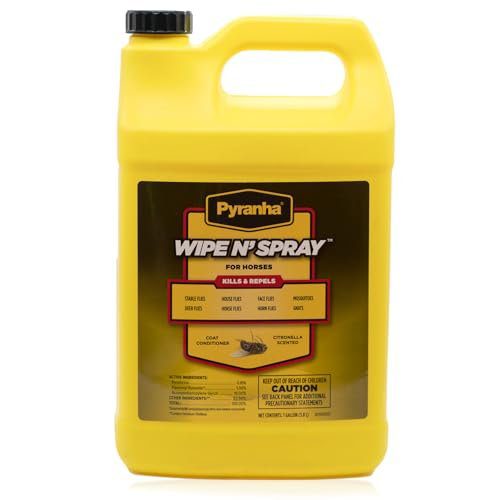
A horse-labeled fly spray can help protect horses during turnout, grooming, and barn chores when used exactly as the label allows.
- Horse-focused formula for fly pressure around barns and turnout.
- Useful when direct animal protection is needed.
- Works as part of a broader manure, moisture, and stable-management plan.
- Needs reapplication after sweat, rain, or bathing.
- Not a substitute for habitat reduction around wet areas.
If you’ve tried sprays, candles, and DIY traps and still feel hunted, you’re not imagining it. Horse flies are difficult because their immature stages live out of reach, and adults can fly in from surrounding habitat.
Horse fly larvae usually develop in wet soil or shallow water near ponds, marshes, drainage ditches, and irrigated pasture edges. They are scattered, hidden, and often spread across land you don’t own or can’t treat. That’s why broad “area control” often disappoints.
The blunt truth from entomologists: the Mississippi State University Extension notes that because breeding sites are large and widespread, chemical controls are usually not very effective at reducing adult populations, and there is no reliably proven method to dramatically reduce numbers across an entire area.
Think of horse flies like sparks from a campfire in the woods. You can’t stop every spark in the forest, but you can:
- move your chair out of the smoke path,
- put up a screen,
- and reduce what attracts sparks to your immediate spot.
What makes them worse (and when):
- Season: late spring through summer in many regions, peaking in hot months.
- Time of day: often late morning through late afternoon.
- Weather: bright sun and low wind.
- Location: water edges, wet ground, sunny clearings, pasture margins.
Visual: realistic expectations (what success looks like)
- Realistic goal: fewer bites in your “use zone” (patio, pool, barn aisle).
- Not realistic: wiping them out across the neighborhood wetland or lakefront.
- Best strategy: integrated steps that stack small wins.
Actionable takeaway: Measure success by bite reduction in key areas, not by “zero flies.” That mindset leads to better trap placement, better timing, and less wasted spraying.
Get rid of horse flies outdoors
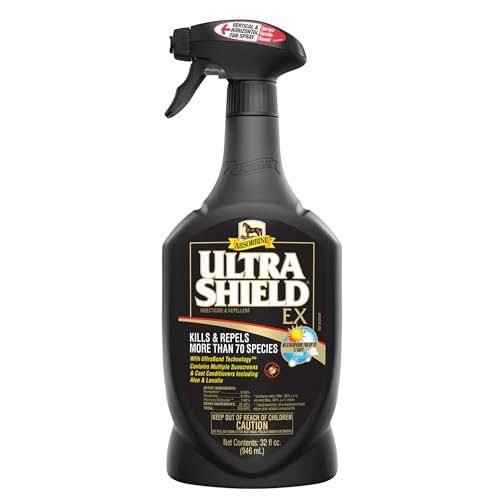
This horse and stable fly spray is a better fit than generic household insecticides when the problem is biting flies around horses or livestock.
- Designed for horses and barn environments.
- Can support short-term bite reduction when used correctly.
- Pairs well with fans, manure control, and dry bedding.
- Must be used according to animal-safety label directions.
- Sprays alone will not eliminate horse fly breeding habitat.
Most readers want their patio, pool, garden, or lakeside lawn back. The best approach is to make your hangout area less attractive and intercept flies before they reach you.
1) Put traps where they pull flies away
Horse flies are visual hunters. Many traps exploit their attraction to large, dark shapes in the sun. Proper placement matters more than brand.
Trap placement rules that work:
- Sunny, open area – traps under trees often underperform.
- Away from people – place 30-60 ft from patios, pool edges, doors, and play areas.
- Near the flight path – between water/woods and your activity zone.
- One trap per problem zone – large properties may need multiple.
If you’re comparing options, start with our guides to the Best Outdoor Fly Traps for Patios and BBQs and the broader roundup of Best Fly Traps for Indoor and Outdoor Use. Even though horse fly traps are a special category, those articles help you avoid traps designed mainly for house flies.
2) Reduce “resting spots” near patios and pools
Horse flies don’t just appear. Adults often rest on vegetation and shaded surfaces, then launch when they spot movement.
Do this around your use zone:
- Mow and edge regularly, especially near water features.
- Trim dense shrubs near seating areas.
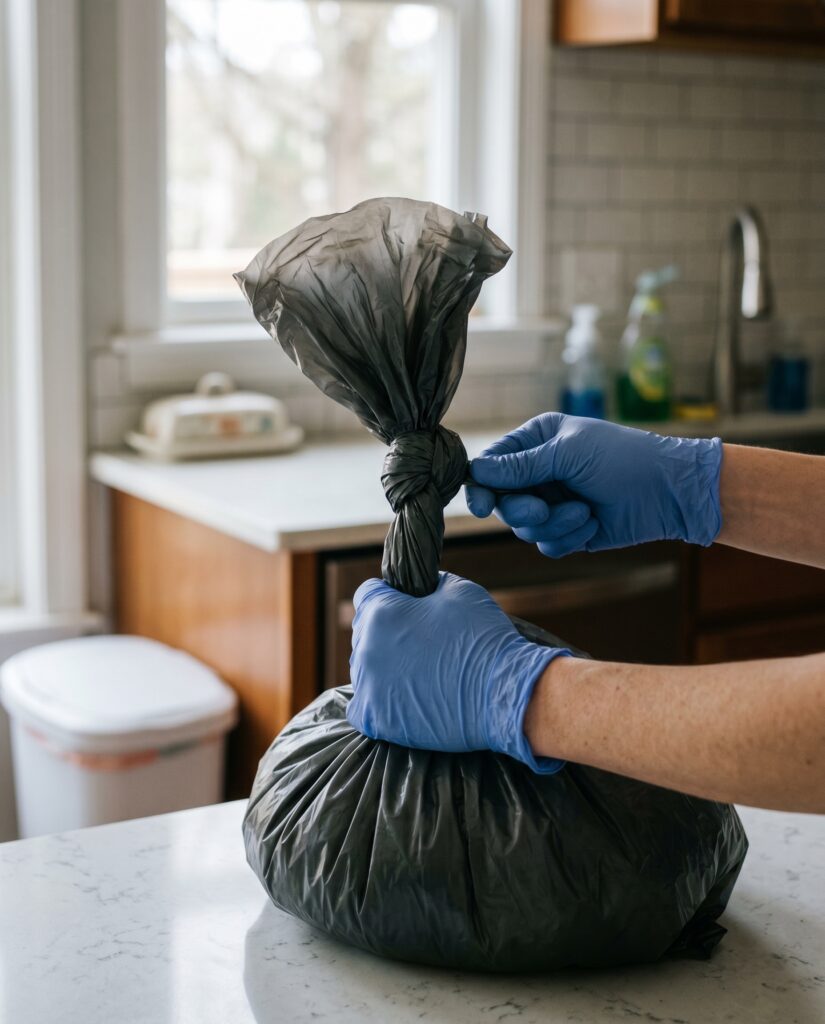
- Move trash bins away from patios and keep lids tight.
- Pick up pet waste promptly (it attracts many fly species, increasing overall fly pressure).
Pool owners: keep water balanced and skim debris. If horse flies are thick, covering the pool during peak hours can help because reflective water surfaces can be attractive.
3) Use targeted, labeled insecticides only when needed
Some homeowners get short-term relief from perimeter and landscape treatments, but these are not magic bullets. They can also harm beneficial insects if misused.
If you choose this route:
- Treat resting areas (shrub lines, fence lines, shaded sides of buildings) more than open lawn.
- Avoid spraying blooming plants or when pollinators are active.
- Follow the label exactly, or hire a licensed pro.
Consumer-oriented guidance such as the Scotts yard advice on keeping horse flies away generally emphasizes label-directed perimeter treatments and habitat management. For persistent problems, the NPMA guidance on when to call a professional is a good baseline.
Visual: outdoor action checklist (save this)
- Trap in sun, 30-60 ft away from people
- Trim vegetation around seating
- Fix soggy spots you control (leaks, overwatering)
- Screen doors and repair window screens
- Consider a targeted perimeter treatment only if needed
Actionable takeaway: A correctly placed trap plus vegetation trimming often beats “spray the whole yard,” and it’s safer for non-target insects.
Protect horses and livestock
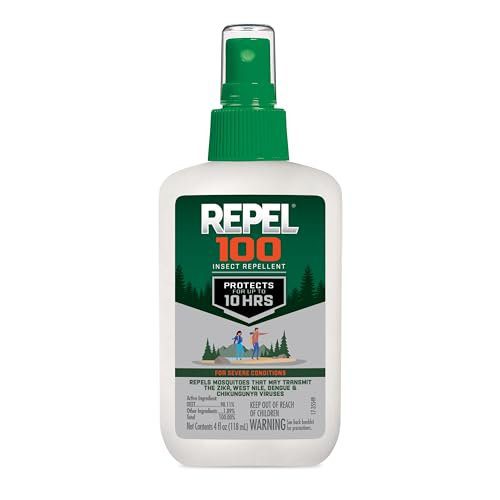
A high-DEET repellent can help protect people doing outdoor chores in horse-fly areas, but it should not be used on animals unless the label specifically allows it.
- Long-lasting personal protection for people outdoors.
- Useful for chores near wet, wooded, or pasture edges.
- Small bottle is easy to keep in a barn or garden kit.
- Not for use on horses or livestock unless label directions allow.
- DEET may damage some plastics, finishes, or synthetic gear.
If you manage horses, you already know horse flies don’t just annoy. They can cause stress, blood loss, and open wounds that invite infection. Because females need blood for egg development, they keep coming back.
The most reliable relief comes from giving animals a physical barrier and a place to escape peak activity.
1) Give animals refuge during peak hours
Aquatic biting flies are often worst in bright, hot conditions. The University of Minnesota Extension fly control guidance for horses recommends managing water sources and providing deep shade or housing as one of the best protections.
Practical options:
- Turn horses out at dawn/dusk and bring them in during peak bite hours.
- Use run-in shelters positioned to catch breezes.
- Add fans in barns to disrupt flight and reduce landings.
2) Use physical barriers first
For horse flies, barriers often outperform sprays because they don’t rely on perfect timing or reapplication.
Barrier gear that helps:
- Fly sheets (tighter weave helps against larger biting flies)
- Fly masks with ear coverage
- Fly boots/leggings for lower legs
- Screened stall doors or mesh curtains in barn aisles
3) Sanitation still matters (even if it’s not the main breeding site)
Horse flies generally breed in wet soils near water, not manure piles. Still, sanitation reduces overall fly stress by cutting down stable flies and house flies.
From the University of Minnesota Extension:
- Remove manure and soiled bedding often.
- Keep facilities clean and dry.
- Manage mud around gates, waterers, and high-traffic areas.
4) Repellents and premise sprays as support tools
Equine-labeled fly sprays can reduce bites for hours, especially when paired with sheets and shade. Reapply more often if horses sweat, get hosed, or roll.
For barns, some operations use residual premise sprays on walls and ceilings where flies rest. Use only products labeled for that setting and keep animals out during application as directed.
Visual: barn IPM stack (simple and effective)
- Refuge: shade, stalls, fans
- Barrier: sheets, masks, leggings, screens
- Support: equine repellent, targeted premise sprays
- Pressure reduction: manure removal, mud control, water management
- Optional: traps placed away from stalls to pull flies outward
Actionable takeaway: If you only do one thing for horses, prioritize refuge + barriers. Then add repellents and traps to reduce pressure.
Repellents and bite prevention
Horse flies are stubborn, and many people notice they “ignore” typical bug spray. Repellents still help, but they work best when you treat them like a seatbelt, not an invisibility cloak.
The Mississippi State University Extension notes that repellents provide some relief but are not 100 percent effective, and they work better when combined with light-colored long sleeves and pants.
What to wear (and why it works)
Horse flies key in on movement and contrast. Dark, moving targets in bright sun are especially noticeable.
Best clothing choices:
- Light-colored long sleeves and long pants
- Tighter weave fabrics (loose knits are easier to bite through)
- Closed-toe shoes and socks in tall grass or pasture edges
- A hat for head protection in heavy fly areas
What to apply (common actives)
Look for EPA-registered repellents with:
- DEET
- Picaridin
- Oil of lemon eucalyptus (OLE)
Apply to exposed skin and, where labeled, to clothing. Follow reapplication instructions closely, especially if you sweat or swim.
Quick first aid for bites
Horse fly mouthparts cut the skin, so bites can bleed and swell more than mosquito bites.
Do this:
- Wash with soap and water.
- Cold compress 10-15 minutes.
- Anti-itch cream (like hydrocortisone) or an oral antihistamine if needed.
- Watch for infection or worsening redness.
Seek medical care for severe allergic symptoms like widespread hives, facial swelling, or trouble breathing.
Visual: “outdoor kit” for horse fly country
- Repellent (DEET or picaridin)
- Light long-sleeve shirt
- Small cold pack
- Hydrocortisone or antihistamine
- A plan to move into shade or indoors during peak hours
Actionable takeaway: Clothing does more than most sprays. Add repellent as the second layer, not the only layer.
Myths and what to do next
A lot of frustration comes from promises that don’t match horse fly biology. Clearing up a few myths helps you spend effort where it pays off.
Myth 1: “One trap or spray will solve it all season.”
Reality: New adults keep emerging from surrounding wet habitats. Expect maintenance and periodic adjustments.
Myth 2: “Horse flies breed in manure like house flies.”
Reality: Horse fly larvae are usually in wet soils near water. Manure control still helps with other flies, but it won’t remove most horse fly larvae.
Myth 3: “Repellent means no bites.”
Reality: Repellents reduce bites, but aggressive flies can still land. Pair repellent with clothing, shade, and traps.
Myth 4: “DIY bottle traps are the best solution.”
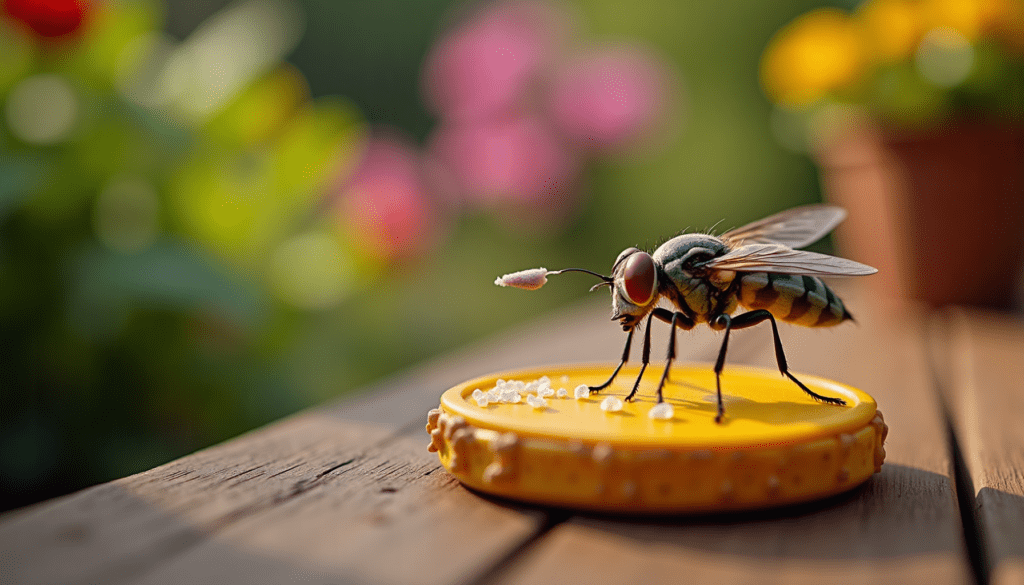
Reality: Sweet bait traps are often better for house flies. Horse flies respond more to visual host cues than sugar baits.
If you want a satisfying “kill tool” for the occasional fly that gets too close, an electric swatter can be useful around patios and barns. See our tested picks for Best Electric Fly Swatters.
And if your “horse fly problem” is actually small flies coming from sinks or floor drains indoors, that’s a different issue entirely. Use our guide to Top Drain Fly Treatments and Gel Cleaners for that scenario.
Visual: when to call a pro
- You live next to wetlands or a lake and bites are constant
- You’ve placed traps correctly and still can’t use outdoor spaces
- You need help selecting and applying labeled outdoor products safely
In those cases, a licensed pest professional can assess resting sites, apply targeted treatments, and help you avoid unnecessary spraying.
Conclusion
To get rid of horse flies in a practical way, focus on local control: place visual traps in sunny areas away from people, reduce nearby resting habitat, and protect skin with light clothing plus a proven repellent. For horses, prioritize shade or indoor refuge and physical barriers like sheets and masks, then add repellents and strategic facility management.
Next step: set one trap correctly this week and track bites for seven days. If you want help choosing gear, start with the Best Outdoor Fly Traps for Patios and BBQs and our roundup of Best Fly Traps for Indoor and Outdoor Use.
As an Amazon Associate, I earn from qualifying purchases. Product recommendations are based on real reviews and independent research.