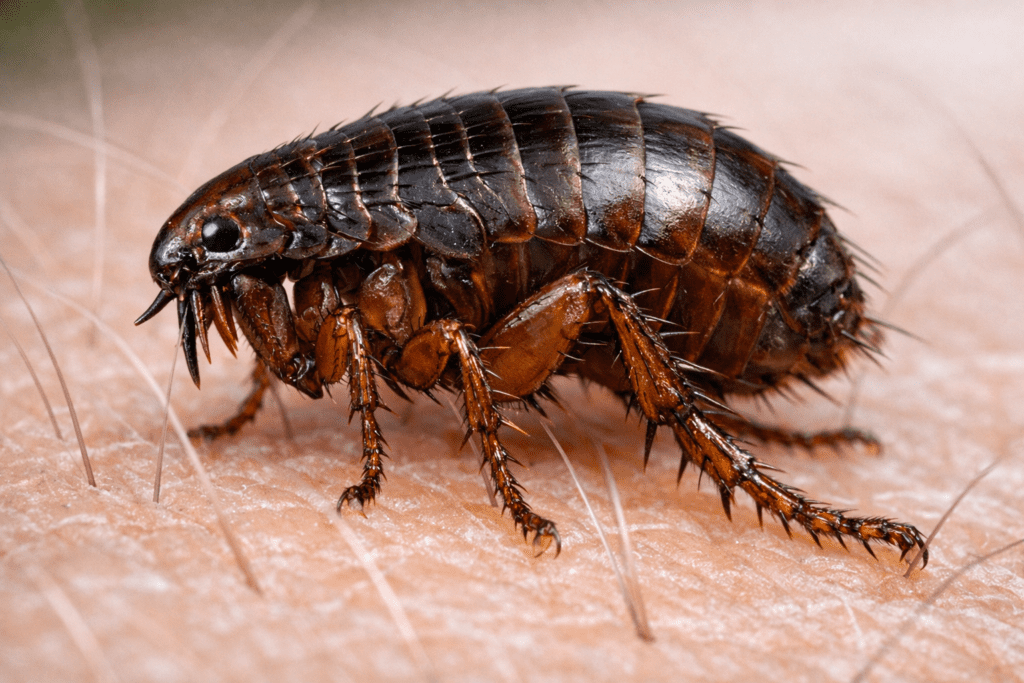
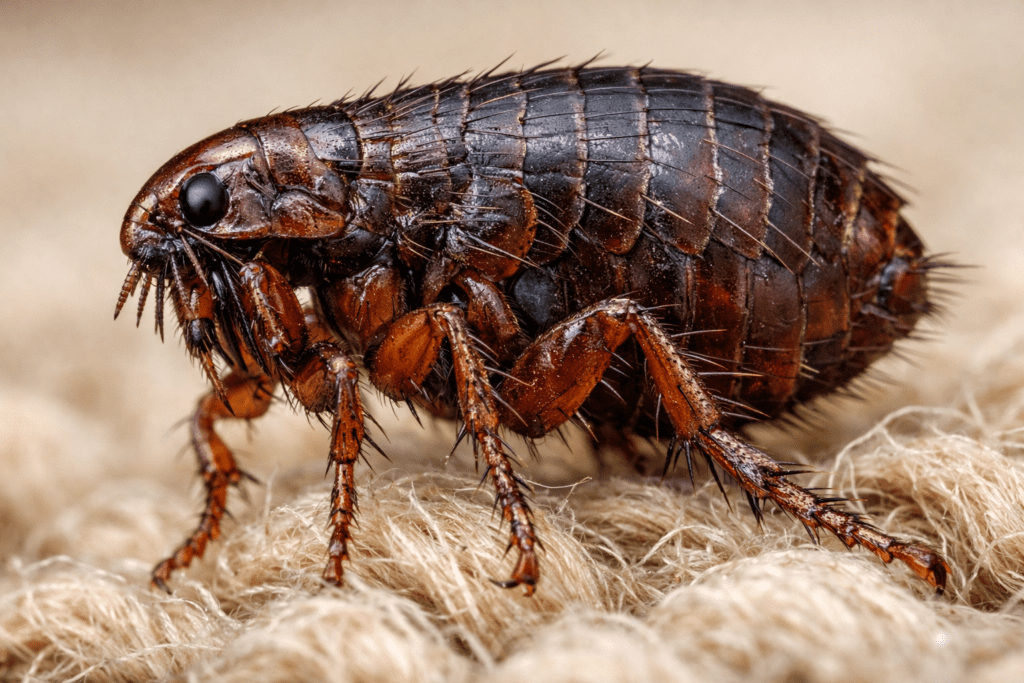
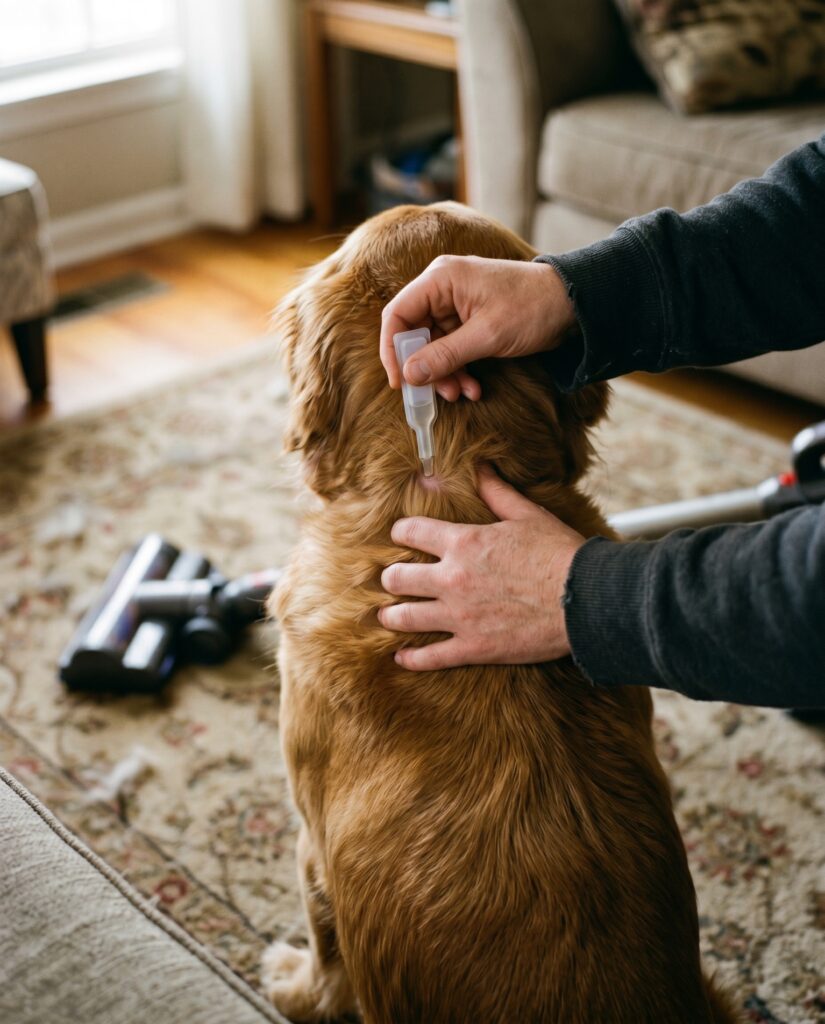
Finding fleas on your dog can feel like a losing battle, but a natural flea treatment dogs plan can work when it targets both your pet and the places fleas grow up. The key is understanding that the itchy adults you see are only a small part of the problem. Most fleas are hiding as eggs, larvae, and pupae in carpets, bedding, and cracks. This guide lays out a practical, dog-safe routine using proven non-chemical tools like flea combing, bathing, diatomaceous earth, and targeted home cleanup – plus when it’s time to add veterinary help.
Quick Answer: What’s the best natural flea treatment plan for dogs?
A natural approach works best as a 3-part system: remove adult fleas on the dog, break the life cycle in the home, then prevent re-infestation.
Use this snippet-friendly checklist:
- On your dog (today): bathe, then flea-comb thoroughly (neck, tail base, belly, armpits).
- In your home (daily for 1-2 weeks): vacuum carpets and sofa seams, wash bedding hot, use simple soapy-water light traps at night.
- Target hidden stages: apply food-grade diatomaceous earth lightly to carpets and cracks, then vacuum after 24-48 hours.
- Repel safely: use properly diluted dog-safe sprays (often neem or cedarwood based) and avoid risky DIY essential oil mixes.
- Escalate if needed: heavy infestations, flea allergy dermatitis, or tapeworm signs often require vet-grade flea control.
For product comparisons and vet-style options, see our guide to the Best Flea Treatments for Dogs.
Why “natural” flea control often fails (and how to fix it)
Many people try one remedy – a bath, a spray, maybe apple cider vinegar – and then wonder why fleas come right back. Here’s what’s actually happening: adult fleas on your dog are only a small fraction of the total flea population. The rest are developing off-pet as eggs, larvae, and pupae in the environment. That’s why treating only the dog is like bailing water without plugging the leak.
Entomologists focus on the flea life cycle because it explains the rebound. Eggs drop off your dog into bedding and carpet. Larvae hide from light and feed on organic debris. Pupae can wait for the right vibration or warmth before emerging, which is why “sudden” flea outbreaks happen after you vacuum or return from a trip.
The flea life cycle in plain language (what you’re up against)
Think of fleas like a relay race. If you stop only one runner (adults), the others still finish.
| Life stage | Where it is | Why it matters | What helps most |
|---|---|---|---|
| Eggs | Carpet, bedding, floor cracks | Fall off the dog constantly | Hot washing, vacuuming |
| Larvae | Deep carpet, under furniture | Avoid light, hard to reach | Vacuuming, targeted powders |
| Pupae | Protected cocoons | Can “wait” days to weeks | Persistence, repeated cleaning |
| Adults | On dog, also jumping nearby | Cause bites and itching | Bath + combing, traps, vet meds |
What “natural” methods do well – and what they don’t
Natural tools can be very useful, but they tend to work in specific ways:
- Mechanical control: flea combing, vacuuming, washing, traps.
- Desiccation: diatomaceous earth damages the waxy outer layer, drying fleas out.
- Repellency: some plant-based ingredients make your dog less attractive to fleas.
What they usually don’t do reliably is eliminate every life stage fast, especially pupae. That’s why the most effective natural plans combine methods and repeat them on a schedule. For a deeper, room-by-room strategy, follow our complete flea removal guide.
Natural flea treatment dogs: the 3-step routine that actually works
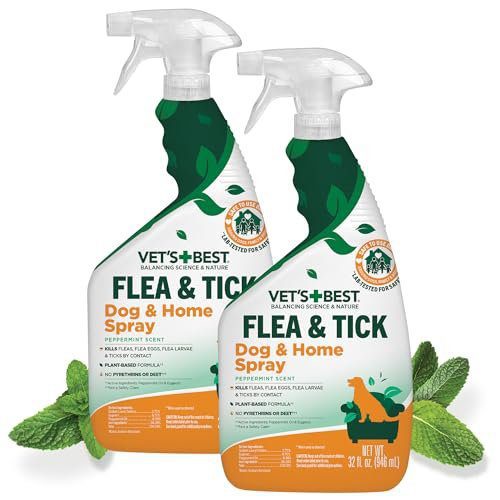
Vet’s Best Flea and Tick Home Spray – Plant-Based Flea and Tick Treatment for Dogs and Indoor Use – Natural Spray with Essential Oils for Flea Control in Home – 32 oz Bottles, 2 Pack
This spray is made with natural ingredients and is safe for use around pets and children, making it an effective option for repelling fleas in the home.
If you want a natural plan with the best odds of success, use this structure: (1) knock down adults, (2) attack the home, (3) keep fleas from re-boarding your dog. Skipping any step usually leads to a repeat infestation.
Step 1 (same day): Remove adult fleas from your dog
Start with the most immediate relief: fewer biting adults.
Best sequence:
- Bath (lukewarm water). A gentle soap bath can remove and drown many adult fleas.
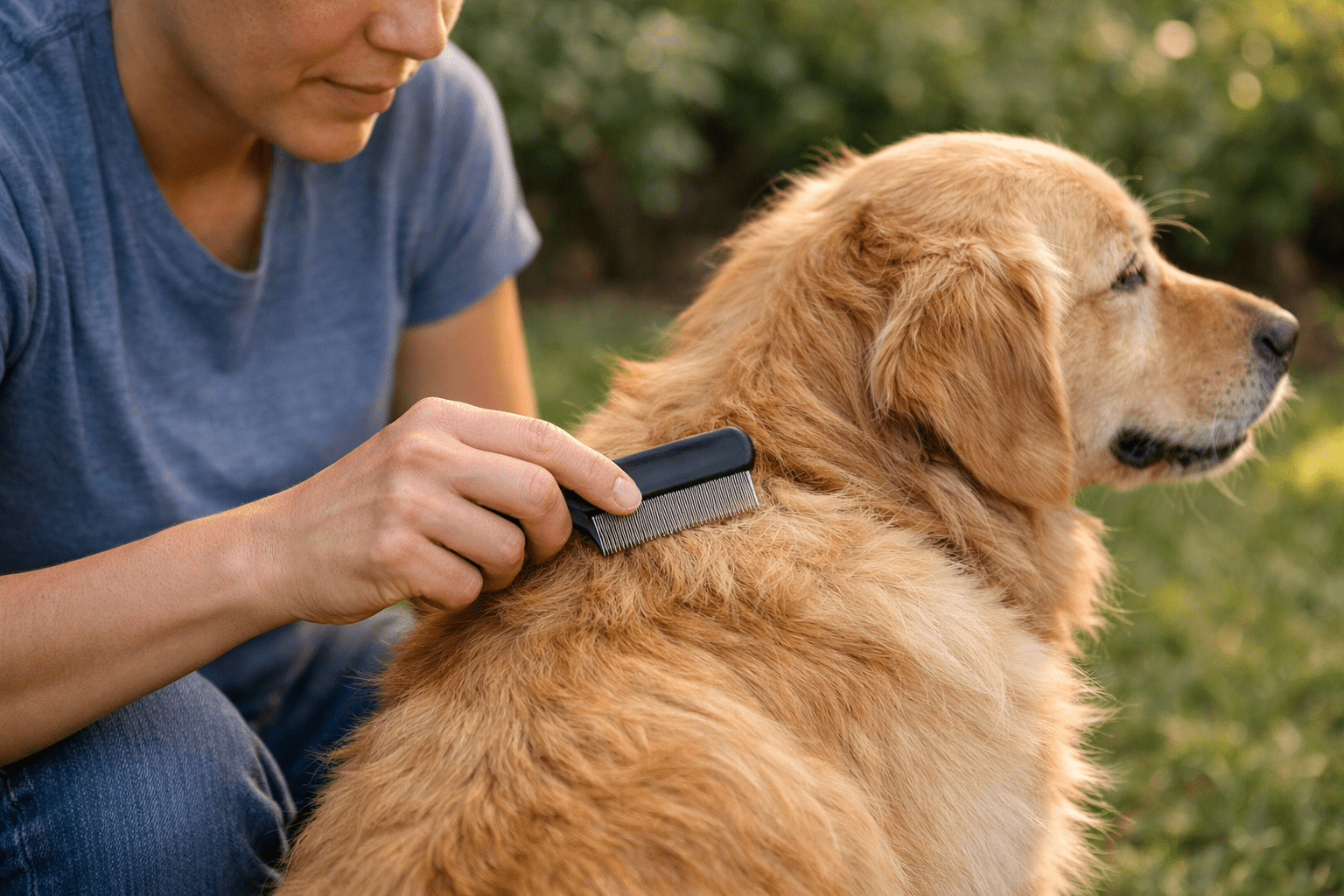
- Flea comb immediately after, while the coat is damp.
- Dispose of fleas in a cup of warm soapy water.
A quality comb matters because the teeth spacing is designed to snag fleas and flea dirt. If you need help choosing one, see our tested picks for flea combs for dogs.
Target zones to comb (most missed):
- Base of tail
- Groin and belly
- Armpits
- Around the neck and under the collar
Step 2 (daily for 7-14 days): Treat the environment where 95% of fleas develop
Home treatment is the difference between “better for a day” and “actually gone.”
Daily home routine (simple but effective):
- Vacuum carpets, rugs, and upholstery seams slowly. Focus on pet sleeping areas.
- Wash bedding (dog beds, blankets, your sheets if your dog sleeps with you) on hot, then dry on high heat.
- Empty the vacuum outdoors immediately or seal contents in a bag.
To catch adults that are hopping around at night, set a trap:
- Place a shallow dish of soapy water under a nightlight near where your dog rests.
- Fleas jump toward the light and drown due to the soap breaking water tension.
Step 3 (weekly maintenance): Repel and monitor so fleas don’t return
Once you’re seeing fewer fleas, shift toward prevention and early detection.
Weekly maintenance checklist:
- Comb your dog 2-3 times per week.
- Vacuum pet areas at least weekly.
- Wash bedding weekly.
- Use a dog-safe repellent spray if your dog is exposed to fleas outdoors.
Some plant-based sprays use ingredients like cedarwood or neem. Commercial products are often safer than DIY mixes because the dilution and directions are standardized. When choosing options, look for clear pet labeling and avoid “all-purpose essential oil” blends with vague concentrations.
The best natural remedies (what they target and how to use them safely)
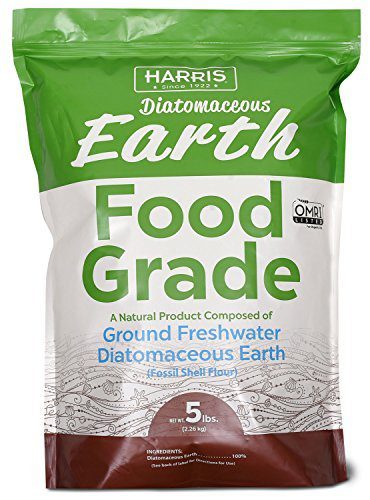
Harris Diatomaceous Earth Food Grade, 5lb
Food-grade diatomaceous earth is a natural powder that can be applied to carpets and cracks to target hidden flea stages, making it a perfect fit for the article’s recommendations.
18V Charger for Petsafe ScoopFree Automatic Self-Cleaning Litter Box, Power Cord for RFA-516 PAL00-14243 PAL00-15342 PAL00-14242 PAL00-14243 Self-Cleaning Litter Boxes Replacement Parts
While primarily for cats, this self-cleaning litter box can help manage flea populations in the home by keeping areas clean and reducing flea habitats.
Natural remedies get talked about like they’re interchangeable. They’re not. Each one targets different flea stages and comes with different safety notes. Below is a practical, evidence-informed breakdown of what tends to help most in real homes.
Food-grade diatomaceous earth (DE): best for carpets and cracks
Diatomaceous earth is a fine powder made from fossilized algae. Its microscopic edges abrade the flea’s protective outer layer, causing dehydration. It’s a mechanical method, not a chemical poison.
How to use it (home):
- Use food-grade DE only.
- Lightly dust carpets, rug edges, baseboards, and under furniture.
- Leave for 24-48 hours, then vacuum thoroughly.
- Repeat weekly during an active infestation.
Safety notes:
- Avoid creating airborne clouds. Fine dust can irritate lungs.
- Keep pets and kids out of the room during application, then ventilate.
- Never use pool-grade DE on pets or in homes.
Soapy water traps: underrated adult flea catcher
Traps are not magic, but they are a great “thermometer” for your infestation. If you catch many fleas overnight, you know adults are still emerging.
Quick setup:
- Shallow bowl + warm water + a few drops of dish soap
- Nightlight positioned close to the bowl
- Place near pet bedding and along room edges
Actionable tip: Run traps nightly for a week while you vacuum daily. You should see the catch numbers drop.
Apple cider vinegar (ACV): mostly a repellent, not a killer
ACV is commonly used as a diluted rinse or spray. The goal is to make the coat less appealing to fleas, not to wipe out an infestation alone. Many pet owners use it without issues when properly diluted, but it can sting on broken skin.
How to use (dog):
- Mix 1:1 ACV and water in a spray bottle.
- Light mist on coat (avoid eyes, nose, genitals).
- Do a small patch test first.
Do not rely on ACV alone if you’re seeing flea dirt or multiple bites. Pair it with home control.
Neem and cedarwood-based sprays: helpful when properly formulated
Neem and cedarwood are common ingredients in “natural flea and tick” sprays. They’re used to repel and, in some cases, kill on contact depending on formulation.
Best practice:
- Choose pet-labeled products with clear directions and ingredient lists.
- Follow dilution and frequency instructions exactly.
- Stop if you see redness, scratching, or dry patches.
For broader plant-based repellency strategies (including yard and seasonal tips), see our guide to natural pest repellents.
Quick comparison chart: what to use and when
| Remedy | Best for | Works on | Biggest mistake |
|---|---|---|---|
| Flea comb | Fast relief + monitoring | Adults, flea dirt | Not combing long enough (10-15 minutes) |
| Bath + comb | Heavy adult load | Adults | Skipping home treatment after |
| Soapy traps | Tracking adults | Adults | Using it instead of vacuuming |
| Food-grade DE | Carpet stages | Larvae, some adults | Over-applying and creating dust |
| ACV spray | Mild prevention | Repels adults | Using on irritated skin or expecting eradication |
| Neem/cedar sprays | Prevention + spot control | Repels, sometimes kills | DIY essential oils without safe dilution |
For additional product-style options, retailers often group plant-based sprays and shampoos together. If you browse, prioritize clear labeling and pet directions, like selections from Only Natural Pet flea and tick control.
Safety, red flags, and when to use vet-grade flea control
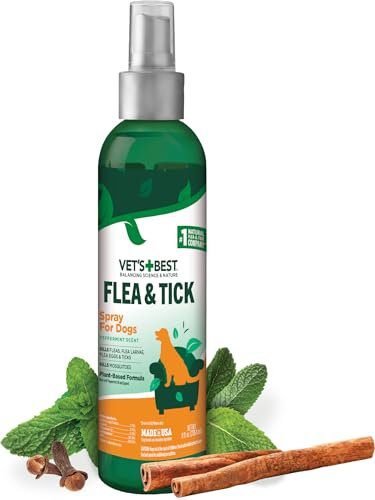
Vet’s Best Natural Flea and Tick Spray for Dogs – Plant-Based Flea Repellent with Certified Essential Oils – Natural Pest Control and Prevention – Non-Toxic Formula for Home Use – 8 oz Bottle
This natural flea repellent is safe for dogs and helps prevent re-infestation, aligning with the article’s focus on safe and natural flea treatments.
Natural methods are appealing because they reduce pesticide exposure, but “natural” does not automatically mean “risk-free” or “strong enough.” The safest approach is to match the method to the severity of the infestation and your dog’s health.
Safety rules to follow with any natural flea approach
Use this quick safety checklist before you apply anything:
- Avoid undiluted essential oils on dogs. Concentrated oils can irritate skin and may be harmful if licked.
- Do not use garlic as a flea remedy. It’s often promoted online, but garlic can be toxic to dogs in certain amounts. Pet health sources such as PetMD’s guidance on flea and tick treatments that don’t work also warn against ineffective or risky “home cures.”
- Skip harsh routines like daily degreasing baths for long periods. Over-bathing can worsen dry skin and itching.
- Patch test any spray: apply to a small area, wait 24 hours, then expand if there’s no irritation.
Signs your dog needs more than home remedies
Move beyond DIY if you notice any of the following:
- Flea allergy dermatitis (intense itching, scabs, hair loss, hot spots)
- Pale gums or lethargy in small dogs or puppies (possible anemia risk)
- Tapeworm segments (rice-like pieces near the rear) – fleas can transmit tapeworms
- You’re still catching fleas nightly after 10-14 days of consistent home treatment
In these cases, a vet-recommended oral or topical product can break the cycle quickly, and you can still keep your home routine natural-leaning. Our roundup of Best Flea Treatments for Dogs explains the main options and what to ask your veterinarian.
What research-based IPM principles say (and why they matter)
Professional pest managers use Integrated Pest Management (IPM), which emphasizes monitoring, sanitation, and targeted control. That approach fits flea control perfectly because fleas thrive where pets rest and where debris accumulates.
For broader IPM principles used in household pest control, the EPA’s integrated pest management resources explain why combining methods typically outperforms relying on a single “silver bullet.”
Conclusion: A natural flea plan works when you treat the dog and the home
The most reliable natural flea treatment approach for dogs is not one remedy. It’s a routine: bathe and comb to remove adults, clean and vacuum to eliminate developing stages, then maintain prevention so fleas can’t rebuild. Food-grade diatomaceous earth, soapy water traps, and consistent laundering can make a real difference, especially when started early.
If you want a step-by-step checklist for every room and season, follow our complete flea removal guide. And if your dog is miserable or the infestation won’t budge, compare faster options in our Best Flea Treatments for Dogs and work with your veterinarian to end the cycle safely.
As an Amazon Associate, I earn from qualifying purchases. Product recommendations are based on real reviews and independent research.