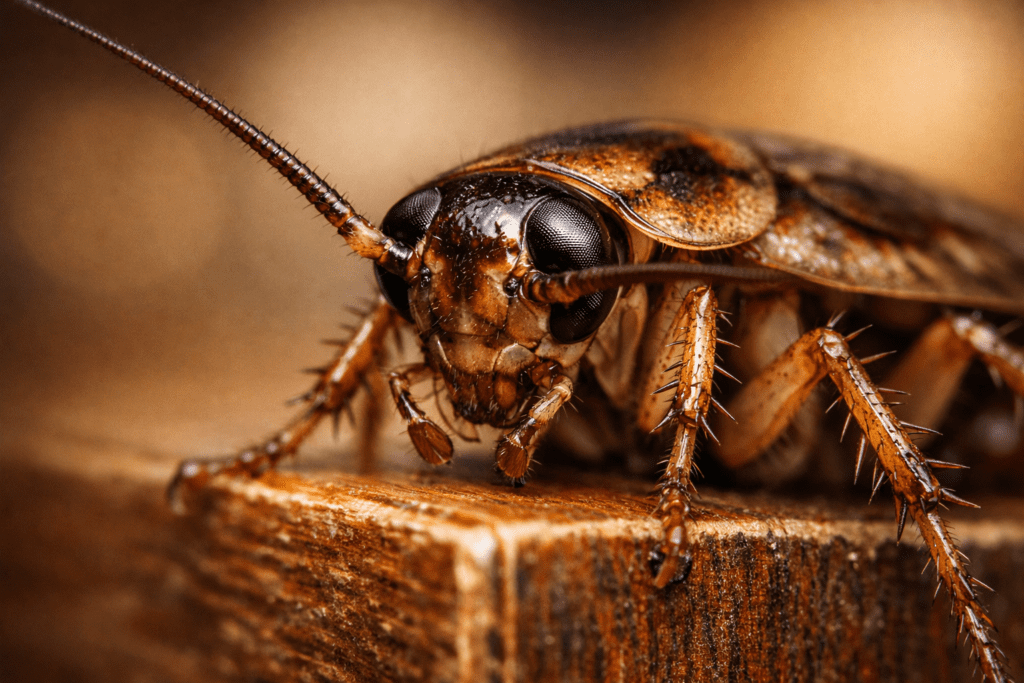
You are not imagining it – some cockroaches can fly, and a few species do it surprisingly well. The catch is that “flying roach” is more about which species you’re seeing and what conditions it’s in than a universal cockroach trait. Many cockroaches have wings as adults, but some only flutter, some glide, and several common indoor pests almost never take off. This guide breaks down which cockroaches fly, why they fly, and what to do if one shows up in your home.
Quick answer: can cockroaches fly?
Yes, some cockroaches can fly, but flight ability varies a lot by species, sex, and temperature.
Here’s the most practical way to think about it:
- Strong fliers (more likely to take off): smokybrown, Asian, Australian, Cuban cockroaches
- Short flights or gliding (often clumsy): American cockroach, some wood cockroaches
- Usually don’t fly indoors (even if winged): German and Oriental cockroaches
- Depends on sex: brown-banded males may flutter; females typically cannot
Fast ID tip: If a roach is flying around lights on warm, humid nights, it is often an outdoor species that wandered inside. The Orkin guide to flying cockroaches notes that many roaches have wings, but not all use them for true flight.
Cockroaches and wings: why “having wings” doesn’t always mean flying
If you have ever seen cockroaches scatter under a cabinet, it’s easy to assume wings would make them airborne all the time. In reality, cockroach flight is usually a “use it when necessary” tool, not their main strategy.
Many adult cockroaches develop wings, but those wings can be used in different ways:
| Wing use | What it looks like | Why it matters in your home |
|---|---|---|
| True flight | Sustained lift, steering, quick takeoff | Often outdoor species; may enter via doors, screens, soffits |
| Fluttering | Brief, awkward buzzing | Startle response; may “launch” toward lights or open space |
| Gliding | Controlled drop from high surfaces | Common in larger roaches; can surprise you from walls/ceilings |
| Rarely used | Wings present but not used | Typical of major indoor pest species |
What triggers flight in cockroach behavior?
Cockroach behavior is heavily context-driven. Flight is most often:
- Defensive escape after being disturbed (lights flipped on, door slammed, box moved)
- Dispersal to find food, moisture, or mates
- Light attraction in certain species, which pulls them toward porch lights and bright windows
Pest professionals regularly point out that flying is often short-range and situational, not a long cruise across your living room. For example, the Corky’s Pest Control explanation of why roaches fly emphasizes that takeoff is commonly tied to startle and escape.
Why warm weather makes flying roaches more common
Cockroaches are ectothermic, meaning temperature affects their activity and performance. In warm, humid conditions, muscles and movement generally work better, so flight and fluttering are more likely. That’s one reason “flying cockroach season” feels real in subtropical areas and during summer heat waves.
If you’re trying to narrow down what you’re seeing, start with Explore the Different Types of Cockroaches for a quick species overview before you jump to control methods.
Can cockroaches fly well? Species that take flight (and which ones don’t)
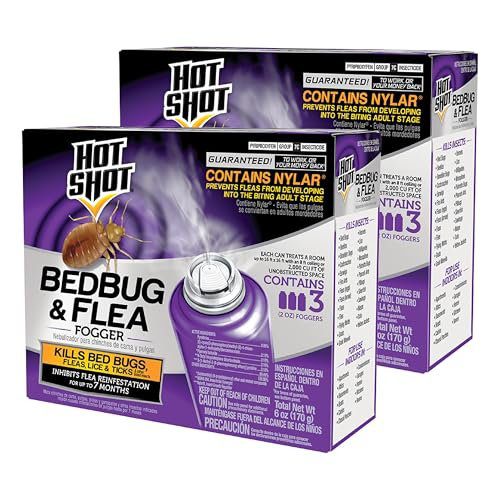
Hot Shot BedBug And Flea Fogger, Inhibits Flea Reinfestation, 2 Ounce Cans, 6 Count
This product is relevant as it provides a solution for controlling cockroaches and other pests that may invade homes, especially in warm conditions when flying cockroaches are more common.
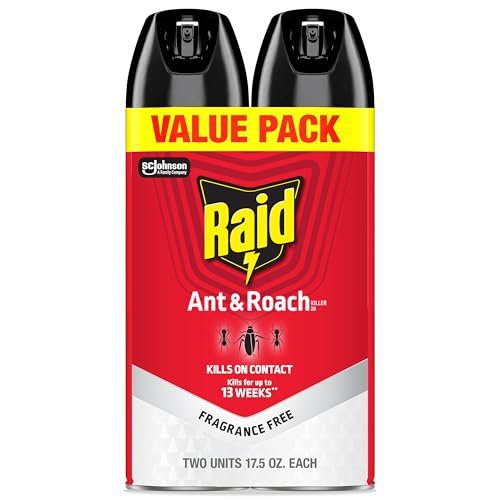
Raid Ant & Roach Killer, Fragrance Free Bug Killer for Home Use, Kills Bugs on Contact, 17.5 Oz, 2 Count
This insecticide is effective against cockroaches, including those that may fly, making it a practical choice for homeowners dealing with these pests.
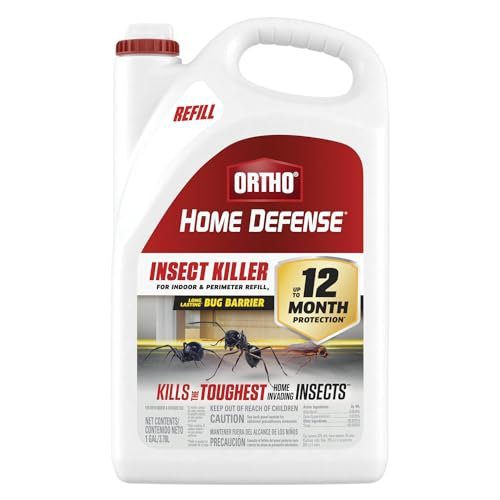
Ortho Home Defense Insect Killer for Indoor and Perimeter Refill2 – Ready-To-Use Bug Spray Refill, Kills Ants, Roaches, and Spiders, 1 gal.
This product is designed for indoor and perimeter pest control, which is essential for preventing flying cockroaches from entering the home.
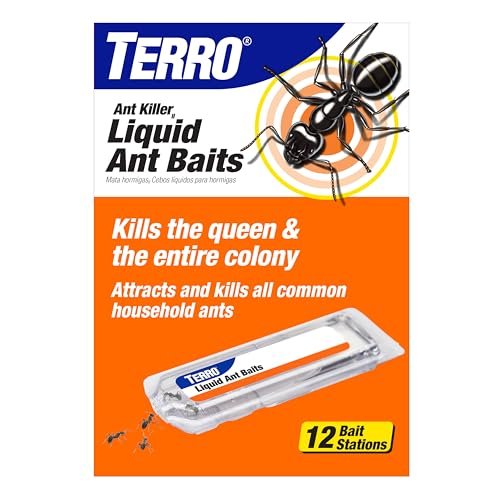
Terro, Ant Killer Bait Stations T300B – Liquid Bait to Eliminate Ants – Bait System – Stations for Effective Indoor Ant Control, 12 Count
While primarily for ants, these baits can help control the overall pest population in the home, which may include cockroaches that are attracted to food sources.
People often ask this as a yes-or-no question, but the accurate answer is a short list of “good fliers,” a bigger list of “sometimes,” and several common indoor species that almost never fly.
Below is a practical “who flies” guide based on field observations and pest-control consensus.
Cockroach species most likely to fly
These are the roaches most often reported as airborne, especially outdoors or near lights:
-
Asian cockroach (Blattella asahinai)
A capable flier and a common source of confusion because it resembles the German cockroach. The Orkin overview of flying species highlights the Asian cockroach as a notable flier. -
Smokybrown cockroach (Periplaneta fuliginosa)
Often considered one of the stronger fliers among common pest species, especially in warm, humid regions. The Waynes Pest Control guide on which roaches fly discusses smokybrown cockroaches as frequent fliers. -
Australian cockroach (Periplaneta australasiae)
Common in warmer climates and known for flight capability. Several pest references group it among the more aerial Periplaneta species, including the Waynes Pest Control article. -
Cuban cockroach
Often described as a flying roach, and frequently seen around lights.
Species that may fly or glide short distances
These are the “it depends” roaches. They may take off under the right conditions, but they’re not graceful fliers:
-
American cockroach (Periplaneta americana)
Large (often 1.5 inches or more), and more likely to glide or make short flights than sustain long flight. Many people report them launching from elevated surfaces. -
Wood cockroaches (several species)
Many are outdoor roaches that wander indoors accidentally. Some can fly or glide, which is why they can show up near windows, porch lights, or attic vents.
Common indoor cockroaches that usually don’t fly
These are the species most associated with indoor infestations, and they are typically poor fliers in real-world home conditions:
-
German cockroach (Blattella germanica)
Adults have wings, but they generally do not fly. If you’re seeing repeated German roaches indoors, focus on breeding sites, food access, and baiting strategy. If you need help distinguishing look-alikes, use German Cockroach vs American Cockroach. -
Oriental cockroach (Blatta orientalis)
Often described as flightless in practice. They’re more likely to be found in cool, damp areas. -
Brown-banded cockroach (Supella longipalpa)
Males may flutter or fly short distances; females generally cannot.
Quick comparison chart (snapshot):
| Species | Likelihood of flight | Where you usually encounter it |
|---|---|---|
| Asian | High | Outdoors, lawns, lighted entryways; may enter homes |
| Smokybrown | High | Outdoors, trees, sheds, attics in humid regions |
| Australian | Medium to high | Warm coastal/subtropical areas; greenhouses |
| American | Low to medium | Basements, sewers, commercial buildings; warm climates |
| German | Very low | Kitchens, bathrooms, appliances, cabinets |
| Oriental | Very low | Damp basements, crawl spaces, drains |
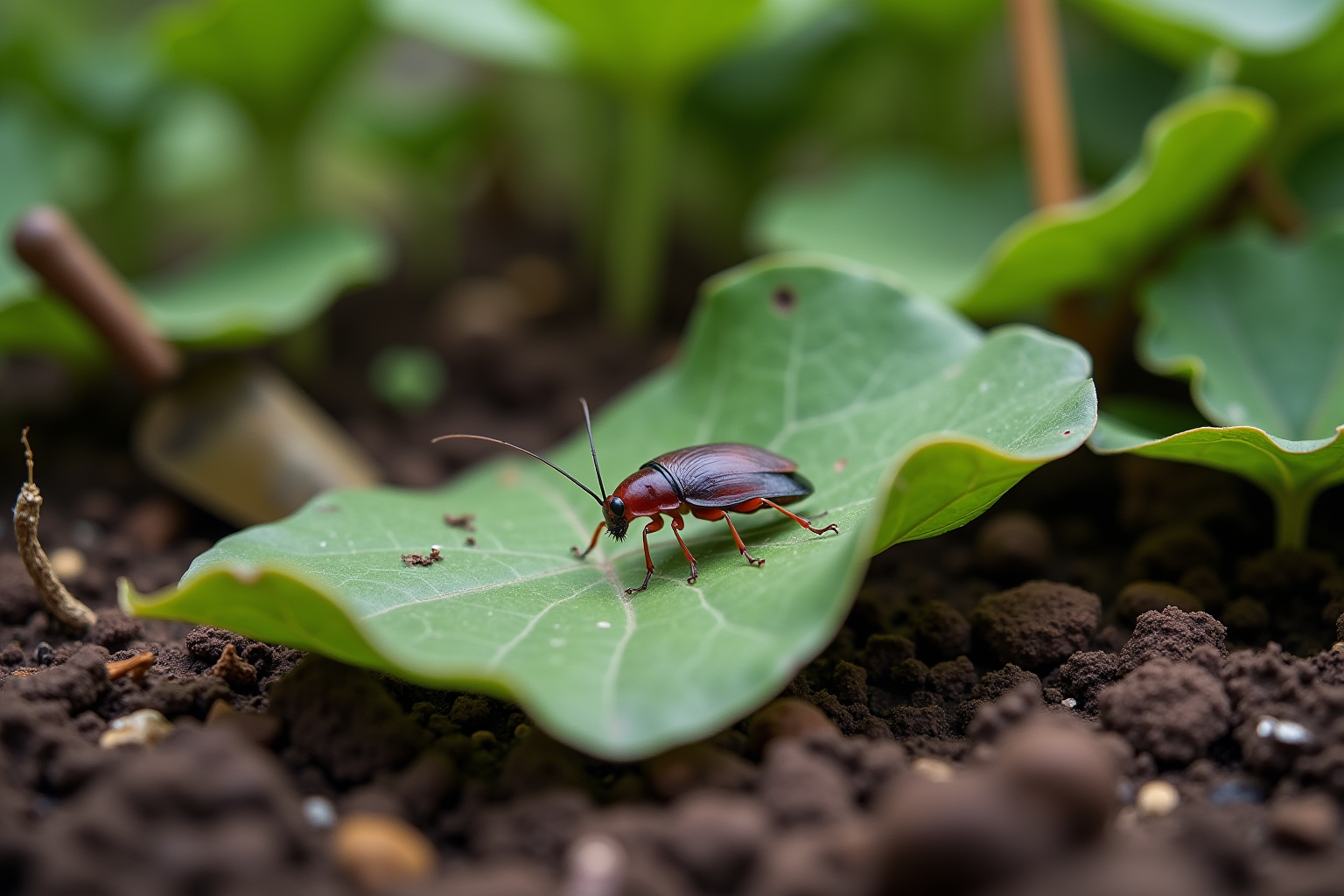
Why flying cockroaches “come at you” (and what’s actually happening)
A flying roach can feel personal. It isn’t.
In most cases, what looks like an attack is one of these situations:
1) Startled escape with poor steering
Cockroach flight can be clumsy. When startled, a roach may launch toward the largest open space, which is often the middle of the room where you happen to be standing. The Corky’s Pest Control discussion of roach flight behavior describes this as a defensive reaction, not aggression.
2) Attraction to light (and you’re near the light)
Several flying cockroach species orient toward bright lights. That’s why they show up around:
- porch lights
- garage fixtures
- bright kitchen windows at night
- TV screens or lamps in dark rooms
If you’re between the roach and the light source, it can look like it’s aiming for you.
3) Heat and airflow cues
Warm air leaking from door gaps, dryer vents, or attic spaces can pull outdoor insects toward structures. Roaches exploring these microclimates may take off when disturbed, especially on humid nights.
A simple “what to do right now” checklist
If one takes flight indoors, keep it practical:
- Turn on the lights so you can track where it lands.
- Open a door or window if it’s clearly an outdoor flier near lights.
- Use a container and stiff paper for a quick catch-and-release if you prefer.
- If you suspect an indoor pest species, switch to monitoring (sticky traps) and prevention steps below.
If you’re concerned about health risks from close contact, Do Cockroaches Bite? Understanding the Health Risks covers what’s common, what’s rare, and when to take extra precautions.
How to prevent flying cockroaches from entering your home
Seeing one flying cockroach does not automatically mean an infestation. Often it’s an outdoor species that slipped in. Prevention is still worth doing because it reduces both accidental visitors and indoor pest pressure.
Think in layers: reduce attraction, block entry, then remove resources.
Step-by-step prevention plan (most effective first)
1) Seal entry points (the fastest “results per hour”)
- Add weather stripping to exterior doors.
- Repair window screens and screen attic vents.
- Caulk gaps around pipes, AC lines, and cable penetrations.
- Check garage door seals and thresholds.
2) Reduce moisture (roaches follow water)
- Fix leaks under sinks and behind toilets.
- Use a dehumidifier in damp basements or laundry rooms.
- Improve ventilation in bathrooms and kitchens.
For a deeper look at why they keep showing up, Discover What Attracts Cockroaches to Your Home walks through the most common indoor “magnets.”
3) Remove food access (especially at night)
- Store pantry items in sealed containers.
- Wipe counters and sweep floors before bed.
- Don’t leave pet food out overnight.
- Rinse recyclables and take trash out regularly.
4) Adjust outdoor lighting
If flying species gather around your doors at night, lighting changes can reduce pressure:
- Turn off unnecessary exterior lights.
- Use motion-activated lights near entries.
- Place bright lights farther from doors and aim them away from entrances.
5) Reduce outdoor harborage near the foundation
- Keep mulch and leaf litter pulled back from the house.
- Trim vegetation that touches siding or rooflines.
- Store firewood away from the home and off the ground.
Natural and conventional control options
If you want repellents as part of your plan, keep expectations realistic. Repellents can help reduce activity, but they rarely solve infestations alone. Start here: Discover Natural Cockroach Repellents.
For persistent indoor problems, integrated pest management is the standard. The EPA’s guidance on integrated pest management explains how sanitation, exclusion, monitoring, and targeted treatments work together.
When to call a professional
Consider professional pest control if:
- you see roaches weekly indoors, especially in kitchens and bathrooms
- you find egg cases (oothecae) or many small nymphs
- activity persists after sealing, sanitation, and baiting
- you live in multi-unit housing where roaches can migrate between units

Key takeaways (and a simple next step)
Some cockroaches fly, but many don’t, and most “flight” is short, defensive, or light-driven.
Keep these points in mind:
- Outdoor species (smokybrown, Asian, Australian, Cuban, some wood roaches) are the most likely fliers.
- Common indoor pests like the German cockroach usually don’t fly, even though they have wings.
- Flying roaches often seem to “aim” at people because of startle flight and light attraction.
- The best prevention is sealing entry points, reducing moisture, and cutting off food access.
Next step: if you’re unsure what you saw, compare your roach to the photos and traits in Explore the Different Types of Cockroaches. If it looks like a German roach, use German Cockroach vs American Cockroach to confirm – then act quickly with monitoring and targeted control.
As an Amazon Associate, I earn from qualifying purchases. Product recommendations are based on real reviews and independent research.