When you search for natural cockroach repellents, you usually want one thing: fewer roaches in your kitchen without turning your home into a chemical zone. The honest answer is that natural repellents can help discourage roaches and reduce their activity, especially around entry points and problem corners. But they rarely erase an established infestation by themselves. This guide breaks down what actually works, what’s overhyped online, and how to use low-toxicity methods in a way that stacks the odds in your favor.
Quick Answer: Do Natural Cockroach Repellents Work?
Yes – natural cockroach repellents can work as short-term deterrents, but they work best for prevention and “hot spot” reduction, not full elimination.
Here’s the most practical, evidence-aligned breakdown:
- Best natural repellent-style options (short-lived): peppermint, eucalyptus, lemongrass, citronella, cedarwood, neem-based products
- Best low-toxicity options that actually kill roaches (not true repellents): boric acid, silica gel dust, diatomaceous earth (DE)
- Most important “natural” control methods: sanitation, moisture control, sealing gaps, and monitoring with sticky traps
- Overhyped home remedies: vinegar, lemon juice, baking soda + sugar, onions/garlic blends (may clean or mask odors, but aren’t reliable control)
If you’re seeing roaches in daytime, seeing nymphs (babies), or finding droppings regularly, use repellents as a supplement and follow an IPM-style plan.
What Natural Cockroach Repellents Can (and Can’t) Do
If you’ve ever sprayed a strong-smelling DIY mix and noticed fewer roaches for a night or two, you’re not imagining things. Many plant oils contain volatile compounds that irritate insects or interfere with how they navigate. The catch is persistence: those compounds evaporate quickly, and cockroaches are masters at finding alternate routes.
Public health guidance also matters here. Cockroaches are not only unpleasant; they can affect indoor health. The U.S. Environmental Protection Agency’s cockroach and indoor air quality guidance notes that cockroach allergens can worsen asthma symptoms in sensitized people. The CDC’s asthma trigger resources also highlight pests as an indoor trigger category, especially in high-exposure housing.
What “works” should mean in a real home
Think of repellents like putting up “no parking” signs. They may reduce traffic in one spot, but they don’t remove the cars already in the neighborhood.
Natural repellents can:
- Discourage entry at doors, pipe gaps, and baseboards
- Reduce activity in a cabinet or pantry corner
- Support prevention after you’ve cleaned and sealed
Natural repellents usually cannot:
- Eliminate hidden nests behind walls or under appliances
- Stop reproduction unless paired with killing tools (baits/dusts)
- Outperform sanitation and exclusion when food and water remain available
Quick “repellent vs control” comparison chart
| Method | What it does | Best use case | Common mistake |
|---|---|---|---|
| Essential oils (peppermint, eucalyptus, etc.) | Deters temporarily | Entry points, small hotspots | Expecting it to solve an infestation |
| Neem-based products | Some deterrence + growth disruption potential | Supplemental treatment | Using low concentration inconsistently |
| Boric acid dust | Kills via grooming/ingestion | Cracks/voids, dry areas | Applying thick piles (roaches avoid) |
| DE or silica dust | Kills by desiccation | Dry crevices, wall voids | Dusting open surfaces where it gets wet/airborne |
| Sticky traps | Measures activity | Monitoring + placement mapping | Using only 1 trap and guessing results |
If you want the “why” behind roach pressure in the first place, pair this article with Discover What Attracts Cockroaches to Your Home. Repellents work better when you remove the attractants.
Natural Cockroach Repellents That Actually Help (Best Options)
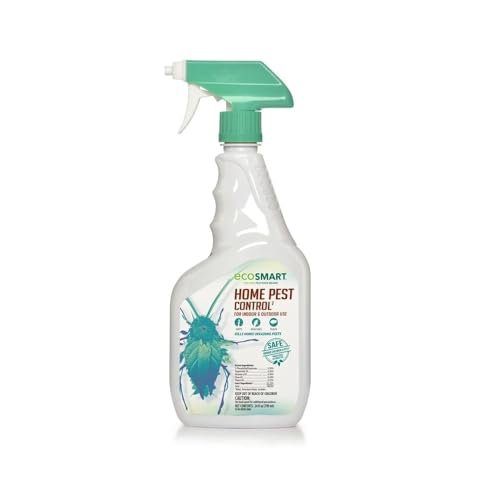
EcoSmart Natural, Plant-Based Indoor/Outdoor Home Pest Control, 24 Ounce Ready-to-Spray Bottle
This product contains natural ingredients and is designed to repel and kill cockroaches, making it a suitable option for those looking for natural pest control solutions.
Most natural repellents that show promise fall into one category: botanical oils. In lab studies, certain essential oils can repel or even kill cockroaches at sufficient concentrations, but household performance varies due to ventilation, evaporation, and inconsistent coverage. Reviews of plant-derived pesticides discuss these limitations broadly, including volatility and real-world application challenges, as summarized in botanical insecticide literature indexed through PubMed.
The goal here is realistic: use these as targeted deterrents, not as a whole-house perfume fog.
Peppermint oil (best starter option for targeted deterrence)
Peppermint is popular because it’s easy to find and many people tolerate the scent.
How to use it (practical and controlled):
- Mix 10 to 15 drops peppermint essential oil in 1 cup (240 ml) water.
- Add a small drop of mild dish soap to help it disperse.
- Lightly spray along:
- baseboards behind appliances
- cabinet toe-kicks
- around plumbing penetrations under sinks
- Reapply every 2 to 3 days, or after cleaning.
Where it tends to fail: spraying open countertops only. Roaches travel in edges, seams, and shadows.
Eucalyptus oil (strong odor, similar use)
Eucalyptus can deter roaches from treated edges, but it’s also intense in small kitchens.
Best placement:
- inside a seldom-used cabinet corner
- behind the trash can area
- near entry gaps you plan to seal
Lemongrass or citronella (better for prevention than heavy infestations)
These oils are often used as general insect deterrents. For roaches, they may help reduce exploration in treated zones.
Good use case: after you’ve deep-cleaned and want to keep a pantry area less inviting.
Cedarwood (more of a “boundary scent”)
Cedarwood is commonly associated with moth and beetle deterrence, but some homeowners use it around baseboards and closets. For roaches, treat it as a mild supplemental option.
Neem-based products (often more than just a scent)
Neem (from Azadirachta indica) is different from many essential oils because neem extracts can affect insect feeding and development in some contexts.
Practical tip: choose a ready-to-use neem product labeled for indoor pests and follow the label exactly. Neem is still a pesticide product when formulated for pest control.
Safety notes (don’t skip these)
“Natural” can still cause problems:
- Essential oils can irritate skin and airways.
- Some oils are risky for pets, especially cats.
- Keep oils off food-contact surfaces and away from children’s hands.
If you want another evidence-minded approach to plant-based deterrents, see Natural Mosquito Repellents That Actually Work for a useful comparison of what botanicals can and can’t do.
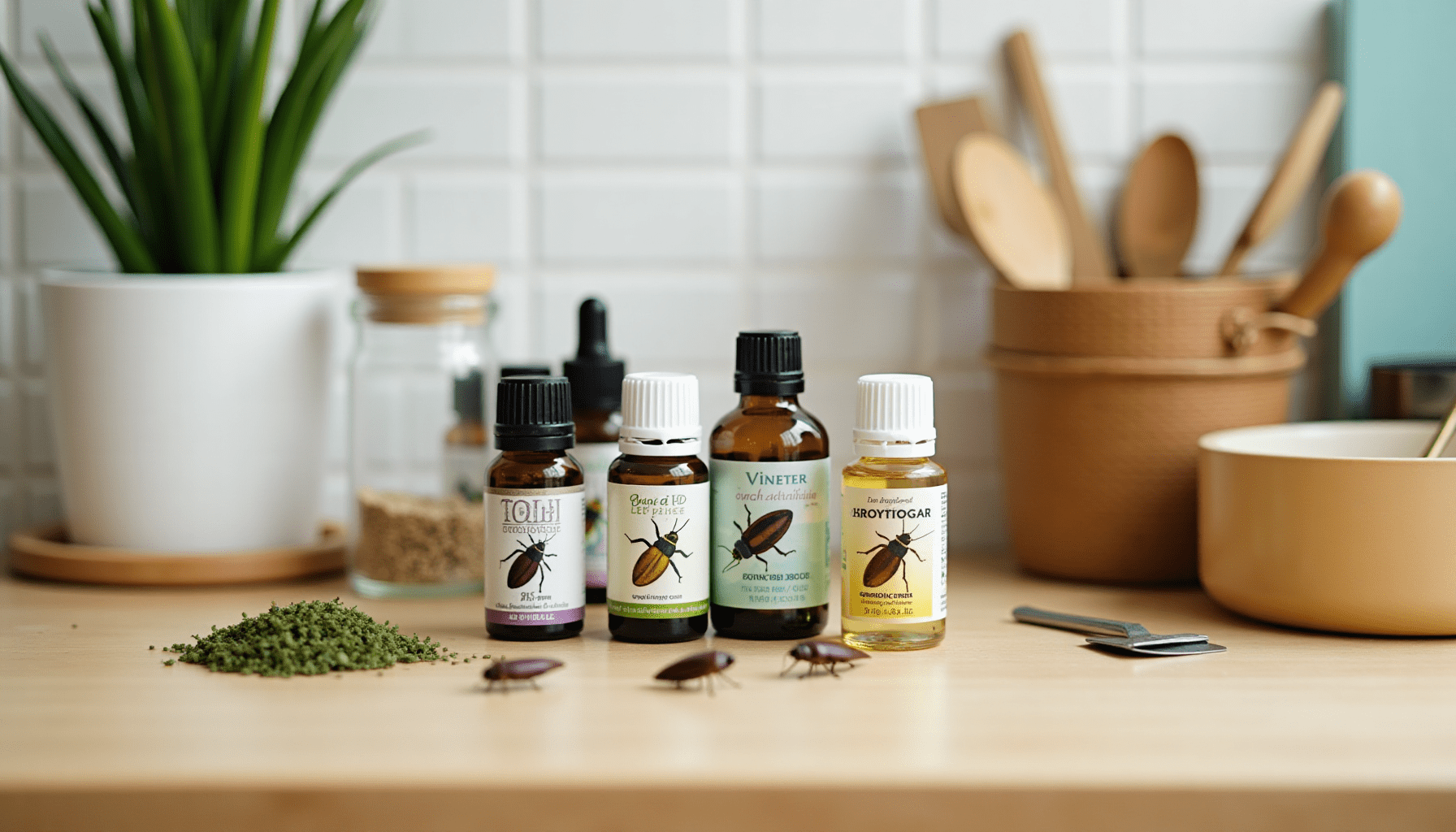
Overhyped Home Remedies: What to Skip (and What They’re Good For)
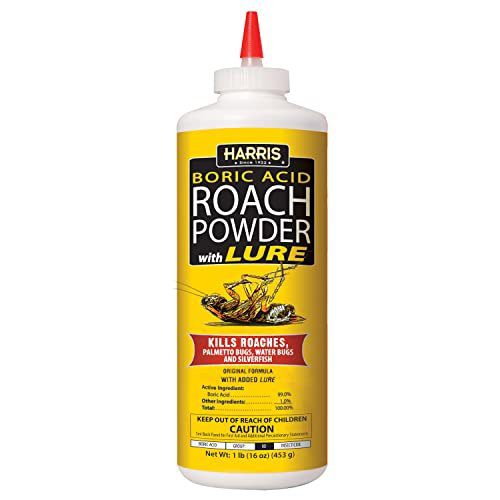
HARRIS Boric Acid Roach and Silverfish Killer Powder w/Lure for Insects (16oz)
Boric acid is a low-toxicity option that effectively kills roaches, aligning with the article’s recommendation for effective pest management.
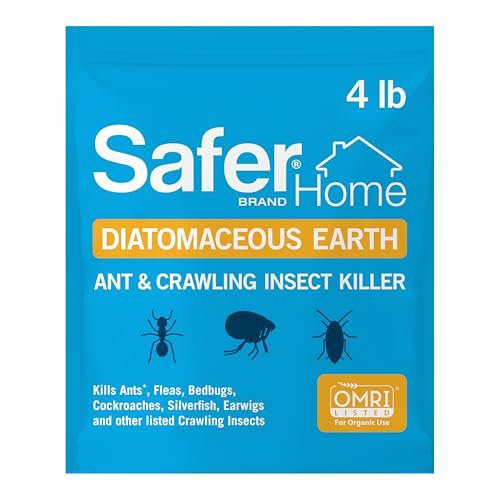
Safer Home Diatomaceous Earth 4 lb Organic OMRI DE – Cockroach Killer Indoor Home, Bed Bug Killer, Kills Fleas, Ants, Silverfish, Earwigs & Crawling Insects
Diatomaceous earth is mentioned as a low-toxicity option that can help in controlling cockroach populations, making it a relevant product for readers.
A lot of viral roach “hacks” sound believable because they use familiar pantry items. The problem is repeatability: if something truly worked reliably, it would show up in university extension playbooks and public health guidance. Instead, most official recommendations emphasize sanitation, exclusion, monitoring, and targeted baits or dusts. The University of California IPM cockroach guidelines and the University of Minnesota Extension cockroach resources are good examples of this practical focus.
Vinegar
Reality: vinegar is a cleaner, not a proven roach killer.
What it’s good for:
- cutting grease films
- removing food residues that feed roaches
- wiping scent trails in high-traffic areas
What it won’t do: eliminate roaches hiding behind walls or under appliances.
Lemon juice and citrus peels
Citrus smells may deter roaches briefly, but the effect is inconsistent.
Useful angle: citrus-based cleaning can help you keep surfaces less attractive, but don’t expect it to control a population.
Baking soda + sugar “roach bait”
This is repeated constantly online, but strong evidence for reliable control is lacking compared with proven baits and dusts.
Why it’s unreliable:
- roach feeding preferences vary by species and environment
- moisture affects how powders clump and whether roaches ingest enough
- it’s hard to place safely and consistently where roaches actually forage
Onion/garlic mixtures
These often create odor, mess, and sometimes attract more scavenging insects. They also create cleanup issues in cabinets and corners.
Quick “myth vs reality” table
| Claim | Reality | Better alternative |
|---|---|---|
| “Vinegar kills roaches” | Helps cleaning, not control | Sanitation + traps + baits/dusts |
| “Citrus keeps roaches away” | Temporary at best | Seal entry points + targeted deterrents |
| “Baking soda bait is proven” | Weak support | Gel baits or boric acid in voids |
| “One spray fixes it” | Roach control is a process | IPM steps + monitoring |
If you’re dealing with recurring sightings, it’s usually more productive to shift from “kitchen chemistry” to a structured plan. How to Get Rid of Cockroaches Permanently: Complete Guide walks through that step-by-step.
How to Use Natural Repellents Effectively (Placement, Timing, and Monitoring)
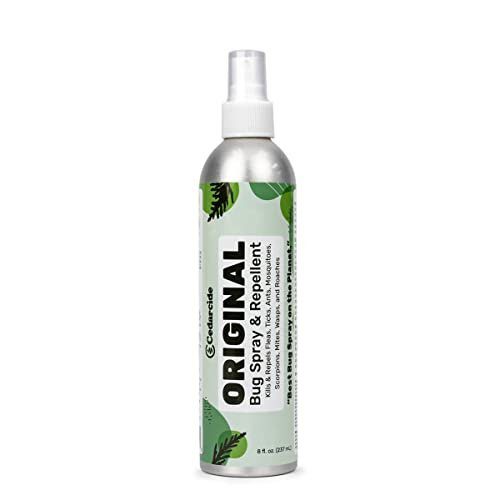
Cedarcide Original Bug Spray | Repel & Kill Fleas, Ticks, Mosquitoes, Mites, Ants & Chiggers | For use on People, Pets & Home | Natural Cedar Oil | Eco-Friendly | 8 Oz
This natural repellent uses cedar oil, which is effective in deterring cockroaches and aligns with the article’s focus on natural repellent options.
Most repellent failures come from one issue: treating the wrong places. Cockroaches behave like cautious night-shift scavengers. They follow edges, squeeze into tight gaps, and prefer warm, humid voids near food.
So instead of spraying the middle of the floor, treat their “highways” and fix what makes those highways attractive.
Step-by-step placement plan (10 minutes, high impact)
-
Choose 5 target zones:
- under the kitchen sink (around pipe openings)
- behind the refrigerator (floor edge and wall seam)
- behind/under the dishwasher
- inside cabinet corners near food storage
- near the trash can area and baseboards
-
Clean first (even a quick wipe helps):
- remove crumbs and grease
- dry wet areas
- take out trash
-
Apply repellent lightly and narrowly:
- spray along seams and edges, not open surfaces
- avoid soaking wood or painted trim
-
Reapply on a schedule:
- every 2 to 3 days at first
- then weekly for prevention if activity drops
Use sticky traps to prove it’s working
Repellents can create a false sense of success because roaches may simply shift routes.
Place sticky monitors:
- one behind the fridge
- one under the sink
- one near the pantry or trash area
Check them after 3 nights. Then again after 7 nights.
What you want to see:
- fewer roaches caught over time
- fewer small nymphs (a sign reproduction pressure is dropping)
A quick “results checklist”
- If traps show no change after a week, you likely need killing tools (baits/dusts) plus better exclusion.
- If you see daytime roaches, assume higher population density or disturbed harborages.
- If you catch mostly tiny roaches, you may be dealing with German cockroaches, which often require bait-focused control.
For a deeper look at products that reduce populations, not just activity, see Best Roach Killers & Baits: Complete Guide.
What Works Best Long-Term: An IPM Plan (Low-Toxicity, High Success)
If there’s one theme that shows up across credible guidance, it’s this: cockroach control works best when you combine methods. The EPA’s safer cockroach control guidance emphasizes integrated pest management steps like sanitation, sealing, and targeted treatments instead of relying on sprays alone.
Here’s a field-tested IPM plan that keeps “natural” goals in mind while still being realistic.
1) Sanitation: remove the nightly buffet
Roaches can survive on tiny amounts of food. A few crumbs under a toaster can be enough.
Nightly 3-minute routine:
- wipe counters and stove edges
- sweep crumbs (especially under table edges)
- rinse dishes or load dishwasher
- store food in sealed containers
2) Moisture control: cut off the water source
Roaches love humid, hidden zones.
Do this this week:
- fix leaks under sinks and behind toilets
- dry sinks at night
- reduce clutter under sinks so air can circulate
3) Exclusion: seal the paths they use
This is where prevention becomes real.
Seal these common entry and hiding points:
- gaps around pipes (use caulk or foam as appropriate)
- cabinet seams and toe-kicks
- baseboard cracks
- door thresholds (add a door sweep)
4) Add low-toxicity killers where roaches hide (not where you live)
This is the part many “repellent-only” articles avoid, but it’s often what turns the corner.
Boric acid (kills, not repels):
- Apply a very thin dusting in cracks and voids.
- Keep it dry and out of reach of kids and pets.
- Too much looks like a sand pile and roaches may avoid it.
Silica gel dust or diatomaceous earth (DE):
- Works by desiccation, so it must stay dry.
- Apply lightly in hidden crevices, not in open air where it becomes airborne.
Quick safety rule: avoid creating dust clouds. Use a hand duster and apply minimal amounts.
5) Use baits strategically (often the fastest population reducer)
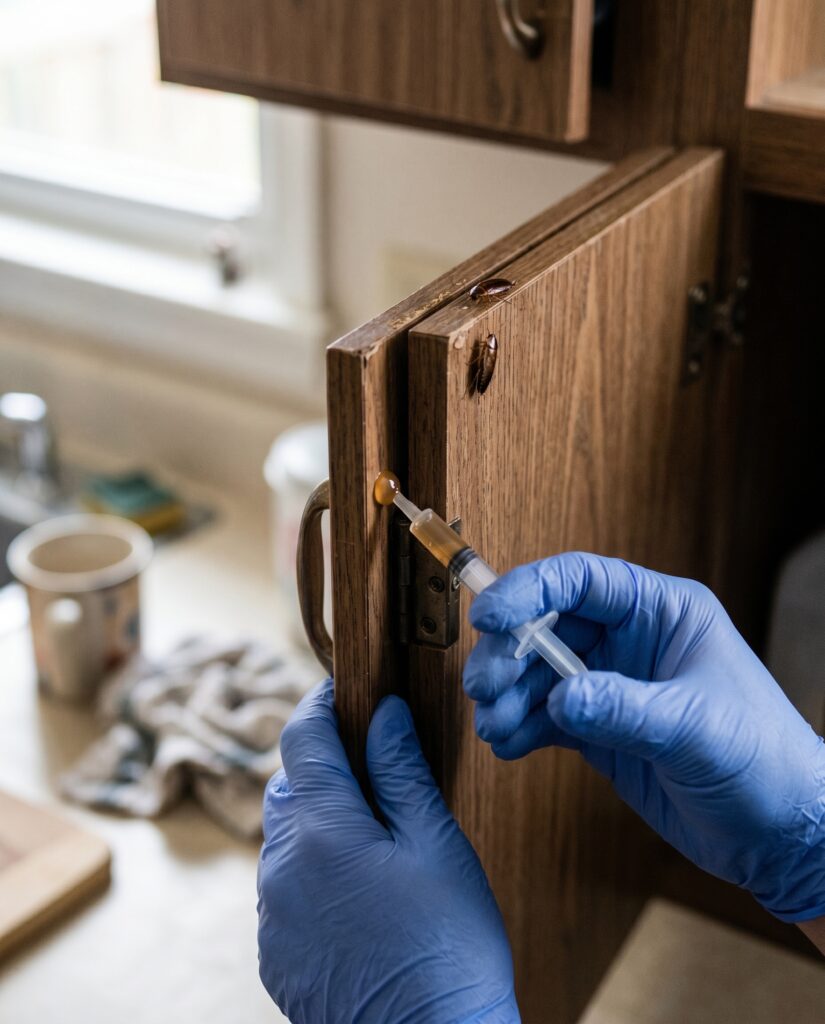
Gel baits can be highly effective because roaches carry the toxin back into hidden areas.
Placement basics:
- small dots near harborages (under sink voids, behind appliances)
- don’t place bait on surfaces you just sprayed with strong-smelling oils
- avoid contaminating bait with cleaners or repellents
Repellents can still play a role here, but use them as “boundary markers” near entry points, not as a substitute for population reduction.
When to call a professional
DIY is reasonable for light activity. Consider professional help when:
- you see roaches during the day
- you live in an apartment or shared-wall building (reinfestation is common)
- asthma or allergy symptoms are involved
- you’ve tried baiting and sanitation for 2 to 3 weeks with little change
A pro can identify species, find hidden harborages, and use targeted products more efficiently.
Conclusion: The Smart Way to Use Natural Repellents
Natural cockroach repellents can reduce roach activity in specific spots, especially when you target entry points and reapply consistently. Peppermint, eucalyptus, lemongrass, and neem-based products can help, but they’re best treated as support tools.
For long-term results, stack the basics: remove food and water, seal gaps, monitor with sticky traps, and use proven low-toxicity controls like boric acid or desiccant dusts in hidden voids. If you want a full start-to-finish plan, follow How to Get Rid of Cockroaches Permanently: Complete Guide, then compare tools in Best Roach Killers & Baits: Complete Guide.
As an Amazon Associate, I earn from qualifying purchases. Product recommendations are based on real reviews and independent research.