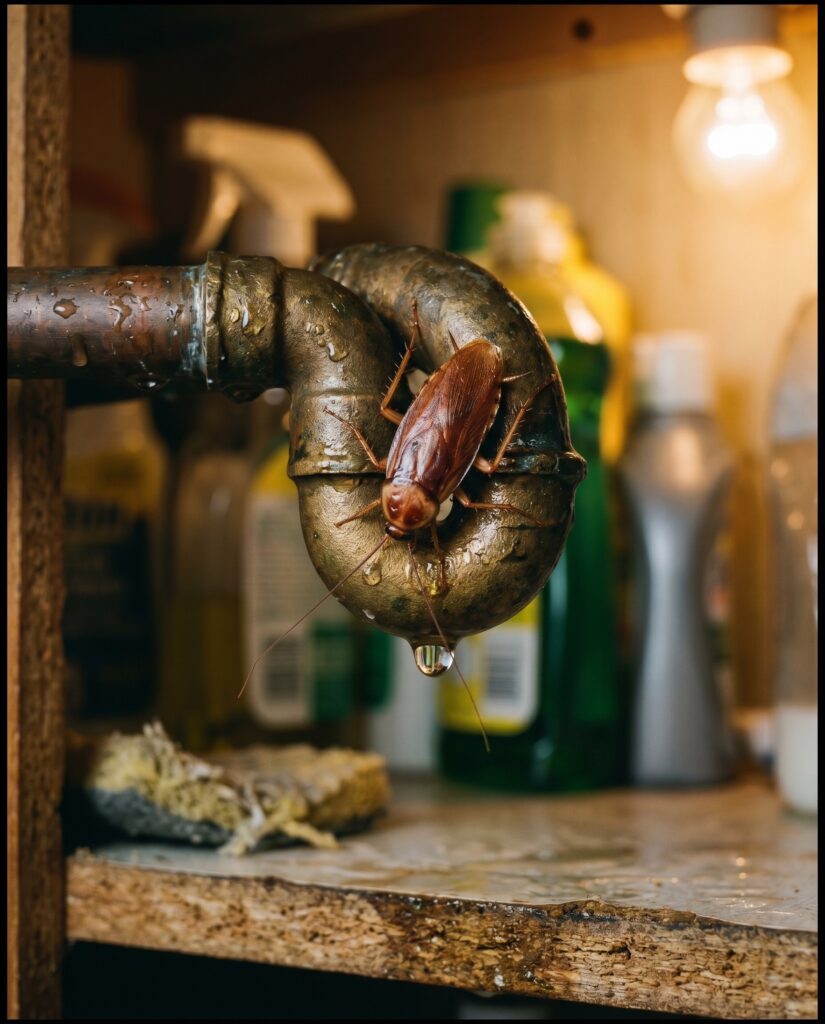
Finding tiny roach-like bugs in a cabinet or bathroom corner usually leads to one question: are these baby cockroaches? In most homes, the “babies” you see are cockroach nymphs – small, wingless versions of adults that hide in tight cracks and come out mostly at night. This guide shows exactly what to look for (size, stripes, bands, and behavior), how to photograph them for accurate ID, and what their presence means for your home. You will also get practical next steps that align with modern pest-control advice.
Quick identification: what baby cockroaches look like (fast answer)
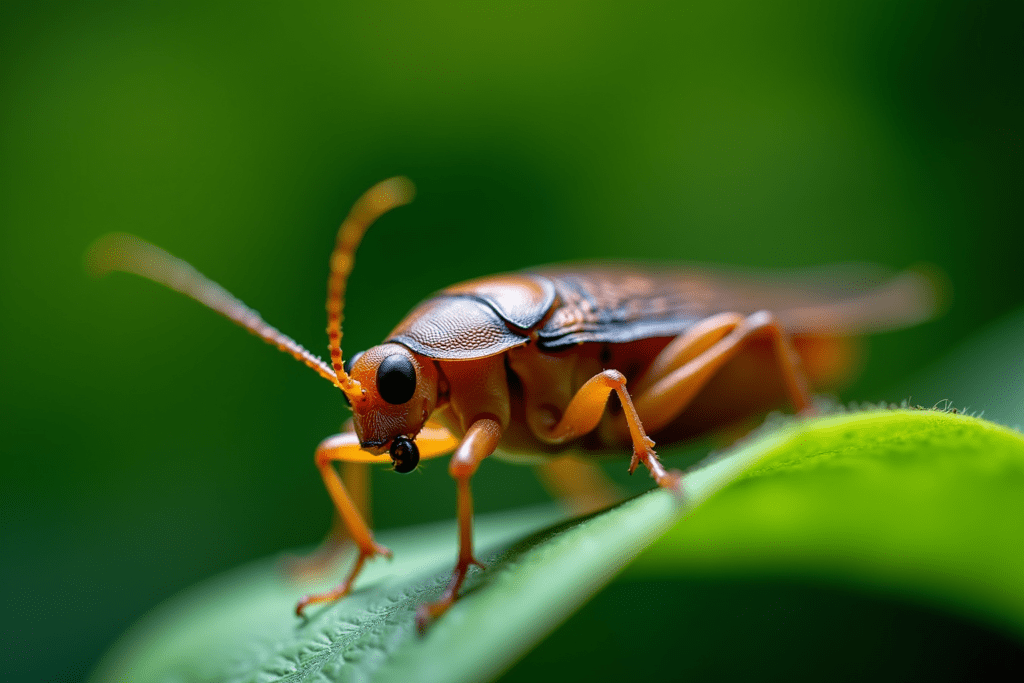
Baby cockroaches (nymphs) look like tiny, wingless roaches with long antennae, a flattened oval body, and six spiny legs. If you are seeing them indoors, it often suggests there is a nearby hiding spot where eggs hatched.
Use this quick checklist to confirm baby cockroaches:
- Size: usually 1/8 to 1/4 inch (3 to 6 mm) for common indoor species
- Wings: no full wings (older nymphs may show small wing pads)
- Color: often dark brown to nearly black; freshly molted nymphs can appear white/cream for a short time
- Markings: many species show stripes or pale bands on the back/abdomen
- Behavior: fast, skittish, runs for cover when lights turn on
Quick comparison table (most common household species):
| Species (common) | Typical nymph look | Where you usually find them |
|---|---|---|
| German | dark with a pale stripe down the back | kitchens, bathrooms, near moisture |
| Brown-banded | dark with pale bands across abdomen | drier rooms, closets, electronics |
| American | gray-brown to reddish-brown as it matures | basements, drains, utility rooms |
| Oriental | reddish-brown to very dark, sometimes banded | cool, damp areas, floor drains |
If you want a deeper species breakdown, start with Explore the Different Types of Cockroaches.
Baby cockroaches explained: nymphs, molts, and why some look white
People call them “baby cockroaches,” but entomologists call them nymphs. Cockroaches develop by incomplete metamorphosis – egg to nymph to adult – with no larva or pupa stage. That matters because nymphs and adults live in similar places and eat similar foods, so a home that supports adults also supports the “babies.”
The most confusing detail: the “white roach” isn’t a separate species
A pale, almost ghost-white roach is usually a nymph (or sometimes an adult) that has just molted. Right after shedding its old skin, the insect is soft-bodied and light colored. Over the next few hours, its new exoskeleton hardens and darkens through a normal process called sclerotization. General entomology texts describe this as the teneral stage, when the insect is most vulnerable and least pigmented.
Practical takeaway: if you see a white baby cockroach, it usually means you are close to a harborage (a hidden resting spot). Molting often happens where they feel safest.
What “baby” really means in cockroach time
Nymphs go through multiple growth stages called instars, typically 5 to 7 molts before adulthood. Under warm indoor conditions with steady food and water, some pest species can develop quickly. Research on German cockroaches indicates a full life cycle can be around 100 days in favorable environments, as reported in peer-reviewed work in the Journal of Economic Entomology (Schal and Hamilton’s research is widely cited in roach biology discussions).
A simple anatomy checklist (what to look for up close)
If it is a baby cockroach, you should be able to spot:
- Long, threadlike antennae (often longer than the body)
- Flattened oval shape like a tiny seed
- Spiny legs built for sprinting
- Head tucked under a shield (pronotum) when viewed from above
- No full wings (key clue)
If you are unsure whether you are dealing with roaches or another pest, compare what you see to the adult forms in German Cockroach vs American Cockroach to narrow the likely species.
How to identify baby cockroaches by species (markings, size, and location)
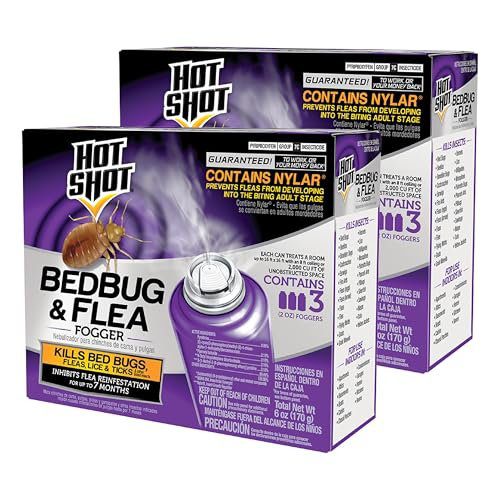
Hot Shot BedBug And Flea Fogger, Inhibits Flea Reinfestation, 2 Ounce Cans, 6 Count
This product is effective for controlling cockroaches and their nymphs, making it relevant for readers concerned about baby cockroaches in their homes.
If you only remember one identification rule, make it this: pattern + place beats color alone. Color shifts with age, diet, and molting. Where you find them and what markings they carry usually tells the clearer story.
Here is a practical, home-friendly way to separate the most common species.
German cockroach nymph (Blattella germanica)
German roach nymphs are often very small (about 1/8 inch) and dark brown to black with a lighter stripe running down the back. They thrive indoors year-round, especially where warmth and moisture overlap.
Most likely locations:
- under sinks and behind dishwashers
- cracks in cabinet frames
- behind refrigerators and stoves
Fast ID tip: if you are seeing lots of tiny dark nymphs in a kitchen at night, German roaches are a top suspect. Their biology and indoor habits make them the most common “small roach” problem in many regions.
Brown-banded cockroach nymph (Supella longipalpa)
Brown-banded nymphs are also small, but they often show pale yellowish bands across the abdomen. Unlike German roaches, they tolerate drier areas and can show up outside kitchens and bathrooms.
Most likely locations:
- bedrooms and living rooms (especially cluttered areas)
- closets, picture frames, and behind wall hangings
- warm electronics (routers, TVs)
Fast ID tip: if the nymphs are in dry rooms and you notice banding, think brown-banded.
American cockroach nymph (Periplaneta americana)
American roach nymphs start around 1/4 inch and tend to be gray-brown to dark brown, becoming more reddish as they mature. Adults are much larger, so if you are seeing medium-size nymphs now, you may see big adults later.
Most likely locations:
- basements and crawl spaces
- boiler rooms and utility areas
- near drains and sewer-connected spaces
Fast ID tip: larger nymphs plus damp, utility-type areas often points to American roaches.
Oriental cockroach nymph (Blatta orientalis)
Oriental nymphs can appear reddish-brown and may show light and dark banding. They favor cooler, damper places compared to German roaches.
Most likely locations:
- floor drains, sump areas, and damp basements
- under porches or near foundations
- trash areas with moisture
Fast ID tip: if it is consistently damp and cool, and the roaches look darker and heavier-bodied, Oriental roaches become more likely.
Quick “where you found it” cheat sheet
Use this mini decision tool:
- Kitchen and bathroom hotspots, lots of tiny nymphs: German
- Dry rooms, closets, behind wall decor, electronics: Brown-banded
- Basements, drains, utility rooms, larger nymphs: American or Oriental
For a broader visual guide, pest ID resources like Orkin’s cockroach identification overview can help you compare common species traits.
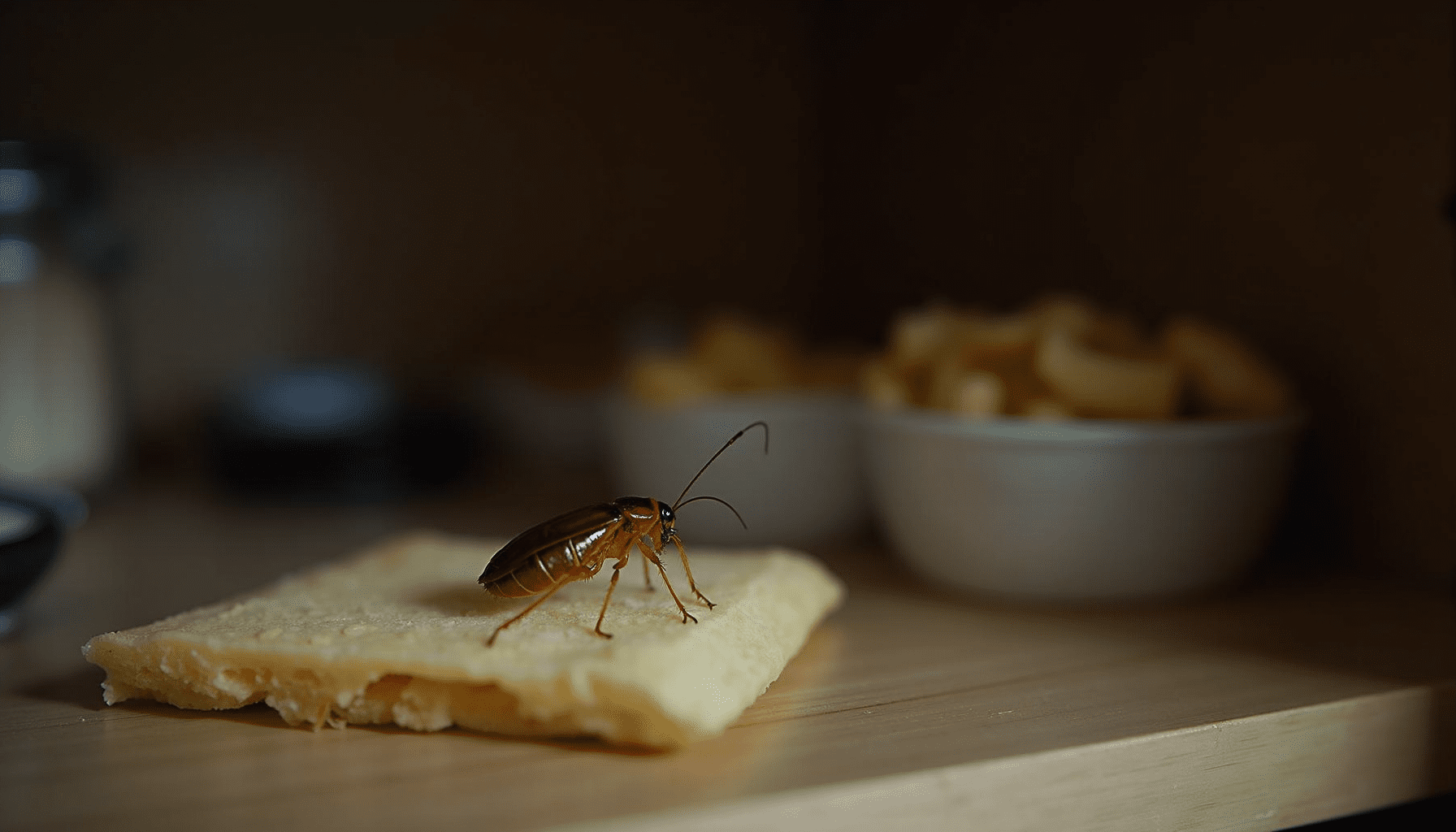
Baby cockroaches vs lookalikes: bed bugs, termites, and beetle larvae
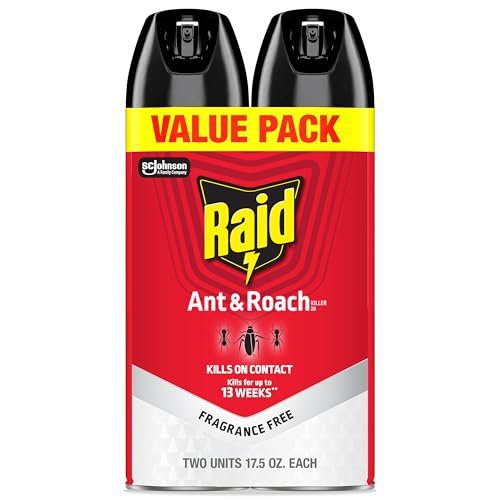
Raid Ant & Roach Killer, Fragrance Free Bug Killer for Home Use, Kills Bugs on Contact, 17.5 Oz, 2 Count
This insecticide is specifically designed to kill roaches and can help address the presence of baby cockroaches in the home.
Many “baby roach” sightings turn out to be something else. The good news is that a few fast checks usually settle it. Think like an ID tech: antennae, body shape, legs, and where you found it matter more than panic.
The most common lookalikes (and how to rule them out)
Use this comparison list while the insect is in view, or from a clear photo.
Bed bug nymphs
- Body: more rounded or teardrop-shaped, not the classic flattened roach oval
- Antennae: shorter and less obvious
- Clues: usually near beds and couches, often with bite complaints or spotting on sheets
Action: if you suspect bed bugs, do not rely on roach baits or sprays. Use bed-bug-specific monitoring.
Termite workers or nymphs
- Body: soft, pale, more uniform in width
- Antennae: straight or bead-like, not whip-like
- Clues: associated with wood, mud tubes, or swarming season evidence
Action: termite signs call for a different response than roaches.
Carpet beetle larvae
- Body: fuzzy or bristly, elongated, slow moving
- Clues: found in fabrics, closets, stored wool, or near windowsills
Action: vacuuming and textile inspection matter more than roach-style baiting.
Booklice (psocids)
- Body: tiny, pale, delicate; not “roach-shaped”
- Clues: damp paper, pantry items, moldy areas
Action: humidity control is the main fix.
A simple “roach test” you can do in seconds
If the insect has:
- very long antennae
- a flat oval body
- six spiny legs
- and it runs fast for cover
…you are likely looking at baby cockroaches.
Make your ID stronger with one photo detail
If you can capture the area just behind the head (the pronotum) and the top of the abdomen, you will often see species-level patterns like stripes or bands. That single detail can prevent wasted time using the wrong control approach.
If you want to understand why they are showing up in a specific room, Discover What Attracts Cockroaches to Your Home breaks down the food, water, and shelter triangle that drives most infestations.
How to photograph baby cockroaches for accurate identification (macro tips that work)
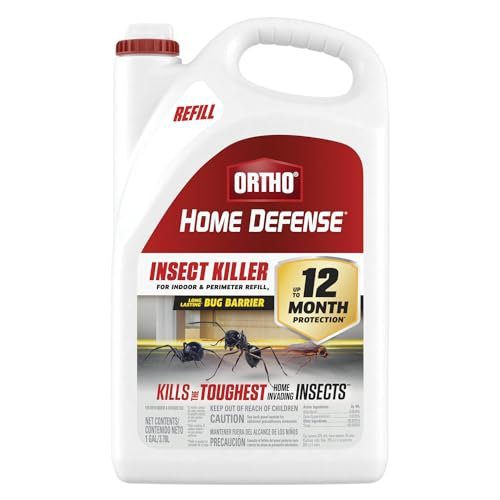
Ortho Home Defense Insect Killer for Indoor and Perimeter Refill2 – Ready-To-Use Bug Spray Refill, Kills Ants, Roaches, and Spiders, 1 gal.
This product provides long-lasting protection against cockroaches and can help prevent infestations, making it suitable for readers looking for preventive measures.
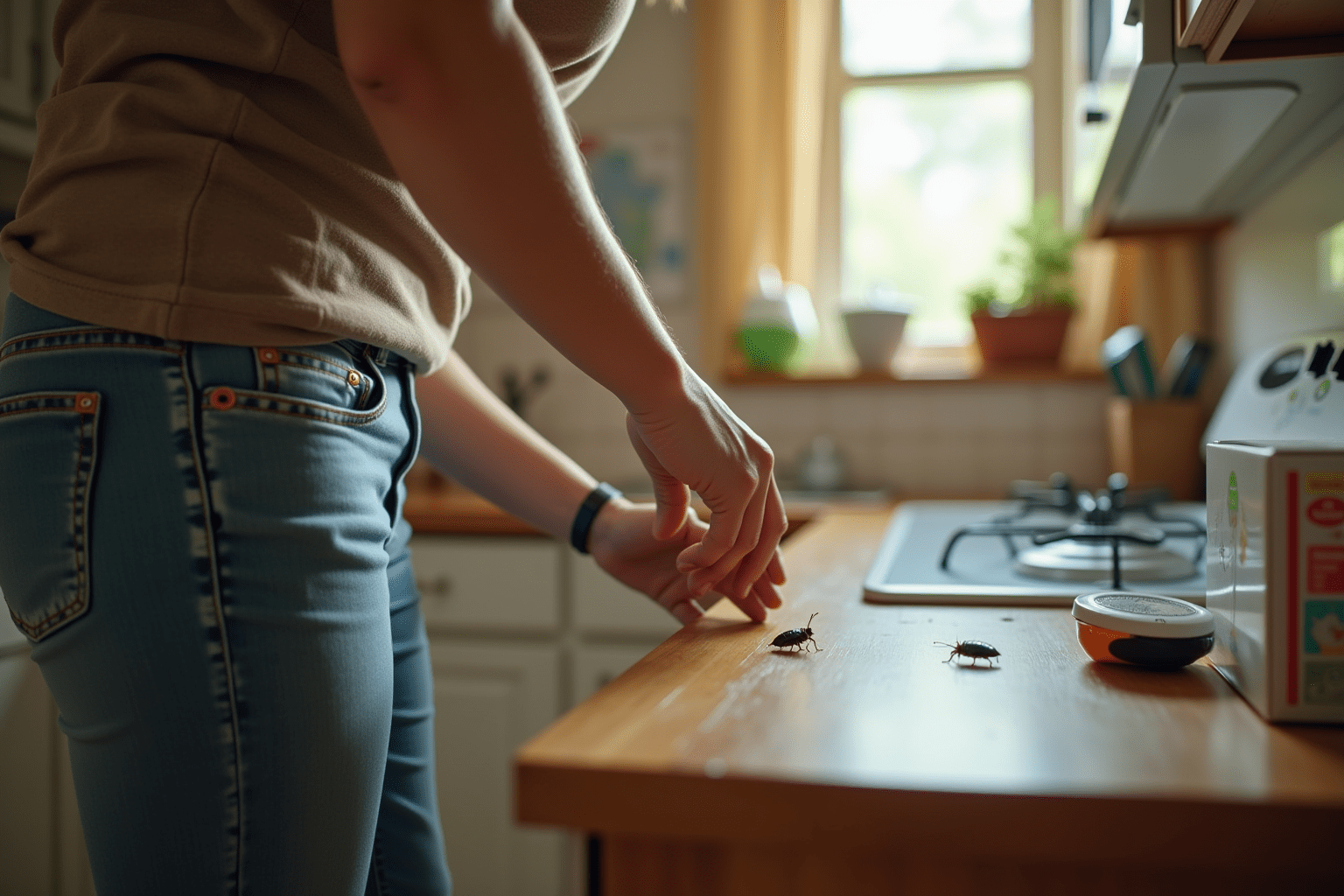
A clear photo can turn a vague “tiny bug” into a confident identification. Baby cockroaches are fast, low to the ground, and usually active at night, so the goal is not a perfect portrait. The goal is a diagnostic image that shows key markings and scale.
Step-by-step: get a usable ID photo in under 2 minutes
- Do not chase it across the room. Instead, place a clear cup over it if possible.
- Slide paper under the cup to trap it briefly without crushing it.
- Shoot through the cup or move it to brighter light for 30 seconds.
- Take three angles: top-down, side view, and a close-up of the pronotum.
- Add scale: include a coin or ruler in one frame.
Practical takeaway: even if the insect escapes, you often get one sharp frame in burst mode.
Gear and settings that help with tiny, fast insects
You do not need a full macro rig, but these tools make success much more likely:
- Phone macro mode or clip-on macro lens: enough to capture stripes and bands
- LED light or flashlight: bright, close light lets your camera use a faster shutter
- Burst mode: increases your odds of a sharp image
- Focus point on the pronotum: that is where German roach striping shows best
If you use a camera with manual control, prioritize:
- faster shutter speed (to freeze motion)
- adequate depth of field (nymphs are thin, but close focus is unforgiving)
- diffused light (harsh glare can hide patterns on shiny bodies)
Where to look (without turning your home upside down)
Nymphs cluster near resources and tight shelter. Check:
- under sink cabinets, especially corners and hinge areas
- behind the refrigerator compressor area
- under stove edges and kick plates
- bathroom vanities near plumbing penetrations
- cardboard, paper stacks, and cluttered pantry edges
If you are documenting an active infestation, treat your camera and hands like you would after cleaning. Wash up and wipe down gear surfaces that touched floors or cabinet interiors.
For a photo-based reference, consumer pest guides such as CockroachFacts’ baby roach picture guide can help you compare markings, but your best match usually comes from combining photo details with where you found the insect.
What it means if you see baby cockroaches (and what to do next)
Seeing baby cockroaches indoors is not just an “ew” moment. It is often a signal of ongoing reproduction nearby, because nymphs hatch from egg cases (oothecae) that were laid or carried in hidden areas. One nymph does not always mean a severe infestation, but it does justify a careful check.
Health and hygiene: why nymphs still matter
Nymphs feed and crawl through the same environments as adults, including trash areas, drains, and food-prep zones. Public health sources note that cockroaches can contaminate surfaces and contribute to indoor allergens. A landmark study in the New England Journal of Medicine (Rosenstreich et al., 1997) highlighted cockroach allergen exposure as a major issue in some urban homes, especially for asthma risk.
For a focused breakdown, see Do Cockroaches Carry Disease?.
A practical IPM plan (the approach professionals actually rely on)
Modern control works best with Integrated Pest Management – sanitation, exclusion, monitoring, and targeted products rather than heavy spraying.
Use this checklist as your first response:
1) Remove food and water access (same day)
- store food in sealed containers
- wipe grease and crumbs nightly
- do not leave pet food out overnight
- fix leaks and dry sinks before bed
2) Reduce hiding places (this week)
- remove cardboard and paper piles
- seal clutter into lidded plastic bins
- caulk gaps around pipes and baseboards
3) Monitor with glue traps (start tonight)
Place traps:
- behind the fridge and stove
- under the sink
- along bathroom vanity edges
- near suspected entry points
Write the date on each trap and check weekly. Traps tell you where activity concentrates and help confirm species by what you catch.
4) Use baits and targeted treatments (not random spraying)
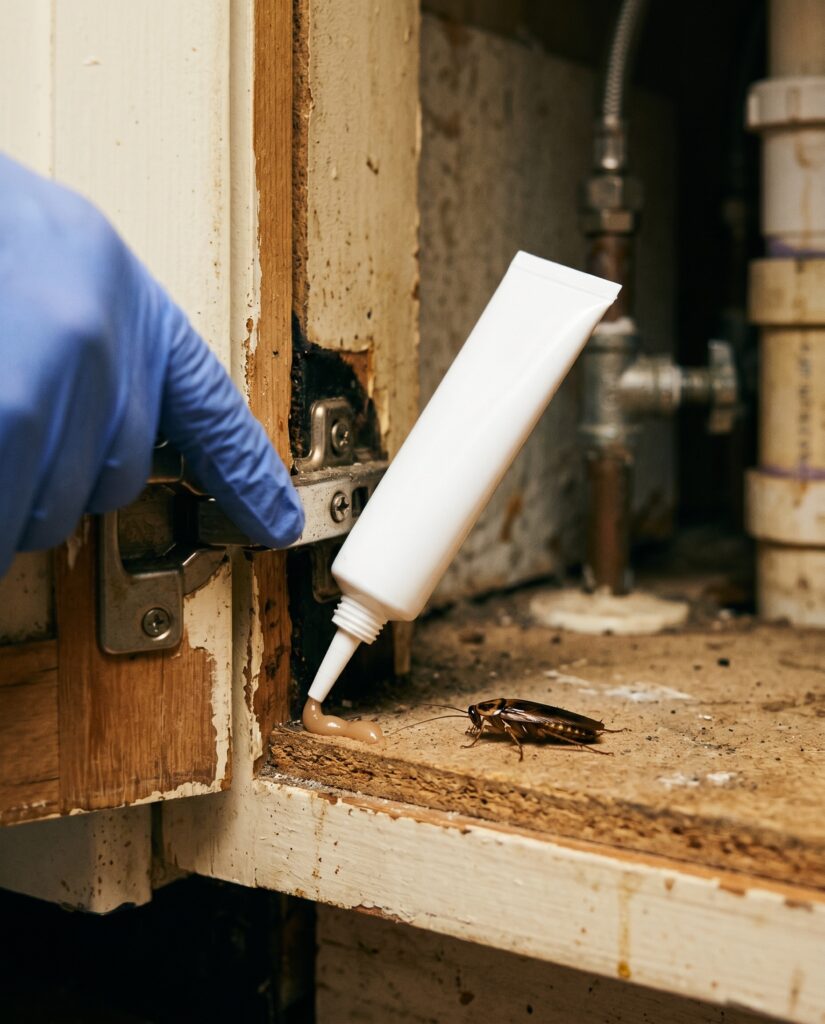
- gel baits in cracks and crevices often outperform sprays for indoor roaches
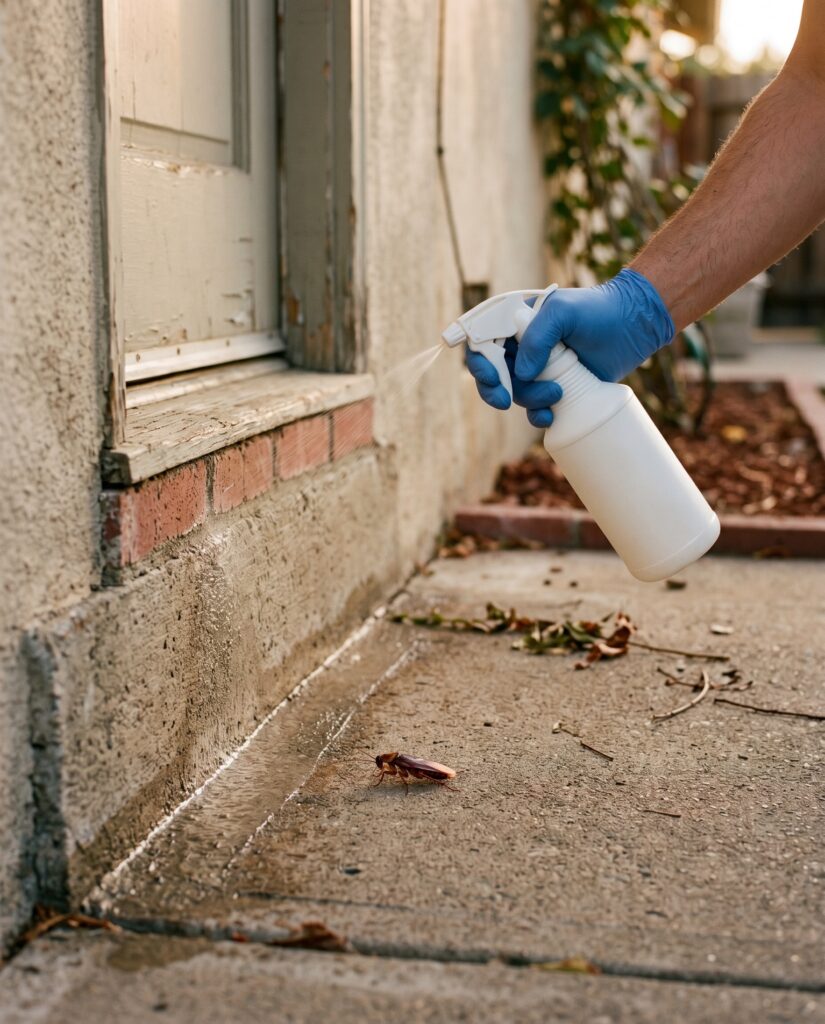
- avoid “broadcast” spraying in kitchens, which can scatter roaches and reduce bait feeding
- follow product labels carefully, especially around kids and pets
Guidance aligned with IPM principles is also emphasized by agencies like the U.S. Environmental Protection Agency’s pest management resources.
When to call a professional
Consider professional help if:
- you see nymphs in daytime (often suggests crowding or heavy pressure)
- you have asthma sufferers, infants, or immunocompromised residents
- activity persists after 2 to 3 weeks of sanitation + baiting + monitoring
- you live in multi-unit housing, where roaches can move between units
In apartments, coordinate with property management. Treating one unit without addressing adjacent sources often leads to repeat sightings.
Key takeaways (and the next best step)
Baby cockroaches are nymphs – small, wingless roaches that darken after molting and often hide close to food, water, and tight shelter. The fastest way to identify them is to look for long antennae, a flattened oval body, no full wings, and species-specific stripes or bands. A few clear photos (top-down, side, pronotum close-up) can make identification far more reliable.
Next step: place a few glue traps tonight and use what you catch to narrow the species. Then match your control plan to that species and the room conditions.
For deeper identification help, revisit Explore the Different Types of Cockroaches and compare likely candidates in German Cockroach vs American Cockroach.
As an Amazon Associate, I earn from qualifying purchases. Product recommendations are based on real reviews and independent research.