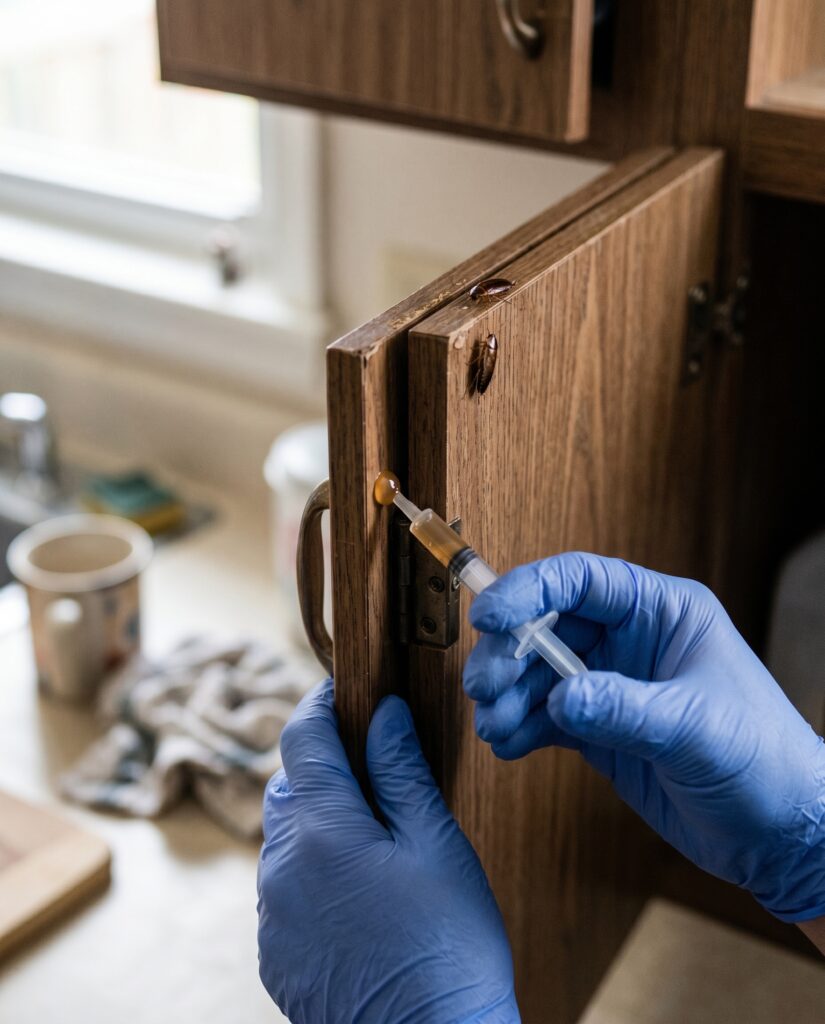
Cockroach reproduction happens fast – fast enough that a “couple of roaches” can turn into a stubborn indoor population within a single season. If you are wondering how fast do cockroaches reproduce, the answer depends on the species, temperature, humidity, and whether food and water are easy to reach. In heated homes and apartments, some roaches breed year-round, which is why infestations can seem to appear overnight. Below is a practical, species-by-species breakdown and what to do to interrupt the cycle.
Quick answer: how fast do cockroaches reproduce?
Cockroach reproduction can create a noticeable infestation in weeks to months, with German cockroaches multiplying the fastest indoors.
Here’s the snippet-friendly summary:
- German cockroach (Blattella germanica): fastest indoor breeder
- 200–300 offspring per female in good conditions, according to pest education sources like Combat Bugs roach egg guidance
- Egg to adult: about 60–100 days (temperature dependent), per PF Harris on cockroach reproduction
- American cockroach (Periplaneta americana): slower, larger “sewer/basement” roach
- Egg to adult: often 6–12 months, per PF Harris life cycle overview
- Why it feels sudden: roaches grow in hidden harborages; by the time you see 1-2, there can be many more nearby.
Quick next step: place monitors tonight. A few sticky traps from our guide to the Best Cockroach Traps can confirm where breeding is happening.
Cockroach reproduction: the life cycle that drives “sudden” infestations
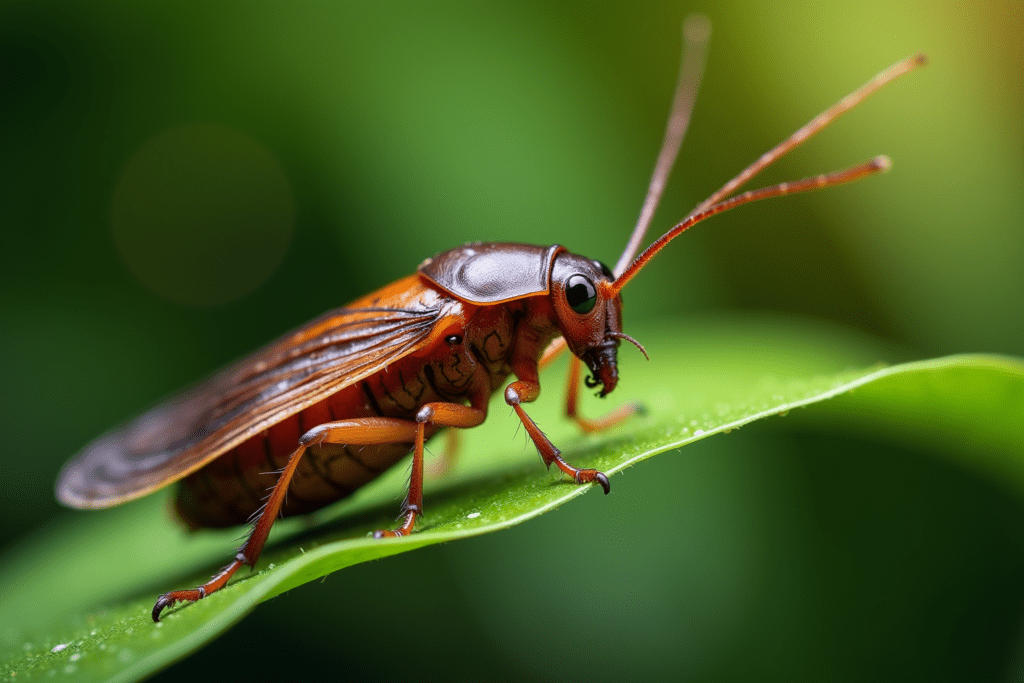
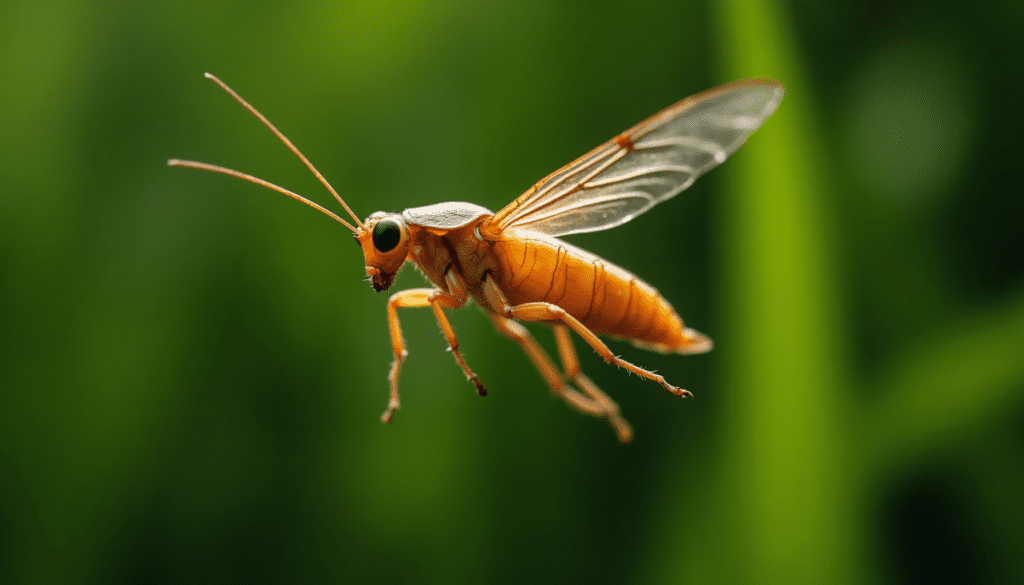
Most people imagine roaches “lay eggs and they hatch,” but the real story is a fast assembly line built for indoor survival. Cockroaches have incomplete metamorphosis, meaning they develop from egg to nymph to adult with no pupal stage. Nymphs look like tiny, wingless adults and become reproductive after multiple molts.
A key detail for cockroach reproduction is the ootheca – the egg case. Many control failures happen because people kill visible adults but miss egg cases and newly hatched nymphs. As PF Harris explains about cockroach mating and egg cases, females of many species can also store sperm, so one mating can support multiple egg cases over time.
What the egg case looks like (and why it matters)
If you have never seen an ootheca, you might overlook it as a speck of debris. Many are:
- Brown and purse- or bean-shaped
- About 1/4 inch (6–8 mm) long in common household species
- Often tucked into cracks, under appliances, or behind baseboards
Visual quick guide: life cycle stages and what you might notice
| Stage | What it is | What you might see at home | Best action |
|---|---|---|---|
| Egg (ootheca) | Egg capsule holding multiple embryos | Small brown capsule in crevices | Vacuum and discard; follow with bait + IGR |
| Nymph | Immature roach, molts several times | Tiny pale to tan roaches near water | Treat harborages; reduce moisture |
| Adult | Reproductive stage | Larger roaches, often at night | Baiting program; seal entry points |
Actionable takeaway: if you are seeing nymphs, reproduction is already active. That is the moment to switch from “spray and hope” to a plan that targets all life stages.
How fast do cockroaches reproduce by species (German vs American vs others)
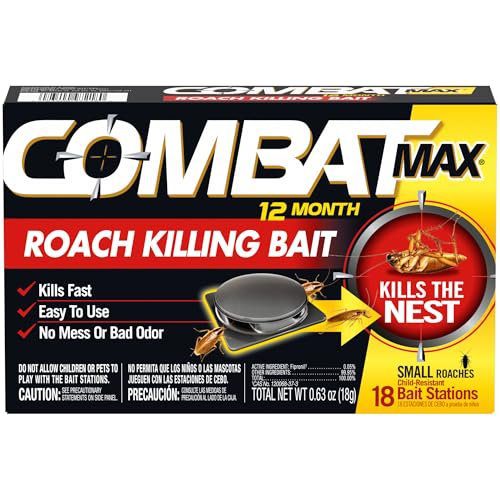
Combat Max 12 Month Roach Killing Bait, Small Roach Bait Station, Child-Resistant, 18 Count
This product is relevant as it provides effective bait to control cockroach populations, which is crucial given the article’s focus on cockroach reproduction and infestation prevention.
Not all roaches multiply at the same pace. Species differences change everything – how many eggs per case, whether the female carries the case, and how quickly nymphs mature. That is why correct ID is step one. If you are not sure what you are dealing with, use our Types of Cockroaches guide to match size, markings, and typical hiding spots.
The indoor “speed champion” is the German cockroach (Blattella germanica). Under warm, humid indoor conditions, it can go from egg to breeding adult in roughly 2–3 months, and a single female can produce hundreds of offspring in her lifetime. Pest education summaries compiled by Better Termite’s reproduction timeline note that German roaches can produce a new egg case about every 20–25 days, with roughly 30–40 eggs per case.
American, Oriental, and brown-banded cockroaches typically develop more slowly or lay fewer eggs per case, but they can still become major pests, especially in the right microclimate (damp basements, warm utility rooms, or cluttered storage).
Species comparison table (what changes your timeline)
Here is a practical comparison based on commonly cited pest management summaries such as Better Termite’s species breakdown and general life cycle guidance from PF Harris:
| Species | Eggs per ootheca (approx.) | Ootheca behavior | Time to adulthood (approx.) | Typical indoor hotspots |
|---|---|---|---|---|
| German | 30–40 | Carries ootheca until near hatching | 60–100 days | Kitchens, bathrooms, behind appliances |
| American | 14–16 | Deposits ootheca in sheltered sites | 6–12 months | Basements, sewers, boiler rooms, restaurants |
| Oriental | ~16 | Deposits | 10–12 months | Damp basements, drains, crawl spaces |
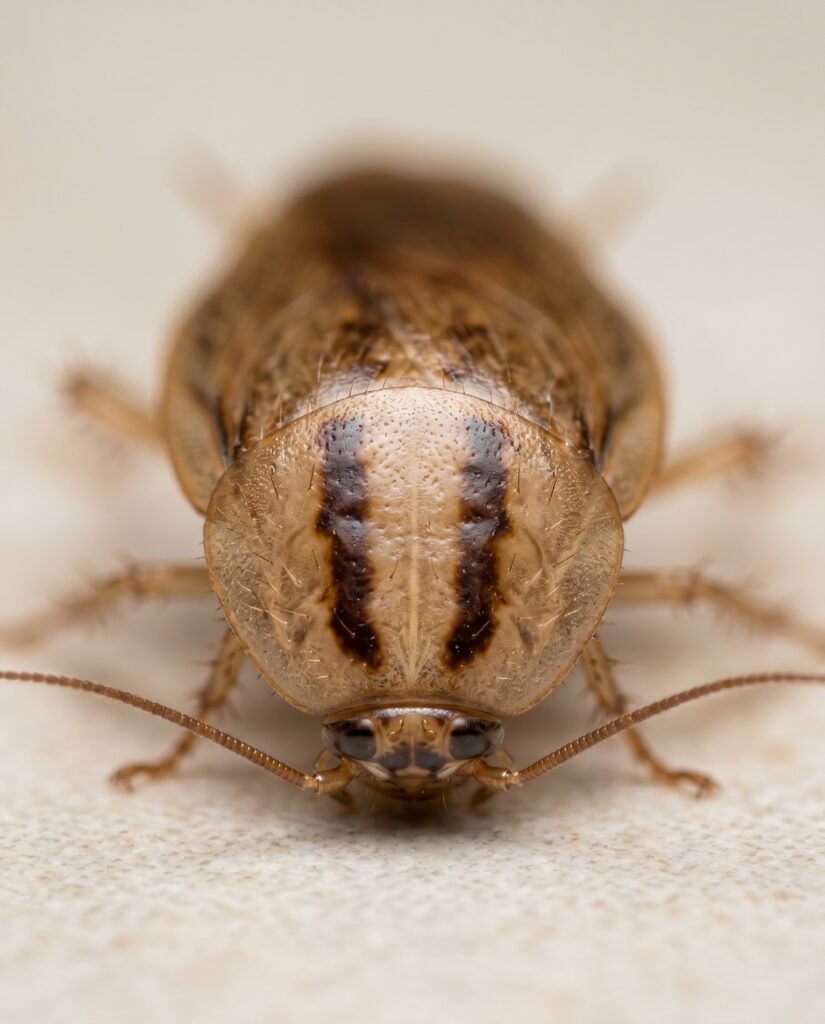
| Brown-banded | 14–18 | Deposits, often higher up | 80–160 days | Upper cabinets, furniture, electronics |
Actionable takeaway: if you confirm German cockroaches, assume reproduction is ongoing and plan for follow-up treatments timed to hatching cycles.
Why roach numbers explode: the math behind a “small” problem
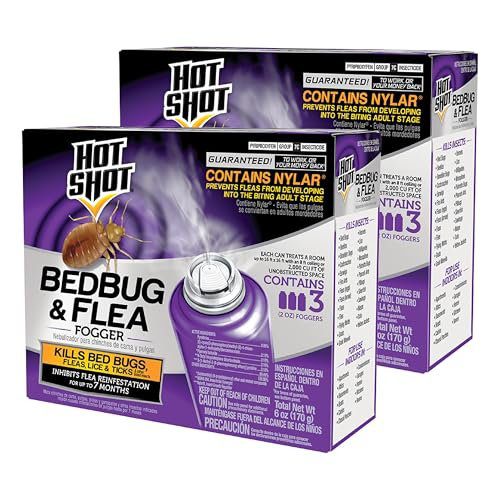
Hot Shot BedBug And Flea Fogger, Inhibits Flea Reinfestation, 2 Ounce Cans, 6 Count
While primarily for bed bugs and fleas, this spray can also be effective against cockroaches, making it a versatile pest control option mentioned in the context of managing infestations.
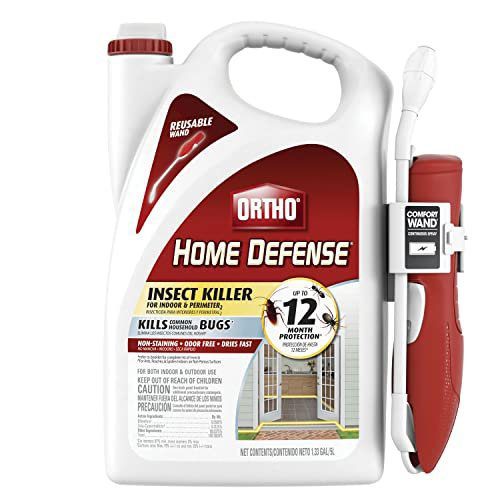
Ortho Home Defense Insect Killer for Indoor and Perimeter2 with Comfort Wand – Ready-To-Use Bug Spray, Kills Ants, Cockroaches & Spiders, 1.33 gal.
This insect killer provides long-lasting protection against a variety of pests, including cockroaches, which aligns with the article’s emphasis on pest control and prevention.
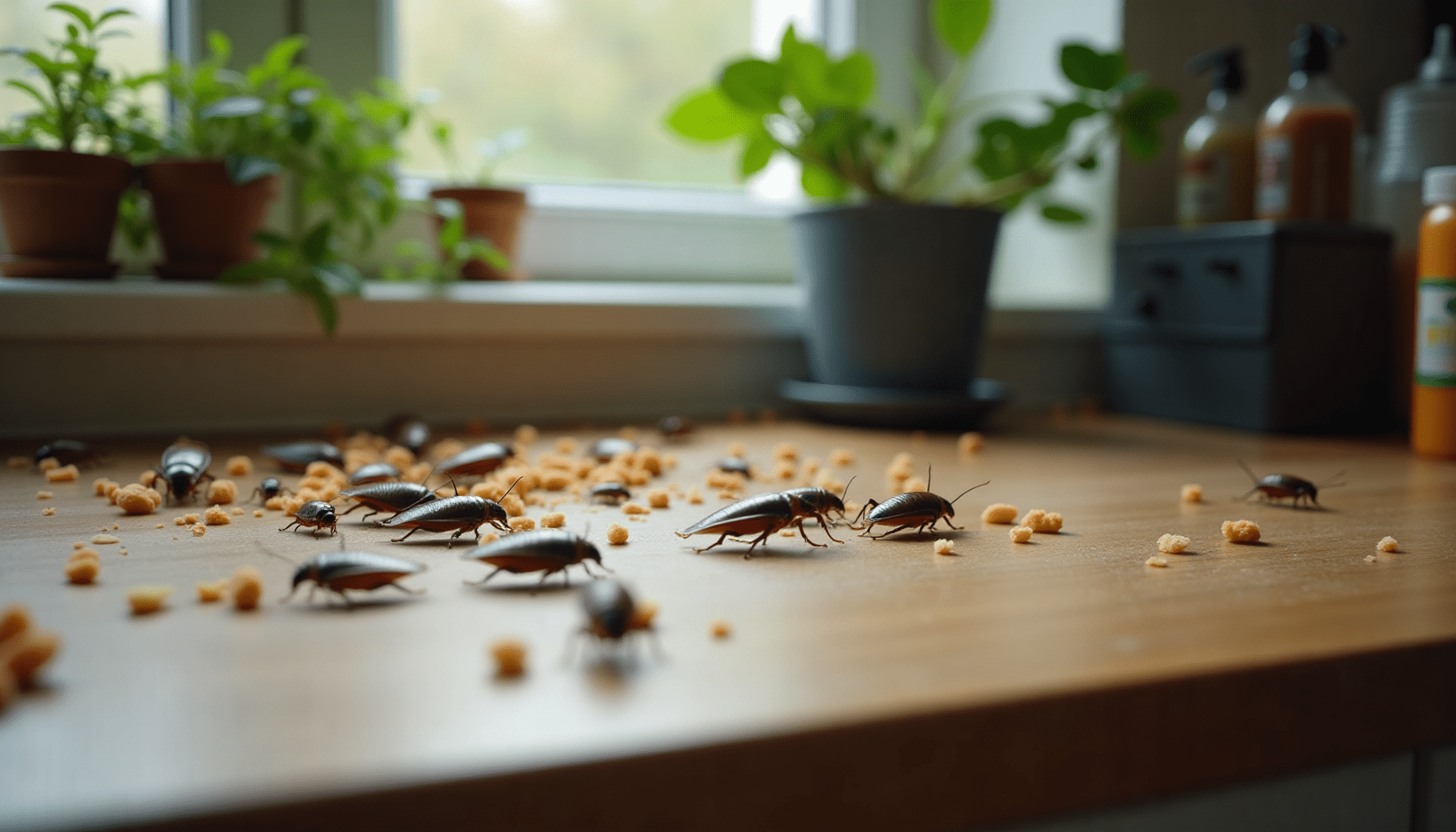
If you have ever thought, “I only saw one,” you are not alone. The tricky part is that cockroaches run a hidden population for weeks before you notice them. They cluster in tight harborages near food and water, guided by pheromones and the simple logic of survival.
For German cockroaches, the numbers can ramp quickly. Consumer pest education sources summarize that a female may produce 200–300 offspring in her lifetime, and under ideal conditions the theoretical output can be far higher. For example, Combat Bugs’ overview of egg laying frequency discusses how quickly descendants can compound under optimal conditions. Meanwhile, Better Termite’s reproduction calculation compiles estimates suggesting that even one pregnant German cockroach can lead to thousands within 4–6 months when conditions are favorable.
It is important to read those figures the right way. Real homes are not laboratories. Roaches die from dehydration, lack of food, cleaning, and control efforts. But the growth curve is still steep enough that delays matter.
A simple “what’s happening in your walls” timeline
Think of a German roach infestation like this:
- Weeks 1–4: egg cases are produced and protected in harborages
- Weeks 4–8: eggs hatch; tiny nymphs stay close to moisture and food
- Months 2–3: nymphs mature; now you have new breeding adults
- Months 3–6: multiple overlapping generations appear, and sightings increase
Visual: early warning signs checklist
- Small roaches (nymphs) near sinks, dishwashers, or refrigerator motors
- Daytime sightings, often a sign of crowding and limited hiding space
- Pepper-like droppings in cabinet corners and along wall edges
- Musty odor in heavy infestations (more common in severe cases)
Actionable takeaway: if you are seeing roaches in daylight, skip random sprays and move straight to monitoring, baiting, and habitat changes. Also review What Attracts Cockroaches to remove the resources that fuel breeding.
What speeds up (or slows) cockroach reproduction inside homes
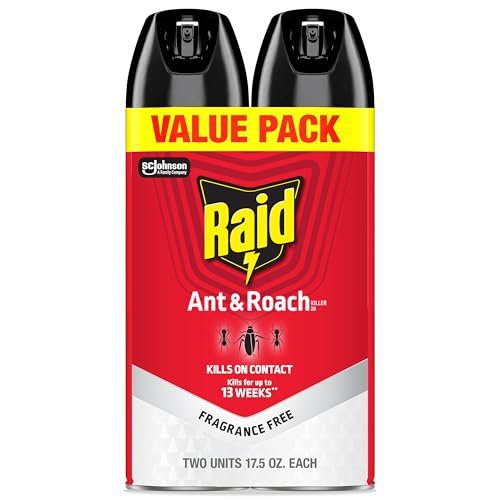
Raid Ant & Roach Killer, Fragrance Free Bug Killer for Home Use, Kills Bugs on Contact, 17.5 Oz, 2 Count
This product is a well-known insecticide that targets roaches directly, making it suitable for readers looking to control cockroach populations as discussed in the article.
Cockroaches do not reproduce at maximum speed all the time. Their biology responds to the environment, and your home can either act like a nursery or a bottleneck. For German cockroaches, warm temperatures and high humidity are especially important. Summaries compiled by Better Termite’s indoor condition guidelines note that reproduction accelerates around 75–85°F (24–29°C) with high relative humidity, and that heated buildings can support year-round breeding.
That is why winter does not always bring relief in apartments, restaurants, and multi-unit housing. The “season” is effectively constant indoors.
The four resources that drive breeding
If you want to slow cockroach reproduction quickly, focus on these:
1) Water (often the limiting factor)
- Fix drips under sinks and behind toilets.
- Address condensation around pipes and HVAC lines.
- Dry sinks overnight in severe infestations.
2) Food (more than crumbs)
- Degrease stove sides, backsplash edges, and vent hoods.
- Store pet food in sealed containers, and remove bowls at night.
- Empty trash nightly, especially in warm months.
3) Warmth
- Appliance motors (fridges, dishwashers) create warm microclimates.
- Utility chases and wall voids can stay warm year-round.
4) Harborage
- Cardboard, paper stacks, and clutter create protected hiding space.
- Unsealed gaps under baseboards and around plumbing act like highways.
Visual: “Reproduction Accelerator” home audit (5-minute scan)
- Under sink: moisture + clutter?
- Behind fridge: crumbs + warm motor?
- Stove sides: grease film?
- Cabinet hinges and corners: droppings or egg cases?
- Bathroom vanity: leaks or dampness?
Actionable takeaway: sanitation alone rarely eliminates roaches, but it can slow egg production and improve bait performance. Combine it with a targeted plan from our How to Get Rid of Cockroaches Permanently guide.

How to break the breeding cycle (IPM plan that targets eggs, nymphs, and adults)
The goal is not to “kill a few roaches.” The goal is to interrupt cockroach reproduction so the population cannot replace itself. Entomologists and pest managers generally rely on Integrated Pest Management (IPM): monitoring, sanitation, exclusion, and targeted treatment.
Step-by-step control plan (works best for German roaches)
1) Monitor first (so you treat the right spots)
- Place sticky traps along walls, under sinks, and behind the fridge.
- Check them after 24–72 hours to find activity zones.
- Use our Best Cockroach Traps roundup to choose effective monitors.
2) Use baits as your primary killer
For German cockroaches, gel baits and bait stations usually outperform “space sprays” because roaches feed and return to harborages, spreading the active ingredient through feces and carcasses.
Common bait mistakes to avoid:
- Do not spray repellent insecticides near bait placements.
- Do not place bait where it will be wiped away during cleaning.
- Refresh small placements rather than making one big blob.
3) Add an Insect Growth Regulator (IGR) to stop new breeders
IGRs disrupt development and molting, which helps prevent nymphs from becoming reproductive adults. This is especially helpful when egg cases are still hatching after your first treatment. For reproduction basics and why females can keep producing after mating, see PF Harris on cockroach reproduction.
4) Physically remove what you can
- Vacuum live roaches, droppings, shed skins, and any egg cases you find.
- Immediately dispose of the vacuum contents outside.
5) Seal and deny harborages
- Caulk gaps at baseboards and around plumbing penetrations.
- Reduce clutter, especially cardboard near kitchens and bathrooms.
Visual: follow-up schedule (what most DIY plans miss)
- Day 0: monitor + bait + IGR + sanitation reset
- Day 14: re-check traps, refresh bait, target new hotspots
- Day 30–45: confirm decline, seal remaining gaps, continue monitoring
Actionable takeaway: if you do only one treatment and stop, surviving nymphs can mature in 1–3 months and restart the cycle. Consistent follow-up is what turns “better” into “gone.”
When to call a professional
Professional help is a smart move when:
- You see roaches during the day
- Activity is in multiple rooms
- Egg cases are showing up in cabinets or appliance gaps
- DIY baiting has not improved trap counts within 2–3 weeks
In multi-unit housing, building-wide coordination matters. Roaches can move through shared walls and plumbing, and your unit may be getting reinforcements even as you improve sanitation.
Conclusion
Cockroach reproduction is fast because roaches protect their eggs, mature quickly (especially German cockroaches), and can breed year-round indoors. The practical takeaway is simple: treat the problem like a life cycle, not a one-time sighting. Confirm the species, monitor with traps, use baits and an IGR, cut off water and food, and schedule follow-ups that match hatching and development.
Next step: start with monitoring tonight using the Best Cockroach Traps, then follow the full plan in How to Get Rid of Cockroaches Permanently. If you are also concerned about health risks as populations grow, read Do Cockroaches Carry Disease? for clear, evidence-based guidance.
As an Amazon Associate, I earn from qualifying purchases. Product recommendations are based on real reviews and independent research.