Beekeeping is one of those hobbies that looks simple from the outside – until your first inspection runs long, the comb looks “different,” and you realize you are responsible for thousands of insects with very specific needs. The right beekeeping books shorten that learning curve fast. They help you choose gear that fits your region, understand what “normal” brood looks like, and build routines that prevent avoidable losses. With U.S. beekeepers reporting significant annual colony losses in recent surveys, solid education is not optional – it is part of responsible bee care.
Quick Answer: The Best Beekeeping Books for Beginners (and what each is for)
If you want the best beekeeping books for beginners, start with one step-by-step guide plus one reference-style book you can keep on the shelf.
Here’s a quick, practical shortlist:
- Best all-around beginner handbook: The Beekeeper’s Handbook (Sammataro & Avitabile) – strong on bee biology, inspections, and health.
- Best “first year” friendly read: Beekeeping for Dummies (Blackiston) – clear structure, approachable troubleshooting.
- Best for backyard and urban setups: The Backyard Beekeeper (Flottum) – photos, small-scale realities, neighbor-friendly guidance.
- Best deeper reference for serious learners: Honey Bee Biology and Beekeeping (Caron & Connor) – more technical, great “why” explanations.
- Best for UK readers (classic): Guide to Bees & Honey (Hooper) – detailed seasonal management in British conditions.
- Best “bee-first” philosophy with practicality: The Practical Beekeeper: Beekeeping Naturally (Bush) – minimalist style, but still discusses mites.
Rule of thumb: buy the latest edition you can find. Varroa guidance from older editions can be outdated.
Why choosing the right beekeeping book matters more than beginners think
Many people start beekeeping because they love pollinators, want homegrown honey, or simply enjoy learning about insects. That’s the fun part. The hard part is that modern beekeeping happens in the Varroa era, and colonies face pressures that unmanaged bees did not face a century ago.
According to the Bee Informed Partnership’s national colony loss survey, U.S. beekeepers have reported high annual losses in recent years, with winter losses often exceeding long-term averages. Researchers consistently point to stressors like Varroa destructor mites, queen problems, nutrition gaps, and pesticide exposure as leading contributors to colony failure. A review in the Journal of Invertebrate Pathology has also highlighted how Varroa acts as both a parasite and a driver of virus spread in honey bee colonies.
A beginner book cannot guarantee success, but it can prevent the most common early mistakes, like:
- Buying equipment that doesn’t match local advice or replacement parts
- Skipping mite monitoring because “the bees look fine”
- Feeding at the wrong times (or not feeding when a new colony needs it)
- Missing early swarm signals and losing half the workforce overnight
Visual: “What a good beginner book should teach you” checklist
Use this as a quick test when you’re deciding between titles:
- Bee biology basics: life cycle, castes, seasonal behavior
- Hive setup: Langstroth parts, frame types, foundation options
- Inspection routine: what to check every 7 to 10 days in spring and summer
- Varroa monitoring: alcohol wash or sugar roll, thresholds, treatment timing
- Disease ID: AFB vs EFB, chalkbrood, Nosema, virus symptoms
- Seasonal plan: spring buildup, summer honey, fall prep, wintering
Actionable takeaway: If a book barely mentions Varroa monitoring, treat it as a history book, not a beginner manual.
Beekeeping books by type: which one matches your learning style?
Walk into any bee supply store or browse online and you’ll see dozens of titles. The trick is matching the book to how you learn and what you plan to do with your bees.
Most beginners do best with a “do this next” guide. But if you’re the kind of person who wants to understand the biology behind every decision, a reference-style book will keep you from chasing random advice online.
1) Step-by-step beginner guides (best for your first season)
These books are organized around tasks: installing a package or nuc, first inspections, adding boxes, preventing swarms, harvesting honey, and preparing for winter.
What to look for:
- A first-year timeline by month or season
- Clear photos of brood patterns and queen signs
- Troubleshooting pages (queenless, laying workers, chalkbrood)
Good fits in this category often include The Beekeeper’s Handbook, Beekeeping for Dummies, and The Backyard Beekeeper.
2) Reference and “why it works” books (best for confidence)
These go deeper into behavior, pheromones, colony organization, and the logic of management decisions. They are slower reads, but they make you calmer during inspections because you understand what you’re seeing.
If you want that deeper biology angle, Honey Bee Biology and Beekeeping is frequently recommended in education settings, and it pairs well with extension guidance.
3) “Natural” or minimalist approaches (best after you learn the basics)
Many new beekeepers are drawn to treatment-free or low-intervention methods. It’s a valid interest, but it is often misunderstood.
A sustainable low-intervention approach still requires:
- Regular mite counts
- A plan for when thresholds are exceeded
- Acceptance that outcomes vary by region and genetics
Resources like the Honey Bee Health Coalition’s Tools for Varroa Management explain IPM options in plain language and are worth reading alongside any philosophy-driven book.
Visual: quick “book type” match table
| If you are… | Choose this type | Why it helps |
|---|---|---|
| Nervous beginner who wants a checklist | Step-by-step guide | Reduces missed steps |
| Science-minded and detail-oriented | Reference manual | Builds decision-making skill |
| Interested in low-intervention beekeeping | Natural/minimalist approach | Offers alternative methods (still monitor mites) |
| In the UK or cool maritime climates | UK-focused classic | Better seasonal timing for your area |
Actionable takeaway: Most people only need two books in year one. One for steps, one for understanding.
The best beekeeping books for beginners: top picks (with honest strengths and limits)
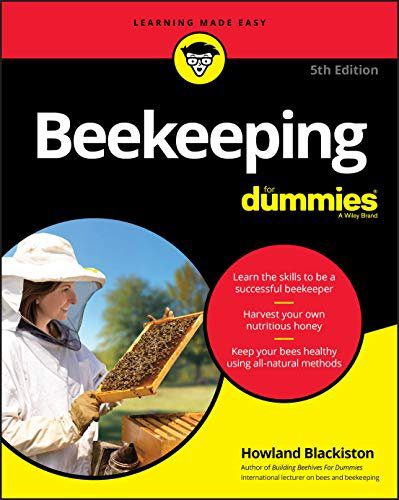
Beekeeping For Dummies
This book provides a clear structure and approachable troubleshooting for first-year beekeepers.
Choosing “the best” depends on your goals, but some titles repeatedly show up in clubs, classes, and supplier recommendations because they cover the realities of modern bee care.
Below are beginner-friendly picks, plus who each one fits best.
1) The Beekeeper’s Handbook (Diana Sammataro & Alphonse Avitabile)
Why it’s a top pick:
- Strong on biology, colony behavior, and practical inspections
- Good disease awareness and management fundamentals
- Reads like a real handbook, not a collection of anecdotes
Best for:
- Beginners who want a serious, reliable foundation
- Anyone planning to keep bees for more than “just one season”
Potential downside:
- It can feel dense if you want a quick weekend read
2) Beekeeping for Dummies (Howland Blackiston)
Why it works:
- Friendly tone and clear organization
- Great for first-year beekeepers who need reassurance and structure
- Helpful troubleshooting and “what to do next” flow
Best for:
- True beginners who want clarity more than theory
Potential downside:
- Less depth on the finer points of bee biology and research
3) The Backyard Beekeeper (Kim Flottum)
Why it’s popular:
- Tailored to small-scale and suburban beekeeping
- Strong visuals and practical “yard-level” advice
- Good for people managing one to three hives
Best for:
- Urban and backyard beekeepers focused on manageable routines
Potential downside:
- Some guidance can feel U.S.-centric, so pair it with local advice elsewhere
4) Honey Bee Biology and Beekeeping (Dewey Caron & Lawrence Connor)
Why it stands out:
- Explains what’s happening inside the hive and why your actions matter
- Great bridge between hobby beekeeping and more formal learning
Best for:
- Readers who like science, detail, and accurate terminology
Potential downside:
- Not as “step one, step two” as a beginner handbook
5) UK-focused classics: Guide to Bees & Honey (Ted Hooper)
Why it’s still recommended:
- Thorough seasonal management and swarm control
- Long-standing reputation in British beekeeping circles
Best for:
- UK readers or those in similar climates who want a classic practical guide
Potential downside:
- Regional assumptions about weather, nectar flows, and regulations
Visual: “Which book should I buy first?” decision tree
- Do you want a simple first-year walkthrough?
- Yes: start with Beekeeping for Dummies or The Backyard Beekeeper
- Do you want a more technical foundation from day one?
- Yes: start with The Beekeeper’s Handbook
- Do you want deeper biology and long-term skill?
- Add Honey Bee Biology and Beekeeping as your second book
- Are you in the UK?
- Consider adding Hooper as a region-friendly supplement
Actionable takeaway: Whatever you choose, also download at least one free local guide from a university extension program. It will match your climate and nectar flow timing.
How to use beekeeping books with real-world gear, inspections, and mite management
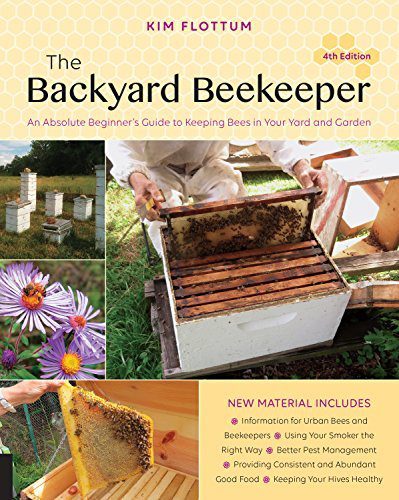
The Backyard Beekeeper, 4th Edition: An Absolute Beginner’s Guide to Keeping Bees in Your Yard and Garden
Ideal for urban and backyard setups, this book offers practical advice and neighbor-friendly guidance.
A book is only useful if it changes what you do at the hive. The best way to read as a beginner is to treat your book like a seasonal field manual: read a section, then do that task within the week.
This is also where many beginners get tripped up. They read cover to cover in winter, then forget the details when spring arrives. Instead, build a simple system.
A practical reading plan that matches your first year
Before you buy bees (late winter):
- Learn hive parts, frame spacing, and basic safety
- Decide on hive type (Langstroth is most supported in North America)
- Make a shopping list and timeline
If you’re assembling equipment, pair your reading with these guides:
- Best Beekeeping Starter Kits for Beginners for a realistic “what you actually need” list
- Best Bee Suits and Protective Gear to avoid common fit and ventilation mistakes
Spring buildup (when colonies expand fast):
- Read swarm prevention and inspection chapters twice
- Learn to spot queen-right signs: eggs, young larvae, consistent brood pattern
Summer (honey flow and heat management):
- Read supering guidance and ventilation tips
- Plan honey handling and extraction logistics early
If you want a smoother harvest season, it helps to study extraction before you have full honey supers:
- Best Honey Extractors for Home Beekeepers for choosing a size that matches your hive count
Fall (the make-or-break season in many regions):
- Read winter prep, feeding, and mite control sections carefully
- Confirm food stores and reduce robbing risk
Visual: “Inspection notes” template you can copy into a notebook
Bring this to every inspection:
- Date and weather (temp, wind, sun)
- Queen status: eggs seen? queen seen? brood pattern quality?
- Food stores: honey band present? pollen coming in?
- Space: are frames crowded with bees? need another box?
- Varroa: test method used and mite count result
- Actions taken: feed, add box, remove queen cells, treat, etc.
Don’t skip the smoker section
Many beginner mistakes come from rushing inspections because bees are defensive. Your smoker technique affects everything: how long you can inspect, how gently you can move frames, and how likely you are to crush bees.
If your book’s smoker chapter feels thin, use a dedicated guide like Best Bee Smokers for Effective Beekeeping and practice lighting it before your first hive day.
Actionable takeaway: Your book should push you toward measuring Varroa, not guessing. “Looks healthy” is not a mite count.
Common myths beginner beekeeping books should correct (and how to spot outdated advice)
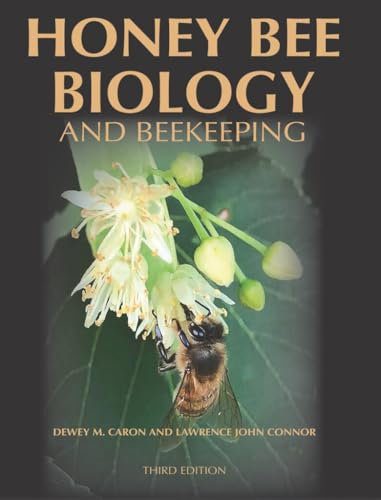
Honey Bee Biology And Beekeeping 3rd Edition
This deeper reference book is great for serious learners wanting to understand the ‘why’ behind beekeeping practices.
Some beekeeping advice gets repeated because it sounds comforting, not because it works. A good beginner book protects you from these traps.
Myth 1: “Bees take care of themselves”
Reality: Managed colonies often need active help against Varroa and seasonal shortages. Neglect can lead to colony death and spread mites to nearby hives.
A strong book will:
- Recommend inspection intervals during active season
- Explain what you’re checking for, not just “inspect often”
Myth 2: “If I keep honey bees, I’m saving the bees”
Reality: Honey bees are livestock. They are important pollinators, but keeping them does not automatically conserve wild bees. Research has discussed potential competition where forage is limited, including findings summarized in Environmental Entomology.
A responsible beginner book will:
- Encourage planting diverse flowers and reducing pesticide use
- Mention native pollinators and habitat support
Myth 3: “Treatment-free means hands-off”
Reality: Treatment-free programs that last typically involve careful monitoring, selective breeding, and acceptance of higher losses. For most beginners, skipping mite monitoring often ends badly.
Look for books that:
- Teach alcohol wash or sugar roll testing
- Discuss thresholds and timing
- Present multiple control options, including IPM
For up-to-date, practical guidance, compare your book’s advice with the Honey Bee Health Coalition’s Varroa management tools.
Myth 4: “Any old classic book is fine”
Reality: The Varroa era changed beekeeping. Older books can be excellent for behavior and history, but dangerous if they downplay mites or recommend outdated treatments.
Visual: “Outdated advice” red flags list
Be cautious if a book:
- Barely mentions Varroa or treats it as optional
- Suggests unapproved chemicals or home remedies as primary control
- Promises easy profits from honey at one or two hives
- Ignores regional differences in nectar flows and wintering needs
Actionable takeaway: When in doubt, cross-check health and treatment guidance with your local extension service and current IPM resources.

Conclusion: Build your beekeeping library like you build a hive – with a solid foundation
The best beekeeping books do two things well: they show you what to do next, and they explain what’s happening inside the colony so you can adapt. Start with one beginner-friendly handbook, add one deeper reference, and make sure both reflect modern Varroa reality.
Next step: choose your first book, then match it to your equipment plan. If you’re still building your setup, use Best Beekeeping Starter Kits for Beginners and Best Bee Suits and Protective Gear to avoid buying the wrong items twice. Once your first honey flow arrives, Best Honey Extractors for Home Beekeepers can help you choose a practical extractor for your hive count.
As an Amazon Associate, I earn from qualifying purchases. Product recommendations are based on real reviews and independent research.