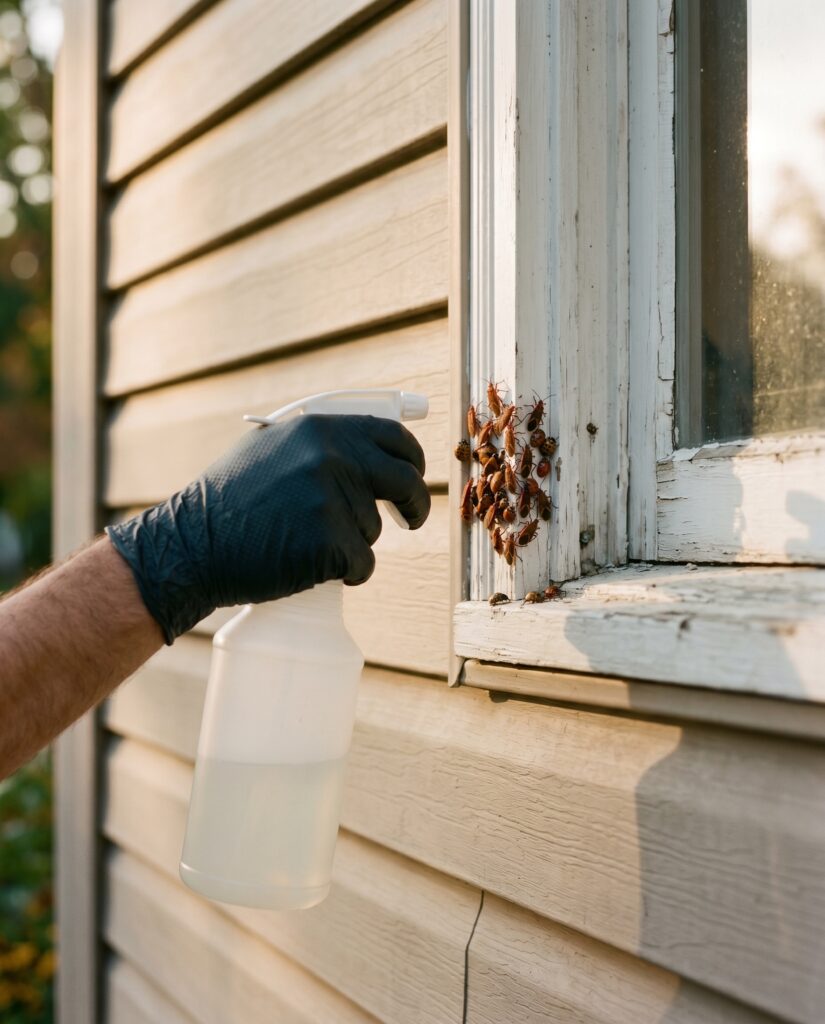
Finding your bees ignoring a patty or draining syrup overnight usually means one thing: timing and delivery are off. The best bee feeders and pollen supplements are the ones your colony can find quickly, consume safely, and use during real forage gaps, not just because the calendar says “feed.” This guide breaks down feeder types, when protein actually helps, how to avoid robbing and spoilage, and what to look for in a quality supplement so your hive builds brood without creating pest problems.
Quick Answer: What are the best bee feeders for protein and pollen supplements?
The best bee feeders for pollen supplements depend on your weather, colony strength, and whether you’re feeding patties or dry mix.
Most reliable options (fast decision guide):
- Pollen patties placed above the brood nest (under the inner cover) for spring buildup and new packages
- Dry protein feeders inside a covered box (kept very dry) for mild, low-humidity conditions
- Avoid open feeding unless you have a controlled yard and can manage robbing pressure
- Pair protein with the right syrup feeder when colonies need both carbs and brood stimulus
Feeder choice cheat sheet
| Your situation | Best feeder approach | Why it works |
|---|---|---|
| Late winter to early spring buildup | Patty directly over brood area | Warmth and easy access drive consumption |
| Installing packages or small nucs | Small patty portions + internal syrup feeder | Supports comb building and brood rearing |
| Rainy/humid climate | Patties in-hive, minimal exposure | Dry feed clumps and spoils quickly |
| Summer dearth with robbing risk | In-hive feeding only | External feeders can trigger fighting |
| You want to test acceptance | Small dry feeder with a syrup “starter” | Helps bees discover the protein source |
Bee nutrition basics: what feeders can (and can’t) fix
It’s tempting to think a feeder is a “strength switch” for a colony. In reality, feeders are more like a delivery system for a very specific goal: covering short-term nutrition gaps when natural forage falls behind colony demand.
Honey bees rely on pollen as their primary source of protein, along with lipids, vitamins, minerals, and sterols that support nurse bee glands and larval growth. Research-based beekeeping guidance from Scientific Beekeeping emphasizes that pollen and beebread are central to colony nutrition, especially during brood rearing. That’s why protein shortages often show up as spotty brood patterns, slow spring expansion, or colonies that “stall” even when nectar is coming in.
Natural pollen vs. pollen supplements
Natural pollen is usually the better food when it’s available. Many beekeeping educators stress that supplements are a management tool for pollen dearths, not a replacement for diverse forage. Guidance from the Honey Bee Suite and practical feeding notes from the Foxhound Bee Company both make the same point: supplements can help when bees cannot bring in enough pollen, but they rarely outperform good natural pollen intake.
When feeding protein actually makes sense
Think in terms of “need windows,” not routines. Protein feeding tends to be most useful when:
- Late winter or early spring: colonies ramp up brood before reliable blooms arrive
- After installing packages or nucs: small populations need help building brood and comb
- During a known pollen dearth: drought, extended rain, or midsummer forage gaps
- When you’re making splits: you’ve intentionally reduced foragers and stored resources
Actionable takeaway: Before adding protein, open the hive and look for stored pollen bands in brood frames. If pollen is coming in heavy (bright pellets on returning foragers) and frames show decent stores, your feeder may be solving a problem you don’t have.
A quick “balanced diet” reminder
Protein is only one part of the equation. Colonies also need:
- Carbohydrates (nectar or syrup) for energy and wax production
- Water for brood food and temperature control
- A steady brood nest temperature for larvae development
If you’re gearing up for your first season, pairing this article with Best Beekeeping Starter Kits for Beginners can help you plan feeding and inspections with the right basic tools.
Visual: signs your colony may benefit from protein
- Slow brood expansion despite mild weather
- Few or no pollen stores in brood frames
- New package bees drawing comb slowly
- Extended rainy stretch limiting foraging flights
Best bee feeders compared: patties, dry feeders, and open setups
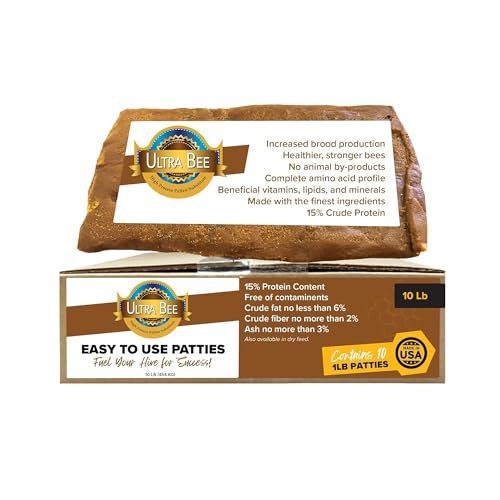
Mann Lake Ultra Bee Pollen Substitute Patties, High Protein Honey Bee Food with Vitamins & Amino Acids for Spring, Fall Brood Boost & Winter Colony Survival, Animal Byproduct Free, Made in USA, 10 Lbs
These pollen patties are ideal for providing protein to bees during periods of low natural forage, making them a perfect supplement for beekeepers.
“Best” depends on one practical question: Can bees access the feed easily without it spoiling or triggering robbing? Below are the common feeder styles used for pollen supplements, plus what typically goes wrong.
1) Patty feeding (in-hive, above the brood)
Pollen patties or protein cakes are the most common approach for hobbyists because they put protein where nurse bees work. You usually place a patty (or a portion of one) on wax paper directly over the top bars above the brood nest.
Why it works
- Bees don’t have to “discover” it outside the hive
- Warmth from the cluster keeps patties workable
- Consumption is easy to monitor during inspections
Common mistakes
- Leaving patties too long in warm, humid conditions
- Feeding too much at once in small colonies
- Placing patties far from the brood area, where bees ignore them
Patty portion guide (practical starting point)
- Small nuc (3 to 5 frames): 100 to 250 g (about a small hand-sized piece)
- Average colony (single deep): 250 to 500 g
- Strong spring colony: up to 500 g, then reassess weekly
If you see small hive beetles or wax moth pressure, go smaller and replace more often. Protein left sitting becomes pest food.
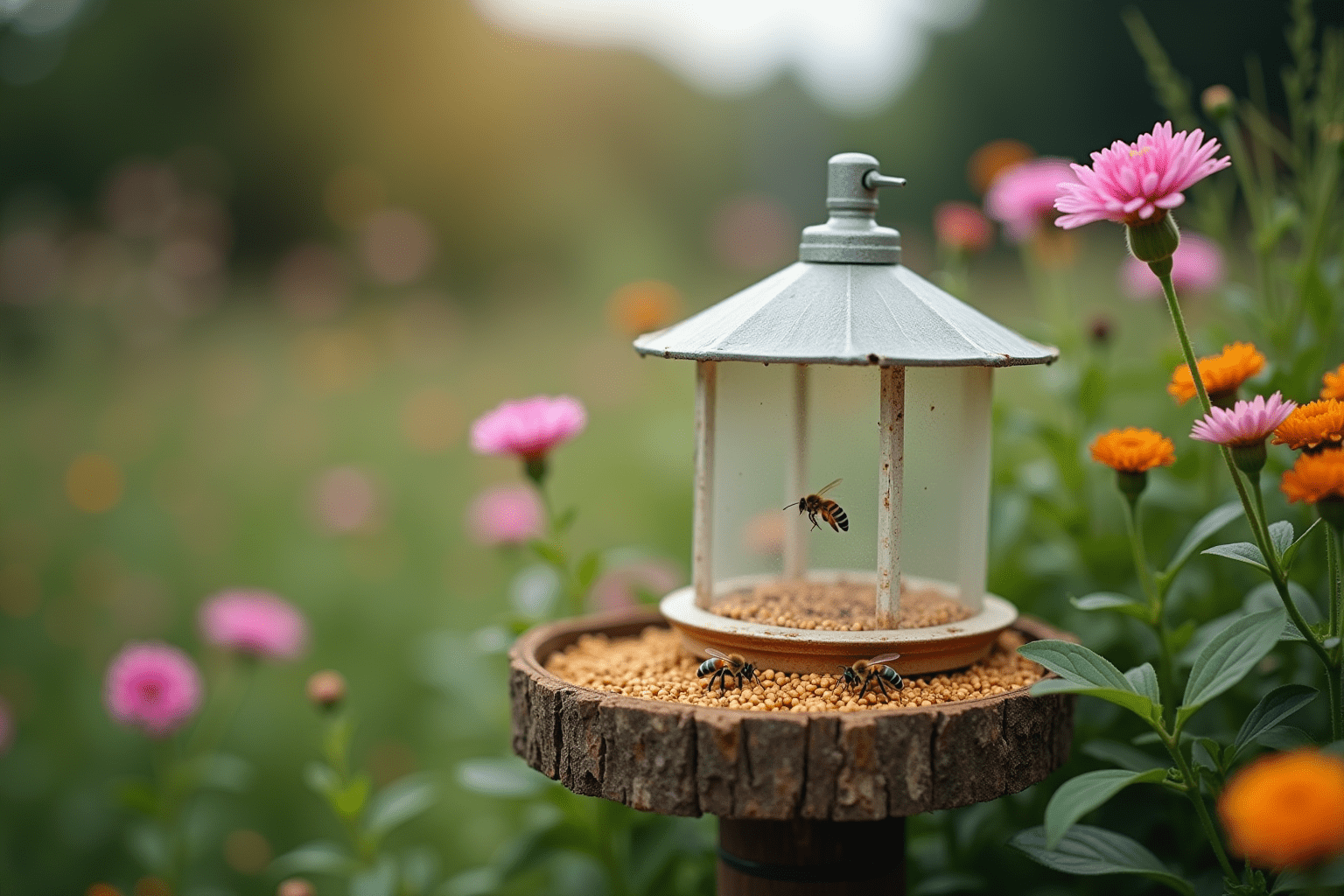
2) Dry protein feeders (covered, weather-protected)
Dry feeders hold powdered pollen substitute or dry mixes. They can work well in dry climates or when you want to offer small amounts without opening the brood nest often.
The catch is acceptance. Bees sometimes ignore dry feed until they learn it’s food. The Honey Bee Suite notes that mixing in a tiny amount of syrup can help bees recognize and start using it.
Dry feeder best practices
- Keep the feed bone dry and protected from condensation
- Offer small amounts, then refill as consumed
- If ignored, add a light syrup mist to “start” interest
- Clean feeder surfaces regularly to prevent mold films
3) Open feeding (generally not recommended for protein)
Open feeding is tempting because it’s easy. It’s also one of the quickest ways to start robbing or spread pathogens between colonies, especially in dense neighborhoods of hives.
When open feeding might be acceptable
- You manage a controlled apiary with low robbing pressure
- You’re testing acceptance briefly (not long-term feeding)
- You can keep feed clean and protected from rain and ants
Better alternative: If you need to feed multiple colonies efficiently, consider in-hive approaches that reduce fighting at the entrance.
4) Syrup feeders (not protein feeders, but often paired)
Protein and carbs work together during buildup. If you’re feeding pollen supplements to stimulate brood rearing, many beekeepers also provide syrup so the colony has energy to keep larvae warm and draw wax.
A feeding guide on seasonal syrup ratios explains that mixes often shift as temperatures drop: thinner syrup earlier, thicker later when evaporation is harder. A practical overview appears in this Feeding Bees Part 1 video transcript.
Quick syrup ratio reminder
- Spring stimulus: 1:1 (by weight) is common
- Fall stores: 2:1 is common when nights cool
Visual: feeder type selection chart
- Want lowest robbing risk? Choose internal feeders.
- Want fastest refill without opening brood? Choose top feeders.
- Feeding in cold snaps? Avoid feeders that chill the cluster or force bees to break cluster.
For safe hive handling during feeding and inspections, Best Bee Smokers for Effective Beekeeping Practices can help you choose a smoker that keeps bees calm without over-smoking the colony.
How to use pollen supplements effectively (without creating pests or waste)
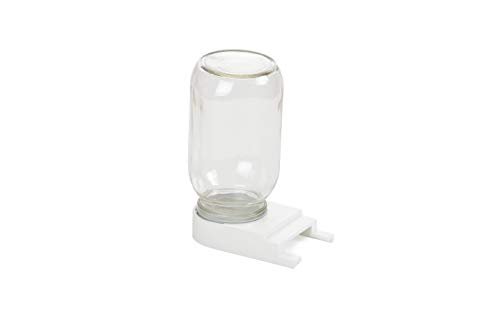
Little Giant® Beehive Entrance Feeder | Glass Jar for Syrup or Sugar Water | Bee Feeder for Beekeeping | Honey Bee Feeder Jar | Made in USA | 1 Quart
This feeder is designed for easy access and safe consumption of syrup by bees, which is essential during times when they need carbohydrates.
Protein feeding works best when it’s targeted, clean, and adjusted to what the colony is already collecting. Many feeding failures happen because the supplement is fine, but the method is off.
Step-by-step: a simple, low-risk protein feeding routine
Use this process when you suspect a real pollen shortage.
-
Inspect for pollen stores
Look for colored pollen bands around brood cells and beebread in the brood area. If frames already show solid stores, hold off. -
Start small
Give a small patty portion or a small amount of dry feed. Bees respond better to “fresh and manageable” than “a lot and old.” -
Place it where bees can use it
For patties, place directly above brood. For dry feed, keep it in a covered feeder bees can access without leaving the hive. -
Recheck in 5 to 7 days
You’re looking for:
- Is it being eaten?
- Is it drying out, molding, or attracting pests?
- Is brood area expanding?
- Remove or replace before it turns
If patties get slimy, hard, or speckled with mold, pull them. Spoiled protein can create more problems than it solves.
Storage and freshness matter more than most people think
Protein sources degrade over time, especially when exposed to warmth and humidity. The Honey Bee Suite points out that pollen is best kept frozen until use because it loses nutritional value relatively quickly.
Practical storage tips
- Keep unopened patties cool and sealed
- Freeze pollen or pollen-heavy mixes until needed
- Only put out what your colony can consume in about a week
Pairing protein with syrup: when it helps
Protein supports brood rearing, but brood rearing increases energy demand. If the colony is light on stores, a bit of syrup can prevent a “protein without fuel” situation.
Good pairing scenarios
- New packages drawing foundation
- Early spring when nights are still cold
- Colonies recovering from a brood break
Avoid pairing when
- Nectar is pouring in and comb is already full
- Robbing is active in the yard and you can’t feed internally
- You’re seeing pests drawn to protein residues
Visual: common feeding mistakes checklist
- Feeding protein during heavy natural pollen flow (often wasted)
- Leaving patties for weeks in warm weather (pest magnet)
- Using open feeders during dearth (robbing trigger)
- Confusing syrup feeding with protein feeding (different needs)
Choosing quality bee feeders and supplements: what to look for before you buy
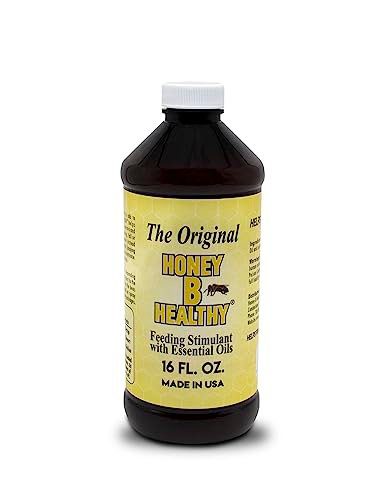
Honey B Healthy Original 16 oz. Bottle, Feeding Stimulant with Essential Oils
This product is a nutritional supplement that can be mixed with sugar syrup to enhance bee health and stimulate feeding, particularly useful during dearth periods.
A feeder can look perfect online and still fail in your yard. The best purchasing decisions come from thinking like a bee: “Can I find it, access it, and use it safely?”
What makes a feeder “good” in real apiaries
Use these criteria when comparing options:
1) Weather protection
Moisture ruins dry supplements quickly and encourages mold on patties. Look for designs that reduce condensation and keep rain out.
2) Robbing resistance
External feeding can turn a calm yard into a fight club in a day. In-hive feeders usually reduce that risk.
3) Easy cleaning
Protein residues build up. A feeder that’s hard to scrub gets “seasoned” with old feed, yeast, and mold films.
4) Fits your colony size
Strong colonies can defend and consume more. Small colonies need smaller portions and tighter feeding space.
5) Monitoring is simple
If you can’t tell whether bees are consuming it, you’ll overfeed or underfeed. Transparent lids, quick access, and removable trays help.
For shoppers comparing product lines, it helps to know that major suppliers stock both feeders and protein feeds. You’ll see many options through retailers like Betterbee beekeeping supplies, Mann Lake feeder and feeding equipment, and Dadant bee feeds and supplements. Treat these as starting points, then decide based on your climate and management style.
What to look for in a pollen supplement label (and what to be skeptical about)
No supplement perfectly replicates diverse pollen. That said, you can still choose better options.
Look for:
- Clear ingredient list and storage instructions
- A texture that stays workable (not rock-hard) in your spring conditions
- Good acceptance reports from beekeepers in similar climates
- Packaging that keeps it fresh until use
Be cautious with:
- Products that claim to “replace all pollen needs”
- Mixes that absorb moisture easily in humid regions
- Very large patty sizes for small colonies (waste and pests)
Guidance from the Foxhound Bee Company reinforces a sensible rule: feed based on colony need and local forage, not habit. In pollen-rich regions, you may not need supplements most of the year.
A better long-term strategy than constant feeding
If you find yourself feeding protein repeatedly, step back and ask why. Often, the real fix is improving forage diversity near the apiary.
If you’re also supporting native pollinators at home, Best Bee Houses and Mason Bee Kits for Your Garden can help you add habitat without relying on hive feeding at all.
Visual: buyer’s scorecard (rate each 1 to 5)
- Stays dry in my climate
- Easy to clean
- Low robbing risk
- Easy for bees to access
- Easy for me to monitor
- Works with my hive equipment (inner cover, top cover, etc.)
FAQ: bee feeders, pollen supplements, and common “why isn’t it working?” questions
Are pollen supplements as good as natural pollen?
Usually not. Natural pollen tends to provide a broader and more appropriate nutrient profile. Research-based commentary from Scientific Beekeeping and practical guidance from the Honey Bee Suite both emphasize that supplements are best used during shortages, not as a full replacement.
If bees ignore a supplement, does that mean they don’t need it?
Not always. Bees may ignore it because they can’t find the feeder, the texture is wrong, the feed got damp, or natural pollen is abundant. Try smaller amounts, better placement, or a tiny syrup “starter” for dry feed.
Can I feed sugar syrup instead of protein?
No. Syrup provides carbohydrates, not the proteins and lipids needed for brood food. Use syrup to support energy needs and comb building, and protein supplements when pollen is scarce and brood rearing needs support.
What’s the safest feeder style to reduce robbing?
In-hive feeders are generally safer than open feeders, especially during dearth periods. Entrance reducers and minimizing spills also help.
When should I stop feeding pollen patties?
Stop when natural pollen flow is strong and frames show healthy pollen stores, or when patties begin attracting pests. In many regions, that means tapering off as spring blooms become reliable.
Do I need special protective gear to feed colonies?
You don’t need special gear, but you do need safe gear. Feeding often means more frequent hive openings, which can raise defensiveness. If you’re upgrading equipment, see Best Bee Suits and Protective Gear for Beekeepers for practical options.
Conclusion: the “best” feeder is the one your bees can use safely
The best bee feeders are the ones that match your season, keep feed fresh, and avoid robbing and spoilage. For most backyard beekeepers, that usually means small, fresh pollen patties placed over the brood nest during true pollen gaps, paired with internal syrup feeding when colonies also need energy for brood and comb.
Next step: inspect for pollen stores this week, then choose one feeding method and monitor it for 7 days before changing anything. For more gear planning, revisit Best Beekeeping Starter Kits for Beginners and Best Bee Smokers for Effective Beekeeping Practices to make feeding and inspections smoother all season.
As an Amazon Associate, I earn from qualifying purchases. Product recommendations are based on real reviews and independent research.