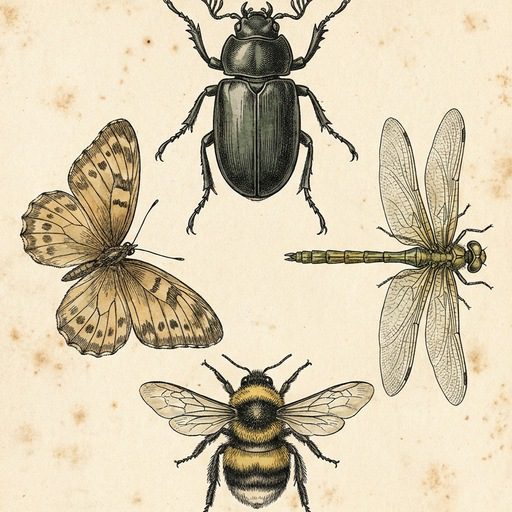
The best fly paper is the one that matches your space and fly pressure: classic hanging strips for a few indoor flies, window panels for kitchens and offices, and giant rolls or sheets for barns and heavy infestations. Sticky traps work because flies constantly land to rest, warm up, and “check” surfaces near light, food, and entry points. Used correctly, they cut down adult flies and show you where the problem is coming from – but they work best alongside sanitation and exclusion.
Bottom line: Use fly paper as a targeted monitor and adult catch tool, not as the whole fly-control plan.
- Use window panels or strips for light indoor pressure.
- Use sticky rolls or sheets for barns, garages, and heavy traffic zones.
- If catches stay high, find the breeding source instead of adding more paper.
If you want the wider context, Types of Flies: Identification Guide is the natural next read.
Quick answer
If you want the best fly paper for your situation, use this fast pick list:
- Best for a few flies indoors: Hanging fly paper strips in a corner near windows or trash (out of reach of kids and pets).
- Best for kitchens and apartments: Window sticky panels placed on sunny windows where flies gather.
- Best for barns and high fly loads: Giant sticky rolls or sheets placed low (about 1-4 ft) in fly traffic zones.
- Best “set and forget” option: Plug-in light traps that use replaceable glue boards (great for ongoing monitoring).
- Best for patios with lots of flies: Sticky traps only under shelter; otherwise combine with outdoor bait traps.
Rule of thumb: If you are catching flies but still seeing lots of new ones daily, you likely have a nearby breeding site (trash, drains, manure, wet organic material) that needs attention.
Why fly paper works
Flies are not just annoying. House flies (Musca domestica) regularly move between waste and human spaces, and research has documented their ability to mechanically carry many disease-causing organisms on their bodies and in their gut. Public-health overviews such as the World Health Organization guidance on fly-borne disease risks and reviews like the Clinical Microbiology Reviews article on house flies and pathogens describe how germs can hitchhike on legs, mouthparts, vomit spots, and feces.
So why does something as simple as sticky paper still earn a place in modern pest management?
The “landing habit” is your advantage
Adult flies spend much of their time doing three things: flying short routes, feeding, and resting. Fly paper takes advantage of that resting behavior. Place a sticky surface in the right corridor – near light, warmth, odors, or entry points – and flies will eventually land.
Actionable takeaway: Put traps where flies already pause, not where you wish they would go.
Sticky traps also function as monitors
Entomologists often treat sticky traps as a measuring tool first and a control tool second. When you count what you catch, you learn:
- Which rooms are most active
- Whether numbers are rising or falling week to week
- Whether your sanitation changes are working
This approach matches the broader Integrated Pest Management (IPM) idea promoted by agriculture and public-health organizations, including guidance summarized in FAO integrated pest management resources and similar extension-based recommendations.
A simple “effectiveness checklist”
Before buying anything, check these three factors. They explain most “fly paper failed” stories.
- Shelter: Indoors and protected areas work best. Wind, dust, and sun reduce stickiness.
- Competing attractants: Open trash, ripe fruit, spilled pet food, or manure will outcompete any passive trap.
- Glue condition: Once dusty or packed with insects, it stops catching.
Visual: What fly paper can and cannot do
- Can do: Reduce adult flies in a room, reveal hotspots, support low-chemical control.
- Cannot do: Stop new flies from emerging out of a breeding site you have not removed.
For broader tool comparisons, pair this guide with our roundup of Best Fly Traps for Indoor and Outdoor Use, especially if you are deciding between sticky options, UV traps, and baited traps.
Types of sticky traps
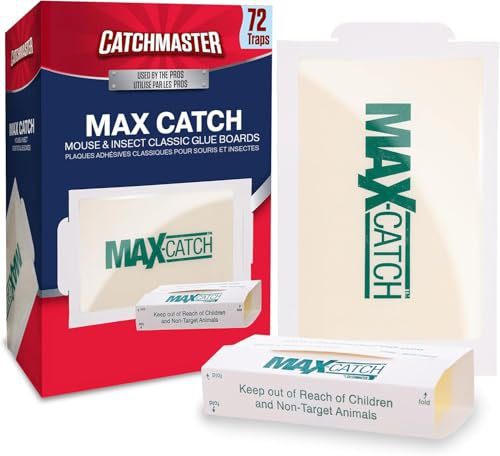
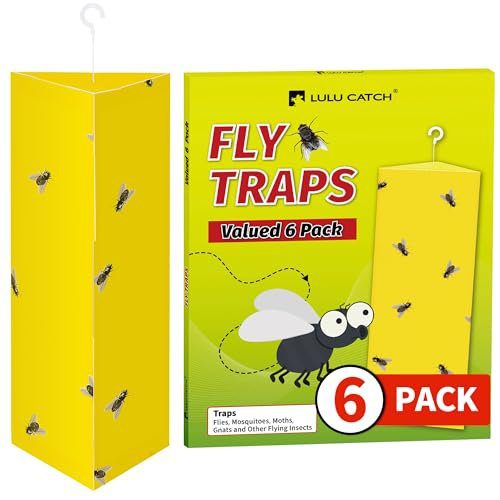
This product is ideal for indoor use, as it effectively captures flies and other pests, making it suitable for kitchens and apartments as mentioned in the article.
- Very strong, long-lasting adhesive that effectively catches mice and a wide range of crawling insects
- Pesticide‑free, low‑odor design that is considered safe around people and pets when used as directed
- Versatile glue boards that can be used flat or folded into tunnels, making placement easy in different areas
- Some users feel the glue is too strong, making disposal or freeing non‑target animals stressful or difficult
- Can collect dust and debris over time, which reduces stickiness and may require more frequent replacement in dusty areas
Walk down the pest-control aisle and it all looks similar – until you use it. Sticky traps differ in surface area, placement style, and how “visible” they are in a living space. Here are the main types and when they make sense.
1) Hanging fly paper strips
These are the classic rolled strips you pull from a tube and hang from the ceiling.
Best for
- A handful of house flies in kitchens, mudrooms, garages, and basements
- Budget-friendly, quick knockdown of adult flies
Pros
- Cheap and widely available
- No electricity
- Odorless or low odor (many are passive)
Cons
- Visually obvious
- Easy to place badly (where hair, hats, or pets brush against it)
- Limited surface area per strip
How to use (step-by-step)
- Choose a spot 3-6 ft from food prep surfaces (never over counters).
- Hang near a window, trash can zone, or doorway corridor.
- Keep it still – constant swinging lowers landings.
- Replace when dusty or crowded with insects.
2) Giant rolls and sheets
These are wide sticky rolls designed for high-pressure areas like barns, stables, and outbuildings.
Best for
- Livestock facilities, poultry areas, feed rooms
- Heavy fly seasons in warm months
Pros
- Huge surface area and strong value over time
- Can be cut to length
- Works well when placed low where flies rest
Cons
- Can catch dust and debris fast
- Higher risk to non-target animals if placed carelessly
- Not aesthetically suited for most homes
Placement “card” for barns
- Height: Often best around 1-4 ft off the ground in fly lanes
- Where: Near manure handling areas, feed storage, entry points
- Watch out: Keep away from tails, feathers, and curious barn cats
3) Window sticky panels
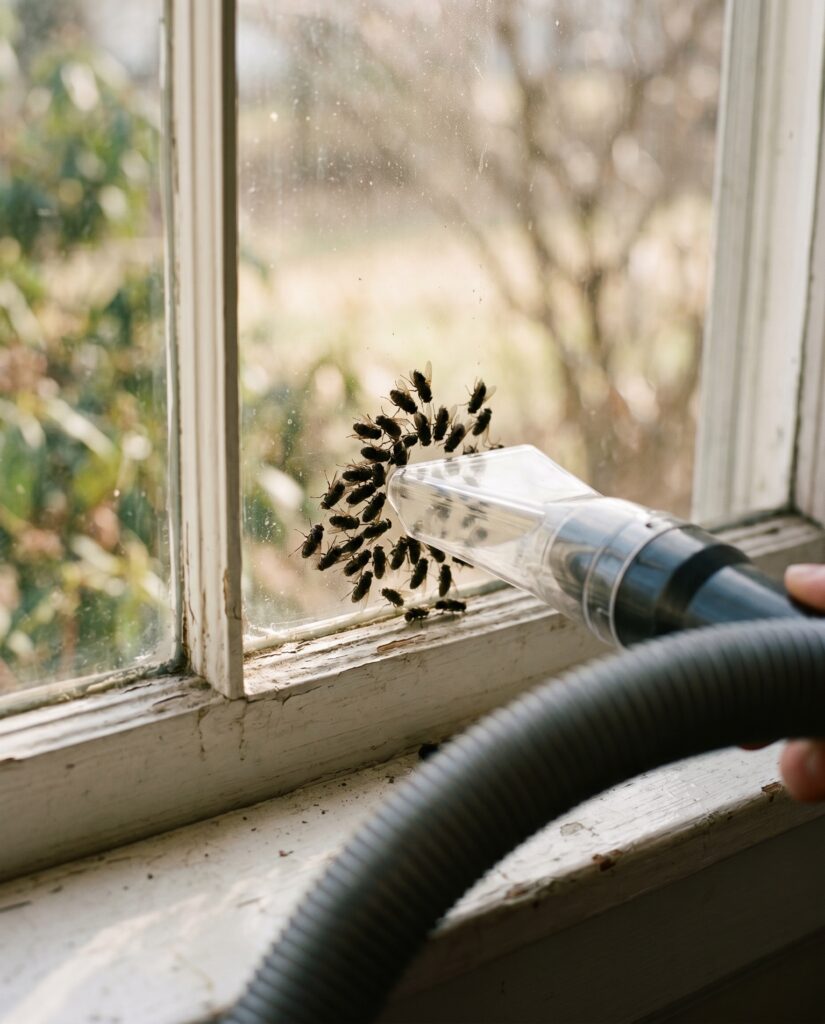
These stick directly to windows or hang near them. They work because flies naturally move toward light.
Best for
- Apartments, kitchens, sunrooms, offices
- People who hate the look of dangling strips
Pros
- Discreet from a distance
- Uses natural light attraction
- Great for monitoring where flies are entering
Cons
- Can lose stickiness in dusty windowsills
- Needs replacement as it fills up
Quick tactic: If a window panel loads up fast, that window is likely an entry point. Inspect screens, gaps, and weather stripping.
4) Plug-in light traps with glue boards
These are compact devices that attract insects with light and capture them on a replaceable sticky pad.
Best for
- Continuous indoor control with minimal mess
- Mixed small flying insects (flies plus gnats)
Pros
- “Set and forget” monitoring
- Contained glue pad (safer around pets than open strips)
- Often more acceptable in living spaces
Cons
- Higher upfront cost
- Ongoing refill costs
- Needs an outlet and decent placement
Visual: Which type fits your space? (2-column chooser)
- If you see flies mostly at windows: Window panels or plug-in light trap
- If flies cluster near trash and doors: Hanging strips near corridors
- If you manage animals or manure: Giant roll or sheet traps
How to choose the best fly paper
These sticky traps are perfect for outdoor use, particularly under shelters or patios, aligning with the article’s recommendations for outdoor fly control.
- Non-toxic and odorless, making it appealing for use around children and pets
- Easy to use as a simple sticky trap for indoor flying insects
- Effectively catches common pests like flies, gnats, moths, and mosquitoes
- Can be messy or unpleasant to handle when full of insects
- Sticky traps may be visible and not very attractive in living spaces
Choosing the right sticky trap is less about brand names and more about matching the trap to fly behavior, the setting, and your tolerance for maintenance. Think of it like choosing the right fishing lure – the “best” option changes with the water, the fish, and the conditions.
Start with location: indoors vs. sheltered vs. outdoors
Sticky traps shine indoors and under cover.
-
Indoors
- Prioritize odorless traps and discreet options.
- Focus on entry points (windows, doors) and food-adjacent zones (trash, recycling).
- Avoid placing traps over food surfaces or where they can drip or swing.
-
Sheltered outdoor areas (porches, eaves, carports)
- Sticky strips can work if protected from wind and dust.
- Expect shorter glue life and more frequent replacement.
-
Open outdoors
- Sticky traps often underperform due to dust and airflow.
- For patios and BBQ zones, you will usually do better with purpose-built outdoor traps. See our guide to the Best Outdoor Fly Traps for Patios and BBQs.
Actionable takeaway: If your problem is truly outdoors, do not rely on fly paper alone.
Match the trap to the insect
Not all “flies” behave the same.
- House flies and blow flies: Fly paper and sticky panels can work very well in the right placement.
- Fruit flies: Sticky cards can catch some adults, but you must address breeding sources (fermenting residue, trash, drains). Use a dedicated plan from our Best Fruit Fly Traps: Effective Kitchen Solutions.
- Fungus gnats: Yellow sticky cards near houseplants help, but soil moisture management matters.
- Biting flies (stable flies, horse flies): Sticky traps can catch some, but these species often require specialized outdoor strategies and animal protection.
Consider safety and “household friction”
The best trap is the one you will actually keep up.
Use this quick decision list:
- Kids or pets in the home: Favor plug-in glue-board traps or high, protected placements.
- Aesthetics matter: Window panels and plug-ins are usually the least noticeable.
- High fly pressure (barns, garbage rooms): Choose large surface area and low cost per foot.
A simple buying checklist (save this)
Before you buy, confirm:
- Surface area: More area matters when fly numbers are high.
- Glue performance: Look for non-drying adhesive claims and good temperature tolerance.
- Placement flexibility: Can you hang it, stick it, or mount it safely?
- Refill availability: Especially for plug-in systems.
For readers comparing sticky traps with other quick-kill tools, our roundup of Best Electric Fly Swatters: Top Rechargeable Options can be a helpful complement for the occasional “one fly in the room” moment.
Placement that catches more flies
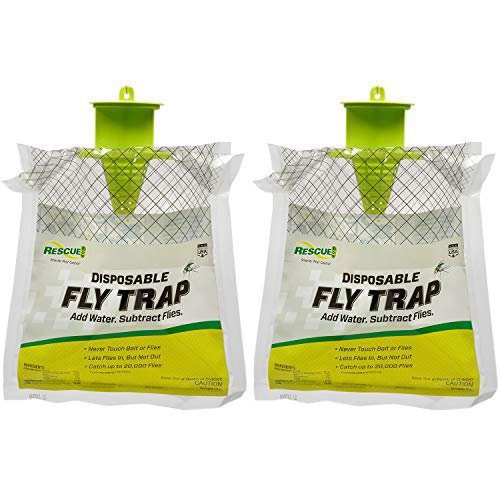
This product is designed for high fly loads, making it suitable for barns and areas with heavy infestations, as discussed in the article.
- Very effective at dramatically reducing outdoor fly populations around yards, animals, trash areas, and patios
- Easy to set up and use – just cut the top, add water to the fill line, and hang near fly sources
- Extremely high capacity and long-lasting, often filling with large numbers of flies before needing replacement
- Produces a strong, foul odor as it fills with flies, so it must be placed well away from living areas
- Can be messy or unpleasant to dispose of once full, and may leak if not handled or bagged carefully
Most fly paper “fails” because it is hung in the wrong spot. Flies follow predictable routes, and they rest in predictable places. If you place sticky traps like a random decoration, you will catch a random number of flies.
Find fly traffic zones
Do a 60-second scan of the room. Where do flies keep appearing?
Common hotspots:
- Bright windows and sliding doors
- Trash, recycling, compost caddies
- Pet food areas and litter boxes
- Entryways from garages or patios
- In barns: feed bunks, waterers, manure edges, tack/feed rooms
Actionable takeaway: Put the trap in the fly’s commute, not in the center of the room.
Use the right height and orientation
House flies often rest and move at human waist to knee height indoors, and low placement can be surprisingly effective in barns.
Try this placement ladder:
- Window panels: Directly on the glass where flies cluster
- Hanging strips indoors: 4-6 ft high in corners near fly routes
- Barn rolls/sheets: 1-4 ft high along walls, posts, or laid flat on protected surfaces where flies land
Visual: 5-step placement test
- Place one trap near a window and one near trash or a door.
- Wait 24 hours.
- Compare catches.
- Move the lower-performing trap to a new hotspot.
- Repeat until one location consistently “wins.”
Avoid common placement mistakes
These errors reduce catches and create mess.
- Hanging strips directly over food prep areas (bad hygiene and risky if it falls)
- Placing traps where they swing or hit walls
- Putting traps next to strong competing attractants (open trash, uncovered pet food)
- Leaving traps up long after they are dusty or full
When to replace fly paper
Replace when:
- The surface is visibly dusty
- The glue looks dry, skinned over, or runny from heat
- The trap is crowded with insects (no sticky space left)
Practical schedule: In heavy summer pressure, replacement may be every few days in barns. In a typical kitchen, it may be weekly or as-needed.
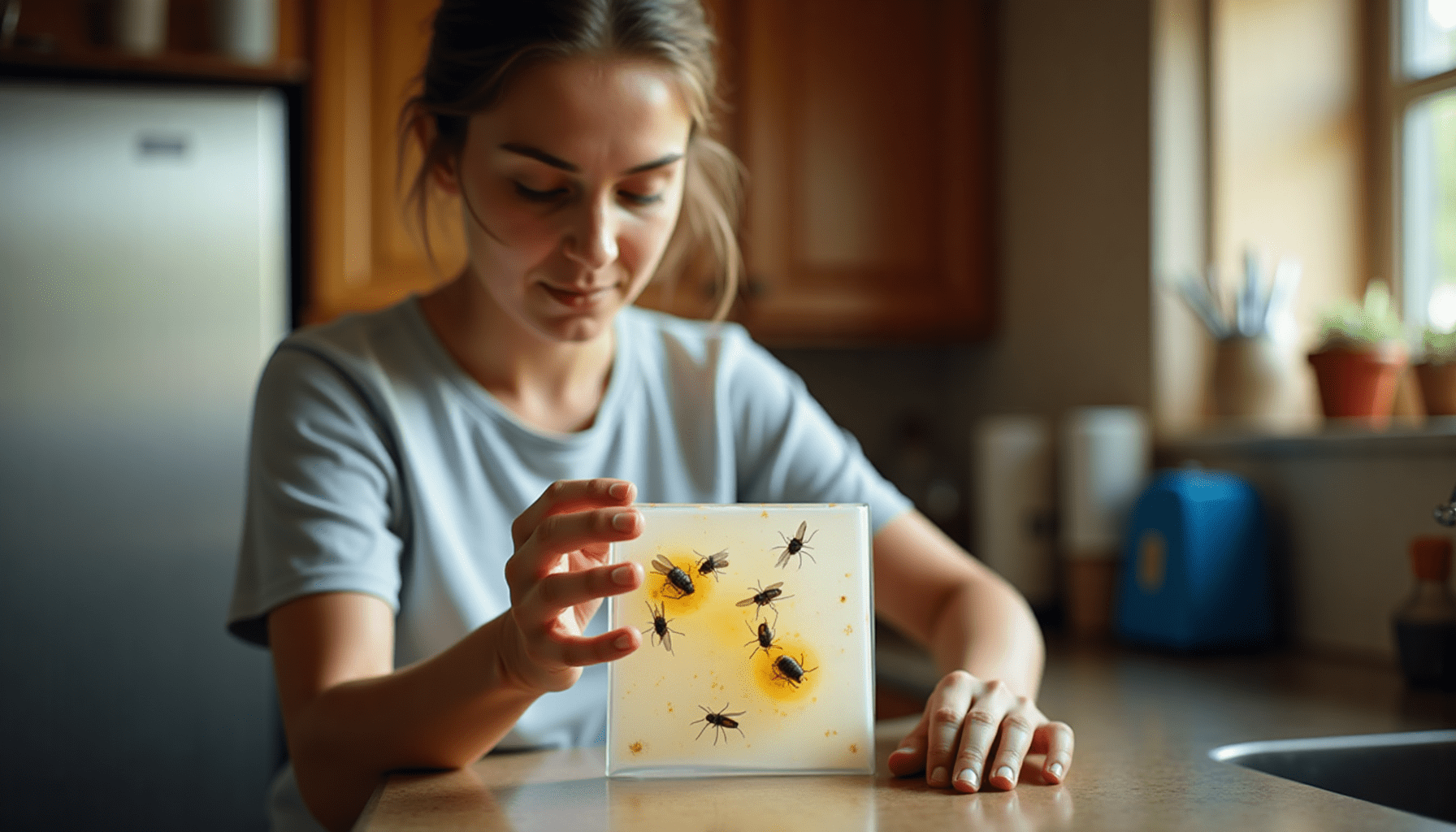
Fly paper in a full fly-control plan
Sticky traps are one tool. If you want lasting results, you need to remove the “fly factory” that keeps producing new adults. Under warm conditions, house flies can develop quickly from egg to adult, which is why a small sanitation issue can turn into a repeating problem. Reviews like the Clinical Microbiology Reviews overview of house fly biology and pathogens describe how readily flies exploit decaying organic material.
Use IPM order of operations
A simple hierarchy works in homes, restaurants, and barns:
-
Sanitation
- Bag and remove trash frequently.
- Rinse recyclables.
- Clean up spilled pet food.
- Scrub sticky residues where flies feed.
- In barns: manage manure and wet bedding on a schedule.
-
Exclusion
- Repair window and door screens.
- Add door sweeps.
- Reduce “door-open time” in fly season.
- Use fans near doors – flies struggle in strong airflow.
-
Trapping and monitoring
- Use fly paper and window panels to reduce adults and identify entry points.
- Consider UV glue-board traps for continuous indoor monitoring.
-
Targeted chemical control (if needed)
- Reserve sprays for situations where sanitation and trapping are not enough.
- Follow labels and keep treatments away from food areas.
- In sensitive settings, consult a professional.
Food safety guidance commonly discourages electric grid “zappers” over food prep because of the risk of scattering insect fragments. For a practical overview, review recommendations aligned with the FDA Food Code and choose glue-board style light traps in kitchens instead.
Safety and non-target concerns
Sticky traps are generally low-volatility and do not fog a room with insecticide, but they are not impact-free.
Use these safety rules:
- Hang or mount out of reach of children and pets.
- Avoid outdoor placement near flowers where pollinators visit.
- In barns, place traps where birds, bats, and barn cats cannot blunder into them.
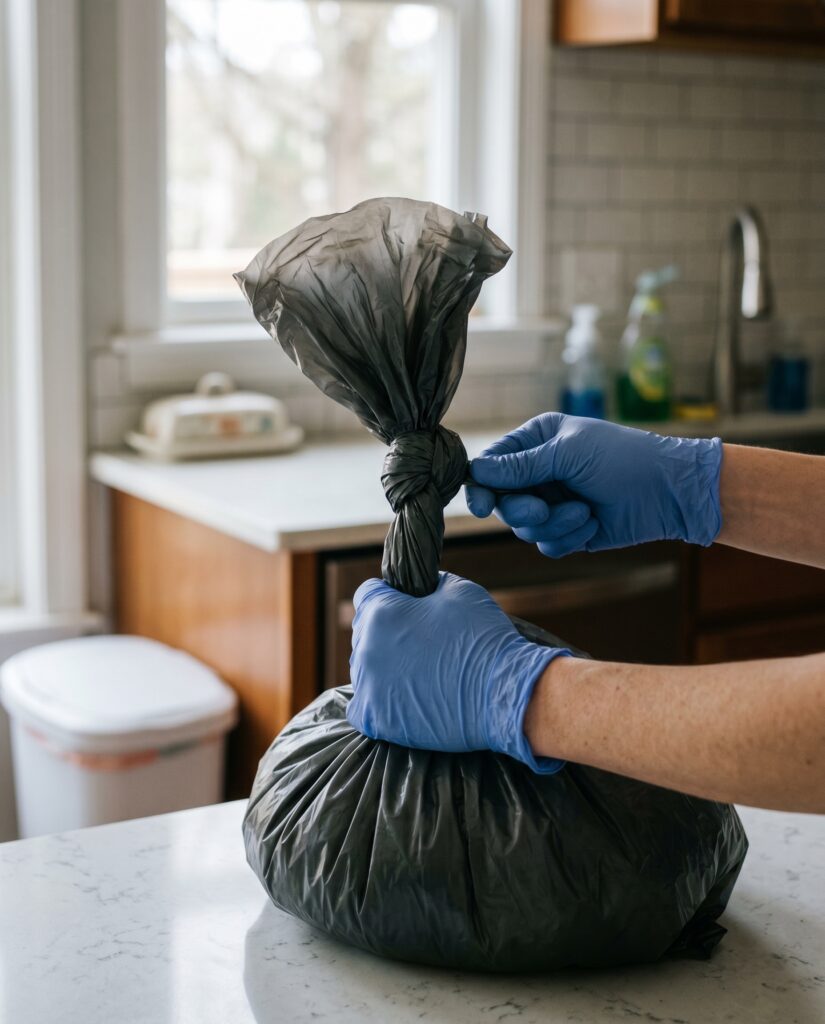
- Wrap used traps before disposal to prevent accidental contact.
When to call a pro
Consider professional pest control if:
- Flies persist despite 1-2 weeks of sanitation plus trapping
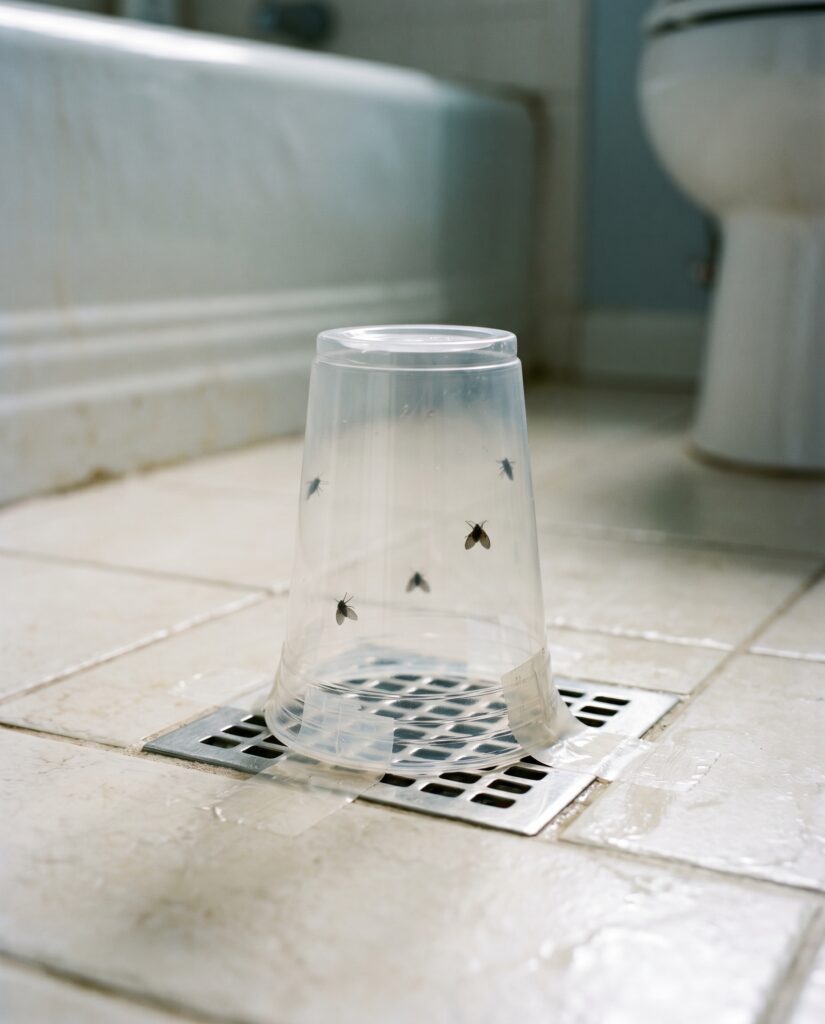
- You suspect a hidden breeding site (wall void, crawlspace, dead rodent, floor drain issue)
- You run a food business with compliance requirements
Visual: “Is it a breeding problem?” checklist
- You see many small maggots – yes
- Flies reappear every morning – likely yes
- Traps fill fast near one drain or trash area – likely yes
- You only see a few random flies – maybe not
Conclusion
The best fly paper is the one you can place safely in a proven fly pathway and replace before it gets dusty or overloaded. Hanging strips, window panels, and giant rolls each excel in different settings, and all of them work better when you remove breeding sites and block entry points. Start by placing two traps in different hotspots, track what you catch for 24 hours, then adjust based on results.
If you want to compare sticky options with other tools, continue with our guide to Best Fly Traps for Indoor and Outdoor Use and, for patio season, the Best Outdoor Fly Traps for Patios and BBQs.
As an Amazon Associate, I earn from qualifying purchases. Product recommendations are based on real reviews and independent research.