Head lice infestations are a common, frustrating reality for millions of families, particularly those with school-aged children. Finding the right solution can feel overwhelming, but effective treatment is well within reach. This guide will help you navigate the options, from over-the-counter shampoos to specialized combs, ensuring you choose the best lice treatment kits to tackle an infestation quickly and thoroughly. We'll cover what truly works, how to use treatments effectively, and essential prevention tips to restore peace of mind.
Bottom line: The best lice treatment kits combine an effective active ingredient with a high-quality nit comb and clear instructions.
- For first-time infestations: Start with OTC permethrin or pyrethrin-based kits, ensuring a second application 7-10 days later.
- For suspected resistance or young children: Consider non-pesticide dimethicone-based kits or consult a doctor for prescription options like spinosad or ivermectin, which often require only one application.
- Crucial for all treatments: Meticulous wet combing with a sturdy metal nit comb is essential to remove nits and ensure success.
Lice basics
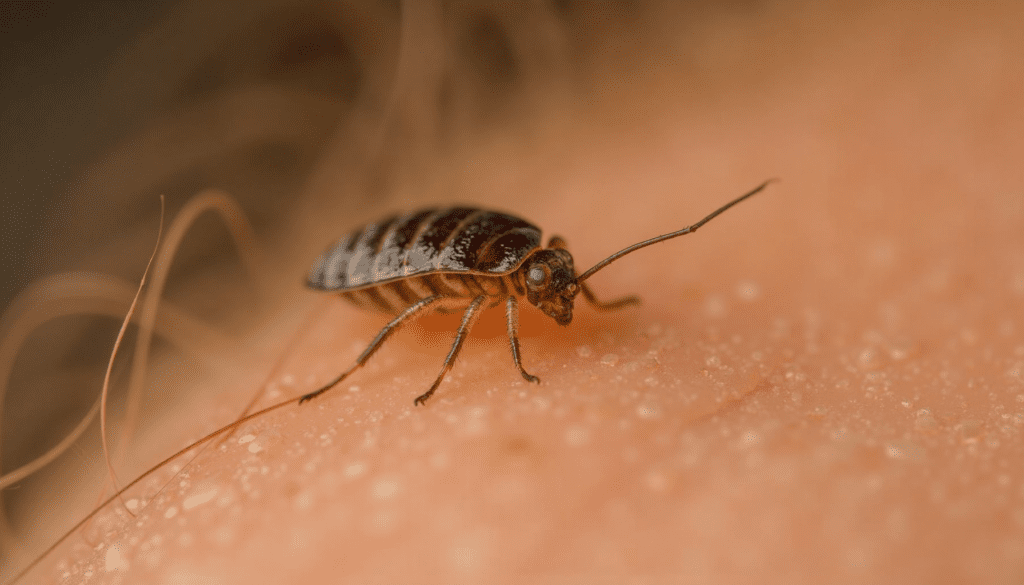
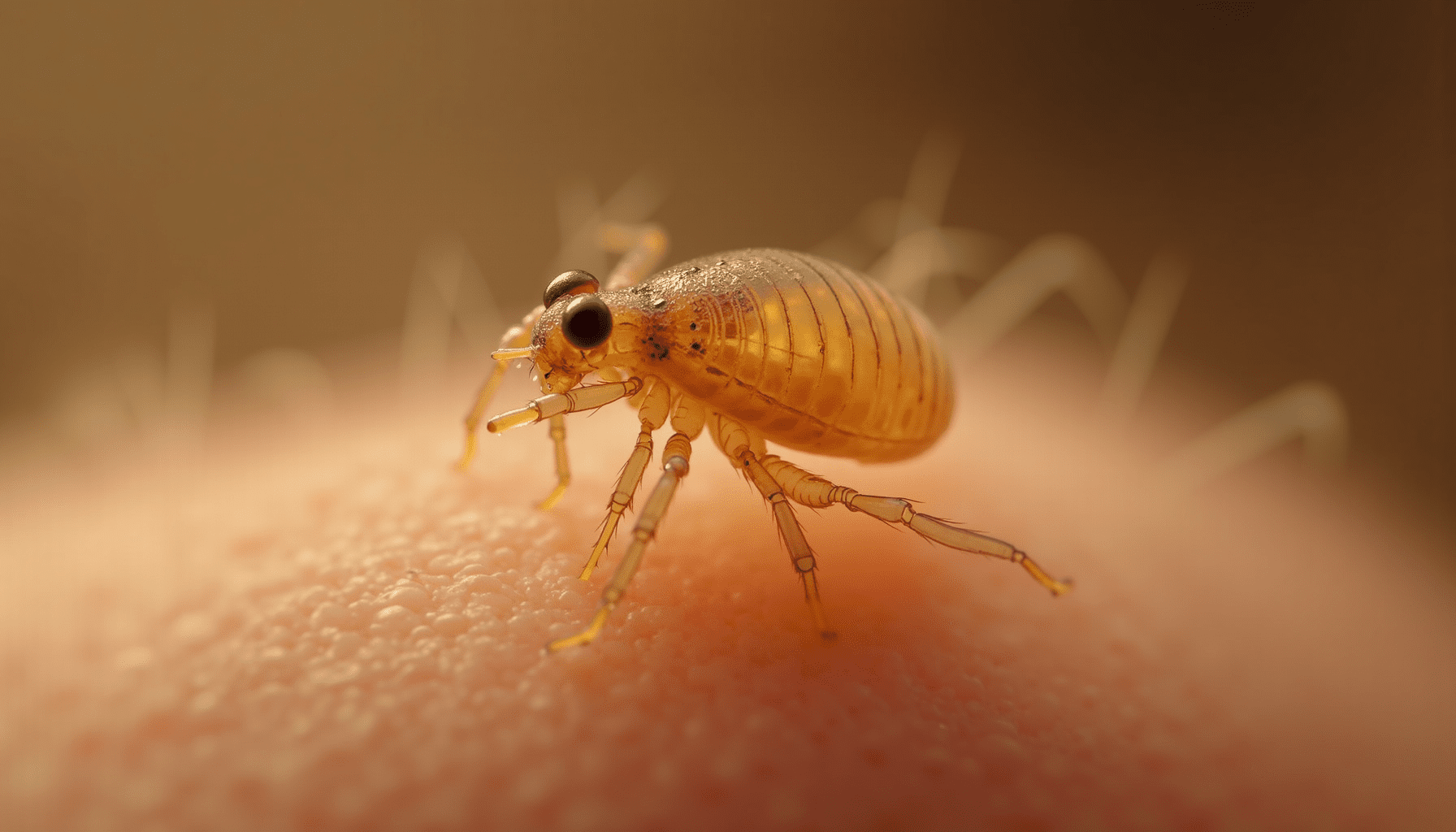
Head lice (scientific name: Pediculus humanus capitis) are tiny, wingless insects that live on the human scalp and feed on blood. They are a common nuisance, affecting an estimated 6–12 million children aged 3–11 in the U.S. annually, predominantly in preschool and elementary school settings, according to the Centers for Disease Control and Prevention (CDC). While they cause itching and discomfort, head lice are not known to transmit diseases, making them a public health annoyance rather than a serious health threat, as noted by Johns Hopkins Medicine.
Understanding the life cycle of head lice is crucial for effective treatment. A female louse lays about 6-10 tiny, oval eggs, called nits, per day. These nits are firmly glued to the base of hair shafts, typically within a quarter-inch of the scalp. After 8-9 days, the nits hatch into nymphs, which are immature lice. These nymphs mature into adult lice in another 9-12 days. Adult lice can live for about 30 days on a human scalp but die within 1-2 days if they fall off their host. This life cycle explains why many treatments require a second application 7-10 days after the first—to kill any newly hatched nymphs before they can lay more eggs.
Where why a nit is not a diagnosis is the actual question, our guide to bugs that look like lice answers it.
Head lice spread primarily through direct head-to-head contact. This often occurs during play, sports, or sleepovers where children's heads touch. Sharing personal items like combs, brushes, hats, or hair accessories can also transmit lice, though this is less common than direct contact. It's important to note that lice do not jump or fly; they only crawl. They are also species-specific, meaning human head lice cannot live on pets, nor can pets transmit lice to humans. Importantly, lice infest clean and dirty hair equally, so poor hygiene is not a factor in their spread.
Choose a kit
Selecting the right lice treatment kit depends on several factors, including the age of the infested individual, previous treatment history, and personal preferences regarding chemical vs. non-chemical options. Many kits are available, each with different active ingredients and components designed to tackle the problem.
Over-the-Counter (OTC) Chemical Kits
These are the most commonly used first-line treatments and typically contain an insecticide-based shampoo or lotion.
- Permethrin 1% lotion (e.g., Nix): This synthetic pyrethroid is neurotoxic to lice. It's a common first choice in the U.S. Many permethrin products do not reliably kill nits, so a second treatment 7-10 days later is standard practice to eliminate newly hatched nymphs.
- Pyrethrins with piperonyl butoxide (e.g., RID): Derived from chrysanthemum flowers, pyrethrins are also neurotoxic. These products are generally recommended for children aged 2 years and older and should be avoided by individuals with ragweed or chrysanthemum allergies. Like permethrin, a second treatment is often necessary.
Resistance to permethrin and pyrethrins, sometimes referred to as "super lice," is increasingly reported in various regions. If a product fails after correct application and timing, it may indicate resistance. These kits usually include the lice shampoo or lotion, a fine-tooth nit comb, and sometimes a detangling or combing spray. Some kits may also include a home/environmental spray, which is generally not recommended by medical experts due to toxicity concerns and limited effectiveness against lice off the scalp.
Non-Pesticide Suffocation Kits
For those who prefer to avoid chemical insecticides, or in cases of suspected "super lice," non-pesticide options are available. These kits often rely on physical mechanisms to kill lice, such as suffocation.
- Dimethicone: This silicone-based oil works by coating and suffocating lice, disrupting their ability to manage water and often blocking their breathing apparatus. Some dimethicone products are also ovicidal, meaning they can kill nits, potentially reducing the need for a second treatment. They are generally considered safe and effective, with a low risk of side effects.
- Mineral oils, isopropyl myristate, or proprietary enzyme solutions: These ingredients also work by suffocating or dissolving the waxy outer layer of lice, leading to dehydration and death. They are often marketed as "pesticide-free" and are paired with high-quality nit combs.
These kits are a good option for individuals with sensitive skin, asthma, or those who wish to avoid chemical exposure, including pregnant individuals. Always check product labels for age restrictions and specific instructions.
Combing-Only Kits
These kits focus entirely on the mechanical removal of lice and nits using specialized combs. They typically include a high-quality metal nit comb, often with a detangling or conditioning spray to aid in combing. While labor-intensive, meticulous wet combing can be as effective as insecticidal treatments when done thoroughly and repeatedly. This method is particularly suitable for infants and toddlers under two years old, pregnant individuals, or families committed to avoiding all chemical treatments. The key to success lies in patience and persistence, often requiring daily combing for 7-14 days. For effective removal, a sturdy metal comb with very close-set, slightly grooved teeth is far superior to the flimsy plastic combs often found in basic kits.
Prescription Options
When OTC treatments fail or in specific situations, a healthcare provider may prescribe stronger medications. These are usually not sold as retail "kits" but can be considered part of a doctor-guided treatment plan.
- Spinosad 0.9% topical suspension (Natroba): Highly effective against both lice and nits, often requiring only a single application. Approved for children aged 6 months and older.
- Topical Ivermectin 0.5% (Sklice): Kills most lice with a single application and generally does not require nit combing. Also approved for children aged 6 months and older.
- Malathion 0.5% lotion (Ovide): An organophosphate insecticide that is partially ovicidal. It often requires only one treatment but may need a repeat if live lice persist. It is flammable and must be air-dried away from heat sources.
- Benzyl alcohol 5% lotion (Ulesfia): Works by suffocating lice but not nits, so a repeat treatment after 7 days is necessary. It is considered safe for children aged 6 months and older, and for pregnant or breastfeeding individuals.
These prescription options offer powerful alternatives, especially when "super lice" resistance is suspected or when convenience is a priority due to their often single-application nature.
To choose the best lice treatment kits for your situation, consider this checklist:
- Age and Health: For infants under 2 years, wet combing or pediatrician-approved products (e.g., benzyl alcohol, spinosad, ivermectin topical) are preferred. Pregnant or breastfeeding individuals should consult a clinician, with benzyl alcohol lotion often being a preferred choice. Avoid pyrethrin if allergic to ragweed or chrysanthemums.
- Previous Treatment Failure: If permethrin or pyrethrin products have been used correctly and failed, consider a non-pesticide suffocation product or a prescription agent.
- Comb Quality: Prioritize kits with a high-quality metal nit comb, especially for thick or curly hair. The comb is a critical tool for success. You can also explore options like the Best Flea Combs for Dogs and Cats for comparison, as some specialized pet combs share similar fine-tooth designs beneficial for nit removal.
- Convenience vs. Cost: Single-treatment prescription options can be more expensive but save time. Cheaper OTC kits often require two applications and consistent combing.
- Avoid Unnecessary Add-ons: Skip kits that heavily feature home/environmental sprays, as these are generally not recommended by health organizations. Focus on the scalp treatment and a good comb.
Use it right
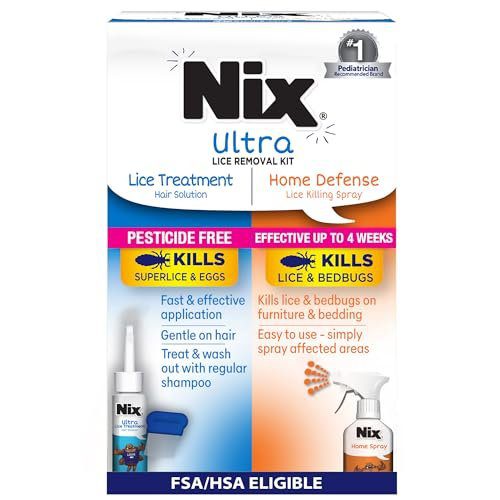
This kit directly addresses the article’s recommendation to ‘Start with OTC permethrin or pyrethrin-based kits’ for first-time infestations. It’s a comprehensive solution that often includes a treatment and a comb, aligning with the ‘shampoos, combs, & sprays’ theme.
- Effectively kills lice, superlice, and their eggs when directions are followed, with many users reporting full clearance after 1–2 treatments
- Pesticide‑free dimethicone hair solution is perceived as safer and less irritating than traditional permethrin-only lice treatments
- All‑in‑one kit with comb, hair solution, and home spray is convenient for treating both the head and household items in one purchase
- Some users report live lice persisting after first use, requiring repeat applications and extensive combing
- Home spray has a strong chemical odor and cannot be used on humans, which some reviewers find off‑putting or confusing
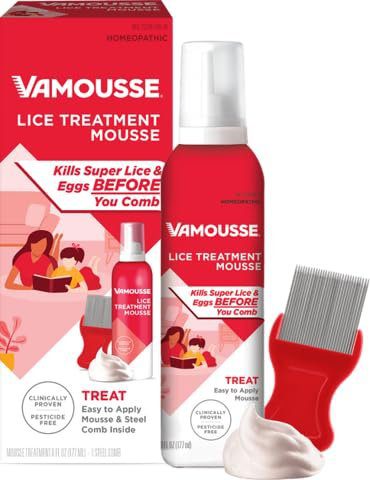
The article suggests considering ‘non-pesticide dimethicone-based kits’ for suspected resistance or young children. This product fits that description perfectly, offering an alternative to traditional pesticide treatments.
- Effectively kills lice and many users report success even with resistant “super lice” in a single treatment
- Mousse format is easy to apply on dry hair, spreads well, and rinses out more easily than many traditional lice treatments
- Non‑toxic, pesticide‑free formula that parents feel is safer for children and comes with a sturdy metal comb
- Some users report that one can is not enough for long or very thick hair, requiring multiple cans for full coverage
- A portion of buyers say it did not completely eliminate lice or nits and they needed repeat treatments or a different product
Successfully getting rid of head lice requires careful attention to detail and adherence to product instructions. Rushing or skipping steps can lead to treatment failure and ongoing frustration.
Confirming the Infestation
Before you begin any treatment, it's crucial to confirm the presence of live head lice. Itching alone can be misleading, as it can be caused by other scalp conditions or even leftover irritation from a past infestation. Use a bright light and a fine-tooth nit comb on wet or conditioned hair. Part the hair in small sections and systematically comb from the scalp to the ends, focusing on the areas behind the ears and at the nape of the neck. Wipe the comb on a white paper towel after each pass to check for live lice or nits. Nits found more than a quarter-inch from the scalp are usually old or hatched and don't necessarily indicate an active infestation.
Applying the Treatment Correctly
Once you've chosen your kit, read the product instructions thoroughly before starting.
- Preparation: Place a towel over the infested person's shoulders to protect skin and clothing. Apply the product over a sink, not in the shower, to minimize skin exposure. Untangle the hair with a regular comb first.
- Application: Most kits require application to dry hair, though some specify damp hair—always follow the specific product's directions. Saturate the scalp and hair completely, paying extra attention to the areas near the scalp, behind the ears, and at the nape of the neck.
- Timing: Leave the treatment on for the exact recommended time. Do not leave it on longer than directed, as this does not increase effectiveness and can increase the risk of skin irritation.
- Rinsing: Rinse the hair with water only, or use only the shampoo specified in the instructions. Avoid using regular conditioner immediately before or after permethrin treatment, as it can reduce its effectiveness.
The Power of the Nit Comb
Even with the most effective shampoos, thorough nit combing is a non-negotiable step for successful lice eradication.
- Lubricate Hair: While the hair is still damp, apply conditioner or the kit's combing spray to lubricate the hair strands. This makes combing easier and helps dislodge nits.
- Section and Comb: Divide the hair into small, manageable sections. Using a high-quality metal nit comb, start at the scalp and comb downwards to the ends of the hair. After each pass, wipe the comb on a white paper towel or rinse it under running water to remove any lice or nits.
- Systematic Approach: Comb each section multiple times, from different angles (down, up, and from side to side), to ensure no area is missed. This process can take 30-60 minutes or more, depending on hair length and thickness. Patience and thoroughness are key.
Post-Treatment & Environmental Care
After the initial treatment and combing, follow these steps:
- Repeat Treatment: If using products that don't reliably kill nits (like permethrin, pyrethrins, or benzyl alcohol), repeat the treatment after 7-10 days as per instructions. This targets any nymphs that have hatched since the first application. Continue daily nit combing until no lice or nits are seen for at least several days.
- Check Contacts: Check all household members and close contacts for lice. Treat anyone with live lice. For bed-sharers, consider prophylactic treatment depending on local guidance and product labeling.
- Environmental Cleaning: Focus on sensible cleaning rather than extreme measures. Wash bedding, hats, and clothes worn in the last two days in hot water (at least 130°F or 54°C) and dry them on a high-heat cycle. For non-washable items, seal them in plastic bags for two weeks to allow any lice to die naturally. Vacuum upholstered furniture, carpets, and car seats, then discard the vacuum bag or clean the canister contents. Soak combs and brushes in hot, soapy water for 5-10 minutes. Unlike dealing with other pests like fleas, where a comprehensive approach to the environment is critical (as detailed in our How to Get Rid of Fleas: Complete Removal Guide), insecticide sprays and foggers for the home are strongly discouraged for lice due to their low benefit and potential toxicity, according to the CDC.
Common myths
Many misconceptions surround head lice, leading to unnecessary stress and ineffective treatments. Let's separate fact from fiction.
Lice and Hygiene
One of the most persistent myths is that "lice only live in dirty hair." This is false. Head lice infest clean and dirty hair alike; personal hygiene habits have no bearing on susceptibility to an infestation, as confirmed by the CDC. Lice are simply looking for a blood meal and a suitable habitat, not a specific level of cleanliness. This myth often leads to unnecessary shame and stigma for affected individuals.
Another common belief is that "lice can jump or fly." This is also false. Head lice only crawl. They lack the physical adaptations for jumping or flying, which is why direct head-to-head contact is the primary mode of transmission. Similarly, "pets can give you lice" is a myth. Human head lice are species-specific and cannot live on cats, dogs, or other household pets. If you're dealing with pet parasites, our guide on Best Flea Shampoo for Dogs might be more relevant.
Environmental Fears
The idea that "you must deep clean and fumigate your home" is a widespread misconception. Transmission of lice from inanimate objects or the environment is rare. Lice die quickly off the human scalp (within 1-2 days) because they need human blood to survive. Simple environmental measures like washing bedding and vacuuming are sufficient. The CDC and WebMD strongly discourage the use of insecticide sprays and foggers in the home due to their limited effectiveness against lice and the unnecessary exposure to toxic chemicals.
The "Super Lice" Phenomenon
The term "super lice" refers to head lice that have developed genetic resistance to common over-the-counter insecticides like permethrin and pyrethrins. While resistance is a real and growing concern in many areas, it doesn't mean that these products are entirely ineffective everywhere, nor does it mean that lice are invincible. Often, treatment failure is due to incorrect application (not leaving the product on long enough, not repeating treatment) or re-infestation from untreated contacts, rather than outright resistance. If you've used an OTC product correctly twice and still see live lice, then resistance might be a factor, and it's time to consider a different type of treatment or consult a doctor.
Finally, "home remedies like mayonnaise, petroleum jelly, or essential oils are proven cures" is largely unproven. While smothering agents might kill some lice by suffocation, their effectiveness against nits is inconsistent, and they can be messy and difficult to remove. Essential oils lack consistent scientific evidence for reliable efficacy and can sometimes cause skin irritation. Sticking to scientifically proven treatments and meticulous combing is the most reliable approach.
When to get help
While most head lice infestations can be successfully managed at home with over-the-counter or prescription kits, there are specific situations when consulting a doctor or healthcare provider is essential.
You should contact a medical professional if:
- Lice persist after two properly timed treatments with an OTC product and thorough combing. This could indicate insecticide resistance or a need for a prescription-strength treatment.
- The infested individual is an infant (especially under 6 months old), pregnant, or breastfeeding. Certain treatments may not be safe for these groups, and a doctor can recommend appropriate alternatives.
- There are signs of secondary bacterial infection on the scalp. Constant scratching can break the skin, leading to sores, crusting, oozing, or significant redness, which may require antibiotic treatment.
- You suspect body lice rather than head lice. Body lice are typically found on clothing and bedding, not directly on the body, and are associated with poor hygiene and crowded living conditions. They can transmit diseases and require a different approach to treatment and environmental sanitation, as noted by the CDC.
- You are unsure about the diagnosis or how to proceed with treatment. A doctor can confirm the infestation and guide you through the best course of action.
Remember, head lice are a common problem, and seeking medical advice when needed is a responsible step toward effective resolution.
Final picks
Dealing with head lice can be a challenging experience, but by choosing the best lice treatment kits and applying them diligently, you can effectively eradicate these pests. The key to success lies in understanding the lice life cycle, selecting an appropriate treatment based on age and resistance concerns, and meticulously combing the hair to remove nits. Remember to prioritize the scalp treatment and a high-quality nit comb over unnecessary environmental sprays. If an infestation persists or if you have concerns about secondary infections or specific health conditions, don't hesitate to consult a healthcare professional. With the right approach, you can quickly return to a lice-free life.
For more information on identifying and managing other common household pests, explore our guides on Bed Bug Bites: Symptoms, Treatment & Prevention Guide and How to Get Rid of Fleas: Complete Removal Guide.
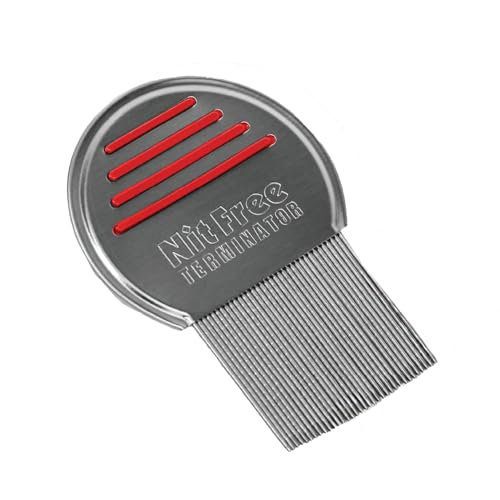
The article explicitly states, ‘Meticulous wet combing with a sturdy metal nit comb is essential to remove nits and ensure success.’ This highly-rated stainless steel comb is a crucial tool for any lice treatment regimen, regardless of the shampoo or mousse used.
- Effective at removing lice and nits, including tiny eggs that regular combs miss
- Sturdy stainless-steel construction with fine, closely spaced micro-grooved teeth
- Useful for both treatment and routine lice checks/prevention
- Can be difficult or uncomfortable to use on thick, curly, or tangled hair
- Some users report the comb can snag, bend, or feel less effective than expected on very fine or very dense hair
As an Amazon Associate, I earn from qualifying purchases. Product recommendations are based on real reviews and independent research.