
“Super lice” are ordinary head lice that have developed resistance to some over-the-counter treatment ingredients. They look identical to regular lice, spread the same way, and carry no extra health risk. Resistance changes which chemical works, not whether you can win.
- What is normal: Itching, plus live lice or nits close to the scalp. A failed first treatment is common and usually has an ordinary explanation.
- The resistance-proof move: Thorough wet combing with a fine-toothed comb, repeated every 2 to 3 days for 2 to 3 weeks. No louse is resistant to being physically removed.
- When to call a clinician: A child under 2, pregnancy or nursing, two correctly done treatments that still failed, or a scalp that looks infected.
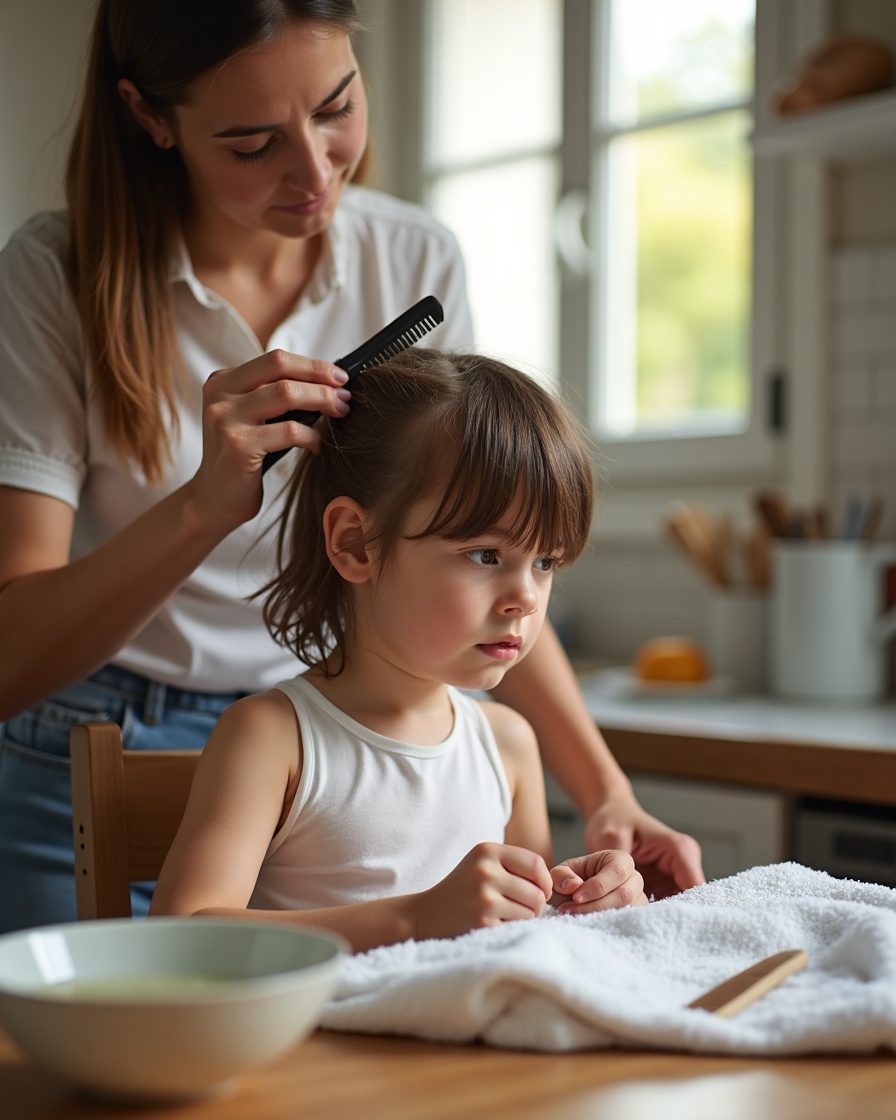
What “super lice” actually are
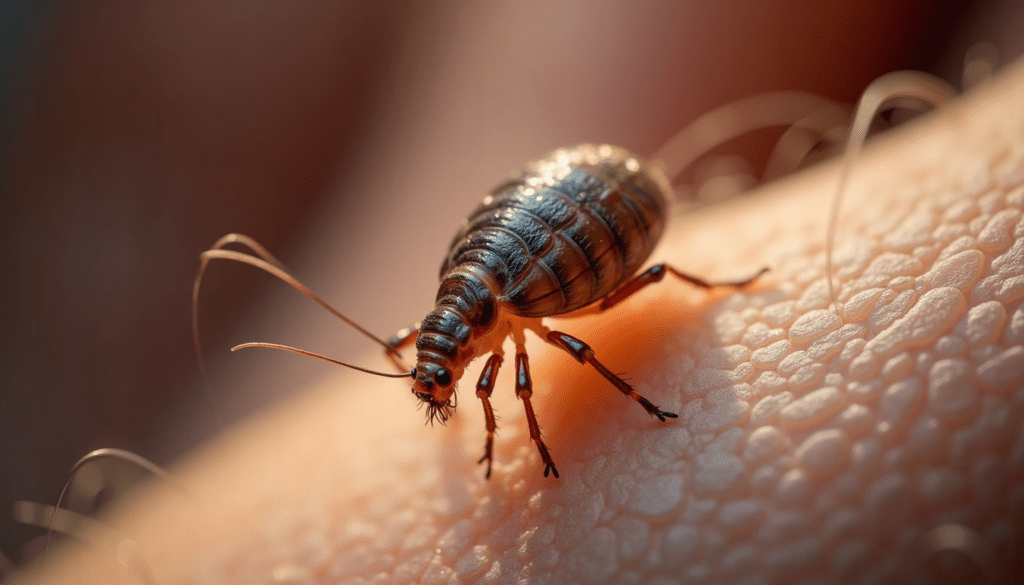
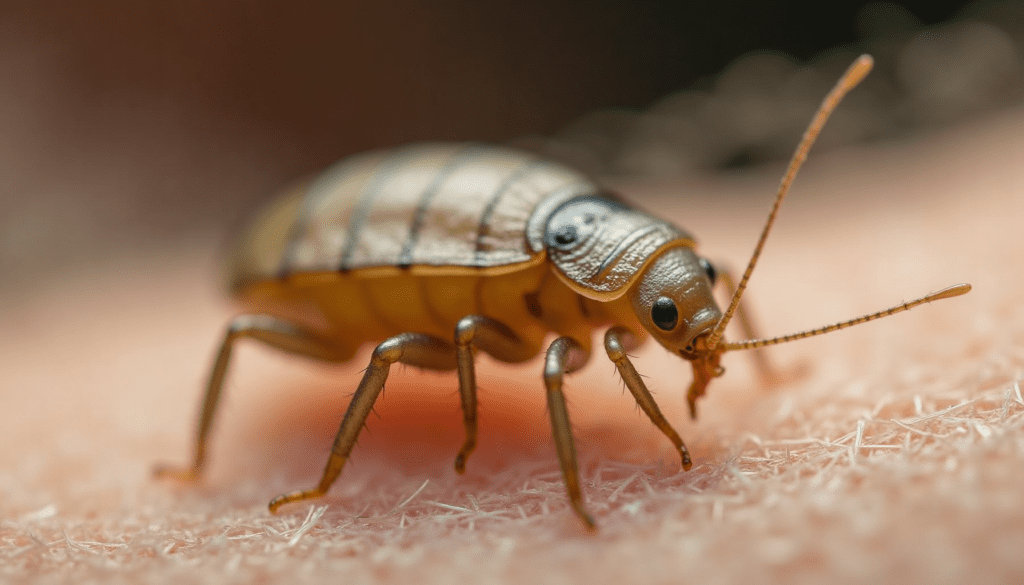
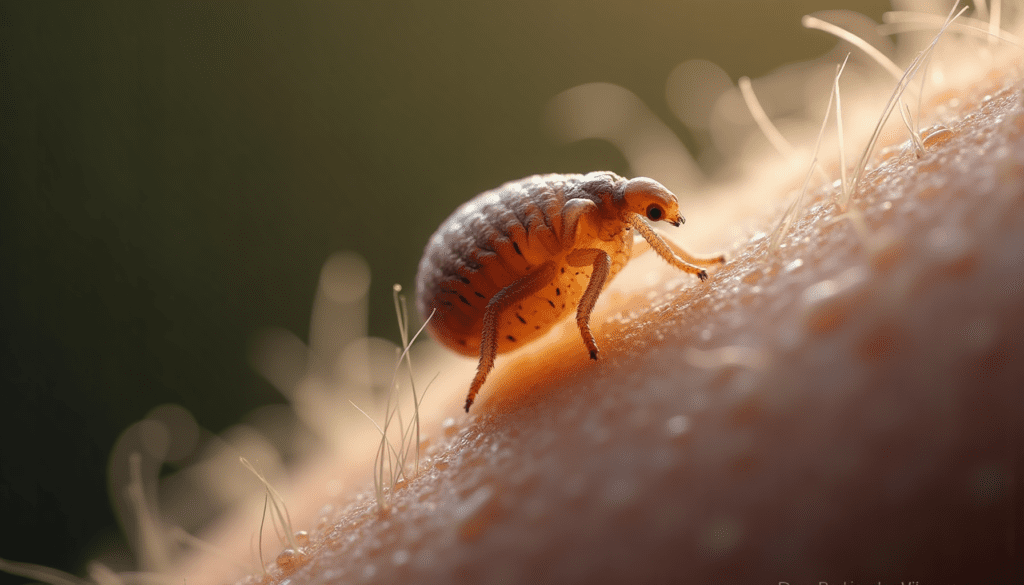
The name sounds like a new species, and it is not. So-called super lice are the same insect described in the University of Kentucky’s ENTfact on head lice: a wingless, sesame-seed-sized parasite that lives only on the human scalp, feeds on blood several times a day, and dies within a day or two if it falls off its host. What has changed in some louse populations is their sensitivity to pyrethroid insecticides, the chemical family behind the most common over-the-counter lice products. When a population has been exposed to the same ingredient for years, the survivors of each treatment pass their tolerance on, and eventually the product kills fewer of the lice it touches.
Here is the part that matters for a worried parent: a resistant louse looks exactly like a regular louse. There is no visual test, no bigger body, no different color. You cannot look at your child’s hair and identify super lice, and neither can a school nurse. The only signal is a treatment applied correctly, on the right schedule, that still left live, active lice behind.
It is also worth saying what resistance does not change. Head lice, resistant or not, do not spread disease, and they do not mean a home is dirty; as the MedlinePlus head lice overview puts it, personal hygiene and cleanliness have nothing to do with getting head lice. An infestation is an inconvenience and an itch, not a health crisis.
First, make sure it is actually lice
Before anyone worries about resistance, confirm the diagnosis, because a surprising share of “treatment failures” were never lice in the first place. Kentucky’s entomologists make this point in their guidance on unexplained bites and itching: treat only when you find the pest or clear evidence of it, since dry skin, product residue, and plain anxiety can all keep a scalp itchy.
The confirmation standard is simple: you need to see a live louse, or nits glued to hair shafts within about a quarter inch of the scalp. Work under bright light, part the hair in small sections, and pay attention behind the ears and at the nape of the neck, where eggs cluster. A fine-toothed comb through damp, conditioner-slicked hair catches lice your eyes miss. Our step-by-step lice check guide for parents walks through the routine in a few minutes per child.
The most common false alarm is dandruff. The difference is mechanical: flakes lift off with a fingernail or slide freely along the hair, while a nit is cemented in place and has to be dragged down the shaft. If you are staring at a white speck and unsure, our comparison of lice versus dandruff covers the tells one by one.
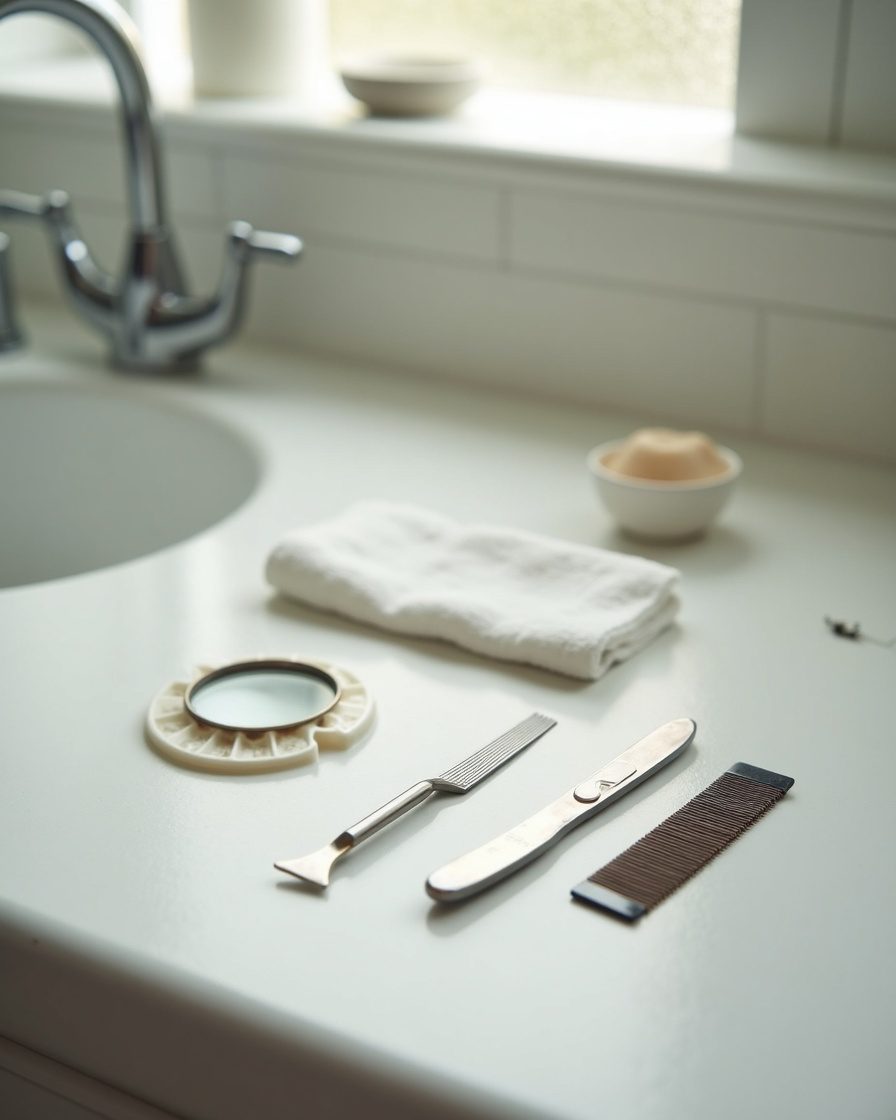
Why a treatment fails, and why it is usually not resistance
Resistance is real, but it sits at the bottom of the list of reasons a treatment did not work. Run through the ordinary explanations first, because they are far more common and far easier to fix.
The label was not followed exactly. Over-the-counter pediculicides are unforgiving about details: how long the product stays on, whether hair should be dry or damp, and when to repeat. Applying to freshly conditioned hair, rinsing early, or diluting the product in bathwater can all leave survivors that have nothing to do with resistance.
The second application was skipped. Most over-the-counter products kill crawling lice but do not reliably kill eggs. Nits hatch over roughly a week, so a single treatment can be followed by a fresh crop of nymphs that were protected inside their eggs the first time. This is why labels schedule a second application, and why skipping it looks exactly like treatment failure. Our explainer on the head lice life cycle shows why timing matters so much.
The child was reinfested. Head lice spread almost entirely by direct head-to-head contact, which children supply generously at school and at sleepovers. If an untreated classmate or sibling still has lice, a perfect treatment can be undone within days, so check every household member on the same day.
Then, and only then, resistance. If the product went on by the book, the repeat dose happened on schedule, everyone in the house was checked, and live lice are still moving 8 to 12 hours after treatment, pyrethroid resistance becomes the plausible explanation, and it is time to change tactics rather than repeat the same one.
What still works: the resistance-proof plan
The backbone of any plan, resistant lice or not, is mechanical removal. Combing does not care about resistance genes. A louse pulled off the head on a fine-toothed comb is gone, whatever chemicals it could have survived. The routine that works is wet combing: wash the hair, load it with ordinary conditioner to slow the lice down, then draw a fine-toothed nit comb through small sections from scalp to tip, wiping the comb on a tissue or rinsing it in water between passes. MedlinePlus recommends repeating this every 2 to 3 days for 2 to 3 weeks, which is long enough to remove any nymphs as they hatch. Metal combs hold their teeth better than plastic ones for thick hair. Our full head lice removal guide covers technique, lighting, and how to keep a wiggly child cooperative.
Chemistry still has a place alongside the comb. Over-the-counter products based on permethrin 1% or pyrethrins continue to work against many louse populations, and the MedlinePlus head lice entry notes that permethrin 1% lotions and shampoos often work well when used exactly as labeled. The practical rule after any treatment: check the head 8 to 12 hours later. Sluggish, dying lice mean the product is working and the comb finishes the job. Fully active, fast-moving lice mean that product family is not working on this infestation, and buying a second bottle of the same ingredient will not change the outcome.
When a pyrethroid product has genuinely failed, the move is to switch treatment class, not to escalate the dose. That decision is worth a conversation with a pharmacist or clinician, because the alternatives differ by the child’s age and situation. A clinician can also prescribe treatments that work by different mechanisms when over-the-counter options have failed; MedlinePlus specifically advises contacting your provider before doing another round after a failure, partly to confirm the diagnosis and partly to avoid piling repeated pesticide applications onto a child’s scalp for no benefit.
| Approach | Affected by resistance? | Where it fits |
|---|---|---|
| Wet combing with a fine-toothed comb | No | The backbone of every plan; repeat every 2 to 3 days for 2 to 3 weeks |
| Permethrin 1% or pyrethrin products | Possibly, in some areas | First-line if used exactly per label, with the label’s repeat application |
| Prescription treatments | Different mechanisms; clinician-guided | After confirmed failure of correct over-the-counter treatment |
| Home remedies (mayonnaise, oils) | Not applicable | No solid evidence they work; not a substitute for combing |
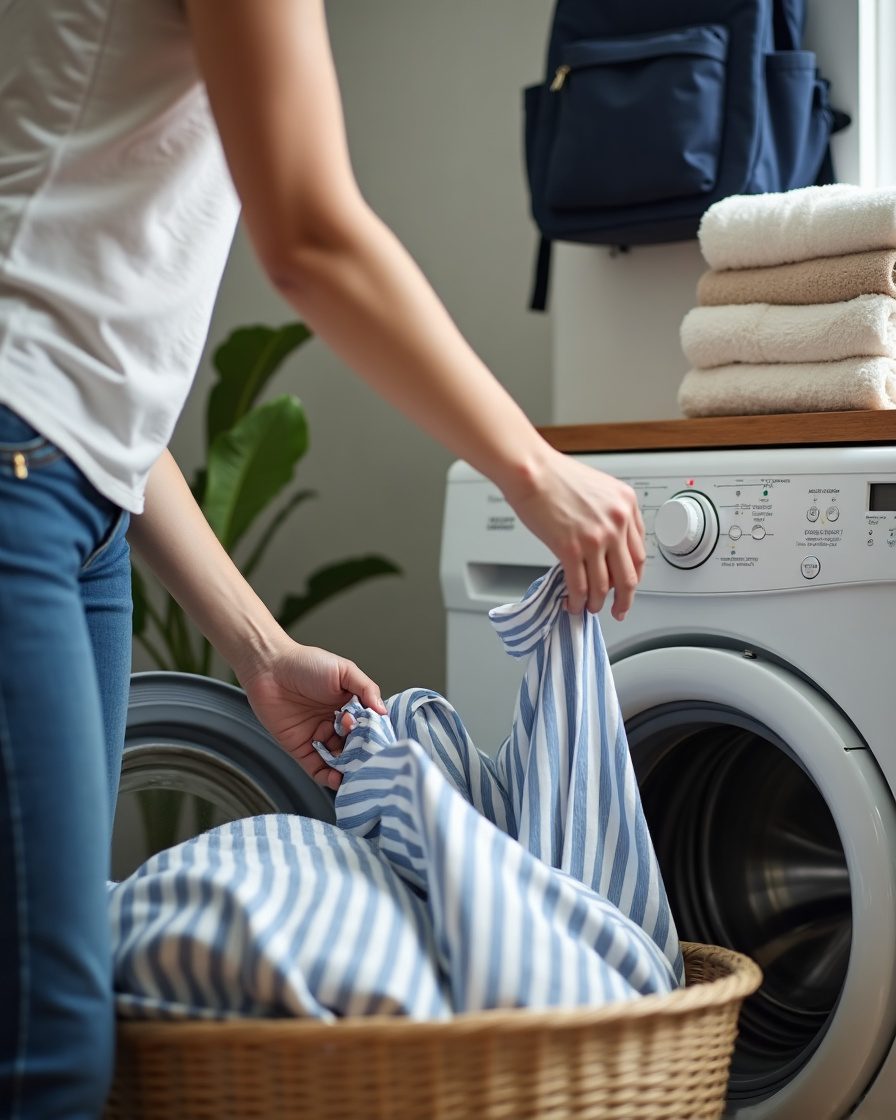
When a clinician or pharmacist should take over
Most lice cases resolve at home with a comb and patience. A short list of situations should route through a professional instead, none of them emergencies.
Children under 2. Over-the-counter pediculicide labels are written for older children and adults. For a baby or young toddler, talk to a clinician before applying anything; often the advice will be to rely on combing alone.
Pregnancy and nursing. MedlinePlus advises checking with a healthcare provider before using lice treatments while pregnant or breastfeeding. The combing routine itself carries no such caveats.
Two correct treatments that still failed. This is the genuine super lice scenario. A clinician can confirm the infestation is active, rule out mimics, and prescribe an alternative that works through a different mechanism than the failed product.
A scalp that looks infected. Scratching opens skin, and broken skin can get infected. Spreading redness, warmth, crusting, pus, or a fever alongside a lice infestation is a reason to be seen, because that is a skin problem now, not just a lice problem.
One more reason to involve a professional: if the itching is on the body rather than the scalp, you may be dealing with a different insect. Body lice live in the seams and folds of clothing rather than on the head, and they are handled differently, mostly through laundering and bathing rather than scalp treatments.
Myths that make outbreaks harder than they need to be
Back-to-school season reliably produces a wave of lice panic, and most of the panic rests on myths. Clearing them up saves money, effort, and a lot of unnecessary dread.
Lice do not jump or fly. They have no wings and no jumping legs; they crawl, quickly, from one head to another during direct contact. Sharing hats, brushes, and hair accessories plays a smaller secondary role. There is no radius of contagion around a child’s desk.
The dog did not bring them home. Head lice live only on humans. The Kentucky ENTfact is unambiguous that pets do not transmit head lice, so the family cat needs neither a bath nor an apology.
Clean hair is not protective. Lice grip hair shafts and drink blood; how recently the hair was washed is irrelevant to them. An infestation says nothing about a household.
Kitchen remedies are not a plan. Mayonnaise, olive oil, coconut oil, tea tree oil, and petroleum jelly all circulate as suffocation cures, and the medical sources are consistent that solid evidence for them is lacking. We dig into the evidence in our review of natural lice remedies; the honest summary is that time spent slathering is better spent combing.
The house does not need fumigating. A louse off the head is a dying louse, usually within a day or two. Cleaning is a supporting act: hot-wash and hot-dry recently used bedding, clothing, and towels, soak combs in hot water for 5 to 10 minutes, vacuum where heads rest, and bag what cannot be washed for two weeks. Our checklist for cleaning the house after lice keeps it to an evening’s work. Home insecticide sprays and foggers are unnecessary.
Common questions
How do I know if my child has super lice?
You cannot tell by looking, because resistant lice are visually identical to ordinary ones. The only indicator is a correctly applied over-the-counter treatment, including the repeat dose, that leaves fully active lice behind. If that happens, switch strategy rather than repeating the same product.
Do I need a special product to kill super lice?
You need a different approach, not a stronger version of the same one. Wet combing removes resistant lice as easily as ordinary ones, and a clinician can prescribe treatments that work through different mechanisms. Be skeptical of anything marketed as a super lice killer; the label ingredient, not the marketing, is what matters.
Are super lice more dangerous than regular lice?
No. Head lice do not transmit disease, and resistance changes nothing about that. The main health risk with any infestation is skin infection from scratching, which is why a scalp with spreading redness or pus deserves a clinician’s look.
How long does it take to get rid of resistant lice by combing?
Plan on 2 to 3 weeks of combing sessions every 2 to 3 days. That window covers the hatching time of any eggs that survive the first passes, so nymphs are removed before they mature. Consistency beats intensity.
Should my child stay home from school?
Check your school’s policy, but health guidance has moved away from long exclusions. Once treatment has started, ongoing combing at home protects classmates better than missed school days, since lice spread by head-to-head contact, not through the air or classroom furniture.
Final verdict
Super lice are a real phenomenon with an oversold name. Some head lice populations have grown resistant to pyrethroid ingredients in common over-the-counter products, which means a correctly done treatment can fail. It does not mean the lice are stronger or more dangerous, and it does not change the fundamentals: confirm live lice before treating anything, comb wet, conditioner-slicked hair every 2 to 3 days for 2 to 3 weeks, use permethrin or pyrethrin products exactly as their labels direct, and switch treatment class with a clinician’s help if two correct rounds fail. Skip the panic cleaning, the kitchen remedies, and the blame. A comb, a schedule, and two weeks of patience beat resistance genes every time.
This article is for information only and is not medical advice.
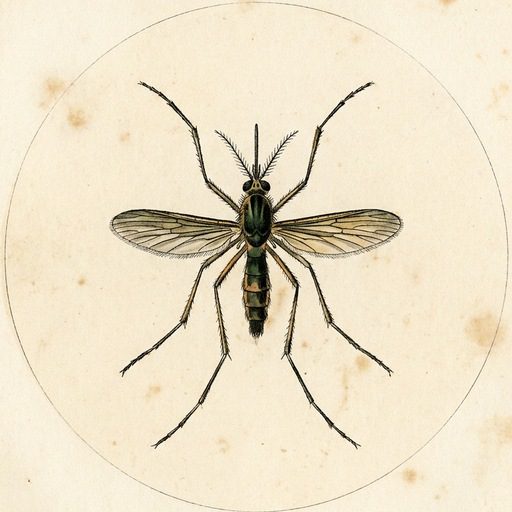
Pingback: Head Lice Life Cycle: Eggs, Nymphs, and Adults