As autumn leaves begin to fall and temperatures drop, many homeowners shift their focus indoors, preparing for colder months. However, this seasonal transition also signals a critical time for fall pest proofing your home. Rodents, spiders, and overwintering insects like stink bugs and boxelder bugs are actively seeking warmth, shelter, and food, making your house an appealing target. Proactive measures now can prevent these unwanted guests from settling in for the winter, safeguarding your property and your family's health from potential pest-related issues.
Bottom line:
Effective fall pest proofing involves a multi-pronged approach focused on prevention. Here’s what entomologists recommend as your first steps:
- Inspect thoroughly: Walk around your home's exterior and interior, identifying any cracks, gaps, or openings.
- Seal all entry points: Use caulk, steel wool, or wire mesh to block even the smallest holes.
- Manage outdoor attractants: Clear leaf litter, trim vegetation, and store firewood away from the foundation.
- Eliminate indoor resources: Store food in airtight containers, clean regularly, and fix any leaky pipes.
- Secure hidden zones: Pay special attention to attics, basements, and garages, which are prime overwintering spots.
Inspect and Seal Entry Points
The most crucial step in fall pest proofing is to identify and seal potential entry points around your home. Pests are remarkably adept at finding their way inside, often through openings you might overlook. For instance, mice can squeeze through gaps as small as 1/4 inch—about the size of a dime—while rats can exploit openings of 1/2 inch, roughly the size of a quarter, according to the Centers for Disease Control and Prevention (CDC). This means even tiny cracks can become an open invitation for rodents and insects seeking refuge from the cold.
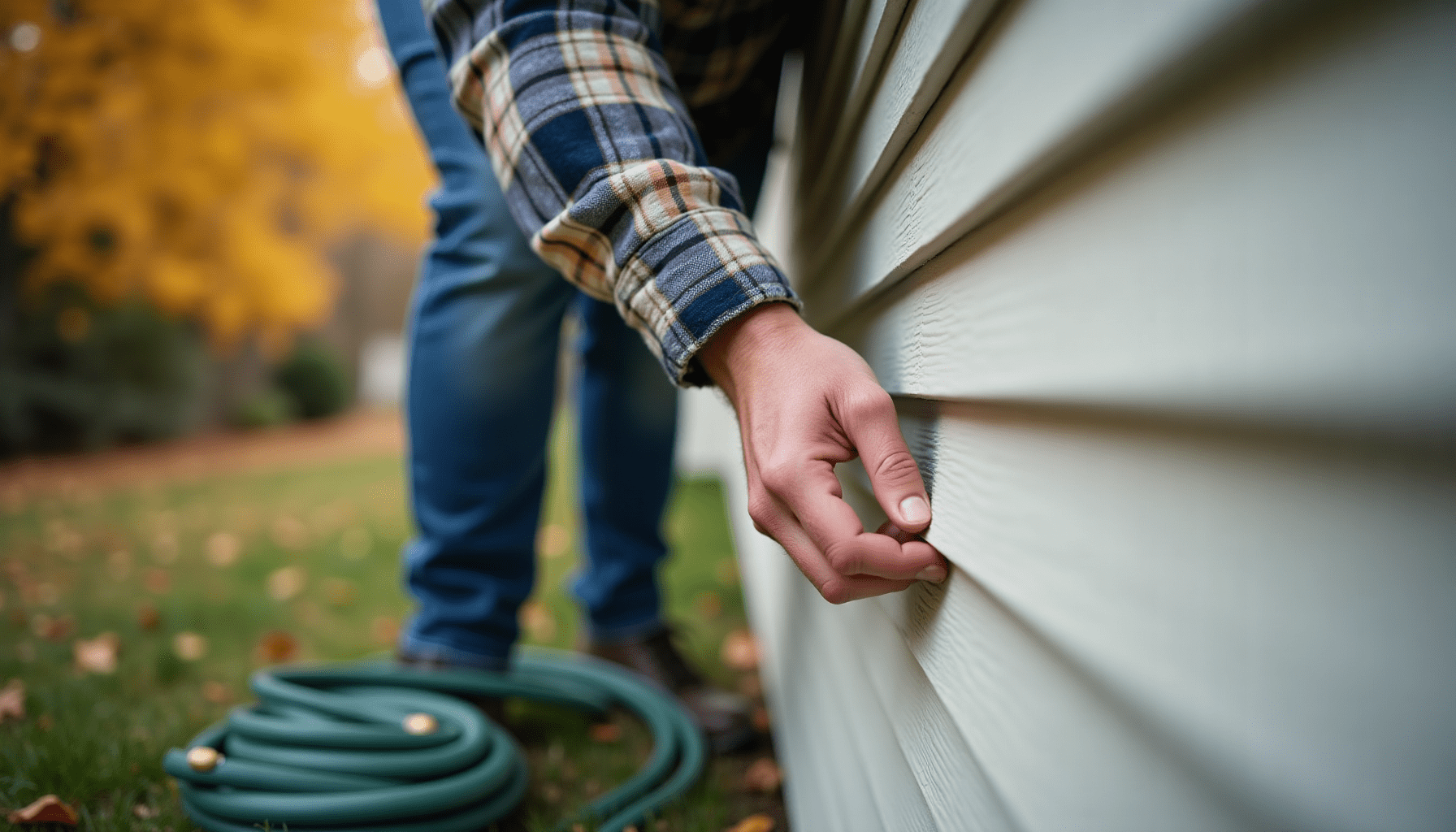
Common entry points include worn weatherstripping around doors and windows, damaged door sweeps, and unsealed utility penetrations where pipes, cables, and vents enter the house. Foundation cracks, gaps in siding (especially at corners), and poorly sealed rooflines or attic vents also serve as easy access points. A thorough inspection, both inside and out, is essential to locate these vulnerabilities before pests do.
Your Fall Inspection Checklist:
- Exterior Perimeter: Look for cracks around windows and door frames, gaps where utility lines (HVAC, cable, electrical, plumbing) enter, and any crevices in the foundation or siding. Pay close attention to the bottom of garage doors and entry doors, ensuring no light is visible underneath.
- Screens and Vents: Check for holes or tears in window and door screens. Inspect attic, crawlspace, and dryer vents for damage or missing covers.
- Interior Hotspots: Inside, examine baseboards, particularly in kitchens and bathrooms. Look around plumbing under sinks, water heaters, and laundry hook-ups. Don't forget attic hatches and crawlspace access doors.
Once you've identified these areas, the next step is to seal them effectively. For small cracks in siding or around window and door frames, use a high-quality silicone or polyurethane caulk. These materials provide a durable, weather-resistant seal. For larger gaps around pipes and cables, a combination approach is best: pack the opening tightly with steel wool or copper mesh, which rodents dislike chewing, then cover it with caulk or an expanding foam specifically rated for pest exclusion. For larger openings like vents, install or repair 1/4-inch galvanized wire mesh or rodent-proof vent covers to allow airflow while blocking pests. Replacing worn door sweeps and weatherstripping will create a tight seal at thresholds and window sashes, preventing both insects and drafts. Addressing these structural weaknesses is a fundamental part of keeping pests out and can significantly reduce the need for chemical interventions, aligning with Integrated Pest Management (IPM) principles.
Manage Your Outdoor Environment
Beyond sealing your home's immediate structure, managing the surrounding outdoor environment is a critical component of effective fall pest proofing. Your yard and landscaping can either deter pests or serve as an inviting staging area for them to launch their indoor invasion. As temperatures drop, pests like rodents, spiders, and overwintering insects (such as Asian lady beetles and stink bugs, which are often attracted to homes in autumn) seek sheltered spots with ample food and moisture. By making your yard less appealing, you reduce the likelihood of pests congregating near your home. This proactive approach is highlighted by organizations like the National Pest Management Association (NPMA), which emphasizes exclusion and habitat modification as key seasonal strategies.
One of the simplest yet most impactful tasks is to rake and remove fallen leaves and other plant debris. These organic materials provide ideal cover, moisture, and nesting sites for a variety of insects and small rodents. Similarly, trimming back trees and shrubs so that branches do not touch your house prevents pests from using them as "bridges" to access your roof or siding. This is especially important for ants and rodents, which are skilled climbers. Storing firewood properly is another essential step; keep it at least 20 feet away from your house and off the ground to prevent it from becoming a harborage for rodents, spiders, and wood-boring insects. Removing general clutter, such as unused lumber, old pots, or stacked furniture near the foundation, also eliminates potential nesting spots.
Outdoor Pest-Proofing Checklist:
- Clear Debris: Rake up leaves, grass clippings, and plant litter from around the foundation.
- Trim Vegetation: Cut back tree branches and shrubs so they don't touch your home's exterior.
- Firewood Storage: Store firewood at least 20 feet from the house and elevate it off the ground.
- Remove Clutter: Clear away unused items, old tires, or anything that could provide shelter for pests.
Proper drainage and moisture control in your yard are equally important. Clogged gutters and downspouts can lead to standing water, which attracts mosquitoes, termites, and ants. Cleaning these out in the fall ensures water flows away from your home, preventing moisture buildup that can compromise your foundation and create ideal conditions for pests. Ensure that downspouts discharge water well away from the foundation and that your soil is graded to slope away from the house. Repairing leaky outdoor faucets or irrigation lines also removes accessible water sources that draw pests closer. By meticulously managing your outdoor environment, you create a less hospitable zone for pests, encouraging them to seek shelter elsewhere. This proactive step works hand-in-hand with sealing entry points to provide comprehensive protection. If you're dealing with specific overwintering pests, understanding How to Identify Ladybugs: Types, Colors & Look-Alikes can help tailor your outdoor efforts.

Eliminate Indoor Food and Water Sources
Even the most meticulously sealed home can attract pests if tempting food and water sources are readily available indoors. Pests like cockroaches, ants, and rodents are driven by their basic needs for sustenance and hydration, and your kitchen, pantry, and even bathrooms can inadvertently become a buffet and watering hole. Eliminating these attractants is a cornerstone of effective fall pest proofing and a fundamental principle of Integrated Pest Management. By cutting off their access to resources, you make your home far less appealing, even if they manage to find a way inside.
One of the simplest yet most effective measures is to store dry goods in airtight containers. Original cardboard boxes or thin plastic bags for cereals, rice, pasta, pet food, and birdseed offer little protection against determined pests. Switching to sturdy plastic, glass, or metal containers prevents pests from accessing these food items and helps contain any potential infestations. Regularly cleaning pantry shelves, wiping up spills, and promptly sweeping up crumbs are also crucial steps. Kitchen trash should be taken out frequently, and all indoor trash cans should have tight-fitting lids to prevent odors from attracting pests. Leaving pet food out overnight, whether indoors or outdoors, is a common oversight that strongly attracts rodents and insects.
Indoor Sanitation Essentials:
- Airtight Storage: Transfer dry goods, pet food, and birdseed to sealed containers.
- Prompt Cleanup: Wipe up spills and crumbs immediately, especially in the kitchen.
- Secure Trash: Use trash cans with tight-fitting lids and empty them regularly.
- Pet Food Management: Avoid leaving pet food bowls out overnight.
Beyond food, moisture is a significant attractant for many pests, including cockroaches, silverfish, and certain types of ants. The U.S. Environmental Protection Agency (EPA) highlights that indoor pest allergens, particularly from cockroaches, are significant triggers for asthma, especially in inner-city children. Fixing leaking faucets, pipes, and appliances (like dishwashers or refrigerator ice makers) eliminates vital water sources for these pests. Using dehumidifiers in damp areas such as basements or crawlspaces can significantly reduce moisture levels, making these spaces less hospitable. Ensuring bathrooms and kitchens are well-ventilated by using exhaust fans during and after showers or cooking also helps control humidity. Watch for signs of moisture, such as condensation on windows, musty smells, or damp spots on walls or floors, as these can indicate hidden leaks that attract pests. By diligently managing both food and water sources, you create an environment that deters pests from making your home their winter sanctuary. For more targeted advice, understanding What Attracts Cockroaches to Your Home and How to Prevent Them can be very helpful.
Secure Hidden Zones: Attics, Basements, Garages
While main living areas are often the focus of pest prevention, hidden zones like attics, basements, and garages are prime targets for pests seeking overwintering shelter. These less-frequented spaces offer seclusion, stable temperatures, and often undisturbed harborage, making them ideal for rodents and various insects to settle in for the colder months. Effective fall pest proofing must extend to these areas to ensure comprehensive home protection.
Start by conducting a thorough inspection of your attic and basement. Look for tell-tale signs of pest activity: rodent droppings, urine odors, gnaw marks on wood, plastic, or wires, and nesting materials (shredded insulation or paper). You might also find dead insects, such as cluster flies or stink bugs, which often enter attics to overwinter. In the attic, ensure all vents are properly screened and that any existing screens are in good repair. Rodents can easily chew through flimsy materials, so consider reinforcing screens with 1/4-inch galvanized wire mesh. Also, check the condition of your insulation; damaged or displaced insulation can provide easy tunneling paths for rodents. In basements, seal any cracks in walls and floors with appropriate sealant or mortar, as these can be entry points for insects and rodents, and can also contribute to moisture problems.
Signs of Pest Activity in Hidden Zones:
- Droppings: Small pellets (rodents) or dark specks (insects).
- Gnaw Marks: Scratches or chew marks on wood, wires, or stored items.
- Nesting Materials: Shredded paper, fabric, or insulation.
- Unusual Odors: Musky smells from rodents or insect infestations.
- Visible Pests: Live or dead insects, especially overwintering species.
Garages and sheds also require attention. These spaces often have gaps under doors, making them easy access points. Install sturdy door sweeps on garage doors to seal any gaps at the bottom, ensuring no light is visible underneath. Avoid storing food products like birdseed, pet food, or bulk grains directly in garages unless they are in truly rodent-proof containers. Elevate storage items off the ground and away from walls to reduce harborage opportunities for pests. A cluttered garage provides endless hiding spots for pests, so organizing and decluttering can significantly reduce their appeal. The Consumer Reports guide to pest control emphasizes that exclusion and sanitation are the most effective long-term strategies, particularly in these less-visited areas. By fortifying attics, basements, and garages, you create a robust defense against pests seeking a warm winter haven. This is particularly important for pests that might carry diseases or cause structural damage, like certain rodents or even ticks, as discussed in Can Ticks Live Indoors? Prevention & Control Guide.
Strategic Use of Traps and Professional Help
After implementing thorough fall pest proofing measures, you might still encounter a few persistent pests. In such cases, strategic use of traps and targeted controls, guided by Integrated Pest Management (IPM) principles, is the next step. The IPM framework prioritizes prevention and least-toxic methods, using chemical controls only as a last resort and with careful consideration. This approach ensures you address any lingering pest issues effectively while minimizing risks to your family and pets.
For rodents, mechanical controls like snap traps are highly effective. Place them along walls, behind appliances, in attics, basements, and garages where droppings or gnaw marks indicate activity. Position traps perpendicular to walls with the trigger facing the wall, as rodents tend to run along edges. Avoid glue boards where possible, as they are generally considered less humane and can trap non-target animals. For insects like ants and cockroaches, gel baits or bait stations are often the most effective. These work by allowing pests to consume the bait and carry it back to their colony, eliminating the source of the problem. Always place baits safely out of reach of children and pets. Sticky monitors can also be useful in corners or under sinks to track insect activity and identify specific pest pathways.
Where how they map a runway is the actual question, greasy rub marks along skirting boards answers it.
Common Pest-Proofing Myths Debunked:
- Myth: "Mice need a big hole to get in."
- Fact: Mice can squeeze through openings as small as 1/4 inch (dime-sized).
- Myth: "Expanding foam alone is enough for rodent proofing."
- Fact: Rodents can chew through standard foam; combine it with steel wool or copper mesh.
- Myth: "Ultrasonic pest repellers keep pests away."
- Fact: Studies show inconsistent effectiveness; they are not a reliable primary control.
- Myth: "Pests only invade dirty houses."
- Fact: Even clean homes can have pests if structural gaps or moisture issues exist.
When considering chemical controls, always use pesticides strictly according to their label instructions. Opt for targeted baits, dusts, or spot sprays rather than broad perimeter sprays or "bug bombs," which are often ineffective, can pose health risks, and may disperse pests rather than eliminate them. The EPA's guidance on pesticide use in homes emphasizes that proper application and choosing the least-toxic option are key.
Finally, know when to call a professional. If you're facing a large or persistent infestation, suspect structural damage (such as from termites or significant rodent gnawing), or if recurring issues persist despite your best efforts, a professional pest control service can provide expert diagnosis and targeted solutions. They have access to specialized tools and treatments that may be necessary for severe problems. Remember, fall pest proofing is an ongoing process, not a one-time event. Regular monitoring and seasonal maintenance will ensure your home remains protected throughout the year. For specific winter concerns, understanding topics like How Mosquitoes Survive Winter: Hibernation, Eggs & Spring Emergence can help you prepare for the next season.
Conclusion
As the chill of autumn settles in, taking proactive steps for fall pest proofing is the most effective way to safeguard your home against unwanted winter invaders. By meticulously inspecting and sealing entry points, managing your outdoor environment, eliminating indoor food and water sources, and securing hidden zones like attics and basements, you create a robust defense against rodents and insects. Remember, prevention is always more effective and sustainable than reaction.
While these comprehensive steps will significantly reduce pest pressure, staying vigilant with ongoing monitoring and strategic, targeted controls will ensure your home remains pest-free. If you encounter persistent issues, don't hesitate to consult a professional. By embracing these fall pest proofing strategies, you can enjoy a peaceful, pest-free home throughout the colder months and beyond.
Recommended Products
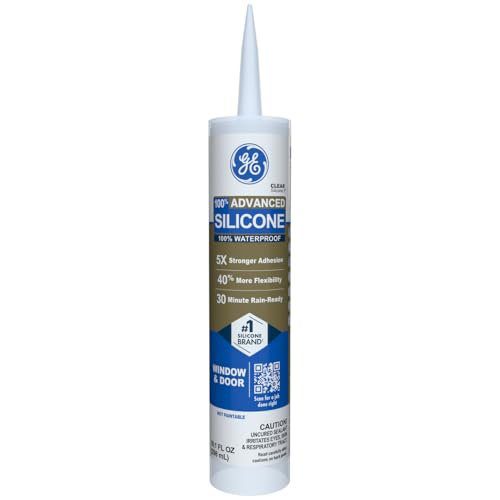
This silicone sealant is ideal for sealing small cracks and gaps around windows, door frames, and utility penetrations, as recommended in the ‘Inspect and Seal Entry Points’ section to prevent insects and rodents from entering.
- Creates a durable, long-lasting waterproof seal that holds up well in exterior weather exposure
- Highly flexible and shrink/crack resistant, so joints stay sealed even with movement or temperature changes
- Good adhesion to a wide range of common building materials including metals, glass, wood, vinyl, and masonry
- Cannot be painted, which some users find limiting for visible trim or interior finish work
- Requires careful surface prep and application technique; excess can be messy and is harder to clean up than acrylic/latex caulks
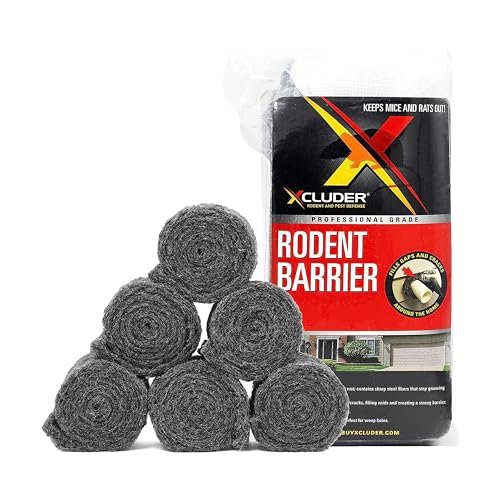
Specifically designed to block larger holes and crevices, this steel wool-like fabric is mentioned as an effective material to deter rodents and other pests from chewing their way into your home.
- Effectively blocks mice, rats, and other pests from entering gaps, cracks, and openings
- Stainless steel blend is durable, weather-resistant, and won’t rust or dissolve like regular steel wool
- Easy to pack into small holes and crevices and stays in place after compression
- Can be difficult or abrasive to handle and install compared with softer filler materials
- Higher cost than basic steel wool alternatives
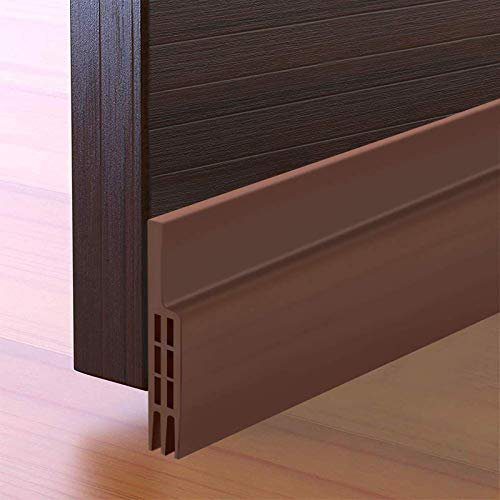
Addresses the critical entry points of ‘worn weatherstripping around doors’ and ‘damaged door sweeps,’ preventing pests like mice and insects from slipping under doors.
- Easy to install and use
- Helps block drafts, dust, and noise from under doors
- Viewed as a simple, cost-effective way to improve insulation
- May not fit every door perfectly, especially if dimensions are off
- Adhesive/attachment durability can be inconsistent over time
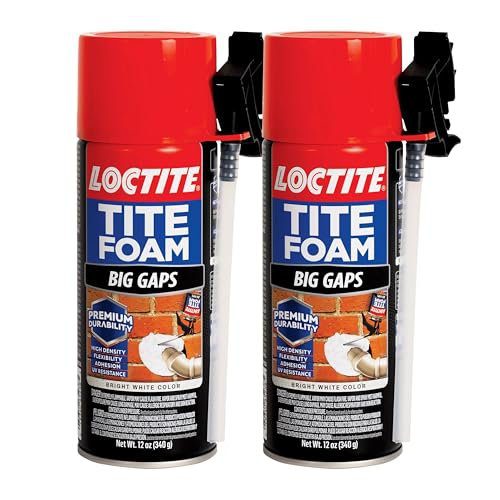
This expanding foam sealant is excellent for filling larger, irregular gaps around pipes, cables, and foundation cracks, providing a durable barrier specifically formulated to block pests.
- Easy to use with a simple straw/wand applicator that allows precise placement and controlled dispensing
- Expands effectively to fill large gaps and cracks (up to about 3 inches), providing good insulation and sealing against drafts and pests
- High-density foam with strong adhesion and durability, including UV resistance, leading to long-lasting seals
- Can continue to expand after application, requiring trimming and careful use to avoid overfilling or mess
- Single-use straw/can design can make it difficult to store and reuse once opened without clogging or waste
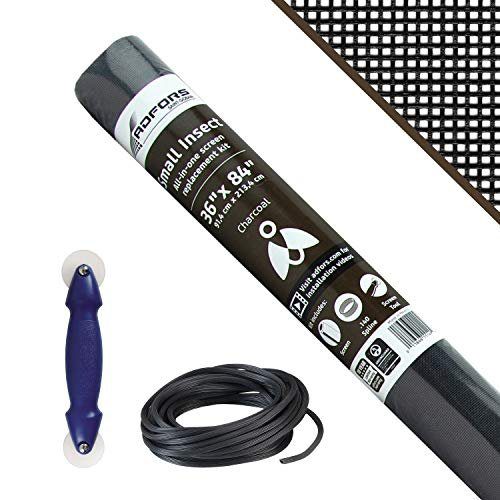
Directly addresses the need to ‘check for holes or tears in window and door screens,’ which are common entry points for flying insects and other small pests.
- Kit is truly all-in-one, including screen mesh, spline, and spline tool, making basic screen repairs straightforward for most DIY users
- Fiberglass small-insect mesh effectively keeps out tiny bugs like gnats and no-see-ums better than standard window screen
- Material is described as durable, rust-resistant, and easy to work with and cut to size for various window and door frames
- Some users may find the included spline tool or spline to be lower quality or harder to use than standalone, heavier-duty tools
- Fine small-insect mesh can slightly reduce airflow and visibility compared with regular insect screen
As an Amazon Associate, I earn from qualifying purchases. Product recommendations are based on real reviews and independent research.