Are you tired of sharing your patio or garden with uninvited insect guests? Many homeowners wonder if simply planting certain varieties can keep pests at bay. The good news is that certain insect repellent plants can indeed offer a layer of natural protection, making your outdoor spaces more enjoyable. While they won't create an impenetrable force field, strategically placed aromatic herbs and flowering ornamentals can significantly contribute to a more pleasant, bug-free environment when combined with other smart pest management techniques. Let's explore which plants are most effective and how to use them to your advantage.
Bottom line:
While not a standalone solution, integrating specific insect repellent plants into your garden and patio design can help deter a variety of common pests.
- Aromatic Herbs: Basil, mint, lavender, rosemary, and lemon balm release volatile compounds that can confuse or repel mosquitoes, flies, aphids, and some beetles.
- Flowering Ornamentals: Marigolds and chrysanthemums contain natural insecticides or strong scents. Nasturtiums and borage can act as trap crops or attract beneficial insects.
- Strategic Placement: Plant them in containers around seating areas, near doorways, or intersperse them within vegetable beds to maximize their effect.
- Amplify Scent: Crushing leaves or burning dried sprigs can release higher concentrations of repellent compounds for stronger, short-term deterrence.
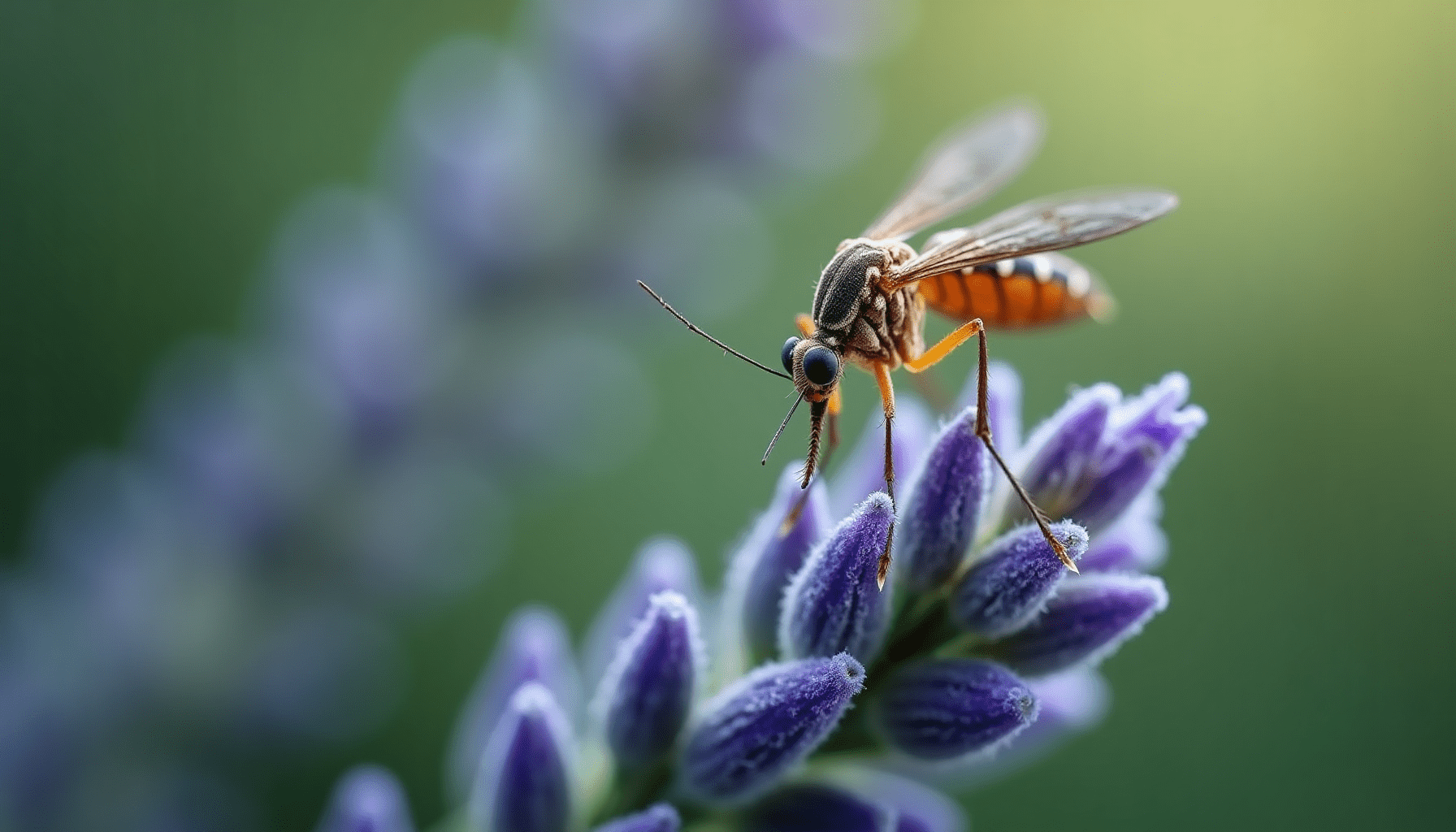
How Effective Are Insect Repellent Plants?
The concept of using plants for natural pest control has roots in traditional practices, but modern science helps us understand their true capabilities. Research shows that while many plants contain compounds known to repel or even kill insects, the effectiveness of simply growing them in your garden can be modest. The key often lies in the concentration and release rate of these volatile organic compounds (VOCs).
Studies, such as a 2011 review on plant-based mosquito repellents, indicate that the volatile oils released by intact plants are generally too low in concentration to provide robust protection at skin level. However, when these oils are extracted and applied topically or diffused as concentrated vapors, their repellent properties become much more pronounced, offering significant protection for several hours, as noted in research published in the Journal of Medical Entomology. This means a potted plant on your patio offers some benefit, but it won't replace a quality topical repellent.
One notable exception is catnip (Nepeta cataria). Its active compound, nepetalactone, has been reported in some lab assays to be 10 to 100 times more effective than DEET at repelling Aedes aegypti mosquitoes, although its persistence on skin is shorter. This fascinating finding, highlighted in research by Peterson & Coats (2001), underscores the potent chemistry within certain plants.
Another powerful example is pyrethrum, derived from Chrysanthemum cinerariifolium. This compound is a widely used natural insecticide in many commercial sprays and aerosols, acting as a neurotoxin to a broad range of insects. However, its use requires caution, as it can be toxic to beneficial insects and aquatic life if misused, as discussed in a 2020 review on botanical insecticides by Isman (2020).
Entomologists and extension services consistently emphasize that pest-repelling plants are just one tool in a comprehensive integrated pest management (IPM) approach. This holistic strategy includes sanitation, habitat modification (like removing standing water to prevent mosquito breeding), mechanical controls, and targeted pesticide applications only when necessary. For robust personal protection against biting insects, public health agencies like the CDC recommend EPA-registered topical repellents.
Best Aromatic Herbs for Natural Pest Control
Aromatic herbs are a popular choice for gardeners seeking natural pest control. Many of these plants are not only useful in the kitchen but also emit strong scents that can deter a variety of insects. Their volatile organic compounds (VOCs) work by masking host odors or directly repelling pests through their smell, thanks to compounds like citronellal, geraniol, and linalool.
Here are some top aromatic herbs and how to best utilize them:
-
Basil (Ocimum basilicum)
- Pests Repelled: Mosquitoes, houseflies, aphids, mites, and even tomato hornworms. The strong scent is thought to confuse many pests.
- Best Uses: Plant basil in containers around your patio or deck seating areas. Its vibrant green leaves and pleasant aroma enhance outdoor spaces while providing some mosquito deterrence. For garden pests, interplant basil directly with tomatoes and peppers. Crushing a few leaves and placing them in small bowls on outdoor tables can intensify the repellent effect.
- Tip: While some people rub fresh basil leaves on their skin, always patch-test first, as essential oils can cause irritation in sensitive individuals.
-
Mint & Relatives (Mentha spp., Nepeta spp.)
- Pests Repelled: A broad spectrum including cabbage moths, ants, fleas, aphids, and certain beetles. Peppermint is also known to deter mice and other rodents. Catnip (Nepeta cataria) is particularly effective against mosquitoes and cockroaches.
- Practical Tips: Mint varieties are aggressive spreaders, so always grow them in containers to prevent them from taking over your garden. Place pots near doors, along patio edges, or sink containers into vegetable beds. Crushing leaves and scattering them around susceptible plants, or even making a simple mint "tea" as a foliar spray, can boost their repellent action.
- Caution: Catnip is highly attractive to cats, which can be a delightful addition or a potential issue if you have delicate plantings or indoor catnip plants.
-
Lavender (Lavandula spp.)
- Pests Repelled: Mosquitoes, flies, moths, and fleas. The distinct floral scent is generally unpleasant to these insects.
- Best Uses: Plant lavender along walkways, under windows, and around patios. Its beautiful flowers and calming fragrance make it a popular ornamental. For indoor use, cut and dry the flowers to create sachets for closets and drawers, which can help deter clothes moths. Placing fresh sprigs on outdoor tables also adds a touch of charm and mild deterrence.
- Growing Notes: Lavender thrives in full sun and well-drained soil. Avoid overwatering to prevent root rot.
-
Rosemary & Sage (Salvia rosmarinus, Salvia officinalis)
- Rosemary Pests: Japanese beetles, carrot fly, cabbage looper, slugs, and snails.
- Sage Pests: Cabbage worms, various beetles, carrot rust fly, and flea beetles.
- Best Uses: These woody herbs are excellent companion plants. Plant rosemary among brassicas (cabbage, broccoli) and carrots. Use them as low hedges or in pots around patio edges. For a more intense repellent effect against mosquitoes, throw fresh sprigs onto a grill or fire pit; the smoke and heat release more volatile oils.
- Enhance Repellency: Consider planting rosemary near your outdoor dining area. The aroma can help keep biting insects away while you enjoy your meal.
-
Lemon Balm & Lemon Thyme (Melissa officinalis, Thymus citriodorus)
- Pests Repelled: Mosquitoes, gnats, cockroaches, and even termites. Their strong citrusy scent is a key deterrent.
- Best Uses: Grow these lemon-scented herbs near seating areas. Crushing the leaves and rubbing them lightly on exposed skin (ankles, wrists) can provide short-term personal repellency, though always patch-test first. They also make good groundcovers under and around taller, insect-sensitive plants.
- Note: Lemon balm can spread aggressively, so consider containing it in pots or trimming it regularly to manage its growth.
These aromatic herbs offer a fragrant and practical way to contribute to a more pest-free environment, particularly in localized areas like patios and garden beds. Remember to combine their use with other strategies for the best results, such as removing standing water to prevent mosquito breeding, as detailed in our guide on how to mosquito-proof your backyard.
Flowering Ornamentals That Deter Pests
Beyond aromatic herbs, several flowering ornamental plants can also play a significant role in natural pest control. These plants often deter insects through strong scents, the presence of natural insecticidal compounds, or by attracting beneficial insects that prey on pests. Incorporating these into your landscaping can add beauty while reducing pest pressure.
Here are some popular flowering ornamentals for pest deterrence:
-
Marigolds (Tagetes spp.)
- Pests Repelled: Mosquitoes, aphids, some beetles, and even root-knot nematodes in the soil (depending on the species). Their strong, distinct scent is a primary deterrent.
- Best Uses: Plant marigolds in borders around vegetable beds or intersperse them among tomatoes, peppers, beans, and squash. This companion planting strategy can help protect vulnerable crops. They also work well in containers around patios, adding a splash of color while providing a mild mosquito-deterrent scent.
- Soil Nematode Suppression: Certain Tagetes species, particularly French marigolds, are known to reduce populations of specific nematodes when grown as a dense cover crop and then incorporated into the soil. Results can vary based on the marigold species and the type of nematode.
-
Chrysanthemums (Chrysanthemum spp., especially C. cinerariifolium)
- Pests Repelled: Ants, cockroaches, ticks, fleas, bed bugs, and Japanese beetles. These plants are the natural source of pyrethrum, a potent insecticide.
- Best Uses: While the pyrethrum compound is typically extracted and used in commercial formulations, growing chrysanthemums as ornamentals can contribute to a healthier garden ecosystem. Cut flowers can also be brought indoors.
- Caution: Pyrethrum and pyrethrins are broad-spectrum insecticides, meaning they can harm many beneficial insects and are toxic to aquatic life. When using commercial products containing these compounds, always follow label instructions carefully.
-
Nasturtiums (Tropaeolum majus)
- Pests Repelled/Managed: These versatile plants can repel or distract whiteflies, squash bugs, and cucumber beetles. They are also famous for acting as a "trap crop" for aphids, drawing them away from more valuable plants.
- Best Uses: Plant nasturtiums around cucumbers, squash, and brassicas (like cabbage and broccoli). Trailing varieties look beautiful in containers on patios and in raised beds. Beyond pest control, their vibrant flowers and peppery leaves are edible, adding value to salads and garnishes.
- Beneficial Attraction: Nasturtiums also attract beneficial insects like hoverflies, whose larvae are voracious aphid predators.
-
Calendula & Borage (Calendula officinalis, Borago officinalis)
- Calendula: Often used in companion planting to deter aphids and attract beneficial insects, such as ladybugs and lacewings, which are natural predators of common garden pests.
- Borage: Known for attracting pollinators and predatory insects. Its presence can help distract pests like the tomato hornworm.
- Use: These are excellent "insectary" plants. Planting them in dedicated beds or strips within your garden can create a haven for beneficial insects, which then help suppress pest populations naturally.
By strategically incorporating these flowering ornamentals, you can create a more resilient garden that naturally manages pest populations. These plants not only contribute to pest reduction but also add aesthetic appeal and biodiversity to your outdoor spaces. For more targeted solutions, especially against mosquitoes, explore our guide on best mosquito repellent plants for your garden.

Strong-Scented Utility Plants & Cautionary Species
Some plants are valued for their strong scents and specific pest-repelling qualities, often used in targeted ways rather than for broad area coverage. However, it's crucial to understand that "natural" doesn't always mean "safe." Certain powerful plants require careful handling due to potential toxicity.
Here are some utility plants and important cautions:
-
Garlic & Alliums (Allium sativum, chives, onions, etc.)
- Pests Repelled: Aphids, cabbage loopers, Japanese beetles, some mites, and even rabbits (chives). Their sulfur compounds are the primary deterrent.
- Best Uses: Interplant garlic and chives with roses, fruit trees, brassicas, and carrots. The strong aroma can help mask the scent of vulnerable plants, making them harder for pests to locate. For heavily infested plants, a homemade garlic spray (crushed cloves steeped in water with a mild soap) can be an effective foliar treatment.
- Note: Garlic sprays can also deter beneficial insects, so apply them selectively and preferably in the evening when pollinators are less active.
-
Bay Leaf (Laurus nobilis)
- Pests Repelled: Primarily pantry pests like weevils, moths, and flour beetles.
- Best Uses: Place dried bay leaves directly into containers of grains, rice, beans, and flour to deter storage pests. They can also be used in sachets for cupboards and drawers where dry goods are kept. The compounds in bay leaves are generally safe for food contact but are unpalatable to these insects.
-
Tansy, Rue, and Pennyroyal (Caution Required)
- Tansy (Tanacetum vulgare): Repels ants, flies, squash bugs, striped cucumber beetles, and mice.
- Rue (Ruta graveolens): Repels aphids, fish moths, flea beetles, onion maggot, slugs, and some beetles.
- Pennyroyal (Mentha pulegium or Hedeoma pulegioides): Known to repel fleas, ticks, ants, and biting flies.
- Important Cautions: These plants contain potent compounds that can be toxic if ingested and may cause skin irritation upon contact. Pennyroyal oil, in particular, has been linked to human and pet poisonings. Always exercise extreme caution:
- Use sparingly and consider planting them in ornamental beds where direct contact is minimal.
- Avoid planting them in areas accessible to pets and children.
- Never ingest these plants or their concentrated oils, and avoid using their oils internally or topically without expert guidance. The National Institutes of Health (NIH) ToxNet database provides comprehensive toxicology information on many substances.
Understanding the specific properties and potential risks of these powerful plants is essential for safe and effective natural pest control. While some offer excellent utility, others demand a cautious approach to ensure the well-being of your household and pets. For more options, especially when dealing with specific biting pests, consider exploring natural tick repellents and natural ant repellents.
Designing Your Natural Pest Control Garden
Creating a garden that naturally deters insects is an enjoyable and rewarding endeavor. It involves thoughtful planning and combining various strategies to maximize the effectiveness of your insect repellent plants. Think of it as creating a multi-layered defense system for your outdoor spaces.
Here’s a step-by-step guide to designing your natural pest control garden or patio:
-
Identify Your Main Pest Problems:
- Biting Insects: Are mosquitoes, gnats, or flies your primary concern? Focus on plants like basil, catnip, lemon balm, lavender, and rosemary.
- Vegetable Pests: Dealing with aphids, beetles, caterpillars, or nematodes? Marigolds, nasturtiums, garlic/chives, rosemary, and sage will be your allies.
- Household Pests: For issues like pantry moths, cockroaches, or mice, consider bay leaves for storage areas or mint/catnip near entry points (keeping in mind cats).
-
Match Plants to Pest Types:
- Mosquito-Focused: Place basil, catnip, lemon balm, lemon thyme, lavender, rosemary, and marigolds strategically around seating areas.
- Garden Pest-Focused: Interplant marigolds, nasturtium, garlic/chives, rosemary, sage, and mint (in containers) within or around your vegetable beds.
- Household: Use dried bay leaves in pantries. Lavender sachets can deter clothes moths. Mint or catnip can help with mice and roaches, but be mindful of pets.
-
Utilize Containers Strategically:
- Pots of basil, mint, catnip, rosemary, and lavender can be moved easily. Place them around patios, decks, and near doors to create a scented "barrier" that helps deter insects from entering your home or gathering in your outdoor living spaces, as suggested by Sunnyside Gardens.
- Hanging baskets of nasturtium or calendula can attract beneficial insects near vegetable beds, providing natural pest control from above.
-
Amplify Scent When Needed:
- For a stronger, temporary repellent effect, gently crush leaves of aromatic herbs like basil, mint, or lemon balm and place them in small bowls on outdoor tables. You can also rub them lightly on clothing or exposed skin (after patch-testing for sensitivity).
- Adding fresh sprigs of herbs like rosemary, sage, mint, or lemon balm to a fire pit or grill can release more volatile oils into the air, creating a noticeable deterrent against nearby mosquitoes.
-
Combine Plants with Other IPM Strategies:
- Remove Standing Water: This is critical for mosquito control. Empty bird baths, pet bowls, and clear gutters regularly.
- Physical Barriers: Use row covers or fine netting to protect vulnerable plants from caterpillars and beetles.
- Encourage Beneficial Insects: Plant "insectary" strips with flowering plants like alyssum, dill, fennel, calendula, and borage to attract ladybugs, lacewings, and parasitic wasps that prey on pests.
- Targeted Treatments: Use organic or low-toxicity insecticides as a last resort, applied only when and where necessary, to minimize impact on beneficial insects and the environment.
By thoughtfully integrating these plant-based strategies with broader pest management practices, you can cultivate a beautiful, thriving garden that is naturally more resistant to insect invaders. For comprehensive information on how to use plants effectively, refer to resources from the University of Georgia Cooperative Extension.
Common Myths About Insect Repellent Plants
Despite their benefits, there are several misconceptions about insect repellent plants that can lead to unrealistic expectations. Understanding the reality behind these common myths is crucial for effective pest management and avoiding disappointment.
Here are some common myths and the scientific reality:
-
Myth 1: "Planting a few 'mosquito plants' will keep mosquitoes away from my entire yard."
- Reality: While plants like citronella grass, basil, or lavender release compounds that mosquitoes dislike, the amount released by an intact, live plant is relatively low. Wind and open air quickly dilute these compounds, significantly reducing their effectiveness over a large area. As noted in a 2011 review by Maia & Moore, effective protection in scientific studies usually comes from concentrated essential oils applied topically or diffused, not just the presence of the plant itself. Plants certainly help create a less inviting environment in localized spots, but they won't replace proper mosquito control efforts like removing standing water or using personal repellents.
-
Myth 2: "All 'natural' insect-repellent plants are safe for people and pets."
- Reality: The term "natural" does not automatically equate to "non-toxic" or "safe." As discussed earlier, plants like pennyroyal, tansy, and rue contain potent compounds that can be toxic if ingested by humans or pets, and some can cause skin irritation. Essential oils extracted from these plants are even more concentrated and can cause dermatitis, respiratory irritation, or severe pet toxicity if misused. Always research the specific plant and its potential hazards, especially if you have children or pets who might come into contact with them. Consult resources like the ASPCA Poisonous Plants List for pet safety information.
-
Myth 3: "Plants that repel one pest will repel all pests."
- Reality: Repellency is highly species-specific. A plant that effectively deters mosquitoes might have no effect on aphids, or it could even attract beneficial insects that prey on other pests. For example, nasturtiums are great for distracting aphids but won't do much for Japanese beetles. The specific chemical compounds in a plant are tailored to affect certain insect physiologies or behaviors. Therefore, a diverse planting strategy targeting your specific pest problems is far more effective than relying on a single "super-repellent" plant.
Understanding these distinctions helps set realistic expectations for your natural pest control efforts. While insect repellent plants are a valuable component of an integrated pest management strategy, they are most effective when their limitations are acknowledged and they are used in conjunction with other proven methods. For more information on effective natural solutions, check out our guide on natural mosquito repellents that actually work.
Conclusion
Incorporating insect repellent plants into your garden and patio is a delightful way to enhance your outdoor living spaces while providing a natural, albeit modest, layer of defense against common pests. From aromatic herbs like basil and lavender to flowering ornamentals like marigolds, these plants offer a blend of beauty and utility. They work by releasing volatile compounds that can deter or confuse insects, and some even attract beneficial predators.
Remember that these plants are most effective as part of a broader integrated pest management strategy. They won't create an impenetrable barrier, but when combined with practices like removing standing water, using physical barriers, and encouraging beneficial insects, they significantly contribute to a more enjoyable, bug-reduced environment. Always be mindful of the specific properties of each plant, especially those with potential toxicity, to ensure safety for your family and pets. By understanding their strengths and limitations, you can cultivate a vibrant, resilient garden that naturally keeps many unwanted insects at bay.
Recommended Products
As an Amazon Associate, I earn from qualifying purchases. Product recommendations are based on real reviews and independent research.