\
Planning a trip across the United States? While the vast landscapes offer incredible beauty, it's wise to be aware of the potential for insect-borne diseases US travelers might encounter. From the buzzing of mosquitoes in summer to the stealthy crawl of ticks in wooded areas, these tiny creatures can transmit pathogens that cause a range of illnesses. This guide will help you understand the regional risks, identify common threats, and equip you with practical prevention strategies to ensure your domestic travels remain safe and enjoyable.
\
Bottom line:
\
Travelers within the U.S. primarily face risks from mosquitoes (transmitting viruses like West Nile, dengue, and encephalitis) and ticks (carrying Lyme disease, anaplasmosis, and Rocky Mountain spotted fever). These risks vary significantly by region and season, with warmer months generally seeing higher activity. The most effective defense is personal protection: use EPA-registered repellents, wear protective clothing, and perform regular tick checks.
\
 \
\\
If you want the wider context, Why Some Bug Bites Swell So Large (and When to Worry) is the natural next read.
Understanding US Insect-Borne Risks
\
Insect-borne diseases, also known as vector-borne diseases, represent a significant public health concern globally, accounting for over 17% of all infectious diseases worldwide, according to the World Health Organization (WHO). While the burden in the United States is considerably lower than in tropical regions, the risk is increasing due to factors like international travel and changes in climate and land use, as noted by the WHO and research from Eisen & Eisen (2018). For travelers within the U.S., the primary arthropod risks stem from mosquitoes and ticks, though flea-borne diseases like plague are regionally important but rare.
\
Mosquito-Borne Threats
\
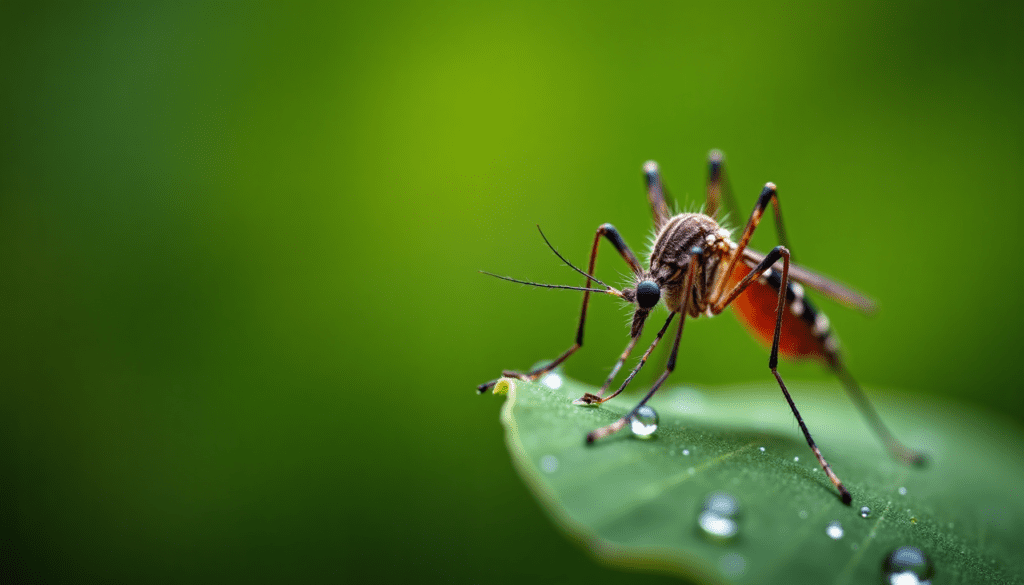
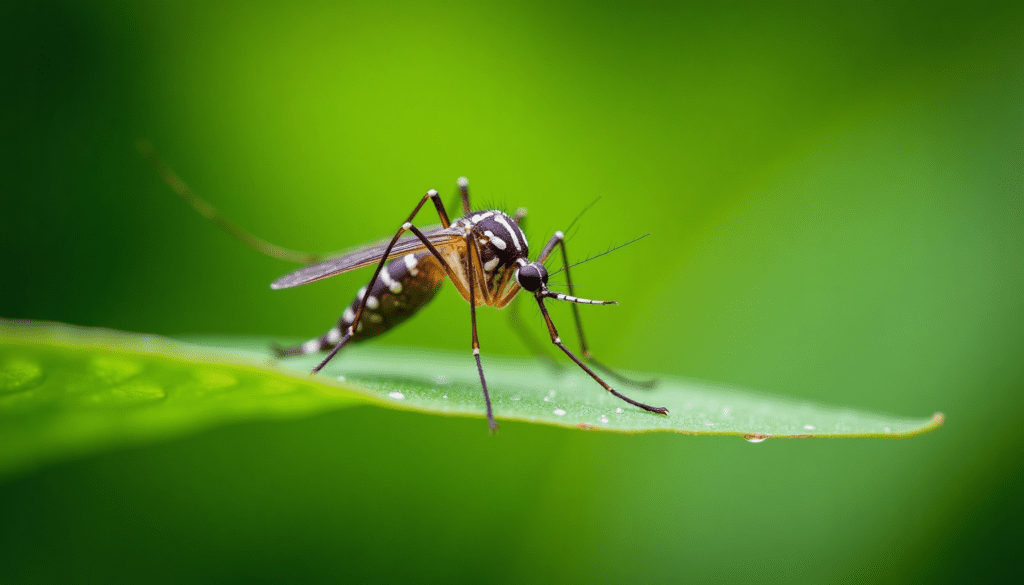
Mosquitoes are notorious for transmitting viruses, and several are endemic across the U.S.
\
- \
- West Nile Virus (WNV): This is the leading cause of mosquito-borne disease in the contiguous U.S., with human cases reported in all states, as highlighted by the Centers for Disease Control and Prevention (CDC). Transmission is seasonal, typically from summer through fall, with higher incidence in many Midwestern and some Western states. While most infections are asymptomatic, about 1 in 5 people develop fever and other symptoms, and less than 1% can develop severe neuroinvasive disease.
- Dengue, Zika, and Chikungunya: These viruses are primarily introduced by travelers returning from endemic areas. However, localized outbreaks have occurred in parts of the southern U.S. where competent vectors, Aedes aegypti and Aedes albopictus mosquitoes, are established. These mosquitoes thrive in urban environments, breeding in artificial containers and preferring human hosts, as discussed in an Institute of Medicine (IOM) report. Local dengue transmission has been documented in Florida, Texas, Hawaii, and other Gulf states.
- Eastern Equine Encephalitis (EEE): A rare but severe disease with a high fatality rate (30-40%), EEE cases are mainly found in Atlantic and Gulf Coast states and the Great Lakes region. Other less common but regionally distributed viruses include Western equine encephalitis, St. Louis encephalitis, Jamestown Canyon, and La Crosse encephalitis, as monitored by the U.S. Geological Survey (USGS).
- Malaria: While most of the approximately 2,000 U.S. malaria cases annually are imported by travelers, local mosquito-borne transmission within the U.S. is possible, though historically rare and focal, as summarized by MissQuito citing CDC data.
\
\
\
\
\
Understanding how mosquitoes transmit diseases is key to appreciating the importance of prevention.
\
Tick-Borne Threats
\
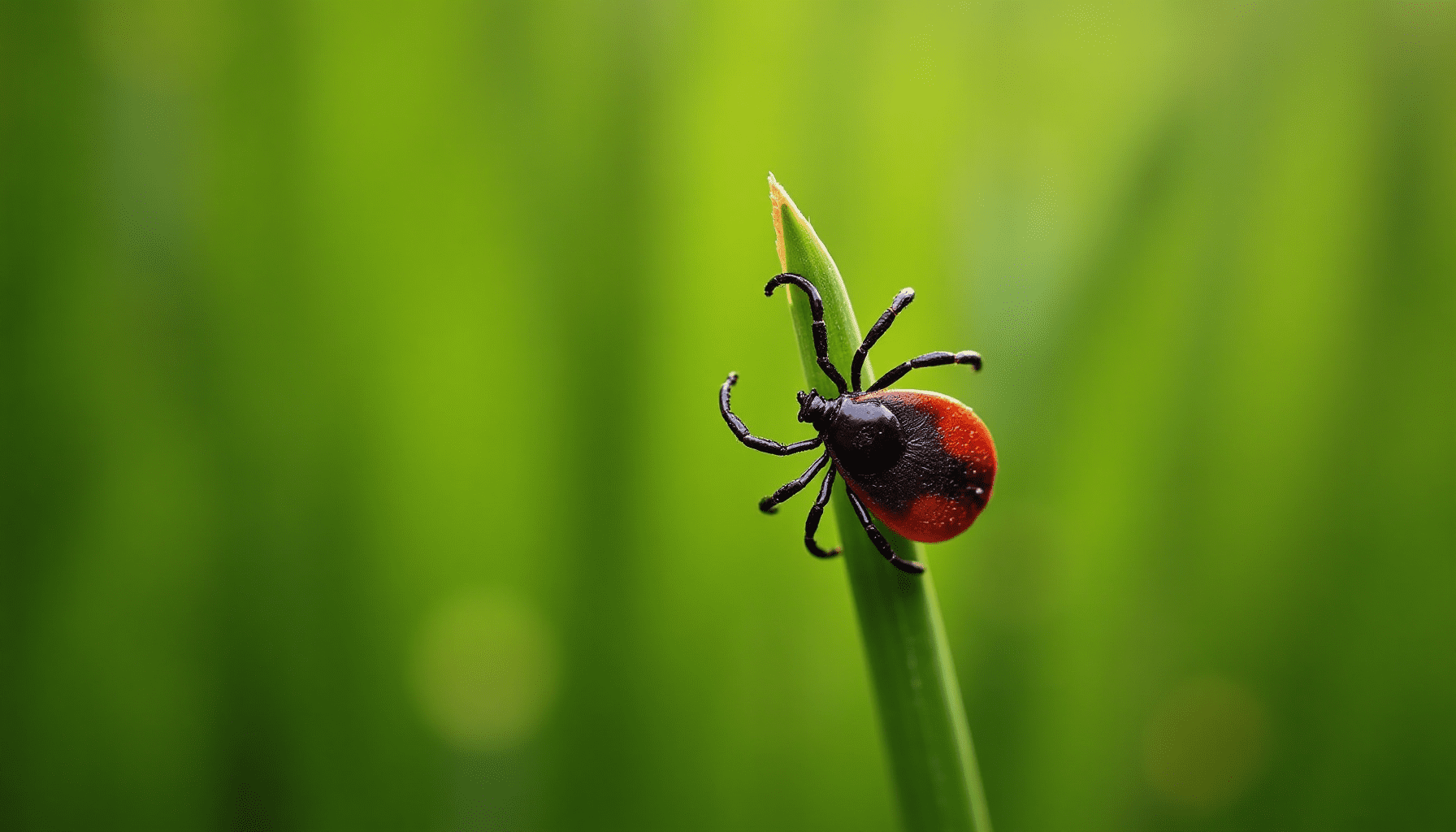
Tick-borne diseases have dramatically increased over the last two decades and now constitute the majority of reported vector-borne diseases in the U.S., according to Eisen & Eisen (2018).
\
- \
- Lyme Disease: This is perhaps the most well-known, with hundreds of thousands of infections estimated annually. Cases are heavily concentrated in the Northeast, Mid-Atlantic, and upper Midwest, with expanding geographic areas.
- Anaplasmosis and Ehrlichiosis: These bacterial infections are also transmitted by ticks and can cause flu-like symptoms.
- Babesiosis: A parasitic infection that can be severe, especially in immunocompromised individuals.
- Rocky Mountain Spotted Fever (RMSF): And other spotted fever rickettsioses are serious bacterial infections.
- Powassan Virus Disease: Though rare, this virus can cause severe neuroinvasive disease.
\
\
\
\
\
\
Key tick species responsible for these diseases include:
\
- \
- Blacklegged Ticks (Ixodes scapularis and I. pacificus): The primary vectors for Lyme disease, anaplasmosis, babesiosis, and Powassan virus in the East and West, respectively.
- American Dog Tick, Rocky Mountain Wood Tick, Brown Dog Tick: Vectors for RMSF and related rickettsioses.
- Lone Star Tick (Amblyomma americanum): Associated with ehrlichiosis and the alpha-gal meat allergy, this species is expanding its range northward and westward.
\
\
\
\
You can learn more about common tick-borne diseases like Lyme, Anaplasmosis, and Rocky Mountain Spotted Fever to better protect yourself.
\
Regional Insect Disease Map
\
The risk of encountering insect-borne diseases US travelers face is highly dependent on their destination and the time of year. Here's a high-level overview of regional risks:
\
- \
- Northeast & Upper Midwest (e.g., New England, NY, PA, WI, MN, MI):
- \
- Ticks: High risk for Lyme disease, anaplasmosis, babesiosis, and Powassan virus.
- Mosquitoes: West Nile Virus (WNV) is common; occasional Eastern Equine Encephalitis (EEE) in coastal New England and the Great Lakes.
- Season: Late spring to fall for ticks; summer to fall for mosquitoes.
\
\
\
\
- Mid-Atlantic & Appalachians:
- \
- Ticks: Lyme disease (expanding), ehrlichiosis, Rocky Mountain Spotted Fever (RMSF) in some areas; alpha-gal syndrome from lone star ticks.
- Mosquitoes: WNV; sporadic EEE in coastal/marshy regions.
- Season: Similar to the Northeast, with a slightly longer tick and mosquito season.
\
\
\
\
- Southeast & Gulf Coast (including Florida, Gulf states):
- \
- Mosquitoes: WNV; sporadic locally transmitted dengue, occasional other Aedes-borne viruses during outbreaks; EEE in swampy/rural areas.
- Ticks: RMSF and other spotted fever rickettsioses, ehrlichiosis, lone star tick-related conditions.
- Season: Long, often year-round mosquito activity; extended tick season.
\
\
\
\
- Southwest & Texas:
- \
- Mosquitoes: WNV widely present; sporadic locally acquired dengue near the border and in South Texas.
- Ticks: RMSF (especially historically in certain areas like Arizona tribal lands), other rickettsial diseases.
- Season: Summer to fall for WNV; variable for ticks depending on elevation and habitat.
\
\
\
\
- Great Plains & Central States:
- \
- Mosquitoes: WNV with recurring high incidence in many Midwestern states, as noted by Petersen et al. (2013).
- Ticks: RMSF, ehrlichiosis in some regions; Lyme risk in the upper Midwest.
- Season: Summer to fall mosquito season; spring to fall tick season.
\
\
\
\
- Rocky Mountains & Intermountain West:
- \
- Mosquitoes: WNV endemic; other arboviruses occasionally.
- Ticks: RMSF in some areas; Colorado tick fever (higher elevations).
- Season: Shorter but intense warm-season window, especially at lower elevations.
\
\
\
\
- West Coast (California, Pacific Northwest):
- \
- Mosquitoes: WNV widely established (especially in California); occasional other arboviruses.
- Ticks: Lyme and related infections in northern California and parts of Oregon/Washington via Ixodes pacificus.
- Season: Varies with latitude and microclimate; coastal areas may have longer vector seasons.
\
\
\
\
- Alaska & Hawaii:
- \
- Alaska: High mosquito abundance in summer, but human arboviral disease risk remains low. Tick-borne diseases are currently limited but under surveillance.
- Hawaii: Risk of dengue and other Aedes-borne diseases in outbreaks; mosquitoes are present year-round in many areas.
\
\
\
\
\
\
\
\
\
\
\
\
 \
\\
\
Drivers of Disease Risk
\
\
Understanding why insect-borne diseases are a concern in the U.S. involves looking at several interconnected factors. These drivers influence where and when vectors thrive, and how likely they are to transmit pathogens to humans.
\
Vector Ecology and Behavior
\
Different insect vectors have distinct habits that contribute to disease risk. Aedes aegypti and A. albopictus mosquitoes, for instance, are highly adapted to urban and suburban environments. They lay eggs in small containers of standing water commonly found around homes, such as flowerpots, birdbaths, and discarded tires. Their preference for human blood meals and tendency to bite multiple people during a single feeding make them efficient disease spreaders, as detailed in the IOM report (2016) and by the WHO (2020). Culex mosquitoes, which transmit WNV, breed in larger bodies of standing water like storm drains and wetlands, feeding on both birds and mammals.
\
Climate and Weather Patterns
\
Temperature, rainfall, and humidity directly impact vector populations and disease transmission. Warmer temperatures can accelerate the development of mosquitoes and ticks, shorten the extrinsic incubation period of pathogens within the vector (the time it takes for a pathogen to become transmissible), and increase biting frequency. This can lead to longer transmission seasons and enable vectors to expand into new geographic areas, including northward or to higher elevations, as discussed by Eisen & Eisen (2018). Extreme weather events, such as heavy rainfall followed by heat, can create ideal breeding conditions, leading to spikes in mosquito populations. The NASA Global Precipitation Measurement (GPM) mission utilizes climate data to forecast disease risk.
\
Land Use and Urbanization
\
How we develop and use land also plays a significant role. Urbanization, with its impervious surfaces, stormwater systems, and abundant artificial container habitats, provides ideal breeding grounds for Aedes and Culex mosquitoes, as noted by NASA GPM (2015). Conversely, suburban sprawl and reforestation in the Northeast and Midwest have created more "edge habitat" – transitional zones between forests and developed areas. This increases populations of deer and mice, which are hosts for ticks, thereby driving the emergence and spread of diseases like Lyme disease, according to Eisen & Eisen (2018).
\
Human Behavior and Travel
\
Human movement is a critical factor. Travelers returning from international destinations can import pathogens like dengue, Zika, or malaria, which can then be transmitted locally if competent vectors are present in the U.S., as highlighted by the WHO (2020). Domestically, outdoor recreation activities such as hiking, camping, hunting, and gardening increase exposure to ticks and mosquitoes, especially during their peak activity seasons. For more details on seasonal activity, you can consult our guides on peak mosquito season in different US states and when ticks are most active across the US.
\
Public Health Surveillance and Control
\
Effective public health surveillance is essential for managing insect-borne disease risks. WNV, for example, is a nationally notifiable disease, meaning cases are reported to the CDC. However, many arboviral and tick-borne diseases are underdiagnosed and underreported due to non-specific symptoms and varying public awareness, as pointed out by Eisen & Eisen (2018). Expert consensus emphasizes that ongoing surveillance, robust vector control programs, and consistent personal protection measures are vital for mitigating risk across the U.S.
\
Essential Prevention Strategies
\
\
Protecting yourself from insect-borne diseases US travel entails a combination of awareness and practical actions. While most insect bites are merely an annoyance, some can lead to severe illnesses, making prevention crucial.
\
Avoid Bites
\
The most straightforward way to prevent insect-borne diseases is to avoid getting bitten in the first place.
\
- \
- Use EPA-Registered Repellents: Apply repellents containing active ingredients like DEET, picaridin, IR3535, oil of lemon eucalyptus (OLE), para-menthane-diol (PMD), or 2-undecanone to exposed skin. The CDC provides guidance on choosing effective repellents. You can find more information in our guide to the best mosquito repellents.
- Wear Protective Clothing: Opt for long sleeves, long pants, and socks when outdoors, especially in wooded or grassy areas. Light-colored clothing can also make it easier to spot ticks.
- Treat Clothing and Gear: For high-risk areas, treat clothing, tents, and other gear with permethrin. This insecticide repels and kills ticks and mosquitoes on contact and remains effective through several washes. You can also purchase pre-treated clothing.
- Use Barriers: Sleep in screened or air-conditioned rooms, or use bed nets, particularly in areas with high mosquito activity.
\
\
\
\
\
Reduce Mosquito Breeding Around Accommodations
\
Even when traveling, you can take steps to minimize mosquito populations around your lodging.
\
- \
- Empty Standing Water: Regularly empty water from containers such as buckets, flowerpots, coolers, and clogged gutters around cabins, RV sites, and vacation rentals. Mosquitoes can complete their life cycle in as little as a week in small amounts of water, as advised by the Virginia Department of Health (VDH).
- Check Screens: Ensure window and door screens are intact and repair any holes to keep mosquitoes out.
\
\
\
Tick-Specific Precautions
\
Ticks require a slightly different approach due to their ambush hunting style.
\
- \
- Stay on Trails: When hiking, stick to the center of trails and avoid walking through high grass, leaf litter, and dense vegetation where ticks often wait.
- Perform Daily Tick Checks: After spending time outdoors, conduct a thorough full-body tick check. Pay close attention to areas like the scalp, behind the ears, armpits, waistline, groin, and behind the knees.
- Shower Promptly: Showering within two hours of coming indoors can help wash off unattached ticks.
\
\
\
\
What to Do If Bitten
\
Despite precautions, bites can happen. Knowing how to react is important.
\
- \
- Mosquito Bite: Clean the area with soap and water. Use topical anti-itch creams or calamine lotion to relieve discomfort. Monitor for symptoms like fever, severe headache, confusion, neck stiffness, or rash over the following two weeks. Seek medical attention if these symptoms develop.
- Tick Bite: Remove the tick promptly using fine-tipped tweezers. Grasp the tick as close to the skin's surface as possible and pull straight upward with steady, even pressure. Clean the bite area thoroughly with rubbing alcohol or soap and water. If possible, save the tick in a sealed bag or container with a moist cotton ball for potential identification or testing by local health authorities. Watch for fever, rash (especially a bull's-eye rash), or flu-like illness in the next 30 days and consult a healthcare provider if symptoms appear.
\
\
\
Vaccines and Pre-Travel Health Planning
\
For most domestic U.S. travel, there are no routine vaccines specifically recommended for insect-borne diseases like WNV or dengue. However, specific situations warrant discussion with a clinician:
\
- \
- International Travel: If your U.S. trip is part of a larger international itinerary, you may need vaccines for yellow fever or Japanese encephalitis, or malaria prophylaxis, depending on your destinations, as advised by the WHO (2020).
- High-Risk Individuals: Travelers with chronic conditions, pregnant individuals, or those who are immunocompromised should discuss insect-borne risks with their doctor before any trip.
\
\
\
How to Check Current Local Risk
\
Staying informed about current disease activity can help you adjust your precautions.
\
- \
- National Resources: The CDC's West Nile virus maps and annual reports provide national and state-level data. The CDC also offers detailed pages on specific vector-borne diseases like Lyme and RMSF.
- State and Local Health Departments: These are excellent resources for localized information. Many state health departments, like the Virginia Department of Health, publish current surveillance data and risk advisories.
- Cross-Border Travel: For those traveling near the U.S.-Canada border, Health Canada's seasonal mosquito-borne disease surveillance maps can offer additional insights.
\
\
\
\
 \
\\
\
Common Myths About US Insect-Borne Diseases
\
Misinformation can lead to inadequate protection. Let's clarify some common misconceptions about insect-borne diseases US travelers might encounter.
\
- \
- Myth 1: "Vector-borne diseases are only a problem in developing countries."
- \
- Fact: The U.S. has multiple endemic mosquito- and tick-borne diseases, including West Nile Virus and Lyme disease, which are well-established and cause cases every year, as confirmed by the CDC (2023) and Eisen & Eisen (2018).
\
\
- Myth 2: "I'll know if a mosquito or tick that bites me is infected."
- \
- Fact: Infected vectors look no different from uninfected ones. Many infections cause non-specific flu-like symptoms or are asymptomatic, making them easy to miss, according to the WHO (2020).
\
\
- Myth 3: "If I don't see a rash, I can't have Lyme or other tick-borne diseases."
- \
- Fact: Not everyone with Lyme disease develops the characteristic "bull's-eye" rash, and some tick-borne diseases like anaplasmosis, ehrlichiosis, or early RMSF may not cause a rash at all, or it may appear late. Any unexplained fever after a tick bite warrants medical attention, as advised by the CDC.
\
\
- Myth 4: "Mosquito-borne diseases in the U.S. can be treated easily with antibiotics."
- \
- Fact: Many mosquito-borne diseases, such as WNV, dengue, Zika, and EEE, are viral. There are no specific antiviral drugs for most of them, and care is primarily supportive. Prevention is therefore critical, as emphasized by the WHO (2020).
\
\
- Myth 5: "There's a vaccine for everything now, so I don't need to worry about bites."
- \
- Fact: There is no widely available human vaccine for WNV, Lyme disease, dengue, or most other vector-borne diseases for routine use in the U.S. Personal protection and vector control remain essential, as highlighted by the VDH (2024).
\
\
- Myth 6: "Winter means no risk."
- \
- Fact: While risk is lower in colder months, some ticks can remain active above freezing temperatures. Warmer regions of the U.S. can experience year-round vector activity. Travelers from colder areas should not let their guard down during winter trips to the South.
\
\
- Myth 7: "If there are no recent local headlines, there's no disease risk."
- \
- Fact: Many vector-borne diseases persist at low levels and can flare unpredictably. The absence of headlines does not mean the absence of risk. WNV and Lyme disease, for example, are entrenched and cause cases every year.
\
\
\
\
\
\
\
\
\
\
Conclusion
\
Navigating the natural beauty of the United States comes with the responsibility of understanding and mitigating potential health risks from insects. By being informed about the regional and seasonal prevalence of insect-borne diseases US travelers might encounter, you can take proactive steps to protect yourself and your loved ones. From using EPA-registered repellents and wearing appropriate clothing to performing diligent tick checks and eliminating standing water, simple prevention strategies are your best defense. Stay vigilant, consult local health advisories, and enjoy your travels knowing you've taken the necessary precautions.
\
For more detailed information on specific insect threats, explore our related articles on how mosquitoes transmit diseases and common tick-borne diseases like Lyme, Anaplasmosis, and Rocky Mountain Spotted Fever.
\
Recommended Products
\
\
As an Amazon Associate, I earn from qualifying purchases. Product recommendations are based on real reviews and independent research.