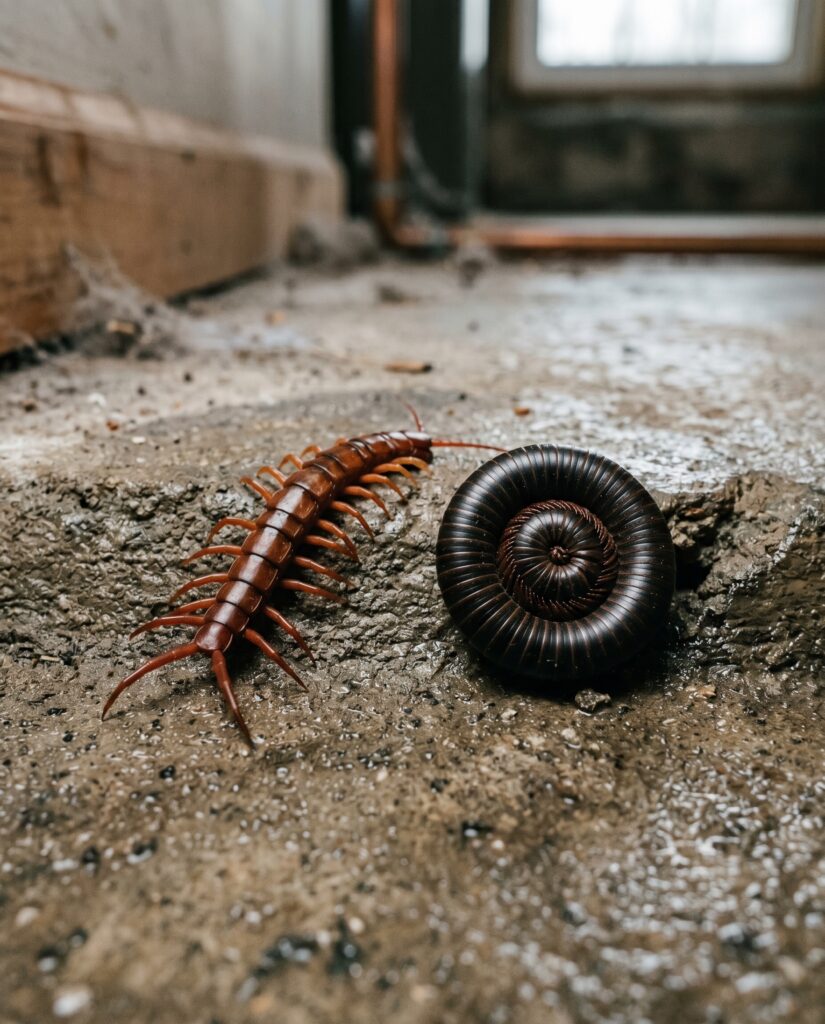
If you keep finding earwigs in the house, the thing to understand is that they did not hatch indoors. An earwig you see inside wandered in from a damp spot just outside, which means the real fight is in the yard, not the living room. What to do first costs nothing: pull mulch, leaves, and damp debris back from the foundation, switch your watering to the morning so the ground dries out by nightfall, and set a few simple traps where they actually live in the garden. Indoors it is just vacuum-and-seal. There is no infestation to bomb, because earwigs cannot breed in your house, so a fogger is wasted money.
Earwigs you find indoors came in from a damp spot just outside, so the win is in the yard: pull mulch off the foundation, water in the morning, trap them in the garden, and seal the gaps they slip through. Indoors it is vacuum-and-seal, no fogging needed.
- Do first (free): Pull mulch and leaves a foot back from the foundation and water in the morning so the soil dries by night.
- Best for the common case: Cheap oil-baited can traps and rolled newspaper in the garden beds, plus caulk and door sweeps to seal entry points.
- Skip: Foggers and indoor bug bombs; earwigs cannot reproduce inside, so there is nothing in the house to fog.
Why the yard is the real fight
Here is the part most guides bury: an earwig is an outdoor bug that ended up indoors by accident. They feed, mate, and lay eggs outside, and the females tend their eggs in burrows in damp soil, so a house can never become a breeding site the way it does for roaches or bed bugs. According to UC IPM, earwigs feed and breed outdoors in cool, damp, dark places and only move indoors when it gets too hot or dry out there or when their hiding spots back right up against your walls. The ones inside are strays, not a colony, which is exactly why the work happens outside.
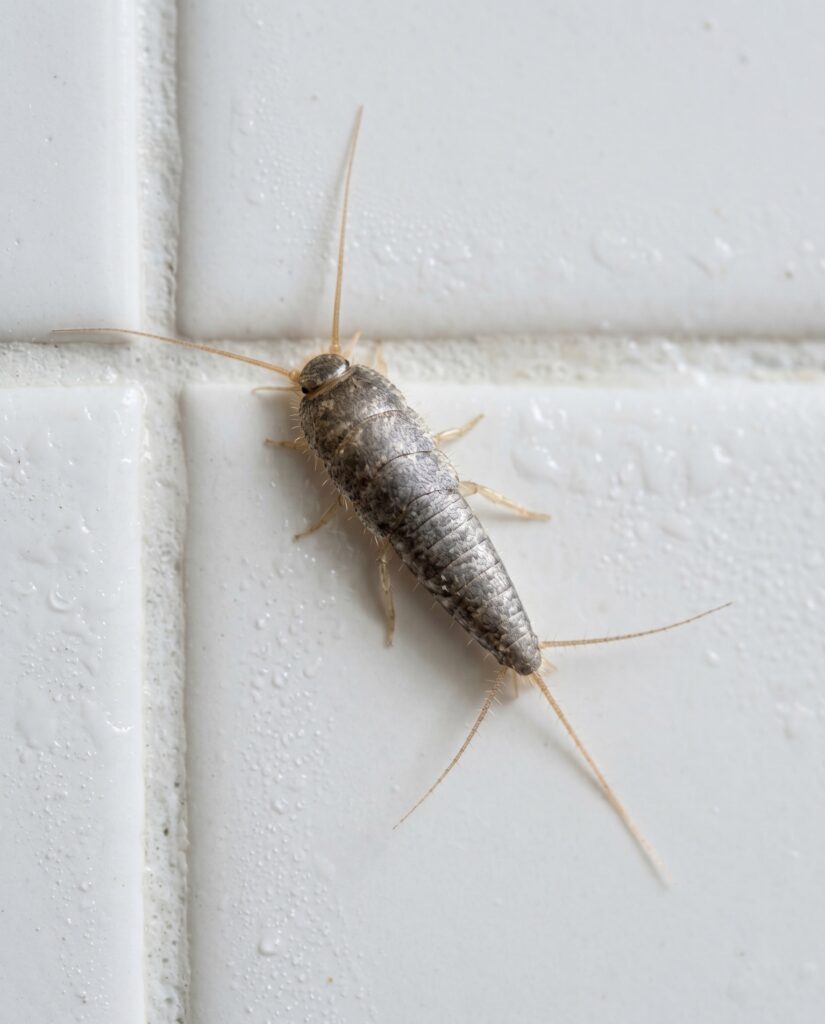
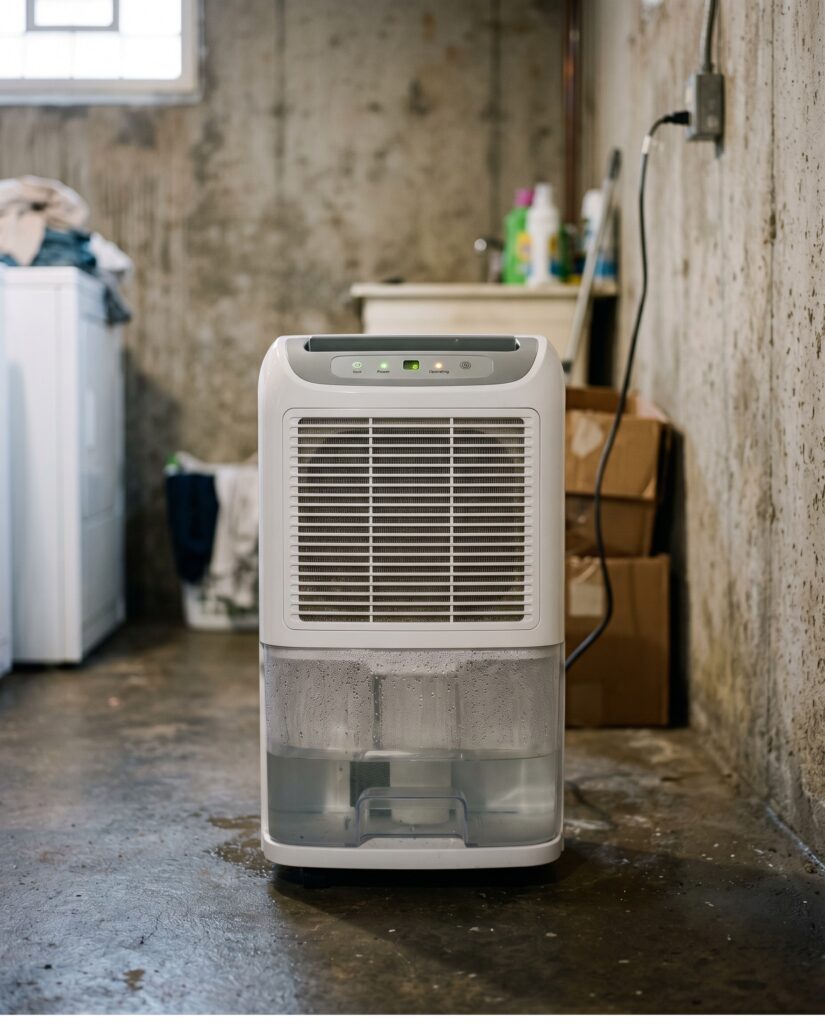
That reframes the whole job. If you spend a week spraying baseboards while a wet leaf pile sits against the siding, you are killing scouts while the source keeps sending more. The University of Kentucky groups them with the other moisture-driven occasional invaders that wander in from outside, the same category as silverfish and centipedes. Cut the moisture and the harborage around the foundation and the indoor sightings dry up on their own.
Make sure it is actually an earwig
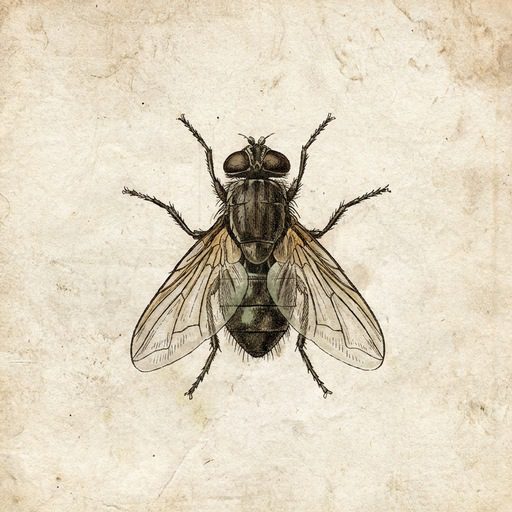
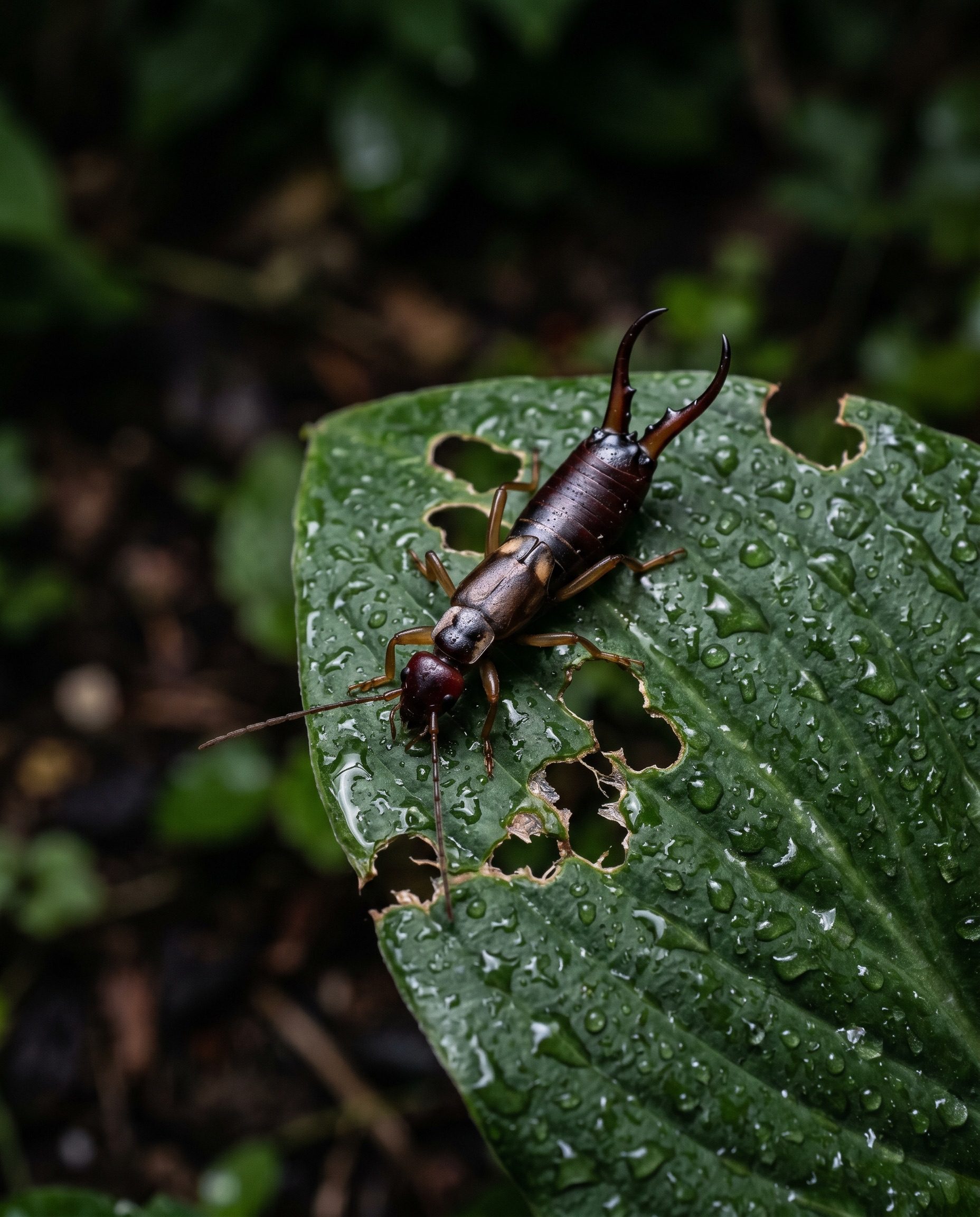
Do not treat a guess. Earwigs are easy to ID once you know the tell: a flat, reddish-brown to dark-brown body about half an inch to three-quarters of an inch long, and a pair of curved pincers, called cerci, sticking off the rear end. They are nocturnal, so you usually meet them when you flip a flowerpot, lift a board, or turn on the bathroom light at night and one scuttles for cover. The pincers look menacing but they do not meaningfully hurt people, and the old line about them crawling into your ear is folklore, not biology.
What gives them away in the garden is the damage. Earwigs chew small, ragged, irregular holes in tender leaves, flower petals, and soft fruit, and they work after dark, which is why people blame slugs at first. If you want to be certain you are not confusing them with a similar-looking pest before you commit to a plan, our earwig identification guide puts the key features side by side. One honest note: earwigs also eat aphids, mites, and decaying matter, so a few in a healthy garden are doing useful work, and you are aiming to reduce the population, not sterilize the yard.
Reading garden leaf damage goes further into why a torch at night settles it.
What to do first outside
This is the layer that does the real work, and almost none of it costs money. Earwigs need damp, dark cover during the day, so the move is to take that away from the perimeter of the house.
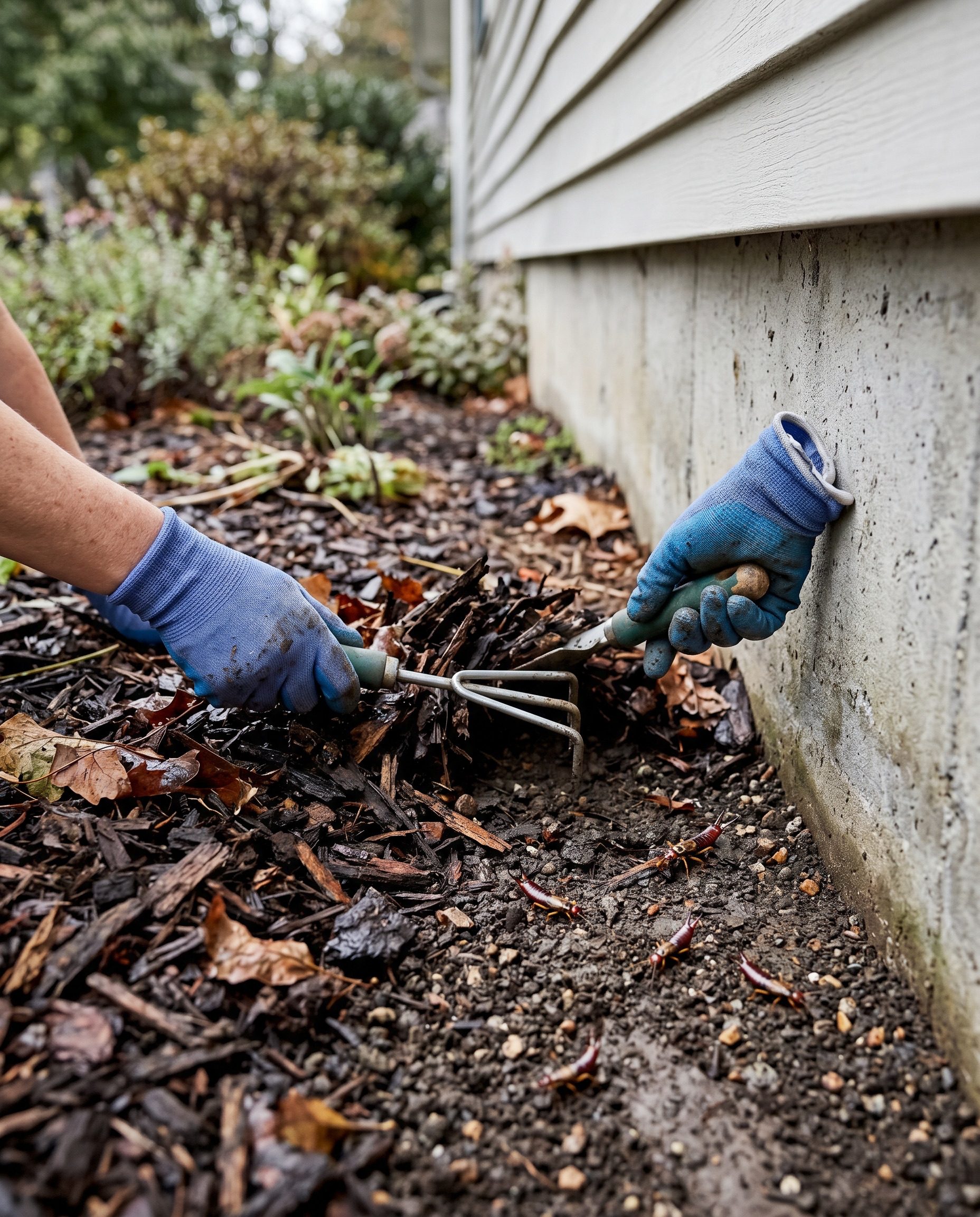
Start with harborage. Pull mulch, leaves, and dead plant debris about a foot back from the foundation so there is a dry, bare band of soil against the wall, and clear out the boards, bricks, pots, and woodpiles that give them a daytime hideout right next to the house. Then fix the moisture, because cover plus damp is what they are really after. Water in the morning, not the evening, so the top of the soil dries out before the bugs come out to feed at night, and aim sprinklers away from the foundation. Check that downspouts carry water away from the wall and that there is no standing damp in the bed against the house.
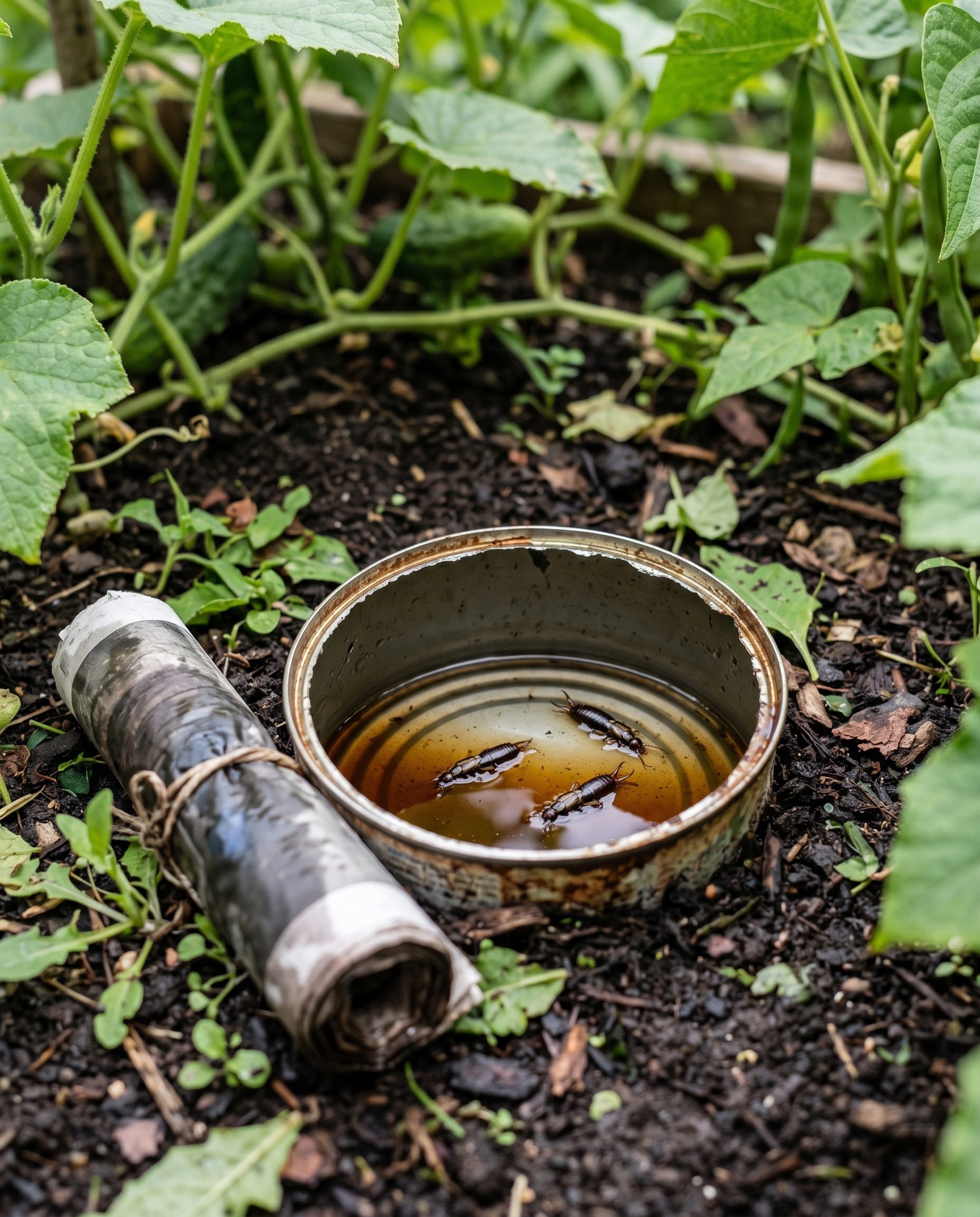
Once the perimeter is dry and open, set traps where the earwigs still are, out in the beds. UC IPM specifically recommends rolled newspaper and low-sided cans baited with oil as cheap, effective monitors and controls. Sink a shallow tuna or cat-food can to its rim in the soil and put about half an inch of vegetable oil with a little soy sauce in the bottom; earwigs climb in overnight and cannot get out. A loosely rolled, lightly dampened newspaper laid in the bed at dusk works the same way as a hiding spot. Empty both into soapy water each morning and reset them. Run the traps for a couple of weeks and you will knock the population down noticeably without a drop of insecticide.
Match the fix to where you found them
The right move changes depending on where the earwig turned up. This is the quick map.
| Where you found it | Best approach | Watch out for |
|---|---|---|
| Indoors (bathroom, kitchen) | Vacuum the strays, then caulk and add door sweeps | No fogging; they cannot breed inside |
| Foundation and perimeter | Clear mulch and debris back, dry the soil out | Fix evening watering and downspouts first |
| Garden beds and plants | Oil-baited cans and rolled newspaper traps | Empty traps daily so they stay effective |
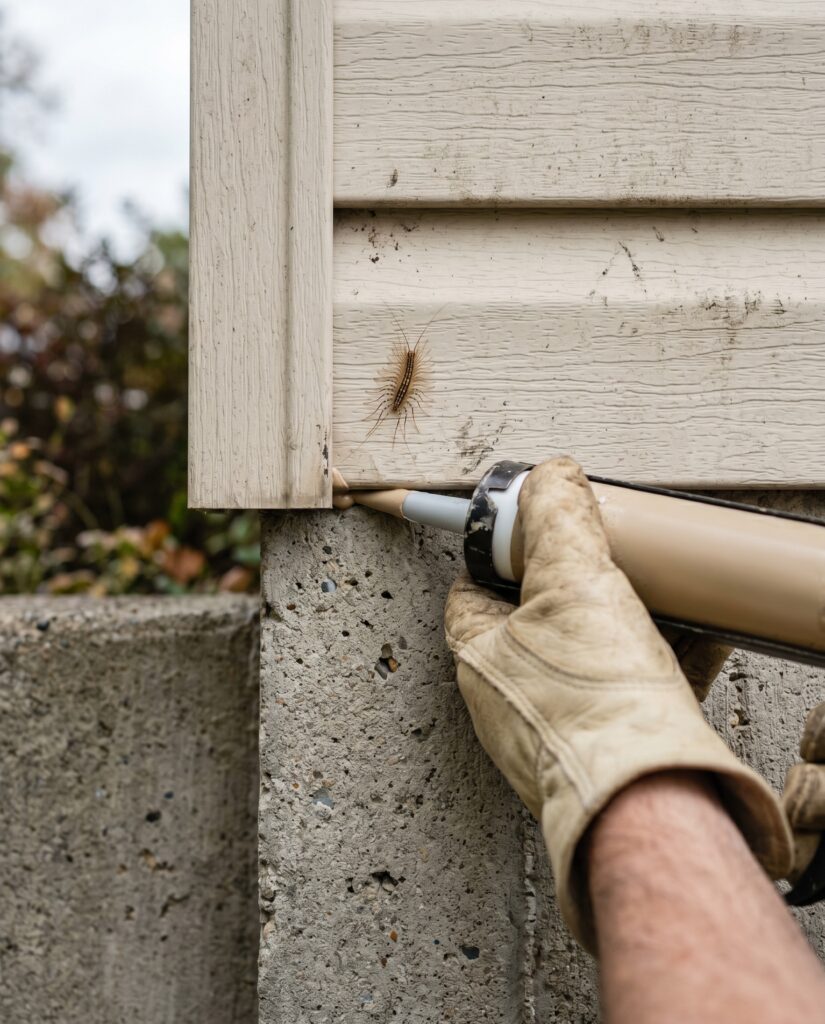
Indoors, the whole job is mechanical. Vacuum up the ones you see and seal how they got in: caulk gaps around pipes and utility lines, add or replace door sweeps and weatherstripping, and screen crawlspace and foundation vents. This is the same moisture-and-exclusion playbook that works on their look-alikes, and you can borrow the same moisture and exclusion approach used for silverfish and the one in our guide to getting rid of house centipedes. If you want a tougher residual band, a labeled perimeter insecticide applied to the outside foundation can help control them, but it is the last step, not the first. Always read and follow the product label, because under federal law the label is the law, keep kids and pets off treated areas until dry, and never apply an outdoor product indoors. For a side-by-side on the trap and barrier products worth buying, our earwig traps and control products roundup sorts them out.
Keep them out next season
Earwigs come back when the conditions come back, so prevention is just keeping the perimeter dry and open year-round. Keep that bare, dry band against the foundation through the growing season, store firewood and pots away from the wall, and clean leaves out of beds and window wells in fall so there is less damp cover for them to overwinter in. They are most active and most likely to wander indoors in late spring and through the hot, dry stretch of summer, so that is when to keep the traps running and the watering on a morning schedule. Reseal any caulk or door sweeps that have worn out, since a single new gap is all a stray needs to get back in.
Common questions
What kills earwigs instantly?
Direct contact with soapy water, the oil in a baited can trap, or a labeled contact insecticide will kill the earwigs you actually hit. The catch is that the ones you can reach are a tiny fraction of the outdoor population, so a quick kill of a few strays does not solve anything. Drying out their harborage and trapping them in the garden is what brings the numbers down for real.
Do earwigs lay eggs in the house?
No. Earwigs mate and lay their eggs in burrows in damp soil outdoors, and the indoor ones are strays that wandered in. That is the single most useful fact here, because it means there is no indoor nest to find and no reason to fog or bomb the inside of your house.
Are earwigs dangerous or do they bite?
Not really. The rear pincers can deliver a harmless pinch if you grab one, but earwigs do not bite, are not venomous, and do not spread disease to people. The ear-crawling story is a myth. In the garden they are a mixed bag, since they nibble seedlings and soft fruit but also eat aphids.
How long does it take to get rid of them?
For a typical case, expect a couple of weeks once you have cleared the harborage, fixed the watering, and run traps nightly. Indoor sightings usually stop within days of sealing the entry points, because you are no longer letting strays in. Heavier garden populations take a full trapping cycle to thin out.
Will they come back?
They come back if the damp cover comes back. A wet mulch bed against the foundation or a return to evening watering rebuilds the exact conditions they need, so the durable fix is keeping the perimeter dry and open and resealing worn gaps each season.
Final verdict
Getting rid of earwigs is an outdoor job, not an indoor one. The earwig in your bathroom is a stray from a damp spot just outside, so start with the free work: pull mulch and debris a foot back from the foundation, switch to morning watering so the soil dries by night, and run cheap oil-baited can and rolled-newspaper traps in the garden beds where they actually live. Indoors, vacuum the ones you see and seal the gaps with caulk and door sweeps. Save any labeled perimeter spray for last, on the outside foundation only. Skip the fogger entirely, because earwigs cannot breed in your house and there is nothing inside to bomb. Stay consistent with the dry perimeter and the morning watering and the sightings fade out and stay gone.
Next steps:
– Confirm you are dealing with earwigs and not a look-alike with our earwig identification guide.
– Pick the traps and barrier products worth buying in our earwig traps and control products roundup.
– If the damp-invader pattern sounds familiar, the same approach clears their cousins in our house centipede guide.