
The real question behind termite treatment cost is not DIY versus professional. It is how far the termites have spread. A handful of DIY products cost tens of dollars and genuinely earn their place on spot treatment, monitoring, and prevention. A professional soil barrier or bait system costs far more because it protects the whole structure, and a confirmed structural colony needs exactly that scope. So spend the small money up front on prevention and detection, and hold the big money for the day an inspection confirms a colony in the building.
Termite cost tracks spread, not DIY versus pro. Cheap products are right for prevention, monitoring, and a single piece of damaged wood; a confirmed structural colony needs a professional soil barrier or whole-structure bait system, which is what the big price buys.
- Do first (cheap): Fix moisture and wood-to-soil contact, set monitoring stakes, and treat bare framing with a borate. Tens of dollars, not thousands.
- Best for the common case: A confirmed subterranean colony needs a professional soil treatment or in-ground bait system around the whole structure.
- Skip: Over-the-counter sprays as your only answer for a structural colony; they reach the wood you can see, not the nest in the ground.
Where the money actually goes
People compare the price of a $25 termite product against a four-figure professional quote and conclude the pro is a ripoff. That is comparing two different jobs. The cheap product treats wood you can reach or a small patch of activity. The professional price covers the whole footprint of a house, a labeled termiticide applied at volume, and the labor to trench, drill, and inject around a foundation. You are not paying ten times more for the same work, you are paying for ten times the coverage.
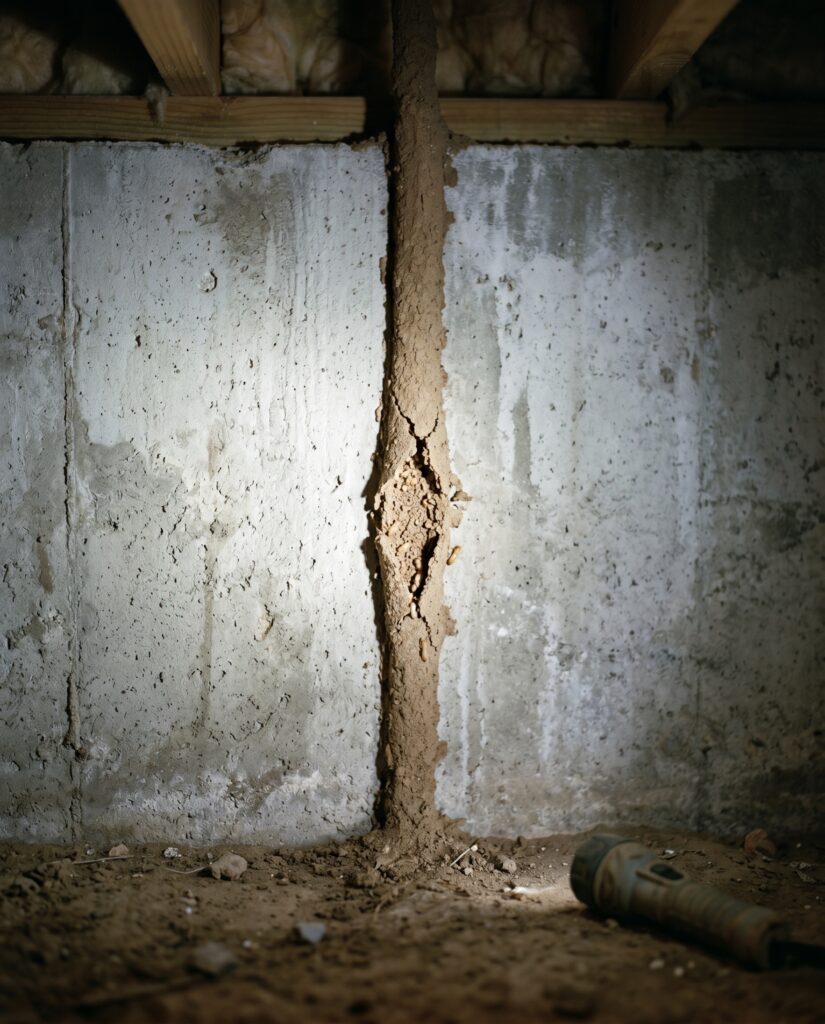
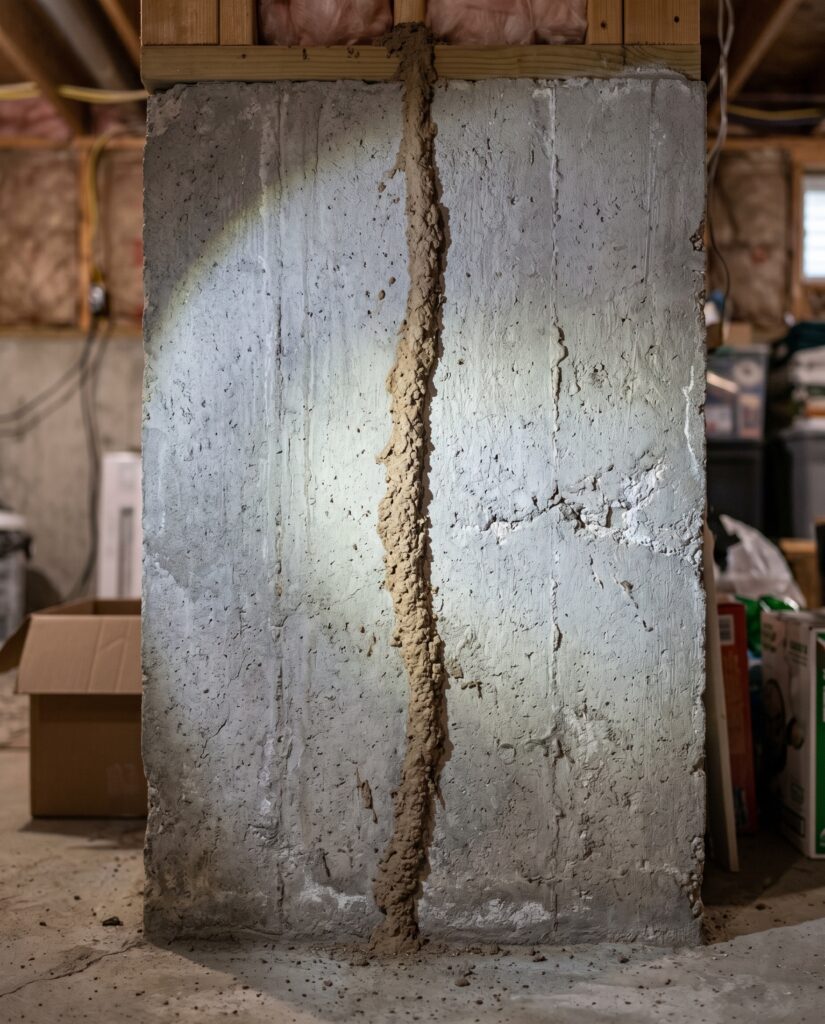
Subterranean termites, the kind that cause most structural damage in the US, live in the soil and travel up into the wood through mud tubes. The colony is not in your wall, it is in the ground, often well away from where you see the damage. That single fact decides the cost. The University of California’s notes on why structural subterranean termite jobs need a soil or bait system make the point plainly: a treatment has to reach the soil the colony lives in, which a spot spray on the visible wood cannot do.
What a DIY budget really covers
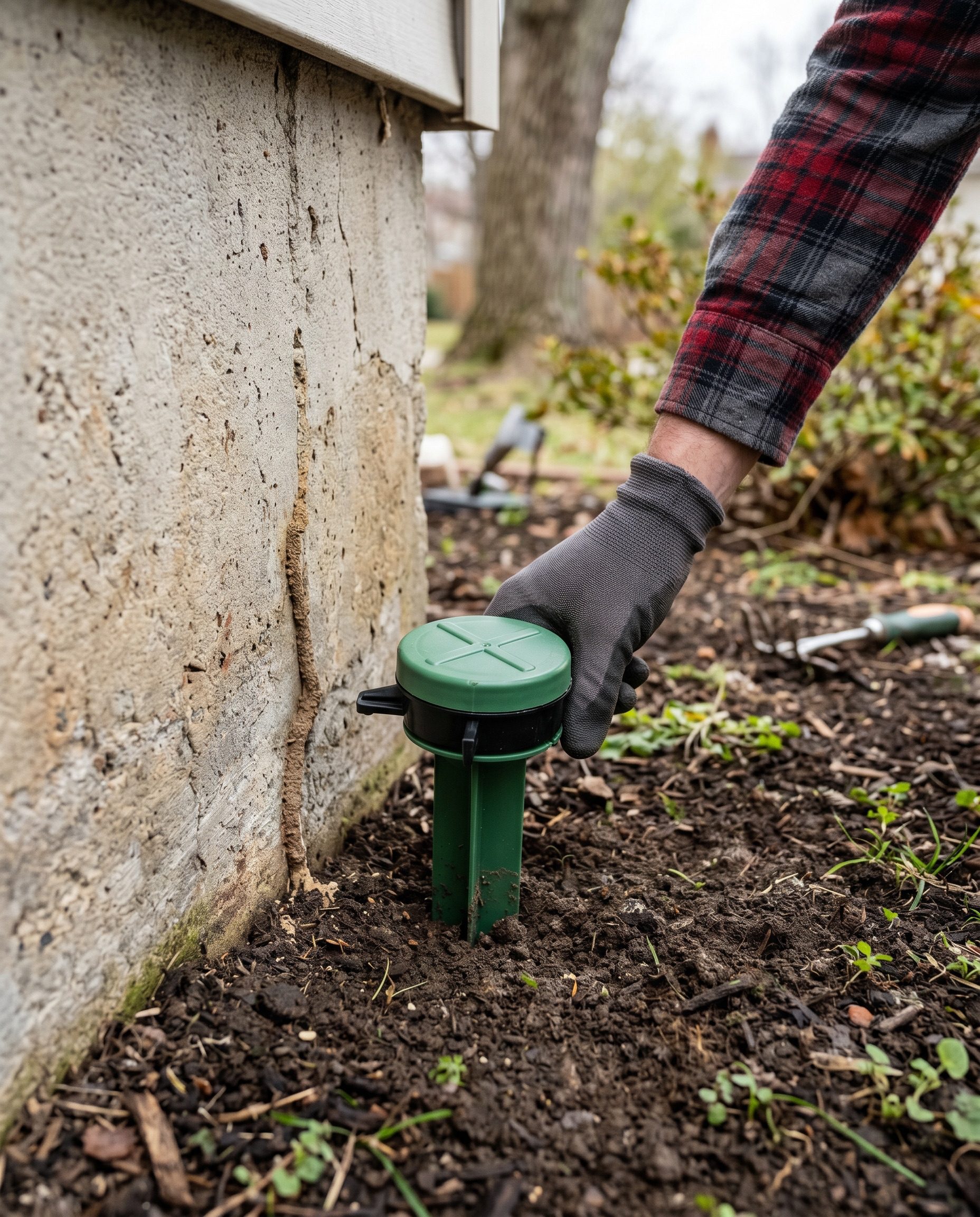
For tens of dollars, DIY does three honest jobs, and they are the cheapest, highest-leverage things you can do. The most useful spend is prevention. Most of what feeds a termite problem is moisture and wood touching soil, so fixing a leaking hose bib, grading water away from the foundation, and keeping mulch and firewood off the siding does more for less than any product. The EPA’s guidance on integrated pest management and safe pesticide use puts this kind of habitat control ahead of chemicals for a reason.
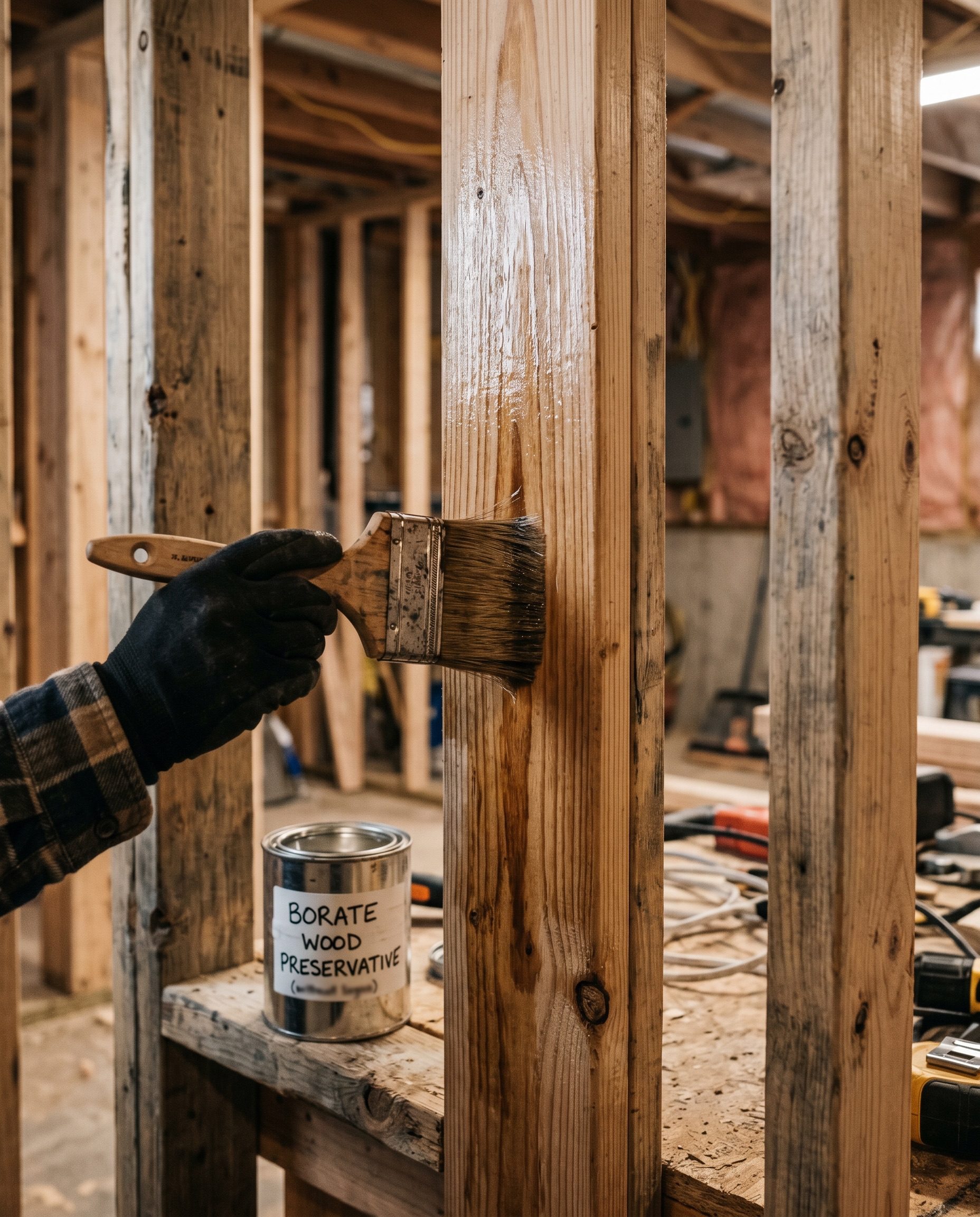
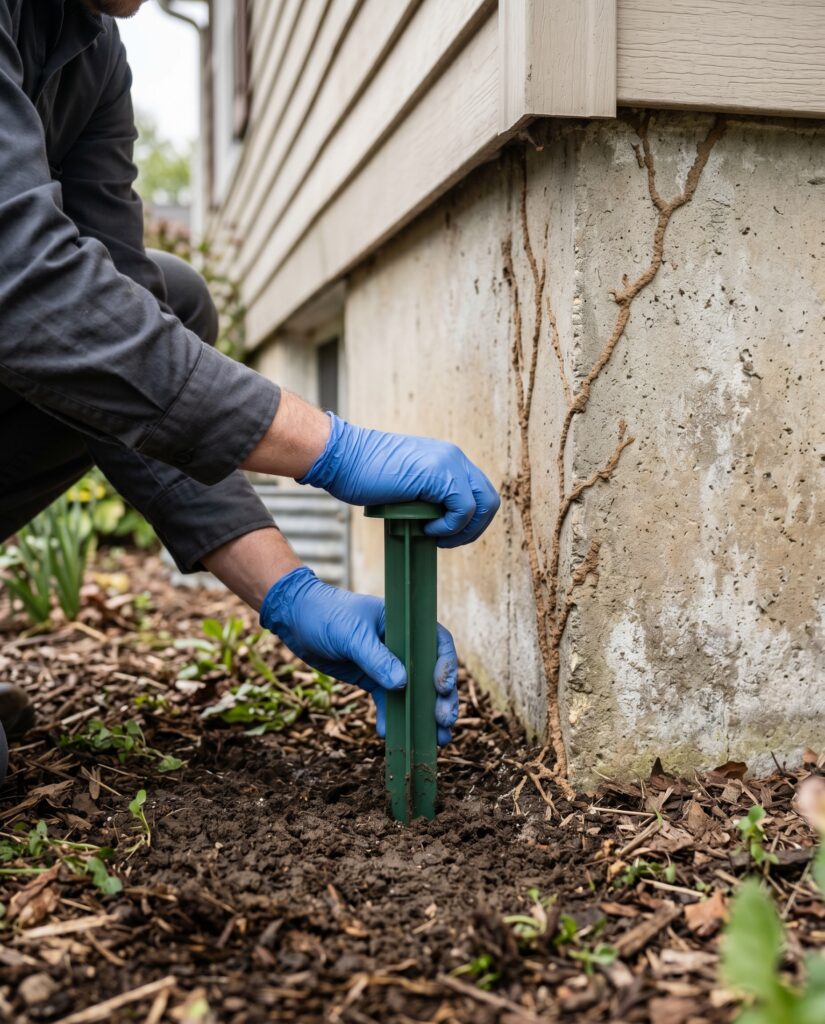
The second cheap job is detection. In-ground monitoring stakes around the foundation cost a few dollars each and tell you whether termites are even active before you spend on treatment. The third is treating bare wood you can actually reach: a borate solution brushed or sprayed onto unfinished framing in a basement, garage, or crawlspace soaks in and makes that wood unappetizing for years. Our guide to getting rid of termites walks through these first moves in order. None of this clears a colony that is already in the structure, and it is not meant to.
When DIY stops being enough
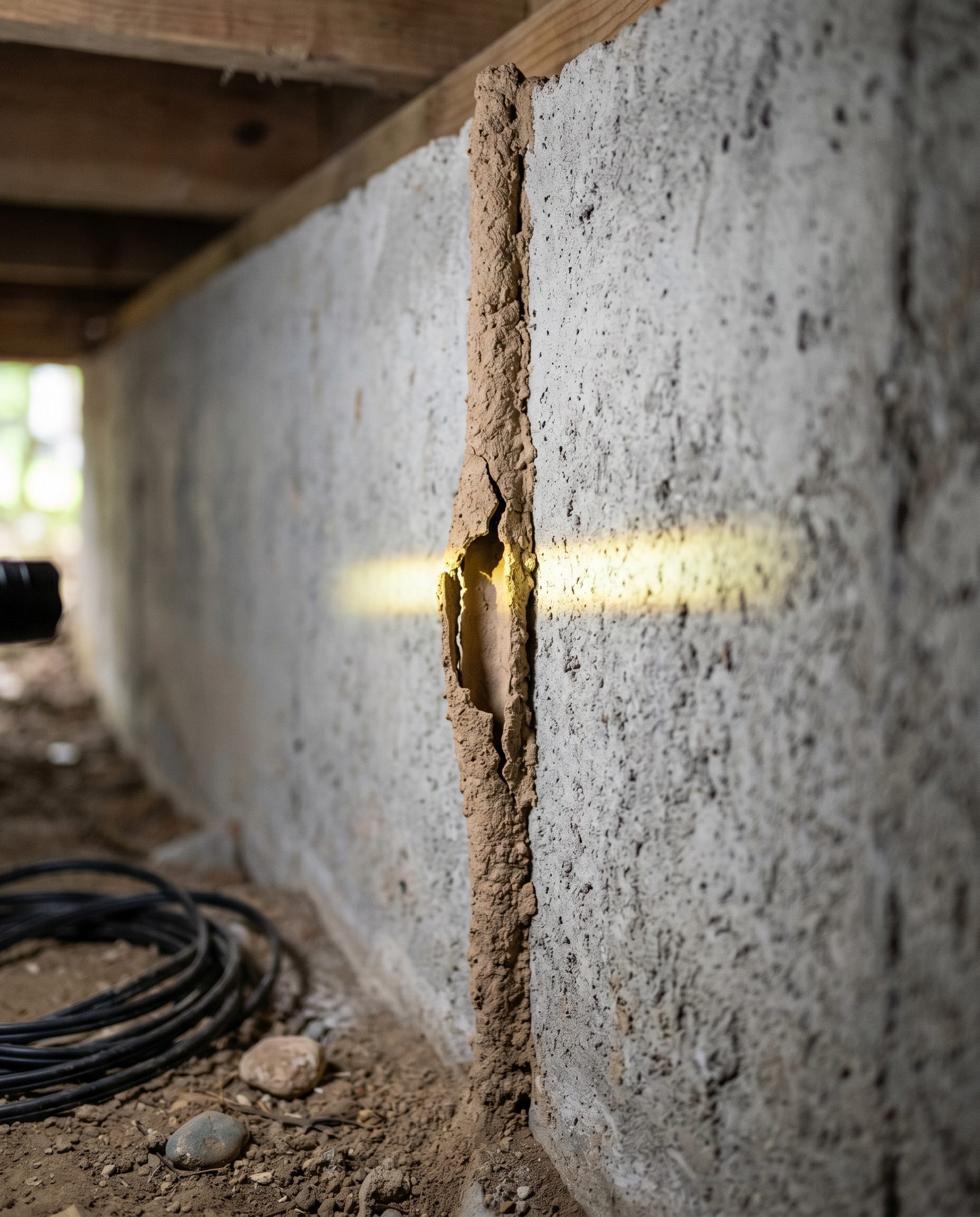
Here is the line, and it is not subtle. The moment you confirm active subterranean termites in the structure itself, you are past what an over-the-counter product can finish. A spray reaches the wood you can see; it does not reach the nest in the soil. You can kill the foragers in one board and feel like you won, while the colony keeps eating the joists you cannot see.
Confirming it is the part worth slowing down on, because guessing wrong wastes money in both directions. Real evidence is mud tubes on the foundation, hollow-sounding or blistered wood, discarded wings near windowsills in spring, and frass that looks like fine sawdust pellets. Our breakdown of signs of termites in the house shows what each one looks like up close. If you are seeing tubes or swarmers, get a professional inspection before you spend on any treatment. A confirmed structural or subterranean infestation needs a professional inspection and a whole-structure plan, not a can from the shelf, and that is the honest call to make rather than grinding away at a colony you cannot reach.
Soil barriers vs bait systems
When the job is professional, it almost always comes down to two approaches, and they solve the problem differently. A soil treatment, the older method, puts a continuous band of labeled liquid termiticide in the ground around and under the foundation. Modern non-repellent products work because termites cannot detect them and carry the active ingredient back through the colony. The University of Kentucky’s explainer on how termite soil barriers and professional treatment actually work covers why the application has to be continuous, which is the labor you are paying a pro for.
A bait system takes the opposite path. In-ground stations placed around the structure let foragers find a slow-acting bait, feed on it, and share it until the colony collapses. It is slower, often months, but it targets the colony rather than treating the whole soil envelope. Kentucky’s companion piece on how bait systems eliminate a colony over months explains the patience that approach demands. Both are professional-scope jobs, and our look at the best termite bait stations covers the consumer-grade monitoring versions you can run yourself versus the full colony-elimination systems a pro installs.
A cost-by-situation map
Cost makes sense only against the situation, so here is the practical map. The point is to match the spend to the spread, not to pick a side in a DIY-versus-pro debate.
| Your situation | Right move | Cost scale |
|---|---|---|
| No activity, want prevention | Fix moisture, monitoring stakes, borate on bare wood | Low, tens of dollars |
| One damaged board, no tubes | Confirm it is isolated, treat that wood, keep monitoring | Low to moderate |
| Mud tubes or swarmers found | Professional inspection first, then a quote | Inspection is cheap; act before treating |
| Confirmed structural colony | Professional soil barrier or whole-structure bait system | High, the big spend |
| Drywood termites in furniture or trim | Pro assessment; spot or whole-structure depending on spread | Varies widely |
Whenever any termiticide is involved, indoors or out, the label is the rule. Use only products labeled for termites and for the site you are treating, keep children and pets off treated soil and surfaces until everything is dry, and never apply near a well or water. For any exposure question, contact a doctor or your local poison control center, and you can read and follow the product label using the NPIC termite resource. Under federal law the label is the law, so do not improvise a stronger mix or a different application site than it allows.
Common questions
Can I treat termites myself and skip the exterminator?
For prevention, monitoring, and a single piece of accessible damaged wood, yes, and that is the cheap, sensible spend. For a confirmed colony in the structure, no. The nest is in the soil, and reaching it takes a continuous soil treatment or a bait system, which is professional-scope work.
Why is a professional termite treatment so much more expensive?
Because it covers the whole building, not one board. You are paying for a labeled termiticide applied at volume around the entire foundation, plus the labor to trench, drill, and inject. The price reflects coverage and labor, not a markup on the same product you can buy.
Are termite bait stakes worth the money?
The inexpensive monitoring stakes are absolutely worth it as an early-warning tool, and that is a smart cheap spend. Full colony-elimination bait systems are a different, professional-grade product and a much larger cost; they are worth it once a colony is confirmed.
How do I know if it is a structural problem or just one board?
Mud tubes on the foundation, swarmers, and damage in more than one spot point to a colony in the structure. A single isolated damaged board with no tubes may be local. When you are not sure, a professional inspection settles it for far less than a wrong guess on treatment.
Does homeowner termite spray work at all?
It works on the termites it physically contacts in the wood you can reach, which makes it useful for a small, confirmed-isolated spot. It does not reach a colony living in the soil, so it is the wrong tool as your only answer for a structural infestation.
Final verdict
Stop framing this as DIY versus professional and frame it as spread. If you have no confirmed activity, spend the small money where it pays off most: kill the moisture, break the wood-to-soil contact, set monitoring stakes, and treat the bare wood you can reach. That is tens of dollars doing the work of a thousand. The day an inspection confirms a colony in the structure, the math flips, because a subterranean colony lives in the soil and only a whole-structure soil barrier or bait system reaches it. Spend the cheap money early on prevention and detection, and the larger money once, correctly, on a confirmed infestation. Get the inspection before you write either check.

Pingback: Best Termite Bait Stations for Detection and Colony Control