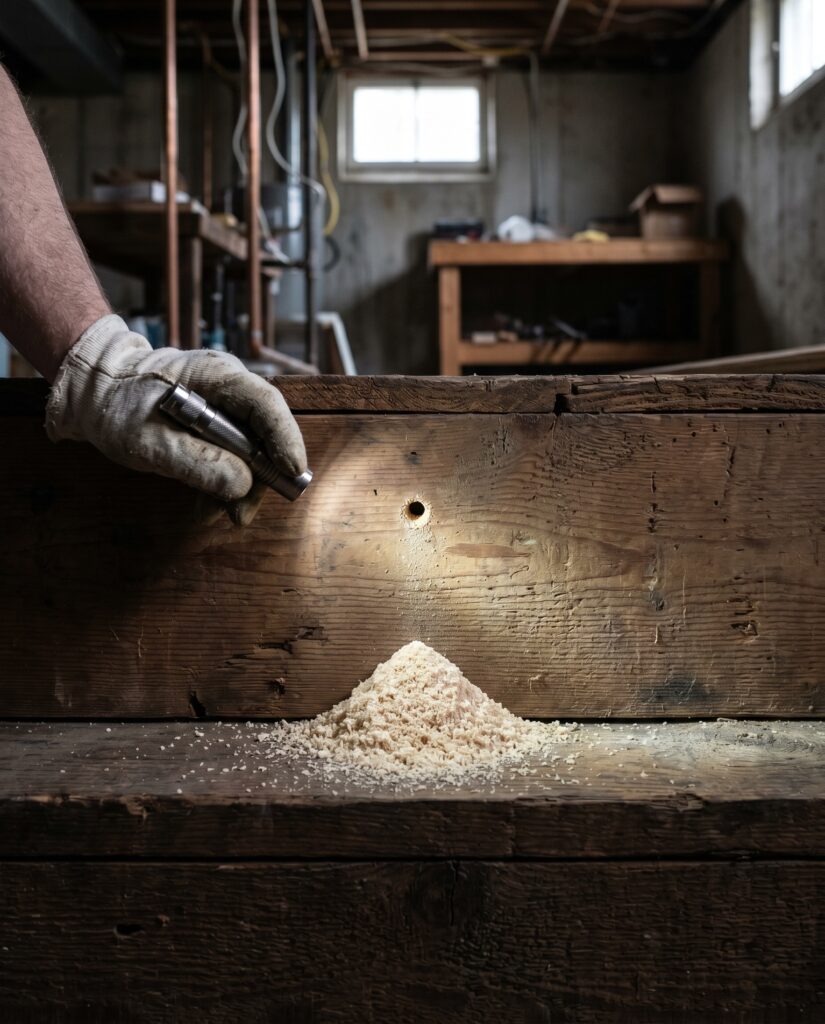
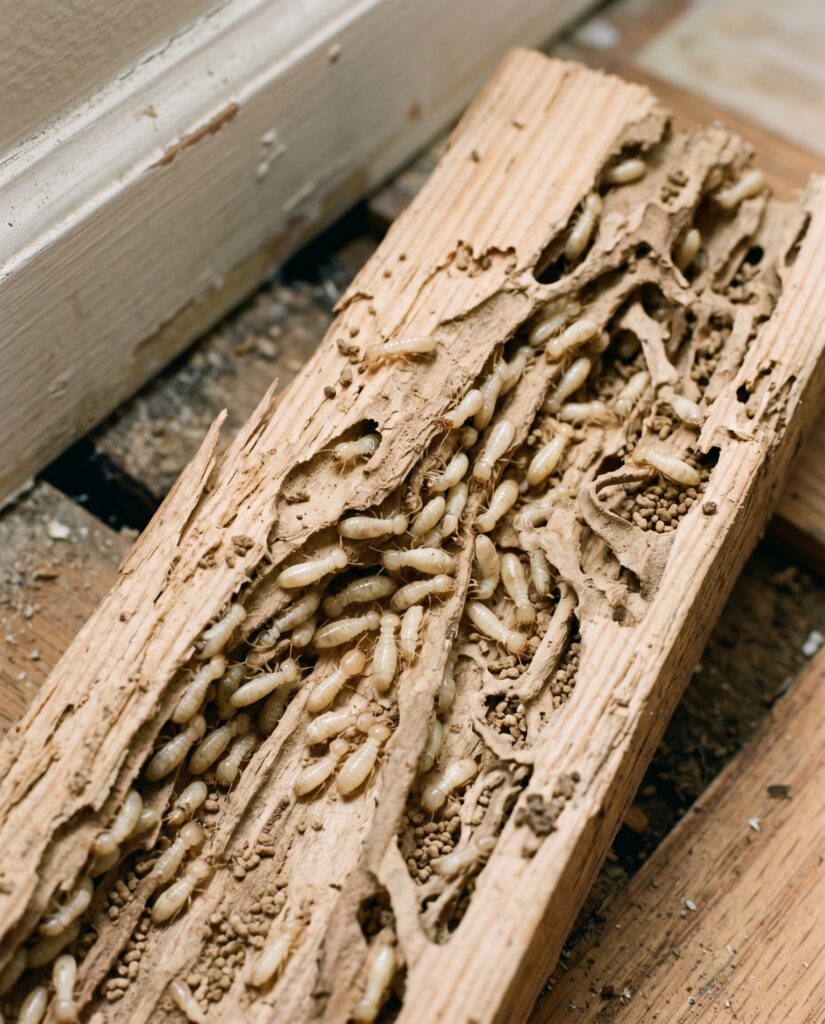
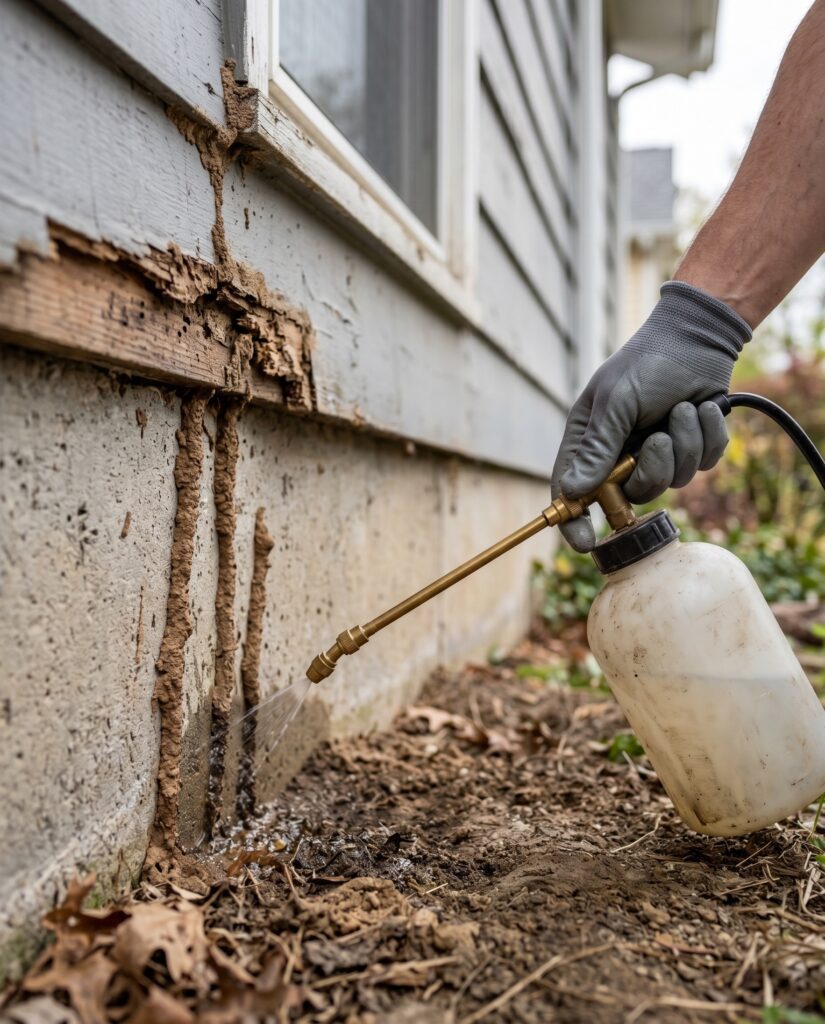
Termite bait stations do two different jobs, so the first thing to settle is which one you actually need. A detection station tells you whether termites are foraging near the house; an active baiting system slowly feeds the colony something that wipes it out. Over-the-counter stakes are excellent monitors and decent spot-killers for the termites that find them, but full colony elimination is where a professional system earns its keep. None of these is an instant fix, and if you already have mud tubes on the foundation, that is an inspection job before it is a shopping job. For our own house we would keep a ring of detection stakes in the ground and treat any hit as the cue to call a pro, not as proof the problem is handled.
Buy for the job: a detection station tells you if termites are foraging near the house, while an active baiting system slowly eliminates the colony; OTC stakes monitor and spot-kill well, but a confirmed structural colony is a job for a licensed pro, and none of these works overnight.
- Do first (free): Walk the foundation for mud tubes, fix leaks and grade soil away from the wall, and pull mulch and wood back from the house.
- Match the job: Detection stakes to find out if they are there, an active baiting system to take a colony down over time.
- Skip: Treating a confirmed structural infestation with stakes alone, and any product that promises an instant kill.
Detection vs colony control
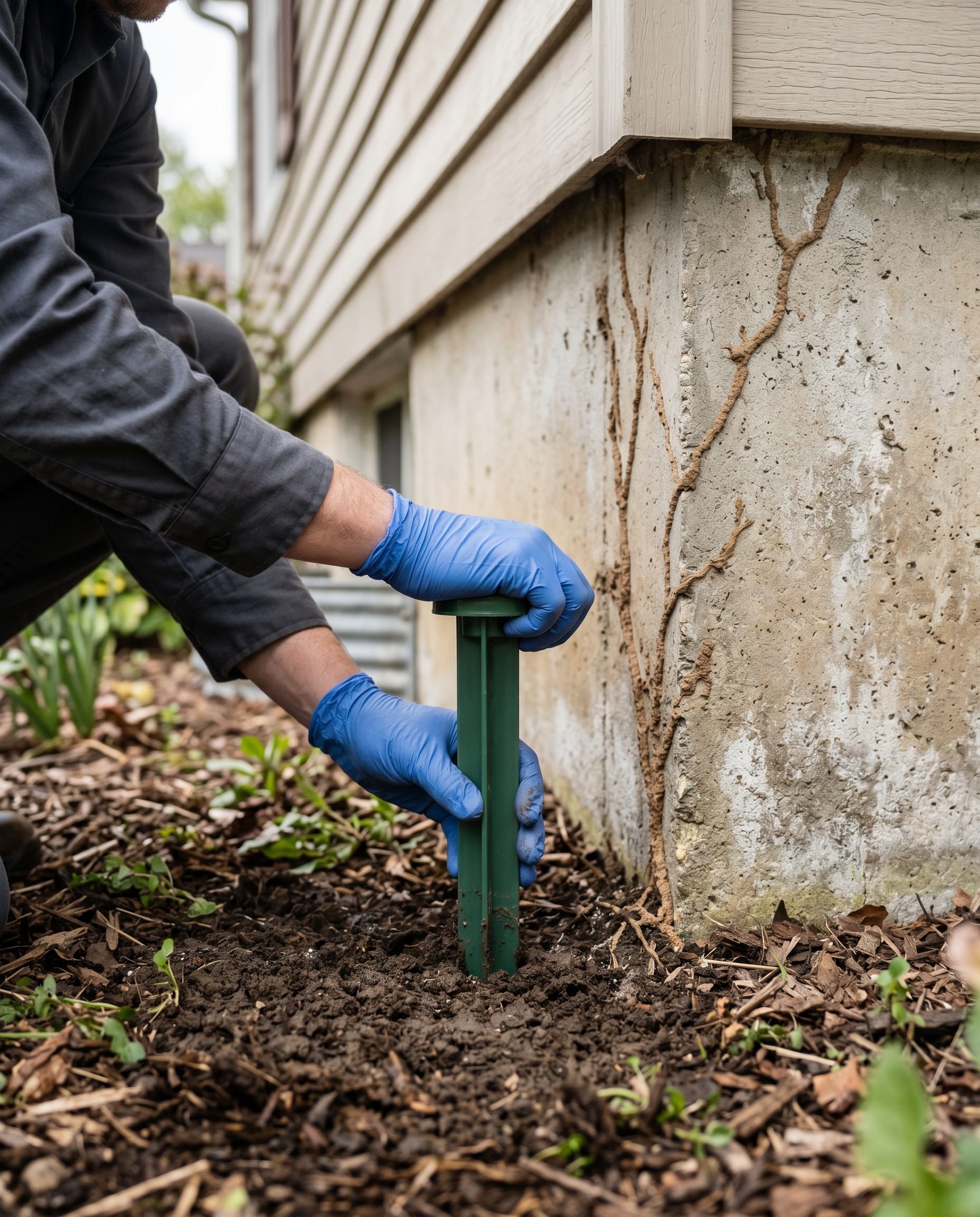
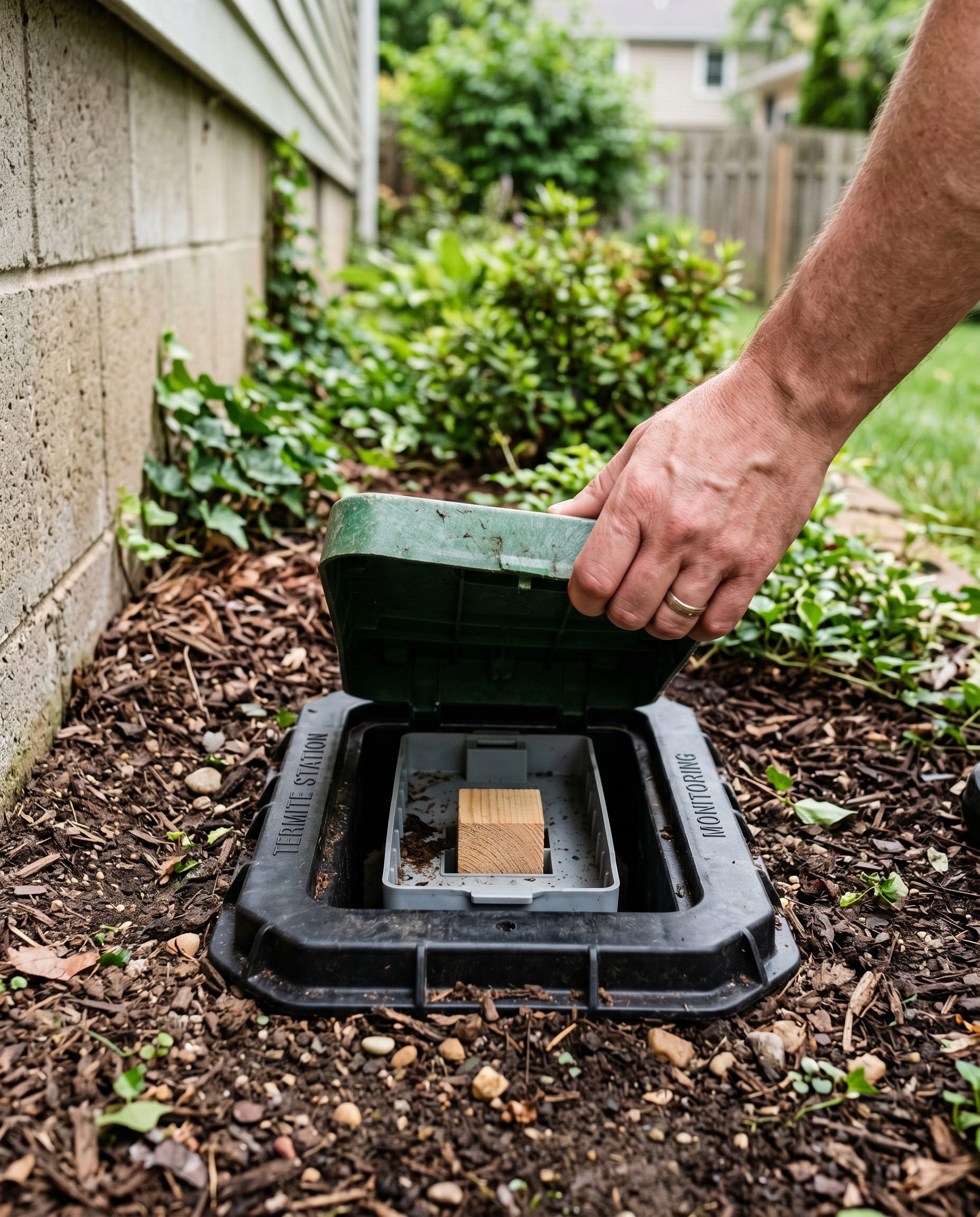
Sort the two jobs before you spend a dollar, because they call for different stations. A detection station is a piece of untreated or lightly baited wood you sink into the soil and check on a schedule; its only job is to answer one question, are termites foraging here. An active baiting system replaces that wood with a slow-acting bait once you confirm a hit, and the foragers carry it back to share with the colony. The University of Kentucky’s explainer on how termite baits work lays out the mechanism: the kill is gradual on purpose, because a bait that worked too fast would stop the foragers from sharing it around.
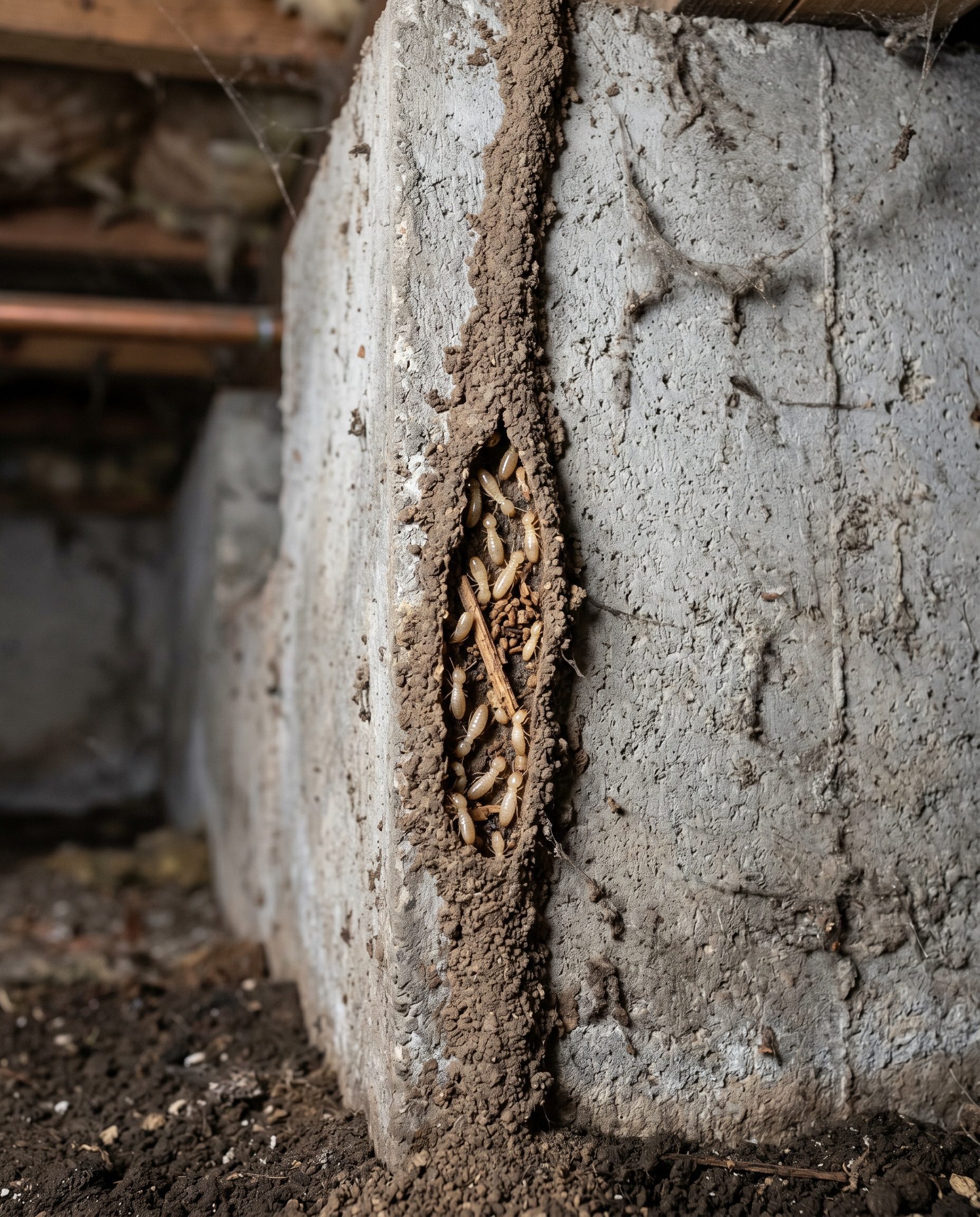
Before any of that, do the free part. Walk the perimeter and look low for the pencil-width mud tubes subterranean termites build up the foundation, fix the leaky hose bib or downspout that keeps the soil wet, and move firewood, mulch, and scrap lumber away from the wall. The UC IPM Pest Notes on subterranean termites is blunt that reducing moisture and wood-to-soil contact does more to keep a house from getting infested than any single product. If you want the full sequence, our guide on how to get rid of termites walks it step by step.
Why stakes alone won’t clear a structural colony
Here is the part the cheerful product listings skip. Over-the-counter stakes are genuinely good at two things: telling you termites are present, and killing the foragers that physically reach the bait. What they do not reliably do is empty out a mature colony that may sit dozens of feet from the house with tens of thousands of workers. A handful of stakes spaced around the yard simply will not intercept enough of the foraging trails to matter against a real structural infestation.
So treat a confirmed infestation as an inspection job first. If you find live mud tubes, hollow-sounding wood, or a spring swarm of winged termites indoors, that is the point to get a professional inspection, not the point to double up on stakes. The University of Kentucky’s overview of termite control methods is clear that protecting a structure usually takes either a continuous soil-applied termiticide barrier or a professionally installed and monitored baiting system, both of which sit beyond a homeowner kit. A pro also knows where the conducive moisture and entry points are, which is half the battle. Our breakdown of termite treatment cost, DIY vs professional covers what a real structural job involves so you can judge a quote; expect professional bait or barrier work to run into the high hundreds or thousands rather than the price of a bag of stakes.
Pick by the job, not the box
Match the station to the question you are actually asking. If you do not know whether you have termites, you want a monitor. If a monitor lights up, or a pro confirms activity, you want an active bait that can work on the colony. Buying the loudest “termite killer” on the shelf for a job that needed a $20 detector is how people waste money here.
| Station type | Best for | Watch-out |
|---|---|---|
| Detection / monitoring stake | Finding out if termites are foraging near the house | Monitoring tool, not a colony cure; check on a schedule |
| Combination detect-and-kill stake | Spot-killing foragers and flagging activity in the yard | Won’t clear a structural colony on its own; perimeter use |
| Active baiting system | Colony reduction over months, ideally pro-installed | Slow by design; a confirmed structural job needs a pro |
Why not just install an active bait everywhere and skip the monitoring? Because bait only helps once termites are actually feeding on it, and an empty active station around a house with no termites is money sitting in the dirt. The detect-first approach is also how the pros run a baiting program: monitor, confirm a hit, then convert that station to bait. The UC IPM subterranean termite notes describe baiting as a monitor-then-treat cycle for exactly this reason. If you would rather go the liquid-treatment route around the foundation instead of stations, our roundup of the best termite killers and treatments compares those products.
Where and how to set the stations
Placement is most of the result. Put in-ground stations in the soil about two to three feet out from the foundation, spaced roughly every ten feet around the perimeter, and concentrate a few extra near anything that stays damp or holds wood against the house, like a deck post, an AC condensate line, or a flower bed. Sink them so the cap sits flush, mark them so you can find them again, and check on the interval the label gives, often monthly in the warm season and less often in winter.
Read the label and follow it, because under federal law the product label is the law, and a termite station is still a pesticide device. Keep children and pets away from open stations, do not plant them where someone will trip over the cap, and if you ever have an exposure question, check the NPIC page on termite pesticide safety and contact a doctor, your vet, or your local poison control center. The broader principles for safe, label-first pesticide use are laid out in the EPA’s safe pest control guidance, which is worth a read before you treat anything around a home. Activity is also seasonal, so a spring or early-summer install gives you a full foraging season of data before the ground cools.
The picks
These come after the analysis on purpose, because the job decides which one you buy. Two are detection-first tools and one is an active colony bait; all are widely available, and none replaces a professional inspection if you already have a structural infestation.
InsectoGuide is reader-supported. As an Amazon Associate we earn from qualifying purchases at no extra cost to you.
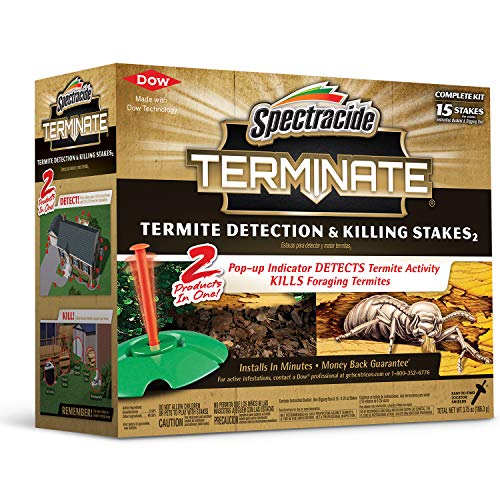
A cheap perimeter stake for homeowners who want to monitor and spot-kill foragers.
A pro-style ten-station ring for confirming foraging before you commit to treatment.
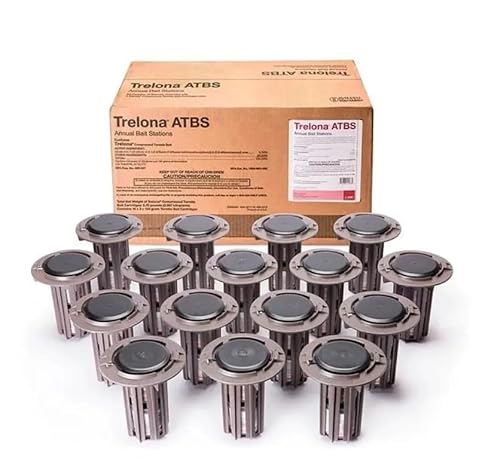
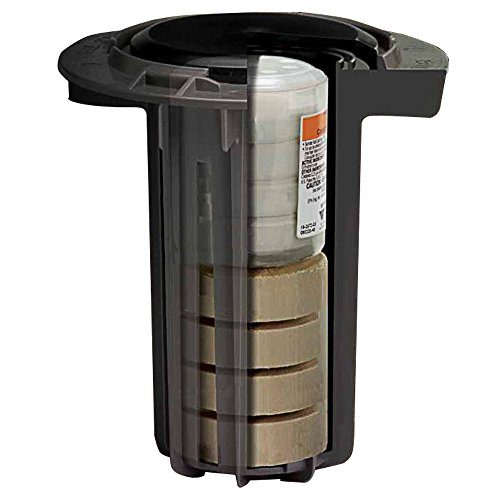
A pro-grade active bait for long-term colony control once activity is confirmed.
Common questions
Do termite bait stations actually work?
Yes, for the job each one is built for. A monitoring station reliably tells you whether termites are foraging nearby, and an active bait can reduce or eliminate a colony over time as workers carry it back. The catch is patience and placement; baiting is a months-long process, not a same-day kill.
How long does it take a bait to kill a colony?
Weeks to several months, and that is by design. As the University of Kentucky explains, the bait works slowly so foragers keep feeding and sharing it before they die off, which is what lets it reach the colony rather than just the few termites at the station.
Can I skip a pro and just use stakes?
For monitoring and minor perimeter activity, stakes are a reasonable DIY tool. For a confirmed structural infestation, no; that is when you want a professional inspection and either a soil barrier or a pro-installed baiting system, because the colony is usually too large and too far from the house for a few stakes to handle.
Where exactly should I put the stations?
In the soil about two to three feet from the foundation, spaced roughly every ten feet, with a few extra near anything that stays wet or holds wood against the house. Set the caps flush, mark them, and check on the label’s schedule.
Are bait stations safe around kids and pets?
Used as directed they are designed to be low-exposure, since the bait sits sealed in an in-ground station. Still keep children and pets away from open stations during inspection, follow the label, and check the NPIC termite page if you ever have an exposure concern.
When should I call a professional?
The moment you confirm real activity in or on the structure: live mud tubes on the foundation, hollow-sounding or blistered wood, or winged swarmers emerging indoors. At that point an inspection beats more shopping every time.
Final verdict
There is no single best termite bait station, because the stations answer two different questions. Start free by walking the foundation for mud tubes and drying out the soil against the house, then buy for the job. Use detection stakes or a monitoring ring to find out whether termites are foraging near you, and move to an active baiting system, ideally pro-installed, once a hit is confirmed. Skip the idea that stakes alone will clear a structural colony, and skip anything promising an overnight kill, because a real baiting program works over months and a confirmed structural infestation belongs to a licensed professional. Match the tool to the question and you will spend on the thing that actually moves the needle.