If you are dealing with termites, there is no single best termite killer, only the right product for the part of the problem you can actually reach. An over-the-counter concentrate is built for localized work: spot-treating exposed wood, soaking a perimeter, and hitting the soil along a foundation where you can get to it. The short answer: use a concentrate for the spots within reach, but understand its ceiling, because a structural subterranean colony needs the continuous soil barrier or professional bait system that a homeowner cannot build with a hand sprayer. For our own place we keep a contact-and-perimeter concentrate on hand for fence posts, decks, and woodpiles, and we book a licensed inspector the moment damage shows up inside the structure. Most lists crown one “killer”; the comparison below sorts these by where each one earns its place, and by where you should stop and call a pro.
Match the product to the job: a concentrate handles localized, perimeter, and spot control on wood and soil you can reach, but it is not a substitute for the continuous soil barrier or professional bait system a structural subterranean colony needs.
- Do first (free): Confirm what you have, fix the moisture and wood-to-soil contact feeding them, and get a professional inspection before you treat anything inside the structure.
- Match the job: A concentrate for spot-treating exposed wood, perimeters, woodpiles, decks, and fence posts you can physically reach.
- Skip: Treating a confirmed colony inside walls or under a slab yourself; that is a licensed-pro job, not a DIY can.
What to do first
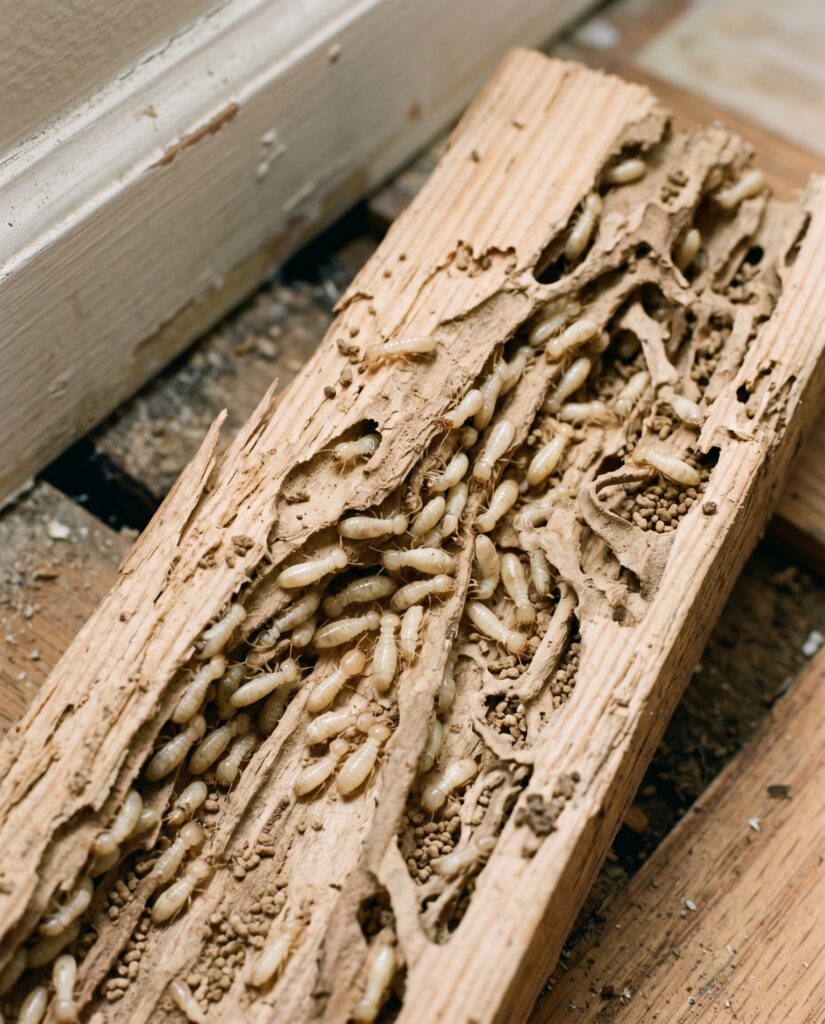
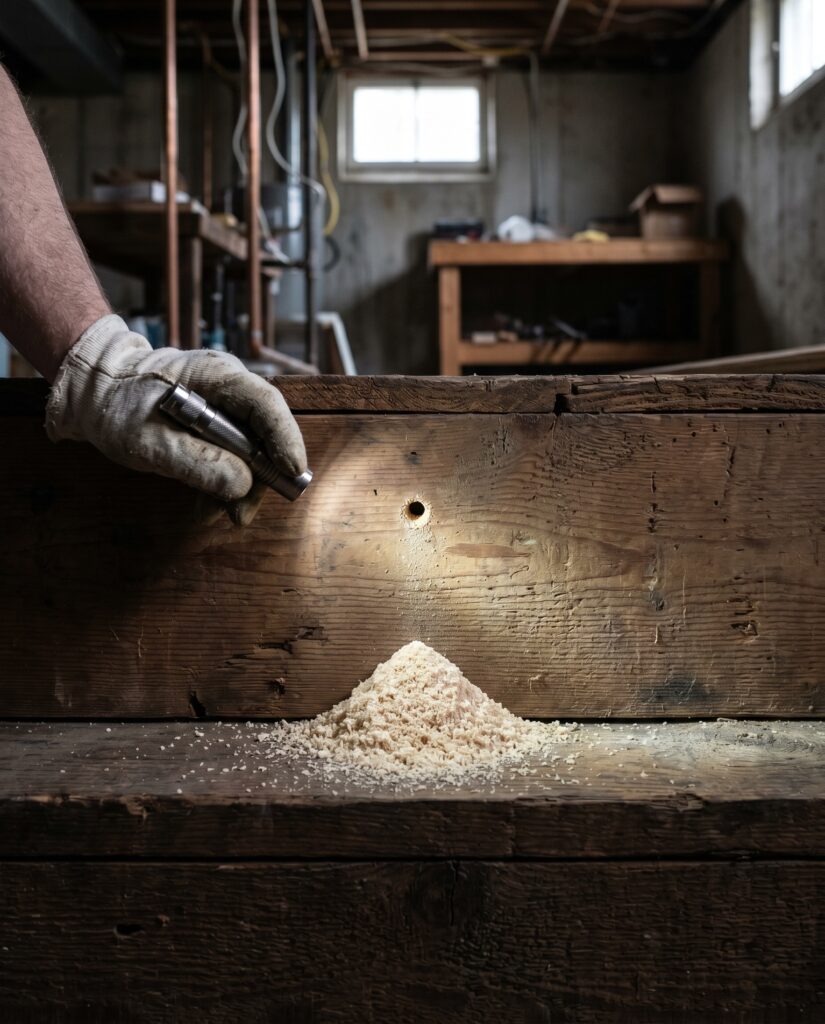
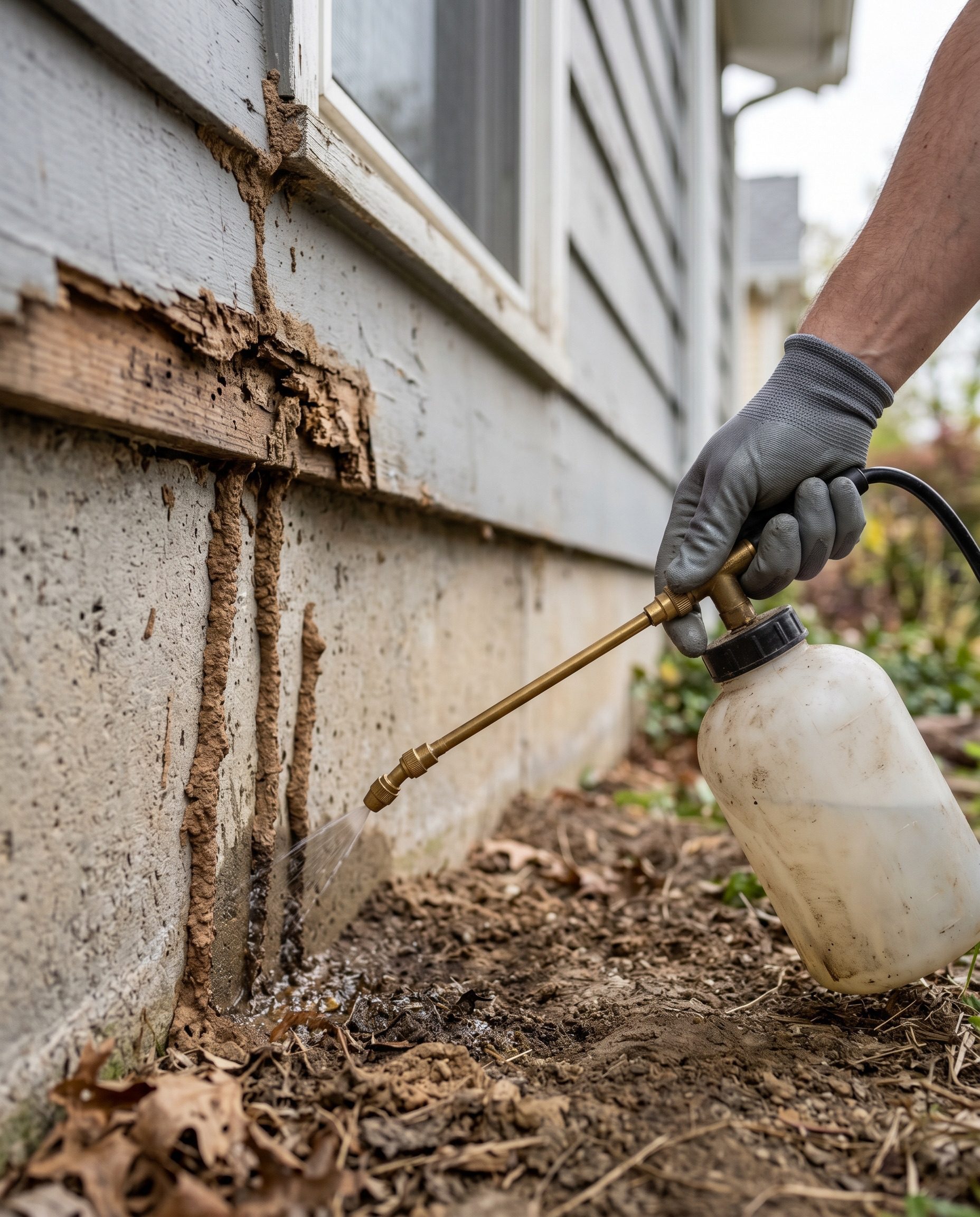
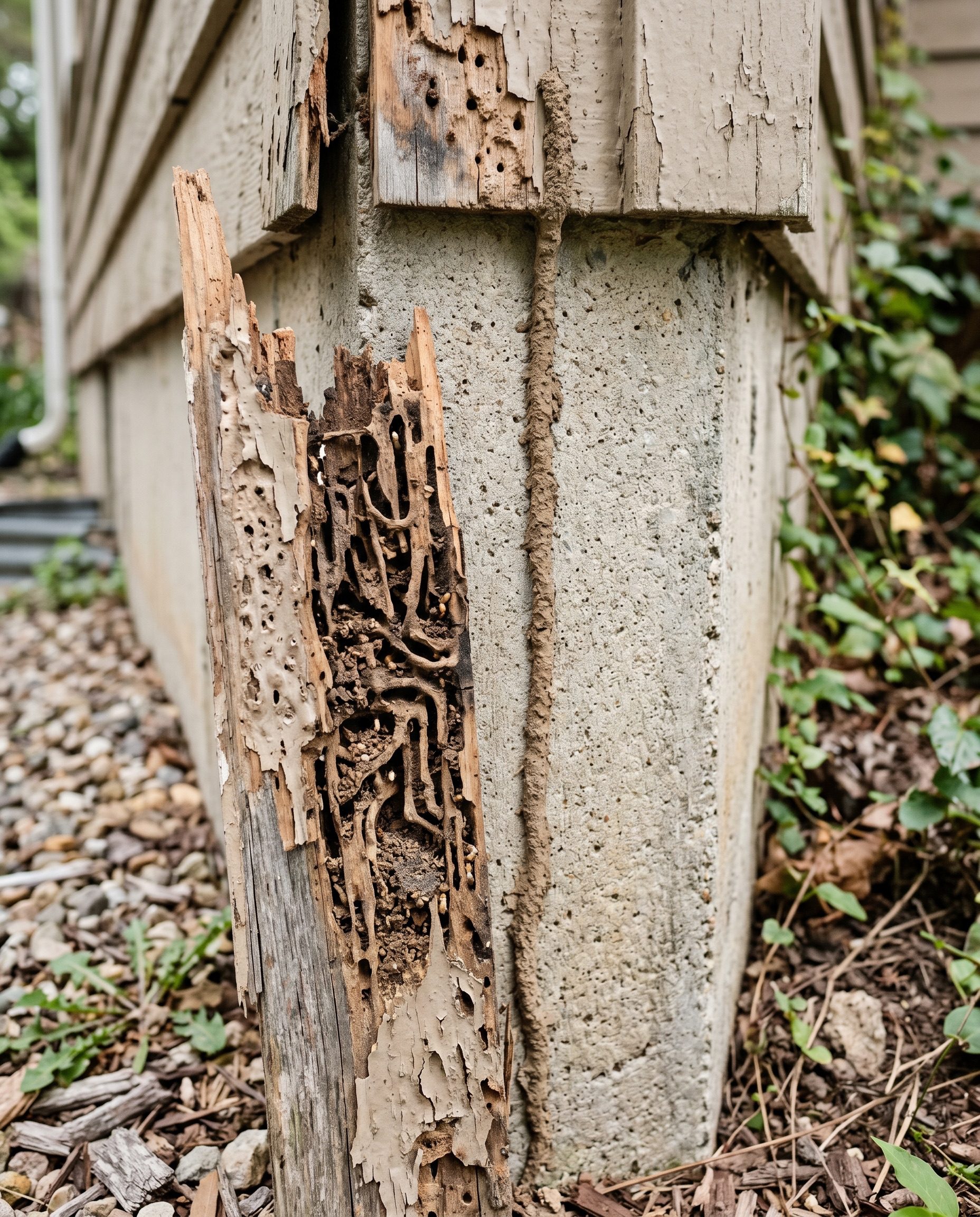
Before any product comes off the shelf, do the free part, because spraying the wrong thing in the wrong place wastes the can and your time. Confirm you actually have termites and figure out which kind, since the treatment differs. The UC IPM Pest Notes on termites walks through telling subterranean termites, which build pencil-width mud tubes from the soil, apart from drywood termites, which leave small fecal pellets, and from carpenter ants, which leave clean galleries and sawdust rather than mud. Our full walkthrough on how to get rid of termites lays the identification out step by step.
Then take away what is feeding them, because no product holds if the conditions stay friendly. Termites need moisture and a wood path to the soil. Fix leaks and grading so water drains away from the foundation, move firewood and mulch off the wall, and break any direct wood-to-soil contact you can find. A product is worth using once you have confirmed the pest and removed the easy fuel, not as a substitute for either. And one hard line up front: if the damage is inside the structure, the next call is a licensed inspector, not a trip to the store.
Why a concentrate has a ceiling
Here is the part most “top killer” lists skip. An over-the-counter concentrate is good at what it is designed for, and honest about what it is not. It can soak the soil and wood you reach, kill the termites it contacts, and leave a residual band along a deck or fence line. What it cannot do is build the continuous, unbroken treated zone a real colony defeats. A subterranean colony lives in the soil, often well away from the damage you see, and forages through tunnels you will never find with a sprayer.
This is the case for matching the tool to the part of the problem you can touch. The University of Kentucky’s guidance on subterranean termite control explains why structural treatment is a different animal: a true soil barrier means trenching and treating the entire foundation perimeter, sometimes drilling through slabs, at application volumes and with equipment a homeowner is not set up for, and a professional bait system means monitored stations placed and serviced over months to wipe out the colony. The companion University of Kentucky write-up on termite baits makes the same point: colony elimination is a process, not a single spray. If you have found mud tubes climbing the foundation or damaged structural wood, that is your signal to bring in a licensed pro, because a hand-applied concentrate around the spots you can see will not clear a colony working inside the structure.
Match the product to the job
Once you know the job, the choice is short. Decide by two questions: where is the termite activity, and can you physically reach it. The point is to pick the product that fits the site, not the loudest claim on the label.
| Job | Best fit | Watch-out |
|---|---|---|
| Spot-treat exposed wood | Contact concentrate on accessible galleries and timbers | Reaches only what you can touch; not a colony cure |
| Perimeter and outdoor wood | Concentrate around foundations, woodpiles, decks, posts | Not a continuous structural soil barrier; follow the label |
| Structural subterranean colony | Licensed pro: full soil barrier or monitored baits | Beyond DIY; needs equipment, volume, and monitoring |
Why not just buy the strongest concentrate and treat everything? Because the can is the right tool for the reachable spots and the wrong tool for a colony inside a wall or under a slab, no matter how strong it is. A concentrate earns its place on the perimeter, the woodpile, the deck, and the fence post, the places a homeowner can actually treat well. The NPIC overview of termite control options lays out the same split: do-it-yourself products suit localized situations, while structural infestations call for a professional and a real plan. For the products that go straight onto accessible wood, our roundup of the best termite killer sprays and foams covers the contact-application options, and our guide to the best termite bait stations covers the monitoring side.
How to apply it safely
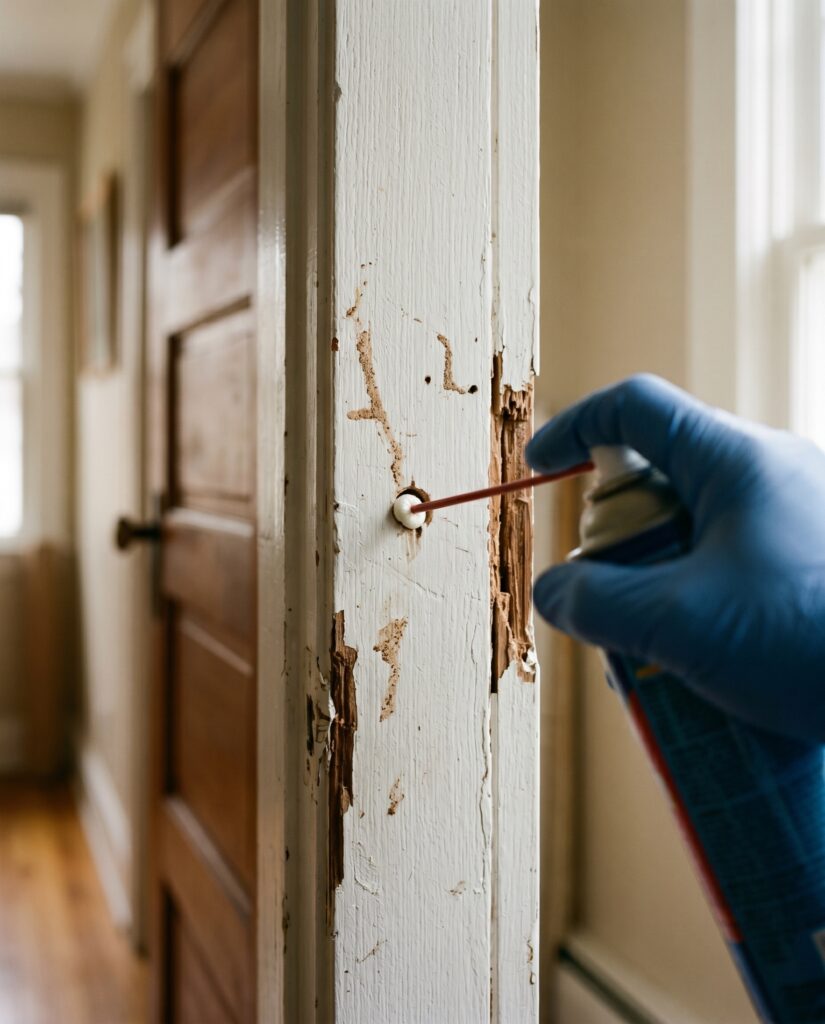
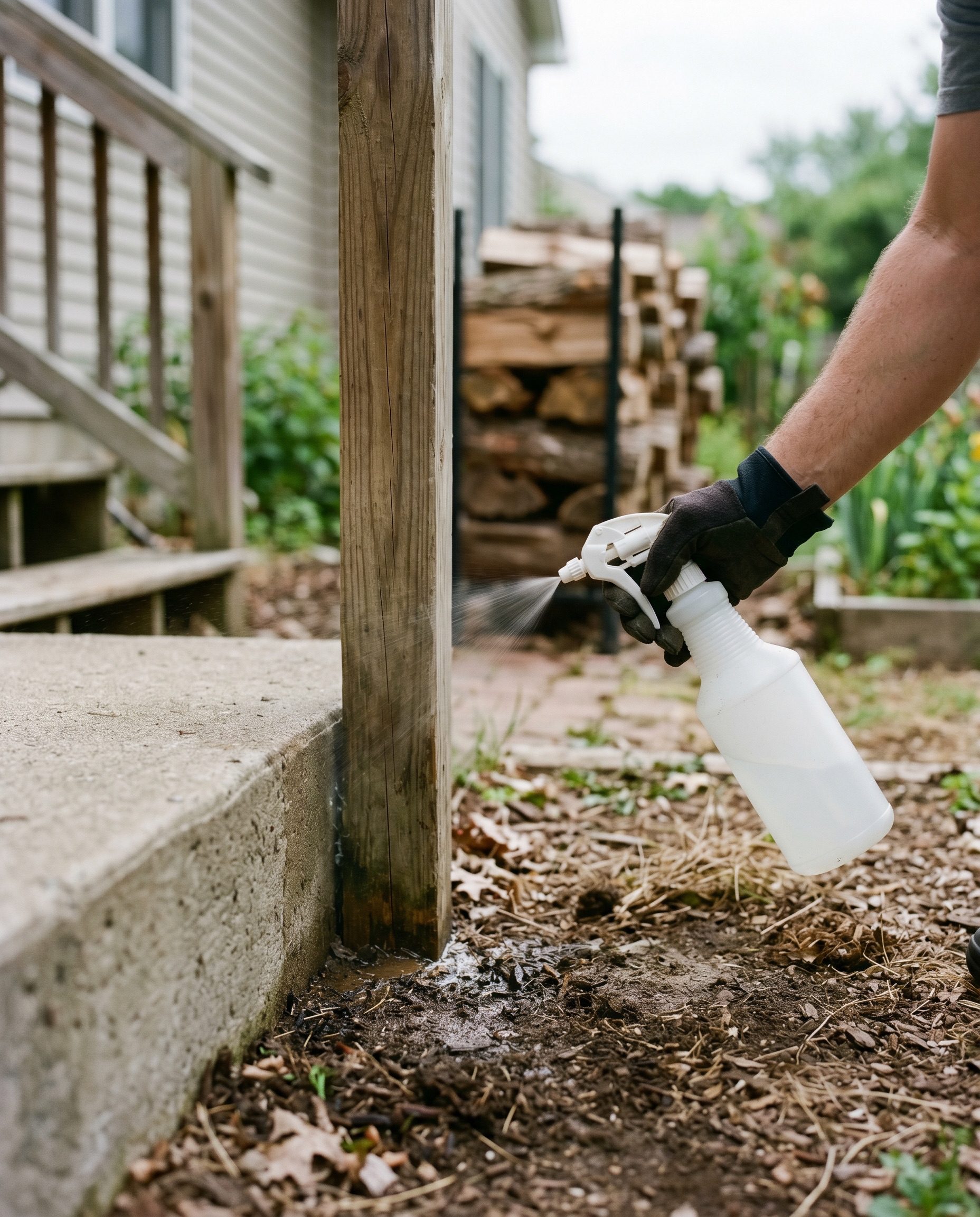
Treat the wood and soil you can reach, not the air. Apply a concentrate along the foundation line, around woodpiles, posts, and decks, and directly onto exposed galleries where the label allows it, working the product into the wood and the soil seam rather than misting a surface. Coverage of the actual contact points beats a light spray over a wide area every time. Mix and apply only at the label rate, because under federal law the label is the law and over-mixing is both illegal and unsafe; the EPA’s safe pest control guidance is the backstop for that rule. Match the product to the site too: do not use an outdoor-labeled concentrate indoors, or the reverse.
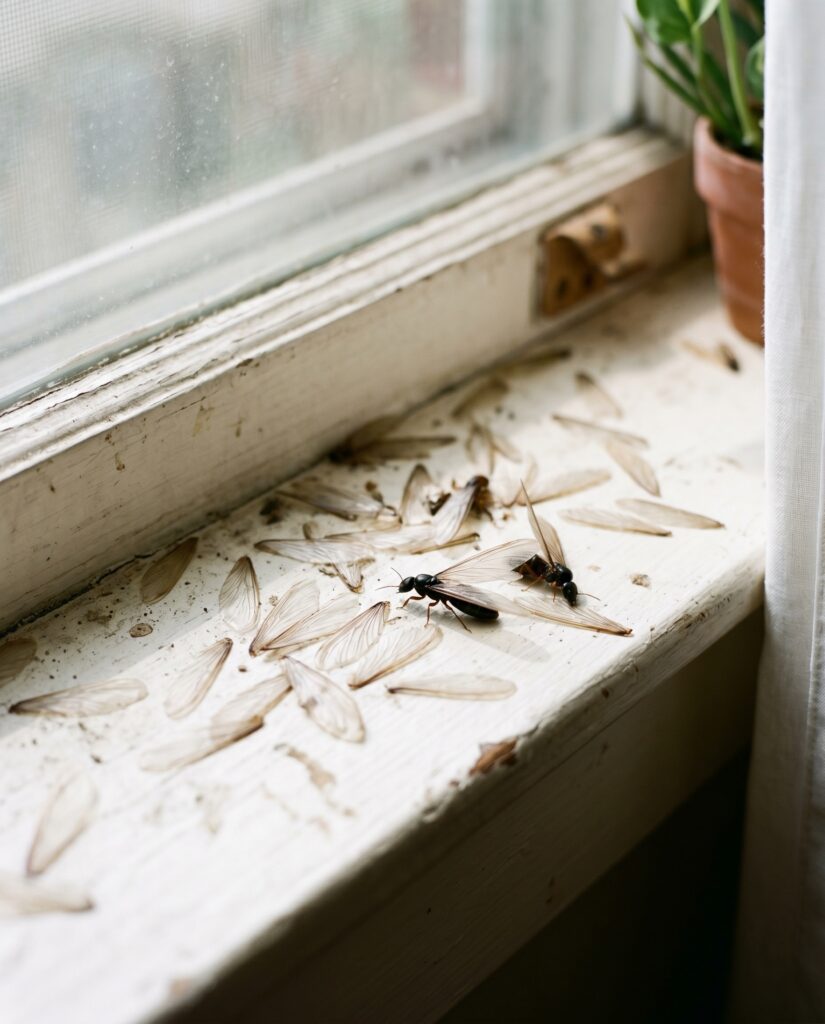
Treat these products as the pesticides they are. Keep children and pets off treated areas until everything is fully dry, do not contaminate soil near edible gardens or water, and store the concentrate out of reach; check the NPIC termite page for any application or exposure question, and if someone is exposed, contact a doctor or your local poison control center. Activity is often seasonal, with swarmers appearing in spring and warm months in much of the country, so an inspection after a swarm is time well spent.
Know where DIY stops. A confirmed structural or subterranean infestation needs a professional inspection and treatment, not a homeowner protocol. Do not drill your own slab, do not try to build a perimeter barrier you cannot complete, and never improvise with off-label mixtures or banned products. The honest move when damage is inside the structure is to get a licensed inspection and let the pro design the soil-barrier or bait plan, because that is the only thing that reliably clears a colony.
The picks
Cards come after the analysis on purpose, because the job decides which one you buy. These three are concentrates for localized, perimeter, and spot work on accessible wood and soil, and all are common, widely available termite products. None of them is a substitute for a professional structural treatment.
InsectoGuide is reader-supported. As an Amazon Associate we earn from qualifying purchases at no extra cost to you.
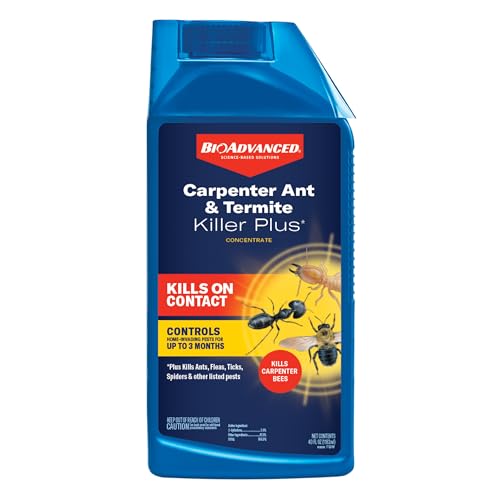
A contact concentrate for perimeter and spot treatment on the wood and soil you can reach.
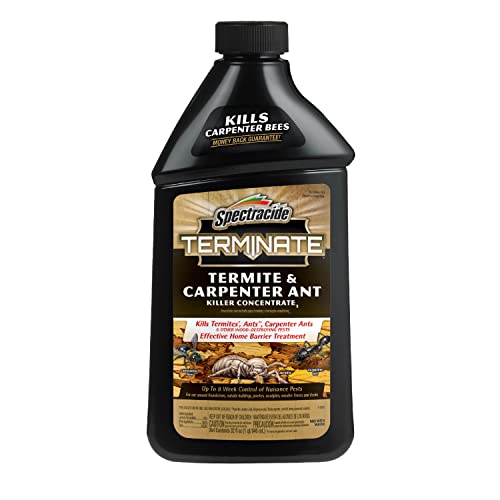
A budget concentrate for localized termite control around foundations and outdoor wood.
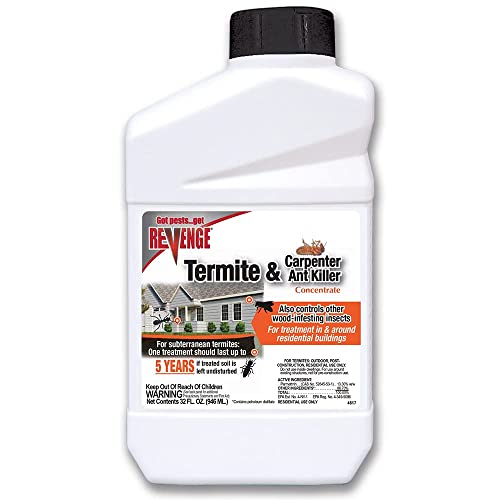
A long-lasting concentrate for subterranean termites and carpenter ants around the structure.
Common questions
Can an over-the-counter termite killer clear an infestation on its own?
Not a structural one. A concentrate kills the termites it contacts and treats the wood and soil you can reach, but it cannot build the continuous treated zone that defeats a colony. The UC IPM termite guidance is clear that a subterranean colony needs a full soil barrier or a monitored bait system, which is professional work.
When should I call a pro instead of treating it myself?
The moment you find mud tubes climbing the foundation or damaged structural wood, or any activity inside walls or under a slab. The University of Kentucky’s subterranean termite guidance explains that a real barrier or bait program takes equipment, application volume, and monitoring a homeowner cannot match, so a confirmed structural infestation needs a licensed inspection and treatment.
What is a concentrate actually good for, then?
Localized, reachable jobs: spot-treating exposed wood, soaking a perimeter, and protecting woodpiles, decks, fence posts, and outbuildings. It is the right tool where you can physically get to the wood and soil, and the wrong tool for a colony hidden inside the structure.
Do termite baits work better than spraying?
They do different things. Baits are a monitored system aimed at eliminating the colony over time, while a perimeter spray protects the spots you treat. The University of Kentucky write-up on termite baits describes baiting as a process serviced over months, which is why colony-level control is usually a professional job rather than a single can.
Is it safe to use these around my home and yard?
Only as the label directs. Read and follow the product label, because it sets the legal terms of use, keep children and pets off treated areas until dry, and avoid edible gardens and water. Check the NPIC termite page for any application or exposure question, and contact a doctor or your local poison control center if someone is exposed.
Final verdict
There is no single best termite killer, and any list that names one is skipping the only question that matters: which part of the problem can you actually reach. Start free by confirming the pest, fixing the moisture and wood-to-soil contact, and getting an inspection before you treat anything structural, then match the product to the job. Reach for a concentrate to spot-treat exposed wood, soak a perimeter, and protect woodpiles, decks, and posts, the places you can physically get to. Skip the idea that a can clears a colony inside the structure; a confirmed subterranean or structural infestation needs a licensed pro and a real soil-barrier or bait plan. Match the tool to where you can reach, and call in the inspection for everything inside the walls.