If you want to keep termites out of your wood, the best wood treatment for termites is a borate applied to bare, accessible lumber, and the thing to understand first is that it is a prevention layer, not a cure. Borate soaks into the wood and makes it inedible and resistant to decay, so termites and wood rot never get started. The catch is timing: it shines on raw framing during building or renovation, in a crawlspace, or anywhere you can reach unfinished wood, but it will not clear a colony already eating its way through a finished wall. For our own crawlspace we keep a borate concentrate on the shelf for exactly that kind of bare-wood job. Most lists sell borate as a termite “killer”; the truth, and the reason it earns its place, is narrower and more useful than that.
Borate wood treatments prevent termites and rot by making bare wood inedible, so they are a protection layer for raw lumber during building or in a crawlspace, not a cure for a colony already in your walls.
- Do first (free): Fix moisture and grade soil away from the house, then inspect for mud tubes before you treat anything.
- Best for the common case: A borate concentrate brushed or sprayed onto bare, accessible wood during construction or renovation.
- Skip: Treating borate as a structural cure; a confirmed colony in finished walls needs a licensed pro, not a brush-on coat.
What to do first
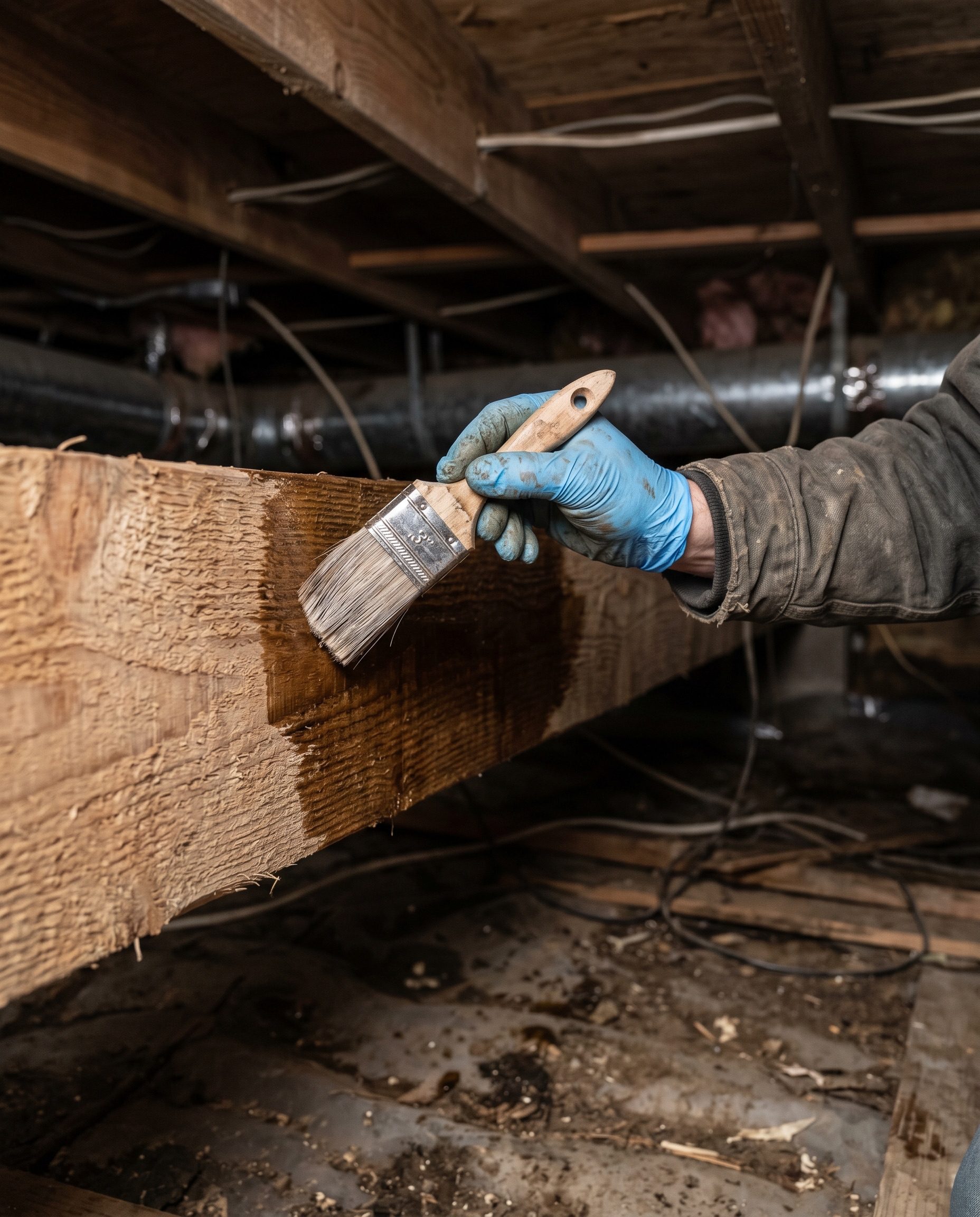
Before any product, deal with the moisture, because termites follow water and rotten wood the way they never follow dry, sound lumber. Slope the soil so rain drains away from the foundation, fix the dripping hose bib and the leaking gutter, and keep mulch and stored firewood off the wall. The EPA’s safe pest control guidance frames this kind of moisture and exclusion work as the foundation of any pest program, and it costs nothing but a Saturday. Our full walkthrough on how to get rid of termites lays out the moisture and inspection steps in order.
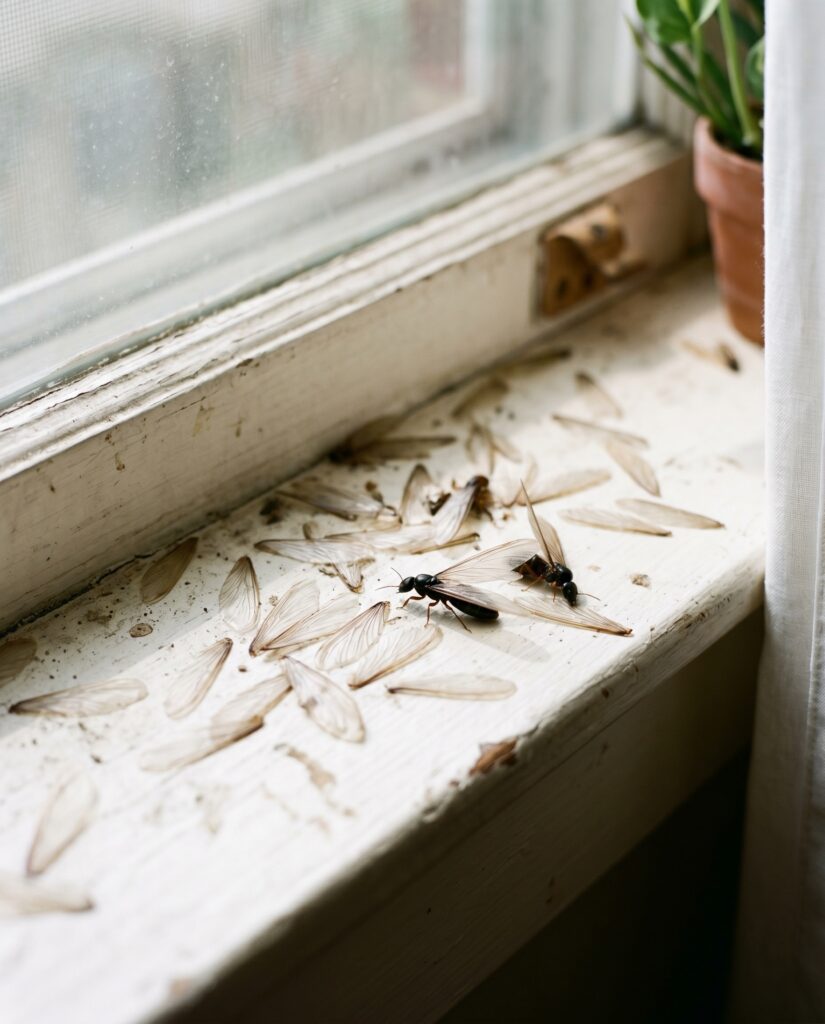
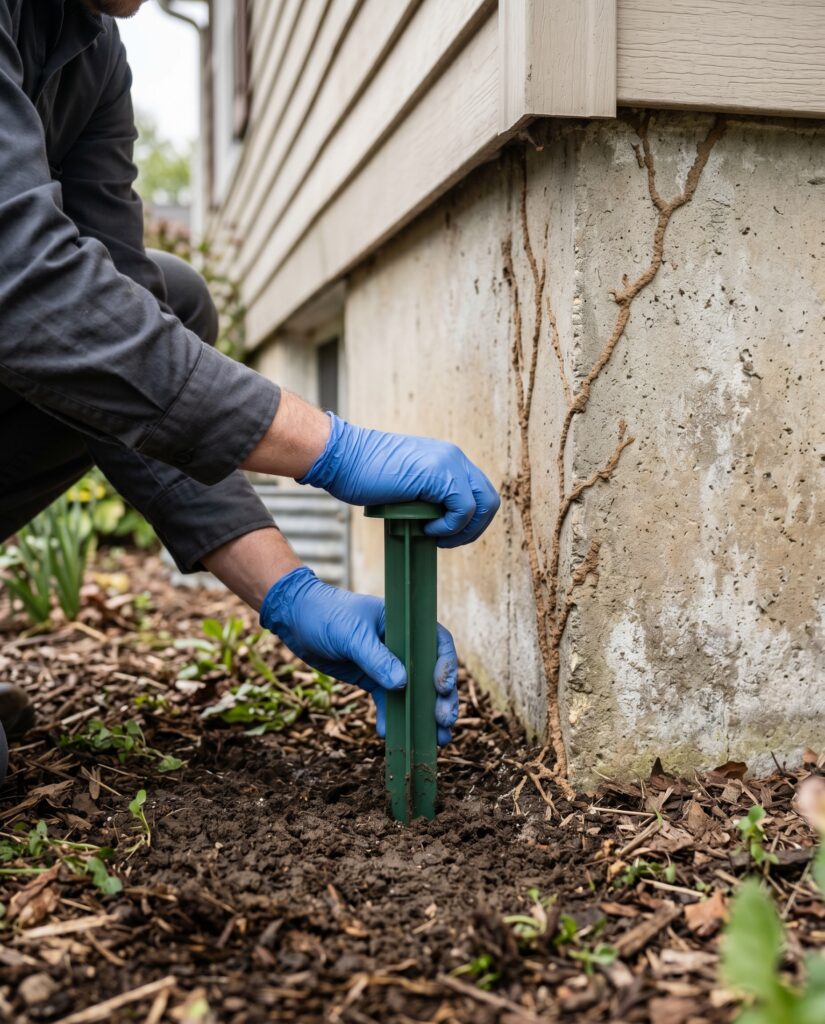
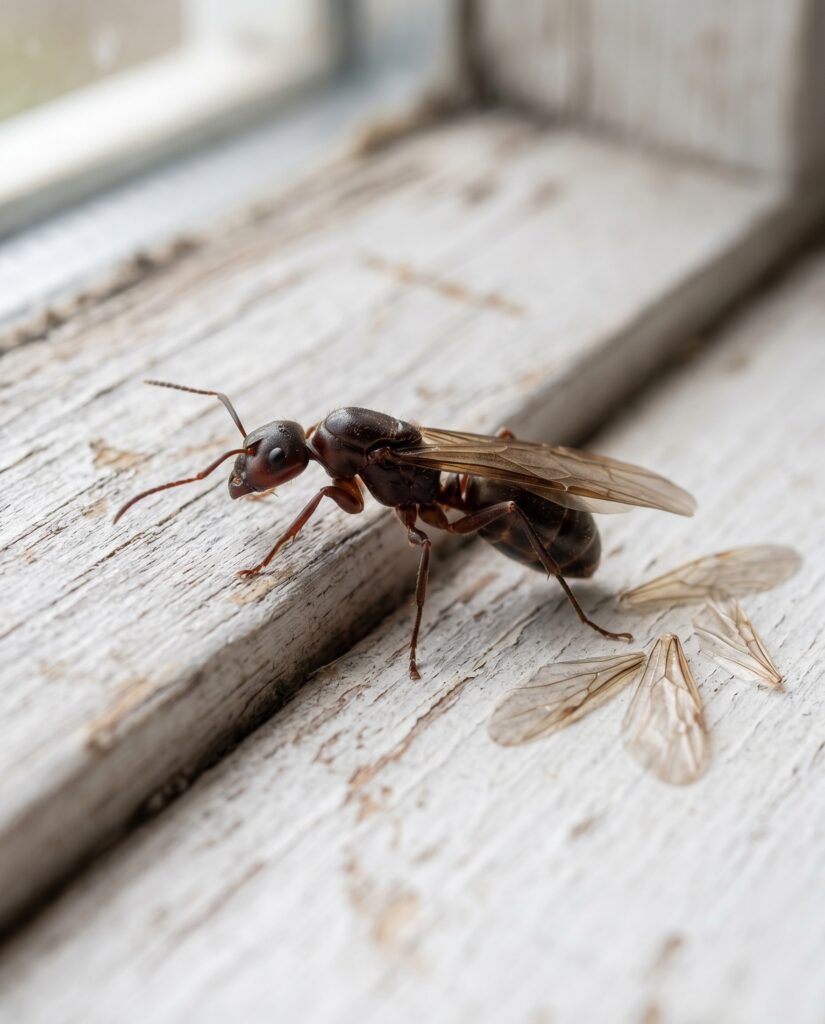
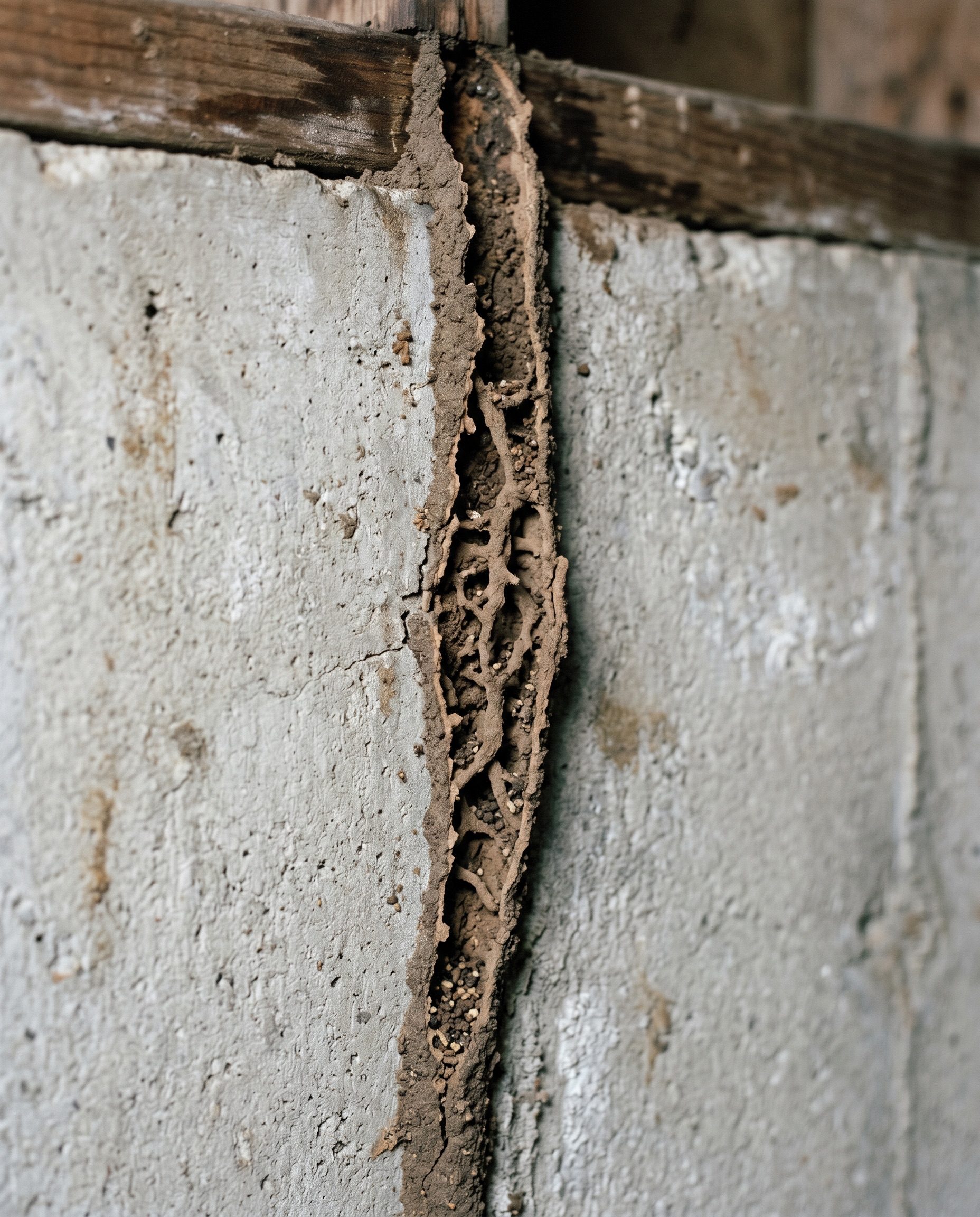
Then look before you treat. Borate is a prevention tool, so it belongs on wood that is not yet infested. Walk the foundation, the sill plate, and the crawlspace and hunt for pencil-thin mud tubes climbing the concrete, hollow-sounding wood, and discarded swarmer wings on the windowsill. The UC IPM Pest Notes on subterranean termites describes these signs and is blunt that a structural infestation is not a DIY job. If you find an active colony, stop and read the section below before you reach for a borate jug, because the right move there is different.
Why borate is prevention, not a cure
Here is the part the “termite killer” labels skip. Borate works on the wood, not on the colony. When you brush or spray a borate solution onto bare lumber, it penetrates the fibers and stays there, so any termite that tries to eat the treated wood ingests boron and dies, and decay fungi cannot take hold either. That makes it brilliant for protecting wood you can reach and useless for wood you cannot. A termite colony living in soil and tunneling up into a finished, painted, inaccessible wall never has to chew the one board you managed to coat, so the treatment never touches it.
That is why a confirmed structural infestation is the wrong job for any brush-on product. The University of Kentucky’s termite control ENTfact explains that clearing a subterranean colony takes a continuous soil barrier or a baiting system installed and monitored correctly, which is professional work. Baits in particular are designed to be carried back to the nest, and the Kentucky guidance on termite baits walks through how that colony elimination actually happens over months, not in an afternoon. If you have found live mud tubes or active damage in your walls, the responsible call is a licensed pest professional for an inspection and a soil or bait treatment, not a coat of borate over the problem. Our guide to the best termite bait stations covers the colony-elimination side that borate does not address.
When borate actually wins
Once you know borate is a protection layer, the right moments to use it are easy to spot. The whole value is access to bare wood, so the wins cluster around construction, renovation, and crawlspaces where raw lumber is exposed and reachable.
| Situation | Best for | Watch-out |
|---|---|---|
| New framing or an addition | Treating bare studs, joists, and sill plates before they are closed up | Apply before paint or finish seals the wood; follow the label |
| Crawlspace and exposed joists | A long-lasting barrier on accessible structural wood | Not a soil barrier; will not stop tunneling that bypasses the wood |
| An active colony in finished walls | Nothing here; this is a pro job | Borate cannot reach the colony; call a licensed professional |
Why not just borate everything and skip the pro? Because the chemistry only protects the wood it soaks into, and most of a finished house is sealed, painted, or buried where you cannot apply it. Borate is a build-it-right and renovate-it-right tool, not a rescue tool. Drywood termites are a partial exception, since they live inside the wood itself rather than in the soil, which is one reason knowing your enemy matters; our breakdown of subterranean versus drywood termites explains why the same product fits one situation and not the other. For raw, reachable wood, though, a borate is the most cost-effective prevention there is, and that is where it belongs.
How to apply it safely
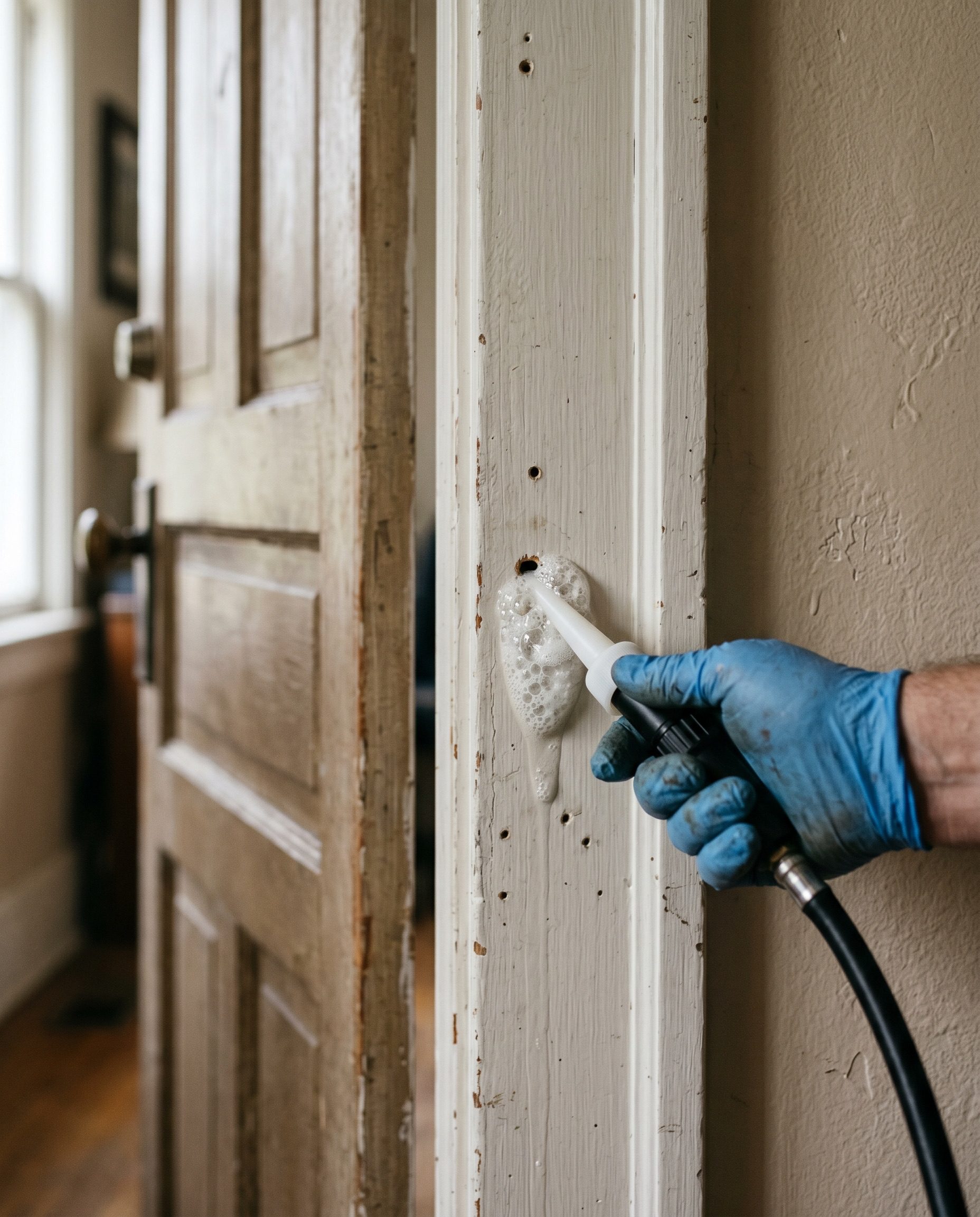
Treat the bare wood, and treat it before it is sealed. Brush, roll, or spray the solution onto raw lumber so it wets the surface evenly and soaks in, paying attention to the sill plate, the bottom two feet of studs, and any joist or post sitting near the ground where termites would first arrive. Coverage of the vulnerable, ground-adjacent wood matters more than coating every inch up high. Mix and apply at the rate on the product, because under federal law the label is the law, and a borate diluted wrong either wastes product or leaves the wood under-protected. The NPIC termite pesticide-safety page is the place to check application and exposure questions.
Handle it like the pesticide it is, even though borate is on the lower-toxicity end. Keep children and pets off treated wood until it is fully dry, do not let the solution contaminate food-prep surfaces or pet bowls, and wear gloves and eye protection while you apply. Borate also stays put in dry wood but can leach if the wood gets repeatedly wet, so it is meant for interior, crawlspace, and protected lumber rather than wood sitting in the weather. If someone is exposed and you are worried, contact a doctor or your local poison control center.
The picks
Cards come after the analysis on purpose, because the situation decides which one you buy. All three are borate wood treatments built for the same core job, protecting bare, accessible wood, and they are widely available, commonly recommended products.
InsectoGuide is reader-supported. As an Amazon Associate we earn from qualifying purchases at no extra cost to you.
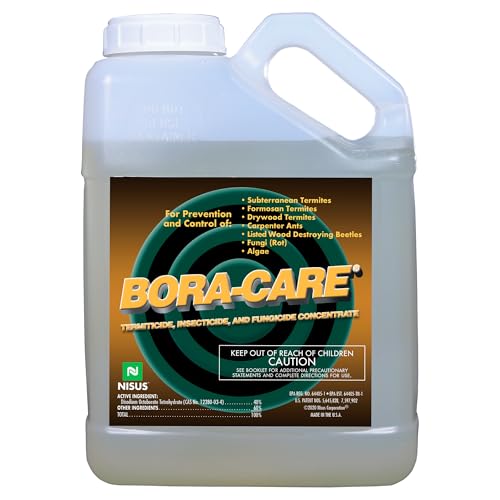
A borate concentrate for treating bare, accessible wood during building or renovation.
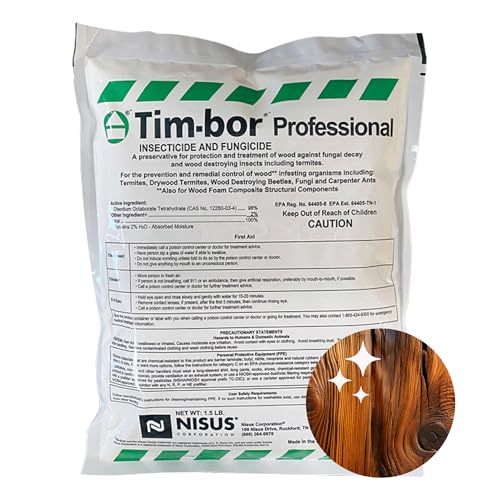
A borate powder you can apply as dust, liquid, or foam into voids and bare wood.
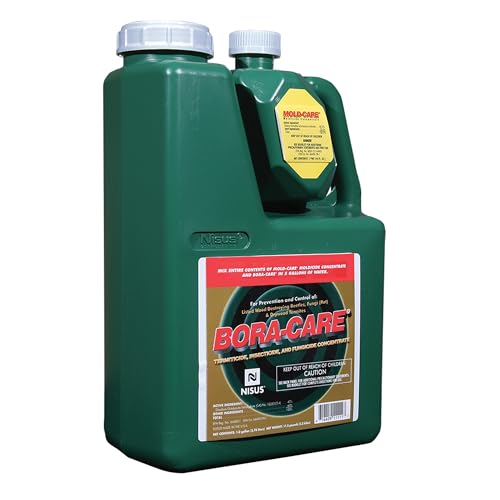
A borate concentrate that adds mold control for damp crawlspaces and basements.
Common questions
Does borate wood treatment actually stop termites?
On bare wood it can, by making the wood itself inedible and resistant to decay. The UC IPM subterranean termite guidance is clear, though, that protecting wood is different from eliminating a colony in the soil. Borate prevents; it does not hunt down a nest.
Can I use borate to get rid of termites already in my walls?
No. Borate only protects the wood it soaks into, and a colony in finished, sealed walls never has to chew that exact board. A confirmed structural infestation needs a licensed professional with a soil barrier or a monitored bait system, not a brush-on coat.
When is the best time to apply a wood treatment?
During construction or renovation, before the framing is closed up, painted, or finished, when the bare lumber is exposed and reachable. A crawlspace with open joists is the other classic window. Once wood is sealed, the treatment cannot penetrate it.
Is borate safe to use around pets and kids?
Used as directed it is on the lower-toxicity end, but it is still a pesticide. Keep children and pets off treated wood until it dries, avoid food-prep surfaces, and follow the label, since under federal law the label sets the legal terms of use. Check the NPIC termite page for exposure questions.
Will borate handle drywood termites?
A borate treatment on accessible wood can help against drywood termites, which live inside the wood rather than in soil, but extensive or hidden drywood infestations may still need fumigation or spot treatment by a pro. The University of Kentucky termite control guidance covers when professional methods are warranted.
Final verdict
The best wood treatment for termites is a borate on bare, accessible wood, and the reason it earns its place is exactly its limit: it prevents, it does not cure. Start free by fixing moisture, grading soil away from the house, and inspecting for mud tubes, then treat the raw lumber you can reach during building, renovation, or in a crawlspace. A borate concentrate is the workhorse for the common case, a versatile powder covers voids and odd surfaces, and a mold-protecting formula earns its keep in damp spaces. Skip the idea that any brush-on coat will clear a colony already in your walls; that is a licensed pro’s job with a soil barrier or bait system. Match the borate to the bare wood, and call the professional for the structure.